Siberian Husky Paw Care Through Snow and Salt
Oh, winter! It brings such beauty, doesn't it? Snow-covered landscapes, crisp air, and the sheer joy of watching our Siberian Huskies bound through fresh powder. But let's be honest, alongside that picturesque scene comes a very real, often painful, challenge: protecting those amazing, tough-looking paws from the relentless assault of snow, ice, and especially, the insidious road salt. Many of us have seen our beloved Huskies limp, lick at their sore feet, or even refuse to walk outside when the ground is frozen and unforgiving. This guide is here to walk you through everything you need to know about keeping your Siberian Husky's paws healthy and happy, no matter how harsh winter gets.
Understanding the Siberian Husky's Paws: Built for the Wild, Tested by the City
When you look at your Siberian Husky, you see a creature designed for cold environments. Their magnificent double coat, their strong, athletic build – it all screams "arctic adventurer." And their paws are no exception. They're miniature marvels, really, but even the best natural engineering can struggle against modern urban winter challenges.
The Husky Paw Pad: A Marvel of Nature's Engineering
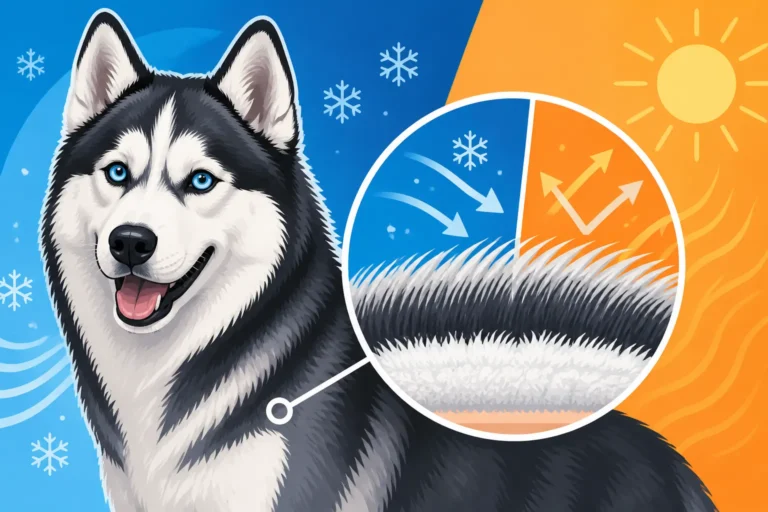
Siberian Husky paw pads are typically robust and well-cushioned, an evolutionary gift from their Chukchi ancestors who traversed vast, icy landscapes. These pads are made of thick, fatty tissue, which provides insulation against the cold ground and acts like natural shock absorbers. The outer layer of skin on these pads is significantly thicker and tougher than skin elsewhere on their body, offering a degree of protection against rough terrain, ice, and cold temperatures. This amazing natural design helps regulate blood flow to the paws, keeping them warmer by a complex system of arteries and veins that transfer heat, a bit like a natural heat exchanger. It's why your Husky can often frolic in snow that would send other breeds shivering and seeking shelter. However, this natural resilience has its limits, especially when confronted with artificial elements like abrasive de-icing chemicals. While incredibly adapted, they aren't impervious to the constant scraping of ice or the corrosive nature of salt.
The Delicate Skin Between the Toes
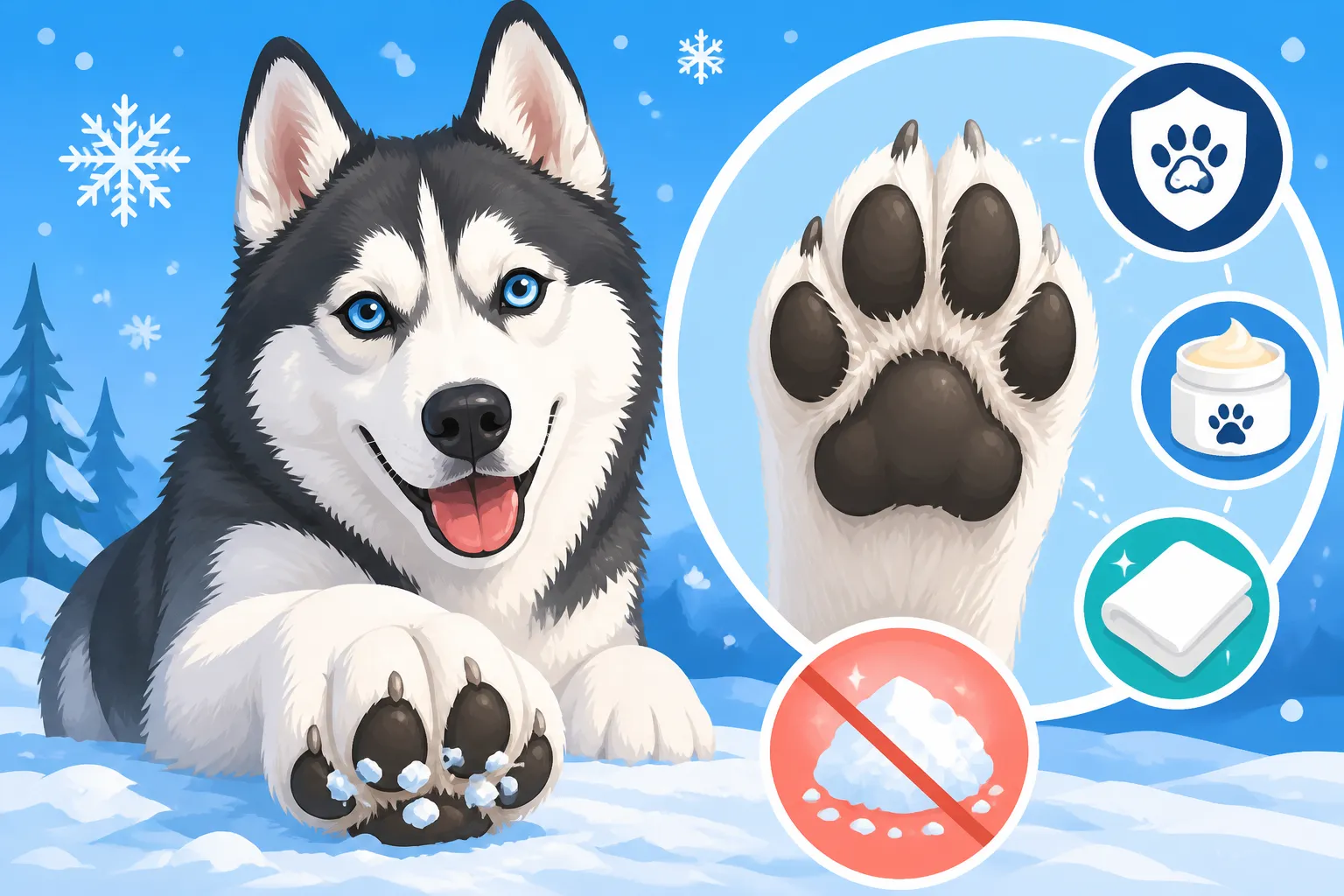
Despite the toughness of the paw pads themselves, the skin between the toes and pads is a different story. This interdigital skin is much softer, thinner, and far more vulnerable to irritation and injury. This is where winter truly poses a unique challenge. As your Husky runs through snow, especially wet or powdery snow, it can quickly accumulate and pack tightly into these sensitive spaces. This snow then melts slightly from body heat, refreezes into hard, sharp ice balls, and acts like tiny, painful wedges between their toes. Imagine walking with pebbles constantly digging into your feet, and you get a sense of the discomfort. Beyond just physical irritation, these packed ice balls can stretch and tear the delicate skin, leading to painful cracks, bleeding, and even frostbite in extreme conditions. The constant friction and pressure can also cause inflammation and tenderness, making every step a painful ordeal for your dog.
Husky Nails: The Often-Overlooked Detail
We often focus on the pads and skin, but your Husky's nails play a surprisingly critical role in their paw health, especially in winter. Long nails can be a significant detriment. When a dog's nails grow too long, they push back against the nail bed, forcing the toes to splay out unnaturally. This changes the dog's gait, putting undue pressure on the paw pads and joints, which can lead to discomfort, lameness, and even long-term orthopedic issues. In snowy and icy conditions, long nails make it harder for your Husky to get proper traction, leading to slips and falls that could result in sprains or fractures. Furthermore, long nails can easily snag on ice or hidden debris, tearing or breaking, which is incredibly painful and often bleeds profusely. For a comprehensive look at this, you might find our article on Cutting Thick Siberian Husky Nails helpful. Keeping them trimmed short is not just about aesthetics; it's fundamental to their comfort and safety. This is particularly true for working Huskies or those who spend a lot of time outdoors where their nails may not naturally wear down as much as those of a city-dwelling companion.
The Winter Gauntlet: Snow, Ice, and the Menace of Road Salt
Winter transforms our pleasant walking paths into a treacherous obstacle course for our Huskies. What seems like a minor inconvenience to us can be a significant threat to their paw health. It's not just the cold; it's the combination of elements that creates a veritable gauntlet for those tough paws.
The Perils of Packed Snow and Ice Balls
I've seen it countless times: a Husky happily bounding through fresh snow, only to suddenly stop, lift a paw, and start gnawing at it. More often than not, the culprit is an ice ball. These aren't just fluffy snow; they are hard, compact nuggets of ice that form between your Husky's toes. The fur that grows between their paw pads, while offering some insulation, also provides a perfect anchor for snow and ice to cling to. As the Husky moves, body heat slightly melts the snow, which then refreezes into these painful, solid masses. They can cause intense discomfort, making your dog lift their paws, limp, or even refuse to walk. Beyond the immediate pain, these ice balls can rub and abrade the sensitive skin, leading to raw spots, cracks, and sometimes even deep cuts. In severe cases, prolonged exposure to these icy formations can reduce blood flow and increase the risk of frostbite on the delicate interdigital skin, turning a joyous winter walk into a potentially damaging experience.
The Chemical Burn of De-Icing Salts
This is arguably the most dangerous aspect of winter for a Husky's paws, especially in urban or suburban areas. Road salts and de-icing chemicals are everywhere – sidewalks, driveways, parking lots – and while they make walking safer for humans, they are corrosive and toxic to our dogs. Common de-icers include sodium chloride (rock salt), calcium chloride, and magnesium chloride. These chemicals are designed to melt ice by lowering its freezing point, but they are also highly irritating to skin. When your Husky walks on salted surfaces, these chemicals stick to their paw pads and the delicate skin between their toes. The result can be immediate irritation, redness, dryness, and severe cracking. Over time, or with high concentrations, these can lead to painful chemical burns, blisters, and even open wounds. It's a truly heartbreaking thing to see. What's worse, many Huskies will instinctively lick their paws to relieve the irritation or to clean off the residue. Ingesting these salts can cause gastrointestinal upset, vomiting, diarrhea, and in larger quantities, can lead to more serious issues like sodium poisoning. Our post on Road Salt on Siberian Husky Paw Pads goes into more detail about this specific threat. It's a silent menace that often goes unnoticed until the damage is already done.
Hidden Hazards: Antifreeze and Other Toxins
Beyond the direct assault of salt, winter conditions can also bring other hidden dangers to paw health. Antifreeze is a notorious culprit. It often leaks from vehicles and collects on driveways or streets. Its sweet taste unfortunately makes it attractive to curious dogs, and even a small amount ingested while licking paws can be lethal. The chemicals can cause severe kidney damage. Beyond antifreeze, there can be other fluid leaks, oil slicks, or even household cleaning agents used on steps that, when mixed with melting snow, become a toxic soup. While less common, these substances can cause skin irritation or be ingested, posing a significant health risk. It's a reminder that even when your Husky is just out for a quick potty break, their paws are exposed to a myriad of potential hazards that extend beyond just the cold. Vigilance and immediate paw cleaning are your best defense against these unseen threats.
Essential Pre-Winter Paw Preparations
Just as you wouldn't head out into a blizzard without your heavy coat and gloves, your Siberian Husky needs some pre-winter conditioning and care for their paws. Proactive measures can make a world of difference, preventing a lot of pain and discomfort when the snow starts falling and the salt trucks hit the roads. Think of it as building up their defenses before the battle begins.
Regular Nail Trims and Why They're Crucial
This might seem obvious, but consistently keeping your Husky's nails short is one of the most fundamental aspects of year-round paw health, and it becomes absolutely critical in winter. As we discussed, long nails force the toes to splay, putting stress on joints and making it harder for your Husky to grip surfaces. On icy paths, this poor traction can lead to painful slips and falls. Short nails allow the paw to maintain its natural, compact shape, distributing weight correctly and providing better stability. They also significantly reduce the risk of snagging on ice or hard-packed snow, which can result in painful tears or breaks. Aim for a frequency that keeps the nails just shy of touching the ground when your Husky stands naturally. For many Huskies, this means a trim every 2-4 weeks. If you're nervous about cutting too short, using a nail grinder can be a gentler way to gradually shorten them. This is an ongoing commitment, not just a one-off task. You can read more about the specifics in Cutting Thick Siberian Husky Nails.
Trimming Interdigital Hair
Remember those pesky ice balls that form between your Husky's toes? One of the best ways to combat them is by carefully trimming the hair that grows in those spaces. While this hair offers a bit of insulation, it also acts like velcro for snow and ice. When this fur is trimmed flush with the paw pads, there's less surface area for snow to cling to, dramatically reducing the chances of ice ball formation. This simple grooming step also makes it easier to clean their paws after a walk, ensuring no salt or debris gets trapped. To do this safely, use blunt-nosed scissors or small clippers designed for pet grooming. Gently spread your Husky's toes and carefully trim the hair so it's level with the pads. Always be extra cautious, as the skin here is very delicate and easy to nick. If your Husky is squirmy, it might be a two-person job, or something best left to a professional groomer. What a Groomer Charges to De-Shed a Siberian Husky might give you an idea of professional costs if you prefer that route.
Building Paw Pad Resilience
While you can't magically make your Husky's pads impervious to everything, you can help them maintain their natural toughness and flexibility. This isn't about hardening them unnaturally, but about keeping them healthy and pliable. One way to do this is through consistent, varied exercise throughout the year, exposing their paws to different natural textures like grass, dirt, and pavement. This helps maintain the natural thickness and resilience of the pads.
Before winter sets in, and especially if your Husky's pads feel dry or rough, consider incorporating a good quality paw balm into your routine. These aren't just for damage control; they can be used preventatively. Look for balms with natural ingredients like shea butter, coconut oil, or beeswax. Applying a thin layer a few times a week, especially before bed, can help keep the pads moisturized and less prone to cracking. Well-hydrated pads are more flexible and less likely to crack when exposed to cold, dry air or abrasive surfaces. Avoid harsh chemicals or anything that might dry out their skin. A little bit of proactive care goes a long way in fortifying their natural defenses.
During Winter Walks: Protecting Paws in the Moment
Once winter has truly descended, your proactive preparations need to be coupled with smart strategies during your actual walks. It's about creating a physical barrier and making wise choices about where and when you venture out. Protecting those paws becomes a real-time job, not just a seasonal chore.
The Great Bootie Debate: Are They Worth It for Huskies?
Ah, booties! This is often a topic of lively debate among Husky owners. On one hand, dog booties offer the ultimate protection for your Siberian Husky's paws. They create a physical barrier against all the winter nasties: road salt, sharp ice, freezing temperatures, and even potential cuts from unseen debris. For Huskies with sensitive paws or those living in heavily salted urban areas, booties can be a lifesaver. They can prevent chemical burns, stop ice balls from forming, and provide an extra layer of insulation. You might find some excellent options available through retailers like Amazon or Chewy.
However, the "cons" column is often just as long, if not longer, for many Husky owners. Huskies are notoriously opinionated, and many will resist wearing booties with comical determination, often performing the "bootie dance" or trying to chew them off. Finding a pair that fits well is also a challenge; they need to be snug enough not to fall off, but not so tight that they restrict circulation. Poorly fitting booties can cause rubbing and sores, or worse, fill with snow and ice themselves, creating a new problem. Then there's the cost, as durable booties can be an investment, and they often get lost or damaged. If you decide to go this route, introduce them gradually, using positive reinforcement and short wear times indoors first. Look for designs specifically made for active dogs, with good grip and adjustable straps. Our article Booties for a Siberian Husky in Winter offers more insights into choosing and using them effectively.
Paw Balms and Waxes: A Protective Barrier
If booties are a no-go for your independent-minded Husky, or if you prefer a simpler solution for shorter walks, paw balms and waxes are your next best friend. These products are designed to create a protective, breathable barrier on your Husky's paw pads, shielding them from irritants like salt, chemicals, and extreme cold. Think of it like a pair of invisible gloves. The wax or balm forms a hydrophobic (water-repelling) layer that prevents salt and ice from directly contacting and drying out the skin. It also helps to prevent snow and ice from clinging as readily between the toes.
To apply, simply take a generous dollop and rub it thoroughly into each paw pad, making sure to work it into the crevices between the toes. Do this before you head out for your walk. The frequency depends on how often you're out and about in harsh conditions, but a fresh application before each winter walk is ideal. Many excellent brands are available, often featuring natural ingredients like beeswax, carnauba wax, shea butter, and various oils. Some popular choices are Musher's Secret or various organic paw waxes you can find on Chewy. These aren't a substitute for cleaning paws after a walk, but they are a fantastic first line of defense against the elements. You might want to check out Paw Balm for a Cracked Siberian Husky Pad for specific product suggestions.
Smart Walking Strategies
Sometimes, the best protection is simply avoiding the danger altogether. Implementing smart walking strategies can significantly reduce the wear and tear on your Husky's paws during winter. First and foremost, choose your routes wisely. Opt for areas where you know snow hasn't been heavily salted or de-iced. Fresh snow, parks, or grassy areas are generally much safer than paved sidewalks or busy streets that have been treated with chemicals. If you live in an urban environment where salted sidewalks are unavoidable, try to stick to the untouched edges or areas with softer snow cover.
Consider the duration of your walks. In extremely cold temperatures or on heavily salted surfaces, shorter, more frequent walks might be better than one long excursion. This limits their exposure time and gives their paws a break. Always be observant of your Husky's behavior. If they start lifting a paw, limping, or showing any signs of discomfort, it's a clear signal to cut the walk short and inspect their paws immediately. Their body language will tell you when the conditions are becoming too much for them, and respecting those signals is key to preventing serious injury. Remember, while Huskies are built for cold, even they have their limits, and pavement treated with chemicals is not the same as natural snow.
Post-Walk Paw Care: Cleaning and Inspection
The walk isn't over when you step back inside the door; in fact, the most critical part of winter paw care often begins the moment you re-enter your home. What your Husky's paws have been exposed to outside needs immediate attention to prevent irritation, chemical burns, or the ingestion of harmful substances. This post-walk ritual is non-negotiable for responsible Husky owners.
The Immediate Clean-Up Ritual
This is arguably the single most important step in protecting your Siberian Husky's paws from winter hazards. The moment you get back inside, before your Husky has a chance to settle down or, more importantly, start licking their paws, initiate the clean-up. Road salts, de-icing chemicals, and other street grime don't just disappear when the snow melts; they cling to your dog's paws and fur. If your Husky licks their paws to relieve irritation, they can easily ingest these toxic substances, leading to upset stomachs, vomiting, or more severe health issues.
Have a designated spot right inside your door with a shallow bowl of warm water and a soft, absorbent towel. Gently dip each paw into the warm water, swishing it around to thoroughly rinse off any salt, grit, or chemicals. Pay special attention to the spaces between the toes and around the pads, as these are prime areas for irritants to collect. You can use a soft cloth or sponge to wipe down their legs and belly too, as spray from cars or splashing through puddles can deposit salt and grime there as well. The goal is to remove all traces of external contaminants as quickly as possible. This simple act of immediate cleaning can prevent painful chemical burns and save your Husky from ingesting harmful toxins.
Thorough Inspection for Damage
After the initial clean-up, take a few extra minutes to perform a detailed inspection of each paw. Even with the best precautions, winter conditions can be harsh, and it's essential to catch any issues early before they escalate. Gently spread your Husky's toes and meticulously examine all surfaces: the paw pads, the skin between the pads and toes, and around the nail beds. What are you looking for?
- Cracks: Dry, flaky skin, especially on the pads, can crack, leading to open wounds.
- Cuts or Abrasions: Sharp ice or hidden debris can cause small nicks or scrapes.
- Redness or Inflammation: This can be a sign of irritation from salt or rubbing from ice balls.
- Swelling: May indicate an injury, infection, or more severe chemical burn.
- Blisters: A clear sign of a severe chemical burn or frostbite.
- Foreign Objects: Tiny pebbles, thorns, or bits of ice could still be lodged between the toes, even after rinsing.
Look for any signs of tenderness when you press on the paw or spread the toes. Your Husky might flinch or pull away if there's discomfort. This thorough visual and tactile inspection is crucial. It’s your opportunity to assess the effectiveness of your preventative measures and determine if any further action, such as applying a soothing balm or consulting a vet, is needed. The information in Checking Siberian Husky Pads After Trail Runs provides a good framework for routine paw inspection, adaptable to winter conditions.
Moisturizing and Soothing Damaged Paws
Once the paws are clean and thoroughly inspected, and assuming you haven't found anything serious enough to warrant immediate vet attention, it's time to moisturize and soothe. Just like our hands get dry and chapped in winter, your Husky's paw pads can suffer from the cold, dry air and the harsh effects of salt. Regular moisturizing helps to restore their natural suppleness and prevent future cracking.
Apply a high-quality, pet-safe paw balm or moisturizer generously to the pads and gently massage it in. This not only helps with absorption but also offers a nice bonding moment for you and your Husky. Focus on any areas that looked particularly dry or irritated during your inspection. Applying balm before bedtime can be particularly effective, as it gives the product several hours to soak in without being walked off. Look for ingredients like shea butter, coconut oil, vitamin E, or calendula, all known for their moisturizing and healing properties. While a good fresh food diet from a brand like Ollie can support overall health, it doesn't directly solve localized paw dryness. Consistent application of a topical balm helps maintain the integrity of the paw pads, making them more resilient to the next day's adventures in the snow and salt.
Addressing Common Winter Paw Problems
Even with the best preventative care and diligent post-walk rituals, winter is tough, and sometimes problems still arise. Knowing how to recognize and respond to common winter paw issues can minimize discomfort for your Siberian Husky and prevent more serious complications.
Treating Minor Cracks and Abrasions
It's almost inevitable that at some point during winter, your Husky might end up with a minor crack in a paw pad or a small abrasion between the toes. These usually present as dry, hard edges on the pad, or small, red lines where the skin has split. They might not bleed heavily, but they can be quite painful and create an entry point for bacteria.
Immediate Action:
- Clean: First, thoroughly clean the paw again with warm water and a mild, pet-safe antiseptic solution (like diluted Betadine or chlorhexidine rinse, available at most pet stores or vet clinics). Ensure all debris is removed.
- Inspect: Re-examine the area to confirm it's truly minor and not a deep cut or puncture.
- Treat: Apply a thin layer of a healing paw balm or a veterinary-approved antiseptic ointment. Products containing calendula or aloe vera can be very soothing.
- Cover (Optional): For very active Huskies or if the crack is deep enough to cause concern about dirt, you can apply a light, breathable paw bandage. However, many minor cracks heal best with air exposure, coupled with regular balm application.
- Monitor: Keep a close eye on the area. Look for increased redness, swelling, pus, or if your Husky starts licking it excessively. If these signs appear, or if the crack doesn't show signs of healing within a few days, it's time to call your vet. Consistency with paw balm application during this time is key.
When Chemical Burns or Frostbite Occur
These are more serious winter paw injuries and require prompt attention. Recognizing the signs is critical for timely intervention.
Chemical Burns:
- Signs: Redness, swelling, blistering, peeling skin, raw spots, or even open wounds on the paw pads or between the toes. Your Husky might be in significant pain, limping severely, or refusing to put weight on the affected paw. The skin may appear discolored, ranging from white to grey or black in severe cases.
- Immediate Action:
- Rinse, Rinse, Rinse: Immediately and thoroughly rinse the affected paw with lukewarm water for several minutes to wash away any remaining chemical residue. This is crucial.
- Contact Your Vet: Chemical burns are serious. Call your veterinarian immediately. They can advise on pain management, infection prevention, and further treatment. Do not apply any home remedies or ointments without veterinary guidance, as some might worsen the burn.
- Prevent Licking: If you can't get to the vet right away, try to prevent your Husky from licking the burn, as this can worsen the irritation and lead to ingestion of chemicals. An Elizabethan collar (cone) might be necessary.
Frostbite:
- Signs: In the initial stages, the affected area (often paw pads, ear tips, or tail tip) might appear pale, grayish, or bluish due to reduced blood flow. It will feel very cold to the touch. As it progresses, the skin can become numb, stiff, and eventually turn black and slough off. There might be swelling and blistering as the tissue thaws.
- Immediate Action:
- Warm Gradually: Move your Husky to a warm, dry area.
- Warm Water Soak: Gently soak the affected paw in lukewarm (not hot!) water for about 20-30 minutes. The water should be comfortably warm to your touch, like a baby's bath. Avoid rubbing or massaging the affected area, as this can cause further tissue damage.
- Do Not Rub Snow/Ice: Never rub snow or ice on a frostbitten area, and avoid direct dry heat (like a hairdryer), as this can cause rapid thawing and more damage.
- Contact Your Vet: Just like chemical burns, frostbite requires veterinary attention. Your vet will assess the extent of the damage and prescribe necessary pain relief, antibiotics to prevent infection, and discuss long-term care.
Preventing and Removing Ice Balls
Ice balls are a recurring annoyance, and sometimes pain, for Huskies in snowy conditions. Prevention is always better than cure.
Prevention:
- Trim Interdigital Hair: As mentioned earlier, keeping the hair between your Husky's paw pads trimmed flush is the most effective preventative measure. Less hair means less surface area for snow to cling to.
- Paw Balms/Waxes: Applying a generous layer of paw balm or wax (like Musher's Secret, available at Chewy) before walks can create a slick surface that snow struggles to adhere to.
- Booties: If your Husky tolerates them, booties are excellent at preventing ice balls entirely.
Removal:
If ice balls do form:
- Stop the Walk: Don't let your Husky continue walking with ice balls, as they will only get larger and more painful.
- Gentle Pressure/Warmth: Gently hold the paw and use the warmth of your hands to melt the ice. You can also carefully pick off pieces of ice, but avoid pulling or yanking the hair.
- Lukewarm Water: If you're near home, a quick rinse in lukewarm water will melt them away quickly and painlessly. Never use hot water.
Addressing Licking and Chewing
Excessive licking or chewing of paws, especially after a winter walk, is a clear signal that something is bothering your Husky.
- Rule Out Injury/Irritation: The first step is always to thoroughly inspect their paws for any cuts, cracks, ice balls, or signs of chemical irritation (redness, tenderness). Address any physical issues found as described above. They might be trying to soothe an itch or pain.
- Rinse Thoroughly: If you suspect salt or chemicals are the culprit, another thorough rinse with warm water is in order, even if you just did one.
- Allergies: While winter-specific, constant licking could also be a sign of environmental allergies that are exacerbated by dryness or other factors. If it's persistent and not tied to external injury, consider discussing with your vet.
- Boredom/Anxiety: Sometimes, especially if a Husky is cooped up more in winter, licking can become a self-soothing behavior due to boredom or anxiety. Ensure they are still getting adequate mental and physical stimulation, even if outdoor activity is limited.
- Intervention: If the licking persists despite addressing any physical issues, you may need to use an Elizabethan collar (the cone of shame) to prevent them from irritating the area further and allowing it to heal. Bitter-tasting sprays are an option, but some Huskies simply lick right through them. Your vet might also recommend antihistamines or other medications if an underlying cause is suspected.
Year-Round Paw Health: It's Not Just a Winter Thing
While winter presents the most immediate and acute threats to your Siberian Husky's paws, true paw health is a year-round commitment. Neglecting their paws during the warmer months can set them up for problems when the cold weather returns, or lead to other issues entirely.
Regular Grooming Habits for Paws
Many Husky owners think of grooming primarily as managing their magnificent double coat, especially during the notorious "coat blow" seasons. But paw grooming needs to be a consistent part of this routine, regardless of the weather. Maintaining good paw hygiene and structure throughout the year contributes significantly to their overall well-being and resilience.
Nail Trims: This is paramount. Long nails are a problem in any season, affecting gait, comfort, and potentially leading to painful breaks. Regular trims, ideally every 2-4 weeks, ensure the nails stay short and the quick recedes, making future trims easier. If you're looking for more general grooming advice, our guide on Siberian Husky Weekly Grooming Between Blows covers broader grooming tasks that complement paw care.
Interdigital Hair Trims: Even when there's no snow to form ice balls, trimming the hair between your Husky's paw pads prevents other issues. Longer interdigital hair can trap dirt, debris, burrs, and allergens, leading to irritation, matting, or even infections. It also makes it harder for you to spot ticks or other parasites after walks in tall grass. Keeping this hair neat and short allows for better air circulation, reducing the risk of moisture-related skin issues, especially in humid or wet conditions. Regular maintenance here means one less thing to worry about when winter inevitably rolls around.
Diet and Overall Paw Health
It might not be the first thing you think of when you consider paw health, but what goes into your Husky's bowl has a direct impact on the quality of their skin, coat, and yes, their paw pads. A well-balanced, nutritious diet is foundational to strong, healthy tissues throughout the body, including those tough paw pads.
Quality Ingredients: Ensure your Husky is fed a high-quality dog food appropriate for their life stage and activity level. Look for foods with clearly identifiable protein sources, healthy fats, and essential vitamins and minerals. Cheap, filler-heavy foods often lack the necessary nutrients to support robust skin and paw health.
Omega Fatty Acids: These are superstars for skin and coat health. Omega-3 and Omega-6 fatty acids (found in fish oils, flaxseed oil, and certain vegetables) help maintain skin elasticity, reduce inflammation, and promote a healthy skin barrier. This means less dry, cracked skin on their paw pads. You might consider a fish oil supplement if your dog's diet isn't naturally rich in these. Brands like Chewy offer a wide selection of omega supplements.
Zinc: Siberian Huskies, specifically, have a known genetic predisposition to poor zinc absorption, which can lead to a condition called Zinc-Responsive Dermatosis. One of the hallmark signs of this condition is often crusting, scaling, and cracking of the skin, particularly around the muzzle, eyes, and yes, the paw pads. While diet is important, many Huskies with this condition require direct zinc supplementation because their bodies can't utilize dietary zinc effectively. This highlights how a very specific nutritional need can directly impact paw health. If you see persistent dryness, crusting, or cracking on your Husky's pads that doesn't resolve with topical balms, it's worth discussing zinc supplementation with your vet. Our article Zinc-Responsive Dermatosis in the Siberian Husky delves deeper into this condition. A robust immune system, fueled by good nutrition, also helps your Husky ward off infections that might enter through minor paw abrasions.
Recognizing Underlying Issues
Sometimes, what appears to be a simple paw problem might be a symptom of a larger, underlying health issue. It's important to be vigilant and not dismiss persistent or unusual paw problems as just "winter dryness."
Allergies: Environmental allergies (pollen, dust mites) or food allergies can manifest as itchy paws, leading to excessive licking and chewing. This constant moisture and irritation can then make the paws more susceptible to secondary bacterial or yeast infections, which can crack the skin and cause pain. If your Husky has itchy paws year-round, or if winter dryness seems to trigger an allergic response, allergy testing or dietary changes might be necessary.
Fungal or Bacterial Infections: Cracks, cuts, or areas of chronic moisture (from licking) can become breeding grounds for bacterial or fungal infections. Signs include redness, swelling, pus, a foul odor, or non-healing sores. These typically require veterinary diagnosis and treatment, which might involve topical medications or oral antibiotics/antifungals.
Autoimmune Conditions: While less common, some autoimmune diseases can affect paw pads, causing hyperkeratosis (excessive thickening of the pads), cracking, or ulcerations. These often present with other skin symptoms elsewhere on the body.
Parasites: Even in winter, parasites like mites can cause intense itching and irritation, leading to paw chewing and secondary infections. Regular parasite prevention, especially for an outdoor Husky, is always important. Our article Parasite Prevention for an Outdoor Siberian Husky might offer helpful insights here.
If you notice any persistent lameness, swelling, discharge, extreme pain, or if home remedies aren't helping a paw issue resolve within a few days, always err on the side of caution and consult your veterinarian. They can properly diagnose the problem and ensure your Siberian Husky receives the appropriate care. Their paws are their connection to the world, and keeping them healthy means keeping your Husky happy and active.
Paw Protection Comparison
To help you decide on the best approach for your Siberian Husky, here's a quick comparison of the most common paw protection methods:
| Feature | Paw Booties | Paw Balms/Waxes |
|---|---|---|
| Protection Type | Physical barrier, full coverage | Topical barrier, protective coating |
| Effectiveness | Excellent against all hazards (salt, ice, cuts) | Good against salt, drying; fair against ice/cuts |
| Ice Ball Prevention | Highly effective | Reduces clinging, but not always complete |
| Comfort/Acceptance | Varies greatly; many Huskies resist | Generally well-tolerated |
| Application | Can be time-consuming to put on correctly | Quick and easy to apply |
| Durability | Depends on quality; can wear out or get lost | Needs reapplication for prolonged exposure |
| Cost | Initial investment for quality pairs | Relatively inexpensive |
| Key Benefit | Maximum protection, especially in harsh conditions | Simple, effective first line of defense |
| Drawback | May be rejected by dog, fit issues, can fall off | Less protection against sharp objects or deep ice |
Disclaimer
This article is for general informational purposes only and does not constitute professional advice. Laws, prices and regulations vary by location and change over time. Consult a qualified professional for guidance on your specific situation.