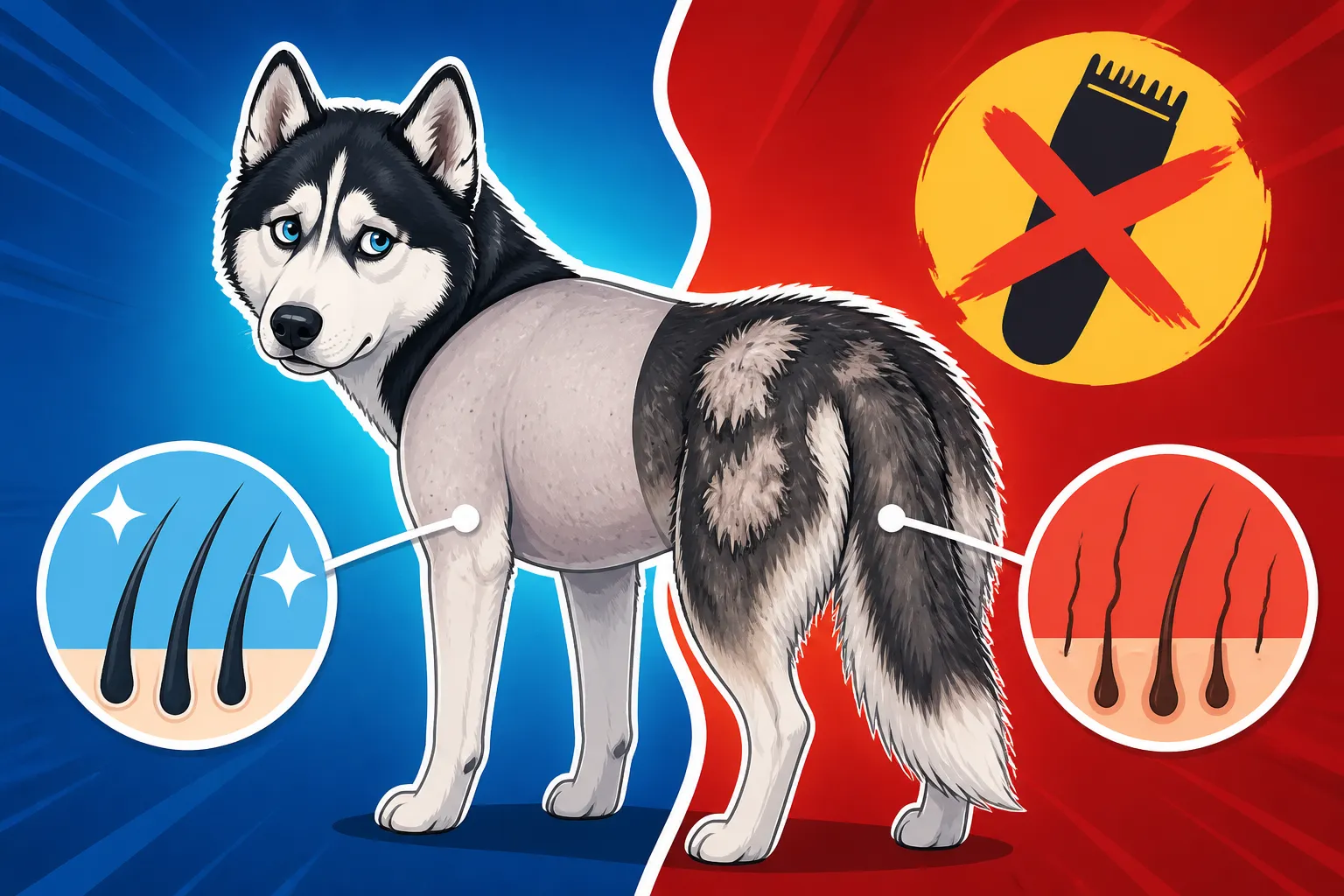
Why a Shaved Siberian Husky Coat Grows Back Wrong
It’s a sweltering summer day, and you look at your beautiful, floofy Siberian Husky panting in the shade, and the thought inevitably crosses your mind: wouldn't it be kinder to shave off all that thick fur? Many of us have been there, watching our furry friends struggle with the heat and feeling helpless. We think a clean shave will bring instant relief, but the truth is, shaving a Siberian Husky’s coat can do more harm than good, often leading to it growing back "wrong" and creating a host of new problems you really don't want to deal with. This guide will meticulously break down why that fluffy, magnificent double coat is a marvel of nature, what happens when you cut it off, and how to genuinely help your Husky stay comfortable year-round without reaching for the clippers.
The Unique Science of the Siberian Husky Double Coat
Before we even talk about shaving, it's crucial to understand what makes a Siberian Husky's coat so special. It's not just a lot of hair; it's a meticulously engineered system designed for extreme conditions, far beyond just keeping them warm in the snow. This double coat is the Husky's natural air conditioning and heating unit, a protective shield, and a testament to their incredible arctic heritage. When you truly grasp its function, you’ll see why interfering with it is such a big deal.
Guard Hairs: The Outer Defense System
Imagine your Husky's outer coat as a waterproof, wind-resistant jacket. These are the guard hairs – long, coarse, and straight hairs that form the first line of defense against the elements. They’re what give your Husky their sleek, defined outline and vibrant color. Their primary job isn't warmth, but protection. They repel water, so rain and snow bead up and roll off, preventing moisture from ever reaching the skin. They also create a barrier against dirt, burrs, and even insect bites, acting like a natural shield.
Think about hiking with your Husky through brush or watching them roll in the mud. Those guard hairs are working overtime, keeping their delicate skin protected and making cleanup surprisingly easy. Without them, your Husky's skin would be exposed to everything nature throws at it, from irritating pollens to sharp twigs. They're also surprisingly tough, designed to withstand the rigors of an active, outdoor life. When these are cut, they don't just grow back instantly; their natural texture and protective qualities can be severely compromised, leading to a host of issues that compromise your dog's overall well-being.
The Dense Undercoat: Insulation and Protection
Now, picture a thick, downy sweater nestled beneath that outer jacket. That's the undercoat – soft, fluffy, and incredibly dense. This is the part that everyone associates with "shedding season" and the infamous "coat blow." Its main purpose is insulation. In cold weather, it traps a layer of warm air close to the body, keeping your Husky toasty even in freezing temperatures. But here's the kicker: in hot weather, it does the opposite. It actually insulates against the heat, preventing the sun's scorching rays from reaching the skin directly and trapping cool air next to the body.
This dense layer also acts as a crucial barrier against ultraviolet (UV) radiation. Just like our skin, a dog's skin can get sunburned, especially breeds with lighter pigmentation or thinner coats. The undercoat provides a natural, comprehensive sunscreen. When you shave it off, you're essentially stripping away this vital layer of protection, leaving your Husky's skin exposed and vulnerable. This can lead to rapid overheating, discomfort, and potentially serious skin damage, all because we mistakenly thought we were doing them a favor. It's a prime example of What the Siberian Husky Double Coat Actually Does that many people misunderstand.
How the Double Coat Regulates Temperature
It's a common misconception that a thick coat automatically means a dog is hot. For double-coated breeds like the Siberian Husky, their coat is an active climate control system, not just a winter accessory. The guard hairs and undercoat work in tandem to create a dynamic layer of air, providing both warmth in winter and cooling in summer.
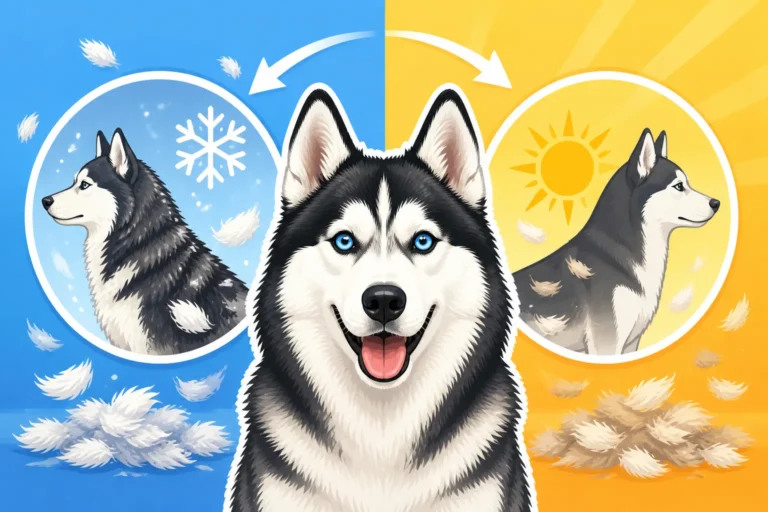
In winter, the undercoat traps warm air, preventing body heat from escaping. It's like having a perfectly fitted down sleeping bag around them all the time. But in summer, the process is equally ingenious. The undercoat, when healthy and properly maintained, lifts the guard hairs away from the skin, allowing air to circulate. This airflow helps dissipate heat from the body and prevents direct sunlight from penetrating to the skin. It’s essentially a natural ventilation system. When your Husky sheds their Siberian Husky Coat Blow and the Six Weeks It Lasts in spring and fall, they are naturally adjusting the density of this undercoat to prepare for the upcoming season, maintaining optimal temperature regulation. Shaving disrupts this entire delicate balance, leaving them without their built-in thermostat, making them less comfortable, not more.
Why Shaving Harms More Than It Helps
The decision to shave a Siberian Husky often comes from a place of love and concern, but it’s a choice fraught with unintended, negative consequences. As we’ve explored, their coat is far more than just hair; it’s a living, breathing part of their anatomy crucial for their well-being. Removing it disrupts essential physiological processes and exposes them to risks that the coat naturally mitigates.
Damage to the Growth Cycle and Follicles
When you shave a double-coated dog like a Husky, you're not just trimming hair; you're often cutting the undercoat and guard hairs down to roughly the same length. This is where the trouble begins. The undercoat and guard hairs grow at different rates and have different textures. Guard hairs are designed to grow long and coarse, while the undercoat is soft and dense. When both are cut short simultaneously, the softer, faster-growing undercoat can quickly overtake the slower-growing guard hairs.
This can permanently alter the follicle's ability to produce the correct type of hair. Imagine a factory designed to produce two different products on two separate assembly lines. When you force both lines to produce the same short, fluffy product, the factory gets confused. Over time, the guard hair follicles may become damaged or "lazy," struggling to produce their proper coarse, protective strands. The result is often a coat that comes back predominantly undercoat—soft, woolly, and lacking the protective qualities of the original guard hairs. This change in texture can be permanent, meaning the magnificent coat you once knew may never fully return to its original glory.
Loss of Natural Insulation Against Heat and Cold
This is perhaps the biggest misconception: that shaving a Husky will make them cooler. In reality, the opposite is true. The double coat provides superior insulation against both heat and cold. In summer, the fluffy undercoat and guard hairs create an air barrier that prevents the sun's heat from reaching the skin. It's like having a thermos for your dog – it keeps hot things hot and cool things cool.
When you shave this off, you remove that protective layer. Their skin is then directly exposed to the ambient temperature. On a hot day, that means their skin absorbs direct sunlight, leading to rapid overheating. They lose their natural ability to regulate their body temperature, making them more susceptible to heatstroke. It's similar to how an igloo works; the ice insulates against the cold outside, but also keeps the interior cool when temperatures rise. Your Husky's coat does the same. This is why Why a Shaved Siberian Husky Overheats is such a critical point for owners to understand. They become less efficient at staying cool naturally, which can be dangerous in warmer climates.
Increased Risk of Sunburn and Skin Irritation
Without the protective layer of the double coat, your Husky's skin is suddenly vulnerable to the harsh elements, especially the sun. Just like humans, dogs can get sunburned, leading to painful skin, peeling, and increased risk of skin cancer. This is particularly true for Huskies with lighter-colored fur or pink noses and eyelids, which have less natural pigment protection.
Beyond sunburn, the exposed skin is also more prone to irritation from allergens, insect bites, and environmental contaminants. Grass, pollen, dust, and even certain cleaning agents can cause contact dermatitis or allergic reactions on unprotected skin. Imagine walking barefoot through a field of prickly weeds versus walking with sturdy boots. The coat provides that essential barrier. When you remove it, you're not only compromising their comfort but actively increasing their risk of dermatological issues and discomfort. Groomers who understand the breed will know The Only Places a Siberian Husky May Be Trimmed are very specific, generally just paw pads for traction.
The "Wrong" Way the Coat Grows Back
So, what exactly does it mean for a Husky's coat to grow back "wrong"? It’s not just an aesthetic issue; it’s a functional problem that can impact their health and your wallet, as you’ll spend more time and money trying to manage it. This isn't a guaranteed outcome for every single shaved Husky, but it's a risk so significant that most responsible owners and groomers strongly advise against it.
The Wooly Coat Phenomenon
The most common and frustrating issue after shaving a Siberian Husky is the development of a "wooly" coat. As mentioned, the undercoat typically grows back much faster and softer than the guard hairs. When the guard hairs are cut, they can take a very long time to regrow, or sometimes they simply don't grow back with their original texture and strength. What you're left with is a coat primarily composed of the soft, dense undercoat, which is not designed to be the outer layer.
This woolly texture is problematic because it loses the protective qualities of the guard hairs. It doesn't repel water effectively, meaning your Husky can get soaked to the skin easily. It also tends to mat much, much faster and more severely than a normal coat. These mats can be incredibly painful, pulling on the skin, causing hot spots, and creating breeding grounds for bacteria and parasites. What started as an attempt to make your Husky more comfortable often results in a dog who is perpetually matted, itchy, and susceptible to skin issues.
Patchy Growth and Color Changes
Another common complaint after shaving is uneven, patchy coat regrowth. Because hair follicles operate on their own cycles, and some may be more damaged or slower to recover than others, you might see areas where the fur grows back thicker and faster, while other spots remain sparse or grow at a snail's pace. This can lead to a very unsightly, uneven appearance that can take years to normalize, if it ever does.
Beyond texture and thickness, some owners report changes in coat color. This isn't necessarily a universal phenomenon, but it can happen, especially if the guard hairs that provide the primary coloration are permanently altered or fail to grow back. The new growth might appear duller, lighter, or even have a slightly different hue than the original coat. While mostly cosmetic, it's another reminder that you're interfering with a finely tuned natural system, and the results can be unpredictable and long-lasting. It really makes you wonder Whether a Shaved Siberian Husky Coat Ever Recovers completely.
Increased Matting and Grooming Challenges
Oh, the mats! This is where the woolly coat problem really shines in terms of creating headaches for owners. A healthy Husky double coat sheds loose undercoat, which can be easily brushed out. The guard hairs are smooth and resistant to tangling. But when the guard hairs are gone and the undercoat dominates, it forms a dense, cotton-like layer that loves to felt and mat.
These mats don't just happen occasionally; they can form rapidly, especially in high-friction areas like behind the ears, armpits, and around the tail and britches. Brushing a matted woolly coat is incredibly difficult and often painful for the dog. You'll find yourself needing to groom your Husky far more frequently than before, often requiring professional intervention just to de-mat them. This not only adds significant cost but also stress for both you and your dog. You might have to invest in specialized tools from places like Chewy or Amazon, like strong de-matting combs or high-velocity dryers, just to keep up with the new, challenging coat. What was meant to be less maintenance becomes more maintenance, and a much more frustrating experience.
Better Ways to Keep Your Siberian Husky Cool
Okay, so shaving is a no-go. That doesn’t mean you’re powerless when your Husky is feeling the heat. There are plenty of effective, Husky-friendly strategies to keep them comfortable and safe during warm weather without compromising their amazing coat. It's all about working with their natural physiology, not against it.
Strategic Grooming for Shedding Season
The most effective way to help your Husky stay cool and manage their coat is through consistent, strategic grooming, especially during their "coat blow" seasons. This is when they shed vast amounts of undercoat to prepare for the warmer months. Removing this dead, loose undercoat is paramount to allowing air circulation and maintaining the coat's insulating properties.
- Daily Brushing: During heavy shedding, daily brushing with appropriate tools is crucial. A good undercoat rake and a slicker brush are your best friends. These tools gently pull out the loose undercoat without damaging the guard hairs. It's a commitment, but it makes a world of difference. You might find great options on Amazon or at your local pet supply store.
- High-Velocity Dryer: If you have one, a high-velocity dryer can work wonders. It literally "blows out" the loose undercoat from deep within the coat, significantly reducing shedding and helping to separate the hairs for better airflow. Many professional groomers offer "blow out" services specifically for double-coated breeds, and it's money well spent.
- Professional De-Shedding: If the thought of tackling a full coat blow yourself is overwhelming, consider professional de-shedding services. These groomers are equipped with specialized tools and techniques to efficiently remove the maximum amount of undercoat, leaving the guard hairs intact and the coat functioning as it should. This is infinitely better than shaving.
Remember, the goal is to remove loose undercoat, not to cut or thin the coat itself beyond what's natural. Regular de-shedding allows their coat to perform its cooling function optimally.
Environmental Management and Activity Timing
Beyond grooming, managing your Husky’s environment and daily routine is key to keeping them comfortable in the heat. They might have a magnificent coat, but they still need smart choices from their humans.
- Timing Walks and Exercise: This is non-negotiable. Avoid exercising your Husky during the hottest parts of the day. Early mornings (before sunrise) and late evenings (after sunset) are your best friends. During peak heat, keep walks short and focused on potty breaks. Always check the pavement temperature with your hand – if it’s too hot for your palm, it’s too hot for their paws. This is a critical factor in avoiding Heat Stroke Risk in a Siberian Husky.
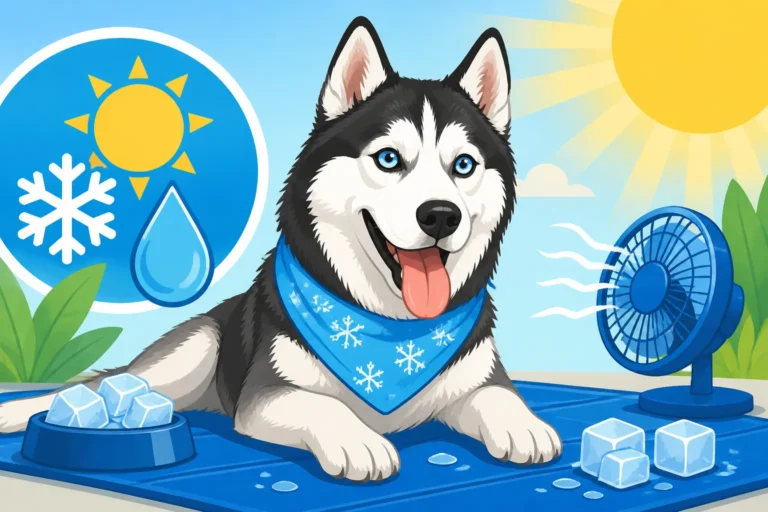
- Shade and Water Access: Ensure your Husky always has access to ample shade, whether they’re in the yard or indoors. If they're outside, a sturdy shade structure or natural tree cover is essential. Indoors, keep blinds closed to block direct sun and ensure good air circulation. Fresh, cool water should be available at all times. Consider adding ice cubes to their water bowl or using multiple bowls around the house and yard.
- Cooling Spaces: Create cool zones for them. This could be a tiled floor in your home, a cooling mat from a brand like Chewy, or even a shallow kiddie pool filled with a few inches of water (many Huskies adore splashing!). Some owners even use a fan or strategically placed air conditioning vents to direct cool air towards their dog’s favorite resting spots. For Huskies living in warmer climates, air conditioning isn't a luxury; it's a necessity.
Hydration and Cooling Aids
Sometimes, our Huskies need a little extra help to cool down. These simple aids can make a big difference in their comfort levels.
- Frozen Treats: Ice cubes are a simple, fun treat that helps cool them from the inside out. You can also freeze low-sodium broth or make "pupsicles" with dog-safe fruits like watermelon or bananas.
- Cooling Vests and Bandanas: While you should never fully wet a Husky's undercoat (it can trap moisture and lead to skin issues), cooling vests or bandanas that only dampen the outer layer can offer some relief. These products use evaporative cooling, and they don't saturate the dense undercoat. Just ensure they are designed for double-coated breeds and don't trap heat.
- Misting: A light mist of cool water on their face and paws can provide temporary relief, but again, avoid soaking the entire coat. Focus on areas where they release heat, like their paw pads. This is a subtle yet effective way of Cooling a Siberian Husky Without Wetting the Undercoat.
By combining these strategies, you can provide your Siberian Husky with genuine relief from the heat, honoring their natural design and maintaining the integrity of their incredible coat.
Addressing Common Misconceptions About Shaving
The idea of shaving a Husky persists because of several deeply held, yet often incorrect, beliefs. It's easy to fall prey to these misconceptions, especially when you're feeling desperate to help your panting pup. Let’s tackle some of these head-on.
"My Vet Said It Was Okay" – Understanding Different Perspectives
It’s true, sometimes a vet might recommend shaving. But it's important to understand the context. A general practice vet might not specialize in breed-specific coat issues or dermatological problems that can arise from shaving double-coated breeds. Their primary concern might be to address an immediate medical issue, like a severe mat that needs removal, or skin allergies where topical treatments require direct skin access. In these specific, medical scenarios, shaving might be a necessary evil, but it’s rarely recommended for routine cooling.
It's always wise to ask for clarification. Was the shaving recommended for a specific medical reason, or as a general heat-relief measure? If it's the latter, it might be worth seeking a second opinion from a board-certified veterinary dermatologist or a professional groomer specializing in double-coated breeds. These specialists often have a deeper understanding of how coats function and the long-term consequences of shaving, emphasizing methods like proper de-shedding instead. Never be afraid to advocate for your dog and gather more information, especially when it comes to something as impactful as their coat.
"It'll Be More Comfortable" – The Husky's Perspective
From a human perspective, shedding layers in heat makes sense. We strip down to shorts and a t-shirt. So, it feels intuitive that a Husky would feel better without all that fur. However, as we've discussed, their coat works fundamentally differently than human clothing. It's an active system. When you remove it, you're taking away their primary defense against environmental fluctuations.
Without their coat, a Husky is more susceptible to direct sunlight, meaning their skin can get hotter, faster. They also lose the natural airflow and insulation that keeps their core temperature regulated. Imagine trying to sit in direct sun on a hot day with no clothes versus wearing a light, breathable linen shirt. The shirt actually offers protection. For a Husky, their coat is that protective layer. While they might feel an initial breeze, the lack of insulation quickly leads to greater discomfort and increased risk of Sunburn Risk on a Shaved Siberian Husky. Their natural panting and other cooling mechanisms are designed to work with their coat, not without it.
The Temptation of a Quick Fix
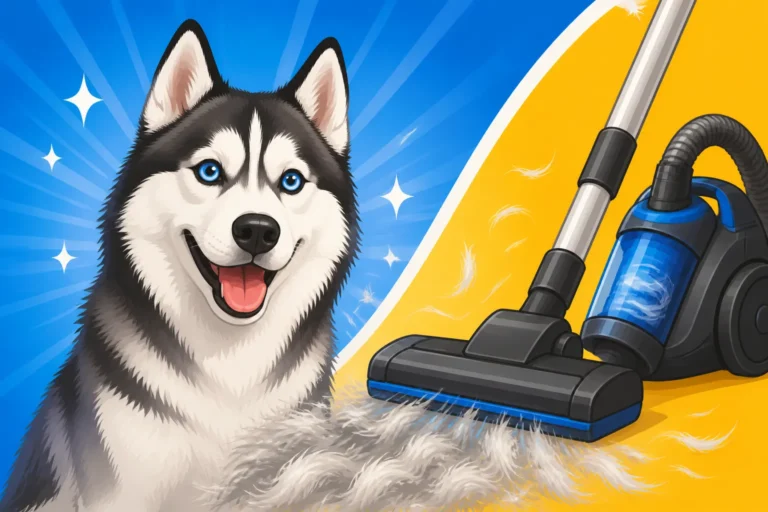
Let's be honest, dealing with a shedding Siberian Husky is a monumental task. The fur seems to be everywhere, all the time. During a coat blow, it can feel like you're drowning in fluff. The idea of just shaving it all off and being done with it is incredibly tempting. It seems like the quickest, easiest solution to the heat and the shedding woes.
However, as with most quick fixes, it comes with significant drawbacks. What you gain in immediate, albeit temporary, relief from shedding, you lose in long-term coat health and functional protection for your dog. The increased matting, potential skin issues, sun sensitivity, and the woolly coat regrowth often create more work and more problems than the original shedding ever did. It's a short-sighted solution that ultimately creates new, harder-to-solve issues. Embracing the shedding with proper grooming tools and techniques is a much healthier and more sustainable approach than attempting to circumvent nature with clippers.
Long-Term Consequences and Recovery
The journey to restoring a shaved Siberian Husky’s coat can be a long one, requiring immense patience and consistent effort. It's not a switch you can simply flip; it's a gradual process that involves supporting your dog’s natural regrowth while mitigating the new challenges that arise.
What If You've Already Shaved Your Husky?
First and foremost, don't beat yourself up. Many Husky owners, myself included, have considered or even made this mistake, often out of a desire to help their beloved pet. The important thing is to understand the implications and commit to a healthier path forward. If you've already shaved your Husky, the immediate focus should be on protecting their exposed skin and managing the regrowth.
- Sun Protection: This is paramount. Keep your shaved Husky indoors during peak sun hours. If they must be outside, use dog-specific sunscreen on exposed, vulnerable areas (consult your vet for recommendations) or consider a lightweight, breathable UV-protective shirt designed for dogs.
- Temperature Monitoring: Pay extra close attention to signs of overheating, as their natural cooling system is compromised. These can include excessive panting, lethargy, drooling, or a staggering gait. Knowing Signs of Heat Trouble in a Siberian Husky can be life-saving.
- Gentle Grooming: As the coat starts to come back, be incredibly gentle. The new growth can be delicate and prone to tangling. Avoid harsh brushes and focus on soft, regular brushing to prevent mats from forming in the softer undercoat.
Managing the Damaged Coat Going Forward
Once the coat begins to grow back, you'll need a long-term strategy to encourage healthy regrowth and manage any new textures.
- Patience is Key: It can take anywhere from several months to a couple of years for a shaved Husky's coat to regain some semblance of its original structure, and for some, it may never fully return. Manage your expectations and commit to the long haul.
- Consistent, Correct Grooming: This becomes even more vital. Regular brushing with appropriate tools (undercoat rake, slicker brush) will help to prevent mats and encourage the slower-growing guard hairs to push through the faster-growing undercoat. Think of it as carefully gardening their coat, ensuring the right plants (guard hairs) have space to thrive.
- Nutritional Support: A high-quality diet rich in essential fatty acids (like Omega-3 and Omega-6) can support healthy skin and coat growth. Some owners also find specific supplements beneficial, though always consult with your vet before adding anything new to your Husky's diet. Brands like Ollie or Chewy offer various nutritional supplements specifically formulated for skin and coat health.
Patience and Professional Help
Bringing a shaved Husky’s coat back to health is a testament to your dedication. It often requires more patience than you ever thought you had and, at times, the expertise of professionals.
- Regular Vet Check-ups: Ensure your vet is aware of the coat situation and can monitor for any skin issues that may arise during regrowth. They can advise on managing irritation, allergies, or any unusual changes.
- Experienced Groomers: Find a professional groomer who is knowledgeable about double-coated breeds and understands the challenges of coat regrowth after shaving. They can provide specialized de-shedding treatments, advise on proper brushing techniques, and help manage matting without causing further damage. Be wary of Groomers That Offer to Shave a Siberian Husky routinely; seek out those who prioritize coat health.
- Stay Informed: Keep researching and learning about proper coat care for Siberian Huskies. There's always new information and techniques to discover that can aid in your Husky's recovery. Understanding their needs deeply is the best way to ensure they lead a happy, healthy life.
Disclaimer
This article is for general informational purposes only and does not constitute professional advice. Laws, prices and regulations vary by location and change over time. Consult a qualified professional for guidance on your specific situation.