Vacuums That Handle Siberian Husky Undercoat
If you share your life with a Siberian Husky, you know the struggle is real: their glorious double coat, while stunning, leaves a persistent trail of fluff that seems to defy gravity. During a "coat blow," your home can quickly become a winter wonderland of white, gray, or red undercoat, turning even the most diligent cleaner into a weary warrior. This guide is here to arm you with the knowledge you need to find a vacuum that can truly stand up to the challenge of Siberian Husky shedding, transforming your cleaning routine from a losing battle into a manageable victory.
The Reality of Siberian Husky Shedding and Why Regular Vacuums Fail
Living with a Siberian Husky means accepting a certain level of hair in your life. It's part of the package! But there's a huge difference between managing a normal amount of shedding and feeling utterly defeated by the sheer volume of fur that your beloved companion produces. Understanding why their hair is such a challenge is the first step toward finding the right tools to combat it.
Understanding the Double Coat and Its Impact
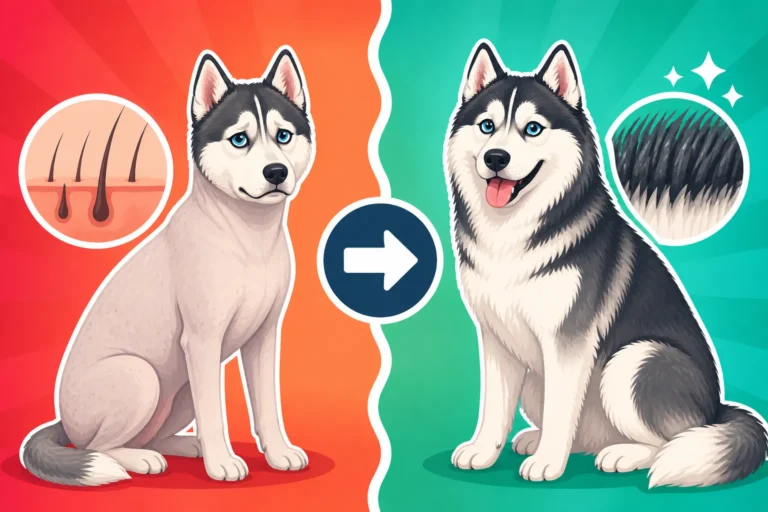
Oh, the majestic Siberian Husky coat! It’s what makes them look like ancient wolf-dogs, perfectly adapted to freezing temperatures. But for us owners, it also means a constant, unyielding battle against hair. Huskies have a double coat – a soft, dense undercoat for insulation and coarser guard hairs on top. It’s that undercoat, especially during their famous 'coat blows' (which happen usually twice a year, in spring and fall, but can feel year-round for some!), that becomes the bane of your existence. It’s light, almost ethereal, and incredibly pervasive. It floats, it clings, it weaves itself into carpet fibers, and it nests in every corner and crevice. You can sweep, you can dust, you can even use a professional de-shedding tool, but still, it's there. It’s a unique kind of hair, not like your average short-haired dog’s, and it demands a vacuum that truly understands its unique challenges. Siberian Husky Coat Blow and the Six Weeks It Lasts delves deeper into this seasonal phenomenon, but suffice to say, your vacuum needs to be ready for an epic battle.
The volume of this undercoat during a full blow is something truly astonishing. It’s not just a few stray hairs; it's enough to construct an entirely new, smaller Husky if you gathered it all. This fine, almost downy hair has a knack for getting everywhere – on your clothes, in your food, clinging to your furniture, and somehow, always in your morning coffee. Its lightweight nature means it easily becomes airborne, settling silently into every nook and cranny, creating what we affectionately call "Husky tumbleweeds" that roll across your floors like furry little dust bunnies.
This unique composition of fine undercoat and slightly coarser guard hairs presents a very specific challenge that many standard household vacuums simply aren't designed to handle. It's not just "more hair"; it's a different kind of hair that requires particular attention and specialized equipment to effectively remove and contain. The frustration of cleaning diligently only to find new tufts appearing minutes later is a common and utterly valid experience for every Husky parent.
Why Your Current Vacuum Might Be Struggling
Many of us start with a trusty old vacuum, perhaps one that served us well with a previous pet or a non-shedding breed. But a Siberian Husky is a different beast entirely. You’ve likely experienced it: you plug in your vacuum, full of hope, and within minutes, the suction drops, a burning smell might waft, or the brush roll grinds to a halt. This isn’t a sign of a bad vacuum, necessarily, but rather a vacuum simply not equipped for the sheer volume and fine texture of Husky hair. The undercoat, being so fine, can quickly clog filters, reducing suction to almost nothing. The longer, coarser guard hairs, on the other hand, love to wrap themselves around brush rolls, forming a tangled, impenetrable mat that stops them from spinning effectively. Standard brush rolls are just not designed for How Much Undercoat Comes Off a Siberian Husky.
Moreover, many standard vacuums lack proper sealing and filtration. This means that while you might be picking up some of the visible hair, the super-fine dander and microscopic hair particles are being blown right back into the air through inefficient filters or leaky seals. This not only contributes to a lingering "dog smell" but also allows allergens to redistribute throughout your home, only to settle back onto surfaces again. It’s a frustrating cycle that leaves you feeling like you’re cleaning the same hair over and over again, never quite achieving that truly clean feeling.
The constant battle with clogging and reduced suction isn't just inefficient; it's demoralizing. You spend precious time and effort vacuuming, only to see evidence of the shedding almost immediately afterward. This isn't a reflection of your cleaning skills; it's a clear signal that your equipment isn't up to the unique task presented by your fluffy roommate. This is precisely why investing in a vacuum specifically designed to handle pet hair, particularly the relentless output of a Siberian Husky, can be such a game-changer for your home and your sanity.
Key Features to Look For in a "Husky-Proof" Vacuum
When you’re facing down a furry avalanche, a regular vacuum just won't cut it. You need a specialized tool engineered to tackle the unique challenges of Siberian Husky shedding. Here are the crucial features that will make all the difference.
Suction Power and Airflow: It's Not Just About Watts
When you’re staring down a carpet covered in Husky fluff, your first thought is probably 'I need power!' And yes, raw suction power is crucial. But it's not just about the wattage or the numbers on the box. What you truly need is consistent, unrestricted airflow. Imagine trying to drink a thick milkshake through a tiny, flimsy straw – that's what happens when your vacuum's airway gets clogged with fine Husky undercoat. A truly effective vacuum for a Siberian Husky will have wide air pathways and a design that minimizes clogs, ensuring that power translates into effective pickup.
This consistent power is essential for more than just surface-level cleaning; it's about lifting deeply embedded hair. Husky hair, especially the undercoat, has a way of weaving itself into carpet fibers and clinging stubbornly to upholstery. A powerful vacuum won't just skim the surface; it'll generate enough force to agitate and extract that deeply rooted hair, making a visible and tactile difference in the cleanliness of your floors. Don't be fooled by just a high 'peak' suction; you need sustained power to truly make a dent in the daily shedding.
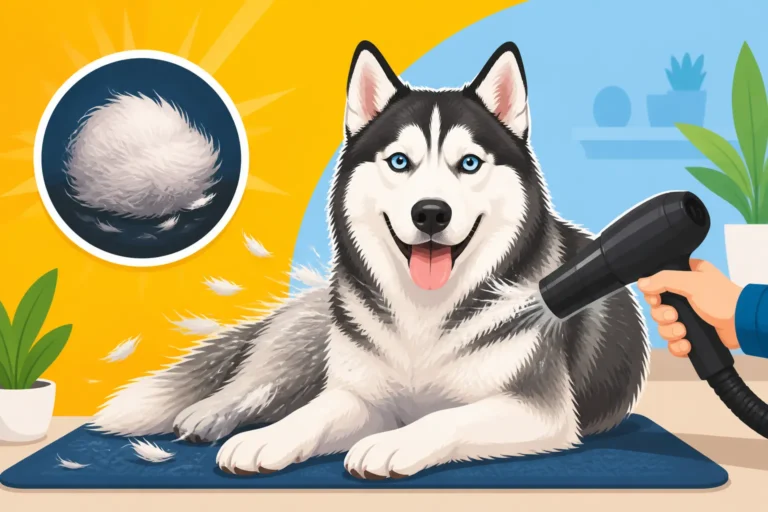
When considering suction, also think about the surfaces in your home. Hard floors need strong initial pickup to prevent hair from scattering, while carpets require both powerful suction and effective agitation from the brush roll to pull up embedded fur. The kind of powerful airflow that can whip hair out of a thick coat, as demonstrated when using a professional A High-Velocity Dryer for a Siberian Husky Coat during grooming, is the kind of force you're seeking in a vacuum to truly lift the fluff that settles deep into fabrics and carpets. Look for models specifically marketed for 'pet hair' or 'whole home' cleaning, as these often have stronger motors and better airflow engineering.
Filtration Systems: HEPA is Your Best Friend
Beyond just picking up hair, a good vacuum for a Husky home needs to keep that hair and dander contained. This is where the filtration system comes in, and for us Husky owners, HEPA filtration isn't just a nice-to-have, it's a non-negotiable must-have. HEPA filters are designed to capture 99.97% of airborne particles as small as 0.3 microns, which includes not just dust and allergens, but also that super-fine Husky dander that contributes to dog allergies. Without proper filtration, you're essentially just stirring up the dander and blowing it back into the air, only for it to settle again.
Look for a vacuum with a 'sealed system,' meaning all the air that enters the vacuum passes through the filter before being exhausted, preventing dirty air from leaking out around the seals. This makes a huge difference not just in the cleanliness of your floors, but in the overall air quality of your home. If you or anyone in your household suffers from allergies, or if you simply want a fresher-smelling home, this feature is truly a game-changer. Whether Anyone Allergic Can Live With a Siberian Husky provides more insights into managing allergies in a Husky household.
Maintaining these filters is equally important. Many modern vacuums feature washable HEPA filters, which can save you money and keep your vacuum operating at peak efficiency. However, even washable filters need regular cleaning – much more frequently in a Husky home than what the general manufacturer guidelines might suggest. During peak shedding, you might find yourself rinsing or checking your filters weekly. For replacements or additional filters, checking online retailers like Chewy or Amazon can make it convenient to keep your filtration system performing its best.
Brush Rolls and Attachments: Designed for Pet Hair
This is often where many standard vacuums fall short. The classic bristled brush roll, while great for general carpet cleaning, becomes a tangled nightmare when faced with a Siberian Husky’s guard hairs. Look for brush rolls that are specifically designed to be 'tangle-free' or 'self-cleaning.' These often have rubberized vanes or comb-like structures that prevent hair from wrapping around them, or even mechanisms that automatically cut away tangled hair, saving you the dreaded task of de-tangling with scissors. For hard floors, you’ll want a vacuum that can either turn off the brush roll entirely or has a gentler, soft-bristled head to avoid scattering hair and scratching delicate surfaces.
Beyond the main cleaning head, the attachments are equally critical for a Husky home. A mini-motorized pet tool is your secret weapon for upholstery, pet beds, and car interiors – trust me, your car will thank you for being able to extract all that embedded fur! Crevice tools are essential for getting into those tight spots where Husky hair loves to collect, like between couch cushions or along baseboards. A dusting brush with soft bristles can help lift hair from delicate surfaces without scratching.
The more versatile and specialized the toolset, the better you’ll be able to tackle all the different hair accumulation zones in your home. From the living room couch to Siberian Husky Hair in Car Seats and Vents, the right tool makes all the difference in achieving a truly hair-free environment. Some brands offer a wide array of specialized tools you can often find readily available on Amazon, allowing you to customize your cleaning arsenal. These specialized attachments, combined with strong suction, are what allow you to truly conquer the omnipresent fluff.
Types of Vacuums Best Suited for Siberian Husky Hair
Choosing the right type of vacuum depends on your home, your cleaning habits, and how much hair you’re prepared to battle. Each style has its strengths and weaknesses when faced with the formidable task of Siberian Husky shedding.
Upright Vacuums: The Traditional Workhorses
Upright vacuums are the traditional go-to for many households, and for good reason: they often boast impressive suction power and large dustbin capacities, which you’ll definitely appreciate during a major Siberian Husky Coat Blow and the Six Weeks It Lasts. Their wide cleaning paths can cover a lot of ground quickly, making them efficient for larger rooms with extensive carpeting. Many modern uprights now come with specialized pet hair features, like tangle-free brush rolls and excellent HEPA filtration, which makes them a strong contender for Husky owners. They’re built for serious dirt and debris, and that includes mountains of dog hair.
However, they can be quite heavy and less maneuverable than other types, making them a bit cumbersome for stairs, tight corners, or homes with a mix of furniture that requires a lot of weaving. If your home is primarily carpeted and spacious, an upright could be your main workhorse, especially if you’re doing a deep clean after a serious shedding event. Just be prepared for a bit of a workout, as wrestling a powerful upright can be a task in itself.
When shopping for an upright, prioritize models that openly advertise their pet hair capabilities. Brands like Dyson, Shark, and Bissell often have specific "pet pro" or "animal" versions that include enhanced brush rolls and filtration. Reading reviews, especially those from other pet owners on sites like Amazon, can provide invaluable real-world insights into how well a particular model truly stands up to a Siberian Husky's shedding challenge.
Canister Vacuums: Maneuverability Meets Power
Canister vacuums offer a fantastic balance of power and flexibility, which is a huge plus in a Siberian Husky home. With the motor and dustbin housed in a separate canister, the cleaning wand and head are much lighter and easier to maneuver. This makes them excellent for navigating around furniture, reaching under beds, and tackling stairs without lugging the entire unit. They often come with a variety of attachments that are easily swapped out, allowing you to transition seamlessly from deep-pile carpets to delicate hard floors, and then to upholstery with a specialized pet tool.
The robust suction of a good canister vacuum can rival an upright, and their sealed systems with HEPA filters are common, ensuring that fine Husky dander is trapped, not redistributed. Their versatility for a home with varied surfaces and tight spaces makes them a very strong candidate. Many Husky owners find the separate, lightweight wand a godsend for tackling areas where hair collects, such as along baseboards or under kitchen cabinets.
While they might take up a bit more storage space than a sleek stick vacuum due to their two-piece design, their comprehensive cleaning power and superior maneuverability for complex home layouts often make them worth the investment. If you have a multi-level home or lots of nooks and crannies where Husky hair loves to gather, a high-quality canister vacuum could be your ideal solution, offering both the grunt work and the finesse required.
Cordless Stick Vacuums: Convenience for Daily Maintenance
Let’s be honest, during certain times of the year, it feels like you could vacuum twice a day and still find Husky hair. This is where a cordless stick vacuum really shines as a supplemental tool. They are incredibly lightweight, easy to grab, and perfect for quick clean-ups of visible hair tumbleweeds or a fast sweep before guests arrive. Many popular brands offer powerful cordless options with specialized pet hair attachments and decent filtration, making them surprisingly effective for such compact machines. The convenience of no cord means you can swiftly move from room to room, tackling small messes without a second thought.
However, they do have limitations. Their dustbins are typically much smaller, meaning you’ll be emptying them frequently – sometimes multiple times per session during a heavy Spring and Fall Sheds in a Siberian Husky. Battery life can also be a factor, with most offering between 20-60 minutes of run time, which might not be enough for a whole-house deep clean, especially if you have a larger home.
Think of a stick vacuum as your reliable daily broom, a quick intervention tool, rather than your primary defense against a full-blown Husky hair invasion. For example, during the peak of Two De-Shedding Appointments a Siberian Husky Year season, you might run your stick vac every day and still need a full-sized machine for a weekly deep clean. It's fantastic for keeping on top of things, maintaining sanity, and reducing the overall hair burden, but you’ll likely still need a more powerful, larger-capacity vacuum for thorough cleaning.
Robot Vacuums: The Set-It-and-Forget-It Option (with caveats)
Ah, the dream of a robot vacuum: set it, let it roam, and come home to clean floors. For managing daily shedding from a Siberian Husky, robot vacuums can be incredibly helpful, especially for hard floors. Running one daily can drastically reduce the amount of hair that accumulates, preventing those impressive hair tumbleweeds from forming. Look for models specifically designed for pet hair, which typically feature stronger suction, larger dustbins, and tangle-resistant brush rolls.
However, it's crucial to understand their limitations. A robot vacuum is not a replacement for a powerful upright or canister, especially during a heavy coat blow. They can get overwhelmed quickly, their small dustbins fill up fast (often requiring emptying mid-cycle), and those brush rolls, even tangle-resistant ones, will still need frequent cleaning. They can also get stuck on cords, rugs, or dog toys, requiring intervention. Many Husky owners report finding their robot vacuum stuck and completely full, necessitating a manual rescue mission.
So, while a robot vacuum can be an excellent supplement for continuous, light maintenance – especially if you’re busy and often away from home during the day – don't expect it to single-handedly conquer the majestic shedding power of your Siberian Husky. It's a great ally, but not the sole general in your war on fuzz. Remember, even with a robot, you'll still be doing some Living With Siberian Husky Undercoat in the House manually! You can often find a good selection of pet-friendly robot vacuums on Amazon.
Maintaining Your Vacuum in a Siberian Husky Home
Buying the right vacuum is only half the battle; maintaining it properly is the other, equally critical half, especially when dealing with the sheer volume of a Siberian Husky's undercoat. Neglecting your vacuum’s maintenance in a Husky household is like trying to drive a car with a clogged oil filter – it simply won’t perform as it should, and it'll wear out much faster. We want our tools to last, right?
Regular Cleaning of Filters and Brush Rolls
This cannot be stressed enough: regularly cleaning your vacuum’s filters and brush rolls is absolutely essential. With the fine, dense undercoat of a Siberian Husky, filters can become clogged surprisingly fast. A clogged filter chokes the vacuum’s airflow, causing a significant drop in suction power, making your expensive new vacuum perform no better than an old, struggling one. Most modern vacuums have washable filters, which is a blessing. Consult your manual for how often to clean or replace them, but generally, for a Husky owner, it will be much more frequent than the manufacturer suggests for an 'average' home. I often find myself rinsing my filters weekly during heavy shedding periods to maintain optimal performance.
Similarly, the brush roll will inevitably accumulate hair, even on 'tangle-free' models. Keep a small seam ripper or a sharp pair of scissors handy to carefully snip away wrapped hair from the brush roll. This ensures it spins freely and can effectively agitate carpets to lift embedded hair. A stiff brush can also help dislodge stubborn debris and hair from the bristles. Think of it as part of your regular Daily Raking Through a Siberian Husky Blow routine, just for your vacuum! This proactive maintenance prevents premature wear and tear on your investment and ensures your vacuum performs consistently. Always check your vacuum’s manual for specific instructions on how to clean or order replacement parts, which are often easily found on sites like Chewy or your vacuum manufacturer's website. These small but consistent efforts will extend the life of your valuable tool and keep your home much cleaner.
Emptying the Canister Often
This might sound obvious, but with a Siberian Husky, ‘often’ means very often. That gloriously large dustbin you picked out for your new vacuum? It will seem tiny during coat blow season. A full or even mostly full dustbin severely impacts suction power. The hair and debris create a barrier, preventing efficient airflow, and your vacuum ends up just pushing hair around rather than sucking it up. Get into the habit of emptying the canister after every use, or even mid-use if you’re tackling a particularly hairy area or a large room. For bagged vacuums, make sure to change the bag before it’s completely full; a full bag can restrict airflow just as much as a full canister.
When emptying, try to do it outside or over a trash can with a liner to minimize dust and hair re-entering your home’s air. Some brands even offer anti-allergen bags that seal automatically when removed, which is a fantastic feature for keeping that dander contained. This simple, yet often overlooked, habit is absolutely key to maintaining optimal performance. Don’t wait until the vacuum sounds like it’s choking or you see hair trails left behind. Proactive emptying saves you frustration, ensures every pass with your vacuum is effective, and ultimately makes your cleaning routine more efficient and less burdensome.
| Vacuum Type | Best For | Pros | Cons |
|---|---|---|---|
| Upright | Large, carpeted areas; deep cleaning | Strong, consistent suction; large dustbins; wide cleaning path | Heavy, can be cumbersome; less versatile for tight spaces/stairs |
| Canister | Varied floor types; stairs; detailed cleaning | Flexible and maneuverable wand; powerful; wide range of attachments | Larger footprint for storage; two-piece design; more components to manage |
| Cordless Stick | Quick daily clean-ups; hard floors | Lightweight, grab-and-go convenience; excellent for maintenance | Small dustbin; limited battery life; often less powerful for deep cleaning |
| Robot Vacuum | Daily maintenance; hard floors; hands-free | Automated, cleans while you're away; consistent surface hair removal | Small dustbin, needs frequent emptying; can get stuck; less effective on carpets |
Disclaimer
This article is for general informational purposes only and does not constitute professional advice. Laws, prices and regulations vary by location and change over time. Consult a qualified professional for guidance on your specific situation.