Whether Anyone Allergic Can Live With a Siberian Husky
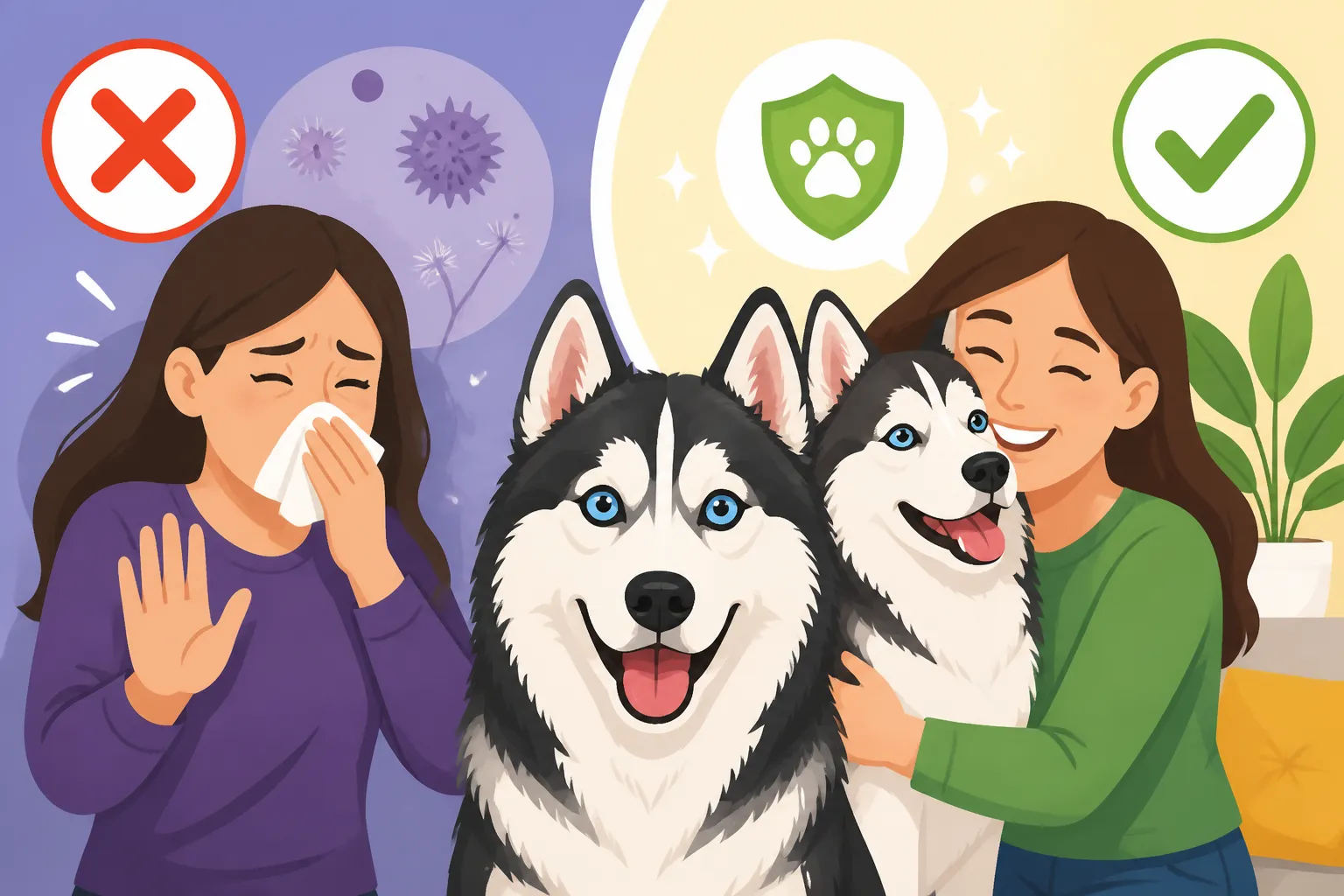
It’s a heartbreaking dilemma many aspiring dog parents face: you’ve fallen head over heels for the striking looks, independent spirit, and vocal charm of a Siberian Husky, but there’s a little voice in the back of your mind (or a persistent sniffle) warning you about allergies. You love the idea of a Husky, but you dread the potential for constant itching, sneezing, and watery eyes. This guide is here to honestly explore the reality of living with a Siberian Husky when allergies are a concern, offering practical strategies and a dose of realism to help you decide if this truly is the right path for you.
Understanding Siberian Husky Allergies: It's Not Just the Hair
Let's clear the air (pun intended!) on a common misconception right away. When people talk about being "allergic to dogs," they often point directly to the fur. While fur can certainly carry allergens, it's rarely the direct culprit. The real culprits are proteins found in a dog's dander (tiny flakes of skin), saliva, and urine. These microscopic particles become airborne or stick to surfaces, and when inhaled or touched, they trigger allergic reactions in sensitive individuals.
The challenge with a Siberian Husky isn't necessarily that their fur itself is more allergenic than another dog's. It's more about the sheer volume of their coat and how much of that dander-carrying fur they shed, especially during their famous "coat blows."
The Truth About "Hypoallergenic" Dogs
You've probably heard the term "hypoallergenic dog" tossed around, often associated with breeds like Poodles or Portuguese Water Dogs. It's important to understand that no dog is 100% hypoallergenic. This term is a bit of a misnomer, as all dogs produce dander, saliva, and urine. What makes some breeds less likely to trigger allergies is usually their coat type: breeds that shed minimally release fewer dander-laden hairs into the environment. They might also produce less of the specific proteins that trigger a reaction.
Unfortunately for allergy sufferers, the Siberian Husky is not on that list of "less allergenic" breeds. They are notorious for their shedding, which means they are constantly distributing those allergenic proteins throughout your home. This isn't a flaw in their design; it's simply a fact of living with a breed bred for extreme cold and requiring a robust, insulating double coat. So, while you might find anecdotal stories of people with mild allergies coexisting with Huskies, it's crucial to approach this with realistic expectations and a plan.
Why the Husky Double Coat Can Be a Challenge for Allergy Sufferers
The Siberian Husky is equipped with an incredible double coat: a soft, dense undercoat that provides insulation, and a protective layer of coarser guard hairs. This coat is perfectly designed to withstand frigid temperatures, but it also means a lot of shedding, especially during seasonal changes. Twice a year, Siberians go through what's known as a "coat blow," where they shed their entire undercoat over several weeks. This can be an absolutely overwhelming experience, even for non-allergic owners. Imagine tumbleweeds of dog fur rolling across your floor, collecting in corners, and clinging to every piece of fabric. You can get a sense of just how much fur comes off by reading How Much Undercoat Comes Off a Siberian Husky.
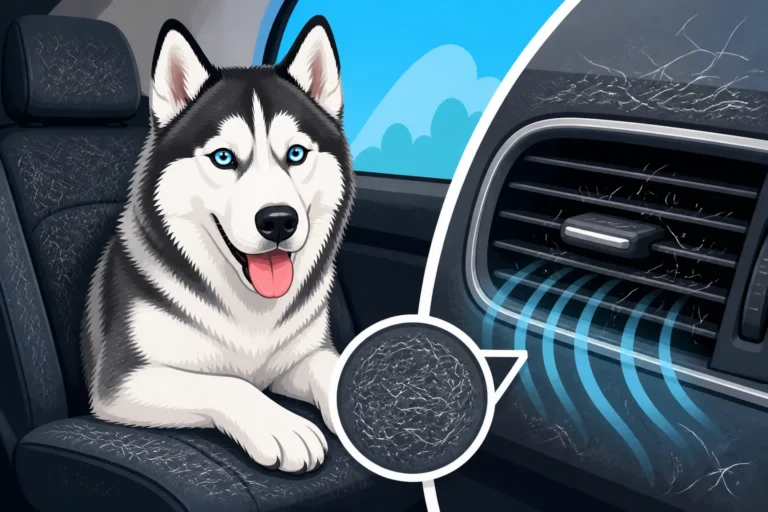
During these coat blows, the amount of dander released into your environment skyrockets. Every piece of fur carries those allergenic skin flakes, and as the fur detaches and floats around, so do the allergens. Even outside of their major blow-outs, Siberians are consistent, moderate-to-heavy shedder all year round. This constant, albeit lighter, release of dander means that your home environment will always have a baseline level of dog allergens. For someone with allergies, this isn't just a nuisance; it's a persistent assault on their respiratory and immune systems. The dream of snuggling your Husky on the couch might quickly turn into a nightmare of hives and asthma. It truly is a lot of fur to manage, and it gets everywhere, settling on clothes, furniture, and even in heating and cooling vents. Living With Siberian Husky Undercoat in the House details this reality further.
Managing Allergies in a Siberian Husky Household
If you're determined to make it work, successfully living with a Siberian Husky when you have allergies requires a proactive, multi-pronged approach. It's not just about one magic solution; it's about consistent effort across several fronts to minimize allergen exposure. Think of it as a daily battleplan to keep your sniffles at bay and your Husky happy and healthy.
Grooming Strategies to Minimize Dander Spread
Regular and thorough grooming is your first and most powerful line of defense against allergens. This is where you directly tackle the source of the dander and shedding.
First and foremost, brushing must become a frequent ritual, especially during the dreaded coat blow seasons. Ideally, this means brushing your Husky outdoors whenever possible. When they are blowing their coat, you might find yourself needing to rake them daily for weeks on end. Daily Raking Through a Siberian Husky Blow offers great tips for this. A good undercoat rake is essential. Invest in quality grooming tools; you can find excellent options on sites like Chewy or Amazon. Look for undercoat rakes that reach deep into the dense fur without scratching the skin, and consider a high-velocity dryer to literally blow out loose undercoat outdoors. These dryers are incredibly effective at removing vast quantities of dead hair and dander before it ever enters your home. Undercoat Rakes and Blowers for a Siberian Husky provides more detail on the right tools.
Professional grooming can also be a lifesaver. During heavy shedding periods, taking your Husky to a professional groomer who has powerful force dryers can remove a shocking amount of undercoat in one session, significantly reducing the allergens released in your home for a time. Siberian Husky Grooming Costs Twice a Year can give you an idea of what to budget for these essential services. While Huskies are naturally clean dogs and don't need frequent bathing, a bath followed by a thorough drying can also help remove dander. Just be careful not to over-bathe, as it can strip their natural oils. Bathing a Siberian Husky and How Rarely explains why this breed doesn't need baths as often as you might think.
Creating an Allergy-Friendly Home Environment
Beyond grooming your Husky, you need to actively manage your living space to keep allergen levels low. Think of your home as a sanctuary you need to protect from the microscopic invaders.
Air quality is paramount. Investing in high-quality air purifiers with HEPA filters for the rooms where you spend the most time, especially your bedroom, can make a huge difference. These devices can trap airborne dander, preventing it from settling on surfaces or being inhaled. Similarly, make sure your HVAC system has good quality filters (MERV 11 or higher) and change them regularly, perhaps even more frequently than recommended if your allergies are severe.
Cleaning routines need to be elevated. Regular vacuuming is non-negotiable, but not all vacuums are created equal. You need a vacuum with a HEPA filter to prevent allergens from being blown back into the air. Models designed for pet hair, often available on Amazon, can handle the sheer volume of Husky fur while effectively trapping dander. Vacuums That Handle Siberian Husky Undercoat explores options that can cope with this challenge. Beyond vacuuming, damp dusting surfaces frequently will pick up settled allergens rather than just stirring them into the air.
Consider your home's furnishings. Carpets are notorious for trapping allergens, making them difficult to remove entirely. If possible, opt for hard flooring like wood, tile, or laminate, which are much easier to clean thoroughly. If you have rugs, choose washable ones and launder them regularly. Speaking of laundry, wash your dog's bedding, your own bedding, and any throws or blankets they lie on frequently in hot water. Establishing "allergy-free zones," especially your bedroom, where your Husky is not allowed, can provide a much-needed respite for your immune system. Close the door to your bedroom and keep your Husky out, ensuring at least one space in your home is as allergen-free as possible.
Personal Care and Medication
Even with the best grooming and cleaning strategies, some level of allergen exposure is inevitable when living with a shedding dog like a Siberian Husky. This is where personal care and medical intervention might come into play.
Simple habits can make a difference. Always wash your hands immediately after petting your Husky, before touching your face, especially your eyes or nose. Change your clothes after extensive play sessions or grooming, particularly before sitting on furniture or going into your "allergy-free zone." If you spend time outdoors with your Husky, showering and washing your hair before bed can prevent allergens from being transferred to your pillow.
For many allergy sufferers, over-the-counter allergy medications become a daily staple. Antihistamines, decongestants, and nasal sprays can help manage symptoms like sneezing, itching, and congestion. It’s important to find what works best for you and to use it consistently, especially during peak shedding seasons. Always consult with your doctor before starting any new medication, even over-the-counter ones, to ensure they are appropriate for your health needs.
For more severe or persistent allergies, your doctor might recommend immunotherapy, commonly known as allergy shots. These involve a series of injections designed to gradually desensitize your immune system to specific allergens over time. This can be a long-term commitment, often lasting several years, but for some, it offers significant relief and can make living with a pet more comfortable. Discussing this option with an allergist is crucial to understand if it's a viable solution for your specific situation. This isn't a quick fix, but a dedicated approach to changing your body's response to allergens.
Assessing Your Personal Allergy Tolerance
Before you bring a Siberian Husky into your life, it's absolutely vital to thoroughly assess your personal allergy tolerance. Many people underestimate the commitment and potential discomfort involved, leading to heartbreaking decisions down the road. This isn't just about whether you want a Husky; it's about whether you can truly live comfortably and healthily with one.
Spending Time with Huskies Before Committing
This step is non-negotiable. Do not rely solely on online research or casual encounters with Huskies. You need to immerse yourself in a Husky-filled environment to truly test your reaction.
Visit friends or family who own Siberian Huskies. Offer to dog-sit for them for a weekend or even a full week. This gives you prolonged exposure to their dander and hair in a home setting. Engage in typical activities: pet the dog, play with it, spend time in the main living areas where the dog usually is, and even handle its bedding if you can. Pay close attention to your symptoms. Do they start within minutes? Hours? Do they worsen over time? Are they manageable with medication, or do they severely impact your quality of life? The more realistic the exposure, the better the assessment.
Volunteer at a local animal shelter or a breed-specific Siberian Husky rescue. Organizations like these are often brimming with Huskies needing attention. This allows you to interact with multiple dogs in a less controlled environment. See how you react to different Huskies, as some individuals might produce more or less of the specific proteins that trigger your allergies. Breed-specific rescues, like those found by searching for Breed-Specific Siberian Husky Rescues, are often the best places to get a real feel for the breed and their dander production. Rescues are also a great place to learn about What a Siberian Husky Rescue Asks of Adopters. This experience can be incredibly insightful, showing you what daily life with a Husky truly entails, rather than just a quick petting session.
Gradual Exposure and Lifestyle Adjustments
Even after you've spent time with Huskies and determined your allergies are manageable, understand that the transition to living with one full-time is still a significant adjustment. It’s one thing to visit a Husky; it’s another to wake up every day with one in your home.
Starting with short visits and gradually increasing your exposure can help your body acclimatize, but it's important to be realistic. Some people find that their allergies improve over time with consistent exposure (a process similar to natural desensitization), while others find they worsen. There's no guarantee, and you should be prepared for either outcome.
Consider the holistic commitment involved. Living with a Siberian Husky requires immense dedication to exercise, training, and socialization, on top of managing their prodigious shedding. What New Siberian Husky Owners Underestimate covers many of these considerations. Are you prepared to handle the daily brushing, frequent vacuuming, air filter changes, and potentially ongoing medication, all while meeting the intense energy demands of this working breed? The cost of regular grooming, high-quality air filters, and allergy medications can also add up, contributing to The Yearly Cost of Owning a Siberian Husky. It's crucial to weigh all these factors. If managing the allergy aspect feels like too much of an uphill battle from the start, it might be a sign that a Siberian Husky, despite their undeniable charm, might not be the best fit for your home and health.
| Strategy | Description | Effort Level | Impact on Allergens |
|---|---|---|---|
| Outdoor Brushing | Daily or frequent brushing with an undercoat rake, performed outside. | High | Very High |
| Professional Grooming | Seasonal visits to a groomer for thorough de-shedding with high-velocity dryers. | Medium | High |
| HEPA Air Purifiers | Placement of high-quality air purifiers in key rooms, especially bedrooms. | Low (set-it-and-forget-it) | Medium |
| HEPA Vacuuming | Regular (daily/every other day) vacuuming with a vacuum specifically designed for pet hair and a HEPA filter. | High | High |
| Hard Flooring | Replacing carpets with hard surfaces like wood, tile, or laminate. | Very High (initial) | High |
| Designated "No-Dog" Zones | Establishing areas (e.g., bedroom) where the Husky is never allowed. | Medium | High |
| Frequent Laundry | Washing pet beds, human bedding, and soft furnishings regularly in hot water. | Medium | Medium |
| Personal Hygiene | Washing hands after petting, changing clothes after play/grooming, showering before bed. | Medium | Medium |
| Allergy Medication | Consistent use of over-the-counter or prescription allergy medications. | Low | Symptom Management |
| Immunotherapy (Shots) | Long-term medical treatment to desensitize the immune system to allergens. | High (long-term commitment) | Long-term Reduction |
Disclaimer
This article is for general informational purposes only and does not constitute professional advice. Laws, prices and regulations vary by location and change over time. Consult a qualified professional for guidance on your specific situation.