Sunburn Risk on a Shaved Siberian Husky
It's scorching outside, and you look at your beautiful Siberian Husky, panting away, and the thought inevitably crosses your mind: "Wouldn't it be kinder to shave them?" It's a natural instinct, wanting to relieve your furry friend from the heat. But what many caring owners don't realize is that shaving a Siberian Husky actually removes their built-in sun protection, leaving their delicate skin highly vulnerable to painful sunburn. This guide will walk you through why shaving is detrimental and how to truly keep your Husky cool and safe from the sun's harsh rays.
The Misguided Impulse to Shave a Husky in Heat
The summer months can bring a unique set of worries for Siberian Husky owners. These dogs, with their magnificent, thick coats, appear to suffer in the heat, leading many of us to desperately seek ways to bring them relief. The idea of shaving them seems like a logical, immediate solution: less fur, less heat, right? We see ourselves getting haircuts to feel cooler, so why wouldn't it work for our dogs? It's a common, understandable, but ultimately harmful assumption.
Why We Think Shaving Helps
The logic behind shaving seems so straightforward. We associate thick fur with warmth, and thin fur with coolness. When our Husky is lying sprawled on the cool tile, panting, it's easy to picture them feeling lighter and more comfortable without all that "extra" hair. Pet groomers, sometimes with good intentions but lacking a full understanding of double coats, might even suggest it, or pet parents might see other single-coated breeds clipped short for summer. This visual association often overrides the biological reality of how a Husky's coat functions, leading to decisions that can actually compromise their well-being.
Think about it from a human perspective for a moment. If you were going to spend a day in the desert, would you shave your head completely bald or wear a wide-brimmed hat? Most of us would choose the hat to protect our scalp from direct sun. A Husky's coat is like that hat, a natural, integrated system of protection against the elements, not just cold, but heat and sun too.
The Immediate Impact of Removing a Husky's Coat
When you run clippers over a Siberian Husky, you're not just removing hair; you're dismantling a sophisticated natural climate control system. The immediate impact is that the skin, which has always been shielded, is suddenly exposed to direct sunlight. This is a skin that is not adapted to direct UV radiation. Unlike human skin, which builds a tan as a protective response, a Husky's skin has no such natural defense against prolonged sun exposure in its exposed state.
Not only does it expose the skin to UV, but it also disrupts the coat's natural insulation. While it seems counterintuitive, that thick coat creates a layer of air that acts as a barrier, slowing down the transfer of heat both into and out of the body. When it's hot, it helps prevent external heat from reaching the skin. Shaving removes this barrier, allowing the sun's harsh rays to hit the skin directly, causing it to absorb more heat, not less. This can lead to your Husky feeling hotter and being at a much higher risk for heatstroke, in addition to sunburn.
Nature's Masterpiece: The Siberian Husky Double Coat
To truly understand why shaving is a bad idea, we need to appreciate the incredible engineering of the Siberian Husky's double coat. This isn't just a thick layer of fur; it's a carefully evolved system designed to protect them in some of the harshest environments on Earth. It’s a marvel of natural selection, honed over centuries by the Chukchi people for extreme performance and survival. Understanding What the Siberian Husky Double Coat Actually Does is crucial for responsible ownership.
Guard Hairs and Undercoat: A Dynamic Duo
The Husky's coat is composed of two distinct layers, each with a critical role. The outer layer consists of coarse, straight guard hairs. These are the visible hairs that give your Husky its color and pattern. Their job is primarily protective: they shed water and dirt, act as a physical barrier against external damage, and crucially, block harmful UV rays from reaching the skin. These hairs are quite resilient and help deflect the elements.
Beneath the guard hairs lies the dense, soft undercoat. This is the fluffy stuff that sheds in massive clouds during a "coat blow." The undercoat's primary function is insulation. In winter, it traps a layer of warm air close to the body, keeping the Husky cozy in sub-zero temperatures. In summer, it still plays a vital role. While it might seem counterintuitive, this same undercoat helps to insulate against heat. It creates an air barrier that slows the penetration of heat from the environment to the skin, and it also allows for air circulation close to the skin when properly maintained, helping to wick away moisture and dissipate heat. This is why Why You Must Never Shave a Siberian Husky is such a critical piece of advice.
How the Coat Regulates Temperature and Blocks UV Rays
The combination of guard hairs and undercoat works synergistically to regulate the Husky's body temperature year-round. In cold weather, the undercoat traps warm air, and the guard hairs protect from wind and snow. In warm weather, a healthy, well-maintained coat, free of mats, allows air to circulate against the skin, helping to keep it cooler than if it were exposed to direct sun. The guard hairs act like a natural parasol, creating shade over the skin and blocking a significant portion of the sun's ultraviolet (UV) radiation.
When you shave this coat, you remove both layers. The guard hairs are gone, and with them, the primary barrier against UV light. The insulating undercoat is also removed, taking away the natural air conditioning system. This leaves the skin completely exposed to direct sunlight, making it highly susceptible to sunburn, just like a human without sunscreen. Furthermore, without the protective topcoat, the shaved undercoat can grow back incorrectly, becoming coarse and prone to matting, further compromising its insulating ability and making future grooming more difficult. This altered regrowth is one reason Why a Shaved Siberian Husky Overheats even more readily in the long run.
The Very Real Threat of Sunburn to a Shaved Husky
Once you've removed that magnificent natural shield, your Husky's skin is left bare, vulnerable to the same sun damage that humans experience, but often without the inherent defenses. The consequences can range from uncomfortable irritation to serious, long-term health problems.
Identifying Sunburn: More Than Just Redness
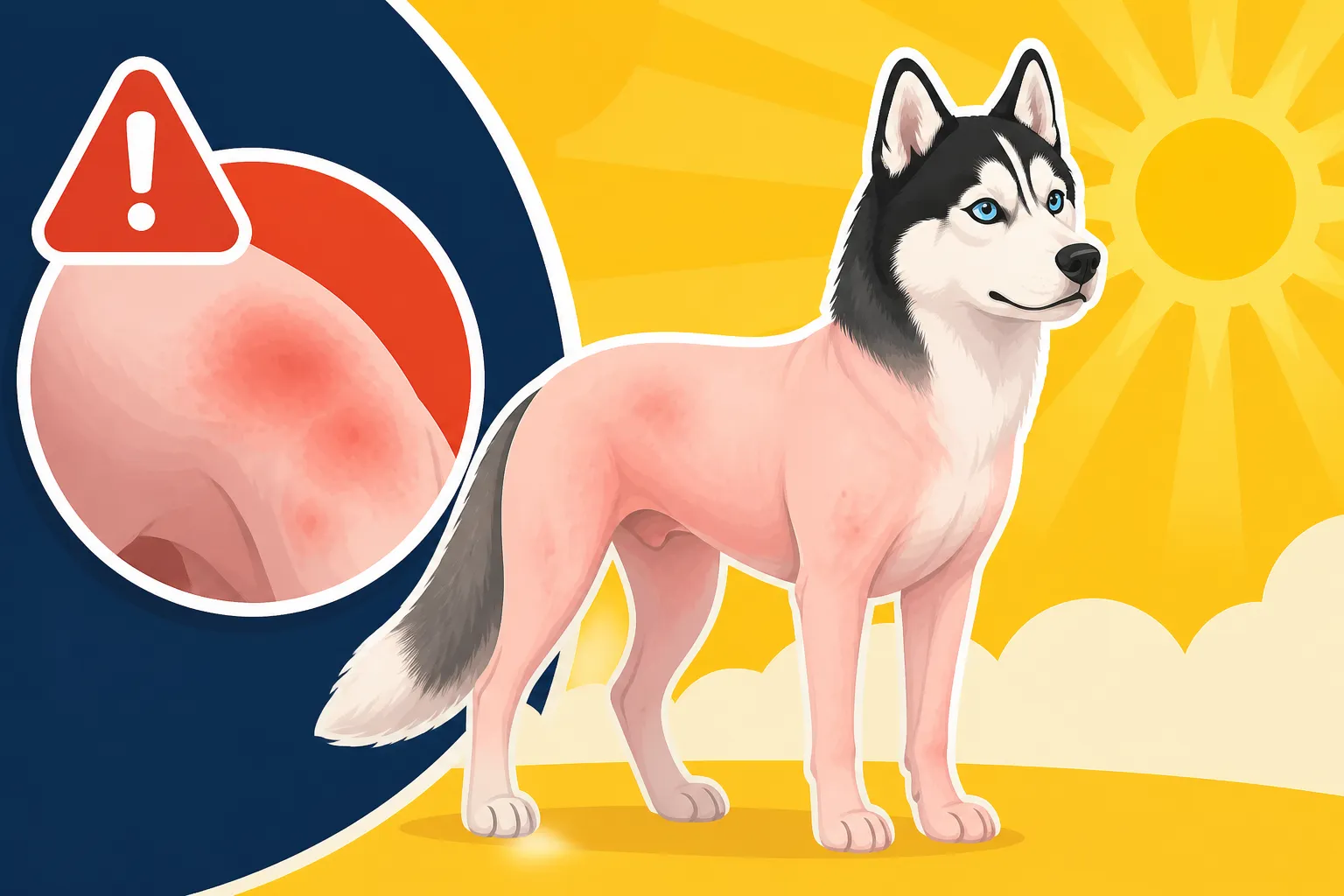
Sunburn on a Siberian Husky, particularly one that has been shaved, looks much like sunburn on a human. You'll likely notice redness, which can be intense, especially in areas where the skin is naturally pinker or has less pigment. The skin might feel tender or hot to the touch, and your Husky might shy away from being petted or exhibit signs of discomfort, such as whining or restlessness.
In more severe cases, you could see peeling skin, similar to what happens after a bad human sunburn. Blisters, though less common, can also occur. The most vulnerable areas on a shaved Husky include the top of the head, the back, the flanks, and any areas where the coat was particularly thinned. Even areas that weren't directly shaved, like the bridge of the nose, ear tips, and belly, are always susceptible, but a shaved body amplifies the overall risk. Secondary bacterial infections can also set in if the skin barrier is compromised, leading to itching, scabbing, and further discomfort. If you notice persistent redness, pain, or any unusual skin changes, a vet visit is definitely in order.
Increased Risks: From Discomfort to Cancer
Beyond the immediate pain and discomfort, sun exposure on a shaved Husky carries significant long-term health risks. Just like in humans, chronic or severe sunburn in dogs increases the risk of developing various forms of skin cancer. Two common types to be aware of are squamous cell carcinoma and hemangiosarcoma, both of which can be aggressive. These cancers can be difficult to treat and may necessitate extensive surgery or other therapies.
Repeated sun damage can also lead to other chronic skin conditions, such as solar dermatitis, which is a persistent inflammation of the skin. This can manifest as thickened, rough, or perpetually red skin, making your Husky uncomfortable and prone to infections. It's a far cry from the relief you intended to provide by shaving. The beautiful, dense coat of a Siberian Husky evolved as a robust protective barrier, and compromising it for short-term perceived relief opens the door to a host of dermatological issues that could have been easily avoided.
Who Is Most Vulnerable?
While any shaved Siberian Husky is at risk of sunburn, certain individuals are even more susceptible. Huskies with lighter pigment in their skin, often those with predominantly white coats, blue eyes, or pink noses, are naturally more vulnerable. Their skin produces less melanin, which is the natural pigment that provides some protection against UV radiation. Think of it like a fair-skinned person burning more easily than someone with darker skin.
Young puppies and senior Huskies also tend to have more delicate skin, making them less resilient to sun exposure. Puppies haven't fully developed their natural defenses, and older dogs might have thinner skin or other underlying health conditions that make them more prone to damage. Even a Husky that usually has a dense coat but experiences a particularly aggressive Siberian Husky Coat Blow and the Six Weeks It Lasts might be temporarily more exposed, though still vastly better off than a shaved dog. It underscores the importance of maintaining that natural coat and providing adequate shade for all Huskies, especially those with less pigment or compromised health.
Protecting Your Husky: Better Alternatives to the Clippers
Understanding the risks is just the first step. The good news is that there are many effective, safe, and Husky-friendly ways to help your beloved companion manage heat and stay protected from the sun, all without resorting to the harmful act of shaving.
Essential Grooming for Heat Management
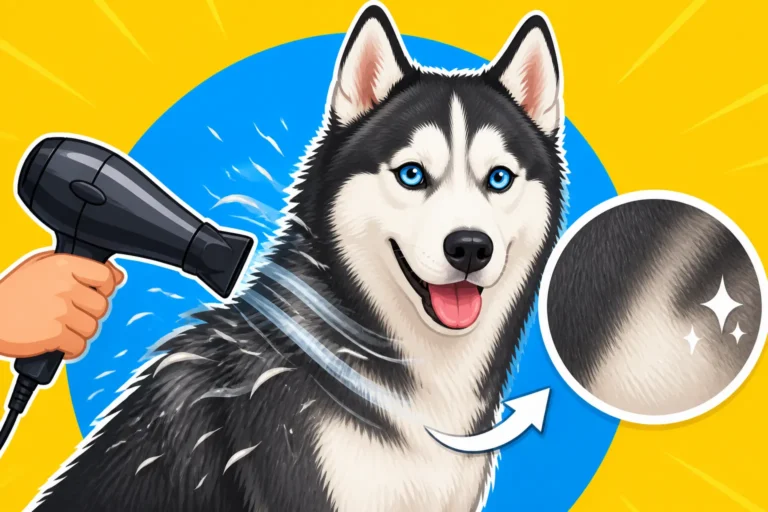
The key to keeping a Siberian Husky cool isn't removing their coat, but properly maintaining it. Regular and thorough grooming is paramount, especially during their twice-yearly "coat blow" seasons. This means daily brushing during shedding season with appropriate tools to remove dead undercoat. A slicker brush, undercoat rake, and a high-velocity dryer are your best friends here. You can find excellent grooming tools at pet supply stores or online retailers like Chewy and Amazon.
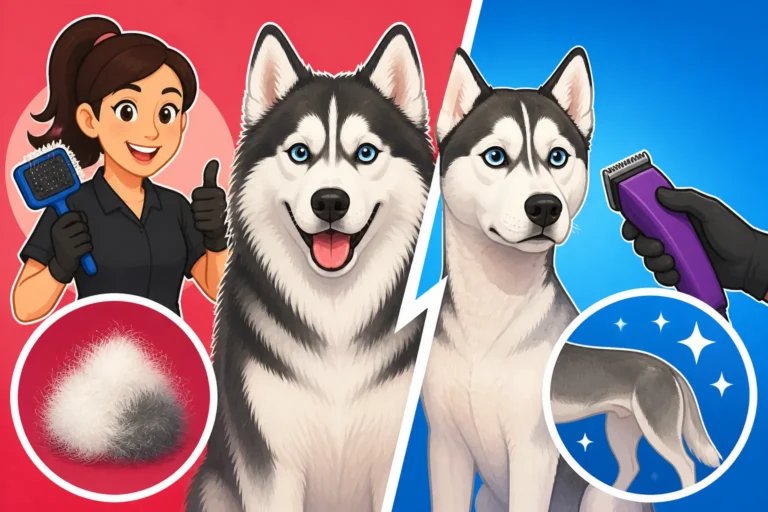
A professional de-shedding treatment from a groomer who understands double-coated breeds can be incredibly beneficial. They have specialized tools and powerful dryers that can effectively remove all that loose undercoat, allowing for better air circulation without ever touching a clipper blade to the guard hairs. This leaves the protective guard hairs intact while clearing out the insulating dead undercoat that actually traps heat. This proper maintenance helps the coat do its job year-round. It's an investment, but it's far better than the risks associated with shaving. Consider exploring Professional De-Shedding for a Siberian Husky for more in-depth information. Remember, The Only Places a Siberian Husky May Be Trimmed are usually their feet, and sometimes sanitary areas, not their body coat.
Smart Summer Practices for All Huskies
Beyond proper grooming, there are many proactive steps you can take to keep your Husky comfortable and safe in warmer weather.
- Timing Walks: Adjust your exercise schedule to the coolest parts of the day – early morning and late evening. Avoid the midday sun entirely. Pay attention to how hot the pavement is, as Hot Pavement Under Siberian Husky Paws can cause burns.
- Shade and Water: Always ensure your Husky has access to ample shade, whether in your yard or during outings. Provide plenty of fresh, cool water to keep them hydrated.
- Cooling Aids: Utilize cooling mats, raised beds that allow air circulation, or even a kiddie pool filled with shallow water (supervised, of course). Many excellent Cooling Mats and Fans for a Siberian Husky are available from retailers like Chewy and Amazon. Some Huskies love to play in sprinklers or have their bellies dampened with cool water (avoid soaking the entire coat, as a wet undercoat takes a long time to dry and can lead to skin issues).
- Dog-Specific Sunscreen: For naturally exposed areas like the nose, ear tips, and belly (especially if your Husky likes to sunbathe on their back), apply a dog-specific sunscreen. Never use human sunscreen, as many ingredients are toxic if licked. Look for zinc oxide-free formulas and consult your vet for recommendations. These are also readily available from pet retailers.
- Limit Hot Car Exposure: Never, ever leave your Husky in a parked car, even for a few minutes with the windows cracked. The temperature inside a car can rise to dangerous levels very quickly, leading to heatstroke.
These practices, combined with proper coat care, are the most effective ways of Keeping a Siberian Husky Cool Through Summer and preventing sunburn and heat-related illness.
When a Vet Does Shave: Emergency Protection
There are, of course, instances where a Siberian Husky might need to be shaved for medical reasons – perhaps for surgery, to treat a severe skin condition, or to clean and suture a deep wound. In these necessary situations, the shaved areas are often localized, but they still require diligent care to prevent sunburn.
If your Husky has a patch shaved for a medical procedure, talk to your veterinarian about how to protect that exposed skin. They might recommend applying a specific dog-safe sunblock to the area, or even covering it with a light, breathable fabric, like a surgical onesie or a soft t-shirt, for short periods when outdoors. The goal is to provide a temporary physical barrier while the fur grows back. Remember, even in these instances, the goal is always short-term protection while the natural coat is given time to recover and regrow. The general rule still stands: a healthy, intact double coat is your Husky's best defense against both heat and sun.
| Feature | Intact Siberian Husky Double Coat | Shaved Siberian Husky |
|---|---|---|
| Primary Function | Insulation (hot & cold), UV protection, water/dirt repellency | None (natural system removed) |
| Temperature Regulation | Creates air barrier for insulation against heat and cold; allows air flow when healthy | Compromised; direct sun exposure can lead to overheating; no insulation |
| UV Protection | Guard hairs act as a natural physical barrier, blocking UV rays | None; skin fully exposed to UV radiation |
| Sunburn Risk | Very low (unless extreme exposure to naturally exposed areas like nose/ears) | High |
| Skin Cancer Risk | Lower | Higher due to increased UV exposure |
| Aesthetic | Majestic, natural appearance; coat structure maintained | Uneven, patchy regrowth; coat texture may be permanently damaged |
| Grooming Needs | Regular brushing, especially during shedding seasons; professional de-shedding beneficial | May require less brushing initially, but regrowth can be problematic and prone to matting |
Disclaimer
This article is for general informational purposes only and does not constitute professional advice. Laws, prices and regulations vary by location and change over time. Consult a qualified professional for guidance on your specific situation.