Shade and Water for a Siberian Husky Yard
For any Siberian Husky owner, the summer months can bring a unique set of challenges, especially when it comes to ensuring their beloved furry companion stays safe and comfortable outdoors. You might worry about leaving them in the yard, constantly checking to see if they’re too hot or if their water bowl is still full. This guide is here to walk you through exactly how to create a secure, cool, and well-hydrated outdoor space for your husky, tackling those common concerns about heat and providing practical solutions for their well-being.
Understanding Your Siberian Husky's Heat Sensitivity
It’s no secret that Siberian Huskies hail from colder climates. Their entire physiology is designed for brisk, icy temperatures, not scorching summer days. This heritage means they have a lower tolerance for heat than many other breeds, making thoughtful outdoor preparation absolutely non-negotiable for their health and safety. Ignoring their natural predispositions can lead to serious health issues, which no husky owner ever wants.
The Double Coat Dilemma in Summer
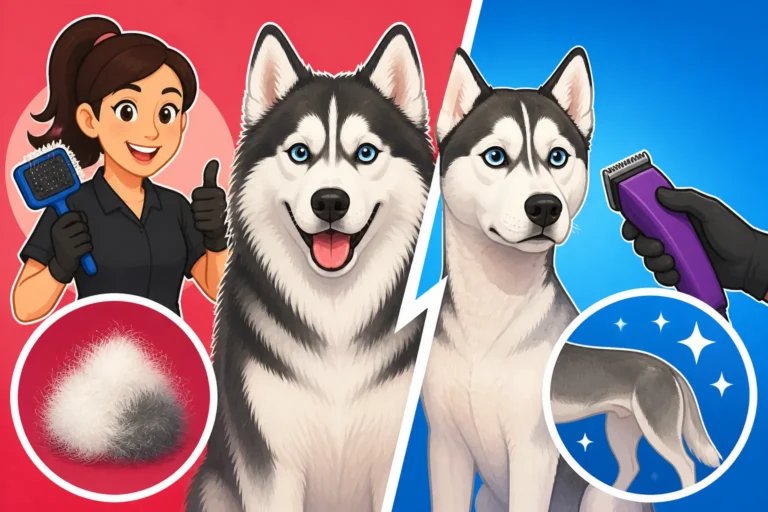
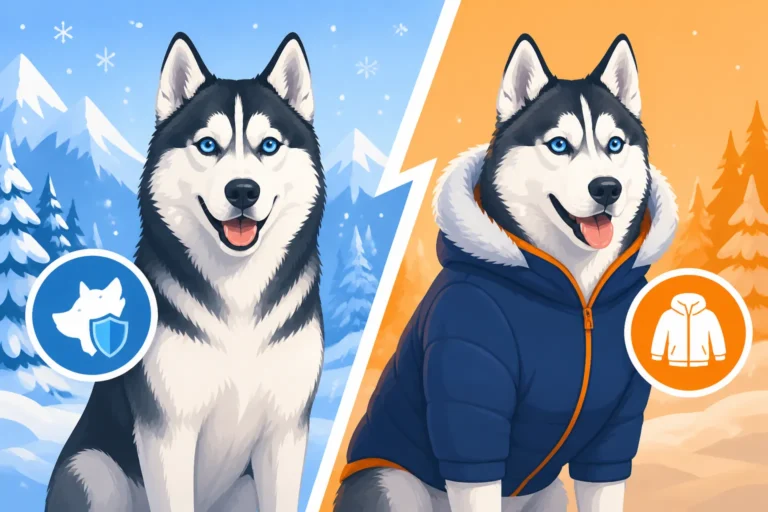
One of the most defining features of a Siberian Husky is their magnificent double coat. It’s a marvel of nature, consisting of a soft, dense undercoat for insulation and a longer, coarser outer coat of guard hairs that provides protection from elements like snow, wind, and even UV rays. In winter, this coat traps warm air close to their body, keeping them toasty. However, in summer, it works a bit differently. While it still offers some protection from the sun's direct rays, that thick undercoat can trap heat if not properly managed, turning a warm day into a dangerously hot one for your dog. You might think shaving them helps, but I've talked before about Why You Must Never Shave a Siberian Husky. Their coat actually helps create an insulating layer that protects against both cold and heat when it's healthy and well-maintained.
During their seasonal "coat blow," where they shed their dense winter undercoat, it’s vital to help them get rid of as much loose fur as possible. This thinning of the undercoat allows for better airflow against their skin, which is crucial for natural cooling. If this process is neglected, the compacted undercoat acts like a heavy blanket, preventing air from circulating and heat from escaping, leading to a much higher risk of overheating. Regular grooming during these periods is not just about keeping your house cleaner; it's a critical health measure.
Signs Your Husky is Overheating
Recognizing the signs of overheating is paramount, as early intervention can prevent a serious health crisis. Huskies, with their stoic nature, might not always make it obvious until they're really struggling. The most immediate sign you'll likely notice is excessive panting, often accompanied by a wide-open mouth and perhaps a visibly extended tongue. This is their primary way of cooling down, but if it becomes frantic or doesn't subside, it’s a red flag. Look for changes in their demeanor: a husky might become lethargic, stumble, or appear disoriented. Their gums might turn a darker red or even bluish, indicating poor circulation. They may also start drooling heavily, or in severe cases, vomit.
It's a terrifying moment when you realize your husky is in distress. Their normal playful energy can quickly evaporate, replaced by a desperate search for cool spots or a complete shutdown. In extreme situations, their body temperature can rise rapidly, leading to heatstroke, which is a life-threatening emergency. If you notice these signs, you need to act fast. Getting them into a cooler environment immediately and starting to cool them down gradually is essential. This is why knowing Heat Stroke Risk in a Siberian Husky is so important.
Providing Adequate Shade in the Yard
The sun, while lovely for humans, can be a silent danger to a Siberian Husky. Direct sunlight, even on a moderately warm day, can quickly elevate their body temperature to dangerous levels. Providing ample, accessible shade throughout the day is the single most important thing you can do to protect your husky in an outdoor yard environment. Without it, their outdoor time should be severely limited, especially during peak sun hours.
Natural Shade Solutions: Trees and Shrubs
Integrating natural elements into your yard design can provide beautiful and effective shade for your husky. Deciduous trees, for instance, are fantastic. They offer dense shade in the summer when their leaves are full, then lose them in the winter, allowing warming sunlight through when it's appreciated. Think about species like oak, maple, or sycamore, which grow large and create expansive shade canopies. It takes time for trees to mature, of course, so this is a long-term investment. If you're planning a yard from scratch, consider where the sun hits at different times of the day and year, and plant accordingly.
Even large, dense shrubs can offer patches of shade, particularly for a husky who likes to curl up and nap. Consider positioning these where they can block morning or afternoon sun, providing relief during those intense hours. The beauty of natural shade is that it often comes with cooler ambient temperatures, as the transpiration from plants helps to cool the surrounding air. Just make sure any plants you choose are pet-safe; a curious husky might chew on things.
Artificial Shade Structures: Kennels, Tarps, and Umbrellas
For immediate and flexible shade solutions, artificial structures are your best friend. A robust dog kennel with a solid roof is an excellent option, providing a consistent shaded area that your husky can retreat into. Ensure the kennel is large enough for them to stand, turn around, and lie down comfortably. A plastic or metal kennel with a solid top offers better protection than wire crates alone. For added comfort, you might even consider one with insulated walls or a raised floor to keep them off the hot ground.
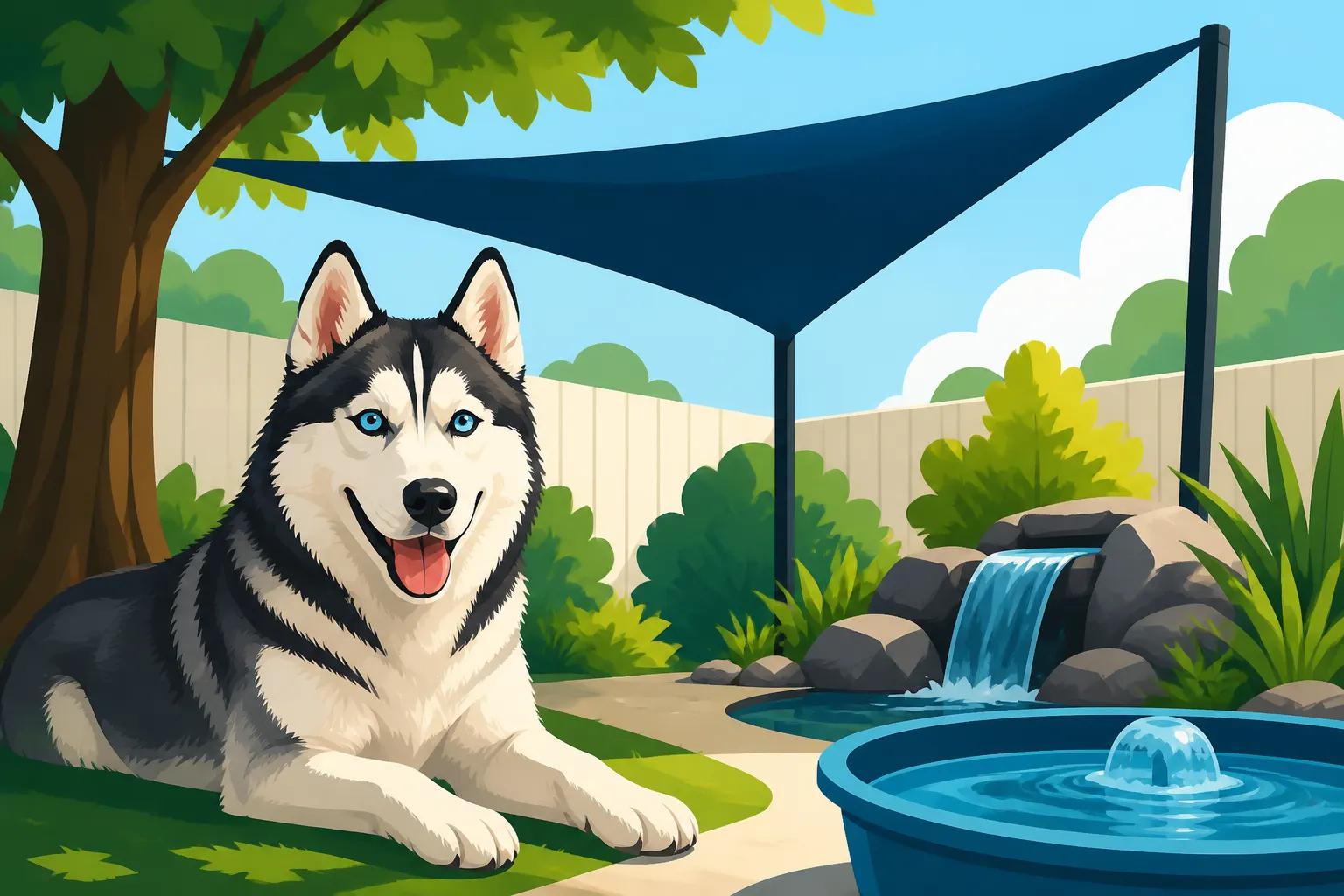
Beyond kennels, temporary structures like sun sails, tarps, or large patio umbrellas can be incredibly effective. A sun sail, for example, can be strung up over a section of the yard or patio, creating a wide swath of shade. These are often made from UV-blocking fabric and come in various sizes and shapes, easily found on sites like Amazon or at local hardware stores. Tarps, while less aesthetically pleasing, are highly functional and cost-effective. Just make sure they are securely anchored so they don't become a hazard in a breeze, and that they are positioned high enough for good air circulation underneath. Even a simple, large patio umbrella, strategically placed, can make a world of difference for a husky that enjoys lounging in a particular spot.
Strategic Placement for Maximum Protection
The key to effective shade isn't just having it; it's having it where your husky needs it, when they need it. The sun moves throughout the day, so a shady spot at 9 AM might be bathed in full sun by noon. Observe your yard through the day, especially during the hottest hours (typically late morning to late afternoon). You might need multiple shade sources or a large, overarching solution to ensure continuous protection. For instance, a covered patio might provide excellent morning shade, but by afternoon, a sun sail stretched across another part of the yard might be necessary.
If you use a dog house, position its entrance away from the direct sun's path. Consider elevating the house slightly to allow air to circulate underneath, preventing heat from building up in the floor. For kennels, face them north or east to minimize direct sun exposure during the hottest parts of the day. A combination of natural and artificial shade often works best, giving your husky options no matter the time of day. Remember, your goal is to provide a place where your husky can always escape the sun's relentless rays and Cooling a Siberian Husky Down Fast should be a last resort, not a regular occurrence.
Ensuring Constant Access to Fresh Water
Hydration is just as crucial as shade for a husky in warm weather. Panting, their main cooling mechanism, relies on evaporation from their tongue and respiratory tract, which rapidly depletes their body's water reserves. Without constant access to fresh, cool water, they can quickly become dehydrated, escalating their risk of heat-related illness. It’s not enough to just fill a bowl once; you need a system that ensures a continuous supply.
Choosing the Right Water Bowls and Dispensers
When it comes to water bowls, size and material matter significantly. A small, lightweight bowl will likely be empty, hot, or tipped over within minutes by a playful or thirsty husky. Opt for large-capacity, heavy-duty bowls that are difficult to tip. Stainless steel bowls are excellent because they are durable, easy to clean, and don't harbor bacteria like some plastics can. They also stay relatively cool if kept in the shade. You can find many robust options on Chewy or Amazon that are designed for large breeds. For even more consistent supply, consider an automatic water dispenser that connects to a garden hose, refilling as your husky drinks. These are fantastic for busy owners or if you're leaving your husky for a few hours, as they ensure a fresh, continuous flow.
Always have at least two separate water sources in different parts of the yard. If one gets knocked over or contaminated, your husky will still have access to another. Place bowls in shaded areas to keep the water cooler for longer. Adding a few ice cubes to their water bowl can also make it more appealing and help slightly with cooling, especially on exceptionally hot days.
The Allure of Sprinklers and Kiddie Pools
Huskies, surprisingly given their cold-weather origins, often enjoy splashing and playing in water, especially when it's hot. A simple garden sprinkler can provide hours of entertainment and a fantastic way for them to cool down. Set up a oscillating sprinkler in a safe area of the yard and let your husky run through it. The cool water on their paws and coat can bring their body temperature down without saturating their dense undercoat completely, allowing for quicker drying and continued insulation.
Kiddie pools are another fan favorite and a brilliant way to offer self-cooling. Fill a sturdy plastic kiddie pool with just a few inches of cool water. Many huskies love to wade, lie down, or even dig in the water, getting their paws and bellies cool. It’s a low-cost, high-impact solution that many husky owners swear by. Just make sure the pool is clean and the water is changed daily to prevent algae or insect breeding. This is why I often recommend Kiddie Pools for a Siberian Husky in Summer as a great option. Make sure the water isn't too deep, especially if you have a puppy, and always supervise them, even if they're just splashing around.
Monitoring Water Intake and Replenishment
It's not enough to just provide water; you need to ensure your husky is actually drinking it. On very hot days, a husky might drink significantly more than usual. Pay attention to how quickly their bowls are emptying. If you have an automatic dispenser, check that it's working properly and isn't clogged. If you notice your husky isn't drinking as much as you'd expect, or if they seem overly lethargic despite having access to water, it’s a cause for concern.
Consider giving them water-rich treats, like frozen fruit (safe options only, like watermelon or blueberries) or ice cubes. Some owners even freeze diluted chicken broth into ice molds for a special, hydrating treat. Always keep an eye on the water temperature; stagnant water in a sun-baked bowl can quickly become unappealing and even unsafe. Regularly dump and refill bowls with fresh, cool water throughout the day, especially during peak heat.
Beyond Shade and Water: A Holistic Approach to Summer Safety
While shade and water are the cornerstones of summer husky care, they are part of a larger picture. A truly responsible owner considers all aspects of their husky’s well-being when the mercury rises. It's about creating an environment where they can thrive, not just survive, through the warmer months.
Timing Outdoor Activities
Even with the best shade and water setup, there are limits to how much heat a husky can tolerate. Intense exercise during the hottest parts of the day is a recipe for disaster. This means adjusting your daily routine significantly. Early morning, just after sunrise, is often the coolest time of day, perfect for a vigorous walk, run, or training session. Similarly, late evening, after the sun has set and the pavement has cooled down, offers another window for activity. This aligns with advice on Timing Siberian Husky Walks in Hot Weather.
Avoid midday walks completely. Not only is the air temperature high, but the ground surfaces like asphalt or concrete can reach searing temperatures, easily burning your husky’s paw pads. This ties into concerns about Hot Pavement Under Siberian Husky Paws. Even grassy areas can radiate heat. Stick to cooler, shaded trails or indoor activities during those intense hours. Remember, a husky's body is built for endurance, but that endurance is in cold conditions. Pushing them in heat can have dire consequences.
Regular Health Checks and Grooming
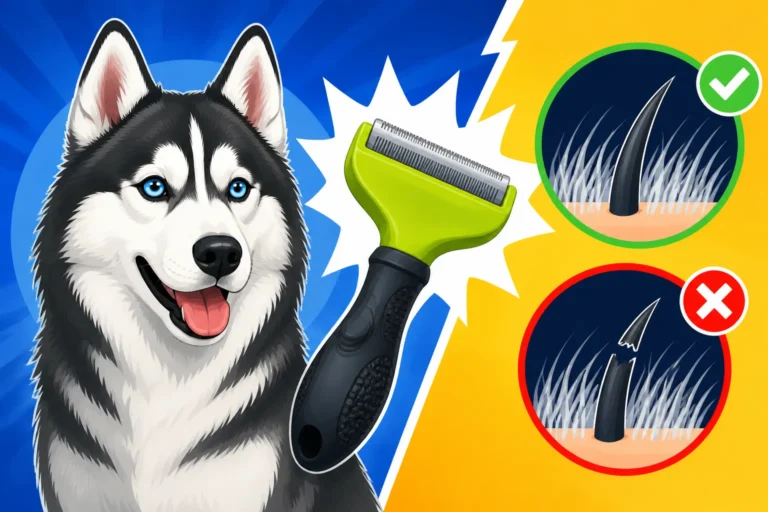
Maintaining your husky's overall health and coat condition is vital for their ability to manage heat. Regular grooming sessions, particularly during shedding seasons, are essential to remove dead undercoat and allow air circulation. A deshedding tool and a good undercoat rake can be found at pet stores or online at Chewy, making the process easier. This prevents matting and ensures their coat can perform its natural insulating function effectively.
Regular veterinary check-ups are also important, especially as your husky ages or if they have any underlying health conditions. A vet can advise on the best ways to keep your individual husky safe in the heat and identify any health issues that might make them more susceptible to heat stress. Nutrition plays a part too; a well-balanced diet supports overall health, which in turn helps your dog cope with environmental stressors like heat. While Ollie provides fresh, customized meal plans, ensuring your husky gets quality nutrition generally helps maintain their vitality and robust health, supporting their natural resilience. Keeping an eye on The Temperature a Siberian Husky Starts Struggling At and adjusting their care accordingly is a continuous process that changes with the weather and your husky's age.
Disclaimer
This article is for general informational purposes only and does not constitute professional advice. Laws, prices and regulations vary by location and change over time. Consult a qualified professional for guidance on your specific situation.