Air Conditioning a Siberian Husky Depends On
For anyone living with a majestic Siberian Husky, especially outside of truly arctic climates, the summer months bring a unique kind of dread. You know that thick, glorious double coat is designed for extreme cold, not sweltering humidity, and trying to keep your furry friend comfortable can feel like a constant battle against the elements. This guide is here to shed light on why air conditioning isn't just a luxury for your Husky but often a non-negotiable part of their care, and how to best utilize it to ensure their health and happiness through the warmer seasons.
Understanding the Siberian Husky's Unique Thermal Regulation
Let's be real, Siberians are built differently. Their entire physiology is a testament to their origins in the harsh, freezing landscapes of Siberia. This incredible adaptation, while perfect for pulling sleds across snow-covered plains, presents significant challenges when the mercury rises.
The Double Coat: A Blessing and a Curse in the Heat
Every Siberian Husky owner knows the legend of the double coat. It’s dense, it’s fluffy, and during the Siberian Husky Coat Blow and the Six Weeks It Lasts, it feels like it’s everywhere. This isn't just fur; it's a marvel of natural engineering. The soft, thick undercoat provides incredible insulation, trapping warm air against the body to keep them cozy in sub-zero temperatures. The longer, coarser guard hairs protect against snow, ice, and wind.
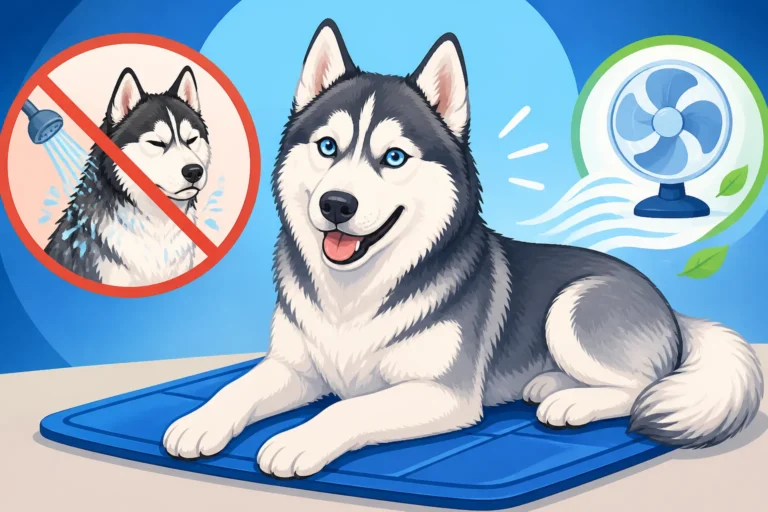
However, in warmer climates, this very same system becomes a massive heat trap. Instead of keeping heat in, it struggles to let excess heat out. When temperatures climb, that insulating layer becomes an oven, holding the body's warmth close. Many people mistakenly think shaving their Husky will help, but in reality, Why You Must Never Shave a Siberian Husky is a critical piece of advice. Shaving actually compromises their natural cooling system, making them more susceptible to sunburn and overheating, as their skin is exposed to direct sunlight without the protective barrier of their guard hairs. Their coat works by creating an air-conditioned space between the layers, but if that air can't escape and be replaced with cooler air, it simply holds the heat. This is precisely why they start struggling when The Temperature a Siberian Husky Starts Struggling At.
Metabolic Efficiency and Heat Generation
Siberian Huskies are known for their incredible endurance and efficient metabolism. Bred to run long distances on minimal food in freezing temperatures, their bodies are designed to conserve energy and generate heat effectively during activity. This is fantastic when they’re pulling a sled, but less so when they’re just trying to lounge on a warm afternoon.
Unlike some other breeds that might pant heavily and quickly dissipate heat through evaporation, a Husky's system is less geared for rapid cooling. Their bodies are so efficient at maintaining core temperature in the cold that they can struggle significantly to lower it when external temperatures are high. This means that once a Husky starts to overheat, it can be a much more dangerous and rapid escalation than with breeds not possessing the same physiological adaptations. The question of Whether a Siberian Husky Belongs in a Hot State often boils down to an owner's commitment to providing an artificially cool environment to counteract these natural predispositions. Their body is constantly trying to maintain its temperature, and if the external environment is working against that, it becomes an uphill battle.
Why Air Conditioning Isn't Just a Comfort, It's a Necessity
Given their unique physiology, air conditioning transitions from a nice-to-have amenity to a fundamental health requirement for many Siberian Huskies. It’s not about spoiling them; it’s about providing a safe and stable environment their bodies simply aren't built to create on their own in the heat.
Preventing Heatstroke and Overheating Emergencies
The most critical reason for air conditioning is the prevention of heatstroke. This isn't just a mild discomfort; it's a life-threatening emergency that can develop frighteningly fast in a Siberian Husky. Signs like excessive, relentless panting, drooling, bright red gums, lethargy, stumbling, vomiting, and even collapse are all red flags. If you see these, you need to act immediately to begin Cooling a Siberian Husky Down Fast and get veterinary attention.
A constantly air-conditioned indoor space provides a consistent, controlled environment where the risk of overheating is drastically reduced. It removes the stress of trying to find the coolest patch of floor or constantly monitoring their panting levels. For many owners, it's the peace of mind knowing that their Husky can safely nap or play indoors without the constant threat of a medical emergency. Trying to manage without it in a warm climate is simply putting your dog at undue risk. Owners often underestimate Heat Stroke Risk in a Siberian Husky until it's too late, and AC is your best defense.
The Psychological and Physical Benefits of a Cool Environment
Beyond preventing emergencies, a consistently cool environment contributes immensely to your Husky's overall quality of life. Imagine trying to sleep in a sauna, or being expected to be playful and engaged when you're constantly fighting off oppressive heat. That's what it can feel like for a Husky without proper cooling. Chronic heat stress can lead to:
- Reduced Activity Levels: They become lethargic, unwilling to play or engage, simply trying to conserve energy and stay cool. This can impact their mental stimulation and physical fitness over time.
- Poor Sleep Quality: Struggling to cool down makes restful sleep difficult, leading to a perpetually tired and grumpy dog.
- Increased Irritability: Just like humans, a perpetually uncomfortable dog can become more irritable or less tolerant.
- Coat Health Issues: While not directly caused by heat, a dog struggling with overheating may neglect grooming or develop skin issues if they are frequently wet in an attempt to cool them down without proper drying. How a Siberian Husky Coat Keeps Heat Out is truly a double-edged sword when temperatures rise.
By providing a comfortably cool home, your Husky can relax, enjoy their toys, sleep soundly, and maintain their characteristic zest for life. It allows them to truly thrive, rather than just survive, through the warmer parts of the year.
Practical Strategies for Managing AC and Your Husky
Okay, so we've established that AC is vital. But how do you manage it effectively, especially when you're balancing your own comfort and budget? It's about smart usage and being prepared.
Setting the Right Temperature and Monitoring Humidity
Finding the "perfect" temperature for your Husky often comes down to a little trial and error, but generally, a range between 72-75°F (22-24°C) is a good starting point for most. Some Huskies might prefer it slightly cooler, while others are fine a degree or two warmer. Pay attention to your dog's behavior: are they still panting excessively indoors? Are they seeking out tile floors or lying spread-eagle? If so, consider dropping the temperature slightly.
Humidity is also a silent killer for dogs. High humidity makes it harder for dogs to cool themselves through panting, as the air is already saturated with moisture. Your air conditioner plays a crucial dual role here: it cools the air and removes humidity. A dehumidifier can be a useful backup in particularly muggy climates, or if your AC struggles with humidity, but the primary function of your AC is key. Consider investing in a smart thermostat that allows you to set schedules and even monitor temperatures remotely. This way, you can ensure your Husky's environment stays optimal even when you're away from home. Being able to remotely adjust the temperature from your phone can be a game-changer for peace of mind.
Backup Plans and Energy Efficiency Tips
While a working AC system is paramount, it's also wise to have backup strategies, especially during power outages or extreme heatwaves. These don't replace AC but can offer temporary relief.
- Cooling Mats: These gel-filled mats absorb body heat and provide a cool surface for your Husky to lie on. Brands like The Green Pet Shop or ArfPets (often found on Amazon or Chewy) offer excellent options.
- Frozen Water Bottles: Fill plastic bottles with water, freeze them, and place them in your Husky's bed or crate. They can lean against them for relief.
- Elevated Beds: These allow air circulation underneath, preventing heat from building up from the floor.
- Fans: While fans only move hot air, they can create a slight wind chill effect and help with evaporation if the air is dry enough. However, fans alone are never sufficient for a Husky in true heat.
- Know Your Emergency Vet: Have the contact information for your closest emergency veterinary clinic readily available.
When it comes to energy efficiency, Running Air Conditioning for a Siberian Husky in Summer doesn't have to break the bank entirely. Smart thermostats, as mentioned, can help optimize usage. Ensure your home has good insulation and seal any drafts. Keep blinds and curtains closed during the hottest parts of the day to block out solar gain. While it's an undeniable expense, remember that the cost of an emergency vet visit for heatstroke will likely far outweigh your increased electricity bill. Many owners consider this a non-negotiable part of Air Conditioning Costs in a Siberian Husky Household and factor it into their annual budget. Investing in good Cooling Mats and Fans for a Siberian Husky can also provide supplemental comfort without always blasting the AC to its lowest setting.
Integrating AC into a Holistic Summer Care Plan
Air conditioning is a powerful tool, but it's not a magic bullet. It needs to be part of a broader, well-thought-out summer care plan for your Siberian Husky to truly ensure their safety and comfort.
Exercise Timing and Outdoor Management
Even with a perfectly cool home, you cannot rely solely on AC to mitigate all risks. Outdoor time, especially for exercise, needs careful planning. This breed thrives on activity, and denying them all outdoor time simply isn't fair or healthy.
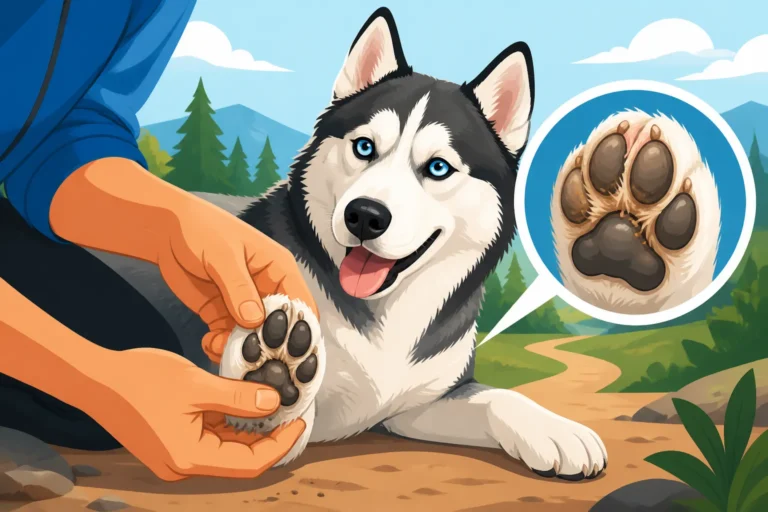
- Early Mornings and Late Evenings: Schedule walks, runs, and outdoor play for the coolest parts of the day – before sunrise or well after sunset. Walking a Siberian Husky Before Sunrise is often the only safe time to get them out for a good stretch. Feel the pavement with your bare hand; if it's too hot for you, it's too hot for their paws.
- Short, Focused Outings: During the day, if they need to go out for a potty break, keep it brief and to the point.
- Avoid Peak Heat: Between roughly 10 AM and 6 PM, the sun is usually at its strongest, and temperatures are highest. This is prime indoor time for your Husky. Avoid dog parks or long excursions during these hours entirely. Their love for a good run can easily override their self-preservation instinct, putting them at extreme risk.
Hydration and Other Cooling Aids
Beyond timing, ensuring your Husky stays hydrated and utilizing other safe cooling methods can complement your AC efforts beautifully.
- Constant Fresh Water: This sounds obvious, but it's crucial. Always have multiple bowls of fresh, cool water available inside and outside. Consider adding ice cubes to their water bowl to keep it extra appealing. You might even find they enjoy an automatic water fountain (available from retailers like Chewy or Amazon), which encourages more drinking.
- Frozen Treats: Ice cubes, frozen broth, or specially made dog-safe popsicles can be a fantastic way to hydrate and cool them from the inside out. Even a frozen Kong stuffed with peanut butter or plain yogurt can provide lasting, cooling entertainment. Brands like Ollie offer fresh food that can sometimes be lightly frozen for an extra cooling treat.
- Kiddie Pools: For some Huskies, a shallow Kiddie Pools for a Siberian Husky in Summer can be a huge hit. Fill it with a few inches of cool water and let them splash. Just ensure they are supervised, especially if they try to drink large quantities of water too quickly.
- Cooling Vests/Bandanas: These can offer temporary relief for short periods outside, but be cautious. Ensure they don't hold too much moisture against the undercoat, which could trap heat instead of releasing it. They are best used strategically and for limited durations.
Remember, every Siberian Husky is an individual. What works perfectly for one might need adjustment for another. The key is to be observant, prioritize their safety, and understand that in warmer climates, a reliable air conditioning system is truly a cornerstone of responsible Husky ownership.
Summer Cooling Methods for Siberian Huskies
| Method | Description | Effectiveness for Huskies (Warm Climate) | Notes |
|---|---|---|---|
| Air Conditioning | Controls indoor temperature and humidity. | High (Essential) | Provides consistent, safe environment. Most critical for health. |
| Cooling Mats | Gel-filled mats that absorb body heat. | Medium to High | Excellent for localized cooling. Available on Amazon and Chewy. |
| Fans (Circulating) | Moves air, creating evaporative cooling effect. | Low to Medium | Only effective if air is dry. Does not cool air, just moves it. |
| Frozen Treats/Ice | Internal cooling through ingestion. | Medium | Good supplement, but not a primary cooling method for an overheated dog. |
| Kiddie Pool | Shallow water for wading and splashing. | Medium to High | Good for outdoor relief, but ensure supervision. Dries best in shade. |
| Shaving Coat | Removing the double coat entirely. | Counterproductive | Harms natural insulation, risks sunburn, coat regrowth issues. Never recommended. |
| Cooling Vests/Bandanas | Wetted fabric against the body. | Low to Medium (Temporary) | Can provide brief relief but must be monitored to avoid trapping heat if saturated. |
Disclaimer
This article is for general informational purposes only and does not constitute professional advice. Laws, prices and regulations vary by location and change over time. Consult a qualified professional for guidance on your specific situation.