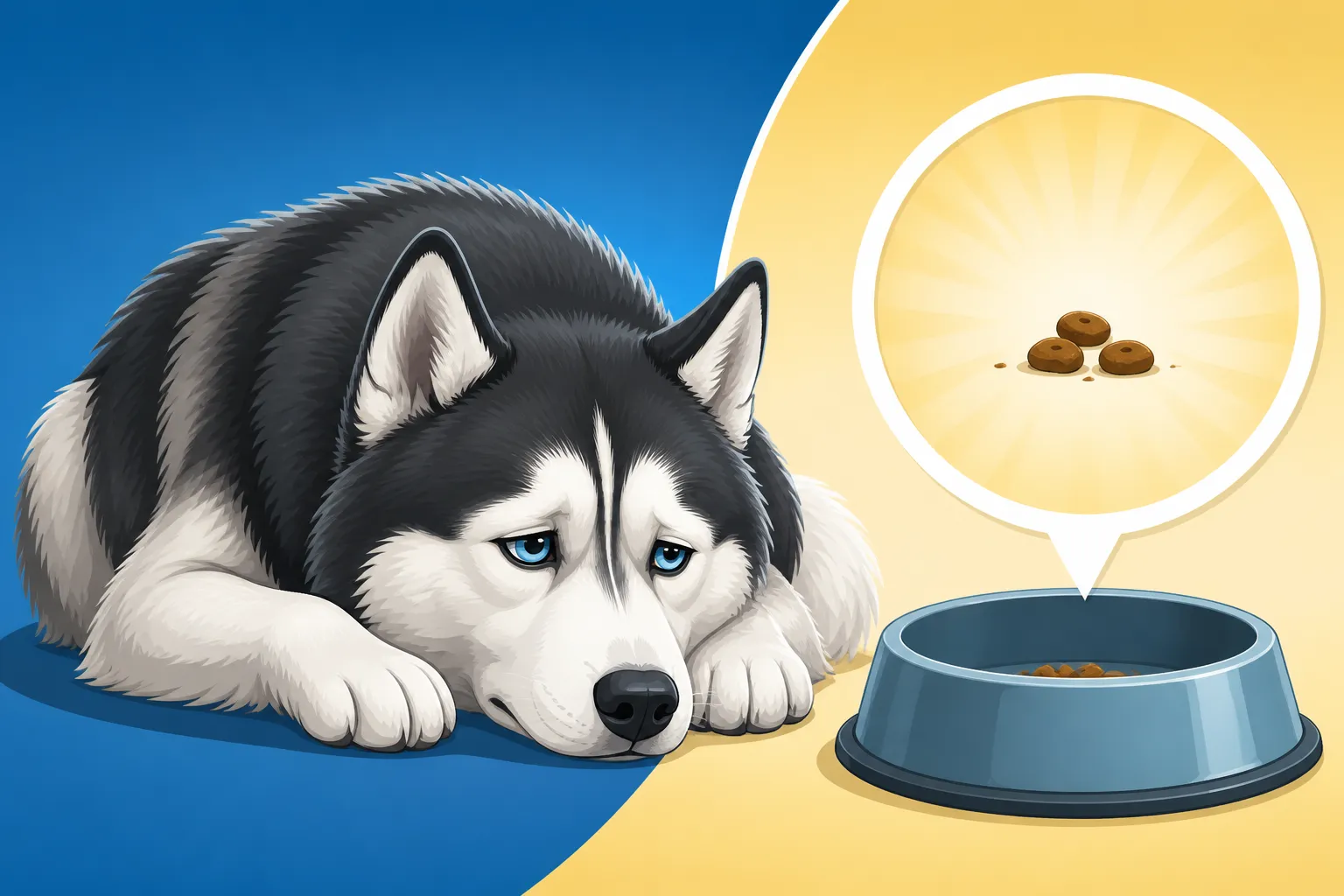
An Old Siberian Husky That Eats Even Less
It's a disheartening and often worrying experience to watch your once ravenous Siberian Husky, who used to vacuum up every meal in seconds, start to turn their nose up at food as they enter their golden years. This shift in appetite is incredibly common in older dogs, but it can leave us feeling helpless and concerned about their well-being. You're right to be paying close attention, because while some changes are a normal part of aging, a significant drop in eating can also signal an underlying issue that needs our attention. This guide will walk you through the various reasons your senior Husky might be eating less, help you distinguish between normal aging and red flags, and offer practical strategies to keep them nourished and comfortable.
Understanding Why Senior Huskies Eat Less
As our beloved Siberian Huskies journey through life and cross that invisible threshold into their senior years – typically around age seven or eight for a Husky – their bodies start to change in ways that directly impact their relationship with food. It’s not just a matter of them becoming pickier; often, there are very real physiological reasons behind their diminished interest in dinner.
Natural Slowing of Metabolism and Activity
One of the primary reasons senior Huskies eat less is simply that their bodies don't demand as much fuel. Think about it: a young, vibrant Husky, full of boundless energy, tearing around the yard, and maybe even pulling a sled, burns through calories at an incredible rate. They are a furnace of activity, and their food intake needs to match that intensity.
However, as they age, their metabolism naturally slows down. Their once tireless energy often gives way to longer naps and a preference for leisurely strolls over marathon runs. This decrease in physical activity means their energy expenditure drops significantly. If they're moving less, they require fewer calories to maintain their body weight and functions. Continuing to offer the same quantity of food they ate as a young adult will inevitably lead to food being left in the bowl. It's a natural recalibration of their internal energy budget. It’s important to remember that The Ages a Siberian Husky Changes Health-Wise brings about many subtle shifts, and a reduced appetite can definitely be one of them. Their bodies are just becoming more efficient, or simply less active, and adjusting their calorie intake to match is perfectly normal.
Dental Pain and Oral Issues
Imagine trying to eat your favorite meal when every chew sends a sharp pang through your mouth. That's a reality for many older dogs, including Siberian Huskies, whose dental health can deteriorate significantly over the years. By the time a Husky reaches senior status, they've likely accumulated years of plaque and tartar buildup. This can lead to painful gum disease (periodontal disease), which can make chewing incredibly uncomfortable.
Beyond gum disease, older teeth can chip or crack, leading to exposed nerves. Abscesses, loose teeth, or even oral tumors can also develop, all causing immense pain and discomfort when food touches the affected area. A Husky suffering from dental pain might approach their food bowl eagerly but then hesitate, drop food, or chew only on one side of their mouth. They might groan or whine while eating, or simply walk away from their meal entirely. This isn't pickiness; it's a direct physical barrier to eating. This is why regular dental check-ups, even if your Husky has always had a seemingly strong bite, become absolutely critical. Siberian Husky Dental Disease by Age Five highlights how early these issues can start, and they only compound with age.
Underlying Health Conditions
While a slowing metabolism and dental issues are common culprits, a decrease in appetite can also be a significant red flag for various underlying health problems that become more prevalent in older Huskies. Our stoic dogs are masters at hiding discomfort, so a change in eating habits might be one of the first visible signs something more serious is brewing.
Conditions like kidney disease, liver disease, or heart conditions can all lead to nausea, discomfort, and a general feeling of malaise that suppresses appetite. Cancer, unfortunately, is also a concern in older dogs, and many types of cancer can cause weight loss and a disinterest in food long before other symptoms appear. Endocrine disorders, such as Siberian Husky Thyroid and Autoimmune Disease, while sometimes causing weight gain, can also disrupt overall systemic balance and impact appetite in unexpected ways. Even chronic pain from arthritis Pain Management for an Arthritic Siberian Husky can make the simple act of standing at a food bowl or bending to eat too uncomfortable, leading them to avoid meals. It’s a very common scenario for owners to notice a gradual drop in appetite, sometimes accompanied by increased thirst or changes in urination, which can point towards issues like Kidney Values in an Aging Siberian Husky that require prompt veterinary attention.
What's Normal and What's a Red Flag When Appetite Drops?
Navigating the subtle shifts in your senior Husky's appetite can feel like a delicate balancing act. You want to be attentive to their needs without becoming overly anxious about every missed bite. The key lies in understanding the difference between a normal, age-related adjustment and a genuine cause for concern that warrants a trip to the vet.
Gradual Decline vs. Sudden Refusal
The way your Husky's appetite changes can tell you a lot. A gradual decline is often the hallmark of normal aging. Perhaps your Husky, who once ate two full cups of kibble at each meal, now consistently leaves a quarter cup behind. Over several weeks or months, you might notice they're perfectly happy with a slightly smaller portion, and they maintain a healthy weight and good energy otherwise. This slow, steady reduction, without other alarming symptoms, usually reflects their reduced metabolic needs and activity levels. They might still show enthusiasm for treats or special meals, just less for their regular fare.
A sudden refusal to eat, on the other hand, is almost always a red flag. If your Husky suddenly goes from eating normally to completely ignoring their food for more than 24 hours, or if they only pick at it with no enthusiasm, it's time to pay close attention. This abrupt change is less likely to be due to natural aging and more likely indicative of acute discomfort, pain, or a sudden illness. Even if they perk up briefly for a high-value treat, a consistent refusal of their regular food demands investigation. It’s crucial to understand that even minor changes in senior Huskies can sometimes escalate quickly, as outlined in What Changes in a Siberian Husky After Nine.
Accompanying Symptoms to Watch For
While a change in appetite is a symptom in itself, it rarely travels alone when something serious is amiss. Becoming familiar with other accompanying signs can help you determine the urgency of the situation. Keep a keen eye out for any of the following:
- Significant Weight Loss: This is perhaps the most obvious and concerning sign. If your Husky is not just eating less, but also visibly losing muscle mass or body fat despite your efforts to encourage eating, it's a strong indicator of an underlying problem. Feeling their ribs and spine become more prominent under their thick coat is a sign you should not ignore.
- Vomiting or Diarrhea: Gastrointestinal upset often goes hand-in-hand with a loss of appetite. If your Husky is vomiting, especially repeatedly, or experiencing prolonged diarrhea, these are urgent signs that require immediate veterinary care.
- Lethargy or Weakness: While older Huskies naturally slow down and sleep more, a dramatic increase in lethargy, an unwillingness to get up, or obvious weakness are serious symptoms. They might seem disoriented or less responsive than usual.
- Changes in Thirst or Urination: An increased thirst or more frequent urination could point to kidney disease, diabetes, or other serious metabolic conditions. Conversely, a decrease in urination could indicate dehydration or kidney issues.
- Pain or Discomfort: Look for subtle signs of pain, such as limping, stiffness, reluctance to move, guarding a particular body part, panting excessively when at rest, or restlessness. As mentioned before, oral pain is a huge factor.
- Changes in Behavior: Any unusual behavioral changes, like hiding, increased irritability, disinterest in activities they once loved, or sudden aggression, could also be linked to pain or illness that impacts their desire to eat.
- Fever: While harder to detect without a thermometer, signs like extreme panting, warm ears, or general malaise can suggest a fever, which suppresses appetite.
If you observe any of these symptoms alongside a reduced appetite, especially if the appetite change was sudden, don't hesitate. It's always better to be safe than sorry, and a prompt visit to your veterinarian can make all the difference. Remember that What Siberian Husky Owners Lose Their Dogs To often involves these types of health declines, making early detection vital.
Strategies to Encourage Eating in an Older Siberian Husky
Once you've ruled out any serious underlying health issues with your vet, or if your Husky's reduced appetite is simply a part of their natural aging process, there are many practical steps you can take to make mealtime more appealing and ensure they're getting the nutrition they need.
Adjusting Their Diet and Feeding Routine
When a senior Husky starts to eat less, it's often a sign that their previous diet or feeding schedule isn't working for them anymore. A little creativity and patience can go a long way in encouraging them to eat.
First, consider the palatability of their food. Dry kibble, while convenient, can become less appealing as senses dull with age. Introducing wet food, or mixing a high-quality wet food with their kibble, can significantly increase its appeal. The aroma and texture are often more enticing. You might even consider warming their food slightly in the microwave; a warm meal releases more scent, which can tempt a lagging appetite. Companies like Ollie offer fresh, human-grade food options that are often highly palatable and can be a game-changer for picky seniors. You can find these kinds of specialized diets and toppers readily available through retailers like Chewy or Amazon.
Secondly, think about changing their feeding routine. Instead of two large meals, try offering smaller, more frequent meals throughout the day. A small portion, eaten every few hours, might be less overwhelming and easier to digest than a big bowl. For instance, if they normally get two cups twice a day, try one cup four times a day. This approach can prevent them from feeling too full or getting discouraged by a large, untouched meal. Also, ensure their eating environment is calm and free from distractions. A quiet corner where they won't be bothered by other pets or household activity can make a big difference. Remember, the goal is to make eating a positive, stress-free experience. If your vet suggests it, switching to a specific senior formula can also be beneficial, as these are often formulated with fewer calories but higher quality, easily digestible ingredients to meet the needs of an aging body, as discussed in Senior Food for a Siberian Husky Past Ten.
Making Food More Accessible and Appealing
Beyond the food itself, how and where your senior Husky eats can also impact their willingness to consume their meals. Sometimes, simple adjustments to their eating setup can alleviate discomfort and boost their appetite.
Consider using elevated food bowls. As Huskies age, arthritis or other joint pain can make bending down to a floor-level bowl uncomfortable or even painful. An elevated bowl allows them to eat in a more natural, comfortable standing position, reducing strain on their neck and joints. This is particularly relevant if your Husky is starting to show signs of stiffness, which can often coincide with joint issues, reinforcing the importance of managing Siberian Husky Weight and Joint Health. You can find various styles of elevated feeders at pet supply stores or online through platforms like Amazon.
Another trick is to soften their kibble. If dental pain is a factor, or if their teeth are simply weaker, hard kibble can be tough to chew. Adding warm water or low-sodium chicken broth (make sure it's onion and garlic-free!) and letting it soak for 10-15 minutes can transform hard kibble into a soft, more palatable gruel. This not only makes it easier to eat but also adds extra hydration. For an added enticement, try mixing in small amounts of highly appealing foods. A tablespoon of plain canned pumpkin, a bit of cooked, shredded chicken (without skin or bones), or even a dollop of plain yogurt can make a regular meal irresistible. Just be mindful of portion sizes, especially with higher-calorie additions, to avoid inadvertently causing weight gain if your Husky already struggles with their weight. A healthy appetite is good, but managing calories is still important for Caring for a Siberian Husky Past Ten.
When to Seek Veterinary Intervention and Support
While the above strategies can be incredibly helpful, it’s critical to understand that a sustained lack of appetite in an older Siberian Husky should never be ignored. Your veterinarian is your best partner in ensuring your senior dog's health and comfort.
First and foremost, maintain a schedule of regular senior check-ups. These visits, often recommended every six months for older dogs, allow your vet to perform thorough physical exams, blood work, and urinalysis to catch any underlying health issues early. Early detection of conditions like kidney disease or thyroid imbalances (as detailed in Siberian Husky Thyroid and Autoimmune Disease) can often be managed effectively, preserving your Husky's quality of life and appetite. Your vet can use these wellness visits to track changes in your Husky's weight and overall health, identifying trends that might not be immediately obvious to you at home. Many issues can be caught before they become emergencies, which is vital as Anesthesia Risk in a Senior Siberian Husky increases with age, making proactive care even more important.
If your Husky's appetite doesn't improve with dietary adjustments, or if they continue to lose weight, your vet might suggest further diagnostics or interventions. This could include more specialized blood tests, imaging (X-rays or ultrasound), or even exploring appetite stimulants if no underlying treatable disease is found. There are safe, prescription medications that can help kickstart an older dog's appetite. They might also recommend specific prescription diets formulated for various health conditions, such as kidney support or highly digestible diets for sensitive stomachs. Don't hesitate to discuss your concerns openly with your vet; they can provide personalized advice and support, helping you navigate the unique challenges of feeding an aging Siberian Husky. While these vet visits do incur costs, remembering Wellness Visit Costs for a Siberian Husky can help you budget for the necessary care your senior companion deserves.
Senior Husky Appetite Changes: Normal vs. Concerning
Here's a quick guide to help you differentiate between what might be a normal part of your senior Husky's aging process and what should prompt a call to the vet.
| Feature | Normal Age-Related Change (Likely) | Concerning Change (Vet Visit Recommended) |
|---|---|---|
| Pace of Change | Gradual, subtle reduction over weeks or months. | Sudden, abrupt refusal to eat for more than a day. |
| Total Intake | Eats slightly less but consistently finishes smaller portions. | Ignores meals entirely, picks at food, or refuses multiple meals. |
| Weight | Maintains healthy body weight with minor, stable fluctuations. | Visible, unexplained weight loss or muscle mass decline. |
| Energy/Activity | Generally active, enjoys walks, but prefers more rest. | Lethargic, weak, unwilling to move, significant decrease in play. |
| Enthusiasm for Treats | Still shows interest in high-value treats and favorite snacks. | Refuses even favorite treats; no excitement for food in general. |
| Other Symptoms | None, or only very mild age-related stiffness/discomfort. | Vomiting, diarrhea, increased thirst, coughing, panting, signs of pain. |
| Attitude | Happy, alert, engaged with family, good mental state. | Withdrawn, irritable, disoriented, hiding, behavioral changes. |
Watching our senior Huskies age is a journey filled with both joy and concern. While a dip in appetite can be alarming, understanding the nuances behind these changes allows us to respond effectively. Whether it’s adjusting their diet, making mealtime more comfortable, or seeking professional veterinary advice, your attentiveness and love are the most important ingredients in keeping your older Husky healthy and content through their golden years.
Disclaimer
This article is for general informational purposes only and does not constitute professional advice. Laws, prices and regulations vary by location and change over time. Consult a qualified professional for guidance on your specific situation.