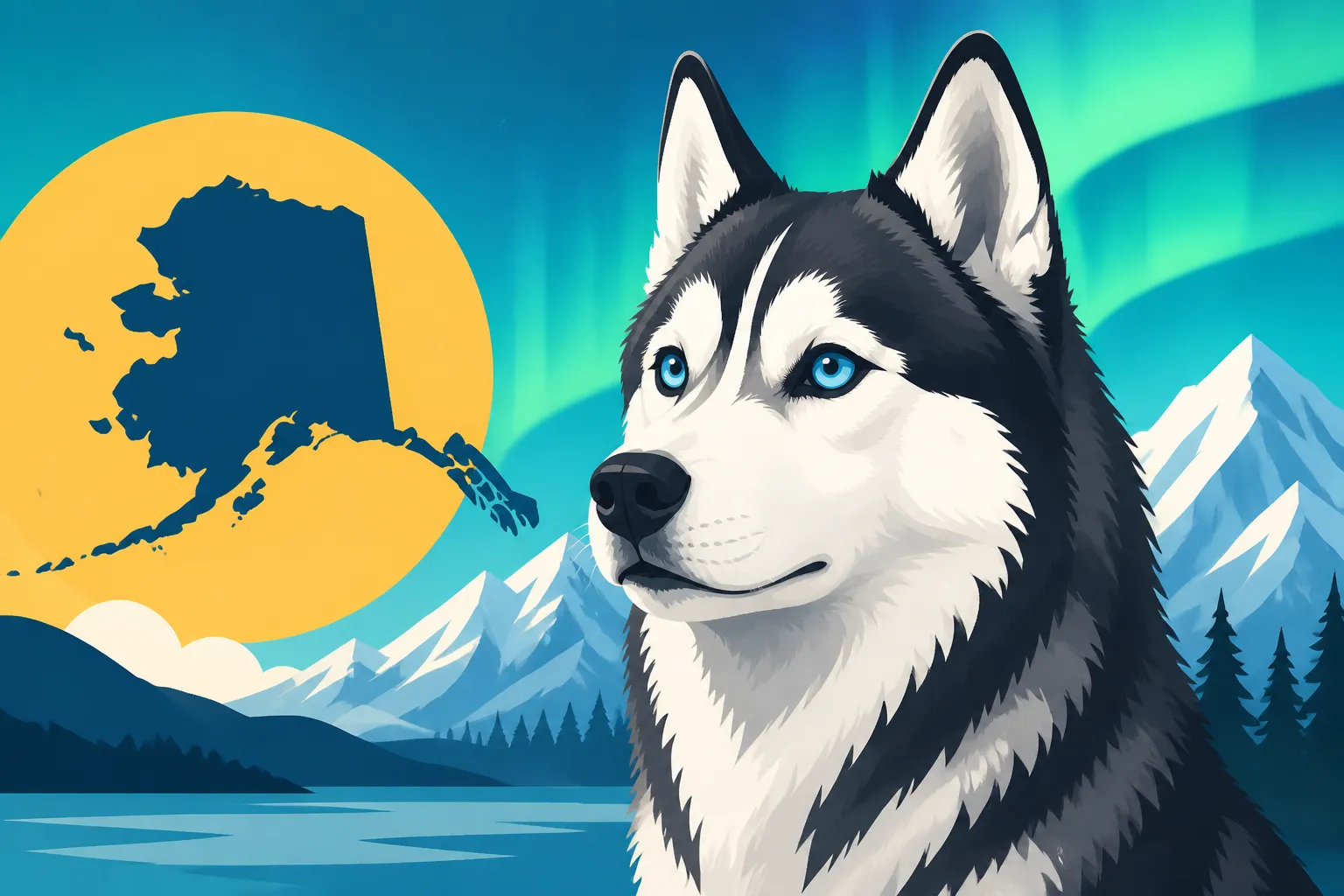
The All-Alaska Sweepstakes and the Siberian Husky
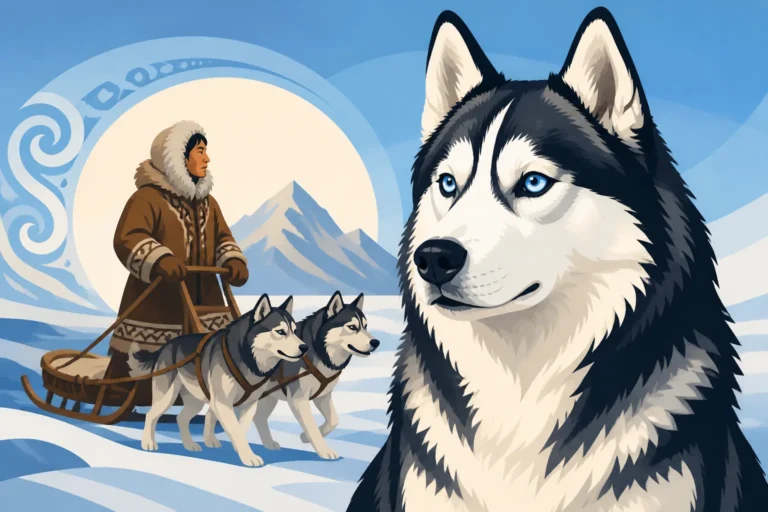
You've probably heard snippets about the legendary dogs of Alaska, those incredible tales of resilience and speed that conjure images of vast, snowy landscapes and determined mushers. But before the famous Serum Run of 1925 cemented the Siberian Husky's place in history, there was another, equally dramatic proving ground: the All-Alaska Sweepstakes. This grueling race wasn't just a competition; it was where these seemingly small, overlooked "Siberian Rats" first shocked the world and forever changed the perception of what a sled dog could truly accomplish, challenging the heavy-set freight haulers that dominated the scene and forcing everyone to rethink canine capabilities.
The Genesis of Alaskan Sled Dog Racing and the "Siberian Rats"
The early 20th century in Alaska was a time of immense opportunity and equally immense challenges. The Gold Rush had brought thousands of prospectors and settlers to the remote corners of the territory, and with them came the need for efficient transportation. Roads were non-existent, and the vast, snow-covered expanses made traditional travel impossible for much of the year. Enter the sled dog – the indispensable engine of Alaskan commerce and communication.
Early Gold Rush and the Need for Speed
Life in the Alaskan interior or along its wild coasts was a constant battle against the elements, and time was always of the essence. Imagine needing to deliver mail, transport supplies, or even rush a doctor to a remote mining camp in the dead of winter. Dog teams weren't just a convenience; they were a lifeline. Initially, these teams were comprised of a motley assortment of local dogs, often larger, heavier animals bred for strength and endurance over short distances. Their primary purpose was to haul freight, to pull heavy loads of ore or provisions through deep snow and over frozen rivers.
The dogs were hardy, no doubt, but as the communities grew and the pace of life quickened, there was a growing desire for speed. Prospectors weren't just moving equipment; they were racing to stake claims, deliver samples, and get their news to civilization. This inherent need for faster travel laid the groundwork for competitive racing, a way to test the mettle of both man and beast and, perhaps, find the ultimate sled dog.
The Inaugural All-Alaska Sweepstakes
It was in this crucible of necessity and ambition that the All-Alaska Sweepstakes was born. First run in 1908, this race was an absolute monster – a brutal 408-mile course that stretched from Nome to Candle and back again. It wasn't just long; it traversed treacherous terrain, including sea ice, mountains, and vast tundra, often in whiteout conditions and extreme cold. The intention behind the race was clear: to encourage the breeding of faster, more efficient sled dogs and to improve the overall quality of working dog teams in Alaska. It quickly became the premier sled dog race in the world, attracting competitors and spectators alike who marveled at the sheer grit required to finish.
The teams that entered the first few Sweepstakes were typically made up of what was considered the "best" of Alaskan dogs – often large, robust Malamute-type animals or various crossbreeds prized for their brute strength. The idea was that bigger dogs meant more pulling power, more resilience in deep snow. These were the established champions, the dogs that everyone expected to dominate such a demanding course. Owners invested heavily in these powerful animals, believing they held the key to victory in the unforgiving Alaskan wilderness.
The Unexpected Arrival of the "Siberian Rats"
Then, in 1909, something truly unexpected happened. A Scottish fur trader named Charles Fox Maule Ramsay, known for his eccentric streak and willingness to challenge convention, imported a team of dogs from Siberia. These dogs were unlike anything seen in Alaskan racing circles before. They were notably smaller, lighter, and more finely built than the brawny Malamutes and crosses that dominated the sport. Local mushers and spectators scoffed, derisively calling them "Siberian Rats."
Imagine the scene: these elegant, medium-sized dogs with their thick coats and piercing eyes, lining up against the much larger, more imposing teams that were the pride of Alaska. The prevailing wisdom dictated that only immense size and power could conquer the 408 miles of the Sweepstakes. These "Siberian Rats" seemed utterly outmatched, a laughable novelty at best, a foolish gamble at worst. Nobody gave them a chance, and the skepticism was palpable.
Charles Fox Maule Ramsay and the Siberian Husky Teams
Charles Fox Maule Ramsay was a fascinating character, an outsider with a keen eye for potential. He didn't just stumble upon the Siberian Huskies; he sought them out, believing they held a secret that the Alaskan racing establishment had overlooked. His decision to import these dogs for the All-Alaska Sweepstakes was a bold move, a direct challenge to the status quo, and it would ultimately change the course of sled dog history.
Ramsay's Vision: Importing the "Little Dogs"
Ramsay wasn't just looking for novelty; he was looking for efficiency. He had heard tales of the dogs used by the Chukchi people of northeastern Siberia – dogs bred for generations to pull light loads over vast distances in extreme cold, often on meager rations. These dogs, the ancestors of our modern Siberian Husky, possessed a unique combination of speed, incredible endurance, and a remarkably efficient metabolism. They were smaller, yes, but they were built for sustained effort, not just brute force. Ramsay understood that in a 408-mile race, stamina and sustained pace might ultimately triumph over sheer strength.
He invested in bringing these dogs across the Bering Strait, a significant undertaking in itself. His vision was met with considerable derision. Seasoned mushers, proud of their formidable freighting dogs, saw Ramsay's "little dogs" as an insult to the sport, an ill-conceived experiment. They believed that only the biggest, most powerful dogs could withstand the rigors of the Sweepstakes. Ramsay, however, held firm, trusting in the ancient wisdom of the Chukchi breeders and the inherent capabilities of his Siberian imports.
The First Sweepstakes Entry for Siberians (1909)
The 1909 All-Alaska Sweepstakes saw three of Ramsay's Siberian teams enter the fray. While one team unfortunately had to drop out due to illness, the other two made a profound impression. The team led by musher John Johnson, in particular, astounded everyone by finishing in third place. This wasn't just a respectable showing; it was a bombshell. A team of these supposedly undersized, delicate dogs had beaten out many of the established, larger "champions."
Imagine the murmurs and then the outright shock among the seasoned mushers. These "Siberian Rats" weren't just finishing; they were competing. Johnson's success demonstrated that speed and endurance, coupled with an efficient metabolism, could be a winning combination, even against dogs twice their size. This performance ignited a spark of interest and forced a re-evaluation of what constituted an ideal sled dog for long-distance racing. It laid the groundwork for what was to come.
Shifting Perceptions and Growing Respect
Following Johnson's impressive third-place finish, the ridicule quickly began to transform into grudging respect, and then outright admiration. The mushing community, initially so quick to dismiss the Siberians, now had to confront the undeniable evidence of their performance. The dogs had proven themselves not just capable, but exceptional. In fact, one of Ramsay's other teams, led by a musher named Louis Thayer, finished out of the money but also demonstrated the breed's incredible stamina and grit.
The very next year, in the 1910 Sweepstakes, Ramsay's teams truly cemented the Siberian Husky's dominance. This time, a team led by musher John Johnson once again, and another by the legendary Leonhard Seppala (who would go on to become synonymous with the breed), took first and second place respectively. The "Siberian Rats" were no longer a joke; they were the new standard. This dramatic turnaround demonstrated that the traditional Alaskan sled dogs, while powerful, simply couldn't match the sustained speed and efficiency of the Huskies over such an extreme distance. It was a clear validation of Ramsay's unconventional vision and the inherent superiority of the Siberian Husky for speed and endurance racing.
Leonhard Seppala and the Reign of the Siberian Husky
The legacy of the All-Alaska Sweepstakes is inextricably linked with the name Leonhard Seppala and his magnificent Siberian Huskies. While Ramsay introduced the breed to Alaska, it was Seppala who truly unlocked their potential, transforming them into a dynasty that would dominate the sled dog racing world for years to come.
Seppala's Rise and Mastery of the Breed
Leonhard Seppala was a Norwegian-born musher who immigrated to Alaska, initially working in mining. However, his true calling became apparent when he started working with sled dogs. He began training with Ramsay's Siberian Huskies in 1913, and it quickly became clear that he possessed an unparalleled understanding of these dogs. Seppala was a master of dog psychology, an intuitive leader who knew how to get the absolute best out of his team. He understood their independent spirit and how to channel their boundless energy and drive.
He didn't just drive them; he partnered with them. Seppala developed training methods that focused on building strength, speed, and mental toughness, always prioritizing the well-being and natural instincts of the Huskies. He recognized that these dogs weren't brute machines, but intelligent, cooperative athletes. His commitment to the breed and his innovative training techniques allowed him to forge teams that were not only fast but also incredibly consistent and resilient, becoming the envy of every musher on the circuit. If you’re ever curious about the individuals who shaped the breed's racing history, you’ll definitely want to read up on Leonhard Seppala and His Siberian Huskies.
Dominating the Sweepstakes: A Dynasty is Born
Under Seppala's expert guidance, the Siberian Huskies became virtually unbeatable in the All-Alaska Sweepstakes. From 1915 to 1917, Seppala and his teams achieved an unprecedented three consecutive victories, often with commanding leads. This wasn't just a streak; it was a dynasty. The sight of Seppala's smaller, swift teams flying across the finish line became commonplace, leaving the larger, more traditional Alaskan teams in their wake. They consistently set new speed records, proving definitively that the Siberian Husky was the ultimate distance racing dog.
This period of dominance fundamentally reshaped sled dog racing. Other mushers quickly took note, and the demand for Siberian Huskies skyrocketed. Breeders began to focus on the specific traits that made Seppala's dogs so successful: their lean build, powerful stride, dense double coat, and remarkable stamina. The "Siberian Rat" moniker was long forgotten, replaced by titles of respect and admiration. It's a truly amazing story of how these dogs, initially dismissed, came to define an entire sport, changing breeding and training practices forever. You can learn more about this incredible shift by exploring How Siberian Huskies Won the All-Alaska Sweepstakes.
The Unique Advantages of the Siberian Husky in Distance Racing
So, what exactly made the Siberian Husky so uniquely suited to dominate a grueling race like the All-Alaska Sweepstakes? It wasn't just one factor, but a combination of highly evolved traits. First and foremost was their incredible endurance. Bred by the Chukchi for centuries to cover vast distances, they possessed a metabolic efficiency that allowed them to conserve energy and run for hours on end without tiring easily. This meant they could maintain a faster average speed over the entire 408-mile course, rather than burning out.
Secondly, their physiology was perfectly adapted to the arctic environment. Their dense double coat provided exceptional insulation, protecting them from extreme cold while paradoxically allowing them to dissipate heat efficiently when working hard, preventing overheating. Their compact, muscular build gave them an ideal power-to-weight ratio for speed. They weren't oversized, which meant less energy expended per stride. Finally, their mental fortitude and independent nature meant they could handle the extreme conditions and monotony of long-distance hauling without losing focus. While they certainly thrive on jobs like pulling, it's worth understanding the Siberian Husky Lifespan and What Shortens It and ensuring proper care for these robust dogs. Modern owners recognize this lineage in their pet’s endless energy and love for running. Even today, if you look at their food needs, you'll find quality brands like Chewy stock performance foods designed for active dogs, acknowledging their enduring metabolism.
Beyond the Sweepstakes: The Serum Run and Lasting Legacy
The All-Alaska Sweepstakes was more than just a race; it was a crucible that forged the reputation of the Siberian Husky and set the stage for one of the most iconic events in canine history: the 1925 Serum Run to Nome. This emergency relay would take the lessons learned from the Sweepstakes and apply them to a matter of life and death, further solidifying the Siberian Husky's legendary status.
The 1925 Serum Run: A New Kind of Race
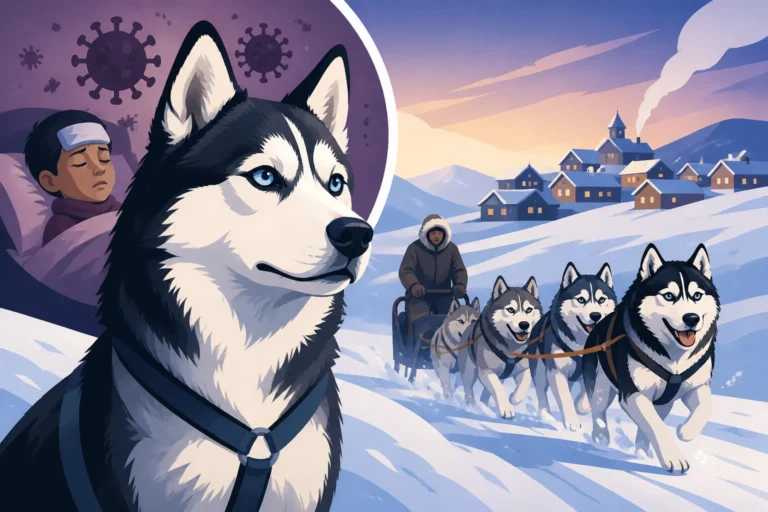
By 1925, Nome was gripped by a diphtheria epidemic, threatening the lives of its children. The only available antitoxin was thousands of miles away, and the harsh Alaskan winter had cut off all traditional routes. Planes couldn't fly in the severe cold, and ships were frozen in. The only hope was a desperate relay of dog teams, racing across 674 miles of frozen wilderness to deliver the life-saving serum. This wasn't a race for glory or prize money; it was a race against time and death.
The mushers who participated in the Serum Run were often veterans of the All-Alaska Sweepstakes, and many of their teams were comprised of purebred Siberian Huskies or closely related Alaskan Huskies descended from the Sweepstakes champions. The skills and stamina honed on the race trails proved invaluable. Every musher knew the extreme demands of long-distance winter travel, and they understood the unique capabilities of the dogs that had dominated the Sweepstakes. The event became a testament to the sheer courage of the mushers and the unparalleled endurance of their canine partners, particularly the Siberians.
Heroes Forged in the Snow: Togo and Balto
Among the many brave dogs and mushers who participated in the Serum Run, two Siberian Huskies rose to international fame: Togo and Balto. Togo, the Siberian Husky Who Ran 264 Miles, led by Leonhard Seppala himself, ran the longest and most treacherous leg of the relay, covering an astonishing 264 miles across hazardous Norton Sound. His leadership, intelligence, and sheer will to survive in unimaginably brutal conditions were legendary. Seppala and Togo truly faced the brunt of the storm and the most perilous ice crossings, a feat of incredible heroism.
Balto, another Siberian Husky, led the final leg of the relay, bringing the serum into Nome. While his leg was shorter, his team’s arrival in the city captured the world's imagination and secured his place in history. The enduring image of Balto, braving a blizzard, became a symbol of courage and devotion. These two dogs, deeply connected to the lineage of Sweepstakes champions, became global icons, their stories inspiring generations. If you’ve heard of one, you’ve heard of the other, and there’s a great piece on Balto, the Siberian Husky Who Reached Nome.
The Siberian Husky's Enduring Place in Alaskan History and Beyond
The heroism displayed by Siberian Huskies in both the All-Alaska Sweepstakes and the Serum Run cemented their place not just in Alaskan history, but in global canine lore. Their performances proved that these dogs were far more than just "Siberian Rats"; they were incredibly capable, intelligent, and resilient athletes. Their story became a powerful narrative of triumph against all odds, celebrating the bond between humans and their canine companions. For those curious about the deeper roots, The Chukchi Origins of the Siberian Husky provides fascinating insight into where these remarkable traits began.
This widespread recognition led to a surge in the breed's popularity outside of Alaska. The first Siberian Huskies were brought to the contiguous United States, and the breed was officially recognized by the American Kennel Club in 1930. Today, the Siberian Husky is cherished worldwide not just for its striking looks, but for its enduring spirit, intelligence, and a capacity for loyalty that belies its independent nature. The All-Alaska Sweepstakes may no longer run, but its legacy lives on in every Siberian Husky that graces our lives, a constant reminder of their incredible heritage.
Lessons Learned for Today's Husky Owner
While most of us aren't planning to run a 408-mile sled dog race, the historical performance of the Siberian Husky in the All-Alaska Sweepstakes offers invaluable insights into the breed's core traits. Understanding their history helps modern owners appreciate their unique needs and challenges, preventing common frustrations and fostering a harmonious relationship with these magnificent dogs.
The Endurance Ethic: Exercise Needs
The very reason Siberian Huskies dominated the All-Alaska Sweepstakes was their unparalleled endurance. They were bred to run, and run they will. This isn't a breed content with a leisurely stroll around the block. A Siberian Husky needs significant, consistent exercise to be happy and well-behaved. We're talking about daily opportunities to burn off that incredible energy, whether it's long runs, hikes, bikejoring, or even vigorous play sessions. If you don't provide an outlet for their boundless energy, you'll likely find that energy redirected into less desirable behaviors, like destructive chewing or endless howling.
Many owners underestimate just how much their Husky needs to move. A common frustration is a dog that's constantly restless or tearing up the house, only for the owner to realize they're providing less than an hour of activity a day. For a Siberian, that's barely a warm-up. Consider activities like canicross or even just robust games of fetch in a secure area. Without adequate exercise, a Husky isn't just bored; they're physically and mentally unfulfilled, leading to a host of problems. It’s definitely worth looking into How Much Exercise a Siberian Husky Really Needs to set realistic expectations. Brands like Chewy often carry a wide array of durable toys and gear specifically designed for high-energy breeds, which can be a lifesaver for channeling their drive.
The Independent Spirit: Training Challenges
The independent nature of the Siberian Husky, which allowed them to make smart decisions on the trail during a race, often translates into a challenging training experience for the average pet owner. These dogs were bred to think for themselves, to work cooperatively within a team but ultimately to follow their own instincts, especially when presented with an enticing scent or the thrill of a chase. This means that while they are intelligent, they are not typically "biddable" in the same way a retriever might be.
A major frustration for new Husky owners is their dog's "selective hearing," especially when off-leash. Their innate desire to explore and run means that even the most dedicated training may not guarantee a reliable recall in an open environment. They aren't being stubborn out of malice; they're simply following centuries of genetic programming. This is why the common wisdom is Why a Siberian Husky Cannot Be Trusted Off Leash. Consistent, positive reinforcement training is essential, focusing on building a strong bond and making you more interesting than the world around them, but always with realistic expectations about their roaming instinct.
Efficiency and Metabolism: Feeding Considerations
The Chukchi bred Siberian Huskies to thrive on very little food while performing strenuous work, a trait that became a significant advantage in the All-Alaska Sweepstakes. Their incredibly efficient metabolism meant they could sustain their energy levels on a surprisingly small amount of high-quality, calorie-dense food. This genetic inheritance is still very much present in today's Siberian Huskies, and it often leads to another common frustration for owners: overfeeding.
Unlike many breeds that seem like bottomless pits, a Siberian Husky can easily become overweight if fed according to the typical guidelines on dog food bags, which are often generalized for a broader range of breeds. An overweight Husky is not a healthy Husky; it puts undue strain on their joints and overall health. Owners need to be mindful of portion control and understand that their Husky likely needs significantly less food than a dog of similar size from a different breed. Feeling for their ribs, rather than just looking at their waist under a thick coat, is a good indicator of their body condition. For a deeper dive into their nutritional needs, especially given their efficient metabolism, you’ll find valuable guidance in Feeding a Siberian Husky on 60 Percent of the Label. Remember, even treats, readily available from retailers like Chewy, need to be factored into their daily calorie intake to maintain that lean, athletic build.
Timeline of Siberian Husky Dominance in the All-Alaska Sweepstakes
To truly appreciate the impact of the Siberian Husky on sled dog racing, it's helpful to see their ascent through the key years of the All-Alaska Sweepstakes.
| Year | Musher(s) of Siberian Teams | Placement(s) | Significance for Siberian Huskies |
|---|---|---|---|
| 1908 | No Siberian Husky Teams | N/A | First race, dominated by larger local dogs. |
| 1909 | John Johnson, Louis Thayer | 3rd, Unplaced | First entry. Johnson's 3rd place shocked the mushing world, disproving "Siberian Rats" stereotype. |
| 1910 | John Johnson, Leonhard Seppala | 1st, 2nd | Dominance begins. Johnson and Seppala secure top spots, establishing Siberians as serious contenders. |
| 1911 | John Johnson | 1st | Another win for the Siberians, cementing their place at the top. |
| 1912 | John Johnson | 1st | Third consecutive win for Johnson and Siberians, proving consistent superiority. |
| 1913 | Leonhard Seppala | 3rd | Seppala begins his serious competitive career with Siberians. |
| 1914 | Leonhard Seppala | 2nd | Seppala continues to prove the breed's prowess, consistently placing high. |
| 1915 | Leonhard Seppala | 1st | Seppala's first victory. Marks the beginning of his unparalleled reign. |
| 1916 | Leonhard Seppala | 1st | Second consecutive win for Seppala and his dominant Siberian team. |
| 1917 | Leonhard Seppala | 1st | Third consecutive victory for Seppala. Unprecedented streak, solidifying Siberian Husky legacy. |
| 1918-1920 | Seppala placed high, but no wins after his peak | Various | Seppala remained a top contender, but newer blood emerged. |
Disclaimer
This article is for general informational purposes only and does not constitute professional advice. Laws, prices and regulations vary by location and change over time. Consult a qualified professional for guidance on your specific situation.