Why the Siberian Husky Is Not a Guard Dog
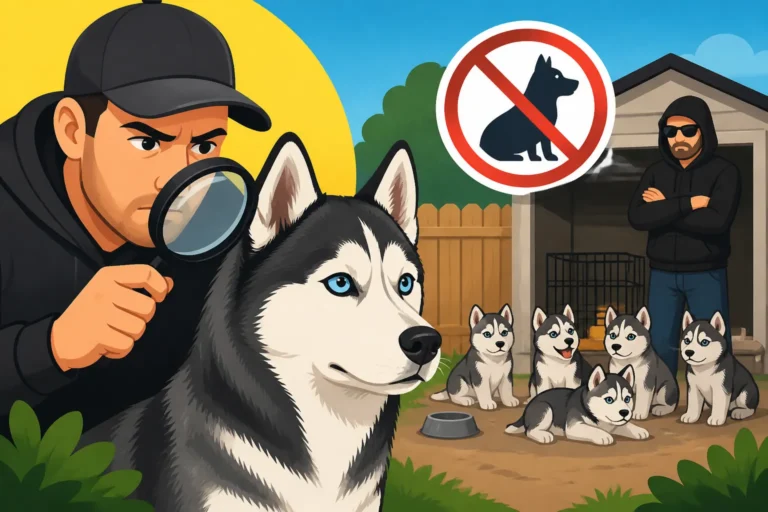
Many prospective dog owners, drawn to the majestic, wolf-like appearance of the Siberian Husky, mistakenly believe these beautiful dogs are natural guard animals. This misconception often leads to frustration and disappointment when their new companion greets strangers with wagging tails rather than warning barks. This guide will thoroughly explain why Siberian Huskies are not suited for guarding roles and what their unique temperament truly means for owners.
The Historical Blueprint: Why Huskies Aren't Bred for Guarding
To truly understand why a Siberian Husky isn't a guard dog, we need to go back to their roots. Breeds are developed over centuries for specific purposes, and the Husky's lineage is far removed from any protective duties. Their entire history points to a very different set of skills and personality traits.
From Nomadic Companions to Sled Dogs
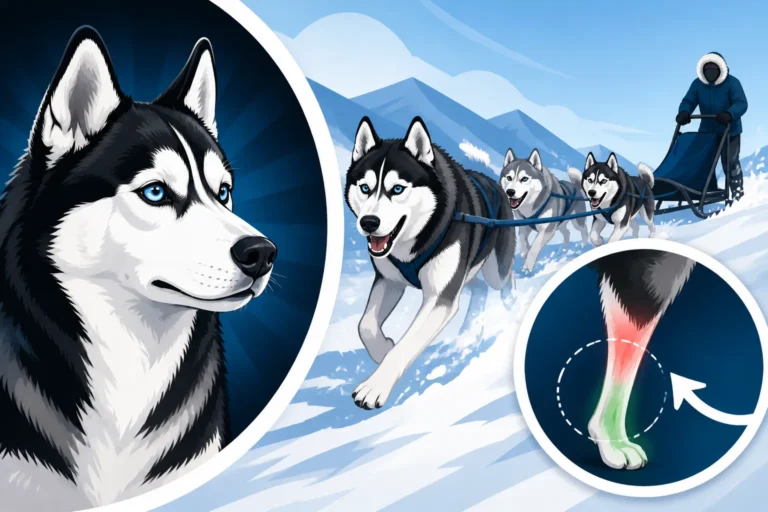
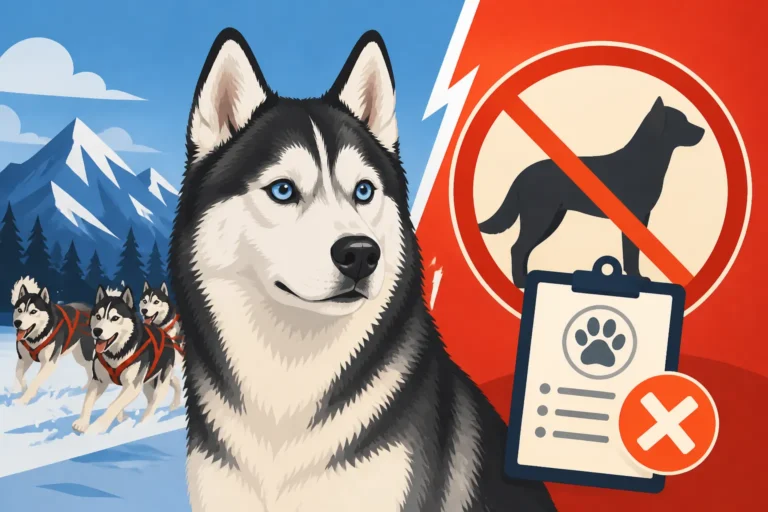
The ancestors of the Siberian Husky were bred by the semi-nomadic Chukchi people of northeastern Siberia, thousands of years ago. Their primary purpose was incredibly practical: to pull sleds over vast, frozen landscapes, moving people and supplies efficiently. These dogs were literally lifelines for the Chukchi, indispensable for survival in one of the harshest environments on Earth. They needed to be resilient, strong, and possess immense stamina.
Beyond their working capabilities, these dogs also served as integral members of the Chukchi families, often sleeping inside their shelters for warmth and companionship. This close living arrangement fostered a deeply social and tolerant nature towards humans. There was no need for aggression or suspicion towards outsiders within their community; instead, cooperation and a calm disposition were highly valued. You can learn more about their incredible past in The Chukchi Origins of the Siberian Husky.
The Role of Alertness, Not Aggression
While a Husky's keen senses might make them alert to new sounds or movements, this alertness rarely translates into defensive aggression. A working sled dog needed to be aware of its surroundings to navigate treacherous terrain and avoid hazards, but not to fend off human intruders. Their "watchdog" capabilities are generally limited to simply noticing something new and perhaps vocalizing about it, which is a far cry from challenging or deterring a threat.
Think about it: a team of sled dogs needed to be focused on the trail and the commands of their musher, not distracted by every passing person or animal with a territorial display. They were selected for their ability to work cooperatively in a team, and aggressive tendencies would have been a serious liability. This historical selection process cemented a temperament that prioritizes geniality over guarding.
Siberian Husky Temperament: A Friend to All
The breed standard for the Siberian Husky, established after their introduction to Alaska and subsequent recognition, explicitly describes a temperament that is antithetical to guarding. This isn't a flaw in the breed; it's a feature that makes them such beloved, albeit challenging, companions.
The Breed Standard's Emphasis on Gentleness
The official breed standard typically describes the Siberian Husky as friendly, outgoing, gentle, and alert. Notice what's missing? "Protective," "suspicious," or "territorial." They are specifically noted for their lack of guard dog qualities. This means a well-bred Siberian Husky is supposed to be friendly with everyone they meet, from family members to complete strangers. This is part of what makes them, well, Huskies!
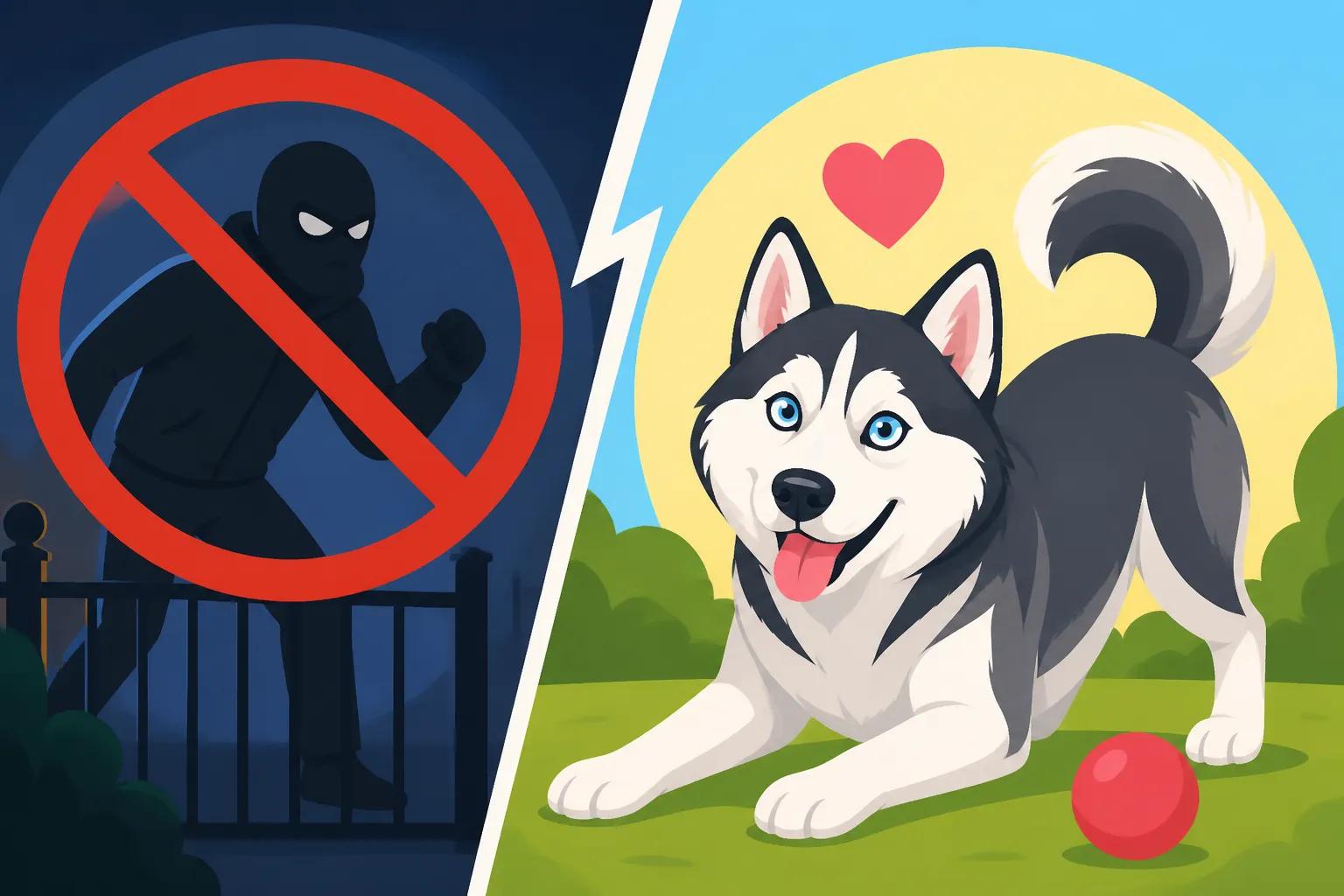
This ingrained friendliness means that if an intruder were to enter your home, your Husky is far more likely to approach them for a head scratch or to investigate what they're doing than to defend your property. They might even try to "play" with the intruder, seeing them as a potential new friend or an interesting diversion. This charming trait is precisely what makes them unsuitable as protectors. For a deeper dive into their character, refer to Siberian Husky Temperament and What the Standard Says.
Social Nature with Humans and Other Dogs
Siberian Huskies are inherently pack animals, not just in the sense of living with other dogs but also in their social approach to humans. They thrive on interaction and often view new people as opportunities for engagement. This extends not only to your friends and family but also to strangers passing by your house or approaching you on a walk. Their welcoming demeanor is consistent.
When it comes to other dogs, Huskies are generally quite social and enjoy the company of their own kind, assuming they've been properly socialized. While individual personalities vary, the breed as a whole isn't prone to the kind of territorial aggression towards other animals that you might see in a traditional guard breed. They're more likely to invite a new dog to play than to posture aggressively.
The Myth of the Guard Dog Bark
Many people equate barking with guarding, but with a Siberian Husky, their vocalizations are a whole different ballgame. They are talkers, not necessarily warning barkers, and this distinction is crucial for anyone expecting a protective canine.
Howling, Talking, and the Lack of Alarm Barking
If you've ever heard a Husky "talk," you know it's a unique experience. They vocalize with an incredible range of sounds: howls, yips, grumbles, groans, and sometimes even what sounds uncannily like human speech. These vocalizations are often expressions of excitement, boredom, or attempts to communicate with their people. They might howl at sirens, or when left alone, or simply because they feel like it! But this is quite different from a persistent, deep alarm bark aimed at an approaching threat.
A Husky might let out a howl if they hear an unfamiliar noise, but it's usually more of an announcement to the world in general rather than a specific warning to you that danger is present. They are not typically inclined to stand their ground and bark menacingly at an intruder. Their vocal range is certainly entertaining, but it doesn't serve the purpose of deterring unwelcome guests. You can explore their unique sounds in Why Your Siberian Husky Howls and Talks.
Distinguishing Alertness from Protection
It's important to understand the difference between a dog that is "alert" and one that is "protective." A Husky is definitely alert. Their senses are sharp, and they notice everything. They will certainly be aware if someone walks up your driveway or if a delivery person approaches your door. Their heads might perk up, their ears might swivel, and they might even vocalize.
However, this alertness seldom escalates into protective behavior. They'll notice, they'll acknowledge, and then they'll likely move on to something else or greet the person with enthusiasm. They don't have that innate drive to stand between you and a perceived threat. If you're wondering if your Husky would truly act as a deterrent, consider reading Whether a Siberian Husky Would Warn You of an Intruder. The answer, based on their breed traits, is generally no, not in the way a traditional guard dog would.
Independent Spirit, Not Protective Instinct
The independent nature of the Siberian Husky is one of their most defining characteristics, and it plays a significant role in why they don't make good guard dogs. They are free spirits who often prioritize their own interests, which usually doesn't involve sticking close to home to defend it.
Loyalty That Differs from Guard Breeds
Huskies are loyal, absolutely. They bond deeply with their families and show affection in their own unique ways. However, their loyalty often manifests differently than in breeds specifically developed for protection. A Husky's loyalty is more about companionship, shared adventures, and being part of the pack, rather than an unwavering, possessive devotion to a specific person or property that drives them to defend it.
You won't typically find a Husky glued to your side, watching your every move with an intense gaze, ready to spring into action. They are content to explore on their own, even within the confines of your home or yard, and their focus is often on the next interesting smell or sound. This independent streak means they're not naturally inclined to be territorial or possessive of their family or their space in a defensive manner. For a comparison, consider Siberian Husky Loyalty Against Retriever Loyalty.
The Drive to Explore Over the Need to Defend
One of the most powerful instincts in a Siberian Husky is their drive to run, to explore, and to see what's over the next hill. This inherent wanderlust is a direct consequence of their history as long-distance sled dogs. A dog with a strong protective instinct tends to be territorial and prefers to stay within known boundaries. A Husky, on the other hand, sees boundaries as suggestions and often feels the pull of the open road.
This exploratory drive means that if a gate is left open or an opportunity to escape arises, a Husky's first thought is rarely about "guarding" the home. It's almost always about launching an adventure. Their minds are wired for covering ground and experiencing new sights and smells, not for hunkering down and protecting a fixed territory. This is why containment is such a huge part of Husky ownership, far more so than encouraging them to be protective.
Prey Drive: A Misunderstood Trait
A common misunderstanding is that a dog with a strong prey drive will automatically be a good guard dog. While both involve intense focus, the nature and target of that focus are entirely different for a Husky.
The Instinct to Hunt, Not to Threaten
Siberian Huskies possess a strong prey drive, a remnant of their ancestors' need to hunt for survival or supplement their diets in lean times. This means they can be incredibly focused on small, fast-moving objects like squirrels, rabbits, or even neighborhood cats. When this instinct kicks in, it's powerful and all-consuming. They will chase with remarkable speed and single-mindedness.
However, this prey drive is about catching and dispatching small animals, not about deterring human threats or guarding property. It's a predatory instinct, not a protective one. A Husky chasing a squirrel is responding to an internal hunting cue, not making a conscious decision to protect its territory or its owner. It's a fundamental difference in motivation and behavior.
The Difference Between Predator and Protector
A dog exhibiting prey drive is engaging in a chase and catch sequence, often with an outcome that is unfortunately fatal for the prey animal. A guard dog, by contrast, is typically trained or genetically predisposed to deter, warn, or physically engage a human intruder. These are two very distinct behavioral patterns. The intense focus and speed a Husky displays when spotting a rabbit are not transferable to protecting your home from a person.
In fact, a high prey drive can sometimes be a liability for a "guard dog" role, as the dog might be more interested in chasing a stray cat out of the yard than in addressing a human intruder. Understanding this distinction is vital for anyone considering a Husky. For more on this, check out Siberian Husky Prey Drive Around Small Animals. This drive needs careful management, not encouragement, for most pet homes.
Setting Realistic Expectations for Your Husky
Bringing a Siberian Husky into your home means embracing their unique qualities and preparing for a companion that will bring joy, laughter, and perhaps a few escape attempts, but not traditional security. Understanding this upfront is key to a happy life together.
Embracing Their Unique Qualities
Instead of trying to force your Husky into a role they weren't designed for, learn to appreciate them for who they are. They are magnificent, athletic, intelligent, and often hilarious dogs who thrive on exercise, mental stimulation, and companionship. Their independent spirit means they require consistent, positive reinforcement training and a good sense of humor from their owners. They'll make you laugh with their "talking" and their antics, and they'll always be up for an adventure.
Focus on providing outlets for their natural instincts: running, exploring (safely, on a long line or in a secure area), and "working" with puzzle toys. You might find a wide selection of engaging puzzle toys and durable chews for your Husky on sites like Chewy, which can help channel their energy. Embrace their friendly nature, and you'll have a loyal, if not conventionally protective, friend for life.
Preparing Your Home for a Friendly Escape Artist
Since guarding is not their strong suit and escaping definitely is, your energy as a Husky owner needs to go into secure containment. This means robust fencing – typically six feet high with an L-footer to prevent digging – and secure gates. Huskies are notoriously adept at climbing, digging, and even figuring out latches, so vigilance is always necessary.
Beyond physical barriers, mental stimulation is crucial. A bored Husky is a destructive Husky, and that destruction can lead to escape attempts. Provide plenty of appropriate chew toys, puzzle feeders, and regular, strenuous exercise. Consider enrolling them in dog sports like canicross or bikejoring to burn off that incredible energy. You can also explore options for sturdy crates and enrichment activities on pet supply retailers like Chewy, which can be essential for managing a Husky's boundless energy and intelligence when you can't supervise them directly. Understanding What New Siberian Husky Owners Underestimate will help you prepare.
| Trait | Typical Guard Dog | Siberian Husky |
|---|---|---|
| Purpose/Origin | Bred for protection, property defense, livestock guarding | Bred for sledding, endurance, companionship |
| Temperament | Alert, watchful, suspicious of strangers, territorial | Friendly, outgoing, gentle, adaptable, social |
| Vocalizations | Deep, purposeful alarm barking to deter intruders | Howls, talks, occasional alert bark; less deterrent focused |
| Prey Drive | Varies, but often controlled or channeled for protection | Strong, instinctual chase drive; directed at small animals |
| Loyalty/Attachment | Intense, possessive, often bonds strongly with one person | Affectionate, friendly with family and strangers alike |
| Independence | May be independent but focused on guarding territory | Highly independent, strong wanderlust, enjoys exploring |
| Reactions to Strangers | Suspicious, reserved, may posture defensively | Enthusiastic, curious, often seeks attention from strangers |
| Home Defense | Will actively deter or confront intruders | More likely to greet or ignore intruders, may seek attention |
If you went into Husky ownership expecting a stoic guardian, you'll quickly realize that you've got a charming, mischievous, and incredibly friendly companion instead. This isn't a bad thing at all, but it does mean adjusting your expectations and focusing on providing for their actual needs, rather than trying to fit them into a mold that doesn't suit them. This is often Why So Many Siberian Huskies End Up in Rescue as their true nature clashes with owner expectations.
Disclaimer
This article is for general informational purposes only and does not constitute professional advice. Laws, prices and regulations vary by location and change over time. Consult a qualified professional for guidance on your specific situation.