Siberian Huskies With Strangers and Children
One of the most common worries I hear from new Siberian Husky owners, or those just considering bringing one of these magnificent dogs into their lives, revolves around how they’ll act around strangers and, even more pressingly, children. It’s a completely valid concern, as Huskies have a reputation that often precedes them, and navigating their unique personality quirks can feel like a minefield when you’re thinking about your family’s safety and comfort. This guide is here to help you understand the Siberian Husky’s natural inclinations and equip you with practical strategies for fostering positive, safe interactions with everyone they meet, big or small.
Understanding the Siberian Husky’s Disposition Toward Strangers
It’s easy to look at a Siberian Husky with their striking wolf-like appearance and assume they’re meant to be fierce guard dogs, aloof and protective. Many people, myself included before I truly understood the breed, held this image in their minds. However, the reality of a Husky’s temperament towards strangers is often quite different from these common misconceptions. They carry a unique blend of friendly curiosity and discerning independence, which can sometimes be misunderstood.
Their Inherited Friendly Nature
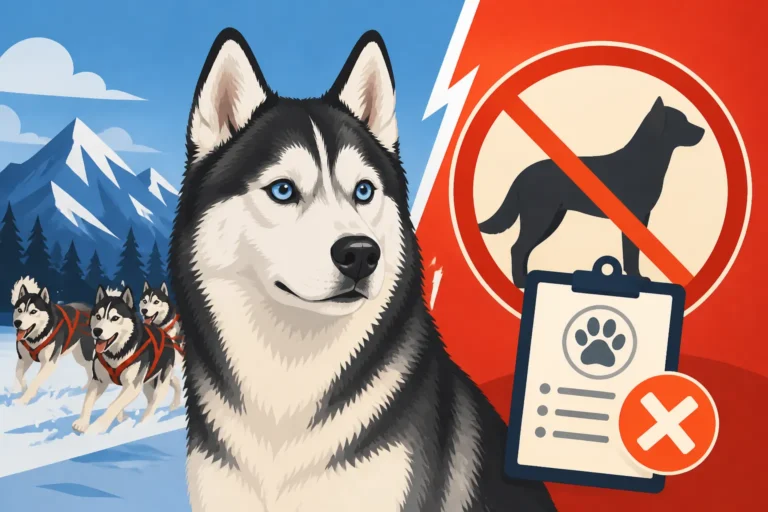
Historically, Siberian Huskies were bred by the Chukchi people not as guard dogs, but as companions and working sled dogs. This means they lived in close quarters with humans, including children, and often shared sleeping spaces. Their survival depended on their ability to get along with everyone in the camp, not to be aggressive or suspicious of newcomers. This deep-seated trait manifests today as a generally friendly and sociable disposition. They’re often quite open to meeting new people, sometimes with an exuberance that can surprise those unfamiliar with the breed. They might greet a stranger with a happy wag of the tail, an inquisitive sniff, or even a soft "woo-woo" howl, rather than a territorial bark. This inherent friendliness is one of the most charming aspects of the breed, but it also means they rarely make good protectors. If someone were to break into your home, a Husky is far more likely to try and make friends with them or even lead them to the treat jar than to scare them off. This can be a frustration for owners who expected a protective companion, only to find their Husky considers everyone a potential playmate. You can learn more about their foundational personality by reading Siberian Husky Temperament and What the Standard Says.
Why They Aren't Guard Dogs
The guard dog instinct is simply not part of the Siberian Husky’s genetic makeup. Breeds like German Shepherds or Rottweilers were selectively bred over generations to be wary of strangers, to alert their owners to perceived threats, and to defend their territory or family. Huskies, on the other hand, were bred for endurance, cooperation within a pack (human and canine), and a resilient, adaptable nature. They typically lack the strong territorial drive or suspicion that characterizes effective guard breeds. This means that while they might look intimidating, their actions usually contradict their appearance. They might make a loud noise or appear imposing, but it’s rarely born of malice or a desire to protect property. Instead, it might be a vocal expression of excitement, boredom, or a plea for attention. Understanding this is crucial for managing expectations and preventing disappointment, especially if you’re looking for a dog to deter intruders. It's a common rookie mistake to assume their size and look translate to a protective nature, only to find them greeting the mail carrier like a long-lost friend.
The Difference Between Aloof and Aggressive
Sometimes, a Siberian Husky might appear aloof or indifferent to strangers, rather than overtly friendly. This isn’t a sign of aggression, but often a manifestation of their independent nature or sometimes just a lack of interest. They might not rush over for pets, preferring to observe from a distance, or they might engage briefly and then wander off to explore something more interesting. This can be mistaken for standoffishness, but it rarely escalates to aggression unless the dog feels threatened or cornered. A truly aloof Husky might simply not care that someone new is in the room, focusing instead on their own agenda, like finding a rogue crumb on the floor. It’s important to distinguish this calm indifference from genuine fear or aggression, which would typically be accompanied by other body language cues like a tucked tail, flattened ears, lip-licking, or growling. If your Husky seems to genuinely distrust strangers, withdrawing or showing signs of fear, that's a different scenario that warrants careful, positive training and possibly professional guidance.
Siberian Huskies and Children: A Nuanced Relationship
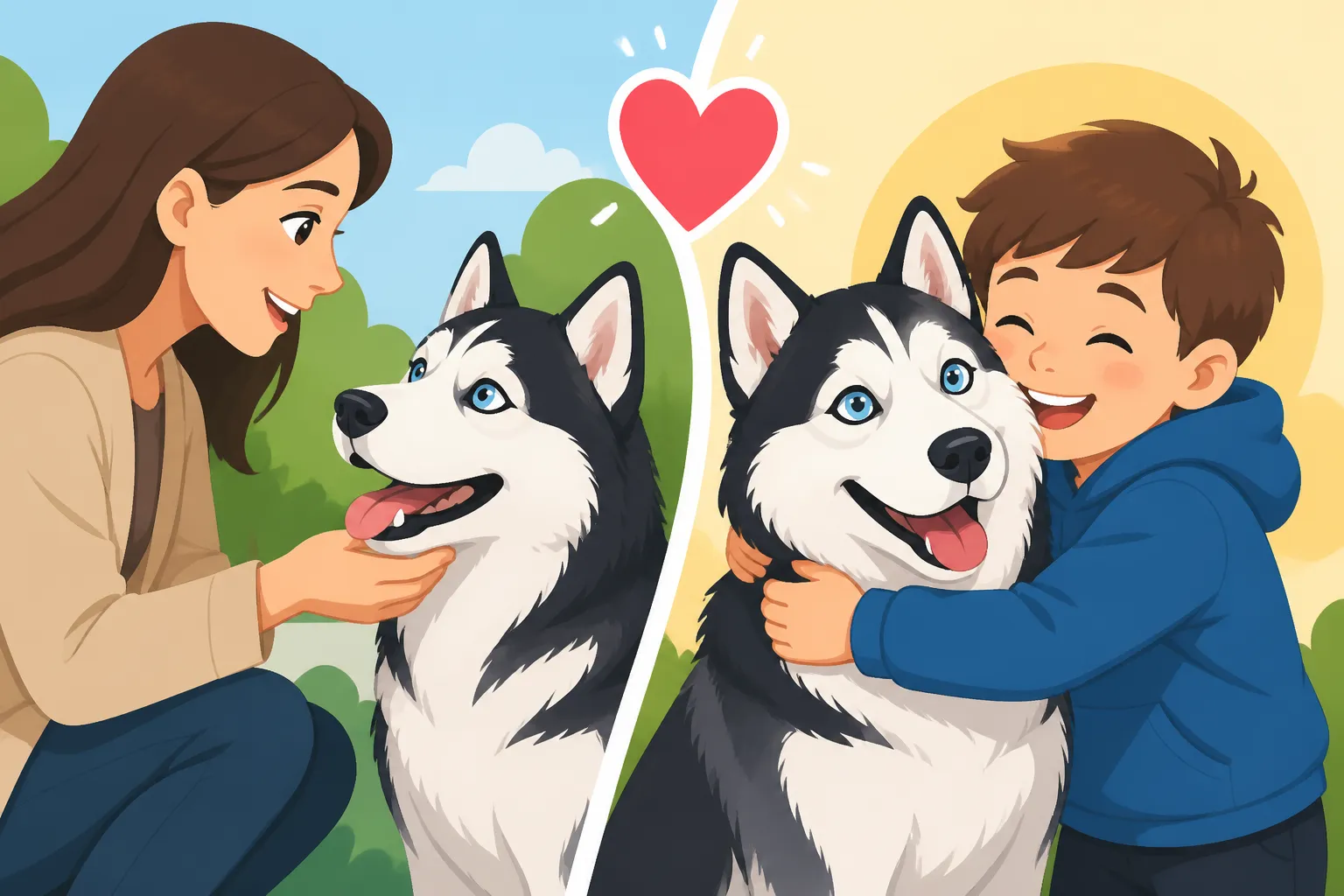
Introducing a Siberian Husky to children, whether your own or visitors, requires careful thought and management. While many Huskies are wonderfully tolerant and gentle with kids, their high energy, size, and sometimes boisterous play style can pose challenges. It's never about assuming the dog will be "good with kids," but rather about actively managing interactions to ensure safety for both the child and the dog.
Supervision is Non-Negotiable
No matter how well-behaved your Husky is, or how "dog-savvy" your children are, direct, active supervision is absolutely essential for every interaction. This isn't just a suggestion; it's a golden rule. Children, especially young ones, often don't understand canine body language or boundaries. They might pull ears, grab tails, try to ride the dog, or get too close to their face. A Husky, even a very patient one, has a threshold. What seems like a minor annoyance to a child can be deeply irritating or even painful to a dog, potentially leading to a snap or bite, not out of malice, but out of self-preservation. This is particularly true if the Husky is feeling unwell, tired, or is startled. Never leave a child and a Husky unsupervised, even for a moment. This rule holds whether it's your own child or a visiting niece or nephew. Think of yourself as the vigilant referee, ensuring fair play and safety on both sides. This level of diligence can feel exhausting, but it's the bedrock of a safe household. You can get more insights on this in Siberian Huskies With Toddlers in the House.
Teaching Children How to Interact
It’s not just the dog who needs training; children need to learn how to respect animals. Teach them the "Be a Tree" rule (stand still, arms by side, look at your feet) if a dog is approaching too quickly or excitedly. Show them how to gently pet a dog on the shoulders or chest, avoiding sensitive areas like the head, tail, or paws. Emphasize that dogs need their space, especially when eating, sleeping, or playing with toys. Explain that dogs communicate with barks, growls, and body language, and it's vital to listen to these signals. For instance, teach them that a dog turning its head away, yawning, or licking its lips might be saying, "I'm uncomfortable, please back off." Role-playing these scenarios can be incredibly effective. Consider using a stuffed animal to demonstrate appropriate touching versus rough handling. Making learning about dog safety a game can empower children and help them become more empathetic and respectful animal companions. Sometimes, these lessons need to be reinforced constantly, as children, especially when excited, can forget the rules.
Respecting a Husky's Space
Just as children need boundaries, so do dogs. Every Siberian Husky should have a designated "safe space" where they can retreat and be undisturbed. This might be a sturdy crate with a comfortable bed, a specific dog bed in a quiet corner, or even a section of the house gated off. Teach children that when the Husky is in their safe space, they are absolutely not to be approached, touched, or bothered. This helps prevent accidental nips due to startling a sleeping dog or bothering one who is simply trying to decompress. Providing a variety of durable toys and chews, perhaps from a selection like those found on Chewy, within this safe zone can make it even more appealing for your Husky to relax there independently. This dedicated retreat allows your Husky to feel secure and in control of their environment, which reduces stress and the likelihood of reactive behaviors. It's their personal sanctuary, and everyone in the household must respect it.
Socialization: The Key to a Well-Adjusted Husky
Socialization is more than just letting your puppy meet other dogs; it's a continuous process of exposing your Siberian Husky to a wide variety of sights, sounds, people, and experiences in a positive and controlled manner. For a breed as independent and sometimes sensitive as the Husky, robust socialization is critical for ensuring they grow into confident, friendly adults who can navigate the human world with ease. Without it, even the most inherently friendly Husky can become fearful or reactive.
Early Puppyhood Exposure
The critical socialization window for puppies is generally considered to be between 3 and 16 weeks of age. During this time, every positive experience contributes significantly to shaping their adult temperament. This means carefully introducing your Husky puppy to as many different kinds of people as possible: men with beards, women with hats, people in wheelchairs, children of various ages, even people carrying umbrellas. Introduce them to different environments—parks, quiet streets (after vaccinations), pet-friendly stores (with caution)—and a multitude of sounds, from vacuum cleaners to thunder recordings. Keep these exposures brief, positive, and always supervise closely. Don’t force interactions; allow your puppy to approach on their own terms, rewarding curiosity with praise and high-value treats. Puppy classes are an excellent way to provide structured, safe socialization with other puppies and people, under the guidance of experienced trainers. This early foundation is invaluable for building a confident dog. You can dive deeper into this topic with Raising a Siberian Husky Puppy Through the First Year.
Ongoing Socialization for Adult Huskies
Socialization doesn't stop once your Husky is past puppyhood; it's a lifelong endeavor. Just like people, dogs can become rusty if they don't regularly practice their social skills. Continue to expose your adult Husky to new people and situations. Regular walks in varied environments, visits to dog-friendly patios (if your dog is calm in such settings), or structured training classes keep their social muscles flexed. Even just having a variety of friends and family visit your home provides important reinforcement. The key is to ensure these experiences remain positive. If your Husky shows signs of stress or discomfort, remove them from the situation gently and try again later, or in a less intense setting. For instance, if a crowded dog park is too much, try a quiet walk with a single, calm dog friend instead. The goal is to build positive associations, not overwhelm them. Regular positive interaction prevents them from becoming wary or isolated.
The Role of Training Classes
Enrolling your Siberian Husky in training classes, beyond just puppy kindergarten, offers immense benefits for socialization. These classes provide a controlled environment where your Husky can learn to focus on you despite distractions from other dogs and people. Basic obedience classes teach cues like "sit," "stay," and "leave it," which are invaluable for managing interactions with strangers and children. Advanced classes, like Canine Good Citizen or even trick training, further build confidence and strengthen the bond between you and your Husky. The structured nature of these classes helps Huskies understand boundaries and appropriate behavior in social settings. Plus, the instructors can often provide personalized advice on managing specific challenges you might encounter. Look for classes that use positive reinforcement methods, as Huskies respond best to reward-based training. Engaging in activities that they enjoy and excel at, like many of the interactive toys and puzzles available on Chewy, can also supplement formal training and boost their overall confidence.
Understanding Siberian Husky Body Language
Siberian Huskies, like all dogs, communicate constantly through their body language. Learning to "read" your Husky is one of the most critical skills an owner can develop, especially when it comes to interactions with strangers and children. Their subtle cues can tell you when they're happy, anxious, overstimulated, or uncomfortable, allowing you to intervene before a situation escalates. Ignoring these signals is like trying to have a conversation with someone while wearing noise-canceling headphones – you're missing vital information.
Recognizing Stress Signals
Huskies, being stoic by nature, might not always give obvious "danger" signals until they're truly pushed. However, they'll often display subtle stress signals long before a growl or snap. These can include:
- Lip licking or excessive yawning: Often indicates mild stress or an attempt to self-soothe.
- Turning head or body away: A clear sign they want to disengage from an interaction.
- "Whale eye": When you can see the whites of their eyes, often indicating fear or anxiety.
- Flattened ears: Can signal fear or submission.
- Stiff body posture or tail carriage: Unlike a loose, happy wag, a stiff tail or rigid body suggests tension.
- Excessive panting (when not hot or exercised): A sign of anxiety.
- Shedding profusely: Stress shedding is a real phenomenon.
- Trying to get behind you: A request for protection or to escape the situation.
If you observe any of these signs, it's your cue to remove your Husky from the situation or create more distance. Never push a Husky who is showing these signals, as it can erode their trust in you and potentially lead to more overt defensive behaviors. It's vital to respect their boundaries and advocate for them.
Calming Signals and Their Importance
Beyond stress signals, dogs use a range of "calming signals" to try and diffuse tension, communicate peace, or indicate discomfort. These are often misunderstood by humans. Common calming signals you might see in a Husky include:
- Yawning: Often misinterpreted as tiredness, but can mean "I'm stressed" or "I want to calm things down."
- Lip licking: Again, not always about food, but can be a polite way of saying "I'm uneasy."
- Head turning: A subtle signal to avoid direct confrontation or to politely request space.
- Turning body sideways (arcing): Approaching another dog or person in a curved line, rather than direct, is a friendly, non-threatening gesture.
- Sniffing the ground: A way to disengage and indicate peaceful intentions.
- Slow movements: Deliberately moving slowly to appear non-threatening.
Understanding these signals helps you recognize when your Husky is trying to communicate their feelings and allows you to respond appropriately. For example, if a child is approaching your Husky too boisterously and your Husky starts yawning and turning their head away, it's a polite request for space that you, as the owner, must enforce. Ignoring these subtle pleas can force your Husky to escalate their communication to something more obvious, like a growl.
What a Husky's Tail and Ears Tell You
While tail wags are often associated with happiness, a wag alone doesn't tell the whole story. The height and speed of the wag, along with the rest of the dog's body language, are crucial.
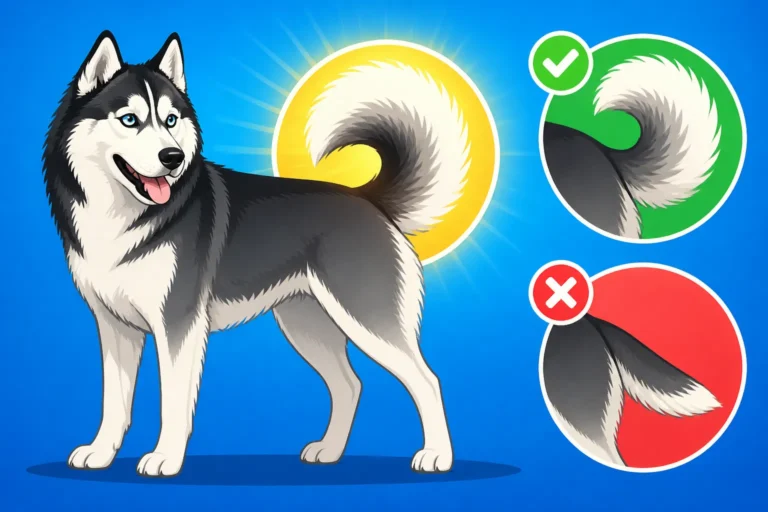
- High, fast wagging tail (often over the back): Can indicate excitement, but also high arousal or even nervousness. If the rest of the body is stiff, it's not necessarily a happy wag.
- Mid-level, loose, sweeping wag: Generally indicates a relaxed, happy dog.
- Low, tucked tail: Sign of fear, insecurity, or submission.
- Stiff tail, held horizontally: Often a sign of alertness or mild tension.
Similarly, a Husky's ears, which are typically erect, can offer insight:
- Ears forward, relaxed: Attentive, interested, but comfortable.
- Ears slightly back, relaxed: Happy, friendly, often seen during greetings.
- Ears flattened against the head: Fearful, submissive, or preparing for defensive action.
- Ears swiveling: Actively listening and assessing the environment.
By combining observations of the tail, ears, and overall body posture, you can develop a much more accurate understanding of your Siberian Husky's emotional state and anticipate their reactions to strangers and children. This holistic view is far more reliable than looking at one signal in isolation.
Managing Introductions and Boundaries
Bringing a new person or child into your Husky's world, or taking your Husky into new social settings, requires a thoughtful, structured approach. Haphazard introductions can lead to confusion, stress, and potentially negative experiences for everyone involved. Establishing clear boundaries and managing these initial encounters proactively is key to building positive associations and maintaining a harmonious household.
Controlled Meet-and-Greets
When introducing your Siberian Husky to new people, especially children, aim for calm, controlled situations. Avoid chaotic environments where your Husky might feel overwhelmed or trapped.
- Neutral Territory First (if possible): For very anxious Huskies or new, unknown people, a brief walk together on neutral territory (like a park) before going into the home can help.
- Leashed Introduction: Keep your Husky on a leash initially, allowing you to maintain control and provide a gentle correction or remove them if needed. Use a comfortable, secure harness (like those sturdy options you can find on Chewy) for better control without putting pressure on their neck.
- Calm Energy: Ask strangers or children to approach calmly, avoiding direct eye contact initially, which can be perceived as threatening. They should let the Husky approach them, rather than rushing in.
- Offer a Hand (Palm Up): Adults can offer the back of a hand (palm up) for the Husky to sniff, then gently pet on the chest or shoulder if the dog initiates contact.
- Small Treats: Have the stranger offer a small, high-value treat to create a positive association.
- Keep it Brief: Don't force long interactions. A few minutes of calm interaction is better than an extended, stressful one.
Always remember that not every Husky will instantly adore every person, and that's perfectly fine. Respect their comfort levels. If a particular person makes your Husky uneasy, it's better to manage the situation by creating distance than to force interaction.
Creating Safe Zones for Your Husky
We touched on this earlier, but it bears repeating: every Husky needs a safe, designated retreat. This is their personal sanctuary where they can go to escape overstimulation, rest, or simply be alone without being bothered. This could be a sturdy dog crate, a quiet room with a baby gate, or a designated dog bed in a low-traffic area. Teach everyone in the household, especially children, that when the Husky is in their safe zone, they are absolutely off-limits. This means no petting, no teasing, no trying to play, and no following them there. Provide comfortable bedding and a few favorite toys or long-lasting chews in this area. This allows your Husky to self-regulate and manage their own stress levels, significantly reducing the likelihood of reactive behaviors due to feeling cornered or overwhelmed. It's a proactive measure that builds trust and respect. For more on ensuring a secure containment, consider reading Crates a Siberian Husky Cannot Break Out Of.
Setting Clear Rules for Visitors
Before visitors, especially those with children, arrive at your home, establish clear rules for interaction with your Siberian Husky. Communicate these rules to your guests as soon as they arrive, and gently reinforce them throughout their visit.
- No chasing or roughhousing with the dog.
- No approaching the dog while it's eating, sleeping, or in its crate/bed.
- Always ask an adult before petting the dog.
- Pet gently on the body, not the head or face.
- Report any signs of discomfort from the dog (growling, hiding, lip-licking) immediately.
It's helpful to have a designated adult, perhaps you, in charge of monitoring all dog-child interactions. If children are particularly boisterous or seem unable to follow the rules, it's perfectly acceptable to put your Husky in their safe zone (e.g., a crate or another room) for the duration of the visit. Your dog’s comfort and safety, as well as the safety of your guests, should always be the top priority. Don't feel guilty about separating them if it means peace of mind for everyone.
| Interaction Type | Recommended Action | What to Avoid |
|---|---|---|
| Strangers (Adults) | Approach calmly, offer back of hand for sniff, gentle pets on chest/shoulder. Offer treat. | Rushing, direct eye contact, loud noises, grabbing, petting head without consent. |
| Children (Ages 5-12) | Supervise constantly. Teach gentle touch (pat, don't grab). No running with dog. | Chasing, pulling ears/tail, riding the dog, disturbing dog in its bed/crate, high-pitched screaming. |
| Children (Under 5) | Never leave unsupervised. Keep separate if highly active. Always teach "gentle hands." | Any direct, unmanaged interaction. Treating the dog like a toy. Allowing face-to-face interaction. |
| Huskies showing stress | Immediately remove dog or create distance. Redirect attention with a treat or toy. | Forcing interaction, scolding the dog, pushing them towards the perceived threat. |
When Things Go Wrong: Professional Help and Prevention
Even with the best intentions and diligent management, sometimes situations arise where a Siberian Husky's behavior towards strangers or children becomes a concern. It's crucial not to ignore these signs or hope they'll simply disappear. Proactive intervention and, if necessary, professional guidance are essential for the well-being of your Husky and everyone they encounter. Recognizing when you need help is a sign of responsible ownership, not failure.
Identifying Triggers for Unwanted Behavior
The first step in addressing any concerning behavior is to become a detective and identify the triggers. Is your Husky reactive only to men with hats? Does a specific sound always set them off? Do they become agitated only when children run past them unexpectedly? Does it happen when they are tired, or when they feel their space is invaded? Keep a journal of incidents, noting the time, location, people involved, specific actions that occurred right before the behavior, and your Husky's body language. For example, "Friday 3 PM, park, young boy ran screaming towards Husky, Husky growled, tucked tail." This detailed information is gold for a professional trainer or behaviorist. It allows them to understand the context and develop a targeted plan rather than guessing. Often, what appears to be unprovoked aggression is actually a well-communicated warning that was simply missed.
Seeking a Certified Professional Dog Trainer
If you find yourself struggling with your Siberian Husky's behavior towards strangers or children, or if you're seeing signs of fear, reactivity, or aggression, please don't hesitate to seek professional help. Look for a certified professional dog trainer (CPDT-KA) or a certified dog behavior consultant (CDBC) who uses positive reinforcement methods. Avoid any trainer who suggests harsh corrections, punitive tools (like shock collars), or methods that promote fear or pain, as these can severely damage your Husky's trust and exacerbate behavioral issues. A good professional will assess your Husky in their home environment, help you identify triggers, and develop a customized training plan that focuses on management, counter-conditioning, and desensitization. They can teach you effective techniques for modifying behavior and strengthening your bond with your dog. Finding the right fit is important, and you might find useful guidance in Finding a Trainer Who Has Worked With Huskies.
Emergency Protocols for Unsafe Situations
In rare but serious instances, a Siberian Husky's behavior might pose an immediate safety risk. Having an emergency protocol in place can help you manage these situations calmly and effectively.
- Immediate Separation: The moment you see signs of potential aggression (e.g., hard staring, growling, lunging), immediately separate your Husky from the person or child. This might mean leashing them and moving them to another room, or quickly guiding the person away.
- Secure Containment: Place your Husky in a secure crate or behind a sturdy baby gate where they cannot reach anyone. Ensure this space is truly escape-proof.
- Prevent Future Incidents: Until you've consulted with a professional and made significant progress, avoid situations that trigger the unwanted behavior. This might mean always leashing your Husky around visitors, keeping them separate from children, or walking them at less busy times.
- Prioritize Safety: The safety of everyone involved is paramount. If a situation feels beyond your control, it's always better to err on the side of caution and ensure a physical barrier is in place.
Living with a Siberian Husky should be a joy, filled with their playful antics and unique charm. By understanding their inherent nature, committing to ongoing socialization, diligently managing introductions, and knowing when to seek professional help, you can ensure a safe and enriching environment for your Husky, your family, and everyone your furry friend meets. It takes effort, but the bond you build is truly priceless.
Disclaimer
This article is for general informational purposes only and does not constitute professional advice. Laws, prices and regulations vary by location and change over time. Consult a qualified professional for guidance on your specific situation.