Pemphigus Foliaceus in the Siberian Husky
It’s truly disheartening to see your vibrant Siberian Husky start developing strange skin issues – crusty patches, hair loss, and even painful-looking sores that just won't go away, no matter what you try. Many Husky parents find themselves in this frustrating and often bewildering situation, wondering if it's an allergy, an infection, or something far more serious. This guide is here to shed light on one such challenging condition: Pemphigus Foliaceus (PF), an autoimmune disease that, while not common, can certainly affect our beloved Huskies and requires specific understanding and management.
What is Pemphigus Foliaceus in Siberian Huskies?
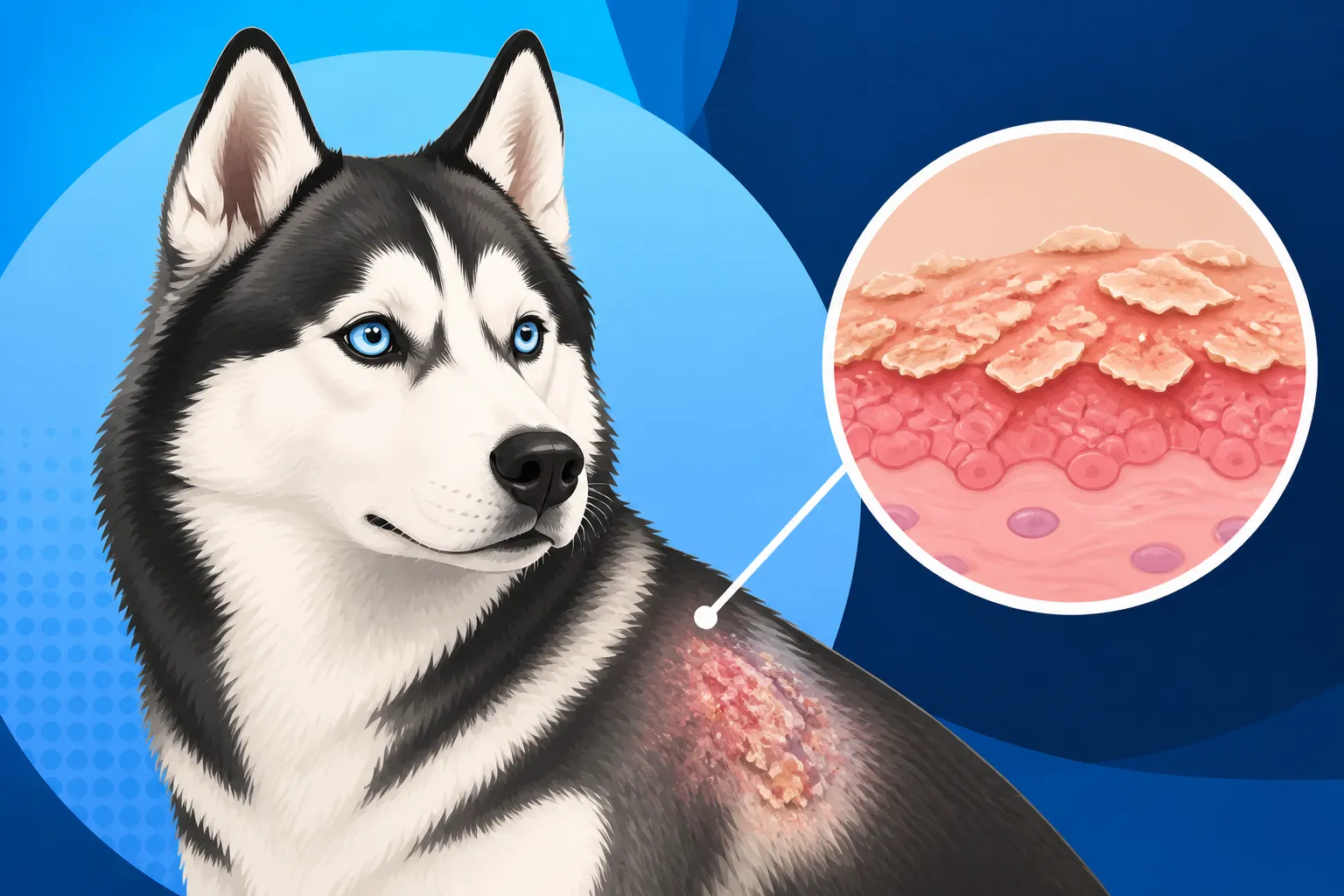
Pemphigus Foliaceus, often abbreviated as PF, is an autoimmune skin disease. Now, that term "autoimmune" can sound a bit scary, and it essentially means your dog's own immune system, which is supposed to protect them from invaders like bacteria and viruses, mistakenly turns against healthy cells in their body. In the case of PF, the immune system targets specific proteins (desmogleins) that act like "glue" holding skin cells together in the very top layer of the epidermis. When this "glue" is attacked, the skin cells separate, leading to the formation of pustules, crusts, and erosion.
Think of it this way: your Husky's skin is made up of layers of bricks, and these proteins are the mortar that keeps them firmly stacked. With PF, the body starts dissolving that mortar, causing the bricks to fall apart at the very surface. This creates small blisters or pustules right under the outermost layer of skin, which quickly rupture, dry up, and form those distinctive crusts you might see. It’s a chronic condition, meaning it's usually something your Husky will manage for their lifetime, rather than a one-time illness that completely resolves. It's a tough pill to swallow, but understanding its nature is the first step toward effective care.
The Autoimmune Mechanism at Play
The specific proteins targeted in Pemphigus Foliaceus are called desmogleins, primarily desmoglein 1. These are part of a larger structure called desmosomes, which are crucial for cell-to-cell adhesion in the skin. When antibodies produced by the immune system bind to these desmogleins, it disrupts the integrity of the epidermal layer. This leads to acantholysis, which is the hallmark process of PF, where keratinocytes (the main cells of the epidermis) lose their adhesion to one another.
This cellular breakdown primarily affects the superficial layers of the skin, differentiating it from other autoimmune blistering diseases like Pemphigus Vulgaris, which attacks deeper layers and is much more severe. For your Siberian Husky, this means the lesions typically present as superficial pustules that are often transient and quickly evolve into crusts and scales. The good news, if there is any, is that because it's superficial, it's generally less life-threatening than deeper autoimmune skin conditions, though it's still incredibly uncomfortable and prone to secondary infections. Knowing the exact mechanism helps veterinarians pinpoint the diagnosis and choose the right medications to quell this misguided immune response.
Why Huskies Might Be Prone to Pemphigus Foliaceus
While Pemphigus Foliaceus can affect any dog breed, there are certain breeds that appear to have a genetic predisposition, and unfortunately, the Siberian Husky is sometimes listed among them. Other breeds like Akitas, Chow Chows, and Dachshunds also show a higher incidence. The exact genetic markers aren't always fully understood, but it suggests there's an inherited component that makes some Huskies more susceptible to developing this immune system malfunction.
It's not that every Husky will get it, far from it, but if you have a Husky and notice these symptoms, it should raise a flag for your veterinarian to consider PF. It highlights the importance of understanding breed-specific health concerns. For instance, you might also have heard about Siberian Husky Thyroid and Autoimmune Disease, another autoimmune issue that can affect our breed, demonstrating a broader tendency for their immune systems to sometimes go a bit awry. This predisposition doesn't mean it’s inevitable, but it does mean breeders should be vigilant and that owners should be aware of the signs to look for.
Recognizing the Signs: Clinical Symptoms of Pemphigus Foliaceus
The clinical signs of Pemphigus Foliaceus can be quite varied, which often makes it a tricky condition to diagnose. Owners frequently mistake it for severe allergies, ringworm, or bacterial skin infections because the initial symptoms can look similar. However, there are some key characteristics and common locations for the lesions that can help you and your vet narrow down the possibilities. The frustrating part is that these signs can wax and wane, sometimes seeming to clear up a bit before flaring up again with renewed intensity.
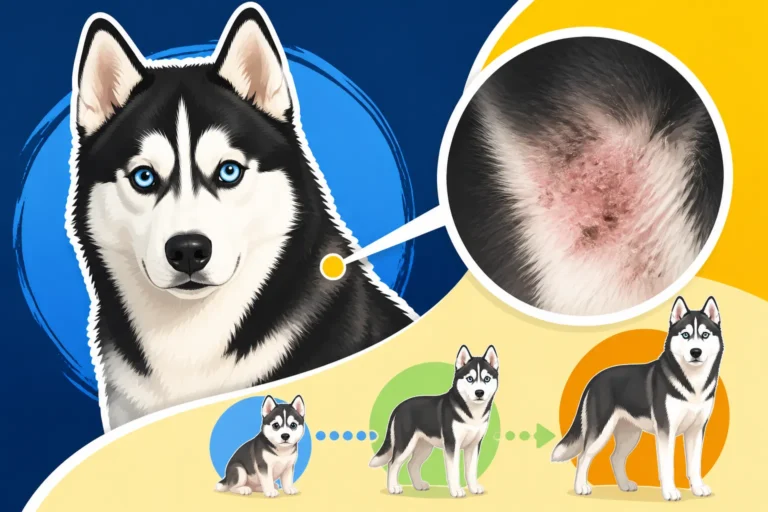
The primary lesions are small, fluid-filled pustules, which are essentially tiny pus-filled blisters. However, these are often fleeting and rupture quickly, so what you'll most commonly observe are the secondary lesions: crusts, scales, erosions (shallow ulcers), and alopecia (hair loss). The skin underneath these crusts is often red and inflamed. It's not just an aesthetic problem; these lesions can be incredibly itchy and painful for your Husky, leading to excessive scratching, rubbing, and general discomfort.
Common Areas for Lesions to Appear
One of the most characteristic aspects of Pemphigus Foliaceus in Huskies is where the lesions tend to show up first and most prominently. The face is a prime target, especially around the bridge of the nose, the muzzle, the areas around the eyes (often described as "goggles"), and the ear flaps (pinnae). You might notice your Husky developing crusting around the muzzle, similar to how you might initially worry about Crusting Skin on a Siberian Husky’s Face that could be related to zinc deficiency, but the nature of the crusts and progression will differ.
Beyond the face, PF commonly affects the paw pads, causing hyperkeratosis (thickening of the skin), cracking, and crusting, which can be quite painful and make walking difficult. Imagine how uncomfortable it would be if the soles of your feet were constantly dry, cracked, and crusted over! In some cases, the nails can also become involved, becoming brittle or overgrown. Other less common but still possible locations include the groin, armpits, and generalized areas of the trunk, though these are typically seen in more severe or advanced cases. Always check those nooks and crannies!
Differentiating PF from Other Skin Conditions
Because the symptoms of PF can mimic so many other common skin problems, differentiating it is crucial. For example, bacterial skin infections (pyoderma) also cause pustules and crusts. However, pyoderma usually responds well to antibiotics, whereas PF would not. Allergic dermatitis might cause intense itching and redness, but the characteristic large, adherent crusts of PF are less common.
Another condition often confused with PF, especially in Huskies, is Zinc-Responsive Dermatosis in the Siberian Husky. Both conditions can cause crusting and hair loss around the face and eyes. However, zinc-responsive dermatosis often presents with a characteristic scaling and thickening, sometimes symmetrical, around the mouth, chin, eyes, and pressure points, and doesn't typically involve true pustules in the same way PF does. A key difference, of course, is that ZRD responds to zinc supplementation, while PF requires immunosuppression. Another rare but serious autoimmune condition, Uveodermatologic Syndrome and the Siberian Husky, also affects the skin and eyes, but its skin lesions often involve pigment loss (vitiligo) and often severe eye inflammation (uveitis), which isn't the primary presentation for PF. This complex overlap underscores why a precise diagnosis from a veterinary dermatologist is absolutely essential. Don't try to self-diagnose based on photos; your vet needs to get involved.
Getting a Diagnosis: The Path to Confirmation
When you first notice unusual skin issues on your Siberian Husky, your general veterinarian is usually the first stop. They'll perform a thorough physical exam, take a detailed history of the symptoms (when they started, how they've progressed, what you've tried), and likely recommend some initial diagnostic tests to rule out common culprits like parasites, bacterial infections, and fungal infections. This might involve skin scrapes, cytology (looking at cells under a microscope from the skin surface), and fungal cultures.
If these initial tests don't provide a clear answer, or if your vet suspects an autoimmune condition, they will likely recommend a skin biopsy. This is the gold standard for diagnosing Pemphigus Foliaceus. It involves taking small tissue samples from affected areas of the skin, which are then sent to a specialized veterinary pathologist for examination. It's a bit more involved than a simple blood test, but it’s the only way to get a definitive diagnosis for conditions like PF. This step can feel daunting, but it's vital for getting your Husky the right treatment.
The Importance of Skin Biopsies
A skin biopsy for Pemphigus Foliaceus isn't just about confirming "something is wrong." It's about identifying the specific cellular changes characteristic of PF. The pathologist will be looking for those "acantholytic cells" – skin cells that have lost their connection to each other and are floating freely within pustules or crusts – as well as neutrophils (a type of white blood cell) in the superficial epidermis. They'll also check for evidence of immune-mediated inflammation.
To get the most accurate results, it's crucial that the biopsy samples are taken from the right type of lesion, ideally intact pustules if present, or fresh, well-developed crusts. Sometimes, multiple samples are taken from different areas to increase the chances of getting a representative sample. Your vet might need to sedate or anesthetize your Husky for the biopsy, as it involves removing a small piece of tissue with a punch biopsy tool. This is a crucial step that can prevent misdiagnosis and ensure your dog isn't on ineffective medication for months. Getting a clear result will guide the entire treatment plan.
Ruling Out Other Look-Alike Conditions
As we touched upon earlier, many conditions can mimic Pemphigus Foliaceus. Part of the diagnostic process is systematically ruling these out. For instance, severe bacterial pyoderma can produce widespread pustules and crusts, but a good response to antibiotics usually points away from PF. Dermatophytosis (ringworm), a fungal infection, can also cause crusting and hair loss, but a fungal culture would identify it. Demodectic mange, caused by microscopic mites, can lead to pustules and secondary infections, but skin scrapes reveal the mites.
Even certain drug reactions can cause skin lesions that resemble PF, so a thorough history of any medications your Husky has received is important. This careful elimination process, often culminating in the biopsy, is critical. For instance, if your vet suspects a condition like Diagnosing Pemphigus in a Siberian Husky, they won't just guess; they'll use these systematic steps. While it can be frustrating and costly to go through various tests, it ensures that when PF is diagnosed, you can be confident in the treatment approach. Investing in pet insurance like Healthy Paws can really help alleviate the financial stress of these extensive diagnostic workups, as autoimmune conditions often involve multiple specialist visits and tests.
Treatment Options: Managing Pemphigus Foliaceus
Once your Siberian Husky receives a definitive diagnosis of Pemphigus Foliaceus, the focus shifts to treatment. Since PF is an autoimmune disease, the primary goal of treatment is to suppress the overactive immune system that's attacking your dog's skin cells. This means that antibiotics, antifungals, or antiparasitics, which treat infections, won't directly solve the problem, although they might be used to manage secondary infections that often arise due to the compromised skin barrier.
The cornerstone of PF treatment typically involves immunosuppressive medications. The goal is to find the lowest effective dose of these medications that controls the disease, minimizing potential side effects while maximizing your Husky's quality of life. It’s usually a lifelong management process, so finding a sustainable plan is key. This often involves an initial phase of higher doses to get the disease under control, followed by a gradual reduction to a maintenance dose.
Immunosuppressive Medications
Corticosteroids, such as prednisone or prednisolone, are the most common first-line treatment for Pemphigus Foliaceus. They are powerful anti-inflammatory and immunosuppressive drugs that can quickly bring the disease under control. Your vet will likely start your Husky on a relatively high dose to induce remission, meaning the visible lesions begin to clear up. As the condition improves, the dose will be slowly tapered down. This tapering process is critical; stopping steroids abruptly can lead to severe relapses and other health issues.
However, long-term steroid use, especially at high doses, can come with significant side effects like increased thirst and urination, increased appetite, weight gain, panting, and susceptibility to infections. Because of this, many veterinarians will look to incorporate "steroid-sparing" agents. These are other immunosuppressive drugs that allow the steroid dose to be reduced, thereby minimizing steroid-related side effects. Common steroid-sparing agents include azathioprine (an immunosuppressant that inhibits cell division), cyclosporine (another potent immunosuppressant), and mycophenolate mofetil. Sometimes, a combination of these drugs is used to achieve better control with fewer side effects. It’s a delicate balancing act to find what works best for your individual Husky.
Supportive Care and Managing Secondary Issues
While immunosuppressants target the root cause of Pemphigus Foliaceus, supportive care is vital for managing symptoms and preventing complications. Because the skin barrier is compromised, secondary bacterial and yeast infections are very common. Your vet will often prescribe antibiotics or antifungals to clear these up, as these infections can worsen discomfort and delay healing. Topical treatments, such as medicated shampoos, mousses, or ointments, can also be used to help clean the skin, reduce crusting, and deliver localized anti-inflammatory or antimicrobial agents.
For Huskies with painful paw pad lesions, protective booties can offer relief and aid healing, especially when walking on rough surfaces or during extreme weather. Omega-3 fatty acid supplements can also be beneficial for overall skin health and can sometimes have a mild anti-inflammatory effect. Regular gentle grooming and keeping the affected areas clean are also important. It's truly a team effort between you, your general vet, and potentially a veterinary dermatologist to keep your Husky comfortable and healthy. All these medications and supportive therapies can really add up, so having a good pet insurance plan like Healthy Paws that covers chronic conditions can be a huge relief, especially with ongoing prescriptions and specialist visits.
Living with PF: Long-Term Outlook and Care
Receiving a diagnosis of Pemphigus Foliaceus for your Siberian Husky can feel overwhelming, but it's important to remember that it's a manageable condition for most dogs. While it's typically a lifelong disease, many Huskies with PF can live long, comfortable lives with consistent treatment and dedicated care. The key is to establish a routine of medication administration, regular veterinary check-ups, and vigilant monitoring for signs of relapse or side effects.
The goal is not necessarily to "cure" PF, as that's often not possible, but rather to achieve and maintain remission, where your Husky is largely free of symptoms. This often requires ongoing medication, sometimes daily, sometimes every other day, depending on the individual dog and the severity of their condition. Patience is incredibly important, as finding the right balance of medications and doses can take time and adjustment.
Prognosis and Quality of Life
The prognosis for Siberian Huskies with Pemphigus Foliaceus is generally considered good to fair, provided they receive appropriate and consistent treatment. Most dogs can achieve remission, and their quality of life can be excellent. However, relapses are possible, especially if medication is discontinued too quickly or if the maintenance dose isn't quite right. Some dogs may have more severe disease that is harder to control, requiring higher or more frequent doses of medication, which can also lead to more pronounced side effects.
The most critical factor affecting prognosis is the owner's commitment to the treatment plan. Autoimmune conditions require diligence. This means administering medications on schedule, attending all follow-up appointments, and being observant of any changes in your Husky's skin or behavior. Many Husky parents find their dogs thrive once the disease is well-controlled, and they can continue to enjoy their walks, playtime, and cuddles without constant discomfort. It's a journey, not a sprint, but a rewarding one when you see your Husky feeling better.
Managing Relapses and Adjusting Treatment
Even with the best management, a Siberian Husky with Pemphigus Foliaceus might experience a relapse. This could manifest as a sudden reappearance of crusts, pustules, or increased itching, sometimes triggered by stress, other illnesses, or environmental factors. It's crucial not to panic if this happens, but to contact your veterinarian promptly. Early intervention can often get the flare-up back under control quickly, preventing it from becoming severe.
When a relapse occurs, your vet might temporarily increase the dose of the immunosuppressive medications, or add in a different steroid-sparing agent. They will evaluate your Husky for any new underlying infections that might be contributing to the flare-up. Over time, you’ll likely become very attuned to your Husky's skin and behavior, learning to spot the subtle early signs of a flare-up. This proactive approach is essential for long-term success. Regular check-ups are key, and conditions like Caring for a Siberian Husky Past Ten can sometimes complicate management, so ongoing communication with your vet is crucial as your Husky ages.
Understanding the Causes: Why Huskies Get PF
The precise cause of Pemphigus Foliaceus in any dog, including Siberian Huskies, isn't fully understood, but it's widely accepted to be an autoimmune disease. This means the immune system mistakenly attacks the body's own healthy tissues. While the immune system malfunction is the direct cause, there are often underlying factors that contribute to why an individual dog develops the condition.
Genetic predisposition certainly plays a role, as evidenced by the higher incidence in certain breeds. Beyond genetics, there can be environmental triggers or other health issues that might "kick-start" the autoimmune response in susceptible dogs. It's rarely one single factor, but rather a complex interplay.
Genetic Predisposition in Certain Breeds
As mentioned earlier, the Siberian Husky is one of the breeds with a recognized predisposition to Pemphigus Foliaceus. This suggests there are specific genes or a combination of genes that make some Huskies more likely to develop the condition. Unfortunately, the exact genetic markers haven't been fully identified, making it difficult for breeders to screen for it with a simple DNA test, unlike some other genetic conditions like The DNA Test for Siberian Husky PRA.
Responsible breeders who care deeply about the health of their lines would ideally avoid breeding dogs that have developed PF, or those with a strong family history of the disease, to try and reduce its incidence. However, since it's not a simple recessive or dominant trait and likely involves multiple genes and environmental factors, it's a very challenging disease to eradicate through breeding practices alone. This inherent genetic susceptibility is a significant piece of the puzzle, even if we don't have all the pieces yet.
Potential Environmental Triggers
While genetics lay the groundwork, Pemphigus Foliaceus can sometimes be triggered or exacerbated by environmental factors or other medical conditions. Exposure to certain medications, for example, has been implicated in some cases, although this is less common. Intense sunlight exposure has also been suggested as a potential trigger in some autoimmune skin conditions, and while not definitively proven for PF, it's something to consider, especially for Huskies living in sunny climates where they might spend a lot of time outdoors.
Stress, concurrent infections, or other inflammatory conditions could also potentially initiate or worsen an autoimmune flare-up in a genetically predisposed individual. For example, a severe allergic reaction or a persistent skin infection might, in some rare instances, lead to the immune system becoming dysregulated and subsequently attacking its own skin cells. Understanding these potential triggers can sometimes help owners manage their Husky's environment and health to minimize the risk of a relapse, though avoiding them completely can be difficult. It's about being aware of your Husky's overall health and environment as part of their comprehensive care.
Financial Realities of Pemphigus Foliaceus Management
Let's be real for a moment: managing a chronic autoimmune condition like Pemphigus Foliaceus isn't just emotionally taxing; it can also be a significant financial commitment. From initial diagnostics to ongoing medications and regular specialist visits, the costs can add up quickly. This is where preparing for the potential financial aspects of Husky ownership really comes into play, as many families are caught off guard by the expenses associated with long-term health issues.
The good news is that with proper budgeting and, ideally, pet insurance, these costs can become more manageable. However, it’s crucial to understand what you might be facing, so there are no surprises down the line. We want our Huskies to have the best care possible, and being informed about the financial realities helps us make the best decisions for them.
Diagnostic and Initial Treatment Costs
The journey to diagnosing Pemphigus Foliaceus often begins with a series of tests to rule out more common skin conditions. These might include skin scrapes (a few dollars), cytology (around $50-$100 per sample), fungal cultures (up to $150-$200), and possibly even blood work to check for general health or other underlying issues (typically $150-$300). If these initial steps don't yield a diagnosis, the definitive skin biopsy typically ranges from $300 to $700, which often includes the cost of sedation or anesthesia, the biopsy itself, and the pathology report. For a comprehensive overview of potential veterinary expenses, understanding The Yearly Cost of Owning a Siberian Husky can be a helpful starting point.
Once diagnosed, the initial "induction" phase of treatment can also be expensive, as it usually involves higher doses of costly immunosuppressive medications. A month's supply of prednisone might be relatively inexpensive (e.g., $20-$50), but if steroid-sparing agents like cyclosporine or azathioprine are used from the start, those can run hundreds of dollars per month. Veterinary consultations, especially with a board-certified veterinary dermatologist (often $150-$300 per visit, excluding tests), are also part of the initial and ongoing costs. These early expenses can be quite a shock if you're not prepared.
Ongoing Medication and Veterinary Visits
The true financial burden of Pemphigus Foliaceus often lies in the long-term, ongoing costs. Since most Huskies will need lifelong medication to keep their PF in remission, these prescription refills become a regular expense. While the maintenance doses are usually lower than the induction doses, medications like cyclosporine can still cost $50-$200 per month or more, depending on your Husky's weight and the specific dosage. Azathioprine is generally less expensive, but still a recurring bill.
In addition to medication, regular follow-up visits with your general veterinarian or dermatologist are essential to monitor your Husky's response to treatment, adjust dosages, and watch for side effects. These check-ups might occur every few weeks initially, then every few months once stable. During these visits, blood tests might be recommended to monitor organ function, especially with certain immunosuppressants, which adds another layer of cost (e.g., $100-$200 per test). This is precisely why many pet parents find pet insurance indispensable. Policies from providers like Healthy Paws can cover a significant percentage of these ongoing costs, transforming a potentially crippling bill into a much more manageable out-of-pocket expense, especially if you enroll your Husky before any conditions develop, helping avoid the dreaded "pre-existing condition" clause.
| Aspect of PF Care | Initial Cost Estimate (USD) | Ongoing Monthly Cost Estimate (USD) | Notes |
|---|---|---|---|
| Initial Vet Visit | $60 – $150 | – | General practitioner exam |
| Skin Scrapes/Cytology | $50 – $150 | – | To rule out parasites/infections |
| Fungal Culture | $100 – $200 | – | To rule out ringworm |
| Blood Work | $150 – $300 | – | General health screen, monitor drug effects |
| Skin Biopsy (with sedation) | $300 – $700 | – | Definitive diagnosis by pathologist |
| Dermatologist Consultation | $150 – $300 | $150 – $300 (quarterly/biannually) | Specialist input for complex cases |
| Prednisone (Immunosuppressant) | $20 – $50 | $10 – $30 | Common, relatively inexpensive, but side effects at high doses |
| Cyclosporine (Steroid-Sparing) | $100 – $400 | $80 – $350 | Often used to reduce steroid dose, costs vary by weight/dosage |
| Azathioprine (Steroid-Sparing) | $30 – $100 | $20 – $70 | Another option, usually less expensive than cyclosporine |
| Antibiotics/Antifungals | $30 – $80 | Occasional: $30 – $80 | For secondary infections, as needed |
| Medicated Shampoos/Topicals | $20 – $50 | $10 – $20 | For symptom management and hygiene |
| Total (Initial Phase) | $840 – $1850+ | Varies greatly based on meds & frequency | This table is an estimate; actual costs will vary by location & clinic. |
Disclaimer
This article is intended for informational purposes only and does not constitute veterinary advice. The information provided should not be used as a substitute for professional veterinary diagnosis, treatment, or care. Always consult with a qualified veterinarian regarding any medical condition or treatment plan for your Siberian Husky. Specific treatments and prognoses for Pemphigus Foliaceus can vary depending on individual circumstances.