Why One Husky Team Crossed Norton Sound Ice
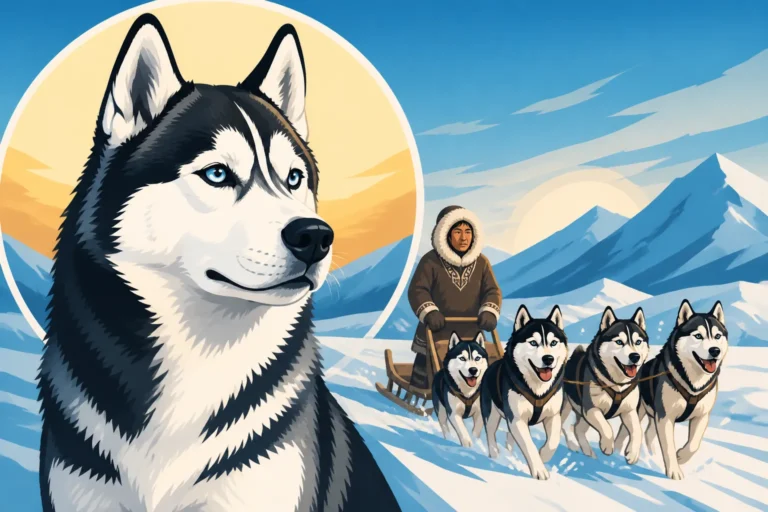
Imagine the biting wind, the relentless cold, and the desperate plea for a life-saving serum across an Alaskan wilderness in the dead of winter. It's almost impossible to picture the sheer scale of the 1925 Serum Run, often called the "Great Race of Mercy," which saw dog teams relay diphtheria antitoxin to Nome. But among those incredible feats, one stands out for its audacious danger: a lone musher and his team crossing the treacherous, shifting ice of Norton Sound. This guide will delve into the harrowing details of that fateful decision, explaining why musher Leonhard Seppala chose such an unthinkable route and the extraordinary canine courage it demanded.
The Desperate Call from Nome: Setting the Stage for the Impossible
The winter of 1925 brought a chilling crisis to Nome, a remote town on the Seward Peninsula in Alaska. Diphtheria, a highly contagious and often fatal respiratory disease, had broken out, and it was spreading rapidly among the population, especially the children. The nearest supply of antitoxin was hundreds of miles away in Anchorage, and with the port frozen solid and planes grounded by engine trouble in the extreme cold, dog sled was the only viable option. The situation was dire; without the serum, Nome faced a potential epidemic with devastating losses.
Nome's Isolation and the Gathering Storm
Nome was a town built on gold, but in winter, it became an island of humanity against a vast, frozen expanse. Roads, as we know them, didn't exist in the interior, and the only reliable way to transport goods and mail over long distances was by dog team, following established mail routes. When the diphtheria crisis hit, the urgency was beyond anything experienced before. The initial plan involved using a single plane, but early aviation technology simply wasn't ready for the brutal Alaskan winter. Temperatures plummeted to 50 degrees below zero, and blizzard conditions were common, making flight an impossibility. The lives of Nome's children hung by a thread, and every passing hour increased the risk. It was a true test of human ingenuity and canine endurance against nature's raw power.
The Race Against Time and Disease
The antitoxin had to reach Nome quickly. Diphtheria progresses rapidly, and the effectiveness of the serum diminishes with time and exposure to extreme cold. A relay was organized, involving twenty dog teams and mushers, to cover the roughly 674-mile distance from Nenana, where the serum arrived by train, to Nome. Each team would run a segment, passing the precious cargo from one musher to the next. The conditions were brutal: gale-force winds, whiteouts, and temperatures that could freeze exposed skin in minutes. It was a race not just against distance, but against the clock and the relentless march of disease. This was no ordinary sled run; it was a desperate gamble, where every musher knew the stakes were life and death, and every dog was running with a purpose far beyond their own comfort.
Leonhard Seppala and the Legendary Togo
Amidst the lineup of brave mushers and their teams, one name stood out: Leonhard Seppala. A Norwegian-born musher, Seppala was already a legend in the Alaskan dog sledding community, renowned for his exceptional skill, his deep understanding of his dogs, and his unparalleled ability to navigate the harshest conditions. His lead dog, Togo, was equally famous—a small but incredibly intelligent and resilient Siberian Husky, known for his leadership, strength, and unwavering determination.
Seppala's Experience and Unmatched Mushing Skill
Seppala wasn't just a musher; he was a master of his craft. He had spent years traversing the Alaskan wilderness, intimately familiar with its unpredictable moods and treacherous terrain. His knowledge of weather patterns, ice conditions, and animal behavior was critical. He understood his dogs implicitly, knowing when to push them and when to rest, how to read their body language, and how to motivate them through sheer willpower and trust. This wasn't about brute force; it was about a symbiotic relationship built on mutual respect and shared experience. Seppala's strategic mind was as sharp as his sled runners, constantly calculating risks and rewards in a landscape that offered little forgiveness. His reputation meant that if anyone could make a seemingly impossible journey, it was Seppala. Leonhard Seppala and His Siberian Huskies is a story that still inspires.
Togo: The Heart of the Team
Togo, a Siberian Husky, was no ordinary lead dog. Born in Seppala's kennels, he was initially considered a troublemaker, too small and energetic to be a serious sled dog. But Togo quickly proved his critics wrong. He possessed an almost supernatural sense of direction, an unshakeable will, and an uncanny ability to navigate in whiteout conditions where human sight failed. His intelligence allowed him to make split-second decisions that saved his team from disaster more than once. At 12 years old during the Serum Run, he was past his prime by most standards, but his spirit and leadership were undimmed. He held the respect of every dog in his team, guiding them not just with his movements, but with his indomitable spirit. His story reminds us that sometimes the greatest heroes come in the smallest, most unexpected packages. It's a testament to the breed's incredible mental fortitude, a trait many Siberian Husky Temperament and What the Standard Says articles often highlight.
The Perilous Journey Across Norton Sound
Seppala's segment of the relay was arguably the most critical and certainly the most dangerous. Carrying the vital antitoxin, he faced a decision that would either save Nome or doom his team: take the longer, safer overland route around Norton Sound, or risk a shortcut directly across the frozen, unpredictable ice.
The Temptation and Terror of the Shortcut
The overland route around Norton Sound was significantly longer—an extra day or more of travel through rugged terrain and deep snow. Every hour counted. The shortcut across the ice of Norton Sound, a vast inlet of the Bering Sea, could shave precious time off the journey. However, it came with extreme risks. Ocean ice is dynamic, constantly shifting, cracking, and heaving under the influence of tides, currents, and storms. What appeared to be a solid expanse could quickly become a death trap of open water, pressure ridges, and treacherous slush. The decision to cross was a desperate gamble, weighing the immediate danger to his team against the certain death awaiting the children of Nome if the serum didn't arrive in time. The musher's ethical dilemma was immense, and it’s a decision few could ever contemplate making.
Navigating the Shifting Ice
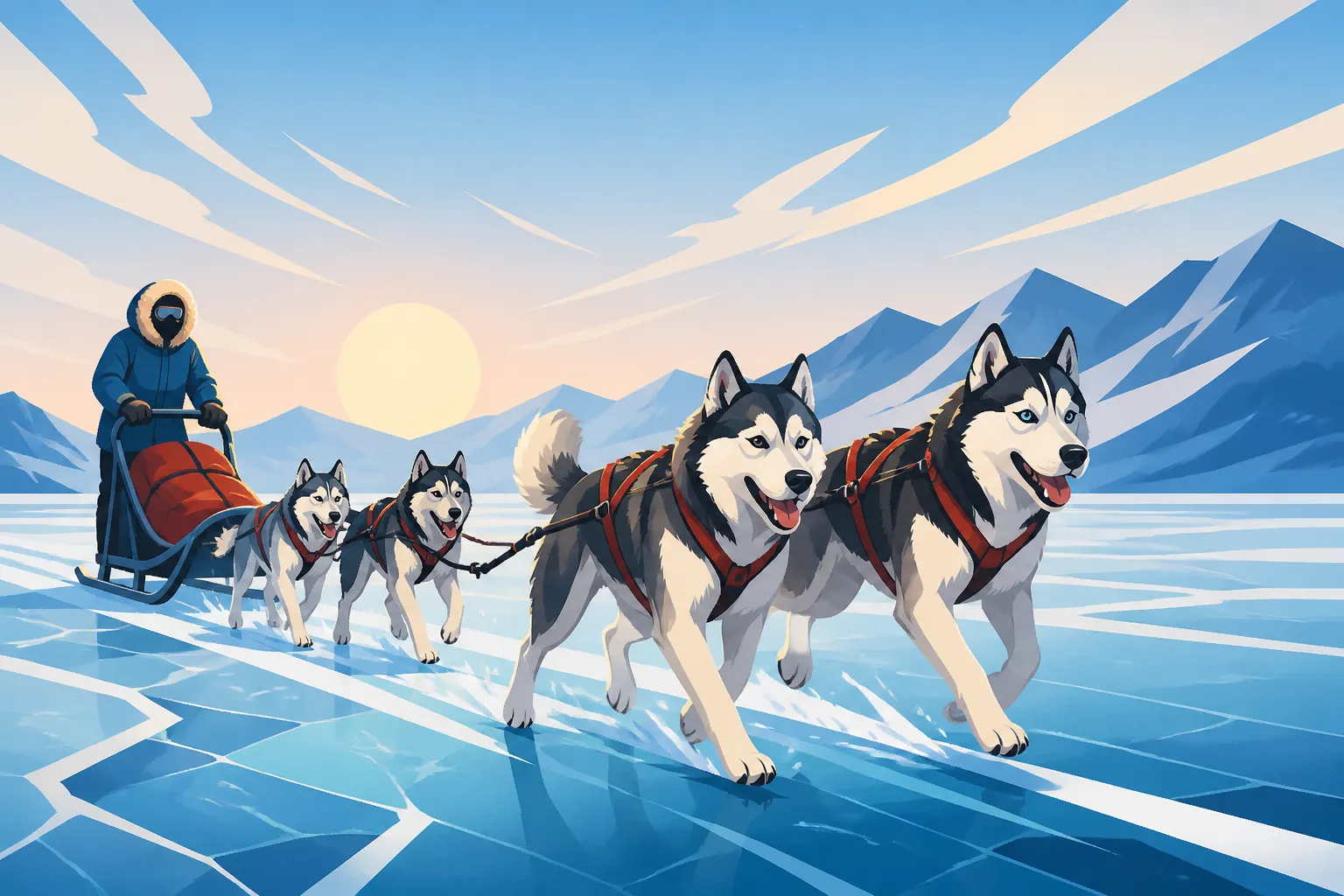
Seppala, with Togo leading, decided to take the shortcut. He knew the risks better than anyone. They ventured out onto the ice, a vast, desolate landscape of white and blue, constantly groaning and cracking beneath their paws and runners. The conditions were beyond brutal: a furious blizzard raged, driving snow horizontally and whipping up whiteout conditions that erased the horizon. Visibility was zero, making Togo's innate sense of direction indispensable. Seppala relied entirely on his lead dog, trusting Togo to find the safest path, to detect thin ice, and to navigate through a labyrinth of frozen hazards. Imagine trying to see your hand in front of your face, let alone guide a dog team across miles of heaving ice with 60-mile-per-hour winds! This kind of extreme cold tolerance is a defining characteristic of the breed, something many owners consider when thinking about Siberian Husky Cold Weather Care and Its Limits.
There were moments of sheer terror. The team was caught on a floe of ice that broke away from the main mass, drifting out into the Bering Sea with Seppala and his dogs stranded. For hours, they were at the mercy of the ocean currents, battling freezing spray and gale-force winds. Seppala, displaying incredible ingenuity and courage, managed to leap the gap to the main ice pack when the floe eventually drifted close enough, pulling his entire team, one by one, to safety. It was a heart-stopping escape, a moment that underscored the profound bond and trust between musher and dog.
The table below illustrates the scale and the individuals involved in the critical final legs of the 1925 Serum Run.
| Musher | Lead Dog | Route Segment | Distance (Miles) | Significance |
|---|---|---|---|---|
| Leonhard Seppala | Togo | Shaktoolik to Golovin | ~91 | Longest, most dangerous leg across Norton Sound |
| Charlie Olson | Noted | Golovin to Bluff | ~25 | Battled severe blizzard conditions |
| Gunnar Kaasen | Balto | Bluff to Nome | ~53 | Final leg, arrived in Nome |
This table highlights Seppala's extraordinary segment, emphasizing the immense distance covered and the unprecedented risks he and Togo faced. It was a segment that pushed the limits of what was thought possible for both man and beast.
The Aftermath and Legacy of an Icy Crossing
Seppala and Togo, against all odds, successfully delivered the serum to the next relay point in Golovin, completing their harrowing 91-mile leg across the treacherous Norton Sound ice. This critical shortcut saved precious time, and the serum ultimately arrived in Nome, averting the disaster.
A Turning Point for the Race
By the time Seppala handed off the serum, the most dangerous part of the journey was over, and the end was in sight. His courageous decision to cross the sound, coupled with Togo's unparalleled navigation, ensured the life-saving package reached Nome much faster than it would have otherwise. The relief in Nome must have been palpable. The sheer scale of the relay and the selflessness of all involved captivated the world, shining a spotlight on the incredible endurance and spirit of the sled dog and its musher. It was a race that transcended sport, becoming a global symbol of hope and heroism. This incredible event highlights How Siberian Huskies Reached Alaska in 1908 and their pivotal role in the region's history.
The Heroism Remembered
While Balto, the lead dog of the final team, famously became the face of the Serum Run due to media attention and a statue in Central Park, it was Togo who completed the longest and most perilous leg, a staggering 264 miles round trip, much of it through the most treacherous conditions. Seppala and Togo's courage and endurance remain a cornerstone of Siberian Husky lore. Their story is a powerful reminder of the breed's incredible working capabilities, intelligence, and deep bond with humans.
The legacy of the Norton Sound crossing lives on not just in history books, but in the spirit of the Siberian Husky breed itself. It showcases their remarkable ability to work in extreme cold, their unmatched stamina, and their inherent intelligence and independent problem-solving skills, qualities still treasured by owners today. When you see a Siberian Husky bounding through the snow, remember the journey across the ice and the lives that depended on it. Imagine the kind of intense training and high-quality nutrition, perhaps from a trusted source like Chewy, that a dog like Togo would have needed to sustain such an effort. The resilience and drive of these dogs are truly legendary. For more on the dogs themselves, you might enjoy reading about Togo, the Siberian Husky Who Ran 264 Miles.
The Enduring Traits That Made It Possible
The successful crossing of Norton Sound wasn't a stroke of luck; it was a testament to specific, inherent traits within the Siberian Husky breed, meticulously developed over generations by the Chukchi people for survival and work in the harshest environments. These traits are what make them such magnificent, if sometimes challenging, companions even today.
Inherent Intelligence and Problem-Solving
One of the most crucial factors was the Siberian Husky's intelligence and their ability to think independently. Togo wasn't just following commands; he was actively navigating, making decisions about the safest path, and responding to the constantly changing environment without direct instruction from Seppala. This isn't the "eager to please" intelligence of some other breeds; it's a cunning, survival-oriented intellect that allows a Husky to assess a situation and act decisively. This independence can sometimes be mistaken for stubbornness in a pet setting, but in a life-or-death situation on shifting ice, it was an invaluable asset. This breed was never meant to be a robot; they were bred to be partners capable of making critical judgments in extreme conditions. Their problem-solving abilities are a key aspect of Siberian Husky Intelligence and Independence.
Unmatched Endurance and Cold Tolerance
The physical capabilities of the Siberian Husky are legendary. Their double coat, with its dense underlayer and coarser guard hairs, is perfectly designed to insulate them from extreme cold, wind, and even wet conditions. Their efficient metabolism allows them to run for incredible distances on relatively little food, converting calories into sustained energy without overheating. These dogs were literally built for this kind of work. The sub-zero temperatures and biting winds of the Norton Sound crossing would have incapacitated many other breeds, but for Togo's team, while grueling, these conditions were what they were born to endure. Ensuring a modern Husky has access to appropriate gear, perhaps sturdy paw protection and durable harnesses, which you might source from a store like Chewy, allows them to express these inherent traits safely. For more on how these amazing animals manage the cold, check out How Cold a Siberian Husky Can Actually Take.
The Indomitable Spirit and Bond
Beyond physical and mental attributes, there's an intangible quality that defines the Siberian Husky: their indomitable spirit. These dogs possess an incredible will to work, a joy in running, and a deep-seated loyalty to their musher that transcends mere obedience. Seppala and Togo's bond was more than master and dog; it was a partnership forged in countless miles and shared challenges. This trust allowed Seppala to place his life, and the lives of Nome's children, in Togo's paws, knowing the dog would give everything. It's this spirit that allowed the team to push through exhaustion, fear, and the threat of freezing to death on the ice. This deep connection and willingness to face adversity together is why so many people are drawn to the breed, even with their unique challenges. Understanding this bond is crucial for anyone considering Who Should and Should Not Own a Siberian Husky.
The Lessons for Today's Siberian Husky Owners
While most of us won't be asking our Siberian Huskies to race across a frozen sound with life-saving medicine, the story of Seppala and Togo offers invaluable insights for every modern Husky owner. It speaks to the core essence of the breed and reminds us of their unique needs and capabilities.
Respecting Their Instincts
The Norton Sound crossing is a powerful reminder of the Siberian Husky's deep-seated instincts for running, exploring, and navigating. This is why Why a Siberian Husky Cannot Be Trusted Off Leash is so often repeated: their desire to cover ground is powerful, and their navigational skills, while impressive in a hero dog, mean they won't necessarily get lost if they bolt. For pet owners, this translates into a need for secure containment—think high fences, maybe with an L-footer to prevent digging, and never underestimating their ability to escape. It also highlights the importance of channeling their energy into appropriate activities like canicross, bikejoring, or even just long, brisk walks on a secure harness. Their instincts are a part of their charm, but they require responsible management.
The Importance of Exercise and Mental Stimulation
Togo and his team thrived on work. For a pet Siberian Husky, this means a significant commitment to exercise and mental stimulation. A simple walk around the block isn't enough to satisfy a dog bred for covering hundreds of miles. They need opportunities to run, to think, and to engage their intelligent minds. Puzzle toys, training sessions, and consistent physical activity are crucial to preventing boredom and the destructive behaviors that often arise from it. A well-exercised Husky is a happy Husky, and it's far less likely to chew through your drywall or try to scale your fence. Remember, a tired Husky is a good Husky, and companies like Chewy offer a wide range of durable toys and enrichment items perfect for keeping these smart cookies busy. If you're wondering how much is truly enough, consider How Much Exercise a Siberian Husky Really Needs.
Building a Partnership
Just like Seppala and Togo, the most successful relationships with Siberian Huskies are built on mutual respect, understanding, and a strong partnership. They respond best to positive reinforcement, clear communication, and handlers who understand their independent nature. Force or harsh methods are counterproductive and will often lead to a Husky shutting down or becoming evasive. Invest time in training, build a strong bond, and appreciate their unique personality. They may not always be "eager to please" in the traditional sense, but their loyalty and willingness to work with you are immense when that partnership is genuinely forged. This is why understanding Training an Independent Siberian Husky is so vital.
The story of the Norton Sound crossing is more than just a historical anecdote; it's a foundational narrative for the Siberian Husky breed. It showcases their incredible resilience, intelligence, and the deep, often unspoken, bond between musher and dog. By understanding the epic journey of Seppala and Togo, we gain a deeper appreciation for the magnificent animals we share our lives with today and a clearer roadmap for meeting their unique needs.
Disclaimer
This article is for general informational purposes only and does not constitute professional advice. Laws, prices and regulations vary by location and change over time. Consult a qualified professional for guidance on your specific situation.