Whether a Siberian Husky Coat Color Predicts Anything
One of the first things that captures our hearts when we look at Siberian Huskies, beyond those piercing eyes, is their incredible array of coat colors. From snowy whites to deep blacks, and all the gorgeous grays and reds in between, it’s a spectrum that truly dazzles. But it’s natural, as you fall in love with these majestic dogs, to wonder if a particular coat color might mean something more – like whether a red Husky will be more mischievous, or a black and white one more calm. The truth is, while we might instinctively look for patterns, a Siberian Husky's coat color really doesn't predict their personality or health. This guide will dive deep into why that is, helping you understand what does influence your Husky's traits and how to appreciate their unique beauty for what it is.
The Kaleidoscope of Siberian Husky Coat Colors
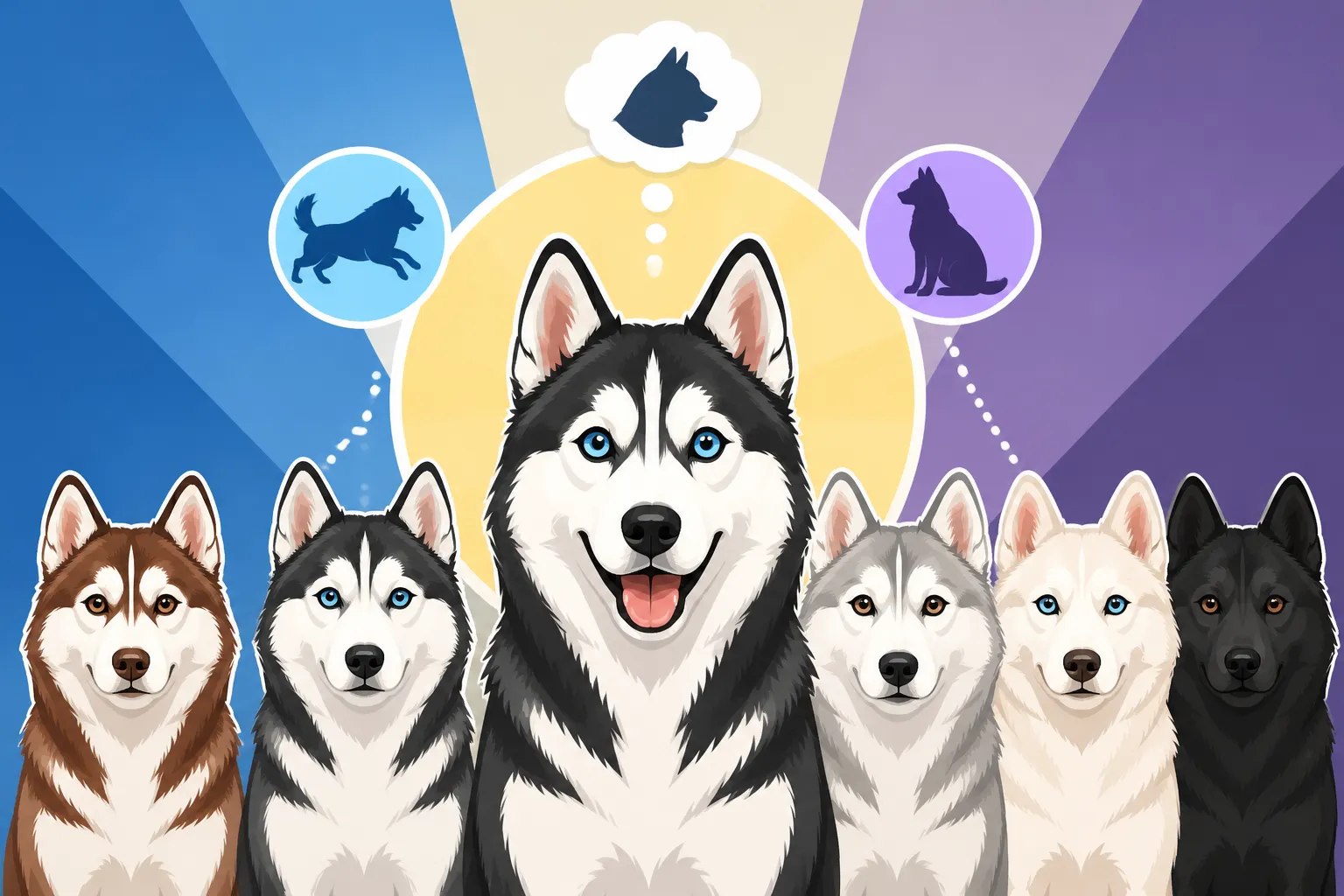
Siberian Huskies are famous for their stunning looks, and a big part of that appeal comes from their diverse coat colors. It's not just black and white, though that classic look is certainly iconic! The breed standard allows for a huge range of colors and patterns, which is part of what makes each Husky so visually distinct.
Understanding the Double Coat and Its Purpose
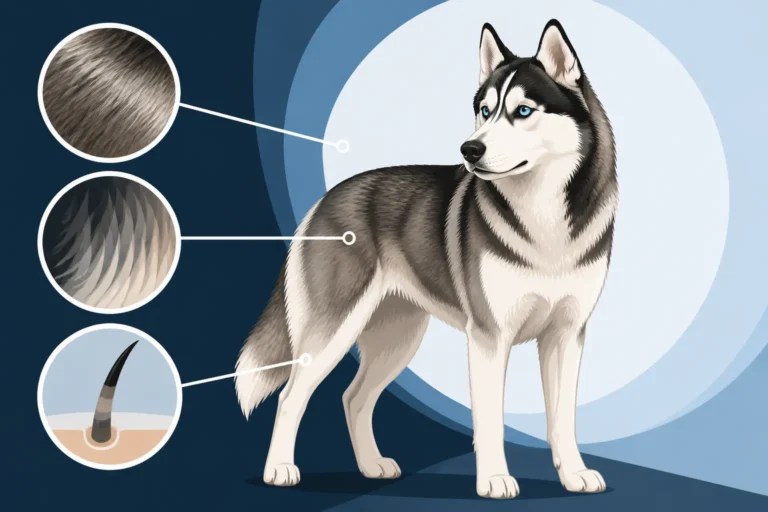
Before we dive into the specific colors, it’s vital to understand the Husky's incredible double coat. This isn't just about looking good; it's a finely engineered piece of natural insulation that allows them to thrive in arctic conditions. The outer layer consists of guard hairs – these are longer, coarser, and slightly stiff. They provide protection from wind, rain, and snow, shedding moisture and dirt away from the dog's body. Think of them as a waterproof, windproof shell.
Beneath this protective outer layer lies the dense, soft undercoat. This fluffy layer is what truly insulates the Husky, trapping air close to the body to keep them warm in freezing temperatures and, surprisingly, also helping to reflect heat away in warmer climates. It’s a remarkable system! The combination of these two distinct layers is what creates the depth and richness of a Husky's coat color, allowing for intricate banding and shading that you don't see in single-coated breeds. This double coat, with its incredible functionality, is what allows for such a vast array of colors to exist without compromising the dog's primary purpose.
Common and Uncommon Color Variations
When you look at a litter of Siberian Husky puppies, you might see an astonishing variety. The most commonly seen colors are indeed black and white, often with striking masks and markings. These can range from a deep, raven black to a softer, charcoal gray. Gray and white is another classic, with shades from silver to wolf-gray, sometimes with cream or tan points. Red and white Huskies are also very popular, appearing in hues from light copper to deep, rich mahogany. These reds often have amber eyes, which can be quite captivating.
Then there are the less common, but equally beautiful, variations. Sables are a fascinating color, often described as a reddish-brown with black tipping on the guard hairs, giving them a rich, almost smoky appearance. Agouti Huskies are often mistaken for wolves; they have a complex pattern of black, gray, and tan banding on each hair, resulting in a wild, rustic look that's incredibly striking. What Makes a Siberian Husky Agouti And, of course, there are pure white Siberian Huskies, truly magnificent creatures whose coats are devoid of any pigment, though they aren't albinos as they have dark eyes and nose pigment. These varied colors, from the classic black and white to the rare pure white, all adhere to the breed standard, which really celebrates the diverse palette Huskies offer. Each shade and pattern adds to the unique charm of the breed, a testament to their long history and natural variation.
Debunking the Myths: Coat Color and Temperament/Health
It’s completely understandable why people might try to link a dog’s coat color to its personality or health. We often look for patterns, especially when we’re trying to choose a new family member, hoping to get a glimpse into their future. Unfortunately, for Siberian Huskies, this is largely a myth.
Why "Red Huskies are Stubborn" or "Black Huskies are More Calm" is Just Anecdotal
I've heard it all, just like many long-time Husky owners. "Oh, you have a red one? They're always the troublemakers!" or "My friend's black and white Husky is so chill, I wish mine was like that." These statements, while shared with good intentions, are born from anecdotal experiences and are simply not supported by any genetic or behavioral science. Temperament in a Siberian Husky, or any dog for that matter, is a complex mix of factors.
Primarily, it's rooted in genetics passed down from their parents and generations before them. A well-bred Husky comes from lines known for stable, typical Husky temperaments – friendly, outgoing, energetic, and yes, sometimes independent and vocal. Beyond genetics, early socialization during puppyhood plays a massive role. Puppies exposed to a variety of sights, sounds, people, and other dogs develop into more confident and well-adjusted adults. Training, consistency, and the environment they grow up in also heavily influence their behavior. A Husky of any color can be stubborn if not given clear boundaries and consistent training, just as a Husky of any color can be a loving, well-behaved companion with the right guidance. Attributing these complex traits to something as superficial as coat color takes away from the true effort and understanding required to raise a balanced dog.
The Lack of Scientific Link to Health Issues
In some dog breeds, certain coat colors or patterns are genetically linked to specific health concerns. For instance, the merle gene in breeds like Australian Shepherds or Collies can, in a double merle dog, lead to deafness and vision problems. However, this is not the case for any of the standard, naturally occurring coat colors in Siberian Huskies. A red Husky is no more prone to hip dysplasia than a black one, and a white Husky is no more likely to develop eye issues than a gray one.
Siberian Huskies do have a predisposition to certain health conditions, like some eye diseases such as Progressive Retinal Atrophy in Siberian Huskies or Juvenile Cataracts in the Siberian Husky, and Zinc-Responsive Dermatosis in the Siberian Husky. These conditions are inherited through specific genes that are entirely separate from the genes determining coat color. So, while responsible breeders will health test their breeding stock for these known issues, they don't look at coat color as an indicator. The genes for coat color primarily deal with pigment production and distribution, while genes for health are responsible for other biological functions. There's no known scientific correlation between the two in Siberian Huskies. When looking for a puppy, focusing on a breeder's health testing protocols and the health history of the parent dogs is infinitely more important than the shade of their fur. You can read more about comprehensive health testing in Health Testing Before You Buy a Siberian Husky.
What Coat Color Can Tell You (and What It Can't)
While coat color won't tell you if your Husky is destined to be a champion escape artist or a couch potato, it can offer some subtle clues, mainly concerning lineage and authenticity, and very minor care considerations.
Identifying a True Siberian Husky and Spotting Misinformation
A Siberian Husky's coat color can be a useful, though not foolproof, indicator of whether the dog is truly a purebred Husky, or at least how responsible the breeding might have been. The American Kennel Club (AKC) breed standard, for example, accepts "all colors from black to pure white." This broad range means most colors you see are legitimate. However, if you encounter a "merle" colored Husky, or one with a very long, "woolly" coat, these are generally considered disqualifying faults in the breed standard and are often indicators of mixed breeding or irresponsible breeding practices. Whether Merle Siberian Huskies Are Legitimate A true Siberian Husky, for instance, won't naturally carry the merle gene.
If a breeder tries to market a puppy with an unusual color as "rare" and charges an exorbitant price, it should raise a red flag. Reputable breeders prioritize health, temperament, and adherence to the breed standard, not novelty colors. Instead of focusing on color, ask for health certificates for the parents, check their pedigrees, and meet the parents in person. This due diligence is far more indicative of a healthy, well-adjusted puppy than any unusual coat hue. Always check breeder claims against the official breed standard and reputable resources, rather than falling for trendy "designer" colors that might suggest a lack of ethical breeding.
Grooming Considerations (Slightly) Related to Color
While coat color doesn't impact the amount of shedding (all Huskies shed, and they shed a lot during their famous "coat blows"!), it might slightly influence how visible that shedding is in your home. A black and white Husky will leave both dark and light hairs, which can feel like a losing battle on both light and dark furniture. A pure white Husky's hair might blend in better with lighter carpets but stand out sharply on dark clothing. It’s a minor aesthetic point, but certainly one that owners notice!
Similarly, lighter colored Huskies might show dirt more prominently after a romp in the mud, simply because the contrast is greater. However, the Husky's double coat is remarkably self-cleaning, and dirt tends to fall off once dry, regardless of color. Why Siberian Huskies Clean Themselves Like Cats Huskies also require surprisingly little bathing; over-bathing can strip their natural oils. Regular brushing, especially during the dreaded Siberian Husky Coat Blow and the Six Weeks It Lasts, is key for all colors. For keeping that shedding under control and their coats healthy, a good quality de-shedding tool from a brand like Chewy can be invaluable, regardless of your Husky's color. Remember, never shave a Siberian Husky, as their double coat protects them from both heat and cold, and shaving can ruin it. Why You Must Never Shave a Siberian Husky
| Coat Color | General Appearance | Known Health/Temperament Links? | Typical Eye Colors |
|---|---|---|---|
| Black & White | Deep black to charcoal gray over white underparts | No known correlation | Blue, brown, bi-eyed |
| Gray & White | Silver to wolf-gray over white underparts, sometimes tan points | No known correlation | Blue, brown, bi-eyed |
| Red & White | Light copper to dark mahogany over white underparts | No known correlation | Amber, brown, bi-eyed |
| Sable & White | Reddish-brown with black tipping on guard hairs | No known correlation | Amber, brown, bi-eyed |
| Agouti & White | Each hair banded with black, gray, tan; wild, wolf-like look | No known correlation | Brown, sometimes blue or bi-eyed |
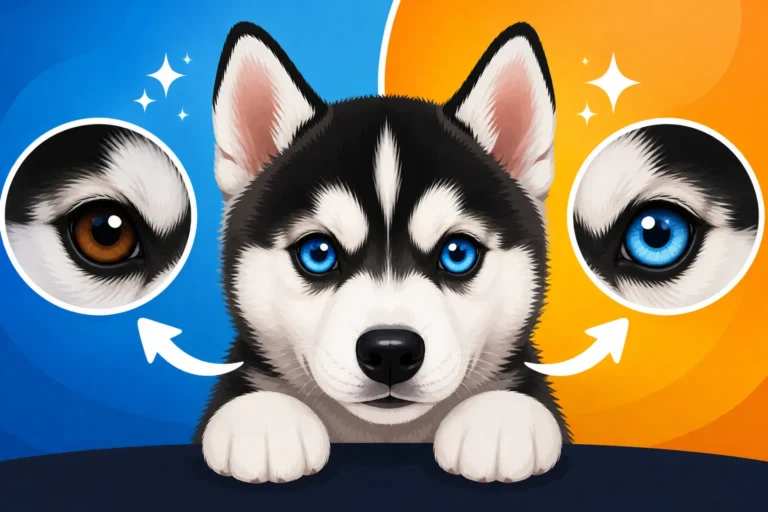
| Pure White | Entirely white coat, no discernible markings | No known correlation | Blue, brown, bi-eyed |
The Joy of Husky Colors: Appreciating Individuality
Ultimately, the beauty of the Siberian Husky breed lies in its incredible diversity, and coat color is a huge part of that. Embracing this variety means appreciating each dog for their unique attributes, rather than trying to find hidden meanings in their fur.
Celebrating the Diversity Within the Breed
Imagine a whole team of Siberian Huskies, each a different shade, running together with purpose and joy. That's the spirit of the breed! Whether your Husky is a striking black and white, a fiery red, a subtle gray, or a rare pure white, they are all part of the same incredible lineage. Each color contributes to the overall tapestry of the breed, showcasing the natural genetic variation that makes them so special. It's truly wonderful to see The Coat Colors the Siberian Husky Standard Allows and appreciate how each one is valued.
It's also fascinating to observe how a Husky's coat color can subtly change over time. Many puppies are born with darker, fuzzier coats that lighten or change in shade as they mature. A black puppy might become a deep gray, or a light red might deepen into a richer copper. Siberian Husky Coat Color Changes With Age Their masks might fade or become less defined. These natural transformations are part of the journey of owning a Husky and add another layer to their individuality. What truly matters is the vibrant, affectionate, and sometimes exasperating personality that shines through, regardless of the outer packaging.
Beyond the Hues: Focus on Temperament and Health First
When you're looking for a Siberian Husky, whether from a dedicated breeder or a rescue organization, it's easy to get caught up in the "look." Those blue eyes, that striking mask, that perfect shade of gray – they're all so alluring! However, the wisest approach, and one that leads to a much happier and healthier long-term relationship, is to prioritize temperament and health above all else. A stunning Husky with a poor temperament or chronic health issues will bring far more heartache and expense than joy.
Always seek out breeders who are transparent about their health testing, offering to show you certificates for hips, eyes, and thyroid. These are critical for the breed. Siberian Husky Eye Disease and the Annual Exam Look for parents with stable, friendly dispositions, and ask about their daily routines. If adopting from a rescue, spend time with the dog to understand its personality and energy levels. Many wonderful Huskies end up in rescue, through no fault of their own, and often their history is known, giving you insights into their temperament. You can find essential supplies for any Husky, regardless of color, from reliable pet retailers like Chewy, ensuring they have good food, durable toys, and grooming essentials. By focusing on the inner qualities – health, temperament, and a good match for your lifestyle – you'll find the perfect Siberian Husky, and their coat color will simply be the beautiful cherry on top.
Disclaimer
This article is for general informational purposes only and does not constitute professional advice. Laws, prices and regulations vary by location and change over time. Consult a qualified professional for guidance on your specific situation.