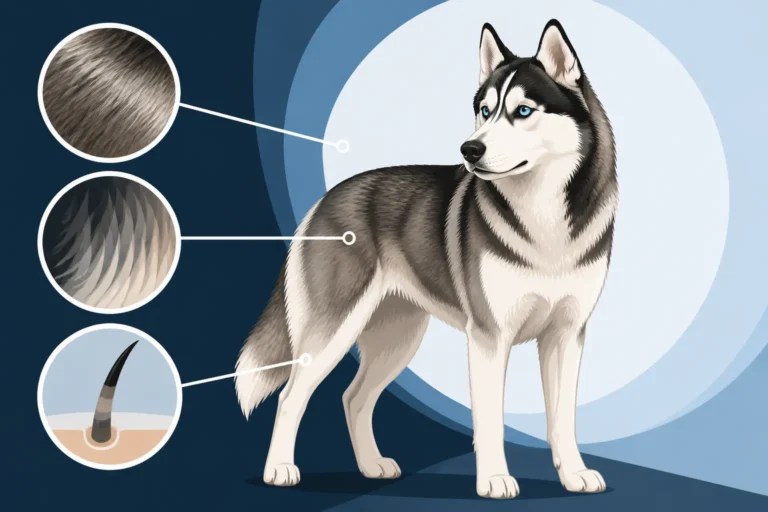
Why Blue Eyes Mark a Husky, Not a Malamute
It's a common sight at the dog park or even in online forums: someone proudly showing off their "blue-eyed Malamute," only to be met with raised eyebrows from those who know these incredible northern breeds. The truth is, while both Siberian Huskies and Alaskan Malamutes share a stunning wolf-like appearance, there's a distinct difference in what their breed standards say about eye color. This guide will clarify why those striking blue eyes are a hallmark of the Siberian Husky and actually a disqualifying fault for a purebred Alaskan Malamute.
The Genetic Blueprint Behind Husky Blue Eyes
The piercing blue eyes of a Siberian Husky are undeniably captivating, and it's a trait that often draws people to the breed. What many don't realize is the fascinating genetic story behind them, and why it's perfectly normal and desired in a Husky, unlike their Malamute cousins.
What Causes Blue Eyes in Siberian Huskies?
The blue eye color in Siberian Huskies isn't a result of a lack of pigment entirely, but rather a unique way light interacts with the unpigmented layers of the iris. Unlike brown eyes, which have melanin, blue eyes are caused by the scattering of light within the iris's stroma (the anterior layer) – a phenomenon known as Rayleigh scattering. It’s the same way the sky appears blue! This genetic variation is understood to be linked to a duplication on chromosome 18, near the ALX4 gene, which influences eye development. For a Siberian Husky, having blue eyes, whether one or both, is a completely healthy and natural expression of their genetics. It doesn't mean they have poorer vision or any underlying health issues. It's simply a beautiful cosmetic trait that has become synonymous with the breed's striking appearance. Whether Blue Eyes Mean Vision Problems in a Husky can offer more reassurance on this topic.
The Variety of Siberian Husky Eye Colors
One of the most charming aspects of the Siberian Husky is the sheer variety of eye colors you can find within the breed. While blue eyes are iconic, they're far from the only option, and all are equally beautiful and accepted within the breed standard. You'll commonly see Huskies with gorgeous brown eyes, ranging from a light amber to a deep chocolate. Then there are the fascinating "bi-eyed" Huskies, who sport one blue eye and one brown eye, giving them a truly unique and often mischievous look. Beyond that, some Huskies have "parti-colored" eyes, where an individual eye might have flecks or segments of both blue and brown within a single iris, creating a marbled effect. All these variations – blue, brown, bi-eyed, or parti-colored – are considered acceptable and desirable in the Siberian Husky breed. This diversity in eye color is part of what makes each Husky truly individual. Bi-Eyed Siberian Huskies delves deeper into this particular trait.
Why Blue Eyes Are Absent in the Alaskan Malamute Standard
When you look at an Alaskan Malamute, you see a majestic, powerful dog, often with a serious and dignified expression. Their eyes, while equally beautiful, tell a different story than those of a Husky, especially concerning color.
Malamute Eye Color: Strictly Brown
For the Alaskan Malamute, the breed standard is very clear: eye color should be brown. Any shade of brown is acceptable, from a rich, dark brown to a lighter, warm hazel. This isn't just a preference; it's a defining characteristic of the breed. Reputable Malamute breeders and enthusiasts will tell you that a true, well-bred Malamute will always have brown eyes. This strict requirement goes back to their origins, where brown eyes were considered more functional for working dogs in arctic conditions, offering better protection from snow glare and intense sunlight. The deep, expressive brown eyes are part of the Malamute's characteristic "soft" but powerful look. What the AKC Standard Asks of a Siberian Husky provides insights into how breed standards define traits.
The Implications of Blue Eyes in a Malamute
If an Alaskan Malamute has blue eyes, it's considered a serious fault, and in the show ring, it's a disqualification. This means a blue-eyed Malamute cannot compete and win titles in conformation events because it deviates from the established breed standard. For breeders dedicated to preserving the integrity and characteristics of the Alaskan Malamute, breeding dogs with blue eyes is avoided. It's a key distinction between the two northern breeds that sometimes gets blurred by their superficial similarities. While a blue-eyed Malamute might still make a wonderful pet, it's important for potential owners to understand that it does not conform to the breed's official standard. You'll find careful breeders will always prioritize the brown eye color, ensuring their lines maintain the breed's traditional appearance and health.
Tracing Back Breed Origins and Purpose
Understanding why Siberian Huskies and Alaskan Malamutes differ in their eye color standards requires a quick look back at their respective histories and the roles they were originally bred to perform. Their ancestral purposes profoundly shaped their physical traits, including eye color.
Siberian Husky: Built for Speed and Endurance
The Siberian Husky's story begins with the Chukchi people of northeastern Asia, who developed these dogs over centuries to be fast, enduring sled dogs. The Chukchi needed dogs that could cover vast distances quickly, pulling light loads across the frozen tundra in temperatures that would make most modern machinery seize up. Speed and efficiency were paramount. As such, any eye color that didn't impede their vision or performance was naturally accepted. Blue eyes, which likely appeared spontaneously through genetic mutation, caused no functional disadvantage to a dog whose primary job was to run. The emphasis was on athleticism and a tough, resilient spirit. This history of selecting for performance over specific cosmetic traits like uniform brown eyes allowed for the vibrant range of eye colors we see in the Husky today. The Chukchi Origins of the Siberian Husky provides a deeper dive into their fascinating history.
Alaskan Malamute: The Heavy Hauler
In stark contrast, the Alaskan Malamute was bred by the Mahlemut Inuit people of western Alaska for a very different purpose: to haul heavy freight. These were powerful, robust dogs built for strength and stamina, capable of pulling substantial loads over rugged terrain. They weren't bred for speed, but for sheer pulling power and resilience. Their dense coats, sturdy bone structure, and powerful build all reflect this heritage. For such a powerful working dog, the deep brown eyes were historically preferred, possibly due to a perceived advantage in harsh, bright snow conditions. The Malamute's original role demanded a dog that could face down blizzards and tough trails with unwavering focus. Their build, temperament, and even eye color are all intertwined with their history as the ultimate freighting dogs of the Arctic. Why Malamutes Pull Freight and Siberian Huskies Pull Fast further explores the functional differences between these breeds.
Common Misconceptions and Responsible Breeding
The distinct difference in eye color between Siberian Huskies and Alaskan Malamutes often leads to questions and sometimes, outright misinformation. It’s crucial for potential owners to understand these nuances, especially when seeking a responsible breeder.
Blue Eyes and Health Myths
One of the most persistent myths surrounding blue-eyed dogs, particularly Siberian Huskies, is that blue eyes are somehow indicative of poor vision, deafness, or other health problems. Let me be clear: in Siberian Huskies, blue eyes are simply a cosmetic trait and are not associated with any inherent health issues. They see just as well as their brown-eyed counterparts. The confusion often arises because in some other breeds (like merle-colored dogs), blue eyes can be linked to a gene that also carries health risks. However, the genetic mechanism for blue eyes in Huskies is different and does not carry these associated health concerns. A blue-eyed Siberian Husky is typically as healthy as any other Husky, provided they come from a reputable breeding program that prioritizes overall health and temperament. So, if you're drawn to a Husky's icy blue gaze, rest assured that you're not choosing a dog with a predisposition to eye problems solely because of its color. Chewy has some great resources on general dog health that can help debunk these kinds of myths. Siberian Husky Eye Disease and the Annual Exam provides more information on actual eye health concerns in the breed.
Identifying Reputable Breeders
This eye color distinction is a prime example of why finding a reputable breeder is so important, regardless of whether you're looking for a Siberian Husky or an Alaskan Malamute. A responsible breeder of either breed will know the breed standard inside and out and will breed accordingly. For Siberian Huskies, while blue eyes are accepted, a good breeder will still perform all necessary health screenings, including OFA eye certifications, to ensure the overall health of their breeding stock. Health Testing Before You Buy a Siberian Husky details the important tests to look for. They won't market blue eyes as "rare" or charge extra for them in a Husky because they are a common and accepted trait.
Conversely, a reputable Alaskan Malamute breeder will never intentionally breed for blue eyes. If you encounter someone selling "blue-eyed Malamute puppies," it's a significant red flag. This often indicates a backyard breeder who is either misrepresenting their dogs, not adhering to breed standards, or perhaps even inadvertently breeding mixed-breed dogs. These individuals often prioritize appearance over health, temperament, and genetic integrity, leading to potential issues down the line. Always ask to see parentage, health clearances, and ask detailed questions about their breeding philosophy. A good breeder will be transparent and proud to educate you on their breed's standards and genetic health. This is why reading a puppy's health paperwork is so critical. Reading a Siberian Husky Puppy's Health Paperwork
Here’s a quick comparison of the two breeds regarding eye color:
| Feature | Siberian Husky | Alaskan Malamute |
|---|---|---|
| Accepted Eye Colors | Blue, brown, bi-eyed (one blue, one brown), parti-colored | Brown (all shades) |
| Blue Eyes | Common, accepted, and desirable trait | Disqualifying fault in the show ring |
| Genetic Basis | Unique genetic variation, not linked to health issues | Not part of the breed's genetic makeup; indicates mix or fault |
| Breed Standard | Allows for variety in eye color | Strictly requires brown eyes |
| Historical Context | Not selected against in fast, light sled dogs | Historically preferred brown for functional reasons in heavy freighting dogs |
Ultimately, whether you're captivated by the bright blue stare of a Siberian Husky or the soulful brown gaze of an Alaskan Malamute, respecting each breed's distinct characteristics is key. Understanding these differences not only helps appreciate the breeds for who they truly are but also guides you in finding a healthy, well-bred companion. You can find many great products for either breed, from tough chew toys to warm bedding, on Chewy, which can make caring for your furry friend a little easier. Siberian Husky Eye Colors and Heterochromia offers even more detail on the fascinating world of Husky eyes.
Disclaimer
This article is for general informational purposes only and does not constitute professional advice. Laws, prices and regulations vary by location and change over time. Consult a qualified professional for guidance on your specific situation.