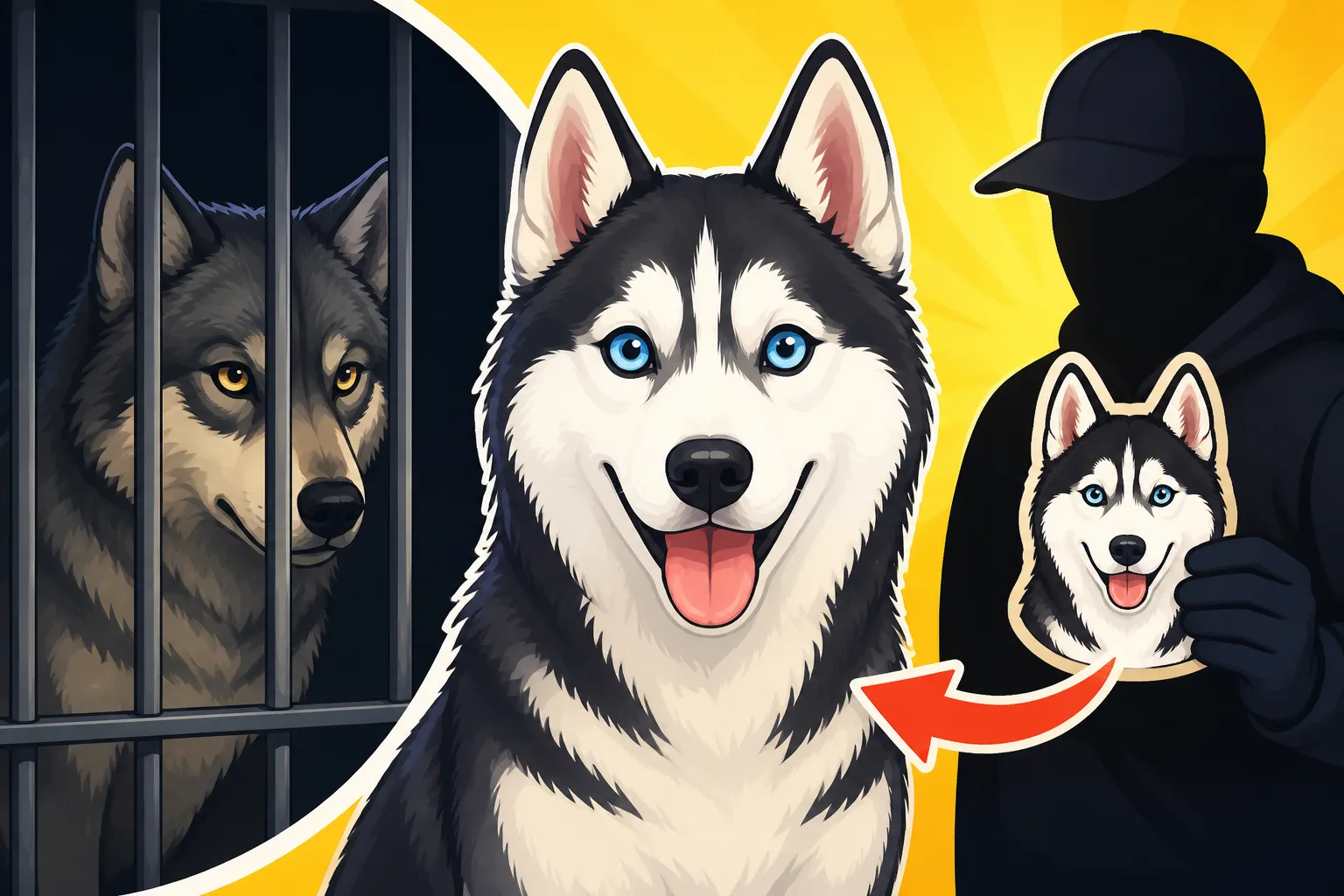
Wolfdogs Sold as Siberian Huskies
It's a really heartbreaking situation when someone thinks they're bringing home a beautiful Siberian Husky, full of the breed's trademark charm and mischief, only to find out they've been sold a wolfdog hybrid. This isn't just a matter of mistaken identity; it can lead to immense frustration, danger, and ultimately, a painful decision for the unwitting owner. This guide will walk you through the critical differences between true Siberian Huskies and wolfdogs, helping you identify red flags and ensure you bring home the genuine article.
The Allure and the Deception: Why Wolfdogs Get Confused with Huskies
There's no denying the striking resemblance some wolfdogs can bear to a Siberian Husky, especially when they're young puppies. This visual similarity is often where the initial confusion, and unfortunately, the deception, begins. Owners, drawn to the wolf-like aesthetic, might fall prey to unscrupulous sellers who intentionally misrepresent their animals.
Visual Similarities: Where the Confusion Begins
It’s easy to see why someone might mistake a wolfdog for a husky. Both breeds boast piercing eyes, often blue or bi-colored, and dense coats in shades of grey, black, white, and red. They share a certain wild, untamed beauty that captivates many. A puppy from a low-content wolfdog litter, particularly one bred with a northern breed like a husky, can look remarkably like a purebred Siberian Husky. Their markings might be similar, their ear set might appear typically canine at a young age, and even their vocalizations could initially fool an untrained ear.
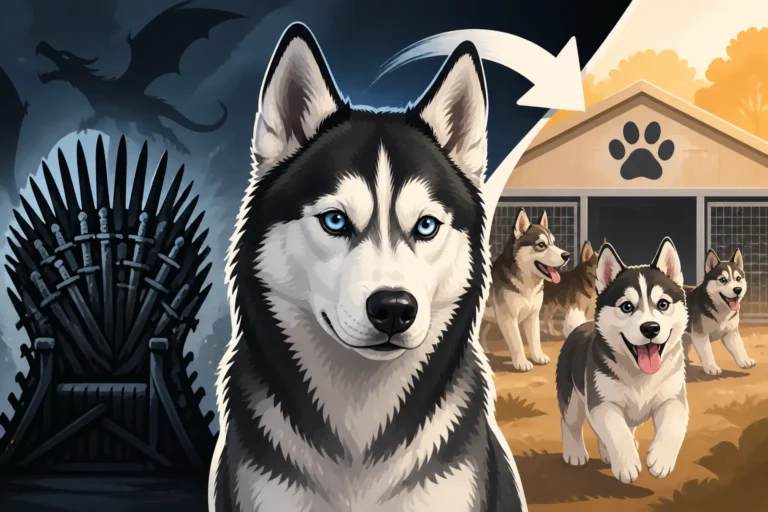
This resemblance was only amplified by popular culture. Remember the surge of "direwolf" puppies after certain fantasy shows? That's when we saw a huge spike in people seeking out wolf-like dogs, often without understanding the massive differences in care and temperament. Many of these animals, unfortunately, ended up in shelters or rescues when their wild instincts became too much for an unprepared family to handle. It's a sad reality that the visual appeal alone can lead to serious misconceptions about what it means to live with these animals.
Misleading Breeders and Online Scams
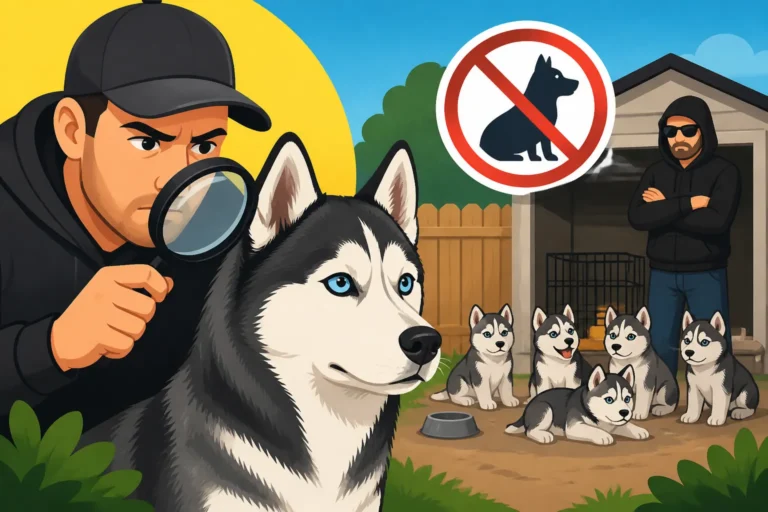
The problem is exacerbated by individuals who knowingly exploit this visual similarity for profit. Disreputable breeders, or sometimes just casual sellers, will advertise "wolf hybrids" or "Arctic wolves" as "rare Huskies" or "extra large Huskies" to command higher prices or simply get rid of puppies they know are not purebred. They might make vague claims about lineage, refuse to show you the parents of the litter, or present falsified paperwork.
A major red flag is any seller who is unwilling to be transparent about their breeding practices or the history of their dogs. A legitimate breeder of Health Testing Before You Buy a Siberian Husky will proudly show you health clearances, pedigrees, and allow you to meet both the mother and, if available, the father of the puppies. They'll also ask you a ton of questions, making sure their puppies go to suitable homes. Beware of any online listing that offers puppies for a suspiciously low price, or even an unusually high one with promises of "rare wolf content" without any verifiable proof. These sellers often vanish as soon as the transaction is complete, leaving you with an animal whose needs you are completely unequipped to meet.
Understanding the Crucial Differences: Husky vs. Wolfdog
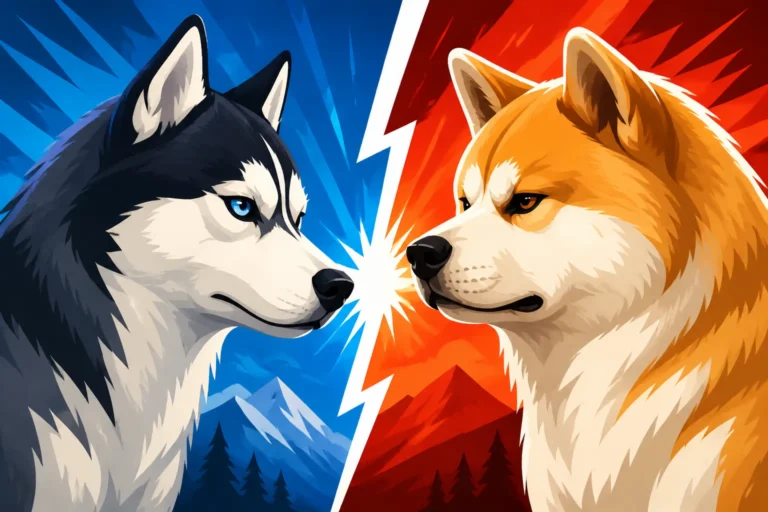
While appearances can be deceiving, the true nature of a wolfdog versus a Siberian Husky lies in their fundamental temperament, behavior, and physiological makeup. These differences are not minor; they dictate everything from trainability to housing requirements.
Temperament and Behavior: Beyond the Look
This is arguably the most critical distinction. Siberian Huskies, despite their independent streak and intelligent minds, are fundamentally domesticated dogs. They were bred for centuries by the Chukchi people to live and work alongside humans. They are generally friendly, sociable, and outgoing, even if they have a mischievous streak and an opinion on everything. A true husky bonds with its human family, enjoys interaction, and, with proper socialization, is typically good with strangers and children. They are known for their playful antics, their "talking," and their desire to be part of the family pack. If you want to understand their inherent nature, consider Siberian Husky Temperament and What the Standard Says.
Wolfdogs, on the other hand, regardless of their "content" level (which refers to the estimated percentage of wolf genes), retain significant wild instincts. Even low-content wolfdogs can exhibit extreme shyness, fear of new situations, and a profound aversion to strangers. They often perceive direct eye contact or sudden movements as threats, leading to fear-based aggression. Their Siberian Husky Prey Drive Around Small Animals is incredibly high and often unmanageable, making them a danger to small pets and livestock. They struggle immensely with confinement, often becoming destructive or exhibiting frantic escape attempts. Their desire to roam is far stronger than a husky's, and their need for personal space and quiet is paramount. Traditional training methods, which rely on a dog's desire to please its human, often fail with wolfdogs, as their primary motivation is survival and self-preservation, not human approval. Many owners report that wolfdogs are incredibly destructive when bored or stressed, far beyond the typical husky chewing.
Physical Indicators: Subtle Clues to Look For
While a wolfdog might fool the casual eye, there are often subtle physical clues that hint at their wild ancestry. These aren't always definitive, as genetics can be unpredictable, but they are worth noting. True Siberian Huskies conform to a breed standard, which dictates their build, coat, and general appearance. Their eyes can be brown, blue, bi-colored, or parti-colored, and this is perfectly acceptable within the breed standard. Siberian Husky Eye Colors and Heterochromia is a common and charming trait. Their tails typically curl over their back in an arc or sickle shape when alert, rarely hanging straight down. They have a compact, muscular build for endurance.
Wolfdogs, particularly higher-content ones, often possess traits that deviate from a purebred dog. Look for longer legs in proportion to the body, larger feet, and a narrower chest. Their heads might have a more elongated muzzle, less pronounced stop (the indentation between the eyes), and ears that are larger, more pointed, and set higher on the head than a husky's. Their tail carriage is often a major tell: wolfdogs typically carry their tails low, even when excited, only slightly raising them. A tail that consistently curls over the back is less common in wolfdogs. Many wolfdogs also have a distinctly different gait – a more powerful, ground-covering trot that is characteristic of wild canids. Their coat may be thinner in summer and may not blow out in the distinct two periods of a husky, lacking the true double coat for extreme temperature regulation. Eye color, while not definitive, often leans towards amber or gold in wolfdogs, rather than the varied blues and browns of Huskies. They might also lack dewclaws on their hind legs, which while not standard for Huskies, is more consistently absent in wolves.
Legality and Liabilities: A Serious Consideration
Owning a wolfdog isn't just a matter of managing their unique needs; it carries significant legal and financial ramifications. Many states, counties, and even specific municipalities have strict regulations or outright bans on owning wolfdogs or wolf hybrids. These laws are in place for public safety, recognizing the unpredictable nature and potential danger of these animals. You might find yourself facing hefty fines, confiscation of your animal, or even criminal charges if you are found to own an illegal wolfdog.
Beyond legality, there's the issue of liability. Standard homeowners' insurance policies almost universally exclude wolfdogs or any "exotic" pets. If your wolfdog were to bite someone, escape and harm another animal, or cause significant property damage, you would be personally responsible for all damages, and your insurance company would likely deny coverage. This could lead to devastating financial ruin. Homeowners Carriers and the Siberian Husky is a topic many husky owners already grapple with, and it becomes exponentially more complex with wolfdogs. Finding veterinary care can also be a nightmare; many veterinarians, for their own safety and liability, refuse to treat wolfdogs. Boarding facilities are almost impossible to find, and even training becomes a specialized field requiring specific expertise.
How to Avoid Deception and Find a True Siberian Husky
The good news is that with diligence and careful research, you can absolutely find a wonderful, genuine Siberian Husky. It's all about knowing what to look for, asking the right questions, and trusting your instincts.
Researching Reputable Sources
The first and most crucial step is to work exclusively with reputable sources. This means avoiding online marketplaces, pet stores, or individuals who offer puppies without proper documentation or transparency. Instead, seek out ethical breeders who are actively involved in the breed. They should be members of national and local Siberian Husky clubs, adhering to strict codes of ethics regarding health, temperament, and breeding practices. These breeders perform health testing for common Husky ailments like eye diseases (Siberian Husky Eye Disease and the Annual Exam), ensuring their breeding stock is sound. They will also be extremely knowledgeable about the breed's history, temperament, and care, and will be eager to educate you.
Another fantastic option is to consider breed-specific rescues. Organizations like Breed-Specific Siberian Husky Rescues are experts in the breed and often have wonderful adult Huskies looking for their forever homes. They thoroughly vet their dogs, provide necessary medical care, and are upfront about each dog's personality and needs. Adopting from a rescue not only gives a deserving dog a second chance but also often means you're getting a dog whose temperament is already established, reducing some of the unknowns that come with a puppy. Remember, Why So Many Siberian Huskies End Up in Rescue is often due to unprepared owners, not inherent flaws in the dogs themselves.
Verification and Due Diligence
When you're interacting with a potential breeder or rescue, don't be shy about asking a lot of questions. Demand to see registration papers from recognized canine organizations (like the AKC in the United States) and pedigrees for the parents. Ask for proof of health screenings for common genetic conditions. A responsible breeder will have no problem providing these and will actually appreciate your thoroughness. Ask to meet both parent dogs if possible, observe their temperament, and how they interact with their puppies and with you. Do the puppies seem outgoing and curious, or are they overly shy and fearful?
While not always 100% accurate for complex hybrids, commercial DNA tests can sometimes offer insights into a dog's breed makeup. If you have any lingering doubts after bringing a puppy home, a DNA test could provide more information. However, remember that these tests are designed for domestic dog breeds and may not fully capture the nuances of wolf content. Always get a professional opinion from a veterinarian experienced with northern breeds. They might spot subtle physical characteristics or behavioral traits that suggest wolf ancestry. And once you've secured your legitimate Siberian Husky, remember to stock up on all the right supplies – from a durable harness and leash to stimulating toys and appropriate food – many of which can be found conveniently on platforms like Chewy to ensure your new family member thrives.
Trusting Your Gut and Walking Away
Ultimately, if something feels off, it probably is. If a seller is pressuring you, rushing the sale, won't answer your questions fully, or the puppies seem unusually withdrawn or wild, it's always best to walk away. The desire for a wolf-like dog is understandable, but the reality of owning a wolfdog hybrid is often incredibly challenging, far beyond the needs of even the most demanding Siberian Husky. They require specialized knowledge, immense resources, and an environment that most typical pet homes simply cannot provide.
Choosing a true Siberian Husky from a responsible source ensures you're bringing home a loyal, adventurous, and loving companion, bred over generations to be a part of a human family. The challenges of a husky, such as The Roaming Instinct Bred Into Every Siberian Husky or their high energy needs, are well-documented and manageable for prepared owners. Don't let the allure of something "exotic" lead you down a path of unforeseen difficulties and potential heartbreak. Educate yourself, be diligent, and you'll find the perfect, genuine Siberian Husky to share your life with.
Disclaimer
This article is for general informational purposes only and does not constitute professional advice. Laws, prices and regulations vary by location and change over time. Consult a qualified professional for guidance on your specific situation.