Siberian Husky Weight and Joint Health
One of the biggest concerns for any Siberian Husky owner is keeping their energetic companion healthy and happy for as long as possible. Many of us grapple with finding the sweet spot for their weight, often wondering if we're feeding too much or too little, especially with their unique metabolism. This guide aims to demystify the crucial connection between your Husky's weight and their long-term joint health, offering practical advice to ensure they stay active and comfortable through every stage of life.
Understanding the Husky's Unique Metabolism and Weight
Siberian Huskies are truly remarkable animals, bred for endurance in harsh, cold environments. This history has ingrained in them a metabolism that is distinctly different from many other breeds. If you’ve ever felt like your Husky eats less than a dog half their size, you’re not imagining things – it’s a genetic reality that impacts everything from their daily meals to their joint longevity.
Why Huskies Eat Less Than You Think
It's a common frustration: you look at the feeding guidelines on a bag of high-quality dog food, and the suggested portion for a dog of your Husky's weight seems astronomical. Then you measure it out, and your Husky barely finishes half. This isn't pickiness; it's a testament to their incredibly efficient metabolism. Their ancestors, the sled dogs of the Siberian Chukchi people, thrived on minimal rations while expending enormous amounts of energy. This means their bodies are incredibly adept at extracting maximum nutrients and calories from their food, making them less prone to overeating in a wild setting.
This genetic predisposition means that what might be a normal, healthy portion for a Labrador Retriever or a German Shepherd of similar size would likely lead to significant weight gain in a Siberian Husky. Their bodies are simply designed to conserve energy and utilize calories with extreme efficiency. Overfeeding, even slightly, can quickly tip the scales, leading to unnecessary stress on their system and, crucially, their joints.
Ideal Weight Ranges and Body Condition Scoring
Knowing the average weight range for a Siberian Husky is a good starting point, but it's not the whole picture. Males typically weigh between 45-60 pounds (20-27 kg), and females between 35-50 pounds (16-23 kg). However, individual build, muscle mass, and even height can cause natural variations. What’s far more important than a number on the scale is your Husky's body condition score (BCS).
A Husky at an ideal weight should have a noticeable waist when viewed from above, and their abdomen should tuck up when viewed from the side. You should be able to easily feel their ribs with minimal fat covering, but not see them protruding sharply. Their spine should also be palpable without much pressure. This hands-on assessment is crucial, especially with their thick double coat that can easily hide early signs of weight gain. Learning to read your Husky's ribs under the coat is an invaluable skill.
Here’s a simplified Body Condition Score guide to help you assess your Husky:
| Score | Description | Appearance |
|---|---|---|
| 1 | Emaciated | Ribs, lumbar vertebrae, pelvic bones, and all bony prominences are evident from a distance. No discernible body fat. |
| 2 | Very Thin | Ribs, lumbar vertebrae, and pelvic bones easily visible. No palpable fat. Minimal waist tuck. |
| 3 | Thin | Ribs easily palpable, possibly visible. Top of lumbar vertebrae visible. Obvious waist tuck. |
| 4 | Underweight | Ribs easily palpable with minimal fat. Waist easily noted. |
| 5 | Ideal | Ribs palpable without excess fat covering. Waist noted behind ribs when viewed from above. Abdominal tuck present. |
| 6 | Overweight | Ribs palpable with slight excess fat covering. Waist discernible but not prominent. |
| 7 | Heavy | Ribs difficult to palpate due to heavy fat cover. Waist absent. Obvious abdominal distention. |
| 8 | Obese | Ribs not palpable. Heavy fat deposits over lumbar area and base of tail. No waist or abdominal tuck. |
| 9 | Severely Obese | Massive fat deposits over chest, spine, and tail base. Abdominal distention with no waist. |
Spotting Weight Gain Early
With a Siberian Husky's magnificent double coat, it can be incredibly easy to miss gradual weight gain until it's become a more significant issue. A few extra pounds can hide deceptively well beneath all that fluff. This is why a consistent, hands-on approach to assessing their body condition is far more effective than just relying on visual cues or occasional weigh-ins.
Make it a habit to run your hands over your Husky's ribs, spine, and waist every week or two. You should be able to feel their ribs easily, like feeling the knuckles on your hand, without having to press hard. If you find yourself having to dig to feel those ribs, or if their waistline starts to disappear, it's a clear indicator that their weight is creeping up. Don't wait until they look "chunky" – by then, the extra weight has already begun to put undue stress on their system and joints. Early detection allows for minor adjustments in food or exercise, preventing more serious problems down the line. It's also vital to be aware of the specific challenges detailed in articles like The Weight a Siberian Husky Should Hold to set realistic goals for your companion.
The Direct Link Between Weight and Joint Health
The relationship between a dog’s weight and their joint health is not merely anecdotal; it’s a well-established medical fact. For an active, athletic breed like the Siberian Husky, maintaining an ideal weight isn't just about aesthetics; it's a critical component of their overall health and directly impacts their mobility and comfort throughout their entire lifespan. Neglecting this balance can lead to a cascade of problems that diminish their quality of life.
How Excess Weight Stresses Joints
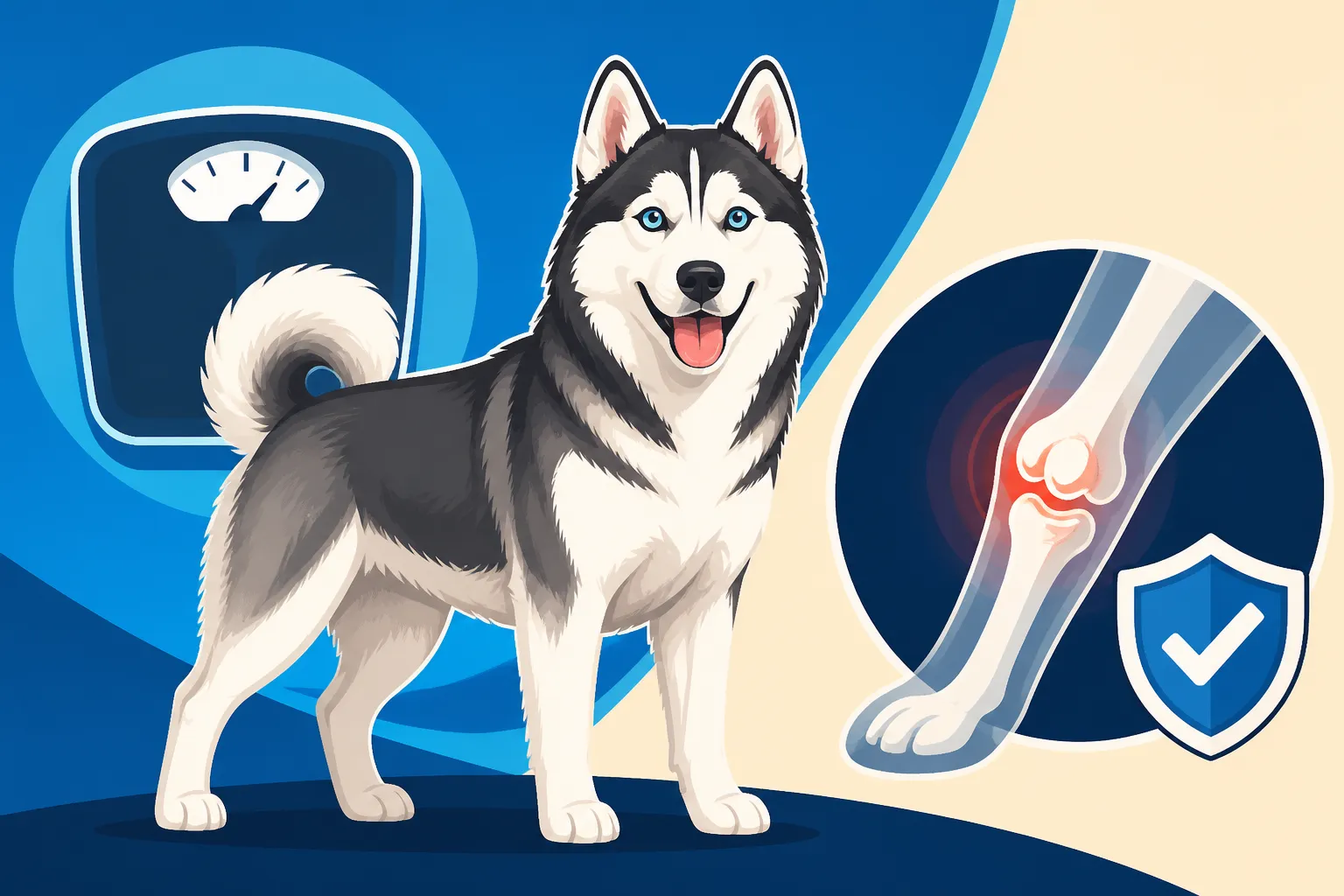
Every extra pound your Siberian Husky carries translates into additional pressure on their joints, particularly the hips, elbows, and knees. Imagine carrying a backpack filled with bricks all day, every day – that's essentially what excess weight feels like to your dog's skeletal system. This constant, undue mechanical stress accelerates the wear and tear on cartilage, the crucial cushioning tissue between bones.
Beyond just physical pressure, obesity creates a pro-inflammatory state in the body. Fat cells aren't just inert storage; they produce inflammatory hormones and chemicals that can further degrade joint cartilage and exacerbate conditions like arthritis. This systemic inflammation means that even joints not directly bearing the brunt of the weight are affected. While Siberian Huskies generally have a lower incidence of hip dysplasia compared to some larger breeds, as explored in Siberian Husky Hips and Why the Rate Is Low, any existing predisposition to joint issues will be significantly worsened and manifest earlier with additional weight.
Early Arthritis and Accelerated Wear
The inflammatory environment created by excess body fat, combined with the sheer mechanical stress, acts as a fast-forward button for the development of arthritis. What might otherwise be minor age-related stiffness in a senior Husky can become debilitating joint pain much earlier in an overweight one. The cartilage, once smooth and resilient, becomes pitted and eroded, leading to bone-on-bone friction.
This accelerated wear doesn't just mean more discomfort for your Husky; it can significantly shorten their active years. An arthritic dog moves less, which leads to muscle atrophy, making them even weaker and more prone to weight gain, creating a vicious cycle. We often hear stories of Huskies who "slow down" prematurely, and while age plays a role, unchecked weight is often a silent culprit. Catching Early Arthritis Signs in a Siberian Husky becomes even more critical when managing their weight effectively.
Weight Management as Preventative Care
Thinking of weight management solely as a response to obesity misses the bigger picture. For Siberian Huskies, it's one of the most powerful forms of preventative healthcare you can offer. By keeping your Husky at their ideal body condition from puppyhood through their senior years, you are actively protecting their joints from unnecessary strain and inflammation. This proactive approach significantly reduces their risk of developing or worsening painful conditions like osteoarthritis.
This isn't just about avoiding costly vet bills and painful treatments down the line, though those are certainly benefits. More importantly, it's about preserving their quality of life. An ideal weight allows your Husky to run, jump, and play with the boundless energy they're famous for, remaining agile and comfortable well into their later years. It delays the onset of mobility issues and enhances their overall well-being, giving you more joyful years together. This long-term commitment is a cornerstone of responsible Husky ownership, and a good pet insurance plan, such as one from Healthy Paws, can help cover unexpected medical costs, reinforcing this preventative mindset.
Nutritional Strategies for Optimal Weight and Joint Support
Feeding a Siberian Husky can feel like a riddle wrapped in an enigma. Their unique metabolic efficiency means that standard feeding recommendations often don't apply. To maintain an ideal weight and support robust joint health, you need a targeted nutritional strategy that goes beyond just pouring kibble into a bowl.
Calorie Control and Appropriate Food Choices
The single most impactful step in weight management for your Husky is precise calorie control. As we've discussed, their bodies are incredibly efficient, meaning they require fewer calories per pound of body weight than many other breeds. The feeding chart on the back of your dog food bag is a general guideline, not a strict rule, and for a Husky, it's often an overestimation. Instead of scooping, consider weighing your Husky's daily food ration using a kitchen scale. This offers far greater accuracy and helps you make small, impactful adjustments.
When choosing food, focus on high-quality formulas with appropriate protein and fat ratios that support lean muscle mass without excessive calories. While the specific brand might vary, look for formulations that list a named meat source as the primary ingredient. Be mindful of treats; even small training rewards add up, and for a breed on a naturally smaller ration, as detailed in Treats Against a Siberian Husky's Small Ration, they can quickly contribute to weight gain. Factor them into their daily caloric intake, or choose low-calorie, healthy options like plain green beans or carrot slices.
Supplements for Joint Health
Even with the best diet and ideal weight, some Huskies can benefit from joint supplements, especially as they age or if they've had a particularly active life. The most common and well-researched supplements for joint health include glucosamine, chondroitin, and Omega-3 fatty acids. Glucosamine and chondroitin are the building blocks of cartilage and can help slow its degradation, while Omega-3s (like EPA and DHA found in fish oil) are powerful anti-inflammatories, crucial for mitigating the inflammation that contributes to joint pain.
Introducing these supplements should always be a conversation with your veterinarian, as they can recommend appropriate dosages and formulations based on your Husky's specific needs, age, and any existing conditions. Many quality dog foods now include these ingredients, but often not in therapeutic quantities, so additional supplementation might be necessary. Starting a joint supplement regimen early, especially for active dogs, can act as another layer of preventative care.
Hydration and Its Role
While often overlooked in discussions about weight and joint health, proper hydration is absolutely vital for your Siberian Husky. Water isn't just for quenching thirst; it's a critical component of every bodily function, including joint lubrication and cartilage health. Cartilage, which cushions the joints, is largely made of water, and adequate hydration helps maintain its elasticity and shock-absorbing capabilities.
Ensure your Husky always has access to fresh, clean water, especially if they are active. Consider placing multiple water bowls around the house and yard, or using a filtered water fountain to encourage drinking. In warmer weather or after strenuous exercise, offer water frequently. Dehydration can lead to stiff muscles, reduced mobility, and indirectly contribute to joint discomfort. Keeping your Husky well-hydrated is a simple yet powerful way to support their overall vitality and the long-term health of their joints.
Exercise, Activity, and Joint Preservation
Siberian Huskies are born athletes, bred for boundless energy and endurance. This inherent drive for activity is fantastic for their physical and mental well-being, but it also means that managing their exercise routine thoughtfully is paramount to preserving their joint health, especially when you consider their robust energy requirements.
Appropriate Exercise for All Life Stages
Finding the right balance of exercise for a Siberian Husky across their different life stages is crucial. Puppies, for instance, have rapidly developing growth plates that are vulnerable to injury from excessive or high-impact activities. While they need plenty of opportunities to play and explore, long, strenuous runs or repeated jumping should be avoided until their skeletal system is mature, typically around 12-18 months. Discussions around Whether Harness Work Damages a Young Husky's Joints highlight the importance of patience and proper development.
For adult Huskies, regular, consistent exercise is non-negotiable. This breed thrives on activity, and a lack of it can lead to boredom, destructive behaviors, and indeed, weight gain. Daily opportunities for vigorous exercise, such as long walks, jogs, or off-leash play in secure areas, are essential. However, it's important to tailor the intensity and duration to the individual dog, taking into account their fitness level, the weather, and any existing joint sensitivities.
As Huskies enter their senior years, their exercise needs will naturally change. While they may still enjoy walks and gentle play, high-impact activities might need to be scaled back. The focus shifts to maintaining mobility and muscle tone without overtaxing their joints. Resources like Caring for a Siberian Husky Past Ten offer invaluable advice on adapting routines for aging companions.
Low-Impact Activities for Joint Longevity
While Huskies love to run, incorporating low-impact activities can significantly contribute to their joint longevity, especially as they mature or if they show any signs of joint stiffness. Swimming is an excellent full-body workout that builds muscle without putting any stress on the joints. Many Huskies enjoy a good splash, making it a fantastic summer activity.
Walking on soft surfaces, such as grass, dirt trails, or sand, is also kinder to joints than hard pavement. If your Husky enjoys canine sports like canicross or bikejoring, ensure they are properly conditioned, warmed up, and cooled down. These activities are great for their mental and physical stimulation but should be approached with caution regarding joint impact, especially on uneven terrain. The goal is to keep them moving and engaged without causing undue wear and tear.
Recognizing and Responding to Joint Pain
Even with the best preventative care, some Huskies may eventually experience joint pain. Being attuned to subtle changes in their behavior and mobility is key to early intervention. Signs of discomfort can include a slight limp after exercise, stiffness upon waking, reluctance to jump into the car or onto furniture, a decrease in their usual enthusiasm for walks, or even unusual grumbling when touched in certain areas. They might also start lagging behind on walks or seem generally less energetic.
If you suspect your Husky is experiencing joint pain, a prompt veterinary visit is essential. Your vet can conduct a thorough examination, possibly recommend imaging like X-rays, and discuss appropriate treatment plans. These might include anti-inflammatory medications, physical therapy, laser therapy, or other modalities. Ignoring early signs of pain can lead to worsening conditions and a reduced quality of life. Discussions on Pain Management for an Arthritic Siberian Husky can offer insight into various options to keep your companion comfortable. Additionally, having a pet insurance plan like Healthy Paws can provide peace of mind, knowing that you're supported in managing chronic conditions or unexpected treatments for joint issues.
Common Joint Issues in Siberian Huskies and Weight Impact
While Siberian Huskies are often lauded for their generally robust health and lower rates of certain hereditary conditions compared to some breeds, they are not immune to joint problems. Understanding these potential issues and how weight plays a critical role in their development and severity is essential for proactive care.
Hip and Elbow Dysplasia Considerations
It's true that Siberian Huskies have a statistically lower rate of hip and elbow dysplasia compared to many other medium to large breeds. This is a blessing, but it doesn't mean they are completely exempt. Even a Husky with genetically sound hips can develop issues if subjected to excessive weight and inappropriate exercise over time. The strain on their joints, especially the hip sockets, can cause laxity and eventually lead to degenerative joint disease.
Regular screenings, such as those that lead to an OFA certification, are important for breeding dogs, and understanding Reading a Siberian Husky's OFA Hip Result can give insights into potential issues. For pet owners, maintaining an ideal body weight is the single most effective preventative measure against exacerbating any underlying joint laxity, whether genetic or acquired. Less weight means less force on the joint, which can delay the onset of symptoms and reduce their severity, preserving their comfortable mobility for much longer.
Luxating Patella and Ligament Tears
Conditions like patellar luxation (where the kneecap slips out of place) and ligament tears, particularly of the cranial cruciate ligament (CCL), can also affect Siberian Huskies. While these are often acute injuries, especially in active dogs, chronic stress from excess weight significantly increases the risk and severity. An overweight Husky's knees are constantly under higher load, making them more susceptible to tears during sudden movements, twists, or even normal activities.
Furthermore, if a Husky already has a mild luxating patella, extra weight will destabilize the joint even further, leading to more frequent and painful luxations. Strong, lean muscle mass around the knee joint is crucial for stability, and excess fat undermines this support. This is particularly relevant for active dogs, where Cruciate Tears in Working Siberian Huskies can be devastating, requiring extensive surgery and recovery. Maintaining a lean physique strengthens the supporting structures around the joints, acting as a natural safeguard.
Spinal Health and Weight
While less commonly discussed in relation to Huskies, spinal health is also profoundly affected by weight. A Husky carrying too much belly fat places additional strain on their lumbar (lower back) spine. This can alter their posture, affecting the alignment of their vertebrae and the health of the intervertebral discs, which act as shock absorbers between the bones. Over time, this chronic stress can contribute to disc degeneration and discomfort.
Maintaining a strong core, which is easier to do at an ideal weight, helps support the spine. When core muscles are weak and a dog is carrying extra weight, the spine bears an undue burden. This is another area where early weight management plays a critical preventative role, helping to ensure that your Siberian Husky maintains a flexible, pain-free back throughout their adventures.
Disclaimer
The information provided in this article is for general informational purposes only and does not constitute veterinary advice. Always consult with a qualified veterinarian for any health concerns or before making any decisions related to your Siberian Husky's health, diet, or exercise regimen.