The Age Siberian Husky Cataracts Show Up
Few things are more heartbreaking for a Siberian Husky owner than noticing a subtle cloudiness developing in their beloved companion's eyes. It often leads to a flurry of panicked internet searches, wondering what it means, and most importantly, when these vision-threatening changes typically begin. This guide aims to shed light on the common ages Siberian Husky cataracts tend to show up, helping you understand the timeline, recognize the signs, and know when it’s time to seek professional help.
Understanding Cataracts in Siberian Huskies: What They Are and Why They Matter
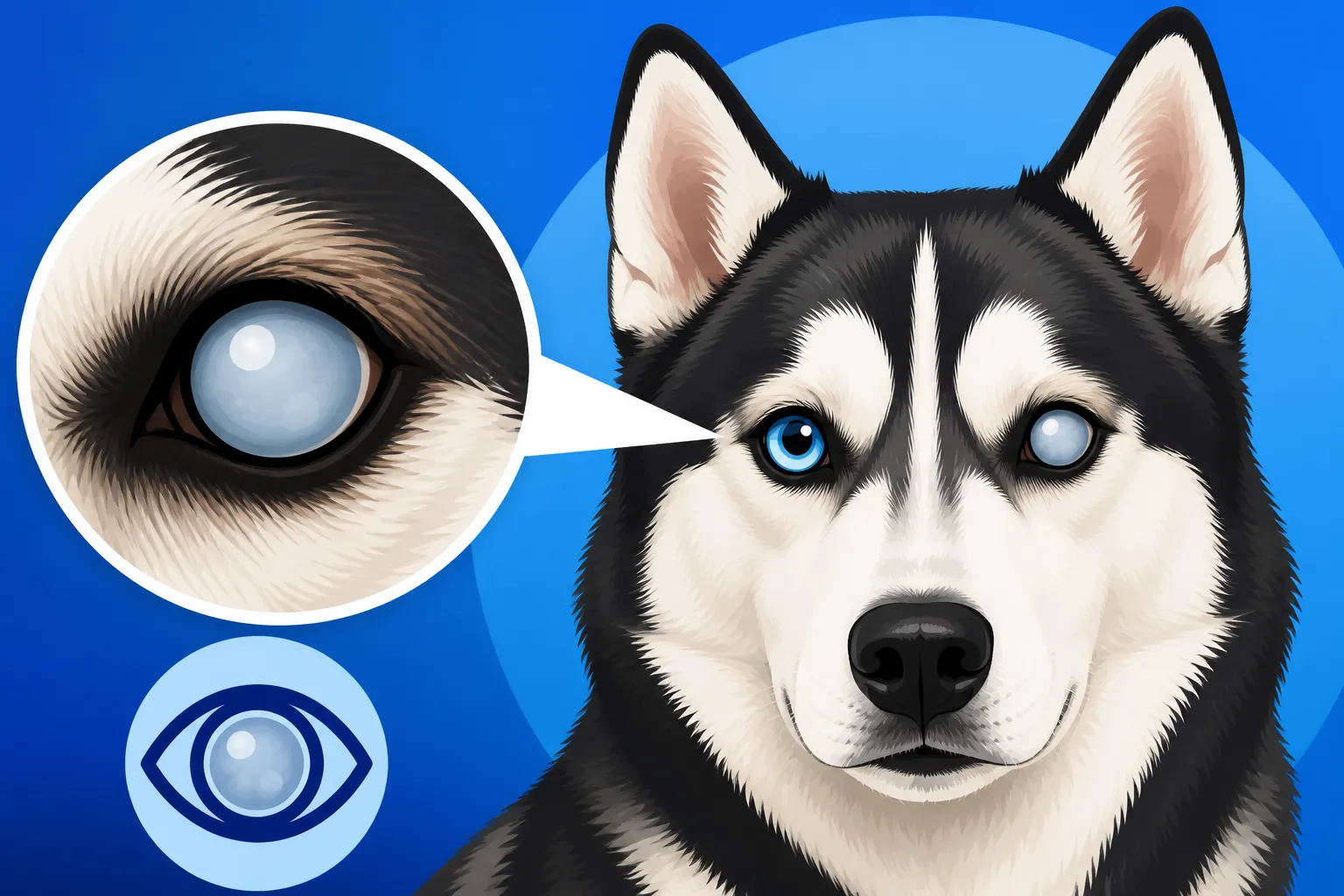
Cataracts aren't just a concern for aging humans; they're a significant eye condition that can affect our canine companions, too, and Siberian Huskies, unfortunately, carry a genetic predisposition. Essentially, a cataract is an opacity or clouding of the lens inside the eye, which normally functions like a clear window to focus light onto the retina. When this lens becomes cloudy, light cannot pass through properly, leading to impaired vision and, if severe enough, blindness.
The impact of cataracts on a Husky’s life can range from barely noticeable, if the clouding is small and peripheral, to profoundly debilitating, especially if both eyes are affected and the opacity is dense. Imagine trying to navigate your daily life through a frosted window; that’s a bit like what a Husky with advanced cataracts experiences. This isn't just about bumping into furniture; it can lead to anxiety, reluctance to move, and a significant reduction in their quality of life, especially for such an active, observant breed. Understanding this fundamental issue is the first step in appreciating why early detection and intervention are so critical for our furry friends.
The Genetic Predisposition in Huskies
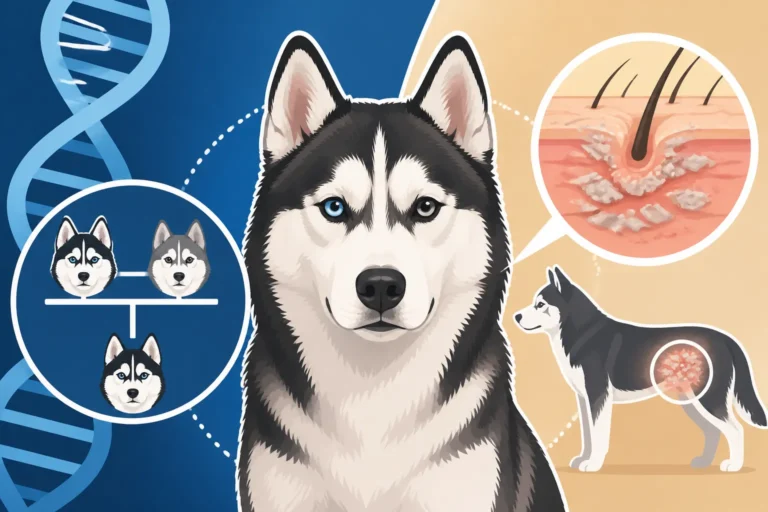
It's a tough pill to swallow, but Siberian Huskies are among the breeds genetically predisposed to developing cataracts. This isn't just bad luck; it's often rooted in their genetic makeup, which means even with the best diet and care, a Husky might still develop them. Researchers have identified certain genetic markers associated with various types of cataracts in different breeds, and in Huskies, both juvenile and adult-onset forms can have a hereditary component. This is why responsible breeders go to great lengths to screen their breeding stock, looking for any signs of eye issues and ideally obtaining OFA Eye Certificates for their dogs.
This genetic link makes routine eye examinations even more crucial for Siberian Huskies than for some other breeds. It’s not just about addressing a problem when it appears; it’s about being proactive. Knowing your Husky's lineage can offer some clues, as cataracts often run in families. If you adopted your Husky from a rescue, historical information might be limited, but regular vet check-ups become your primary defense. This predisposition is a key reason why discussions about Siberian Husky Eye Disease and the Annual Exam are so important within the breed community.
Juvenile Cataracts: The Early Onset Nightmare
When we talk about the age Siberian Husky cataracts show up, juvenile cataracts are often the most alarming for new owners. These aren't cataracts that develop in old age; they appear in young dogs, typically before they reach two to three years old, sometimes even as early as a few months. It's truly an "early onset nightmare" because you're dealing with a potentially blinding condition in a puppy or adolescent dog that has so much life ahead of them.
The presentation of juvenile cataracts can vary. Some might start as small, almost imperceptible dots that don't progress significantly, allowing the dog to maintain good vision. Others can rapidly mature, causing significant vision impairment or even complete blindness in a matter of months. This rapid progression is particularly distressing, as a vibrant, playful puppy can quickly become cautious and disoriented. The emotional toll on owners is immense, as they grapple with the thought of their young Husky losing its sight. This specific type of cataract is often discussed in detail in resources like "Juvenile Cataracts in the Siberian Husky", highlighting its unique challenges.
Pinpointing the Age: When to Expect Cataracts in Your Husky
While juvenile cataracts can appear heartbreakingly early, it's important to remember that cataracts can manifest at various stages of a Siberian Husky's life. It's not a one-size-fits-all timeline, which is why diligent observation and regular veterinary care are absolutely essential throughout your Husky’s lifespan. Understanding these different age windows can help you be more vigilant and prepared.
Early Stages: Before One Year Old
For Siberian Huskies, cataracts appearing before their first birthday are almost always classified as juvenile cataracts. This is a critical period for detection. Owners might first notice a subtle cloudiness, a "milkiness" in the pupil, or a slight change in how light reflects off the eye. Often, this is picked up by a keen-eyed owner, a groomer, or during a routine puppy vet visit. The vet might refer you to a veterinary ophthalmologist, a specialist who can accurately diagnose the type and severity of the cataract.
Sometimes, puppies will have very small, non-progressive cataracts that don't impact vision much at all, and they might even be missed without a thorough eye exam. However, it's the rapidly progressing ones that demand immediate attention. If a Husky puppy starts showing signs like bumping into objects, hesitating on stairs, or being unusually clumsy, especially in dim light, it’s a red flag. These early signs of A Siberian Husky That Hesitates in Dim Rooms could indicate significant vision loss already occurring. Prompt diagnosis is key to understanding the prognosis and discussing potential interventions like surgery, if needed.
Adult Onset and Senior Considerations
Beyond the juvenile stage, Siberian Huskies can develop cataracts later in life, typically in their middle to senior years. This is more akin to what many people imagine when they think of cataracts – a gradual clouding that comes with age. Adult-onset cataracts can begin to appear anywhere from around age 4-5 onwards, though they become more common as a Husky approaches their senior years, often around 8-10 years old. These can also be genetically linked, or they can be secondary to other health issues like diabetes, though diabetes-induced cataracts tend to progress very rapidly.
For older Huskies, it's easy to mistake a cataract for nuclear sclerosis, a normal age-related change where the lens hardens and becomes hazy but doesn't usually impair vision significantly. This distinction is crucial, and only a veterinary professional can definitively tell the difference. This is why even senior Huskies need regular eye check-ups, even if you feel like their vision is "just getting old." Catching these changes early can help manage their comfort and vision for as long as possible. The article on Nuclear Sclerosis Mistaken for a Husky Cataract delves deeper into this common mix-up.
Here's a quick overview of typical cataract onset ages in Siberian Huskies:
| Type of Cataract | Typical Age of Onset | Progression Rate | Common Causes | Visual Impact |
|---|---|---|---|---|
| Juvenile Cataracts | 3 months – 2 years | Variable (fast to slow) | Hereditary, genetic | Can range from mild to severe blindness |
| Adult-Onset Cataracts | 4 – 8 years | Generally slow | Hereditary, age-related | Gradual vision impairment, can lead to blindness |
| Senior Cataracts | 8+ years | Often slow | Age-related, sometimes secondary | Gradual vision impairment |
| Diabetic Cataracts | Any age, rapid onset | Very fast | Secondary to uncontrolled diabetes | Rapid progression to blindness |
Spotting the Signs: Beyond Just Cloudiness
While a cloudy lens is the most direct sign of a cataract, it's not always the first thing an owner notices, especially in the early stages. Often, behavioral changes can be subtle indicators that your Husky's vision is beginning to decline. Because Huskies are so adaptable and often compensate well, these early cues might be easy to miss if you're not paying close attention. It's not about being paranoid, but about being present and observant with your furry family member.
Behavioral Changes That Signal Vision Loss
A Husky's enthusiasm for life can sometimes mask gradual vision loss for a while, but there are definite behavioral shifts that should raise a flag. You might notice your dog:
- Hesitating on stairs or unfamiliar terrain: They might pause, lower their head, or be more reluctant to jump down from surfaces.
- Bumping into furniture or walls: This becomes more apparent in new environments or when furniture has been rearranged. At home, they often have a "mental map" that allows them to navigate even with poor vision.
- Difficulty finding toys or food: Especially if they're not in the exact spot your Husky expects them to be.
- Changes in play style: They might be less inclined to chase fast-moving objects, or miss them entirely. Fetch might become less enthusiastic.
- Increased startle reflex: A Husky with vision loss might be easily startled by sudden movements or unexpected touches, as they can't see things approaching.
- Reluctance to go out in dim light or at night: This is a classic sign, as cataracts significantly reduce night vision. You might find yourself walking them only during daylight hours because they seem so uncomfortable in the dark.
- More clingy or anxious: Losing vision can be disorienting and frightening, making some Huskies seek more reassurance from their owners.
If you observe a cluster of these behaviors, even without obvious cloudiness, it's time to consult your veterinarian. Early detection of Spotting a Cloudy Lens in a Siberian Husky is paramount, but behavioral changes can be equally telling.
Differentiating Cataracts from Other Eye Conditions
One of the trickiest parts of noticing a "cloudy eye" is knowing if it's truly a cataract or something else entirely. As mentioned, nuclear sclerosis in older dogs can look very similar. This is a common, benign aging change where the lens becomes denser and hazy, but usually doesn't severely affect vision. It's often mistaken for cataracts, causing undue worry for owners. A general veterinarian can sometimes distinguish between the two, but an ophthalmologist can do so definitively using specialized equipment.
Beyond nuclear sclerosis, other conditions can cause eye cloudiness or vision issues that might be confused with cataracts:
- Corneal Dystrophy: This is an inherited condition in Huskies that causes white, grey, or crystalline opacities on the cornea (the outer surface of the eye), not the lens. While it can look similar to a cataract from a distance, it's a completely different issue. You can learn more in "Corneal Dystrophy in the Siberian Husky".
- Glaucoma: This is a painful condition caused by increased pressure inside the eye. It can lead to a cloudy appearance due to corneal edema (swelling) and can cause rapid vision loss. This is an emergency and presents differently than cataracts, often with a red, painful eye and rapid onset. You might also want to read about Glaucoma as a Siberian Husky Emergency.
- Progressive Retinal Atrophy (PRA): This is a genetic disease affecting the retina, leading to blindness, often initially in dim light and progressing to full blindness. While it doesn't cause a cloudy lens, the symptoms of vision loss can be similar to early cataracts. Importantly, PRA can sometimes co-occur with cataracts, making diagnosis more complex. For more information, consider "Progressive Retinal Atrophy in Siberian Huskies".
This is precisely why seeing a specialist, rather than relying on self-diagnosis, is crucial. An accurate diagnosis ensures your Husky gets the correct treatment, which might be very different depending on the underlying cause.
What to Do: Next Steps When You Suspect Cataracts
Discovering that your Siberian Husky might have cataracts can be overwhelming, but panicking won't help. The most important thing is to take proactive, informed steps to ensure your dog receives the best possible care. Remember, you are your Husky's advocate, and navigating veterinary options effectively is part of that responsibility. Even if you have pet insurance like Healthy Paws, understanding the process is key.
The Importance of a Veterinary Ophthalmologist
If your regular veterinarian suspects cataracts, the very next step should be a referral to a board-certified veterinary ophthalmologist. While your general vet is fantastic for routine care, eye conditions, especially those with genetic components like cataracts in Huskies, require specialized expertise and equipment. An ophthalmologist has the tools and training to:
- Confirm the diagnosis: They can distinguish true cataracts from other conditions like nuclear sclerosis or corneal dystrophy.
- Determine the type and maturity of the cataract: This is crucial for prognosis and treatment planning. They can tell you if it's a juvenile, adult-onset, or senile cataract, and whether it's incipient (early), immature, mature (complete opacity), or hypermature (lens begins to shrink and leak).
- Assess overall eye health: They'll check for other concurrent eye diseases that Huskies are prone to, such as glaucoma or Progressive Retinal Atrophy in Siberian Huskies.
- Discuss treatment options: Depending on the type and severity, they can advise on whether surgery is an option, what the prognosis for vision might be, and what conservative management entails. This is where topics like Cataract Surgery on a Siberian Husky become very relevant.
Don't delay this specialist visit. The earlier a cataract is properly diagnosed, especially in young Huskies, the better the chances for successful intervention if surgery is recommended. When considering the costs, having pet insurance like Healthy Paws can be a real lifeline for these specialized treatments.
Living with and Managing Cataracts
Not all cataracts require surgery, and sometimes, for various reasons, surgery isn't an option. In these cases, managing your Husky's vision loss and ensuring their quality of life becomes the priority. This involves a combination of environmental adjustments and ongoing care:
- Maintain a consistent environment: Avoid rearranging furniture or making drastic changes to your home layout. Your Husky will create a mental map of their surroundings.
- Use consistent verbal cues: Announce your presence when approaching, especially if they're sleeping. Use clear verbal cues for stairs, turns, and obstacles during walks.
- Safety first: Keep your Husky on a leash in unfamiliar areas. If they are completely blind, ensure your yard is secure, perhaps adding extra barriers to prevent them from getting into dangerous situations.
- Scent and sound cues: Use distinct scents (like vanilla extract on furniture corners) or sound cues (wind chimes near doors) to help them navigate.
- Specialized equipment: Harnesses with handles can help you guide them. Halo vests can protect their head from bumping into things.
- Regular vet check-ups: Even without surgery, ongoing monitoring by your primary vet and ophthalmologist is vital to catch any secondary issues like inflammation or glaucoma. This is where a robust insurance plan, such as one from Healthy Paws, can help manage long-term care costs.
- Mental stimulation: Don't let vision loss stop their active minds. Scent games, puzzle toys, and familiar walks in safe areas are still valuable.
Deciding Whether a Siberian Husky Cataract Can Be Left Alone is a complex decision, weighing the dog's comfort, quality of life, and the owner's resources. Living with a Husky who has vision impairment requires patience and dedication, but these resilient dogs can often adapt remarkably well, especially with a loving and supportive family guiding them every step of the way. Understanding what changes in a Caring for a Siberian Husky Past Ten might also involve dealing with age-related vision decline, so these strategies are useful across different life stages.
Disclaimer
This article is intended for informational purposes only and does not constitute veterinary advice. Always consult with a qualified veterinarian or veterinary ophthalmologist for any health concerns or before making any decisions about your Siberian Husky's care.