The Age Siberian Husky Seizures Usually Begin
Watching your Siberian Husky suddenly collapse, convulse, or act strangely can be one of the most frightening experiences a dog owner faces. It's a moment of pure panic, often leaving you feeling helpless and desperate for answers. This guide is here to walk you through what to expect regarding the typical age seizures begin in Siberian Huskies, how to recognize different types, and how to approach diagnosis and long-term management to help your beloved companion live the best possible life.
Understanding the Typical Onset of Seizures in Siberian Huskies
It's a heartbreaking reality that Siberian Huskies, like many other breeds, can be predisposed to seizures, particularly a condition known as idiopathic epilepsy. When we talk about "idiopathic," it simply means the cause isn't definitively known, but it's often suspected to have a genetic component. The most frustrating part for many owners is that these seizures don't just appear out of the blue in old age; they often start when your Husky is still quite young, which can be incredibly unsettling.
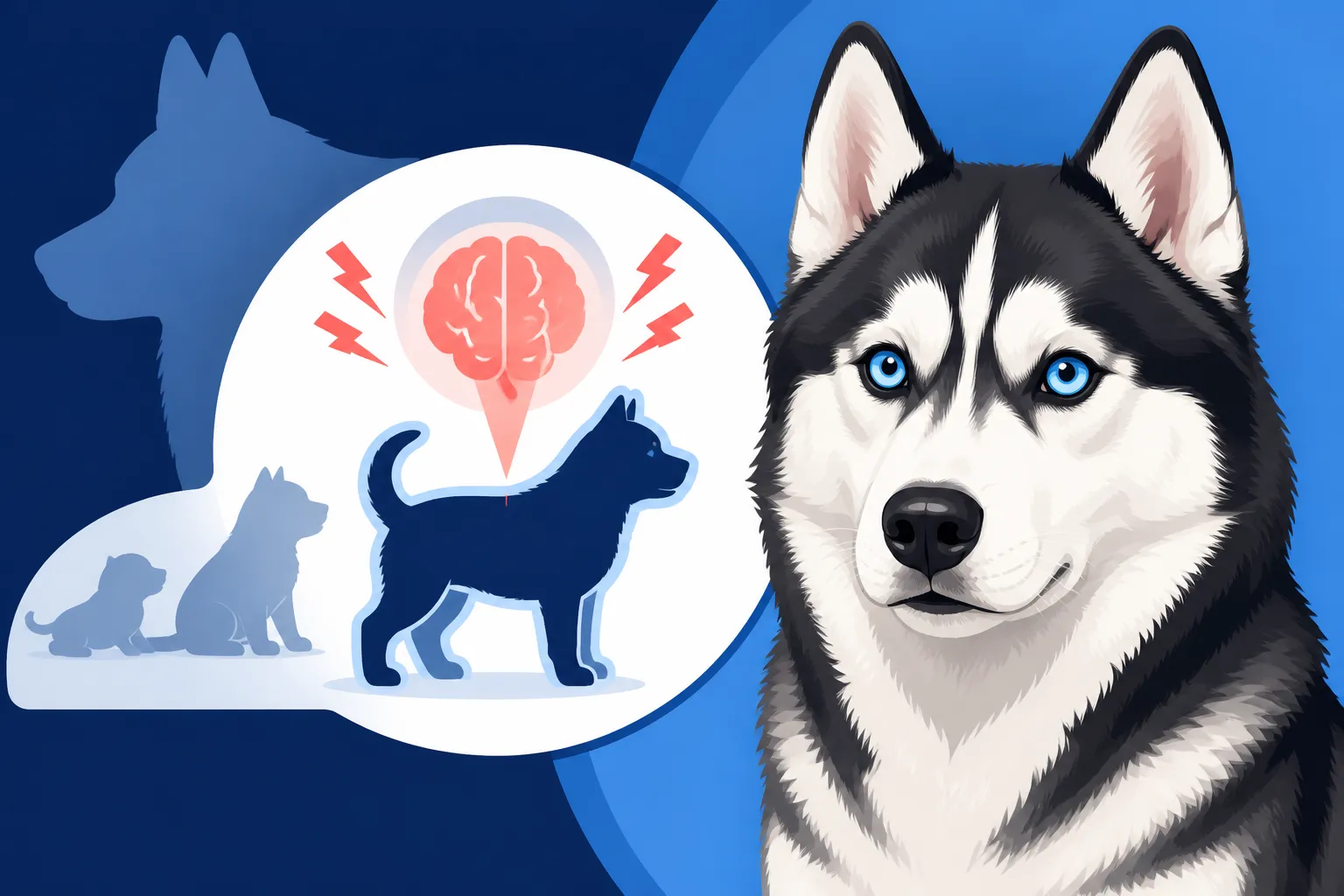
For most Siberian Huskies diagnosed with idiopathic epilepsy, the first seizure typically occurs between six months and six years of age. This is a critical window for owners to be especially vigilant. Imagine you've got a boisterous young Husky, full of life, tearing around the park, and then suddenly, at 18 months, they have their first episode. It's a shock. You might initially dismiss it as an odd fainting spell or a reaction to something, but if it happens again, that's when the alarm bells truly start ringing. While this six-month to six-year range is the most common, it's important to remember that seizures can occur outside of this window. Very rarely, a puppy might have a seizure earlier due to congenital issues, or an older Husky might develop them later due to other underlying health problems like brain tumors, liver disease, or kidney failure. But for the vast majority of cases linked to idiopathic epilepsy, that youthful to early-adult stage is when you're most likely to see the first signs.
It’s truly disheartening to think that your vibrant young Husky could be facing a lifelong condition before they’ve even fully matured. This common onset age often coincides with a period when Huskies are at their peak energy, making the sudden vulnerability even more stark. Owners often report feeling a profound sense of unfairness, questioning what they could have done differently, or if they missed any signs. Knowing this typical age range, however, empowers you to be more prepared and to seek veterinary attention promptly if you notice any unusual episodes in your Husky during these crucial years. Early detection and management are key to improving their quality of life.
Recognizing Different Types of Seizures and Their Signs
Not all seizures look the same, and understanding the various ways they can manifest in your Siberian Husky is crucial for providing accurate information to your veterinarian. It’s not always the dramatic, full-body convulsions you might see in movies; sometimes, the signs are much more subtle and easily missed, especially with a breed as notoriously quirky and independent as a Husky.
Generalized (Grand Mal) Seizures
These are what most people picture when they think of a seizure, and they are definitely the most distressing to witness. A generalized seizure involves both sides of the brain and typically affects the entire body. Your Husky might suddenly collapse, lose consciousness, and exhibit rigid limbs followed by paddling motions or violent muscle contractions. They may also vocalize, chew excessively, drool profusely, urinate, or even defecate. These episodes usually last from a few seconds to several minutes.
Think of it this way: one moment your Husky, say a handsome silver-and-white male named Koda, is happily chewing on a bone, and the next he's fallen to his side, his body stiffening, then thrashing uncontrollably. His eyes might be wide and vacant, and he's completely unresponsive to your voice. After the main event, which feels like an eternity but is often only 1-3 minutes, Koda might enter what's called the "post-ictal" phase. This can last for minutes to hours, or even days. During this time, he might be disoriented, confused, walk in circles, bump into things, be temporarily blind, extremely tired, or even unusually hungry or thirsty. It's truly heartbreaking to see them so utterly lost and vulnerable. Observing the entire sequence, from the initial aura (if any) to the post-ictal phase, is vital for your vet. This kind of information is what helps veterinarians differentiate between various neurological issues. If you have any concerns about your Husky's health, including potential seizures, it's always best to consult with a professional. You might also want to research Siberian Husky Vet Visits by Life Stage to understand what typical check-ups involve at different ages.
Focal (Partial) Seizures
These seizures are much trickier to spot because they involve only a specific part of the brain and manifest as localized or subtle symptoms. They don't always involve a loss of consciousness, or the consciousness may be impaired rather than fully lost. Imagine your Husky, Luna, suddenly starts twitching just one side of her face, or one leg starts to tremble uncontrollably. Maybe she keeps snapping at imaginary flies, or she repeatedly licks the air for no apparent reason. These are all signs of focal seizures.
Sometimes, a focal seizure can "generalize" and escalate into a grand mal seizure, which makes early recognition of these more subtle signs even more critical. It’s like a quiet tremor before an earthquake. You might notice subtle behavioral changes that are out of character for your Husky, such as unusual anxiety, obsessive licking, or staring blankly into space. Because Huskies are known for their unique personalities and sometimes quirky behaviors, owners might initially dismiss these subtle signs as "just being a Husky." However, if these behaviors are new, repetitive, or happen in clusters, it's definitely worth noting and discussing with your vet. A good record of these episodes, even if they seem minor, can provide invaluable clues for diagnosis.
Psychomotor Seizures
These are perhaps the most bewildering for owners, as they primarily affect a Husky's behavior and can be confused with other issues. Psychomotor seizures often involve complex, repetitive, and often purposeless behaviors. Your Husky might suddenly start running around frantically, chasing its tail, growling at an invisible threat, or acting aggressively or fearfully without a clear trigger. They might seem "zoned out" or unresponsive during these episodes.
For instance, your usually friendly Siberian Husky, Balto, might suddenly snap at you when you try to pet him, or he might pace ceaselessly, fixated on a spot on the wall. These behaviors are not conscious decisions; they are involuntary actions resulting from abnormal brain activity. The key here is that the behavior is unusual for your dog and often has no logical explanation in the immediate environment. Because these can look so much like behavioral problems, it’s vital to consider a seizure as a possibility, especially if they align with that typical onset age range. Documenting these unusual behaviors, including how long they last and what seems to trigger or precede them, is extremely important for your vet to rule out other conditions and pursue a correct diagnosis. Remember, any sudden, unexplained shift in your Husky's usual demeanor warrants investigation.
Here's a quick reference table to help differentiate seizure types:
| Seizure Type | Key Characteristics | Consciousness | Duration | Post-Ictal Phase Common? |
|---|---|---|---|---|
| Generalized | Collapse, loss of consciousness, full-body convulsions (rigidity, paddling), drooling, urination/defecation. | Lost | Seconds to mins | Yes, pronounced |
| Focal (Partial) | Localized twitching (face, limb), snapping at air, repetitive movements, staring, unusual licking, mild disorientation. | Impaired or maintaned | Seconds to mins | Possible, less pronounced |
| Psychomotor | Complex, repetitive, purposeless behaviors (pacing, tail chasing, aggression/fear), unresponsive. | Impaired or maintaned | Minutes to hours | Possible |
What to Do During and After Your Husky's Seizure
Witnessing your Siberian Husky have a seizure is incredibly traumatic, and your first instinct might be to rush to them, hold them, or try to "wake them up." However, during the actual event, your primary role is to ensure their safety and your own, then carefully observe what's happening.
Immediate Actions During a Seizure
First and foremost, stay calm – as much as you possibly can. Panicking won't help your Husky. Your main goal is to prevent them from injuring themselves.
- Clear the Area: Gently move any furniture, sharp objects, or anything your Husky could hit or fall onto. If they are near stairs, water, or other hazards, try to safely move them to a more open, padded space, like the middle of a rug or bed. Do NOT try to put your hands near their mouth or pull their tongue. They are not "swallowing their tongue," and you risk a severe bite.
- Time the Seizure: This is absolutely critical information for your vet. Use a stopwatch or your phone to record the exact duration of the convulsive phase. A seizure lasting longer than 5 minutes, or multiple seizures occurring close together without full recovery in between (cluster seizures), is a veterinary emergency.
- Observe and Document: While timing, try to make mental notes or even take a brief video (from a safe distance) if possible. Note things like:
- What were they doing just before it started (the "pre-ictal" phase or aura)? Were they anxious, seeking attention, restless?
- What did the seizure look like? Did it affect the whole body or just one side? Were there paddling motions, stiffening, drooling, vocalizations, urination, or defecation?
- What happened immediately after (the "post-ictal" phase)? Confusion, blindness, excessive hunger/thirst, disorientation, extreme tiredness?
- Keep Them Cool (if possible): During a prolonged seizure, a dog's body temperature can rise. If the seizure is lasting more than a couple of minutes, you can carefully place a cool, damp cloth on their paws or neck, but only if you can do so without putting yourself at risk. Do not restrict their breathing or force anything into their mouth.
Once the seizure activity stops, your Husky will likely enter the post-ictal phase. This is where they start to regain some awareness but are often profoundly disoriented and exhausted. Give them space but stay nearby. Talk to them gently in a calming voice. Offer them water once they seem able to drink without difficulty, and guide them to a comfortable, quiet place to rest. Avoid overwhelming them with too much fuss or activity. It’s a very vulnerable time for them. If this is the first seizure, or if it's longer/different than usual, contact your vet immediately. Even if it's a known condition, a call to update them is often a good idea. Understanding Siberian Husky Seizures and Idiopathic Epilepsy is crucial for preparing yourself for potential future events.
When to Seek Immediate Veterinary Care
While every seizure warrants a call to your vet, some situations demand immediate emergency attention:
- Status Epilepticus: A single seizure lasting longer than 5 minutes. This is life-threatening and requires urgent veterinary intervention to stop the brain activity.
- Cluster Seizures: Two or more seizures occurring within a 24-hour period, with incomplete recovery of consciousness between episodes. This also constitutes a medical emergency.
- New Onset Seizures: If your Husky has never had a seizure before, it's always an emergency, even if it was short. There could be an underlying cause that needs immediate investigation.
- Changes in Seizure Pattern: If your Husky's known epilepsy suddenly changes in frequency, duration, or severity, it warrants an immediate vet visit.
It's a scary thought, but being prepared can make all the difference. Many owners find peace of mind with pet insurance like Healthy Paws, which can help cover the costs of emergency visits and diagnostic tests. It’s definitely something to consider if you're concerned about unexpected health issues. Understanding What Siberian Husky Emergency Visits Run can help you budget for potential unforeseen medical needs.
Diagnosing and Managing Epilepsy in Your Siberian Husky
Once your Siberian Husky experiences a seizure, the journey to understanding and managing their condition truly begins. This often involves a series of veterinary visits, diagnostic tests, and potentially lifelong medication. It's a commitment, but one that allows your Husky to live a full and happy life despite their diagnosis.
The Diagnostic Process
Diagnosing epilepsy in a Siberian Husky, especially idiopathic epilepsy, isn't as straightforward as running a single test. It's often a process of exclusion, meaning your vet will work to rule out other possible causes for the seizures first.
- Thorough Veterinary Examination: Your vet will start with a comprehensive physical and neurological exam. They'll ask you a lot of questions about the seizure itself – everything you observed, how long it lasted, what your Husky was doing before and after, and any other changes in behavior or health. This is why your meticulous notes are so important!
- Blood Work and Urinalysis: These tests are crucial for ruling out metabolic issues that can cause seizures, such as liver disease, kidney failure, low blood sugar (hypoglycemia), or electrolyte imbalances. For example, if your Husky's liver isn't functioning correctly, toxins can build up in the bloodstream and affect brain function. Certain infectious diseases can also be identified through blood tests.
- Advanced Imaging (MRI/CT Scans): If routine blood work is normal and your vet suspects a structural problem in the brain, they might recommend an MRI (Magnetic Resonance Imaging) or CT (Computed Tomography) scan. These imaging techniques can detect things like brain tumors, inflammation (encephalitis), stroke, or congenital abnormalities that could be causing seizures. This is a significant step, both diagnostically and financially, but can be crucial for ruling out serious underlying conditions. Having pet insurance like Healthy Paws can be incredibly beneficial here, as these advanced diagnostics can be quite expensive. You can also learn more about Siberian Husky Thyroid and Autoimmune Disease, as some autoimmune conditions can have neurological impacts.
- Cerebrospinal Fluid (CSF) Analysis: In some cases, if inflammation or infection of the brain and spinal cord is suspected, a CSF tap might be performed. This involves collecting a small sample of fluid surrounding the brain and spinal cord for analysis.
- Genetic Testing: For Siberian Huskies, while a specific "epilepsy gene" isn't widely available for all forms of epilepsy, genetic predispositions are recognized. While not always definitive for diagnosis, it can sometimes offer insights, especially for breeders. If all other causes are ruled out, and your Husky falls within that 6-month to 6-year onset window, a diagnosis of idiopathic epilepsy is often made. It’s important to remember that even without a "cure," epilepsy is manageable.
Long-Term Management and Medication
Managing epilepsy in a Siberian Husky typically involves medication, regular monitoring, and a strong partnership with your vet. The goal isn't necessarily to eliminate seizures entirely, but to reduce their frequency, severity, and duration to improve your Husky's quality of life.
- Anti-Epileptic Drugs (AEDs): The most common treatment involves daily anti-epileptic medications, such as phenobarbital, potassium bromide, levetiracetam (Keppra), or zonisamide. The choice of medication and dosage will depend on your Husky's individual case, including their seizure frequency, side effects, and response to treatment. Your vet will start with a low dose and gradually increase it until seizure control is achieved, while minimizing side effects. It’s a delicate balance. You can read more about specific treatments in Medication for a Siberian Husky With Epilepsy.
- Regular Monitoring and Blood Tests: Once medication begins, regular blood tests are necessary to monitor drug levels (ensuring they are within a therapeutic range) and to check for potential side effects on organs like the liver and kidneys. This might mean blood tests every few months, especially in the beginning. It's a continuous process of fine-tuning and adjustment, which can be a source of frustration for owners who just want their dog to be "fixed."
- Seizure Log: Keep a detailed log of every seizure: date, time, duration, type, and any observations. This log is invaluable for your vet to assess the effectiveness of the medication and make informed adjustments.
- Lifestyle Adjustments: While not a direct treatment, certain lifestyle factors can help. Identifying and avoiding potential seizure triggers (like extreme stress, certain foods, or even loud noises) can be beneficial, though often difficult to pinpoint. Providing a consistent routine, a calm environment, and appropriate exercise (while being mindful of potential overheating, which can sometimes trigger seizures) are all important. If your Husky works in harness, you might wonder Whether an Epileptic Siberian Husky Can Still Work.
- Emergency Medication: Your vet might prescribe an emergency medication, often a rectal or oral gel (like Midazolam or Diazepam), to administer at home if your Husky has a prolonged seizure (status epilepticus) or cluster seizures. This can be a lifesaver, giving you a tool to use before you can get to the emergency vet.
Living with an epileptic Siberian Husky means being proactive and observant. It's a journey, not a sprint, and there will be good days and bad days. But with proper veterinary care, consistent medication, and your unwavering love and attention, your Husky can still lead a happy, fulfilling life. The financial aspect of managing a chronic condition like epilepsy can be daunting, but many owners find that a robust pet insurance plan, particularly one from a reputable provider like Healthy Paws, can significantly ease the burden of ongoing medication, specialist visits, and emergency care, allowing them to focus on what truly matters: their Husky's well-being. Looking into Keeping a Siberian Husky Insured Past Ten might also be wise, as epilepsy is often a lifelong condition.
Disclaimer
The information provided in this article is for general informational purposes only and does not constitute veterinary advice. Always consult with a qualified veterinarian for any health concerns or before making any decisions related to your Siberian Husky's health or treatment.