Burying Fence Wire Against a Digging Siberian Husky
Oh, the sheer determination of a Siberian Husky with a digging mission! If you're reading this, chances are you've experienced the heart-sinking moment of finding a fresh tunnel under your fence, or perhaps you're preemptively trying to outsmart your future furry escape artist. It's a common frustration for Husky owners: these dogs are master excavators, and a simple fence often isn't enough to keep them safely contained. This guide is all about giving you the battle plan and practical steps to install buried fence wire, turning your yard into a fortress that even the most dedicated Husky digger will respect.
Understanding the Siberian Husky's Drive to Dig
Before we even talk about shovels and wire, let's get real about why your Siberian Husky might be turning your beautifully landscaped yard into a moonscape. It's not just naughtiness; it's instinct, pure and simple. These aren't just pets; they are descendants of ancient working dogs bred for endurance and problem-solving in extreme environments.
First off, Huskies were bred to work, and that includes a powerful prey drive. If they spot a squirrel, a rabbit, or even a leaf blowing just right on the other side of the fence, their instinct can kick in. That little critter isn't just a nuisance; it's a challenge, and digging under a fence is often the quickest way to give chase. Many owners lament a Siberian Husky That Chases Backyard Squirrels, and that chase instinct often starts with digging.
Secondly, Huskies are masters of self-regulation when it comes to temperature. Their incredible double coats keep them warm in freezing conditions, but in hotter climates or during summer months, digging a cool den in the earth is their natural air conditioning. It's a survival mechanism, and it feels good to them. They'll dig down to that cooler soil, creating a little underground sanctuary, even if it's right next to your prized petunias.
And then there's the sheer boredom and boundless energy. A bored Siberian Husky is a destructive Siberian Husky. If they're not getting enough physical or mental stimulation, they'll find their own "jobs"—and digging is often high on that list. It's stimulating, it's challenging, and it helps them burn off some of that incredible energy. This can also manifest in other destructive ways, like a Siberian Husky That Destroys Furniture indoors. They are intelligent dogs, but their intelligence can be a double-edged sword when channeled into escape artistry.
Finally, let's not forget the independent and exploratory nature of the breed. They love to roam. It's in their DNA to cover vast distances. A fence, to a Husky, is often just a suggestion, a puzzle to be solved. If they see an opportunity, they'll take it. That tiny gap under the gate, that slightly loose panel, or that soft spot in the soil near the corner? They'll find it, and they'll exploit it. This is why Siberian Huskies That Dig Under Fences is such a common complaint among owners.
Planning Your Anti-Digging Defense: Materials and Preparation
So, you understand the "why," now let's tackle the "how." Creating a dig-proof barrier requires careful planning and the right materials. This isn't a quick fix, but a robust solution will save you countless headaches and potential heartbreak down the line.
Choosing the Right Barrier Material
When it comes to blocking those determined paws, not all wires are created equal. You want something sturdy enough to withstand persistent digging and the elements, but also safe for your dog.
- Chicken Wire (Poultry Netting): While readily available and inexpensive, chicken wire is often not the best choice for Huskies. It's relatively thin, easily bent, and can rust quickly. A determined Husky can chew through it or bend it out of shape in no time. It might deter a small, less motivated dog, but for a Husky, it's often more of a temporary inconvenience than a true barrier.
- Hardware Cloth: This is a much better option. It's typically galvanized steel wire mesh, stronger and more rigid than chicken wire. It comes in various gauges (thicknesses) and mesh sizes. For a Husky, look for a heavier gauge (like 16 or 14 gauge) and a smaller mesh size (1/2-inch or 1-inch squares). This prevents them from getting their noses through and offers a more robust barrier against digging and chewing. It's more expensive than chicken wire but worth the investment for its durability.
- Hog Panel/Cattle Panel: These are heavy-duty, rigid wire panels, typically used for livestock. They are incredibly strong and virtually impossible for a Husky to bend or chew through. However, they are much more difficult to work with due to their rigidity and size, and they might not be aesthetically pleasing for a residential fence. They are best suited for kennel runs or specific problem areas rather than an entire fence line.
- Concrete or Pavers: For truly persistent diggers, or specific escape points like gates, burying a strip of concrete or laying heavy pavers along the fence line can be an ultimate solution. This is more labor-intensive and costly but provides an unyielding barrier.
For most owners looking to fortify an existing fence, hardware cloth is usually the sweet spot between effectiveness, cost, and ease of installation. You might find many of the necessary tools and materials, from heavy-duty wire to wire cutters, readily available online through retailers like Chewy.
| Barrier Material | Pros | Cons | Husky Effectiveness |
|---|---|---|---|
| Chicken Wire | Inexpensive, easy to cut | Flimsy, easily bent/chewed, rusts quickly | Low |
| Hardware Cloth | Strong, durable, resistant to chewing, rust-resistant (galvanized) | More expensive, harder to cut | High |
| Hog/Cattle Panel | Extremely strong, rigid, chew-proof | Difficult to install, unattractive for some yards, expensive | Very High |
| Concrete/Pavers | Indestructible, permanent solution | High cost, labor-intensive, permanent | Ultimate |
Essential Tools and Safety First
Once you've chosen your material, gather your tools. Good preparation makes the job much smoother:
- Shovel: A sturdy digging shovel and a trenching shovel (narrow blade) will be incredibly helpful.
- Wire Cutters: Heavy-duty ones are a must, especially for hardware cloth.
- Work Gloves: To protect your hands from sharp wire edges and blisters.
- Zip Ties or Hog Rings and Pliers: To securely attach the new wire to your existing fence. Hog rings offer a more secure and durable attachment.
- Tape Measure: For accurate cutting and placement.
- Mallet or Hammer: For pounding in stakes or securing the wire if needed.
- Safety Glasses: Always protect your eyes when cutting wire.
- Utility Line Markers: Before you dig, always call your local utility location service (like 811 in the US) to mark underground lines. The last thing you want is to hit a gas line or electrical conduit.
Consider your own physical limits. Digging a trench around an entire yard is a significant undertaking. Don't be afraid to break it up into sections or enlist help. This project, while crucial for containing a Husky, can be a real workout!
Step-by-Step Guide to Burying Fence Wire for Your Husky
Now for the hands-on part. This method focuses on creating an "L-footer" or trench barrier, which is highly effective against diggers.
Step 1: Clear the Fence Line
First, you need a clear workspace. Remove any bushes, weeds, or debris growing directly along your fence line. This isn't just for ease of digging; plants can also provide cover for a Husky's digging attempts or even damage your fence over time. Rake back any loose soil or mulch to expose the ground level.
Step 2: Digging the Trench
This is the most labor-intensive step. You need to dig a trench along the entire perimeter of your fence, on the inside of the yard.
- Depth: Aim for at least 12-18 inches deep. The deeper, the better, as it makes it harder for your Husky to tunnel underneath.
- Width: The trench should be wide enough to accommodate the wire and allow you to work. About 6-8 inches is usually sufficient.
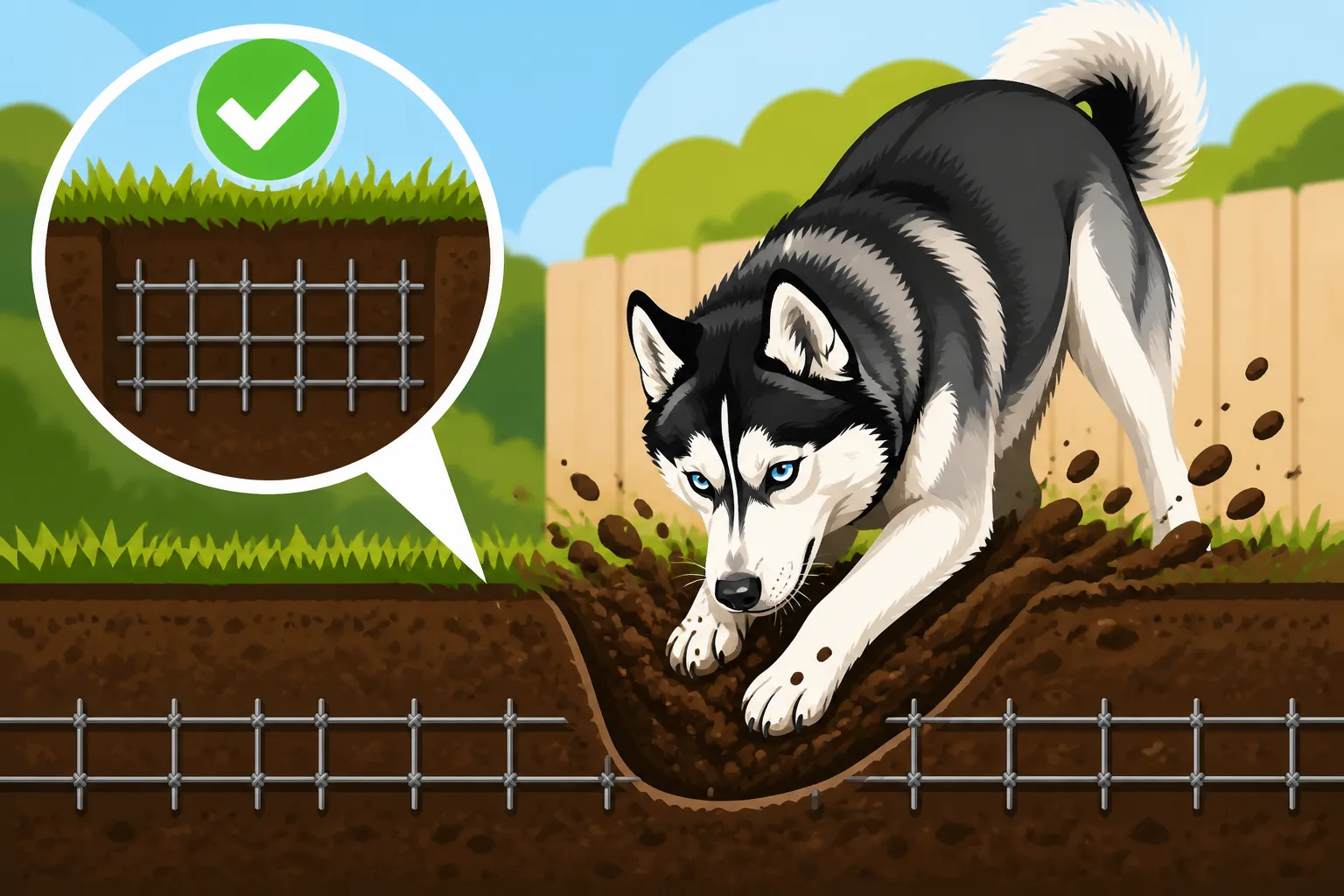
- The "L-Footer" Angle: This is the clever part. Instead of just burying the wire straight down, you want to create an "L" shape. Dig the trench 12-18 inches deep, but then also extend the bottom of the trench horizontally away from the fence for another 12-18 inches. Imagine an L-shaped cross-section, with the vertical part of the L against the fence and the horizontal part pointing inwards into your yard. This horizontal "foot" makes it almost impossible for a Husky to dig directly down and under the barrier because they'll hit the wire horizontally first, discouraging them.
Step 3: Attaching the Barrier Wire
Once your trench is ready, it's time to install the hardware cloth (or your chosen wire).
- Cut the Wire: Measure the height of your fence from the top of the ground plus the depth and horizontal extension of your trench. For example, if your fence is 6 feet tall, and your trench is 18 inches deep with a 12-inch horizontal foot, you'll need wire that's approximately 6 feet + 18 inches + 12 inches = 90 inches tall (7.5 feet). You'll typically buy wire in rolls, so cut sections to manageable lengths.
- Secure to the Fence: Lay the wire into the trench with the vertical portion flush against your existing fence. The horizontal "foot" should extend inward into your yard, resting on the bottom of your L-shaped trench.
- Attach: Use heavy-duty zip ties or, even better, hog rings and pliers, to securely attach the top edge of the hardware cloth to the bottom of your existing fence. Space attachments every 6-12 inches to ensure there are no gaps for your Husky to push through. Make sure the wire is taut and well-connected to prevent any weak spots. Pay extra attention to corners and gate areas, as these are often prime escape routes. For dogs that are also adept at Siberian Huskies That Open Gates and Doors, you might need extra reinforcement here.
Step 4: Backfill the Trench
With the wire securely in place, it's time to fill the trench back in.
- Compaction: Shovel the excavated soil back into the trench, compacting it thoroughly as you go. You can use your shovel, your feet, or even a tamper to pack the soil down tightly. The goal is to make it firm and stable, so your Husky can't easily dig it back out.
- Check for Sharp Edges: As you backfill, double-check that no sharp edges of the hardware cloth are protruding above ground level where your Husky could step on them or get cut. Bury all edges safely.
- Consider Reinforcement: For extra peace of mind, especially in high-traffic digging areas, you can lay heavy rocks, bricks, or even a thin layer of concrete over the horizontal "foot" of the wire before covering it with soil. This creates an even more formidable barrier.
Step 5: Test and Supervise
Even with the best fortifications, a Husky will test boundaries. Once your buried wire is installed, bring your Husky out on a leash and observe their behavior along the fence line. Praise and reward them for ignoring the fence or for trying to dig and giving up. For those first few weeks, it's essential to maintain a high level of Supervising a Siberian Husky in an Unfenced Yard, even if it feels "fenced," to ensure the new barrier holds.
Maintaining Your Husky-Proof Fence and Ongoing Strategies
Installing buried fence wire is a significant step, but it's part of an ongoing strategy to keep your clever Husky contained and happy. A fence, no matter how robust, is only one piece of the puzzle.
Regular Inspections Are Key
Siberian Huskies are persistent. What they can't go under, they might try to go through or over. Regularly walk your fence line, checking for any new digging attempts, loose attachments, or signs of wear and tear on the wire. Look for:
- Freshly dug holes: Even if they don't get through, it indicates a target area.
- Bent or damaged wire: Repair or reinforce immediately.
- Loose fence posts or panels: A wobbly fence is an invitation to escape.
- New escape routes: Huskies can be surprisingly creative. They might find a spot you missed, or create a new weak point over time.
Remember, even the best physical barriers can be compromised if not maintained. This is why some owners consider additional measures like Coyote Rollers on a Siberian Husky Fence to prevent climbing.
Address the Root Causes of Digging
A secure fence buys you time and peace of mind, but it doesn't always address why your Husky is digging. Boredom and excess energy are major contributors to destructive behaviors like digging, chewing through drywall, or even Replacing Doors a Siberian Husky Has Scratched Through.
- Exercise, Exercise, Exercise: These dogs are built to run. A tired Husky is a good Husky. Ensure your dog gets ample physical activity every single day. This could mean long walks, runs, hikes, or even canine sports like canicross or bikejoring. Find out How Much Exercise a Siberian Husky Really Needs for their age and activity level.
- Mental Stimulation: Don't forget their brains! Puzzle toys, training sessions, and interactive games can help tire them out mentally. For those times you can't be actively supervising, enrichment toys from Chewy can help stave off boredom-induced digging.
- Training and Boundaries: While you can't train away a natural instinct, you can train your Husky to understand boundaries. Teach a "leave it" cue for digging specific spots. Consistently redirect unwanted digging to a designated digging pit (if you choose to have one).
- Comfort and Health: Sometimes, excessive digging can be a sign of discomfort, like trying to cool down or dealing with allergies. Ensure your Husky has access to plenty of fresh water and shade, especially in warmer weather. Ensuring your Husky is well-fed with a high-quality diet, perhaps even a fresh food option like Ollie, can also contribute to their overall well-being and reduce anxiety-driven behaviors. Regular vet check-ups are always a good idea to rule out underlying health issues.
- Pet Insurance: Accidents happen, even with the best fences. An escaped Husky can face many dangers, from traffic to encounters with other animals. While a good fence helps prevent costly vet visits from escape-related injuries, having pet insurance like Healthy Paws can give you peace of mind for the unexpected, especially considering the potential costs if What Happens When a Siberian Husky Slips a Collar and gets into trouble.
Burying fence wire is a fantastic step toward creating a secure environment for your Siberian Husky. It’s an investment of time and effort, but the peace of mind knowing your adventurous companion is safe in their yard is truly priceless.
Disclaimer
This article is for general informational purposes only and does not constitute professional advice. Laws, prices and regulations vary by location and change over time. Consult a qualified professional for guidance on your specific situation.