The Siberian Husky Costs Owners Never Expect
Bringing a Siberian Husky into your life is an incredible adventure, full of joy and hilarious antics, but many new owners are completely blindsided by the financial realities that extend far beyond the initial purchase price or adoption fee. This guide will walk you through the unexpected costs of Siberian Husky ownership, preparing you for the unique challenges and expenses that often surprise even experienced dog owners.
The True Cost of Containment: Beyond the Fence
You might think you've budgeted for a sturdy fence, perhaps a nice six-footer, and that's the end of it. But with a Siberian Husky, containment is less about a single investment and more about an ongoing battle of wits and wallet. Their inherent drive to roam, explore, and escape means your initial measures might just be the starting point, leading to a cascade of unexpected expenses that protect both your Husky and your peace of mind.
Reinforcing the Perimeter: Diggers and Climbers
Siberian Huskies are master escape artists. Many owners install a six-foot fence, only to discover their clever Husky can clear it with surprising ease. But even more common is the digger. Huskies are built to dig in snow, but they'll happily apply that skill to dirt, creating tunnels under fences with alarming speed. An L-footer, which is an extension of fencing buried horizontally underground along the fence line, often becomes a necessary addition, and that's an extra cost you likely didn't factor in initially. This isn't just about extra materials; it's about the labor, or your own sweat equity, to dig a trench around your entire yard.
Then there's the climber. Some Huskies will find any purchase point – a leaning tree, a stacked woodpile, or even just the mesh of a chain-link fence – and scale it like a furry mountaineer. This might mean removing attractive climbing aids or investing in "coyote rollers" at the top of your fence, rotating bars that prevent them from getting a grip to pull themselves over. These additions are effective, but they certainly weren't in the original "fence budget." Don't forget, The Six-Foot Fence a Siberian Husky Needs is just the starting point; it's the added fortifications that really add up.
Gate Security and Home Defense
It’s not just the fence line itself; your gates are prime escape routes. Huskies are smart, and many quickly learn to manipulate standard latches. We're talking about dogs who can nudge, lift, or even slide bolts with their noses and paws. Owners often find themselves installing multiple, complex locking mechanisms on gates – heavy-duty carabiners, key-locked deadbolts, or even padlocks – which add up, especially if you have several gates. Furthermore, if your Husky gets bored and decides to "renovate" your home, you could be looking at Replacing Doors a Siberian Husky Has Scratched Through or mending torn-out window screens. The unexpected cost of a destroyed door frame after your Husky decided to chew its way out of the mudroom is a harsh reality for many.
Beyond physical barriers, there’s the cost of technology. Many Husky owners invest in high-quality GPS collars because, let's face it, even the most secure yard can fail. A GPS collar can be a lifesaver, helping you track your Houdini-hound if they do make an escape. Brands like Fi and Tractive offer excellent options, but these come with a device cost and a monthly subscription fee, adding another layer to your yearly expenses. It's a small price to pay for peace of mind compared to the panic of a lost dog and the potential What a Lost Siberian Husky Costs to Recover in fines, shelter fees, or even legal fees if their escape causes trouble.
Health Curveballs: When Routine Care Isn't Enough
While Siberian Huskies are generally a healthy breed, they do have a few breed-specific health quirks that can lead to surprisingly high veterinary bills. These aren't always major, life-threatening conditions, but they can be chronic and require ongoing management, adding significant and unexpected financial strain over their lifespan.
Eye Care Beyond the Annual Exam
Most puppies get a basic vet check-up, but a Siberian Husky really needs specialized eye care. It's not just about catching issues early; it's about managing conditions that can develop or worsen over time. Siberian Husky Eye Disease and the Annual Exam isn't just a suggestion; it's a critical part of responsible ownership. Conditions like juvenile cataracts, corneal dystrophy, or progressive retinal atrophy (PRA) can manifest, and while some are manageable, others may require expensive surgeries or lifelong medication. An appointment with a veterinary ophthalmologist costs significantly more than a regular vet visit, and if your Husky develops a chronic condition, those specialist visits can become a semi-regular occurrence.
Imagine your Husky developing glaucoma, a painful and rapidly blinding condition. Glaucoma as a Siberian Husky Emergency requires immediate, aggressive treatment, often involving specialized drops and potentially surgery, all of which come with a hefty price tag that most general pet insurance plans might only partially cover if it's considered a pre-existing condition. Even if it's covered, the co-pays and deductibles can still be substantial. Investing in a robust pet insurance policy, like those offered by Healthy Paws, is something many Husky owners eventually realize they should have done much earlier, just for peace of mind regarding these potential eye-related emergencies.
Zinc-Responsive Dermatosis: A Lifelong Supplement
One of the more unique and often surprising health issues for Huskies is Zinc-Responsive Dermatosis in the Siberian Husky. This isn't an allergy; it's an inherited inability to properly absorb zinc from their diet, even if they're eating high-quality food. It manifests as crusting, scaling skin, often around the eyes, mouth, and pressure points, and it can be incredibly uncomfortable for your dog. Diagnosing it can involve biopsies and specialized testing, which are additional vet costs.
Once diagnosed, the treatment is typically lifelong zinc supplementation. This isn't just a one-time purchase of a bottle of pills. It's a monthly or bi-monthly expense that, over your Husky's ten-to-fourteen-year lifespan, really adds up. While the individual cost of zinc supplements might seem small, the cumulative effect can be surprising. And getting the dosage right often requires trial and error under veterinary supervision, meaning more check-ups and potential blood tests to monitor zinc levels and ensure you're not over-supplementing, which can also cause health problems. It's a perfect example of a chronic, manageable condition that most new owners have never even heard of.
Living With a Land Shark: Managing Husky Destruction
Siberian Huskies, especially when bored or under-exercised, can be incredibly destructive. They aren't trying to be bad; they're simply channeling their immense energy and intelligence into an activity, and that activity often involves chewing, digging, and generally redecorating your home and yard. The costs associated with mitigating this behavior, or repairing the damage, can quickly become astronomical.
Home Renovations by Your Husky
Many articles talk about "crate training" a puppy, but with a Husky, it's often more about "Husky-proofing" the crate itself. These dogs are powerful, resourceful, and relentless. Owners frequently report their Huskies bending crate bars, breaking out of plastic crates, or even chewing through metal ones. Investing in a heavy-duty, escape-proof crate made from thick gauge wire or even a professional-grade kennel can be a significant upfront cost, but it's often a necessity for their safety and your sanity. Crates a Siberian Husky Cannot Break Out Of are not cheap, but they are far less expensive than emergency vet visits for ingesting foreign objects or replacing chewed-up furniture.
Beyond the crate, your home itself might need an overhaul. Those beautiful hardwood floors? Husky nails, if not meticulously maintained, can leave scratches and gouges that require expensive refinishing. Carpets can be dug at, shredded, or stained. Even walls can fall victim to a bored or anxious Husky who decides drywall makes a great chew toy. Considering Flooring That Survives Siberian Husky Nails might seem extreme before you own one, but after experiencing the damage, many owners realize it's a wise investment. These aren't just minor repairs; they can be major home renovation projects that you never anticipated.
The Endless Shed and Grooming Needs
Oh, the hair! Everyone knows Huskies shed, but until you live with one, you can't truly grasp the sheer volume. They "blow" their undercoat twice a year, turning your home into a winter wonderland of white, fluffy tumbleweeds, regardless of the season. This isn't just an inconvenience; it can impact your HVAC system, requiring more frequent filter changes, and your vacuum cleaner, potentially burning out motors on lesser models. Many owners find themselves upgrading to high-powered vacuums designed for pet hair, another unexpected cost.
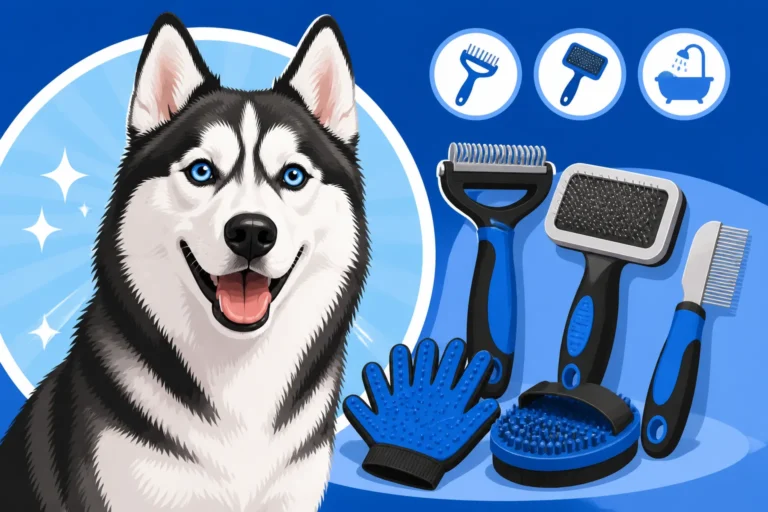
While you can manage some of the shedding yourself with good grooming tools, many owners opt for professional de-shedding services, especially during coat blow season. Professional De-Shedding for a Siberian Husky can cost a pretty penny per session, but it can significantly reduce the amount of hair in your home and on your clothes. These sessions often involve specialized baths, high-velocity dryers to blast out the loose undercoat, and professional raking. While you can buy a high-velocity dryer for home use, it's another significant investment. If you're buying pet food or supplies from places like Chewy, remember to factor in their wide range of grooming tools, from undercoat rakes to force dryers, which become essential items.
The Investment in a Well-Adjusted Husky: Training & Gear
The independent and intelligent nature of a Siberian Husky, while endearing, often means they need more specialized and consistent training than many other breeds. This isn't about teaching basic obedience; it's about working with a highly instinctual animal, and that can lead to unexpected costs in professional help and specialized equipment.
Mastering the (Elusive) Recall
The number one rule for Siberian Husky owners is often, "Never trust a Husky off-leash." This isn't hyperbole; it's a reality rooted in their history. They were bred to run for miles, often without direct human supervision, and their prey drive is strong. Teaching a Siberian Husky to Come Back requires immense patience, consistency, and often, high-value rewards. Standard kibble won't cut it when a squirrel or another dog is in sight. You'll find yourself buying expensive, smelly, delicious training treats – freeze-dried liver, cheese, hot dogs – in quantities you never imagined. These aren't just occasional treats; they're essential tools for motivation during training sessions.
When your own efforts aren't enough, you might turn to professional trainers who specialize in primitive breeds or working dogs. These trainers understand the Husky mindset and can offer strategies that differ greatly from traditional obedience classes. Such specialized training comes with a higher price tag than basic puppy classes, but it's often crucial for building a reliable recall, even if it's only reliable in controlled environments. The investment can save you from the heartbreak and cost of a lost dog.
Specialized Gear for Exercise and Control
Because of their immense pulling power and escape artist tendencies, standard collars and leashes often aren't sufficient for a Husky. You'll likely find yourself investing in martingale collars, which prevent them from slipping out when they pull back, or front-clip harnesses, which discourage pulling without causing discomfort to their throat. These specialized pieces of equipment are often more durable and thus more expensive than generic options, but they are vital for safe walks.
Furthermore, if you truly want to give your Husky the exercise they crave and were bred for, you might explore harness sports. This means investing in specialized gear for activities like canicross (running with your dog), bikejoring (cycling with your dog), or even dog scootering. This equipment includes specific harnesses designed for pulling, bungee lines to absorb shock, and specialized belts or attachments for you. These are not cheap, but they are essential for safely engaging your Husky's natural instincts. Many owners eventually realize Harness Sport Gear a Siberian Husky Owner Buys is a necessary component to a truly happy and well-exercised Husky, which in turn reduces destructive behavior and makes them a better housemate. Ollie, a brand known for its fresh dog food, also emphasizes the importance of proper nutrition to fuel active dogs, something that becomes even more critical when your Husky is regularly participating in demanding sports.
Disclaimer
This article is for general informational purposes only and does not constitute professional advice. Laws, prices and regulations vary by location and change over time. Consult a qualified professional for guidance on your specific situation.