Why a Siberian Husky Never Comes Off the Line
If you’ve ever found yourself calling your Siberian Husky over and over, only to watch them glance back with a mischievous gleam in their eye before bounding off into the distance, you know the unique frustration. It’s not just a little annoying; it's genuinely terrifying, leaving you with a knot in your stomach as you picture all the dangers your adventurous pup might encounter. This guide isn't here to scold you; it's here to validate your struggles and deeply explore why "off-leash freedom" is a fantasy for most Huskies, offering realistic insights and practical strategies for managing and working with this incredible, yet challenging, breed.
Understanding the Siberian Husky's Instinct to Roam
To truly grasp why your Siberian Husky seems to have an innate desire to be anywhere but by your side when off-leash, we need to go back to their roots. These dogs weren't bred to be companion animals in the modern sense; they were bred for a specific, demanding job that required incredible stamina, independence, and a drive to cover vast distances.
The Deep-Rooted History of Distance Running
Imagine the frozen tundras of Siberia, centuries ago. The Chukchi people, a nomadic tribe, relied heavily on these dogs not just for companionship, but for survival. Their primary role was to pull light loads over immense distances in harsh, unforgiving conditions. This wasn't a job for a dog that constantly looked back for direction or waited for a "stay" command. It was a job for a dog that could read the terrain, make independent decisions, and keep moving forward, often for miles on end, without human intervention. This ingrained instinct to travel long distances, coupled with a remarkable ability to find their way back home (eventually, sometimes), is hardwired into their DNA. It’s not disobedience; it’s literally what they were designed to do. When your Husky bolts, they’re not being spiteful; they're simply responding to thousands of years of selective breeding that tells them: "Run!" This historical context is vital to understanding The Roaming Instinct Bred Into Every Siberian Husky.
The Thrill of the Chase and Why It Overrides Everything
Beyond the sheer joy of running, Siberian Huskies possess a formidable prey drive. This isn't just about catching squirrels; it's a deep, primal urge to pursue anything that moves and looks like potential game. A blowing leaf, a distant jogger, a bird taking flight, or even another dog playing in the distance can flip a switch in your Husky's brain. Once that switch is flipped, their ears might as well be glued shut. The sound of your desperate calls becomes mere background noise, drowned out by the internal siren song of the chase.
This powerful instinct is a fundamental part of their genetic makeup. In their ancestral lands, catching small game might have been crucial for supplementing their diet or even for their human companions. Modern Huskies may be well-fed, but that doesn't erase the ancient programming. This drive often overrides any learned obedience, especially if the reward of the chase (the sheer excitement, the potential capture) is perceived as far greater than any treat or praise you could offer. It’s a rush for them, an exhilarating experience that eclipses everything else. This is why even well-trained Huskies can surprise their owners by suddenly ignoring commands when a high-value distraction appears.
The "What's Over That Hill?" Mentality
Siberian Huskies are naturally curious explorers. Their world is vast and full of fascinating smells, sounds, and sights just begging to be investigated. This isn't a breed content to stick to a familiar path; they want to see what's around the next bend, what scent trail leads into the woods, or what new patch of grass holds exciting possibilities. This insatiable curiosity fuels their desire to range far and wide. For them, every outing is an adventure waiting to unfold, and staying rigidly by your side often feels like missing out on the best parts.
When unleashed, this curiosity can lead them far afield remarkably quickly. They might follow a scent for an incredible distance, completely forgetting their human at the other end of the park. This isn't malicious; it's simply their inherent drive to explore, to satisfy that deep-seated need to see what's just beyond the horizon. They get so engrossed in their own exploration that they genuinely seem to forget they have an owner. This "what's over that hill?" mentality is a powerful force, often stronger than any bond or training, especially in an open, stimulating environment.
Why Traditional Recall Methods Often Fail Huskies
Many owners approach recall training with methods that work perfectly for other breeds, only to find them utterly ineffective with a Siberian Husky. This isn't a reflection of the owner's skill or the dog's intelligence, but rather a fundamental mismatch between breed instincts and conventional training techniques.
The Husky's Unique Motivations (or Lack Thereof for "Come!")
For many dog breeds, human approval, a squeaky toy, or a standard dog biscuit is enough to motivate a swift return. Not so with a Siberian Husky. They are famously independent thinkers, and their motivations are often highly specific and context-dependent. A typical "come" command, accompanied by a piece of kibble, might work in a quiet living room, but pit that against the irresistible scent of a rabbit or the thrill of an open field, and you'll quickly find yourself outbid.
Huskies weigh their options constantly. What's the value of returning to you versus the value of continuing their current adventure? If your reward isn't compelling enough, or if the "fun" they're having is too high-stakes, they will almost always choose the latter. This isn't being "stubborn" in a human sense; it's a practical, self-serving assessment of the most rewarding option available to them at that moment. The key is to find rewards that truly compete with the allure of freedom, which often means something far more exciting than a simple treat. Consider what might truly motivate them; for some, it's a high-value, stinky piece of cheese, for others, an intense game of tug, or even a mad dash back to you in a burst of playful energy. This independent nature makes The Recall a Siberian Husky Will Actually Give You a very unique challenge.
The Independence Streak That Defies Obedience
Siberian Huskies are intelligent, but not in the biddable, eager-to-please way of a Golden Retriever or a Border Collie. They were bred to work cooperatively with humans, yes, but also to think for themselves when leading a sled team. A lead dog couldn't wait for constant instructions; it had to navigate storms, avoid hazards, and maintain pace. This fostered a profound independence that is still very present in the breed today. They listen, they process, and then they decide if your idea is better than theirs.
This independence often manifests as a selective hearing when off-leash. They aren't necessarily ignoring you out of defiance, but rather out of a deep-seated belief that they know best or that their current pursuit is simply more important. This is a dog that will happily run with you, but rarely for you. Expecting unwavering, immediate obedience in an open environment, especially from a young or undertrained Husky, is often setting yourself up for disappointment. It requires a significant paradigm shift in how owners approach training, moving away from command-and-control and towards building a partnership based on mutual respect and understanding of their unique drives.
Distractions vs. Rewards: An Uneven Playing Field
The modern world is a sensory overload, and for a Siberian Husky, every sniff, every sound, every movement is a potential distraction. From the distant scent of deer to the rustle of leaves, or even just the novel texture of a new patch of ground, their world is vibrant and endlessly interesting. When a Husky is off-leash, these distractions are amplified, often overwhelming any pre-programmed desire to return to their human.
Think of it like this: your "come" cue and a treat are a polite whisper in a crowded, booming concert hall of sensory input. The concert itself – the chase, the smells, the freedom – is far louder and more captivating. For a Husky, the rewards of exploring and pursuing are inherently self-reinforcing. Every step they take away from you is a reward, every new scent a prize. To compete with this, your recall reward needs to be incredibly high-value and delivered consistently and enthusiastically. Simply put, for most Huskies, the natural world offers a far more enticing "reward" than anything you might carry in your treat pouch. This is particularly true when considering Whether Siberian Husky Recall Holds Under Chase.
The Practical Dangers of a "Loose" Husky
It's easy to romanticize the idea of a Husky running free, a majestic animal embracing its natural instincts. However, the reality of an unleashed Siberian Husky, especially one with a questionable recall, is often fraught with grave dangers, not just for the dog, but for the community and the owner as well.
The Unseen Hazards of Running Free
While the open road might call to a Husky, it's a dangerous place. Traffic, unfortunately, is the number one killer of escaped dogs, and a fast-moving, color-blind (to some extent, compared to humans) Husky is highly vulnerable. They don't understand the concept of a speeding car or a busy intersection. Beyond vehicles, there are countless other perils:
- Other animals: Unfriendly dogs, territorial wildlife (like coyotes or even bears in some areas), or livestock can all pose serious threats. A Husky's prey drive can lead them into conflict with farm animals or even result in them being injured by a protective wild animal.
- Environmental dangers: Open bodies of water (which can pose a hypothermia risk or drowning if they get stuck), poisonous plants, hidden traps, discarded food items that could be toxic, or even getting lost in rough terrain are all very real possibilities. A Husky's incredible cold tolerance doesn't make them immune to all environmental dangers.
- Getting trapped or injured: They might get caught in fences, fall into ditches, or injure themselves on sharp objects. A broken leg or worse can happen in an instant.
The speed and endurance that make Huskies so remarkable also mean they can cover How Far a Loose Siberian Husky Travels in an incredibly short amount of time, putting them out of sight and into danger before you can even react.
Legal and Community Consequences of Escape
Beyond the direct risks to your Husky, a runaway dog can create significant problems for you as an owner and for your community.
- Animal Control & Fines: Most municipalities have leash laws, and a loose dog can result in substantial fines, impoundment fees, and even mandatory behavioral classes. Repeat offenders can face escalating penalties.
- Property Damage: A wandering Husky might accidentally (or intentionally, driven by curiosity) cause damage to property, dig up gardens, or get into garbage cans.
- Public Safety Concerns: Even if your Husky is friendly, a large, fast-moving dog running loose can be intimidating or even frightening to people, especially children, elderly individuals, or those with a fear of dogs. This can lead to complaints and further interventions from authorities.
- Harm to Other Pets or Livestock: Due to their strong prey drive, a loose Husky might injure or kill smaller domestic animals (like cats or chickens) or livestock. This can lead to significant financial liability for the owner, not to mention the emotional distress caused to the victim's family. Such incidents can result in severe legal consequences, including being deemed a "dangerous dog."
The burden of responsibility falls squarely on the owner. Owning a Siberian Husky means accepting their unique challenges and ensuring their containment and safety, not just for their well-being, but for the safety and peace of mind of the wider community.
The Emotional Toll on Owners
Let's be real, the emotional rollercoaster of a runaway Husky is absolutely draining. The moment you realize your Husky is gone, a cold dread washes over you. Panic sets in, followed by frantic searching, yelling their name until your voice is hoarse, and feeling utterly helpless. The fear of what might happen to them – getting hit by a car, getting into a fight, getting lost forever – is overwhelming.
Then comes the guilt. Did I do enough? Should I have trained them more? Was that leash securely fastened? This self-blame, even when you've done everything right, is a heavy burden. And when they finally do return, often hours later, covered in mud and looking utterly pleased with themselves, there's a mix of immense relief and exasperated anger. This cycle can be incredibly stressful and damaging to the bond you share. Many Husky owners live with a constant underlying anxiety when their dog is outside, knowing that one slip, one lapse, could lead to disaster. It makes enjoying walks or outdoor activities a tense experience rather than a relaxing one. The stories of owners searching for days, sometimes weeks, for their escaped Huskies are heartbreaking and underscore the profound What Losing a Siberian Husky Costs not just financially, but emotionally.
Strategies for Managing a Husky Who Won't Come When Called
Since a perfectly reliable off-leash recall is often an unrealistic goal for most Siberian Huskies, the focus shifts from "training them not to run away" to "managing their environment so they can't run away." This involves a multi-pronged approach that respects their instincts while prioritizing their safety and your peace of mind.
Embracing the Long Line as a Lifestyle
If letting your Husky run free isn't an option, and it often isn't, the long line becomes your best friend. A long line (think 15 to 50 feet of sturdy webbing) allows your Husky to experience the joy of exploration, sniff new things, and run with a sense of freedom, all while remaining safely connected to you. It's not a compromise; it's a responsible way to meet their exercise and mental stimulation needs without putting them in harm's way.
Start by introducing the long line in a safe, open area, like a large, securely fenced field. Let them drag it at first to get used to the feel. Then, hold the end and practice walking with it, letting them range as far as the line allows. You'll quickly learn how to manage the line, avoiding tangles and snags. This is also an excellent tool for practicing recall in a controlled manner; when you call them and they hesitate, you can gently reel them in, rewarding them enthusiastically when they reach you. Brands like those found on Amazon offer a wide variety of durable long lines in different lengths and materials, so you can find one that suits your strength and your Husky's enthusiasm. Remember to use a well-fitting harness, not a collar, when on a long line to prevent neck injuries if they hit the end of the line at speed. Learning Starting Long Line Work With a Siberian Husky is a game-changer.
Secure Containment: Fortifying Your Perimeter
Your yard, your car, and even your home are all potential escape routes for a determined Husky. You need to think like a Husky to outsmart a Husky.
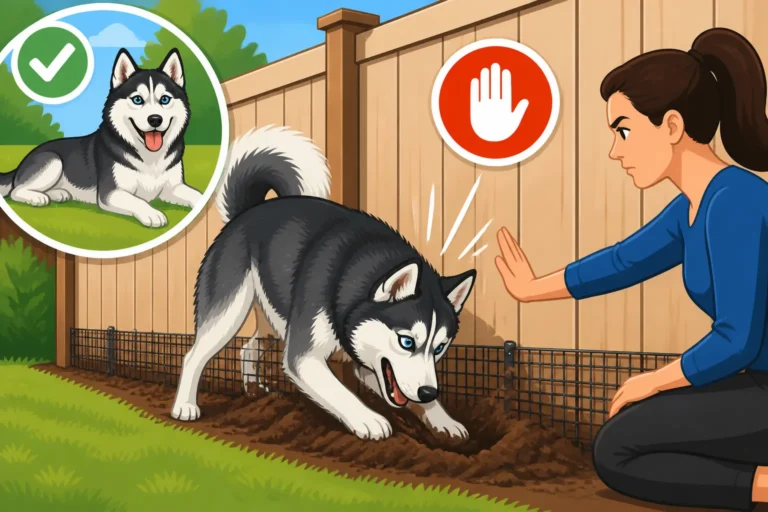
- Fencing: The standard six-foot fence that holds most dogs often isn't enough for a Siberian Husky. They are known climbers, jumpers, and diggers. For true security, you're looking at an eight-foot fence, or a six-foot fence with coyote rollers or inward-sloping extensions at the top to deter climbing. More importantly, the fence needs to extend underground to prevent digging. Burying chicken wire or a similar barrier at least 1-2 feet deep, extending outwards in an L-footer shape, can make a huge difference. Six-Foot Fences and the Siberian Husky That Climbs are often just a suggestion for these escape artists.
- Gates: Latches need to be secure and ideally Husky-proof. Many Huskies learn to open simple latches, so consider double-latching mechanisms, carabiners, or even padlocks. Always ensure gates close and latch properly behind you.
- Doors and Windows: Never underestimate their intelligence. Some Huskies learn to open doors. Child-proof latches or even heavy-duty door locks might be necessary. Keep windows secured, especially if they have screens that a bored Husky could easily tear through.
- Car Safety: A loose Husky in a car is a recipe for disaster. Always secure your Husky in a crash-tested crate or with a safety harness and seatbelt attachment when traveling.
- Crates: For times when you cannot supervise them, a durable, secure crate is invaluable. Choose a heavy-gauge wire crate or even a solid plastic one that they cannot bend or chew their way out of. Many Huskies are "crate escape artists," so invest in quality.
Constantly check your yard for weak points. A loose board, a newly dug hole, or a forgotten open gate can be all it takes for your Husky to embark on their next grand adventure.
Channeling Their Energy Through Harness Sports
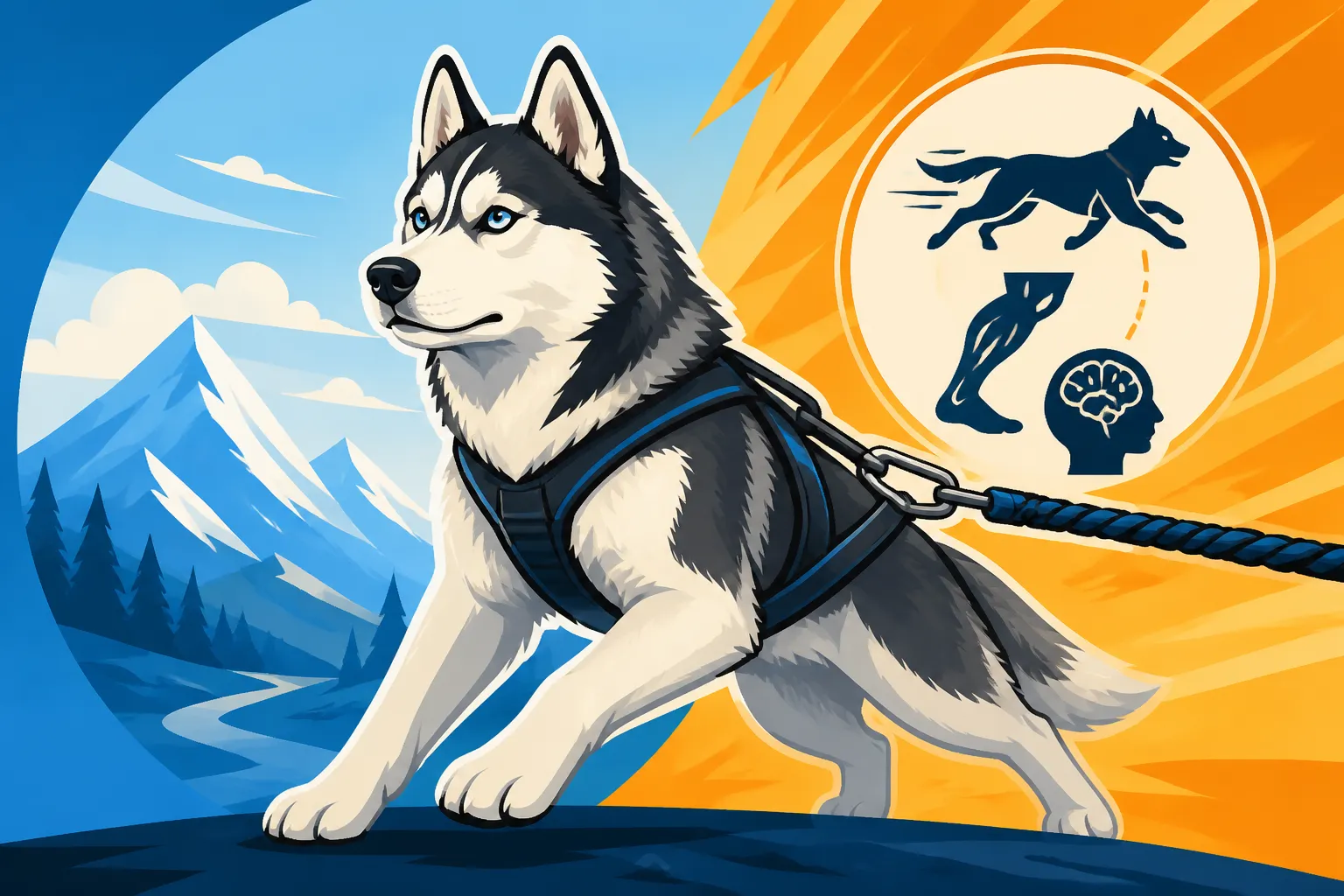
One of the biggest reasons Huskies try to "escape" is simply because their immense energy and drive to run aren't being adequately met. Instead of fighting against their instinct to pull and run, lean into it! Harness sports are designed for dogs like the Siberian Husky, allowing them to do what they were bred for in a safe, controlled manner.
- Canicross: This is trail running with your dog pulling you via a specialized belt and harness. It's a fantastic way to bond, get exercise, and let your Husky truly stretch their legs.
- Bikejoring: Similar to canicross, but you're on a bike. This allows for faster speeds and covers more ground, ideal for high-energy Huskies.
- Dog Scootering/Carting: For those without snow, a dog scooter or cart can simulate sledding. These activities allow your Husky to pull a light load, engaging their minds and bodies in a fulfilling way.
- Skijoring: If you live in a snowy climate, skijoring (cross-country skiing with your dog pulling you) is another excellent option.
These activities provide not just physical exercise but also immense mental stimulation, which is crucial for a breed as intelligent and independent as the Husky. When their innate needs are met in a structured way, they are often much more content and less likely to seek out their own, potentially dangerous, adventures. Look for specialized gear on Amazon or at local pet stores that cater to working dog breeds. Learning Canicross and Bikejoring With a Siberian Husky can truly transform your relationship.
Building a Reliable (But Never Perfect) Husky Recall
While the idea of a "perfect" off-leash recall for a Siberian Husky might be a myth, you can absolutely work towards a highly reliable one within safe, fenced environments. This takes immense patience, consistency, and a deep understanding of what truly motivates your particular Husky.
High-Value Rewards and Consistent Training
Forget the dry biscuits and half-hearted praise. When it comes to recall with a Husky, you need to bring out the big guns.
- Find their ultimate motivator: This might be chunks of cooked chicken, cheese, hot dogs, spray cheese, or a favorite squeaky toy that only comes out for recall practice. The reward must be more exciting and fulfilling than whatever distraction they're facing.
- Make it a party: When your Husky returns to you, no matter how reluctantly or slowly, make it the most exciting moment of their day. Shower them with praise, affection, and multiple high-value treats. Avoid scolding if they take their time; you want to associate coming to you with overwhelming positivity.
- Practice, practice, practice: Start in a distraction-free environment, like your living room or securely fenced yard. As they get better, gradually introduce mild distractions, always setting them up for success. Never call them if you're not confident they will come, especially in a new or highly stimulating place, as this only teaches them to ignore the command.
- Consistency is key: Everyone in the household must use the same recall word (e.g., "Come!") and follow the same reward protocol. Inconsistency confuses your Husky and weakens the command.
Remember, a Husky's recall is not a given; it's a constantly reinforced behavior that needs to be maintained throughout their life. It's about building a strong positive association with returning to you that, hopefully, can compete with the allure of the wild. If you're struggling, online programs like those offered by BAXTER & Bella can provide structured, positive reinforcement-based guidance for building a strong foundation.
The Importance of Proofing in Different Environments
Once your Husky has a solid recall in a familiar, low-distraction setting, you need to "proof" it in increasingly challenging environments. This means practicing in places with more distractions, sounds, and scents, always incrementally and with absolute safety measures in place.
- Start small: Move from your backyard to a quiet, securely fenced dog park during off-peak hours.
- Introduce distractions gradually: Practice when another dog is across the field, then closer. Practice when people are walking by.
- Use a long line: This is where the long line becomes indispensable again. It allows you to practice recall in stimulating environments, like a large park or an open field, without the risk of your Husky escaping. You can practice calling them, and if they hesitate, gently guide them back with the line, rewarding heavily. This builds a strong muscle memory for coming back, even when their instincts are screaming otherwise.
- Vary locations: Don't just practice in one park. Take them to different trails, different fields, always ensuring the area is secure if they are off-line, or keeping them on a long line if it's not. This teaches them that "come" means "come" no matter where they are.
The goal isn't to allow them off-leash everywhere, but to strengthen the recall command so that if an accident does happen (e.g., a gate left open, a slipped collar), you have the best possible chance of getting them back safely. This careful, staged approach is crucial for Keeping a Siberian Husky Recall Alive Into Adulthood.
Professional Guidance and Advanced Techniques
Sometimes, despite your best efforts, you might feel like you're hitting a wall. That's perfectly normal, and it's a sign that it's time to seek professional help. A qualified dog trainer, especially one with experience working with independent, high-prey-drive breeds like Huskies, can provide invaluable guidance.
- Breed-specific knowledge: A good trainer will understand the Husky temperament and won't try to apply generic training methods that are doomed to fail. They'll recognize that Huskies respond poorly to force or punishment, often shutting down or becoming more resistant. Finding a Trainer Who Has Worked With Huskies is crucial.
- Tailored strategies: They can help you identify your Husky's unique motivations, troubleshoot specific challenges, and develop a training plan that works for your dog and your lifestyle. They might introduce advanced techniques like emergency recall cues (a completely separate, high-stakes command used only in emergencies), or working with whistle commands which can carry further than your voice.
- Group classes: While terrifying to imagine an off-leash Husky in a group setting, advanced recall classes (often with dogs on long lines) can provide a controlled environment to proof your recall around other dogs and people under expert supervision.
- One-on-one sessions: For truly challenging cases, individual sessions allow the trainer to observe your Husky's behavior directly and provide personalized feedback.
Investing in professional training isn't a sign of failure; it's a commitment to your Husky's safety and well-being. It can bridge the gap between understanding their instincts and effectively managing them in the real world, ensuring that their adventurous spirit doesn't lead them into harm's way.
Table: Comparing Recall & Management Tools for Huskies
| Tool/Method | Description | Pros | Cons | Best Use Case |
|---|---|---|---|---|
| Secure Fence | Physical barrier, ideally 6-8 ft high with anti-dig footer. | Prevents escape from yard, provides safe outdoor space. | Expensive to install; can be climbed/dug under if not reinforced. | Primary containment for home yard; essential for Husky ownership. |
| Long Line | 15-50+ ft leash attached to harness. | Allows freedom to roam safely, great for recall practice. | Can tangle, requires active handling, not for truly open public spaces. | Parks, large fields, beaches; practicing recall in controlled environments. |
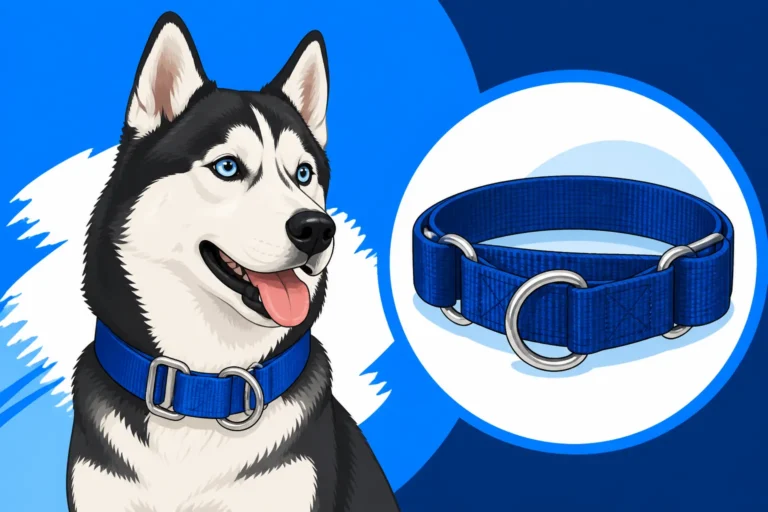
| Martingale Collar | Slip collar that tightens without choking. | Prevents collar from slipping over head, safer than choke chain. | Still a collar, can't guarantee against all escapes, not for tying out. | Walking on leash, general supervision, as a backup to a harness. |
| Harness (Front-Clip) | Distributes pressure, can reduce pulling. | More secure than collar, better for control on leash. | Some Huskies can slip out of ill-fitting ones. | Walking, light pulling activities, general leash manners. |
| GPS Tracker | Device attached to collar/harness that tracks location. | Offers peace of mind, can aid in recovery if Husky escapes. | Requires battery, subscription, can be lost if collar comes off. | Backup safety for any outdoor excursion, peace of mind for escapes. |
| Harness Sports | Canicross, bikejoring, skijoring, carting. | Channels natural pulling instinct, provides intense exercise/mental stimulation. | Requires specific gear, time commitment, suitable location. | Fulfilling Husky's core drives, burning off excess energy safely. |
Why a Full Stop Off-Leash Trust is a Myth for Most Huskies
After everything we've discussed, it's essential to understand that for the vast majority of Siberian Huskies, the concept of a "full stop off-leash trust" is simply not realistic. This isn't about your failure as an owner or your Husky being "bad"; it's about acknowledging and respecting their inherent breed traits.
The Unwavering Call of the Wild
No matter how well-trained, how loved, or how well-exercised your Siberian Husky is, that deep-seated instinct to roam, explore, and chase is always simmering beneath the surface. It's an ancient call, far older and often more powerful than any training you can instill. Imagine trying to train a bird not to fly, or a fish not to swim. While you can modify behavior, you can't erase millennia of genetic programming.
There will almost always be that one smell, that one movement, that one irresistible lure that triggers their primal drive. In that moment, the years of training, the high-value treats, and the strong bond you share can, unfortunately, become secondary to the thrill of the chase. It's a risk most owners are simply unwilling to take, and for good reason. Understanding that this inherent drive exists and is often overwhelming is the first step in responsible Husky ownership.
The One Percenters: Exceptions, Not the Rule
You might encounter stories or even see a Siberian Husky off-leash, happily trotting beside their owner in a seemingly uncontrolled environment. It's tempting to think, "Why can't my Husky be like that?" It's crucial to recognize these are the rare exceptions, the "one-percenters," dogs with unique personalities, an extraordinary bond, or owners who have dedicated an almost unimaginable amount of time and effort into training and management, often in very specific, controlled environments.
Furthermore, what looks like perfect off-leash obedience might actually be a Husky who has chosen to stick close on their terms, or one who is being observed in a particularly low-distraction setting. Don't compare your Husky to these rare anomalies. Focus on your dog, their specific needs, and their individual personality. Setting unrealistic expectations based on these exceptions only leads to frustration and potentially dangerous situations.
Prioritizing Safety Over Aspirational Freedom
Ultimately, responsible Siberian Husky ownership means prioritizing their safety above the aspirational ideal of off-leash freedom. It's a tough pill to swallow for many, especially when you see other breeds enjoying carefree romps. But for a Husky, "freedom" without physical containment or tethering is simply too risky.
This means consistently using long lines in unfenced areas, ensuring your yard is an escape-proof fortress, and always having a sturdy, reliable leash and collar (like a martingale collar to prevent slipping) or harness on when out and about. It means accepting that their joy of running is best channeled through secure means: long lines, fenced dog parks, or structured harness sports. The goal isn't to crush their spirit but to provide outlets for their instincts in a way that keeps them safe, happy, and a beloved part of your family for many years. It's about respecting their nature while ensuring their well-being in a world that wasn't designed for their ancient instincts.
Disclaimer
This article is for general informational purposes only and does not constitute professional advice. Laws, prices and regulations vary by location and change over time. Consult a qualified professional for guidance on your specific situation.