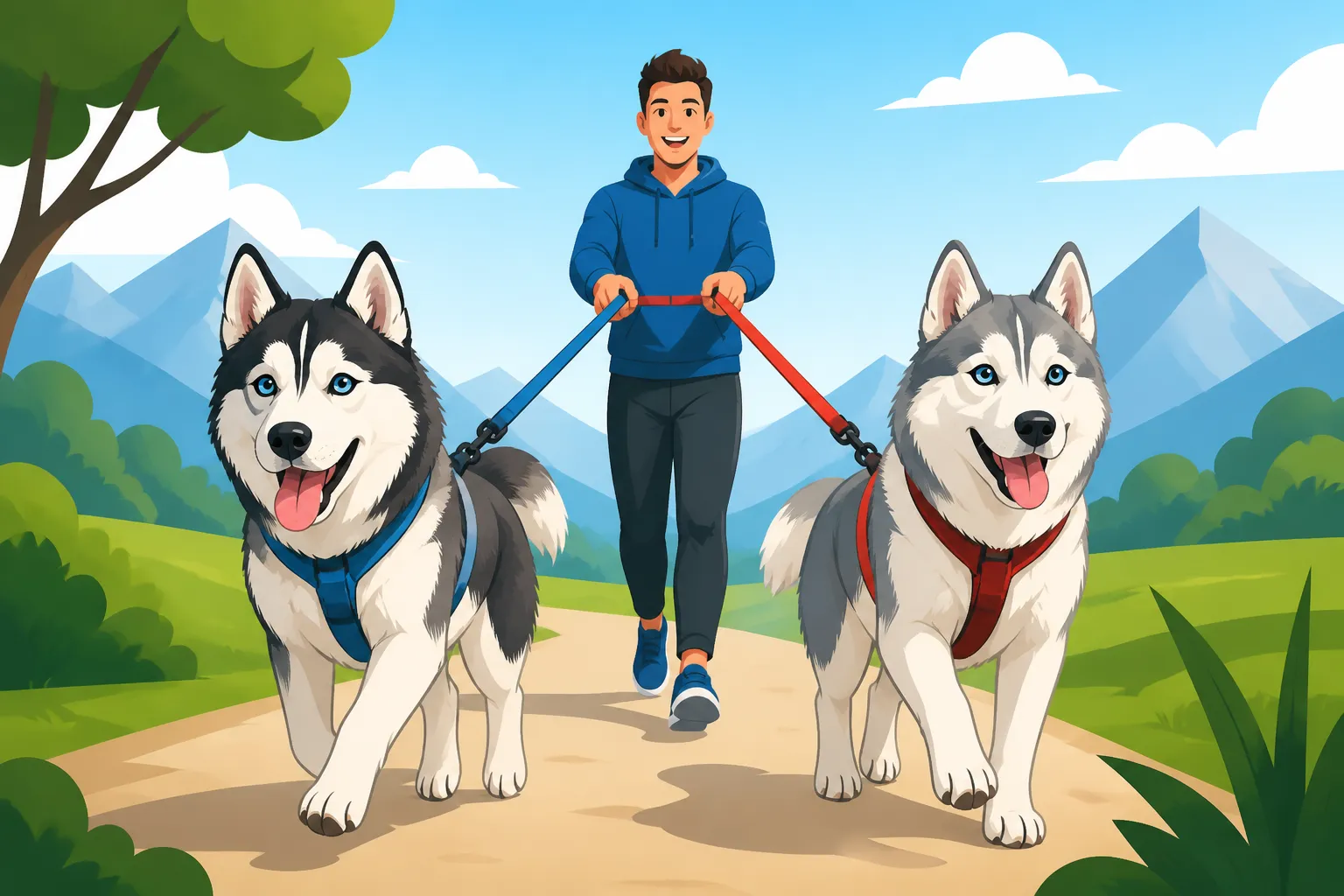
Walking Two Siberian Huskies at Once
Walking two Siberian Huskies at once can feel less like a leisurely stroll and more like being a human sled, pulled in opposite directions by powerful, independent minds. Many of us dream of graceful walks with our beloved pack, only to find ourselves tangled, yanked, and utterly exhausted. This guide is here to help you navigate the unique challenges of managing two Huskies on leash, offering practical advice, equipment recommendations, and training strategies to make your dual walks more enjoyable and less of a chaotic adventure.
The Unique Challenges of Walking Two Siberian Huskies
If you're already familiar with the distinctive personality of a single Siberian Husky, you know they come with a strong sense of purpose and a desire to explore. Now, imagine doubling that. Walking two Huskies simultaneously introduces a whole new layer of complexity, demanding more than just two hands and two leashes. It requires understanding their instincts, anticipating their moves, and managing twice the energy and curiosity.
The Husky Pulling Instinct Multiplied
Let's be honest: Siberian Huskies were literally bred to pull. Their entire anatomy, from their powerful shoulders to their deep chests, is designed for efficient, sustained traction. When you have one Husky, you're constantly working against this innate drive. With two, that instinct is amplified. One might decide the squirrel across the street is the most fascinating thing on earth, while the other catches the scent of a distant rabbit, and suddenly you're caught in a tug-of-war where you're the rope.
It’s not just about strength, though that's certainly a factor. It’s about their mental engagement with the act of pulling. For many Huskies, the sensation of resistance against their harness triggers a primal urge to lean into it. This means that even if they're not trying to bolt, the mere act of walking can turn into a constant, low-level pull that wears you down over the course of a walk. Trying to teach Siberian Husky Leash Work Against a Pulling Instinct is a monumental task with one; with two, it can feel insurmountable without the right approach. They aren't being disobedient; they're simply doing what their ancestors did, and their bodies are optimized for it.
Managing Two Independent Minds on Leash
Beyond the physical pull, there's the mental game. Huskies are notoriously intelligent but also famously independent. They aren't typically "yes men" who live to please their human; they think for themselves. On a walk, this translates to each dog having its own agenda, its own distractions, and its own preferred pace. One might want to stop and sniff every blade of grass, meticulously investigating every scent marker, while the other is eager to cover ground, pulling forward with determination.
This independent spirit can lead to frustration when trying to coordinate their movements. You might have one dog walking beautifully by your side, only for the other to suddenly veer left, cutting across its sibling's path or your legs. Communication becomes tricky too; a command given to one might be ignored by the other, or worse, both might decide it's a suggestion rather than an order. It's like trying to conduct a symphony where each musician wants to play a different song at a different tempo. Understanding Why Siberian Huskies Look Stubborn Rather Than Slow can help you reframe your approach, recognizing their independence isn't defiance, but rather a core part of their being.
Avoiding Tangles and Tripping Hazards
The physical logistics of managing two dogs on leashes are perhaps the most immediate and visible challenge. Picture this: you're walking along, one Husky on your left, one on your right, and then one decides to cross behind you, or both decide to greet a passing stranger from opposite sides. Suddenly, you're in a spaghetti junction of leashes, with your feet caught in the crossfire.
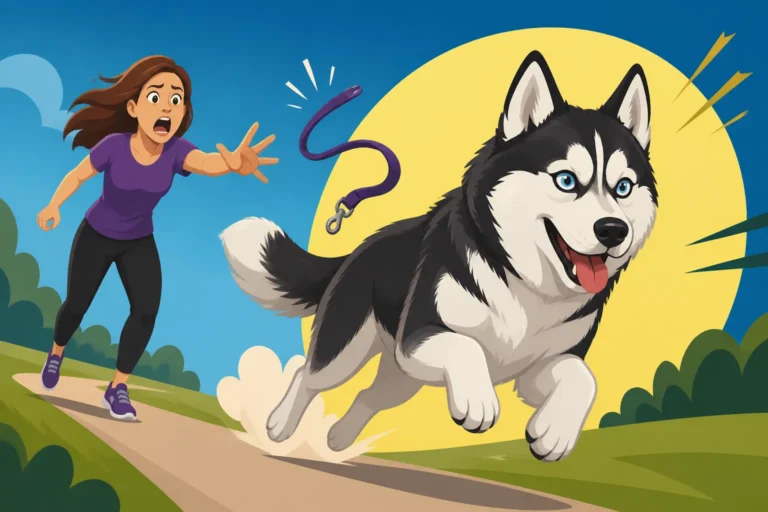
This isn't just an annoyance; it's a genuine safety hazard. A sudden lunge from one or both dogs, combined with tangled leashes, can easily trip you, leading to falls and potential injuries. If you're holding two separate leashes, it’s also easy for one to slip from your grip if you have to react quickly to an unexpected situation. Even if you manage to avoid falling, the constant need to untangle and re-organize can turn a supposed relaxing walk into a stressful ordeal. This is where specialized equipment and thoughtful technique truly shine, transforming potential chaos into manageable control.
Essential Gear for Dual Husky Walks
While training and patience are paramount, having the right equipment can dramatically improve your experience walking two Siberian Huskies. Trying to manage two strong, athletic dogs with inadequate gear is like trying to build a house with a spoon—it's frustrating, inefficient, and potentially disastrous. Investing in the right tools isn't just about convenience; it's about safety for you and your dogs.
Choosing the Right Harnesses for Each Husky
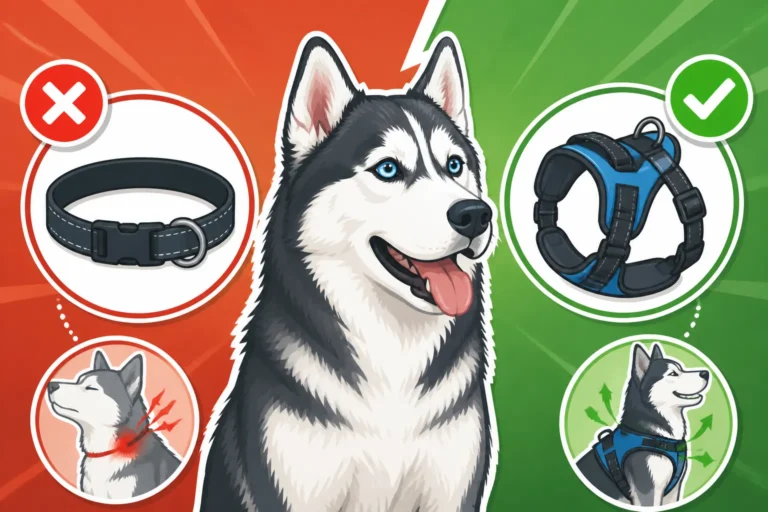
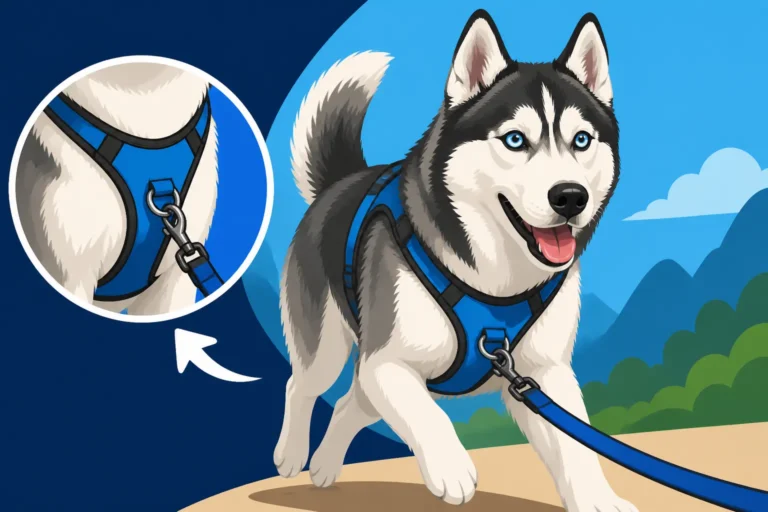
Forget neck collars for regular walks with a Husky, especially two. Their neck and throat are sensitive, and the pulling instinct will quickly lead to choking, coughing, and potential injury, not to mention making them even more determined to pull. A well-fitting harness is non-negotiable. For Huskies, front-clip harnesses are often a game-changer. These harnesses have a leash attachment point on the dog's chest, which redirects their forward momentum when they pull. Instead of digging in and pulling harder, they're gently turned to the side, making it much harder for them to maintain a strong pull.
You might find that Front-Clip Harnesses on a Siberian Husky work wonders for one, but the other responds better to a different style, perhaps one with both front and back clips for versatility. Some Huskies might even do well in a no-pull head halter, though many find these intrusive and may resist them. The key is finding a harness that fits snugly without chafing, allows full range of motion, and effectively discourages pulling without causing pain. Brands like Ruffwear or Freedom No-Pull Harness are often popular choices among Husky owners for their durability and design. Remember, each dog is an individual, so what works for one might not be ideal for the other.
Leash Configurations: Couplers, Dual Leashes, and Hands-Free
Once you have the harnesses sorted, consider your leash setup. There are several options, each with pros and cons for dual Husky walks:
- Separate Leashes (One in Each Hand): This is the most basic setup. It gives you individual control over each dog, allowing you to give separate corrections or guidance. However, it means your hands are full, increasing the risk of dropping a leash if one dog makes a sudden move, and it's a prime recipe for tangles if the dogs cross paths. This is generally only manageable if both dogs are already well-trained loose-leash walkers.
- Coupler (Double Leash Attachment): A coupler is a single leash that splits into two shorter leads, allowing you to walk both dogs with one hand. This is great for keeping your other hand free and minimizing tangles. However, it means both dogs are attached to a single point of control, so if one pulls, the other feels it, and vice versa. It also doesn't allow for individual redirection as easily. Look for couplers with swivel hardware to prevent twisting.
- Dual-Handle Leashes: These are single leashes with two separate handles, one for each dog, but they are fused at a central point that you hold. This offers a middle ground, providing some independent control while keeping them connected.
- Hands-Free Leash Systems: These systems typically involve a waist belt for the human, to which one or two leashes are attached. This can be fantastic for comfort and stability, allowing you to use your body weight to manage pulls. If using a hands-free leash with two dogs, you'd likely attach a coupler to the main hands-free leash. This setup is particularly useful if you're engaging in activities like Canicross and Bikejoring With a Siberian Husky, but it can also be a game-changer for regular walks. However, ensure the belt has a quick-release mechanism for safety in case of an emergency. When looking for these, you might find options from brands on Amazon offering various configurations, including those with bungee sections to absorb shock.
The best configuration often depends on your dogs' individual training levels and your personal comfort. Many experienced Husky owners prefer a sturdy hands-free belt with a good quality coupler, as it distributes the pulling force more evenly across your core and keeps your hands free.
Safety Additions: Reflective Gear and ID
Walking two energetic Huskies means you need to prioritize safety, especially if you walk in low-light conditions or near traffic. Reflective gear for both you and your dogs is crucial. Consider harnesses, leashes, and even collars with reflective stitching or panels. This makes you much more visible to drivers, cyclists, and pedestrians. Many harnesses, especially those designed for active dogs, come with integrated reflective elements.
Beyond visibility, ensure both your Huskies wear proper identification tags with up-to-date contact information. Microchipping is also a must. Huskies are notorious escape artists, and even the most diligent owner can have a leash slip or a gate left ajar. Having clear ID increases the chances of a quick reunion if one or both dogs somehow get loose. A GPS collar, while an investment, can offer invaluable peace of mind, allowing you to track your dog's location if they do manage to bolt, an all too common scenario given The Roaming Instinct Bred Into Every Siberian Husky. These are readily available on platforms like Amazon.
Training Strategies for Harmonious Dual Walks
Even with the best gear, training is the cornerstone of successful dual Husky walks. You can't simply rely on equipment to do all the work; your dogs need to understand expectations and respond to your cues. The goal is to move from two individual dogs pulling in separate directions to a coordinated team that walks politely together.
Foundation Training for Each Dog Individually
Before you even think about walking two Huskies together, ensure each dog has a solid foundation of leash manners on its own. This means being able to walk politely on a loose leash, without pulling, for a reasonable distance. If one dog is a seasoned puller and the other is a complete novice, trying to walk them together will be a recipe for frustration. Focus on teaching basic commands like "heel," "sit," and "stay" individually.
Practice in a low-distraction environment first, gradually introducing more challenging situations. Use positive reinforcement exclusively – high-value treats and enthusiastic praise will go much further with a Husky than corrections. Remember, Motivating a Siberian Husky That Ignores You requires finding what they value most. If your dogs struggle individually, seek out a qualified professional trainer who has experience with independent breeds like Huskies. Some online platforms like BAXTER & Bella offer virtual training programs that can be incredibly helpful for foundational skills, allowing you to work at your own pace from home. They often have modules specifically addressing leash manners and polite walking.
Introducing Leash Walking Together Gradually
Once both dogs have a decent grasp of individual leash manners, you can start introducing them to walking together. Don't just clip them both on and head out the door. Start in a controlled, low-distraction environment, like your backyard or a quiet street.
- Short Sessions: Keep initial combined walks very short, perhaps just a few minutes, focusing purely on positive experiences.
- Separate Handlers (if possible): If you have a second person, walk each dog on a separate leash, with each person handling one dog. This allows them to get used to walking near each other without the added complexity of one handler managing both.
- One Handler, Two Leashes (Controlled): When you're ready to handle both, start with separate leashes, one in each hand. The goal is simply to walk a short distance without tangling or significant pulling. Reward heavily for any moments of loose-leash walking.
- Introduce the Coupler/Hands-Free System: Once they're comfortable with separate leashes, transition to your chosen dual-leash system (coupler, hands-free). Again, start small and in a quiet area.
Throughout this process, consistency is key. Always use your chosen commands for walking (e.g., "let's go," "heel," "wait") and reward desired behavior immediately. Anticipate potential problems – if you know one dog is likely to react to another dog, try to spot approaching triggers early and redirect your Huskies' attention before they can react.
Reinforcing Good Habits and Managing Reactivity
Even with good foundational training, Huskies are opportunistic creatures. Good habits need constant reinforcement. Carry high-value treats on every walk. When both dogs are walking nicely, reward them. If one starts to pull, stop immediately. Don't move forward until the leash is slack. This teaches them that pulling gets them nowhere, while polite walking means progress and rewards.
Managing reactivity – whether it's towards other dogs, squirrels, or people – is crucial for dual walks. If one or both of your Huskies tend to lunge, bark, or pull excessively at distractions, this needs to be addressed consistently. Walking a Siberian Husky Past a Cat or another dog requires immense focus and preparation.
Here's a strategy:
- Identify Triggers: Know what sets your Huskies off.
- Distance is Your Friend: Work from a distance where your dogs notice the trigger but don't react explosively.
- Redirect and Reward: As soon as they notice the trigger, redirect their attention to you with a verbal cue ("watch me!" or their name) and immediately reward them with a high-value treat before they can react.
- Gradual Approach: Slowly decrease the distance to the trigger over many sessions, always rewarding calm behavior.
If one dog is reactive and the other is not, the reactive dog can quickly pull the non-reactive one into the chaos. This is where having separate control (even if it's just two handles on one leash) can be beneficial, allowing you to manage the more excitable dog more directly. If reactivity is severe, professional help from a positive reinforcement trainer is highly recommended.
Practical Tips for a Smooth Multi-Husky Excursion
Beyond gear and formal training, there are many practical adjustments you can make to your daily routine and walking habits that will significantly impact the success of walking two Siberian Huskies. It's about setting yourself up for success before you even step out the door.
Route Planning and Environmental Awareness
Don't underestimate the power of a well-chosen route. Huskies thrive on routine and predictability, but they also love novelty. For dual walks, especially in the beginning, opt for quiet, familiar paths with minimal distractions. Avoid busy sidewalks, crowded parks, or areas known for a high density of squirrels or other small prey animals, as Siberian Husky Prey Drive Around Small Animals is a powerful motivator.
As your dogs become more accustomed to walking together, you can gradually introduce new environments, but always be aware of your surroundings. Scan ahead for potential triggers – other dogs, people, or tempting smells. Have an escape route or a plan to create distance if you see something that might cause a reaction. This proactive approach allows you to manage situations before they escalate, reinforcing calm behavior rather than reacting to chaos. Consider walking during off-peak hours when trails or neighborhoods are less crowded.
Handler Mechanics: Stance, Grip, and Communication
Your own body language and how you handle the leashes are critical.
- Stance: Stand tall and confident. If you anticipate a pull, brace yourself with your core, not just your arms. Distribute your weight evenly.
- Grip: If using separate leashes, wrap a loop around each hand for a secure grip, or use a leash with an integrated handle that fits comfortably. If using a coupler or hands-free system, ensure the main leash is securely attached and comfortable. You should never feel like you're losing control. Many find that carrying Leashes That Hold a Siberian Husky That Lunges can be challenging, so finding a comfortable and secure grip is paramount.
- Verbal Cues: Use consistent, clear, and calm verbal cues. Huskies respond well to a confident leader. If you start to get frustrated, they will pick up on that energy. Use your "heel," "wait," and "let's go" commands consistently.
- Body Blocking: Use your body to gently guide or block a dog if they're about to cross in front of the other or veer into trouble. A subtle shift of your hip can often redirect a Husky without needing a harsh leash correction. This is especially helpful when Teaching a Siberian Husky to Heel on One Side.
Remember, you are the leader of this small pack. Projecting calm confidence, even when you don't feel it, can significantly influence your Huskies' behavior.
Dealing with Unexpected Situations
No matter how well you plan or train, unexpected things will happen. A sudden loud noise, a loose dog running up, or a surprise squirrel darting across your path can throw everything off. Having a plan for these moments is essential.
- Emergency Stop Word: Teach your Huskies an emergency stop word ("STOP!" or "HALT!") that means immediate cessation of all movement. Practice this in controlled environments. When a sudden distraction occurs, use this word, combined with a firm but not harsh leash check (if necessary), to regain their attention. Reward immediately for compliance.
- High-Value Treats: Always carry truly irresistible treats. A sudden, high-pitched "cookies!" and a shower of delicious morsels can often override an intense distraction and bring two fixated Huskies back to earth.
- Maintain Your Grip: This goes back to gear, but in a crisis, your grip is everything. If you're using separate leashes, consider looping them both through a carabiner clipped to your belt for added security, especially if you worry about Holding a Siberian Husky That Outweighs Your Grip.
- Be Prepared to Be the "Tree": If both dogs lunge and pull unexpectedly, becoming an immovable "tree" can be the best strategy. Plant your feet, use your core, and don't budge. Wait for them to slacken the leashes before moving again. This reinforces that pulling doesn't achieve forward momentum.
- De-escalation: If another dog approaches, politely ask their owner to give you space. If you know your Huskies will react, turn and walk in the opposite direction or create a wide arc to maintain distance. Your priority is managing your dogs and ensuring everyone's safety.
When to Seek Professional Help or Adjust Your Approach
It's important to remember that walking two Siberian Huskies is not for the faint of heart, and there's no shame in admitting you need help or need to adjust your expectations. Sometimes, despite your best efforts, the dynamics of two strong, intelligent, and independent dogs can be overwhelming.
Recognizing When You're Overwhelmed
Being overwhelmed on walks isn't just unpleasant; it can be counterproductive to your training efforts and even unsafe. If you consistently find yourself dreading walks, feeling stressed, getting pulled off balance, or constantly battling tangled leashes and reactive lunges, these are clear signs that your current approach isn't working.
It's not a failure on your part, but rather an indication that a different strategy is needed. Pushing through frustration can lead to negative associations for both you and your dogs, making future training even harder. Pay attention to how you feel before, during, and after walks. If you're feeling defeated, it's time to pause and reassess. Recognize the limitations of your current setup and be honest about whether you're enjoying the experience or just enduring it.
Consulting with a Husky-Experienced Trainer
If you're struggling, seeking professional guidance from a certified professional dog trainer is one of the best investments you can make. Look for trainers who have specific experience with northern breeds like Siberian Huskies, as their unique temperament and motivations require a specialized understanding. A trainer familiar with Training an Independent Siberian Husky will be invaluable.
A good trainer can observe your walks, identify specific issues, and help you develop a personalized plan. They can teach you new techniques for leash handling, provide strategies for managing reactivity, and fine-tune your communication with your dogs. They might suggest different equipment, or simply help you gain the confidence and skills you need to become a more effective handler for your dynamic duo. Look for trainers who use positive reinforcement methods, as these are generally the most effective and humane for building a strong bond and lasting understanding with Huskies. Many online resources, including comprehensive programs like those offered by BAXTER & Bella, can also provide structured guidance and support for common training challenges.
Considerations for Walking One at a Time
Sometimes, the most realistic and beneficial approach for everyone involved is to walk your Siberian Huskies separately. While it might take more time out of your day, consider the benefits:
- Individual Attention: Each dog gets your undivided attention, allowing for more focused training and bonding time. You can work on specific issues with each dog without the distractions of the other.
- Reduced Stress: For you, walking one dog might be a much more relaxing and enjoyable experience, reducing stress and increasing your confidence. For the dogs, it can be a less chaotic experience, allowing them to focus better.
- Tailored Exercise: One dog might be more energetic and benefit from a longer, faster walk, while the other prefers a sniff-heavy, leisurely stroll. Walking them individually allows you to tailor the exercise to each dog's needs and preferences.
- Consistency in Training: If one dog has excellent leash manners and the other struggles, walking them separately prevents the struggling dog from learning bad habits from its well-behaved sibling, or from pulling the other into trouble.
While the ideal of walking two Huskies together gracefully is appealing, sometimes dividing and conquering is the most practical and effective solution for the well-being and happiness of both you and your furry companions. It's about finding what works best for your specific pack, even if it means adjusting your initial expectations.
| Aspect | Walking One Husky | Walking Two Huskies (Separately) | Walking Two Huskies (Together) |
|---|---|---|---|
| Control & Focus | High | High (individual focus) | Moderate to Low (divided focus) |
| Training Time | Efficient | Double the time | Complex, often slower progress |
| Tangle Risk | Very Low | Very Low | High |
| Physical Effort | Moderate | Moderate (per walk) | High, especially with pullers |
| Handler Stress | Low to Moderate | Low to Moderate | Moderate to High |
| Equipment Needed | Basic harness/leash | Two basic harnesses/leashes | Specialized harnesses, couplers, hands-free systems |
| Bonding Opportunity | High (individual) | High (individual) | Moderate (group dynamic) |
| Prey Drive Mgmt. | Easier | Easier | Challenging |
Disclaimer
This article is for general informational purposes only and does not constitute professional advice. Laws, prices and regulations vary by location and change over time. Consult a qualified professional for guidance on your specific situation.