The Damage a Siberian Husky Does in Four Hours
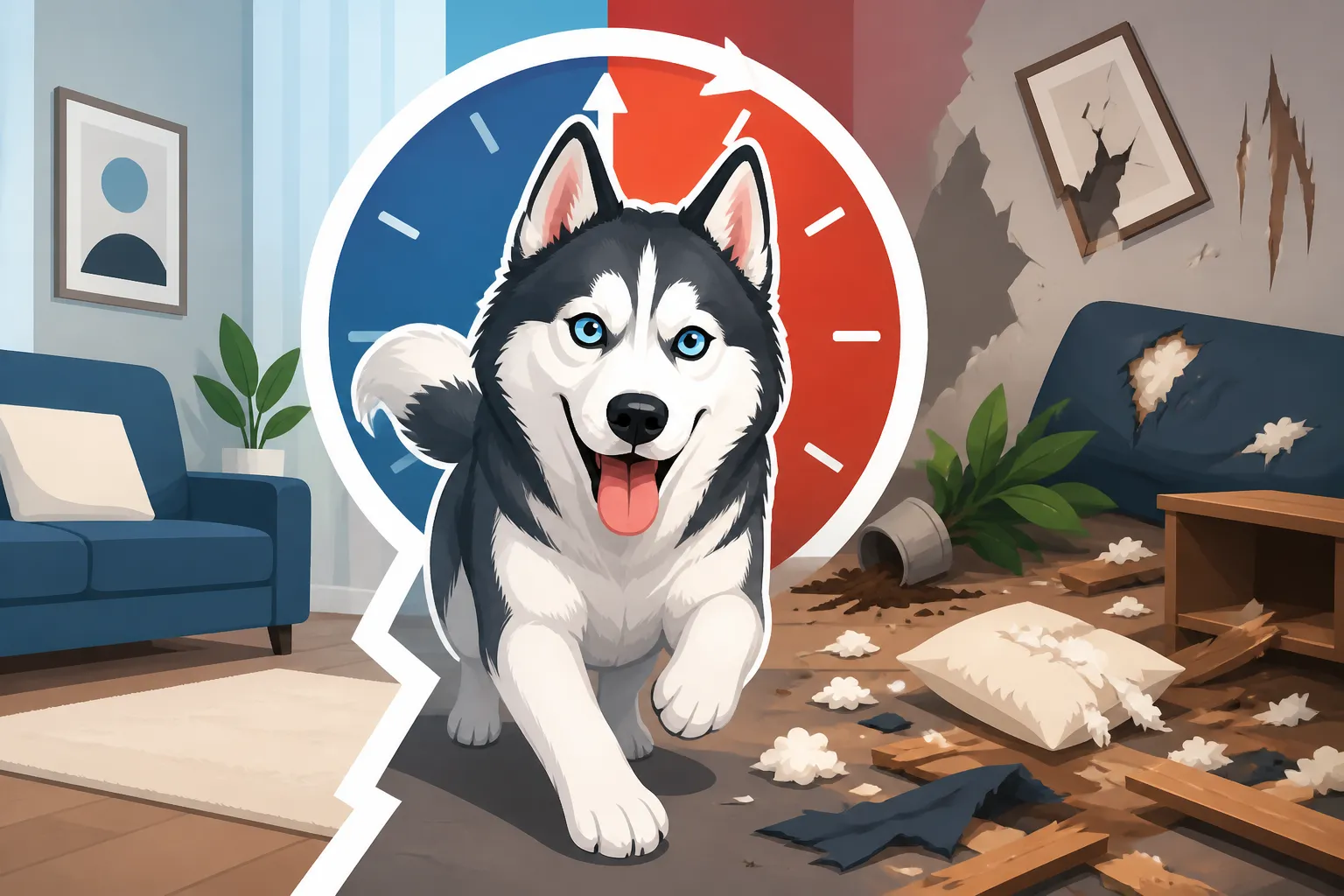
It's a scene far too familiar to many Siberian Husky owners: you leave for a few hours, perhaps just for a quick grocery run or a short shift at work, and you return to a landscape of canine-created chaos. What was once a tidy home is now a testament to your Husky's ingenuity and boundless energy, utterly transformed in what feels like mere minutes. This guide is here to shed light on why your beloved Siberian Husky can unleash such significant destruction in just four short hours, what specific types of damage you might face, and most importantly, how you can proactively prevent this often heartbreaking and expensive behavior.
The Root Causes of Siberian Husky Destruction
Understanding why your Siberian Husky might turn your home into a demolition zone is the first step toward preventing it. These aren't malicious acts; they're almost always a manifestation of unmet needs, deep-seated instincts, or genuine distress. Huskies are incredibly intelligent and driven dogs, bred for a specific purpose, and if that purpose isn't fulfilled, they'll create their own.
Boredom and Unmet Needs
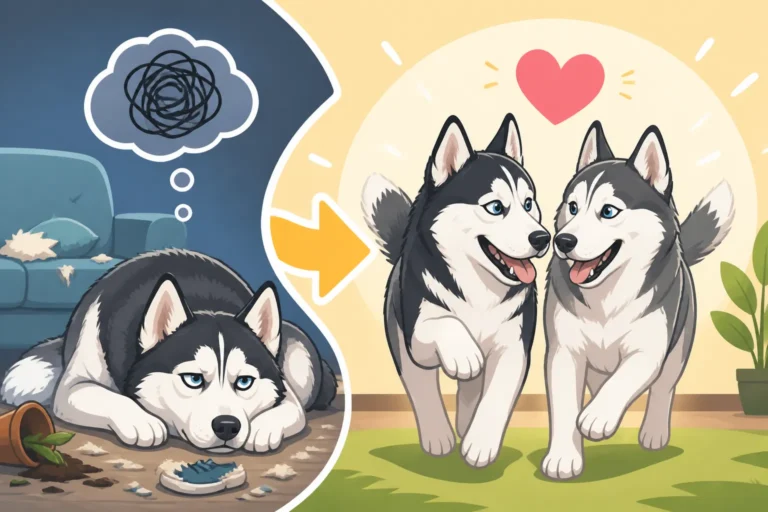
Let's be real: Siberian Huskies were not bred to be couch potatoes, no matter how much they might enjoy a good snuggle on the sofa when you're home. Their ancestors worked tirelessly, pulling sleds over vast distances in harsh conditions. This means they possess an incredible amount of stamina and a sharp, inquisitive mind that needs constant engagement. When these fundamental needs for physical exercise and mental stimulation aren't met, a four-hour window can feel like an eternity to a bored Husky.
Imagine your Husky, alone in the house. The initial excitement of you leaving fades, and then… nothing. No squirrels to chase, no new scents to investigate, no jobs to do. This vacuum of activity is quickly filled by their natural instincts. Chewing, digging, and exploring aren't just destructive behaviors; they're an attempt to self-entertain and relieve the sheer monotony. They might start gnawing on the leg of your dining table not out of spite, but because it offers a novel texture and a way to pass the time. A well-exercised and mentally tired Husky is far less likely to remodel your living room, but that deep need runs strong, and it can be hard to meet it perfectly every single day.
Anxiety and Stress
Sometimes, the destruction isn't about simple boredom but a deeper emotional struggle: anxiety. Separation anxiety in Siberian Huskies can manifest as frantic attempts to escape or alleviate profound distress when left alone. This isn't just a dog being "naughty"; it's a dog experiencing genuine panic. They might not even be aware of the damage they're causing as they desperately try to reunite with their human or simply cope with overwhelming fear.
This type of anxiety can be triggered by a variety of factors, from changes in routine to past negative experiences. A rescue Husky, for example, might have a history of abandonment that makes being left alone terrifying. The damage caused by a truly anxious Husky often looks more extreme and focused on exit points – claw marks on doors, chewed window frames, or shredded crates. It's heart-wrenching to witness, and it's important to differentiate it from mere boredom, as the solutions are quite different. Addressing Siberian Husky Separation Behavior requires immense patience and often professional intervention to help your dog feel safe and secure when you're not around.
Common Targets of Four-Hour Havoc
When a Siberian Husky decides to redecorate, they don't discriminate. Almost anything within reach can become a target. Their powerful jaws, sharp claws, and incredible determination mean that even robust household items are no match for a motivated Husky on a mission.
Interior Damage
Coming home to interior destruction is perhaps the most common and often the most costly consequence of a bored or anxious Husky. They don't just chew on toys; they target structural elements of your home.
- Drywall and Plaster: Many Husky owners have returned to find gaping holes in their walls. A Siberian Husky Chewing Through Drywall is a common problem because drywall is a surprisingly appealing texture for dogs to gnaw, shred, and dig at. It offers resistance and breaks apart, providing both physical and mental stimulation. They might start with a small scratch and quickly escalate to a large, unholy mess in just a few hours. The cost of repair can quickly add up, and it's not always a simple patch job when insulation and studs are involved.
- Furniture: Sofas, chairs, coffee tables, and even bed frames are frequent casualties. The corners of wooden furniture, the fabric of upholstery, and the cushions of your favorite armchair can all be reduced to splinters and stuffing. This isn't always outright destruction; sometimes it's incessant scratching or digging at the fabric, trying to "nest" or simply burn off energy. A brand new sofa can look like it's been through a war zone after a Husky's short solo mission, leaving you heartbroken and scrambling for solutions.
- Doors and Door Frames: Huskies are escape artists by nature. If they feel contained or anxious, doors become barriers to overcome. They will scratch, chew, and dig at door frames, often around the handle or the bottom edge, trying to get to where you are or simply to another room. The damage can range from superficial scratches to deeply gouged wood, requiring significant repair or even replacement. Replacing Doors a Siberian Husky Has Scratched Through is a common search term for a reason, as these strong-willed dogs view barriers as challenges.
- Window Sills and Blinds: Just like doors, windows can become a point of interest, especially if your Husky is trying to see outside or is stimulated by passing activity. They might chew on the window sill itself, tearing at the wood or paint. Blinds, especially vertical or horizontal slatted ones, are often pulled down, bent, or completely shredded in their attempts to see out or simply to vent frustration. Window Screens and a Siberian Husky also often suffer the same fate, torn through by a determined paw or snout.
Personal Belongings and Yard Destruction
The destruction isn't limited to the fixed structures of your home; your personal items and even your outdoor spaces are also fair game for a bored or anxious Husky.
- Personal Items: Anything left within reach can be fair game. Shoes, clothing (especially socks and underwear), books, remote controls, eyeglasses, cell phones, and charging cables are all common targets. These items carry your scent, which can be comforting to an anxious dog, or they simply offer novel textures to chew. Imagine coming home to find your favorite pair of sneakers utterly dismantled or your expensive headphones chewed into a dozen pieces. It's not just the monetary loss; it's the personal attachment and the sheer inconvenience.
- Yard and Landscaping: Many Husky owners mistakenly believe that leaving their dog in a securely fenced yard will prevent indoor destruction. While it might save your sofa, it can spell disaster for your outdoor space. Huskies are champion diggers. They'll dig dens, excavate under fences, and create craters in your lawn, destroying grass, plants, and even irrigation systems. A Siberian Husky That Wrecks the Yard is a reality for many, as their innate desire to dig for comfort, escape, or simply fun is incredibly strong. Garden hoses, patio furniture cushions, and anything else left outdoors are also vulnerable to their chewing and destructive tendencies.
Proactive Strategies to Mitigate Damage
The good news is that much of this four-hour havoc can be prevented with thoughtful planning and consistent effort. It's about meeting your Husky's needs before they have a chance to invent their own destructive solutions.
Maximizing Exercise and Mental Stimulation
This is the golden rule of Husky ownership: a tired Husky is a good Husky. Before you leave your home for those critical four hours, your primary goal should be to physically exhaust and mentally challenge your dog.
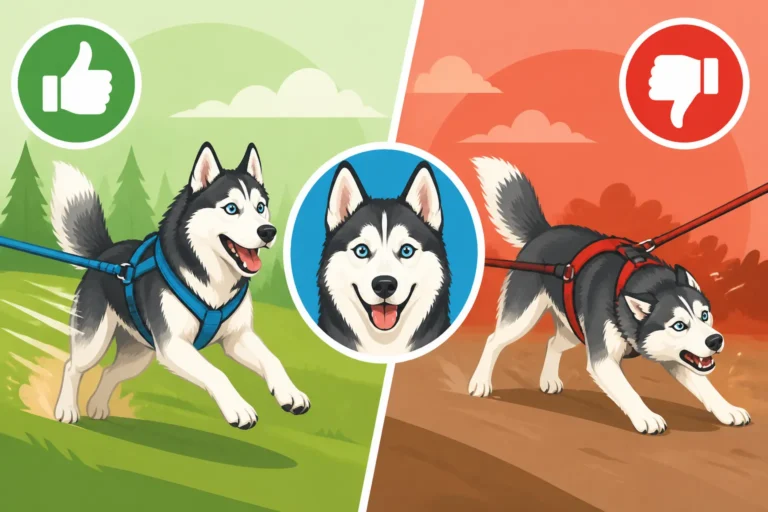
- Physical Activity: A brisk 30-60 minute run, a long walk, or a vigorous play session (think flirt pole, fetch, or tug) can make a world of difference. For adult Huskies, consider activities that engage their natural instincts, like canicross or bikejoring if you have the right equipment and experience. Even a sustained sprint session in a secure yard can burn off a significant amount of pent-up energy. The idea is for them to want to nap when you leave, not look for a new project. Remember, a quick potty break isn't exercise for a Husky; they need to work.
- Mental Engagement: Physical exercise alone isn't always enough. Huskies are smart, and their brains need a workout too. Incorporate short training sessions before you leave, practicing commands or teaching new tricks. Invest in high-quality puzzle toys, like KONGs, West Paw Toppls, or snuffle mats, that dispense treats slowly. Stuffing a KONG with wet food or peanut butter and freezing it solid can keep a Husky engaged for a solid hour or more, redirecting their chewing instincts to something appropriate. Many of these excellent enrichment tools are readily available on platforms like Amazon, making it easy to stock up. These kinds of activities are crucial for Keeping a Siberian Husky Interested in Training even when you're not actively present.
Creating a Safe and Secure Environment
Prevention also means managing their access and making your home less appealing for destructive behavior. Think of it as child-proofing, but for a dog with powerful jaws and a penchant for exploration.
- Crating as a Safe Haven: If properly introduced and used, a crate can be an invaluable tool. It provides a secure, den-like space where your Husky can feel safe and is physically prevented from accessing destructive temptations. The key is that the crate should never be used as punishment. It should be a positive place associated with comfort and treats. When choosing a crate, remember Huskies are masters of escape. Look for heavy-duty metal crates, sometimes called "escape-proof" or "impact" crates, as regular wire crates can often be bent or broken by a determined Husky. For more on this, you might want to read up on Choosing a Crate a Siberian Husky Cannot Bend.
- Dog-Proofing Your Home: This involves a thorough sweep of any area your Husky has access to. Put away shoes, remote controls, books, and anything else that's valuable or chewable. Secure electrical cords, move plants out of reach, and consider child locks on cabinets. If your Husky has a habit of chewing on furniture legs, you can apply bitter apple spray (though some Huskies find this a tasty challenge, so test it first!) or physically block access with gates.
- Limiting Access with Gates: For dogs not fully trustworthy in a crate, or for shorter periods, using sturdy baby gates or dog gates can limit your Husky's access to only one or two "safe" rooms. This allows you to dog-proof a smaller area more effectively, reducing the number of potential targets. Ensure these gates are tall and securely installed, as Huskies are notorious climbers and jumpers.
Training and Management Techniques
Beyond the immediate prevention, long-term success comes from consistent training and smart management strategies that address your Husky's unique traits.
Crate Training Properly
I can't stress this enough: a crate is not a magical solution unless it's introduced and maintained correctly. For many Huskies, a crate can be their den, a safe place, but only if they truly choose to go in and feel comfortable there.
- Positive Association: Never force your Husky into a crate or use it as punishment. Instead, make it a wonderful place. Feed meals inside, leave high-value treats and special toys (like a stuffed KONG) only available in the crate. Start with short periods, even just a few minutes, while you're home, gradually increasing the time. This builds a positive association, so they view it as their personal sanctuary.
- Gradual Acclimation: Begin by having your Husky spend time in the crate while you're in the room, then step out for a minute, then five, then ten. Build up the duration very slowly. If your Husky shows signs of stress (excessive panting, vocalization, frantic escape attempts), you've gone too fast. It's crucial to ensure your Husky isn't panicking in the crate, which can exacerbate anxiety and lead to injury. If you notice signs like relentless barking, shaking, or attempts to chew through the bars, you might be dealing with A Siberian Husky That Panics in a Crate, and that requires a different approach, possibly with professional help.
Structured Alone Time and Enrichment
Teaching your Husky to be comfortable and calm when alone is a process that requires structure and ongoing enrichment, not just during the four-hour intervals you're away, but always.
- Practice Departures: Beyond crate training, practice leaving and returning without making a big fuss. Start with short absences, maybe just stepping out the door for a minute and coming back in. Gradually increase the duration. The goal is to make your departures and arrivals uneventful, reducing the emotional peak for your dog.
- High-Value, Long-Lasting Chews: When you leave, provide a special, high-value chew that they only get when you're gone. This could be a raw marrow bone, a bully stick, or a robust dental chew. The key is that it's safe, appropriate for their chewing style, and lasts a good portion of your absence. Always monitor these chews when first introducing them to ensure they don't break off large pieces or present a choking hazard. For guidance on appropriate options, look for highly rated dog chews on Amazon that specifically cater to strong chewers.
- Online Training Resources: Sometimes, you need a structured program to guide you through these challenging behaviors. Online platforms like BAXTER & Bella offer comprehensive training programs that cover everything from puppy basics to more advanced behavior modification, including strategies for managing alone time and reducing destructive tendencies. These resources can be incredibly helpful for owners who need step-by-step guidance and consistent support.
Addressing Escape Artist Tendencies
Many of the destructive behaviors stem from a Husky's inherent desire to roam, explore, and sometimes, just plain escape. Understanding this instinct is vital for effective management.
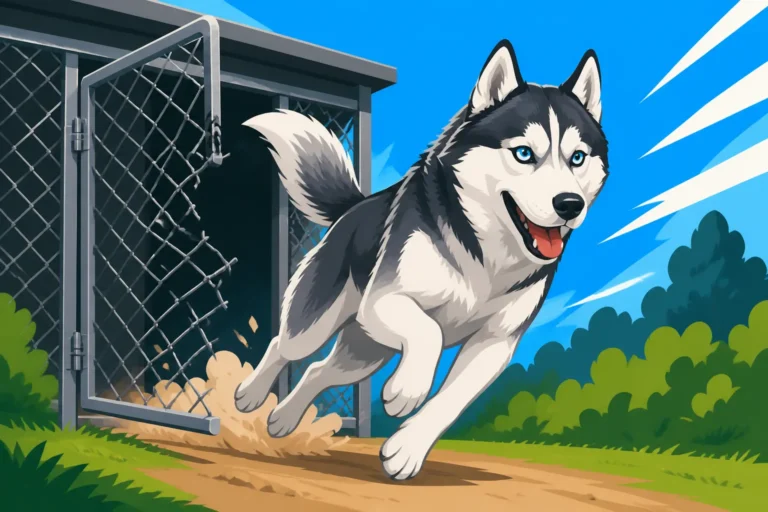
- Secure Fencing: If your Husky is left in a yard, the fence must be robust and escape-proof. Huskies can jump surprisingly high, so a six-foot fence is often the minimum. But they are also champion diggers. Burying fence wire or installing an L-footer along the base of the fence can deter digging under. Consider adding coyote rollers or other anti-climb devices if your Husky is a climber. For more on this, you can check out tips on Stopping a Siberian Husky Digging Along the Fence.
- Gate Security: Huskies are clever and can often figure out how to open simple latches. Make sure any gates are secured with sturdy, complex latches or even padlocks that they cannot manipulate. Double-checking gate security every time you leave them outside is a must, because Gate Locks a Siberian Husky Cannot Open are surprisingly hard to come by without extra effort.
- Supervision: The safest approach, especially for a Husky with known escape tendencies, is direct supervision in the yard or keeping them in a secure indoor space. Never underestimate their ability to find a weakness in your defenses.
The Hidden Costs of Destruction and Seeking Help
The "four-hour havoc" isn't just an annoyance; it carries significant financial and emotional costs. Recognizing when you need to call in the cavalry can save you a lot of heartache and expense in the long run.
Financial and Emotional Toll
The direct costs of a destructive Husky are obvious, but the emotional drain can be just as significant, if not more so.
- Repair and Replacement Costs: The most immediate impact is the financial burden. Replacing a shredded couch, repairing holes in drywall, or even rebuilding a section of your fence can run into hundreds, if not thousands, of dollars. Drywall Repairs After a Bored Siberian Husky are never cheap, and neither is furniture replacement. This constant cycle of damage and repair can put a severe strain on your budget.
- Veterinary Bills: Beyond property damage, there's the risk to your Husky's health. Chewing on inappropriate items can lead to foreign body ingestion, broken teeth, or internal injuries. A trip to the emergency vet for an obstruction can easily cost several thousand dollars, not to mention the stress and worry it causes you.
- Emotional Exhaustion and Guilt: Living with a destructive dog is incredibly frustrating. You might feel angry, helpless, and even guilty for not being able to prevent the behavior. This constant stress can erode the bond you have with your dog and lead to feelings of resentment. It's vital to remember that your Husky isn't doing this to spite you; they are communicating an unmet need or distress.
When to Call a Professional
Sometimes, despite your best efforts, the destruction persists or escalates. This is a clear sign that it's time to seek professional help. Don't view this as a failure on your part, but rather as a responsible step toward helping your dog.
- Distinguishing Boredom from Anxiety: A professional dog trainer or veterinary behaviorist can help you accurately diagnose the root cause of the destruction. Is it truly just boredom that can be fixed with more exercise and enrichment? Or is it genuine separation anxiety, which requires a more nuanced behavior modification plan, potentially including medication? Trying to treat anxiety with only boredom solutions will be ineffective and frustrating for everyone.
- Behavior Modification Plans: A qualified professional can develop a tailored behavior modification plan that addresses your Husky's specific triggers and behaviors. This might involve counter-conditioning, desensitization, or specific training protocols designed to build confidence and reduce anxiety. They can guide you through the process, providing hands-on support and troubleshooting. Many owners find success working with someone who has specific experience with Northern breeds, as their temperament and drive are unique. For those looking for help, exploring Finding a Trainer Who Has Worked With Huskies is a great start, as a generic trainer might not understand their unique needs.
- Veterinary Behaviorists: In cases of severe anxiety or other behavioral issues, a veterinary behaviorist (a veterinarian with specialized training in animal behavior) may be necessary. They can prescribe medication to help manage anxiety while you implement behavior modification techniques. This combination often yields the most effective and humane results for dogs suffering from severe distress.
Here's a quick comparison of common strategies for managing a Husky's alone time:
| Strategy | Description | Pros | Cons |
|---|---|---|---|
| Maximized Exercise | Intense physical activity (runs, long walks) before alone time. | Naturally tires the dog, reduces restless energy. | Requires significant time commitment daily, weather-dependent. |
| Mental Enrichment | Puzzle toys, frozen KONGs, snuffle mats with treats. | Engages their mind, redirects chewing to appropriate items. | Huskies can quickly solve puzzles, may not last for extended periods. |
| Crate Training | Providing a secure, comfortable "den" during absences. | Prevents destruction, provides a sense of security for some dogs. | Requires proper, positive introduction; can exacerbate anxiety if done wrong. |
| Dog-Proofing | Removing tempting items, securing areas with gates. | Simple, immediate prevention of access to valuables. | Only effective in areas you can fully secure; doesn't address root cause. |
| Professional Trainer | Working with a certified trainer or veterinary behaviorist. | Expert diagnosis and tailored behavior modification plans. | Can be costly, requires owner commitment to implement strategies. |
Ultimately, living with a Siberian Husky means embracing their incredible energy, intelligence, and independent spirit. While their capacity for destruction in a short amount of time can be daunting, it's a call for understanding and a strategic approach. By recognizing their needs, providing ample exercise and mental stimulation, creating a secure environment, and knowing when to seek professional guidance, you can transform those four hours from a time of dread into a peaceful interlude for both you and your remarkable canine companion.
Disclaimer
This article is for general informational purposes only and does not constitute professional advice. Laws, prices and regulations vary by location and change over time. Consult a qualified professional for guidance on your specific situation.