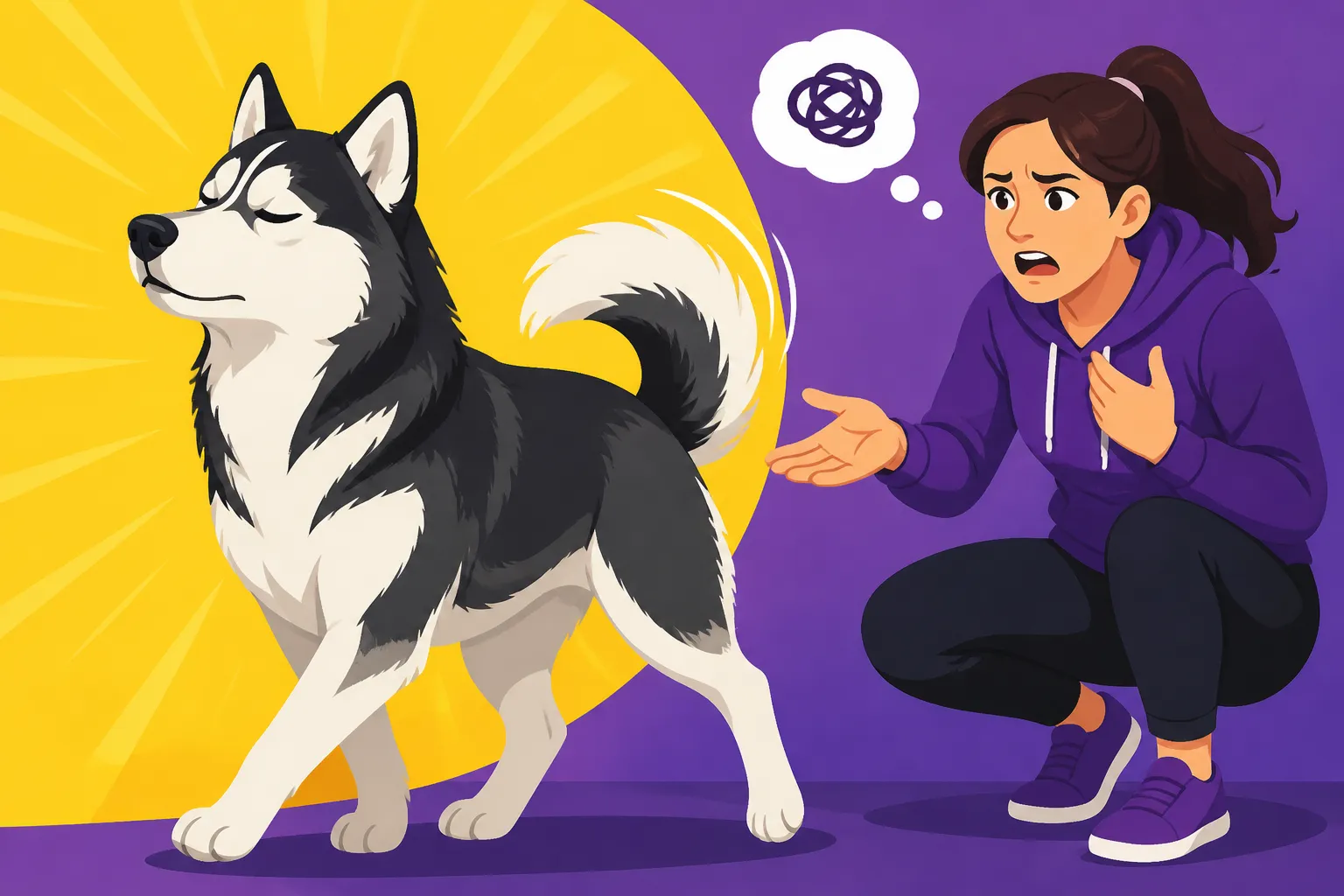
When a Siberian Husky Stops Listening at Eight Months
So, you've got this energetic, once-responsive Siberian Husky puppy, and suddenly, around eight months, it feels like they've sprouted invisible earplugs. You call their name, they glance at you, and then deliberately turn their head and bolt, or simply ignore you and continue sniffing that interesting patch of grass. The frustration is incredibly real, and believe me, you are absolutely not alone in feeling like your once-eager-to-please pup has been replaced by a furry, independent teenager. This guide will walk you through why your seemingly well-behaved Siberian Husky might suddenly start ignoring commands during their adolescent phase, and more importantly, how to navigate this challenging but temporary period with heaps of patience, understanding, and some highly effective training strategies.
The Great Escape: Why Eight Months Signals a Shift in Husky Behavior
Around eight months of age, many Siberian Husky owners notice a distinct shift in their dog's behavior. What used to be reliable recall can suddenly become a game of "catch me if you can," and basic commands that were mastered months ago might seem to vanish from their memory. This isn't a sign that you've failed as an owner, nor is your Husky suddenly "bad." Instead, it's a completely normal, if exasperating, developmental stage that all dogs go through, but one that is amplified by the unique traits of the Siberian Husky.
The Canine Teenage Phase
If you've ever raised a human teenager, you'll find striking similarities in canine adolescence. Your Husky is no longer that little fluffy puppy who looked up to you for everything. They are developing their own sense of self, testing boundaries, and exploring the world with newfound confidence and a dash of defiance. This isn't about spite; it's about significant brain development and hormonal changes that compel them to assert their independence. They are essentially asking, "Do I really have to?" or "What's in it for me?" when faced with a command, especially if something more exciting is happening around them.
Think about it this way: your puppy brain was largely focused on learning safety, comfort, and how to get treats from you. The adolescent brain, however, is a whirlwind of new sensory information, burgeoning instincts, and a powerful urge to explore beyond the immediate family unit. They might know the command, but their impulse control is still developing, and the call of the wild (or just the interesting scent of a squirrel) can be far more compelling than your voice. It requires you to recalibrate your approach, moving from puppy-centric training to methods that engage a more independent and easily distracted mind.
Hormonal Shifts and Their Impact
Around eight months, many Huskies are reaching sexual maturity. Even if you plan on spaying or neutering, the hormonal changes leading up to this point, or occurring even after the procedure, can have a profound impact on behavior. Increased levels of hormones like estrogen and testosterone can lead to new interests in the opposite sex, a heightened desire to mark territory, or an increased tendency to challenge other dogs. These internal drives are incredibly powerful and can easily override previously learned commands, especially when your Husky is in a stimulating environment like a park with other dogs, or a trail filled with intriguing smells.
For instance, your male Husky might suddenly become obsessed with sniffing every bush and tree where another dog has been, seemingly oblivious to your calls. A female Husky might become more excitable or distracted by the presence of intact males. These shifts are biological and deeply ingrained, making it feel like you're competing against nature itself. Understanding that these behaviors are often hormone-driven can help you depersonalize the "disobedience" and approach it with a more strategic, less emotional mindset. It's not personal; it's just biology doing its thing.
Instinctual Drives Kicking In
Siberian Huskies were bred for a specific purpose: to run, pull, and travel long distances with incredible endurance. Their ancestral drives for roaming, hunting, and working in a team become far more pronounced as they mature. At eight months, that innate urge to run freely and explore the vast unknown can become almost overwhelming for them. This is often the age when owners truly begin to grapple with the breed's famous independence and strong prey drive.
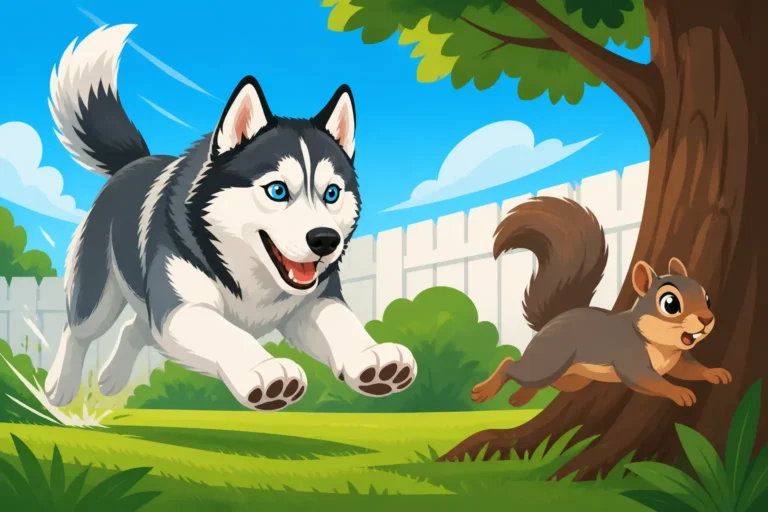
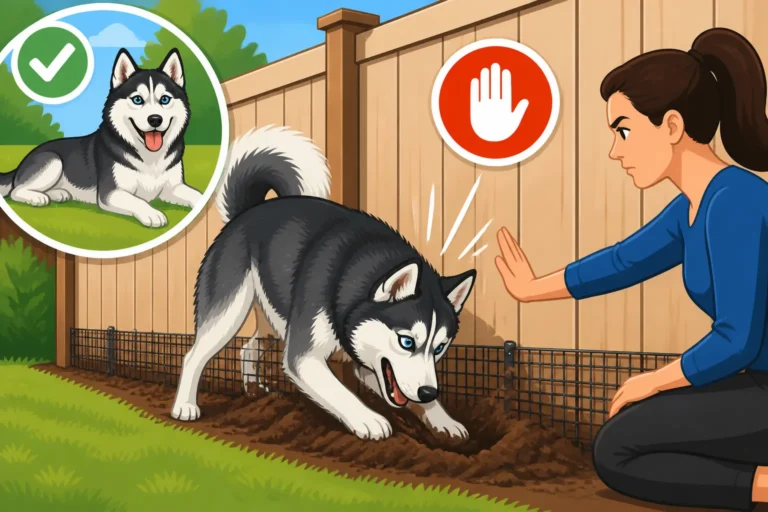
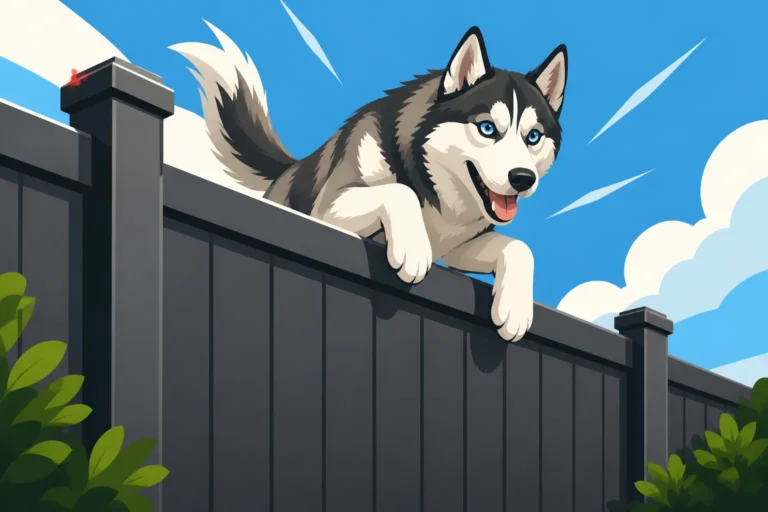
That tiny squirrel across the park, the rabbit scent wafting from the underbrush, or the sheer joy of an open field can trigger a deeply embedded instinct that makes your voice seem like mere background noise. What might look like stubbornness is often simply their breed-specific programming taking over. They're not being defiant to annoy you; they're responding to a powerful, ancient call that tells them to chase, explore, and move. This is why a secure fence and diligent leash training become absolutely paramount during this adolescent period, as their newfound confidence and physical prowess make them formidable escape artists if given the opportunity.
Understanding Your Husky's "Selective Hearing"
It's common for Husky owners to lament their dog's "selective hearing," especially during those teenage months. One minute they're perfectly attentive, the next they're ignoring you as if you're speaking a foreign language. This isn't usually a malicious act of defiance, but rather a complex interplay of their independent nature, strong drives, and a world that's suddenly bursting with irresistible distractions.
Independence, Not Disobedience
It's incredibly easy to feel personally offended when your Siberian Husky ignores your commands. You might think, "They know 'sit,' why are they pretending not to hear me?" But for an adolescent Husky, the world outside the immediate training bubble is suddenly much, much more interesting than you or your demands. They're not trying to be bad or dominant; they're simply following powerful instincts and processing a huge amount of external stimuli. Their independent nature, a hallmark of the breed, means they often evaluate whether obeying a command is truly worth their while in that particular moment.
For example, your Husky might be perfectly happy to "sit" for a treat in your quiet living room. But out on a busy trail, with deer scents on the breeze and other dogs in the distance, that same command holds far less value. They're weighing the immediate gratification of sniffing that intriguing patch of grass or investigating a distant sound against the potential reward you're offering. This isn't necessarily a challenge to your authority, but rather a highly sophisticated (and often frustrating) cost-benefit analysis happening in their furry brain. It requires you to shift your perspective from expecting automatic compliance to understanding their motivations and making your requests more appealing than the distractions. Training an Independent Siberian Husky definitely calls for a different playbook.
The Allure of the Chase Instinct
The chase instinct is perhaps one of the strongest motivators for a Siberian Husky, and it truly intensifies during adolescence. A rustling leaf, a quick dart of a bird, a distant squirrel, or even another dog playing fetch across the park—these become incredibly strong, almost magnetic, motivators that can instantly shut down any learned behavior. For a Husky, the thrill of the chase is often its own reward, more potent than any treat or praise you can offer in that moment.
This deep-seated Siberian Husky Prey Drive Around Small Animals explains why off-leash reliability is such a monumental challenge for the breed, leading many owners to question Whether any Siberian Husky is reliable off leash. You might have a perfectly well-behaved Husky on a leash, but the moment that leash comes off, their primal urges can take over, turning them into a focused, fast-moving hunter. They're not running from you; they're running towards something that their instincts deem vital. This means you have to be ever-vigilant and understand that, for the vast majority of Huskies, off-leash freedom in an unsecured area is simply too dangerous, both for them and for potential wildlife.
Distraction Over Desire to Please
As puppies, Huskies often exhibit a charming eagerness to please, especially when there's food involved. However, as they mature into adolescents, what seemed like a strong desire to make you happy can often be overshadowed by the sheer volume and novelty of external stimuli. They might intellectually "know" the command you're giving, but their brain is simultaneously processing a thousand other exciting things in the environment. The scent of another dog, the sound of children playing, the sight of a leaf blowing—each tiny detail vies for their attention.
Imagine trying to concentrate on a math problem while a rock concert is blaring next door and someone is dangling your favorite dessert in front of you. That's a bit like what an adolescent Husky experiences. Their high energy levels, combined with an insatiable curiosity and adventurous spirit, make them highly prone to distraction. They might break eye contact, shift their focus, and simply "forget" what they were supposed to be doing, not out of malice, but because their highly attuned senses are constantly pulling them towards the next exciting thing. Your job is to make you the most exciting thing in the environment, which is a constant and demanding task during this period.
Common Training Roadblocks When Your Husky Turns Eight Months
The shift in your Siberian Husky's behavior at around eight months isn't just about newfound independence; it also exposes any weaknesses or gaps in your earlier training. What worked beautifully in the controlled environment of your home might completely fall apart when faced with the real world's distractions. Understanding these common roadblocks can help you identify areas where your training needs a stronger foundation and a more nuanced approach.
Lack of Proofing in Various Environments
One of the biggest pitfalls for owners of adolescent Huskies is the assumption that a command learned in one environment will automatically apply everywhere else. Many owners diligently train their puppies at home, in the backyard, or in a quiet park, and the commands stick. However, when you take your Husky to a new, stimulating location—a busy hiking trail, a dog park, or even just a friend's house—that previously reliable "sit" or "come" can suddenly disappear. This is because your Husky associates the command with the specific context in which it was learned.
"Proofing" a command means practicing it successfully in an ever-increasing variety of environments, with escalating levels of distraction. If you've only practiced recall when no squirrels are present, your Husky hasn't learned to "come" despite the squirrel. The lesson here is that training isn't a one-and-done event. It's a continuous process that needs to be generalized across all contexts where you expect your Husky to perform. Without dedicated proofing, the moment a new, exciting stimulus enters the picture, your well-trained Husky can revert to their instinctual behaviors.
Over-Reliance on Familiar Cues
If you've consistently used the same tone, hand signal, and reward in the same sequence every time you've given a command, your Husky might have learned the sequence rather than the actual meaning of the word. They might come when you call them because they know a treat always follows your happy voice and clapping hands in the backyard. But if you try to use that same cue in a novel situation, or with a slightly different tone, they might not make the connection.
This problem becomes particularly evident with recall. If you've only ever used "come" in your quiet backyard, your Husky associates that word with the backyard and the specific scenario. They haven't generalized the command to mean "return to me" regardless of location or distraction. It's crucial to vary your approach slightly, using different vocal tones, body language, and even different rewards in various settings to ensure your Husky understands the intent of the command, not just the habitual response to a specific set of circumstances. This is where The Month a Siberian Husky Starts Testing You really kicks in, as they challenge these familiar cues.
Battling Hormones and New Interests
No matter how consistent and diligent you are with your training, you are often competing with powerful biological drives during your Husky's adolescence. Their growing interest in other dogs, new and intoxicating smells, and the expansive feeling of exploring their territory can temporarily eclipse even the most well-established commands. It's a fundamental shift in their priorities.
While you might be focused on perfecting a "stay," your Husky might be acutely aware of a female in heat three blocks away, or a fascinating scent trail left by a fox. These natural urges are incredibly compelling and can make your Husky seem to "forget" everything you've taught them. This isn't an excuse to give up on training; rather, it's a critical reminder to adjust your expectations, increase the value of your rewards, and choose your training battles wisely. During this period, some days will feel like two steps forward, one step back, and recognizing that you're battling powerful natural instincts can help you maintain your patience and perspective.
Re-Engaging Your Adolescent Siberian Husky: Strategies for Success
When your eight-month-old Siberian Husky suddenly develops "selective hearing," it's easy to get discouraged. However, this is precisely the time to double down on your training efforts, albeit with a refined approach. The key is to make yourself and your commands the most compelling force in their environment, even when faced with irresistible distractions.
Revisit Basics with High-Value Rewards
It's time to go back to basics, but with a twist. Don't assume your Husky remembers every command; instead, act as if they're learning them for the first time. Start in a low-distraction environment, like your living room, and make the training sessions incredibly fun and rewarding. The crucial element here is using high-value rewards. Forget the plain kibble you used for puppy training; now is the time for treats your Husky goes absolutely wild for. Think tiny pieces of cooked chicken, cheese, hot dogs, or liverwurst. These are the equivalent of hitting the jackpot for your Husky and will drastically increase their motivation.
Short, frequent training sessions (5-10 minutes a few times a day) are far more effective than one long, boring one. Keep the energy positive, celebrate every small success, and make yourself the source of all good things. If your Husky comes when called, a party should erupt, complete with praise, petting, and those irresistible treats. This re-establishes the value of listening to you and reminds them that you are the provider of all things wonderful, even when the world outside beckons. This approach is fundamental to Keeping a Siberian Husky Interested in Training.
Practice in Varied Environments
Once your Husky is reliably responding to commands in a low-distraction setting, it's time to start proofing. Gradually introduce more distractions, always setting your Husky up for success. Begin with a slightly busier room in your house, then move to your quiet backyard, then a calm park during off-peak hours, and finally to more stimulating environments. The rule of thumb is: if your Husky fails a command three times in a row, you've moved too fast or the environment is too distracting. Go back to an easier setting where they can succeed.
For critical commands like "come" (recall), always start on a long line, even in seemingly safe, fenced areas. A 15- to 30-foot long line allows your Husky to feel some freedom while still keeping them safely connected to you. Practice recall randomly throughout your walks and play sessions. Don't just call them when it's time to leave the park; call them, reward them, and then immediately release them to play again. This prevents them from associating "come" with the end of fun. Look for long lines made of biothane or sturdy nylon, easily found on Amazon, which offer excellent grip and durability for a strong Husky.
Building a Bulletproof Recall
A reliable recall is the holy grail for any Husky owner, and it's something you will actively work on for their entire life. During adolescence, it needs to be the absolute priority. The concept is simple: make coming back to you the most rewarding experience possible, every single time. As mentioned, use exceptionally high-value treats and enthusiastic praise. Consider using a unique recall word or sound that your Husky associates only with returning to you for something spectacular. This could be a specific whistle, a silly phrase, or a unique series of claps. This special cue should only be used for recall and always be followed by a huge reward.
Crucially, never, ever punish your Husky for eventually coming, even if it took them five minutes. When they finally make it back, shower them with praise and rewards. If you scold them, they will learn that coming back leads to an unpleasant experience, making them even less likely to respond next time. Your goal is to create a positive association, always. Games like "find me" (where you hide and call them) or "Husky tag" (where you run away while calling them) can make recall practice fun and engaging. Remember, consistency and positive reinforcement are your most powerful tools when Teaching a Siberian Husky to Come Back and creating that bulletproof recall. Building a Siberian Husky Recall Word From Scratch is a journey, not a sprint.
Essential Tools and Resources for Adolescent Husky Training
Navigating the adolescent phase of a Siberian Husky requires more than just patience; it demands the right tools and, sometimes, external support. Equipping yourself with the proper gear and knowing when and where to seek expert advice can make a significant difference in shaping your Husky into a well-mannered companion.
Vital Training Equipment
Having the right equipment is non-negotiable for a breed as strong and independent as a Siberian Husky. Firstly, a sturdy, well-fitting harness is paramount. A front-clip harness can be particularly helpful for managing a Husky that pulls on the leash, as it redirects their pulling power to their side, making it harder for them to forge ahead. Ensure it's escape-proof, as Huskies are notorious for wiggling out of collars and even some harnesses. Pair this with a durable, comfortable leash that gives you a good grip.
Secondly, a long line (15-30 feet) is invaluable for practicing recall safely in open, yet controlled, environments. This allows your Husky to explore and feel a sense of freedom while you maintain a safety connection. You can find excellent quality long lines in various materials, like biothane, on online marketplaces like Amazon. These are great for practicing in large fields, giving your Husky space to run without the risk of them bolting. Finally, a dedicated treat pouch that clips to your belt is essential. This ensures your high-value rewards are always at hand for immediate reinforcement, which is critical for capturing and rewarding desired behaviors the moment they happen. Long Lines and Recall Gear for a Siberian Husky are truly your best friends during this stage.
Finding the Right Training Support
While online guides like this one offer a wealth of information, sometimes you need hands-on, personalized support. When looking for a trainer, it's absolutely crucial to seek out professionals who have extensive experience with independent and high-drive breeds like Siberian Huskies. Not all trainers understand their unique motivations or the specific challenges they present. A trainer accustomed to highly biddable breeds like Golden Retrievers might not have the right approach for a Husky, who often requires more creativity, patience, and high-value reinforcement.
Group classes can be excellent for socialization and for proofing commands in a controlled, mildly distracting environment. They offer a safe space for your Husky to learn to focus on you amidst other dogs and people. If you're facing specific behavioral challenges, such as excessive pulling, leash reactivity, or severe "selective hearing," individual sessions with a certified professional dog trainer or behaviorist can provide tailored advice and hands-on guidance. Don't be afraid to interview trainers and ask about their experience with Northern breeds. Finding a Trainer Who Has Worked With Huskies is truly a game-changer.
Online Training Programs
Life gets busy, and sometimes finding a local trainer or attending regular classes isn't feasible. In such cases, online training programs can be a fantastic resource. These platforms offer structured lessons, often with video demonstrations and written guides, that you can follow at your own pace from the comfort of your home. They are particularly useful for reinforcing foundational behaviors and tackling specific challenges that crop up during adolescence.
A reputable program like those offered by BAXTER & Bella, for instance, provides comprehensive online guidance for puppies and adolescent dogs, helping owners understand canine development and implement effective training techniques. They often include community support, Q&A sessions, and resources that can bridge the gap between self-training and in-person classes. The flexibility of online courses means you can revisit lessons as needed and work through problems on your own schedule, making it an accessible option for many Husky owners navigating the turbulent waters of canine adolescence.
Embracing Patience and Realistic Expectations
The adolescent phase with a Siberian Husky can feel like a test of wills, often pushing owners to their limits. It’s vital during this period to cultivate a deep well of patience and to adjust your expectations to align with the unique characteristics of the breed. This isn't just about surviving the phase; it's about building a stronger, more resilient bond with your independent companion.
The Journey of an Independent Spirit
It's easy to label a Husky as "stubborn" when they’re not immediately compliant. However, it's more accurate to view their independence as a deeply ingrained breed trait, not a flaw. Unlike some breeds that live to please, Siberian Huskies are thinking dogs; they often evaluate a situation and decide if your request is worth their effort, especially when more exciting things are afoot. Why a Siberian Husky Looks Stubborn Rather Than Slow is often due to this inherent independence. They aren't trying to defy you; they're simply being true to their nature.
This means your training journey with a Husky will likely require more creativity, higher-value rewards, and an unwavering commitment to consistency than it might with other breeds. Embrace their spirit, understand their motivations, and learn to make yourself more interesting than the world around them. This phase will eventually pass, but the groundwork you lay now—in terms of patience, understanding, and consistent positive reinforcement—will define your relationship for years to come. It's a marathon, not a sprint, and every small victory should be celebrated.
Consistency is Your Co-Pilot
If there's one word that should be emblazoned on every Husky owner's mind, it's consistency. Especially during adolescence, when your Husky is testing boundaries and exploring their newfound independence, any lapse in consistency can set your training back significantly. Even when you're tired, even when it feels like your efforts are hitting a brick wall, you must maintain a consistent approach to commands, boundaries, and expectations.
Every interaction you have with your Husky is a training opportunity. Reinforce good choices, redirect undesirable behaviors gently but firmly, and ensure everyone in the household is on the same page regarding rules and commands. If one person lets the Husky jump on them, while another corrects it, you're sending mixed signals that a smart adolescent Husky will quickly exploit. A strong foundation built on consistent rules and positive reinforcement creates clarity and trust, even when their hormones are raging. It's the steady hand that guides them through this challenging period and prevents small issues from escalating.
When to Seek Professional Guidance
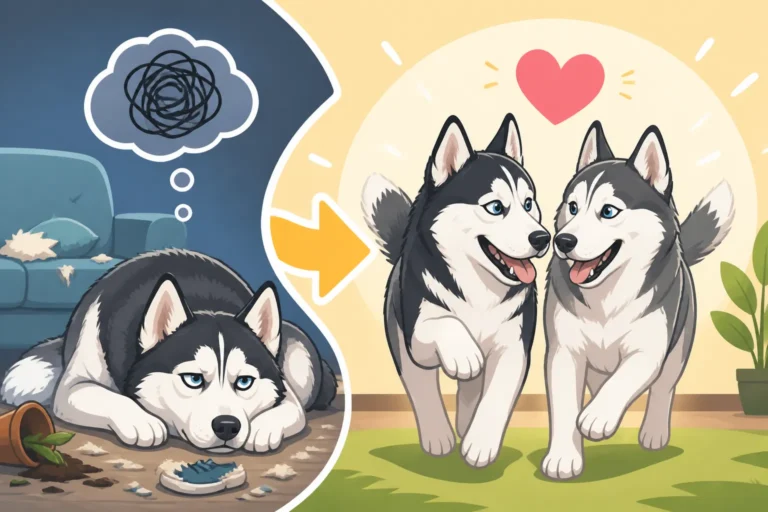
While this adolescent phase is a normal part of canine development, there's a point where struggling alone can become counterproductive. If you find yourself feeling consistently overwhelmed, frustrated to the point of anger, or if you notice concerning behaviors like increased aggression, severe anxiety, or destructive tendencies that you can't manage, it's absolutely time to seek professional help. A certified professional dog trainer or a veterinary behaviorist can provide invaluable insight and hands-on support.
They can assess your Husky's behavior in person, identify underlying causes, and develop a tailored training plan that addresses your specific challenges. Early intervention is always best, as it prevents small behavioral quirks from solidifying into major problems down the line. Don't view seeking professional help as a failure; instead, see it as a responsible and proactive step towards ensuring your Siberian Husky grows into a well-adjusted, happy companion. It's an investment in your peace of mind and your Husky's future.
| Adolescent Husky Trait | Description | Training Challenge | Effective Strategy |
|---|---|---|---|
| Independence | Prioritizes self-interest over owner's commands, less "eager to please" | "Selective hearing," easily distracted, often evaluates worth of command | High-value rewards, consistent proofing, make yourself irresistible |
| High Energy | Seemingly boundless energy, requires significant physical and mental outlet | Destructive behavior, escapes, inability to settle, boredom | Structured exercise, mental stimulation (puzzles, training), jobs |
| Prey Drive | Strong instinct to chase and hunt small animals, intensifies with age | Bolting, ignoring recall, risk to small pets/wildlife | Long lines, secure containment, focus on impulse control, management |
| Hormonal Changes | Influences interest in other dogs, marking, territorial behaviors | Increased distraction around other dogs, marking in inappropriate places | Continued socialization, spay/neuter consideration, focused training |
| Boundary Testing | Pushing limits of rules, seeing what they can get away with | Inconsistent behavior, "forgetting" known commands, chewing, jumping | Clear and consistent boundaries, immediate positive reinforcement, patience |
| Short Attention Span | Easily diverted by environmental stimuli, struggles with long tasks | Difficulty focusing in distractions, appears "stubborn" | Short, fun training sessions, high-value rewards, gradual distraction increase |
Disclaimer
This article is for general informational purposes only and does not constitute professional advice. Laws, prices and regulations vary by location and change over time. Consult a qualified professional for guidance on your specific situation.