Whether a Shock Collar Belongs on a Siberian Husky
It’s a common scenario for Siberian Husky owners: you've tried everything, your furry escape artist is deaf to your calls, and you're at your wit's end. The frustration is real, and it often leads people to consider tools like "shock collars" as a last resort, hoping for a quick fix for a dog that seems to ignore all traditional training. This guide will explore whether these devices are truly appropriate for the unique temperament of a Siberian Husky and what more effective, humane alternatives exist to build a strong, trusting relationship with your independent companion.
Understanding the Siberian Husky Temperament
Before we even talk about training tools, it's vital to grasp what makes a Siberian Husky tick. These aren't your average "pleasers." They are a breed deeply rooted in a history of independent problem-solving and long-distance travel, and their minds work very differently from many other breeds. Trying to force a Husky into compliance often backfires spectacularly.
The Independent Nature
Siberian Huskies were bred to make decisions for themselves, often miles ahead of their musher, navigating treacherous terrain and changing conditions. This means they possess a strong will and an incredible capacity for independent thought. They aren't inherently driven to please you in the same way a Labrador or Golden Retriever might be; their motivation comes from within, or from what they perceive as rewarding. This independent streak is precisely why many owners feel a disconnect or struggle with recall, as the world outside is often far more interesting than their human's voice. They're not being stubborn to spite you, they're simply being a Husky. Training an Independent Siberian Husky is a lifelong journey of understanding and motivation, not brute force.
This independence often translates into a dog that appears to have "selective hearing," especially when an exciting scent or a potential chase is involved. They weigh the rewards – the thrill of the chase, the new smells – against the reward of coming back to you. If the external reward is greater, their genetic programming kicks in. Owners often find themselves thinking, "My Husky knows what 'come' means, they just choose not to." And in many ways, that's precisely correct. Their choices are based on a complex internal calculus of environmental stimuli and perceived value.
High Prey Drive and Wanderlust
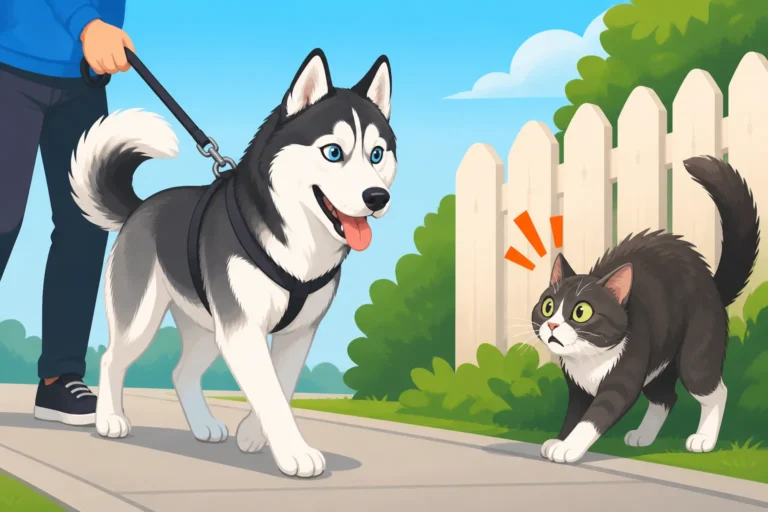
Another cornerstone of the Siberian Husky's temperament is their incredibly high prey drive and an insatiable desire to roam. These traits are not flaws; they are intrinsic parts of their breed's purpose, honed over centuries. A squirrel darting across the yard or a rabbit disappearing into the brush isn't just a fleeting distraction for a Husky; it's a primal call to action that can override almost anything else. This instinct is incredibly powerful and hardwired into their DNA. Siberian Husky Prey Drive Around Small Animals is a serious consideration for any owner.
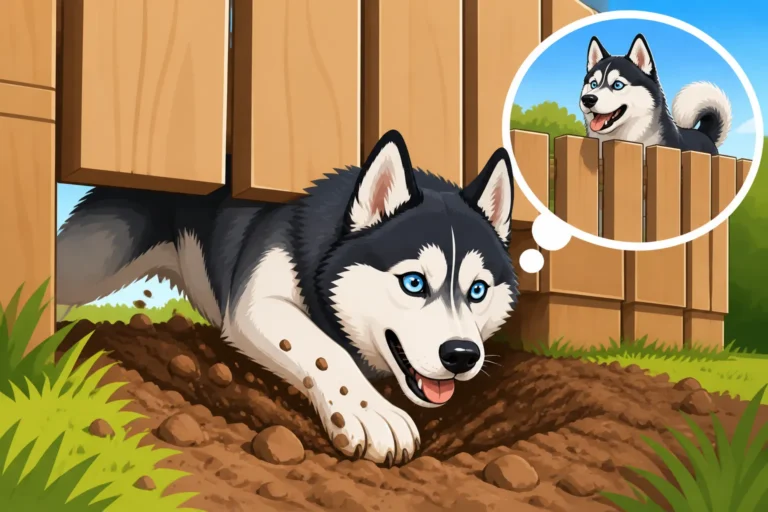
Their wanderlust is equally strong. Huskies are built to cover vast distances efficiently. A typical suburban yard, even with a sturdy fence, can feel like a cage to them. This inherent drive to explore and run means they are constantly seeking an opportunity to escape and stretch their legs. This isn't naughtiness; it's an expression of their deepest nature. Because of this, Why a Siberian Husky Cannot Be Trusted Off Leash is one of the most important lessons any Husky owner learns early on. They will run, and they will likely not come back until they decide to, or until something more interesting (or a fence) stops them.
Sensitivity and Communication Style
Despite their rugged appearance and independent spirit, Siberian Huskies can be surprisingly sensitive. They thrive on clear, consistent, and fair communication. Harsh corrections, loud reprimands, or physical punishment can deeply damage the bond of trust between a Husky and its owner. Instead of learning what you want, a sensitive Husky might shut down, become anxious, or even develop fear-based aggression. Their communication style often involves more "talking" – howls, grumbles, and "woo-woos" – rather than barking, and they respond best to owners who understand their nuanced signals.
Imagine trying to teach a child a complex task by yelling and startling them every time they made a mistake. They wouldn't learn the task; they'd learn to fear the teacher and the learning environment. The same applies to a Husky. Their body language, though sometimes subtle, will tell you a lot about how they are perceiving your training methods. A Husky that becomes withdrawn, avoids eye contact, or displays appeasement behaviors like licking lips or yawning excessively during training is a clear sign that the current approach is causing stress rather than promoting learning.
How "Shock Collars" Actually Work
Let's talk about what these devices are, because the terminology itself has evolved, often to soften the public perception. Understanding the mechanics is crucial to evaluating their suitability for any dog, especially a Siberian Husky.
Explaining E-Collars and Their Function
What many people still call a "shock collar" is more accurately referred to as an e-collar (electronic collar) or a remote training collar. These devices consist of a receiver collar worn around the dog's neck, with two contact points that rest against the skin, and a handheld remote control. The remote allows the handler to deliver various stimuli to the dog. The idea behind them is usually to provide a deterrent or a "correction" for undesirable behaviors, or to get the dog's attention over a long distance, especially for recall.
Traditionally, the "shock" was the primary output, and it was often quite unpleasant, feeling like a static electricity jolt or worse. Modern e-collars, however, typically offer a range of stimulation levels, from a mild vibration or tone, to a progressively stronger static pulse. The proponents argue that the lowest levels are simply a "tap" or a "tickle" to get the dog's attention, much like a touch from a leash, and that the higher levels are only used for serious emergency situations.
The Spectrum of Stimulus Vibration, Tone, and Static
Most contemporary e-collars come with multiple settings. The lowest settings usually involve a simple vibration, similar to a cell phone vibrating on your wrist. This can be used as a "marker" or a simple attention-getter, often paired with positive reinforcement. Then there are tone settings, which emit an audible beep. This can also be used as a warning or a cue. Finally, there's the static stimulation, which is the "shock" component, though many manufacturers prefer terms like "stimulation" or "tap." These static pulses range from barely perceptible to quite strong, and they are designed to create a momentary discomfort that the dog associates with a specific action (or inaction).
The challenge with this spectrum is that what one dog finds a "mild tap," another might find genuinely painful or terrifying. The effectiveness and impact depend heavily on the individual dog's sensitivity, its temperament, and the skill (or lack thereof) of the person operating the remote. For a Husky, with its thick double coat, it's also common for the contact points to not make consistent contact with the skin, leading to unreliable, inconsistent, and often frustrating application of the stimulus, which can be even more confusing and anxiety-inducing for the dog.
The Argument for and Against Their Use
Advocates for e-collars often cite their ability to provide long-distance control, especially for breeds with strong prey drive or those prone to running away. They argue that a timely correction can save a dog's life by preventing it from running into traffic or chasing dangerous wildlife. Some believe it's a necessary tool for dogs that are "stubborn" or don't respond to traditional methods, enabling them to safely enjoy off-leash activities like hiking or working. They emphasize that proper use involves finding the "working level" – the lowest possible setting that gets the dog's attention – and pairing it with positive cues.
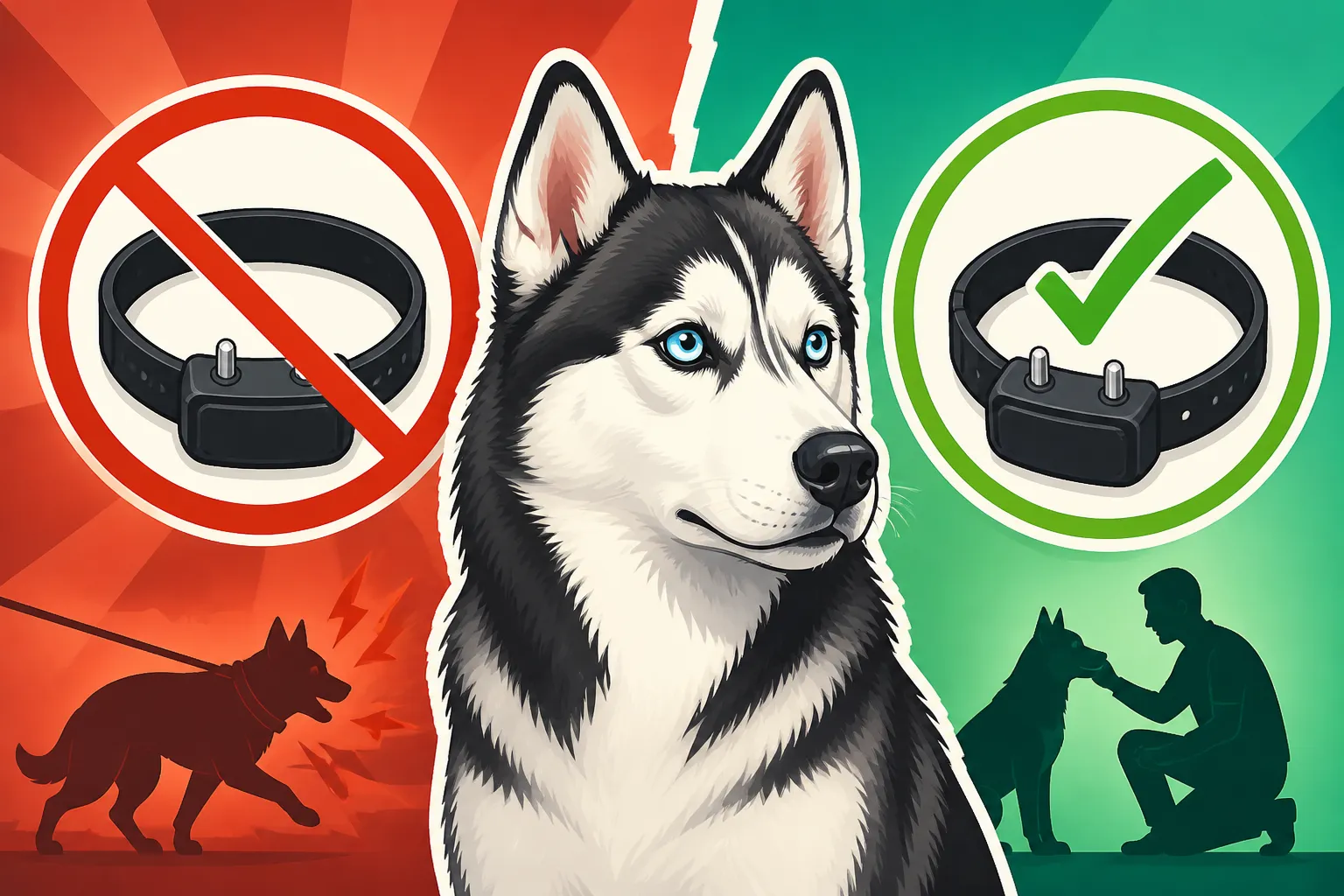
However, opponents, myself included, raise serious concerns about the potential for misuse, psychological harm, and the fundamental philosophical approach it represents. They argue that using aversive tools can damage the dog-owner bond, suppress natural behaviors without teaching alternatives, and create fear or aggression. For a sensitive breed like the Husky, even a mild static correction can be a jarring and confusing experience, especially if they don't understand why it's happening. Many professional trainers now strongly advocate for force-free, positive reinforcement methods, even for challenging breeds, believing that teaching what to do is always more effective and humane than punishing what not to do. Why Force Training Fails on a Siberian Husky is a topic many modern trainers understand well.
Why Shock Collars Often Fail (or Harm) Siberian Huskies
Given the unique characteristics of a Siberian Husky, applying aversives like "shock collars" often leads to unintended consequences that exacerbate existing behavioral issues rather than solving them.
Amplifying Anxiety and Fear
Siberian Huskies are intelligent, but they are not always quick to connect a remote static pulse with a specific behavior, especially if the timing is off or if they are already highly distracted by their environment. What happens instead is that they often associate the unpleasant sensation with whatever else is happening around them. If they get a static pulse while chasing a squirrel, they might not stop chasing; they might instead develop a fear of squirrels, or the park where the squirrel was, or even you. If the static pulse comes when they're simply exploring off-leash, they might become anxious about being off-leash at all, or develop generalized anxiety about unexpected sensations.
This can quickly erode their confidence and willingness to engage with their environment or with you. A Husky that is confused and anxious is less likely to learn anything new. Instead of learning to come when called, they might become fearful of approaching you if they associate your presence with unpredictable discomfort. This creates a cycle where the owner's frustration grows, leading to more reliance on the collar, and the dog's anxiety spirals, making them even less receptive to training.
Misinterpretation and Learned Helplessness
One of the biggest issues with e-collars, particularly for independent and sensitive dogs like Huskies, is the high potential for misinterpretation. Huskies learn through consequence, but they also learn through association. If a static pulse occurs, and they don't immediately understand what action or inaction caused it, they might guess wrong. They might think it's the other dog they just saw, the sound of a passing car, or even their owner's presence. This incorrect association can lead to strange and undesirable behaviors.
In some cases, prolonged or inconsistent use of static correction can lead to "learned helplessness." This is a psychological state where an animal, after repeated exposure to aversive stimuli from which it cannot escape, gives up trying to avoid them. A Husky in this state might appear "obedient" because it's no longer engaging in behaviors that trigger the static, but it's doing so out of fear and resignation, not understanding or willingness. This is a far cry from a happy, confident, and well-adjusted companion. It fundamentally breaks the trust that should exist in the human-animal bond, turning a partnership into a master-servant dynamic.
The Damage to Trust and Bond
Ultimately, using a "shock collar" on a Siberian Husky, especially one that is already sensitive and independent, can severely damage the unique bond you share. Huskies thrive on respect, clear boundaries, and positive interaction. When they associate pain or discomfort with you, with their environment, or with their desire to explore, it erodes the foundation of trust. They learn to view you not as a safe leader, but as a source of unpredictable discomfort.
Think about it: your Husky bolts after a rabbit. You hit the button. They yelp and stop, but now they associate that sharp, unpleasant sensation with the thrill of the chase, or worse, with your presence. They haven't learned to choose to come back to you; they've learned to fear the consequence of chasing. This often results in a dog that performs behaviors only to avoid punishment, rather than because they understand and enjoy working with you. This is particularly devastating for a breed that forms such deep, albeit unique, bonds with their families. A strong bond is built on positive experiences, not fear of punishment.
Effective, Humane Alternatives for Siberian Husky Training
The good news is that you absolutely can train a Siberian Husky effectively and build an incredible relationship without resorting to aversive tools. It requires patience, consistency, and a deep understanding of what motivates your specific dog.
Positive Reinforcement and High-Value Rewards
This is the gold standard for Siberian Husky training. Instead of punishing unwanted behaviors, you focus on richly rewarding the behaviors you do want. For a Husky, this means finding truly high-value rewards – not just a dry kibble, but perhaps cooked chicken, cheese, or even a favorite squeaky toy. Huskies have an efficient metabolism, but they are often very food motivated when the reward is truly exciting. Food Rewards a Siberian Husky Will Work For are key to getting their attention.
Start with short, engaging training sessions in low-distraction environments, then gradually increase the challenge. For recall, practice in a securely fenced area with a long line. When your Husky comes, even if you had to prompt them initially, throw a party! Lavish them with praise, affection, and those super high-value treats. Make coming to you the most exciting, rewarding thing they can possibly do. Online training platforms, such as those offered by BAXTER & Bella, can provide structured positive reinforcement curricula that can be incredibly helpful for owners seeking to build foundational skills with their Huskies from puppyhood. Recall Games for a Siberian Husky Puppy are vital to start early and maintain throughout their lives.
Management and Environmental Controls
For a breed like the Siberian Husky, management is not a failure of training; it's a crucial part of responsible ownership. This means setting up their environment for success to prevent undesirable behaviors from even happening. For example, knowing their strong prey drive, you wouldn't expect your Husky to ignore a squirrel in an unfenced park. Instead, you'd use a long line or only take them to securely fenced areas like a private Sniffspot Fields Suit a Siberian Husky location.
Secure fencing is non-negotiable. A six-foot fence, potentially with an L-footer to prevent digging or coyote rollers to prevent climbing, is often necessary. Indoors, providing ample chew toys, puzzle feeders (like those you can find on Amazon), and supervised enrichment activities can prevent destructive behaviors driven by boredom or anxiety. Stopping a Siberian Husky From Escaping the Yard is a critical skill for owners. A sturdy, escape-proof crate can be a lifesaver for those times you can't supervise directly, provided your Husky is properly crate trained and doesn't see it as punishment.
Professional Guidance and Consistent Training
Sometimes, you need to bring in the big guns. If you're struggling with specific behaviors, finding a professional trainer who specializes in positive reinforcement and has extensive experience with independent breeds like Siberian Huskies can be a game-changer. They can help you troubleshoot issues, develop customized training plans, and teach you how to read your Husky's body language more effectively. When looking for a trainer, always ask about their methods and ensure they are force-free. Finding a Trainer Who Has Worked With Huskies is an important step.
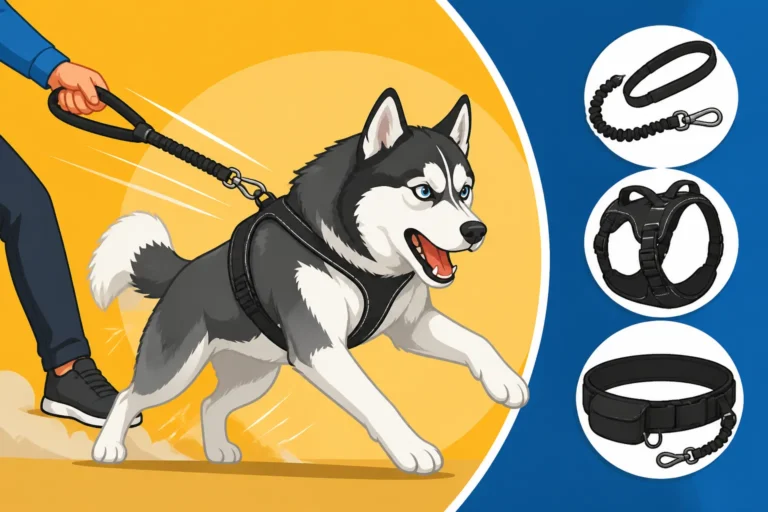
Consistency is paramount with Huskies. Everyone in the household needs to be on the same page with commands, rewards, and rules. Short, frequent training sessions are far more effective than long, infrequent ones. Keeping a Siberian Husky Interested in Training means making it fun and varied. Remember that training is an ongoing process, not a one-time event. Even after mastering basic commands, continuing to engage your Husky in new learning, games, and activities will keep their sharp minds stimulated and strengthen your bond. Tools like long lines, easily found on Amazon, are excellent for practicing Building a Siberian Husky Recall Word From Scratch in open but safe spaces, allowing your dog some freedom while still under your control.
Here’s a quick overview of approaches:
| Feature | Positive Reinforcement Training | E-Collar Training (Aversive) |
|---|---|---|
| Core Philosophy | Reward desired behaviors | Correct undesired behaviors |
| Primary Motivation | Desire for reward, engagement | Avoidance of discomfort/pain |
| Impact on Dog-Owner Bond | Strengthens, builds trust | Can weaken, instill fear |
| Behavioral Outcome | Teaches desired actions | Suppresses unwanted actions |
| Risk of Side Effects | Low; builds confidence | High; anxiety, aggression, fear |
| Required Skill Level | Patience, understanding | Precise timing, advanced knowledge |
| Huskies Response | Generally receptive, engaged | Often stressed, confused, resistant |
| Tools Used | Treats, toys, praise, clicker | Static pulse, vibration, tone |
Ultimately, for a Siberian Husky, a relationship built on trust, respect, and positive motivation will always yield better, more lasting results than one built on fear or aversion. They may be independent, but they are also deeply loyal and capable of incredible feats when properly understood and guided.
Disclaimer
This article is for general informational purposes only and does not constitute professional advice. Laws, prices and regulations vary by location and change over time. Consult a qualified professional for guidance on your specific situation.