Uveodermatologic Syndrome and the Siberian Husky
Finding yourself face-to-face with mysterious, often disfiguring, skin changes and sudden, severe eye problems in your beloved Siberian Husky can be utterly terrifying. It’s a situation that leaves many owners feeling helpless and confused, especially when the symptoms don't quite fit typical allergies or infections. This comprehensive guide will walk you through Uveodermatologic Syndrome (UDS), a challenging autoimmune condition that disproportionately affects our Huskies, helping you understand its origins, recognize the signs, navigate diagnosis, and manage its lifelong impact.
Understanding Uveodermatologic Syndrome in Huskies
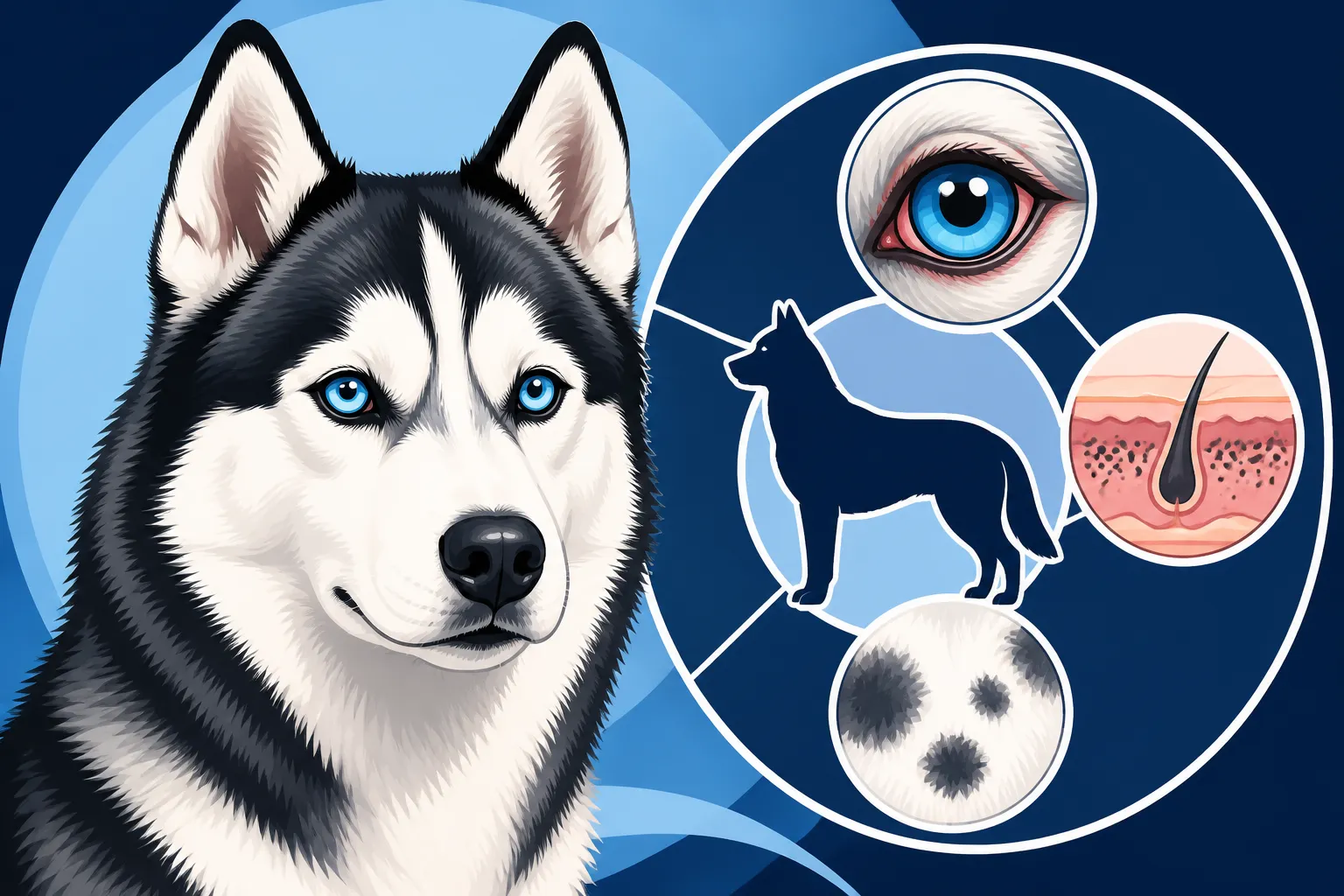
Uveodermatologic Syndrome, often shortened to UDS, is one of those conditions that hits different because it's your own dog's body turning against itself. It's a multisystem autoimmune disorder primarily affecting the eyes (uveitis) and the skin (dermatologic changes), stemming from an attack on pigment-producing cells called melanocytes. When these crucial cells are targeted, the results can be devastating for a Siberian Husky, impacting their vision and causing noticeable changes to their appearance and comfort. It's not just a cosmetic issue; it's a serious health challenge.
What UDS Is and How It Manifests
At its core, UDS is an autoimmune disease where the body’s immune system mistakenly identifies its own melanocytes as foreign invaders. Melanocytes are responsible for producing melanin, the pigment that gives color to skin, hair, and the structures within the eye. When these cells are destroyed, the affected areas lose their color and become inflamed or damaged. This systemic attack explains why UDS presents with a dual punch: striking both the eyes and the skin, often simultaneously, though sometimes one set of symptoms precedes the other.
The most immediate and concerning manifestation typically involves the eyes. You might notice sudden redness, pain, and a cloudy appearance to the cornea, often accompanied by excessive tearing or discharge. This is the uveitis—inflammation of the uvea, which is the middle layer of the eye containing the iris, ciliary body, and choroid. Without swift and aggressive intervention, this inflammation can rapidly lead to vision impairment or even complete blindness. It's a true ophthalmic emergency, demanding immediate attention from a veterinary professional, ideally a specialist.
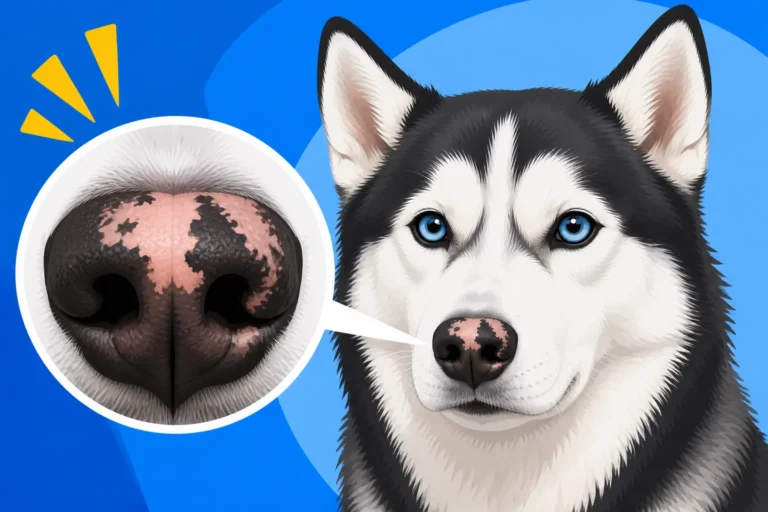
On the dermatological front, UDS brings a host of confusing symptoms. The destruction of melanocytes leads to depigmentation, meaning your husky's typically dark areas like the nose, lips, eyelids, and paw pads can lighten or turn pink. Beyond pigment loss, the skin can become crusted, develop sores, or experience hair loss, particularly around the face and muzzle. Owners often mistake these skin changes for allergies or infections, delaying a correct diagnosis and potentially exacerbating the underlying autoimmune process.
The Autoimmune Connection
To truly grasp UDS, you need to understand the fundamental concept of autoimmunity. Imagine your dog's immune system as a highly trained army designed to protect the body from threats like bacteria, viruses, and foreign substances. In an autoimmune disease, this army gets confused. It loses the ability to differentiate between healthy body tissues and actual threats, launching an attack on its own cells. In the case of UDS, the specific target is melanin-producing cells.
The exact triggers for this immune system malfunction in UDS are not fully understood, but it's believed to involve a combination of genetic predisposition and possibly environmental factors. What we do know is that once the immune system decides to attack melanocytes, it doesn't stop. This constant assault leads to chronic inflammation and damage, which explains the progressive nature of the disease if left untreated. This is why aggressive immunosuppression is often the cornerstone of treatment—the goal is to calm down that overactive immune response.
This autoimmune attack isn't just a fleeting episode; it's a persistent, misguided effort by the body. Over time, the sustained inflammation and damage can cause irreversible changes to the eyes, such as glaucoma, retinal detachment, or cataracts. Similarly, the skin changes can become more pronounced and persistent, leading to secondary infections if the skin barrier is compromised. It’s a relentless process that requires dedicated and consistent management from both owner and veterinary team.
Why Siberian Huskies Are Predisposed
It’s heartbreaking to learn that our beloved Siberian Huskies are one of the breeds specifically singled out for UDS, along with Akitas and Samoyeds. This isn't just bad luck; it points directly to a genetic component. While no specific gene marker has been definitively identified as the sole cause, the breed predisposition strongly suggests an inherited susceptibility to this particular immune system dysfunction. It's built into their genetic makeup, making them more likely to develop the condition than many other breeds.
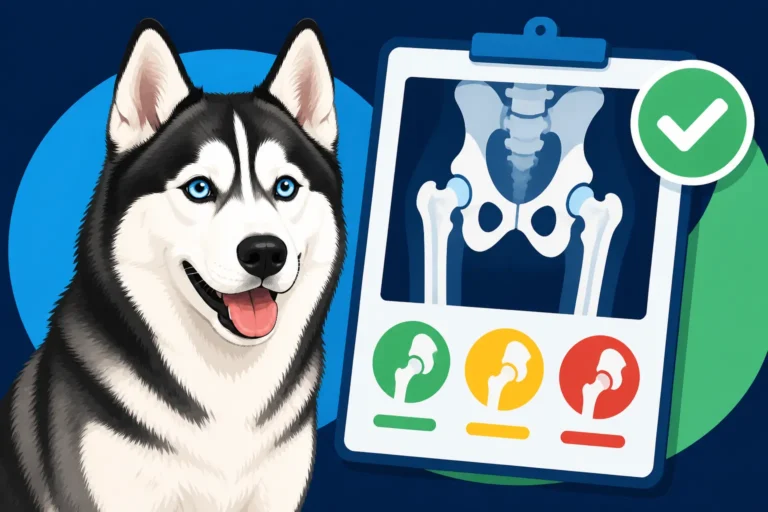
For potential husky owners, understanding this predisposition is crucial, especially if you're looking at puppies. While responsible breeders will always prioritize health and temperament, UDS can manifest later in life, making it a tricky one to screen for in young pups. It highlights the importance of choosing a breeder who is transparent about the health history of their lines, even for conditions that aren't currently part of standard health clearances like those for hips or eyes in other contexts. A good breeder cares about the longevity and well-being of their dogs, and would be aware of any UDS cases in their extended family.
The reasons behind this breed specificity likely involve complex genetic interactions that affect immune regulation and melanocyte function. It’s a cruel irony that a breed known for its stunning pigment variations – from striking masks to diverse eye colors – can also suffer from a disease that targets these very pigment cells. This predisposition means that if your husky starts showing symptoms, UDS should be high on the list of differential diagnoses for your veterinarian, saving valuable time in getting to a correct diagnosis and starting treatment.
Recognizing the Early Warning Signs in Your Siberian Husky
Catching Uveodermatologic Syndrome early is absolutely critical, especially when it comes to preserving your husky's vision. The problem is, many of the initial signs can be subtle or mimic other, less serious conditions. As a husky owner, you're their first line of defense, and knowing what to look for can make all the difference in getting them prompt care. Trust your gut if something feels off; you know your dog best.
Subtle Eye Changes to Look For
The eyes are usually the first and most severely affected area in UDS, and unfortunately, the damage can progress rapidly. The initial signs might be easy to dismiss as a simple irritation or allergy, but with UDS, they tend to worsen quickly and often involve both eyes, though one might appear worse than the other. Look closely, and don't hesitate to seek veterinary advice if you see anything concerning.
One of the earliest indicators is persistent redness in the whites of the eyes (sclera) or around the eyelids. This isn't just a bit of irritation; it's often a deep, angry red. You might also notice your husky squinting or holding one or both eyes partially closed, indicating pain or discomfort. They might rub their face more frequently with their paws or against furniture. Light sensitivity (photophobia) is another common symptom; your husky might avoid bright areas, prefer to stay in darker rooms, or struggle to open their eyes fully when outside.
As the condition progresses, the clarity of the eye can change. You might observe a cloudy or bluish haze over the cornea (the clear outer layer of the eye), which is a sign of inflammation or fluid buildup. The iris, the colored part of the eye, might also look duller or appear to change color slightly due to inflammation and pigment loss. Sometimes, you might even see a change in the pupil's shape or responsiveness to light. Any of these signs warrant an immediate trip to the vet, and ideally, a veterinary ophthalmologist, as time is of the essence when it comes to potential vision loss. For more on ensuring their eye health, consider understanding Why a Siberian Husky Needs an Eye Exam Every Year.
Skin and Coat Abnormalities
While the eyes often steal the show with UDS, the skin symptoms are also very telling and often appear around the same time or shortly after the eye issues. These dermatological changes are due to the same autoimmune attack on melanocytes, leading to pigment loss and inflammation in specific areas. It’s these specific locations and the nature of the changes that can help distinguish UDS from other skin conditions.
The most characteristic skin sign is depigmentation, where typically dark areas of your husky's body begin to lighten or turn pink. This is most obvious on the nose (often called "snow nose" if it happens seasonally, but with UDS it's persistent and progressive), the lips, around the eyelids, and on the paw pads. What might start as a subtle fading can progress to a striking loss of color. You might even notice patches of white hair appearing in areas that were once dark, or your husky’s coat looking patchy. For information on how the nose color can change, see A Siberian Husky Nose That Loses Its Color.
Beyond just color changes, the skin can become inflamed, crusted, or ulcerated in these depigmented areas. The skin around the eyes, muzzle, and paw pads might be thickened, scaly, or develop sores that don't heal easily. Sometimes, there might be secondary bacterial infections due to the compromised skin barrier, adding to the discomfort. If you're seeing crusting, especially around the muzzle, it's worth considering possibilities beyond simple irritation; delve into Crusting Skin on a Siberian Husky's Face for more context. While it might look like a simple allergy or a yeast infection, the combination of these specific skin changes with concurrent eye problems should immediately raise a red flag for UDS.
Behavioral Indicators of Discomfort
Dogs are masters at hiding pain, but even the stoic Siberian Husky will show subtle behavioral changes when something is truly bothering them, especially with a condition as painful as acute uveitis. Paying attention to these shifts can be just as important as noticing physical symptoms.
If your husky is experiencing eye pain, they might become more withdrawn or reluctant to engage in activities they usually love. They might rub their face on carpets, furniture, or with their paws in an attempt to alleviate the discomfort. You might notice them blinking excessively or having difficulty tracking objects. If the pain is severe, they might even become lethargic, lose their appetite, or show signs of depression. Some dogs might even snap or growl if you try to touch their head or eyes, which is very out of character for many friendly Huskies, and a clear sign of severe pain.
With depigmentation and skin inflammation, your husky might also be itchier or more sensitive to touch in the affected areas. They might lick their paw pads more, or if their nose is sore, they might be less interested in sniffing around on walks. Overall, a general change in demeanor – less playful, more reserved, or showing signs of being "uncomfortable" in their own skin – should prompt you to investigate further. Any marked change in your husky’s usual cheerful, energetic personality, especially when accompanied by eye or skin abnormalities, warrants a prompt veterinary visit.
The Diagnostic Journey: Confirming UDS in Huskies
Getting a definitive diagnosis of Uveodermatologic Syndrome isn't always straightforward. Because the symptoms can overlap with various other conditions, your journey will likely involve several steps, starting with your regular veterinarian and often progressing to specialist consultations. It can be a frustrating process, especially when you're desperate for answers and your husky is in discomfort, but thoroughness is key to ensure the correct treatment plan.
Initial Veterinary Examination
When you first bring your husky to your general practice veterinarian with concerns about their eyes or skin, they will perform a comprehensive physical examination. This initial check-up is crucial for ruling out more common ailments and getting a full picture of your dog's symptoms. Your vet will look for all the signs we've discussed: redness, cloudiness, squinting in the eyes, and depigmentation, crusting, or lesions on the skin, particularly around the face, nose, and paw pads.
They'll likely use an ophthalmoscope to examine the internal structures of the eye and may perform a Schirmer tear test to check for tear production, and a fluorescein stain test to check for corneal ulcers. While these tests won't diagnose UDS directly, they can rule out other common causes of eye pain and inflammation. They will also take a detailed history, asking about the onset of symptoms, any progression, and any other changes in your husky's health or behavior. Be prepared to share everything, even things that seem minor, as every piece of the puzzle helps.
If your vet suspects UDS, or any serious autoimmune condition, they might recommend baseline blood work to assess overall organ function and rule out other systemic diseases. While there's no specific blood test for UDS, these general tests can help paint a clearer picture of your husky's general health and indicate if there's systemic inflammation. This initial visit is foundational, but due to the complexity of UDS, it often serves as a referral point to specialists.
Specialist Consultations
Because UDS affects specific systems like the eyes and skin in complex ways, consultations with veterinary specialists are often indispensable for an accurate diagnosis and effective management plan. These experts have advanced training, specialized equipment, and a deeper understanding of these intricate conditions.
A veterinary ophthalmologist will be your primary partner in diagnosing and managing the eye component of UDS. They can perform advanced eye examinations, including tonometry (measuring eye pressure to rule out or diagnose glaucoma, a common complication), gonioscopy (examining the drainage angle of the eye), and ultrasonography to visualize internal eye structures that might be obscured by inflammation. The ophthalmologist can confirm uveitis and assess the extent of damage to the eye, guiding immediate treatment to preserve vision. Knowing What an Ophthalmologist Checks in a Siberian Husky can help you prepare for this visit.
Concurrently or sequentially, a veterinary dermatologist will be critical for evaluating the skin lesions. They will likely recommend skin biopsies from affected areas. These biopsies are typically sent to a veterinary pathologist who specializes in skin diseases. The pathologist looks for specific microscopic changes that are characteristic of UDS, such as the destruction of melanocytes and an inflammatory infiltrate. This histological examination is often the gold standard for confirming the dermatological aspect of UDS and differentiating it from other skin conditions like zinc-responsive dermatosis or pemphigus. The collaborative effort of these specialists is what truly leads to a comprehensive diagnosis.
Diagnostic Tests
Beyond the physical exams and specialist consultations, several diagnostic tests are often necessary to confirm UDS and rule out other diseases. The results from these tests provide the concrete evidence needed for an accurate diagnosis.
Eye Examination with Specialists: As mentioned, the ophthalmologist will perform a thorough eye exam. This isn't just a quick look; it involves dilating the pupils to get a clear view of the retina and optic nerve, measuring intraocular pressure, and assessing the degree of inflammation. The presence of bilateral uveitis, especially when severe and recurrent, is a strong indicator of UDS.
Skin Biopsies: This is arguably the most definitive diagnostic test for the dermatological component. The dermatologist will take small samples of skin from areas showing depigmentation or crusting. These samples are then processed and examined under a microscope. The hallmark findings of UDS on biopsy include an inflammatory reaction around and destruction of melanocytes in the epidermis and hair follicles. This distinct cellular pattern helps confirm UDS and differentiate it from other immune-mediated skin diseases.
Blood Work: While not diagnostic on its own, a complete blood count (CBC) and biochemistry panel can provide general health information. In some UDS cases, you might see signs of systemic inflammation, but these are not specific to UDS. Some vets may also test for specific autoimmune markers, though these are not always definitive for UDS. It’s important to remember that diagnosing UDS is often a process of elimination and pattern recognition, where the combination of eye symptoms, characteristic skin changes, and biopsy results ultimately leads to the confirmation. For potential financial considerations with these tests, remember that reputable pet insurance providers like Healthy Paws can be a lifesaver, covering a significant portion of these diagnostic costs.
Treatment Strategies for Managing Uveodermatologic Syndrome
Once Uveodermatologic Syndrome is diagnosed, the focus shifts immediately to treatment. It's crucial to understand that UDS is a chronic, lifelong condition, and the goal of treatment is not to cure it, but to manage the autoimmune response, control inflammation, alleviate pain, and prevent irreversible damage, especially to the eyes. This often involves a multi-pronged approach that demands commitment from the owner.
Immunosuppressive Therapy
The cornerstone of UDS treatment is immunosuppressive therapy. Since the immune system is mistakenly attacking the body's own cells, the primary objective is to dial down that overactive immune response. This is typically achieved using corticosteroids, often starting with high doses to bring the inflammation under control quickly.
Corticosteroids: Prednisone or prednisolone are commonly prescribed and are highly effective at reducing inflammation throughout the body. They work by suppressing the immune system's activity, thus reducing the attack on melanocytes in the eyes and skin. The initial dose is often quite high, and your husky will likely experience side effects such as increased thirst and urination, increased appetite, and panting. These initial high doses are usually tapered down gradually once symptoms are under control, aiming for the lowest effective dose to minimize long-term side effects. However, for a severe condition like UDS, many Huskies will require some level of steroid medication for the rest of their lives.
Other Immunosuppressants: In some cases, especially if corticosteroids alone aren't sufficient, or if the side effects of steroids are too severe, your vet or specialist might introduce other immunosuppressive drugs. Medications like Azathioprine, Cyclosporine (Optimmune is a common brand for eye use), or Mycophenolate Mofetil can be used in conjunction with or instead of corticosteroids. These drugs work through different mechanisms to suppress the immune system, often allowing for a lower dose of steroids, thereby reducing steroid-related side effects. The choice of medication and dosage is highly individualized and depends on your husky's response, the severity of the disease, and any potential side effects. These are powerful medications, and your vet will monitor your husky closely with regular blood tests. For a deeper understanding of the financial commitment, check out Immunosuppressant Costs in a Husky Uveitis Case.
Topical Eye and Skin Treatments
While systemic immunosuppressants tackle the root cause from within, topical treatments are essential for managing local symptoms, providing immediate relief, and protecting affected tissues, especially the eyes.
Topical Eye Drops: For the uveitis, specific anti-inflammatory eye drops are critical. These often include topical corticosteroids (like prednisolone acetate drops) to reduce inflammation directly in the eye, and sometimes atropine drops to dilate the pupil, which helps relieve pain and prevent complications like adhesions within the eye. These drops need to be administered frequently, sometimes every few hours, especially during acute flare-ups. This can be a challenging routine for owners, but consistency is paramount to saving vision. Your veterinary ophthalmologist will guide you on the exact type, frequency, and duration of these drops. Understanding that this can be a long-term commitment is important; see Lifetime Eye Drops for a Siberian Husky for more insight.
Topical Skin Treatments: For the dermatological lesions, your vet might prescribe medicated shampoos, ointments, or creams. These can help to reduce inflammation, promote healing, and prevent secondary infections in crusted or depigmented areas. Sunscreen specifically formulated for pets can be crucial for depigmented areas of the skin, like the nose, to prevent sunburn and further damage. Keeping the skin clean and moisturized, using gentle, hypoallergenic products, can also help maintain skin barrier integrity and comfort.
Long-Term Management and Monitoring
UDS is a marathon, not a sprint. Long-term management involves diligent monitoring, regular veterinary visits, and a proactive approach to potential flare-ups and side effects of medication. This is where your partnership with your veterinary team truly shines.
Regular Veterinary Check-ups: Your husky will need frequent check-ups, especially initially, to monitor their response to treatment, adjust medication dosages, and screen for side effects. This includes regular eye exams by an ophthalmologist to track intraocular pressure, assess inflammation, and monitor for complications like glaucoma or retinal detachment. Blood tests will be performed regularly to monitor organ function, especially liver and kidney values, as well as blood counts, to ensure the immunosuppressive medications are not causing adverse effects.
Adjusting Medication: The goal is always to find the lowest effective dose of medication that keeps the disease under control while minimizing side effects. This might involve a delicate balancing act, gradually tapering doses during periods of remission and potentially increasing them during flare-ups. Any changes in your husky's symptoms should be reported to your vet immediately, as it might indicate a need for medication adjustment.
Owner Vigilance: As the owner, you become an expert in observing your husky for any subtle changes in their eyes, skin, or behavior. Keep a detailed record of symptoms, medication schedules, and any concerns. Early detection of a flare-up allows for quicker intervention, which can prevent more severe damage. It's an ongoing commitment to your husky's health and quality of life. Pet insurance, such as a comprehensive policy from Healthy Paws, can significantly ease the financial burden of these frequent check-ups, specialist visits, and lifelong medication costs, ensuring you can always provide the best care without undue stress.
Living with a Siberian Husky with UDS: Daily Care and Support
Beyond the medications and vet visits, daily life with a Siberian Husky suffering from Uveodermatologic Syndrome requires some practical adjustments and a dedicated approach to their care. Your goal is to keep them as comfortable and healthy as possible, protecting their sensitive eyes and skin, and ensuring their quality of life remains high despite their chronic condition.
Protecting Your Husky's Eyes
The eyes are often the most vulnerable and critical area in UDS, with rapid progression of disease potentially leading to permanent vision loss. Protecting them from environmental stressors and ensuring they receive their topical medications are paramount.
Avoiding Bright Light: Huskies with uveitis often experience photophobia, meaning bright light is painful. Try to keep your husky indoors during the brightest parts of the day, typically midday. When they are outside, consider using doggy sunglasses (like Doggles) which can provide crucial UV protection and reduce glare. It might take some training to get them used to wearing them, but the benefit to their comfort and eye health is immense. Creating shaded areas in your yard or providing a dog house where they can retreat can also help.
Maintaining Eye Cleanliness: Regular, gentle cleaning around your husky’s eyes is important to remove any discharge or crusting that can accumulate, which can exacerbate irritation or lead to secondary infections. Use sterile saline solution and soft, clean gauze or cotton pads, always wiping away from the eye. Be extremely gentle, as the area can be sensitive and painful. Always follow your vet's specific instructions for eye care, especially concerning prescribed topical medications. Consistent application of eye drops is absolutely non-negotiable for managing the uveitis and preventing complications. If you see A Red Painful Eye in a Siberian Husky, always prioritize veterinary attention.
Home Environment Adjustments: As their vision may be compromised, especially during flare-ups, make sure your home environment is safe and predictable. Don't rearrange furniture frequently, keep pathways clear, and block off any dangerous areas. Consistency helps a partially sighted or blind dog navigate their world with confidence.
Skin Care Routines
The skin changes associated with UDS, while usually less acutely dangerous than the eye issues, can still cause significant discomfort and require careful management.
Gentle Bathing and Moisturizing: Huskies with UDS may have sensitive, inflamed, or dry skin. Use only very gentle, hypoallergenic, and moisturizing shampoos during baths. Over-bathing can strip natural oils and worsen dryness, so consult your vet or dermatologist on bathing frequency. After bathing, or as needed, apply veterinarian-recommended moisturizers or emollients to keep the skin hydrated and reduce scaling. Avoid harsh rubbing or scrubbing, as this can irritate already compromised skin.
Sun Protection for Depigmented Areas: Those depigmented areas, especially the nose, lips, and eyelids, are highly susceptible to sunburn, which can cause further damage and increase the risk of skin cancers. When your husky is outdoors, especially in sunny climates, liberally apply a pet-safe sunscreen to these areas. Reapply as needed, particularly if your husky licks it off. For further reading, check out Whitening Lips and Eyelids in a Siberian Husky to understand the visual changes. Consider purchasing a wide-brimmed sun hat specifically designed for dogs if your husky tolerates it, especially for light-colored or depigmented noses.
Monitoring for Secondary Infections: Compromised skin is more prone to bacterial or yeast infections. Regularly inspect your husky’s skin, particularly in affected areas, for any signs of redness, pustules, strong odors, or increased discomfort. Report these to your vet promptly, as secondary infections will require additional treatment with antibiotics or antifungals.
Environmental Considerations
The environment your husky lives in can play a significant role in managing UDS, particularly concerning sun exposure and overall comfort.
Indoor Living is Preferable: For Huskies with UDS, indoor living is strongly recommended. This allows you to control their exposure to sunlight, regulate temperature, and protect them from environmental irritants that could exacerbate their skin or eye conditions. While Huskies love the outdoors, their health takes precedence here.
Managing Sun Exposure: If your husky must spend time outdoors, always ensure they have access to ample shade, ideally a cool, sheltered spot. Limiting outdoor time to early mornings and late evenings when the sun's intensity is lower is advisable. Remember that UV rays can penetrate clouds, so even on overcast days, sun protection for depigmented areas is still important.
Comfort and Stress Reduction: A husky dealing with chronic pain and discomfort from UDS can benefit greatly from a calm, predictable home environment. Minimize stressors, provide comfortable bedding, and ensure they feel secure and loved. Stress can sometimes trigger or worsen autoimmune flare-ups, so anything you can do to reduce anxiety will contribute to their overall well-being. Keeping a watchful eye on your husky, knowing their normal behavior, helps you detect any minor change, preventing a small issue from becoming a major one.
Potential Complications and Prognosis for Huskies with UDS
While effective management can significantly improve a Siberian Husky's quality of life with UDS, it's a condition with serious potential complications, especially concerning vision. Understanding these risks and the general prognosis is crucial for setting realistic expectations and making informed decisions about your husky's long-term care.
Risk of Blindness and Glaucoma
The most devastating complication of UDS is irreversible blindness, often as a result of uncontrolled uveitis leading to secondary conditions like glaucoma and retinal detachment.
Glaucoma: Chronic or recurrent uveitis can damage the eye's drainage system, causing a buildup of fluid and increased intraocular pressure – a condition known as glaucoma. Glaucoma is extremely painful and can lead to rapid, irreversible blindness if not treated immediately and aggressively. In a husky with UDS, regular monitoring of eye pressure by an ophthalmologist is essential. If you notice signs of a Glaucoma as a Siberian Husky Emergency, immediate veterinary attention is vital to save their sight.
Retinal Detachment: Severe inflammation can also lead to the retina detaching from the back of the eye, causing sudden and complete blindness in the affected eye. This is another serious complication that can be a direct result of the inflammatory process of UDS. Once the retina detaches, sight is typically lost.
Other Eye Complications: Other vision-threatening issues include cataracts (clouding of the lens), synechiae (adhesions forming between parts of the eye, impairing function), and corneal damage. These can further impair vision and contribute to discomfort. This is why aggressive and consistent treatment of the uveitis is so critical; every effort is made to prevent these secondary, often irreversible, conditions. The constant monitoring and prompt treatment are why annual eye exams are so important for Siberian Huskies, particularly those predisposed to conditions like UDS; see Siberian Husky Eye Disease and the Annual Exam for more information.
Secondary Infections and Skin Issues
While the eye issues are often the primary concern, the skin manifestations of UDS also carry their own set of potential complications.
Secondary Bacterial or Fungal Infections: The inflamed, depigmented, and often compromised skin of a husky with UDS creates an inviting environment for opportunistic bacteria and yeast to flourish. These secondary infections can worsen discomfort, cause itching, and necessitate additional treatments with antibiotics or antifungals. Managing these infections is crucial to prevent further damage and improve your husky's quality of life.
Increased Sensitivity and Sun Damage: Depigmented skin lacks the natural protection of melanin, making it highly susceptible to sunburn and long-term sun damage. Without diligent sun protection, these areas are at a higher risk of developing actinic keratoses or even squamous cell carcinoma, a type of skin cancer. This underscores the importance of pet-safe sunscreen and limiting sun exposure.
Chronic Skin Changes: Over time, if the skin inflammation is not well-controlled, the depigmentation can become extensive and permanent. The skin can also become thickened, scarred, or more fragile. While primarily cosmetic, these changes can affect your husky's comfort and increase their vulnerability to trauma or infection.
Quality of Life and Long-Term Outlook
The prognosis for a Siberian Husky with UDS depends heavily on several factors: how early the diagnosis is made, how consistently and aggressively the condition is treated, and how well the husky responds to immunosuppressive therapy.
Early Intervention is Key: Huskies diagnosed and treated aggressively at the very first signs of uveitis generally have a better prognosis for retaining their vision. Delaying treatment can allow irreversible damage to occur rapidly. This is why immediate specialist care is so important.
Lifelong Management: UDS is a chronic condition, meaning it will require lifelong management. There will be periods of remission and potential flare-ups. The goal is to minimize the frequency and severity of these flare-ups and maintain your husky on the lowest effective dose of medication. This requires consistent adherence to medication schedules, regular vet visits, and vigilant monitoring at home.
Quality of Life: Despite the challenges, many Huskies with UDS can lead long, comfortable, and happy lives with dedicated care. Even if some vision is lost, dogs are remarkably adaptable. Providing a safe, consistent environment, maintaining a regular routine, and showering them with love can ensure they thrive. The commitment from the owner is paramount in ensuring a good quality of life. It is not uncommon for many autoimmune diseases, like Siberian Husky Thyroid and Autoimmune Disease, to require lifelong medication and care.
The Emotional Toll and Financial Realities of UDS
Living with a Siberian Husky diagnosed with Uveodermatologic Syndrome isn't just a medical journey; it's an emotional and financial one too. The diagnosis can be overwhelming, the treatment demanding, and the costs substantial. It's crucial to acknowledge these realities and equip yourself with the knowledge and resources to navigate them effectively.
Coping with a Chronic Condition
Receiving a diagnosis of UDS for your husky can be a significant emotional blow. There's the initial shock, the fear of vision loss, and the stress of understanding a complex, lifelong condition. It's completely normal to feel overwhelmed, sad, or even frustrated. This isn't just a temporary illness; it requires a continuous commitment to daily medications, frequent vet visits, and constant vigilance for flare-ups.
The emotional toll extends to the practicalities of daily life. Administering eye drops multiple times a day, sometimes every few hours, can be challenging, especially if your husky is reluctant or in pain. Watching your beloved companion struggle with impaired vision or skin discomfort can be heartbreaking. There's also the constant worry about potential complications, like sudden glaucoma or a severe skin infection. It's a journey that demands resilience, patience, and a deep well of love for your husky. It’s okay to seek support from other UDS owners or online communities; sharing experiences can make the burden feel lighter.
Remember to take care of yourself too. While your husky needs you, you can't pour from an empty cup. Schedule breaks, lean on your support system, and acknowledge that you're doing an incredible job navigating a very difficult situation. The bond you share with your husky will undoubtedly deepen through this shared experience.
Costs of Diagnosis and Lifelong Treatment
Let's be realistic: managing UDS is expensive. The costs begin with the diagnostic phase, which often involves specialist consultations and specific tests.
Diagnostic Costs:
- Initial Vet Visits: Standard exam fees, basic blood work.
- Ophthalmologist Consultations: Specialist exam fees, tonometry, gonioscopy, potentially ocular ultrasound. These can range from a few hundred dollars per visit.
- Dermatologist Consultations: Specialist exam fees, skin biopsies, pathology interpretation. Biopsies alone can be several hundred dollars.
- Emergency Visits: If your husky experiences acute, painful uveitis or suspected glaucoma, emergency veterinary visits can run into the thousands very quickly.
Lifelong Treatment Costs:
- Medications: Immunosuppressive drugs (oral steroids, cyclosporine, azathioprine) and topical eye drops (corticosteroids, atropine) are often required for life. These can add up to hundreds of dollars per month, depending on dosage and medication type.
- Regular Monitoring: Frequent follow-up appointments with both your general vet and specialists are essential. This includes repeat eye exams, blood tests (to monitor medication side effects and disease activity), and potentially further skin checks. Each specialist follow-up can be hundreds of dollars.
- Complication Management: Treating complications like glaucoma or severe secondary infections can incur additional significant costs, including more medications, specialized surgeries, or even enucleation (eye removal) in severe, painful cases.
This is a significant financial commitment that many owners are not prepared for, especially given that UDS can strike unexpectedly.
Considering Pet Insurance
Given the substantial and ongoing costs associated with Uveodermatologic Syndrome, pet insurance can be an invaluable resource. It's not a luxury; for chronic conditions like UDS, it can be the difference between being able to afford optimal care and having to make agonizing choices based on your budget.
When researching pet insurance, it's crucial to look for policies that cover chronic conditions and specialist care. Many comprehensive policies, such as those offered by Healthy Paws, are designed to cover a significant percentage of eligible vet bills for accidents and illnesses, including complex conditions like UDS. It’s imperative to enroll your husky before any signs of UDS appear, as most policies consider pre-existing conditions as ineligible for coverage. This means if your husky already has uveitis or skin depigmentation before you sign up, the costs related to UDS would likely not be covered.
Pet insurance works by reimbursing you for a portion of your veterinary expenses after you've met your deductible. While you still pay the vet upfront, getting 70-90% back can dramatically reduce your out-of-pocket burden over your husky's lifetime. It allows you to focus on getting your husky the best possible care without the constant stress of exorbitant bills. Having a plan in place, like a reliable pet insurance policy from Healthy Paws, provides immense peace of mind when facing a challenging diagnosis like UDS.
| Symptom Category | Uveodermatologic Syndrome (UDS) | Common Allergies/Irritations | Zinc-Responsive Dermatosis |
|---|---|---|---|
| Eye Symptoms | Bilateral uveitis (red, painful, cloudy eyes), light sensitivity, potential rapid vision loss, glaucoma. | Redness, discharge, itching, often unilateral initially, less severe pain. | No direct eye involvement (unless secondary infection). |
| Skin Pigment | Depigmentation (nose, lips, eyelids, paw pads turn pink/white). | No primary pigment loss. | Pigment loss can occur on nose, but less widespread. |
| Skin Lesions | Crusting, scaling, hair loss, sores, especially on face/muzzle/paw pads. | Redness, itching, rashes, hot spots, generalized or localized. | Crusting, scaling, hair loss around eyes, muzzle, ears, paw pads. |
| Pain Level | High, especially with acute uveitis and glaucoma. | Mild to moderate itching/discomfort. | Moderate discomfort from crusting and inflammation. |
| Progression | Rapid, can lead to irreversible blindness and permanent skin changes. | Varies, often seasonal or triggered by specific allergens. | Gradual, chronic, waxes and wanes without treatment. |
| Systemic | Autoimmune disease, affects internal eye structures and pigment cells. | Primarily skin/mucosal surfaces. | Metabolic deficiency in zinc absorption. |
| Breed Predisposition | Siberian Huskies, Akitas, Samoyeds. | Any breed, often genetic components. | Siberian Huskies, Alaskan Malamutes, Great Danes. |
Disclaimer
The information provided in this guide about Uveodermatologic Syndrome in Siberian Huskies is intended for educational and informational purposes only, and does not constitute veterinary medical advice. Always consult with a qualified veterinarian or veterinary specialist for any health concerns or before making any decisions about your pet's medical care. Do not disregard professional veterinary advice or delay seeking it because of something you have read here.