Whether a Pet Siberian Husky Enjoys Pulling
It's a question many Siberian Husky owners, or those considering bringing one into their lives, often ponder: does my furry friend genuinely enjoy pulling? You see them straining at the leash, eyes bright, and it's easy to wonder if they're miserable or truly thriving. This guide will dive deep into the instinctual drive that makes Huskies pull, how to tell if your dog is enjoying it, and how to safely channel this incredible natural energy.
Understanding the Siberian Husky's Instinct to Pull
The image of a majestic Siberian Husky pulling a sled through snow-covered landscapes is iconic for a reason. These dogs weren't just bred for their looks; they were carefully developed over centuries to perform a specific, demanding job. That heritage runs incredibly deep, and it shapes much of their behavior today.
The Historical Roots of the Pulling Drive
Imagine living in the extreme cold of Siberia, relying on dogs not just for companionship, but for survival. The Chukchi people, who developed the Siberian Husky, needed a dog that could efficiently cover vast distances, pulling light loads at a moderate pace, often on minimal food. They selectively bred for traits like endurance, a thick double coat for warmth, and, crucially, an innate desire to pull. This wasn't a learned trick; it was woven into their very DNA. Their physical build — strong shoulders, deep chests, powerful hindquarters — is designed for this very purpose. When you see a Husky lean into a harness, they're not being disobedient; they're often answering an ancient call within them, fulfilling a fundamental part of their genetic makeup. It's truly a marvel of natural selection and human cooperation.
Why Pet Huskies Still Exhibit the Behavior
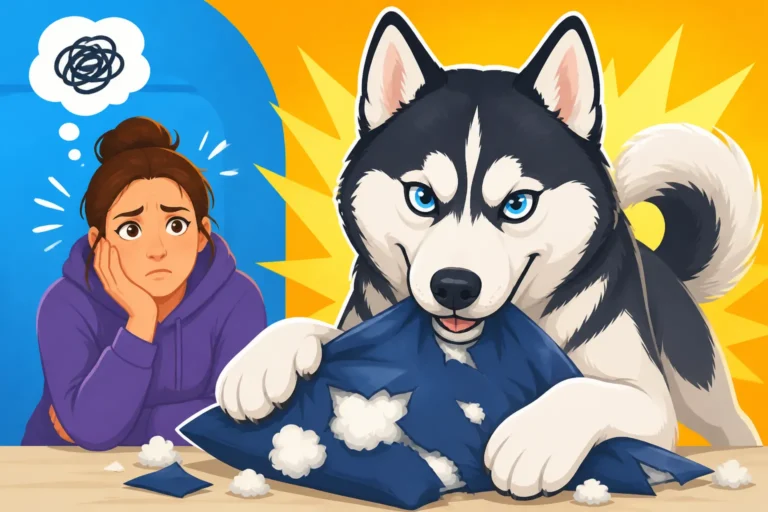
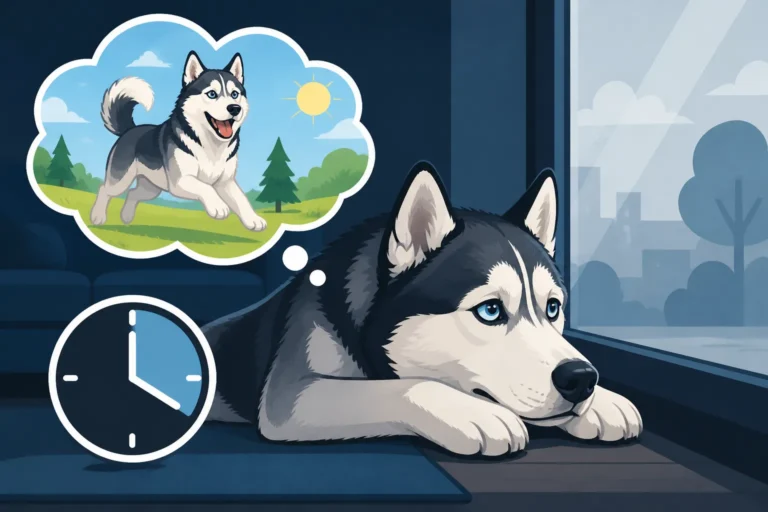
Even if your Siberian Husky has never seen snow, let alone a sled, that ancestral programming is still very much alive. It’s why so many Husky owners find their walks feeling like an arm workout, or why their dogs seem to have an endless reserve of energy. For a pet Husky, pulling can be more than just physical exertion; it's a form of mental and emotional satisfaction. It provides a sense of purpose, a job to do, even if that "job" is just getting you from point A to point B. Denying this instinct entirely can lead to frustration, boredom, and even destructive behaviors in the home, because a fundamental need isn't being met. Think of it like a bird's instinct to fly or a retriever's drive to fetch; it’s just who they are. A big part of Siberian Husky Temperament and What the Standard Says revolves around this working drive.
The Difference Between "Pulling" and "Heeling"
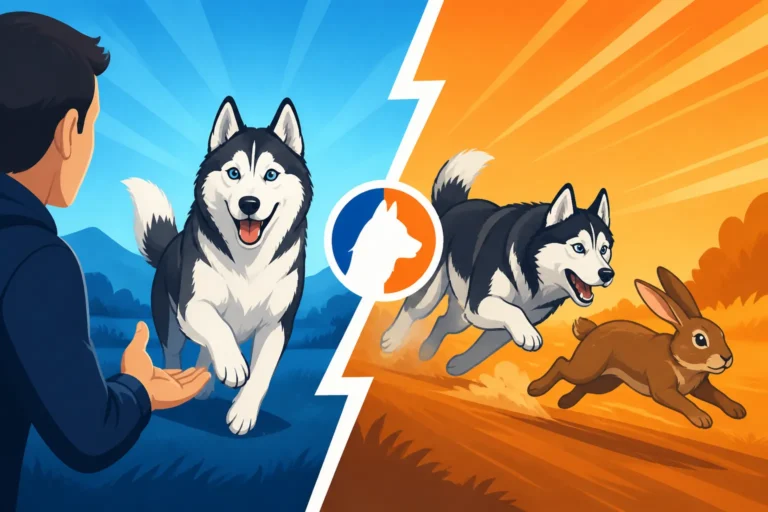
It's crucial to distinguish between a Siberian Husky pulling in harness with purpose and a Husky pulling on a standard leash during a walk. The former is a controlled, enjoyable athletic endeavor, where the dog is encouraged to lean into their harness and use their strength. The latter is typically a sign that your dog hasn't learned proper leash manners for casual walks and is simply dragging you along because they're excited or untrained.
When we talk about a Husky enjoying pulling, we're almost always referring to structured activities like canicross (running with your dog), bikejoring (biking with your dog), or dryland mushing (using a scooter or cart). In these activities, the dog wears a specialized pulling harness designed to distribute weight comfortably across their chest and shoulders, allowing them to pull efficiently without injury. This is a very different experience than choking themselves on a flat collar while trying to sniff every blade of grass. Teaching your Husky the difference is key to a harmonious relationship. You want to cultivate their joy in pulling when appropriate, while also ensuring they can walk politely by your side when needed, which is often addressed in Siberian Husky Leash Work Against a Pulling Instinct.
Signs a Siberian Husky Enjoys Pulling (and When They Don't)
Decoding your Siberian Husky's body language is key to understanding whether they're genuinely enjoying an activity or just tolerating it. With their strong personalities, Huskies aren't always subtle, but knowing what to look for can make all the difference.
Physical and Behavioral Cues of Enjoyment
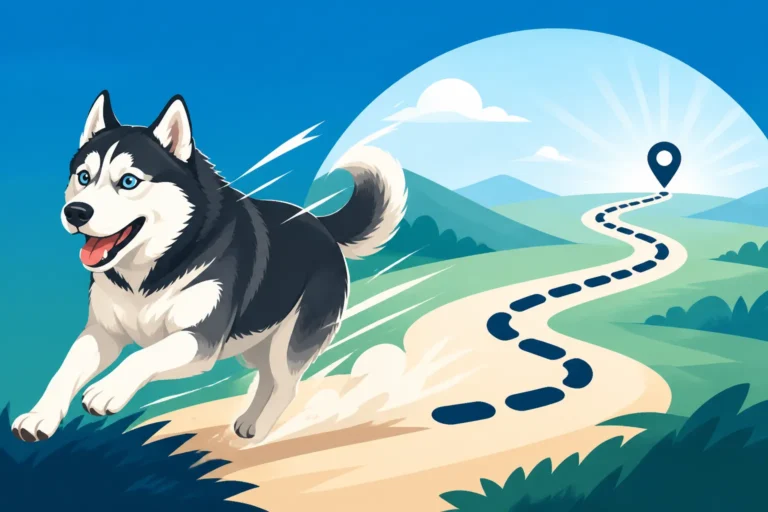
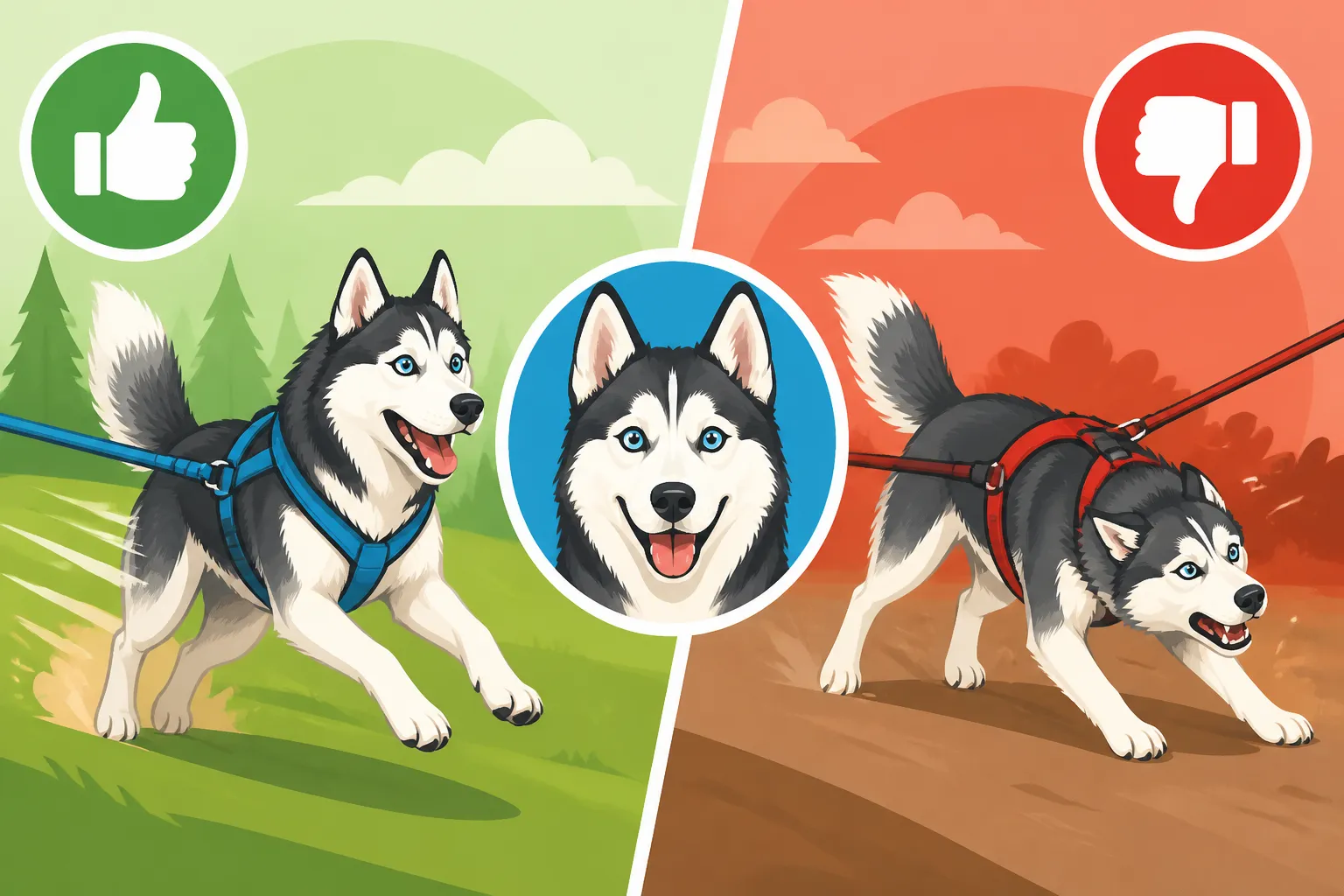
When a Siberian Husky is truly enjoying their pulling work, their enthusiasm is often palpable. You'll see them light up the moment the harness comes out. Their eyes will be bright and focused, ears pricked forward, scanning the trail ahead. They'll lean into the harness with their whole body, creating a steady tension on the line. Their tail might be wagging in a relaxed, mid-height sweep, not tucked or stiff. They'll maintain a consistent, powerful gait, often a trot or a gallop, seemingly effortlessly eating up the miles. They might even emit soft "woo-woos" or excited grumbles at the start, demonstrating their eagerness. It's that feeling of being "in the zone," fully engaged and working collaboratively, that speaks volumes about their enjoyment. Whether a Pet Siberian Husky Enjoys Pulling often comes down to observing these clear signals.
When Pulling Becomes a Chore or Stressor
Conversely, there are clear signs when a Husky isn't enjoying the pulling, or when the conditions are becoming too much. Excessive panting beyond normal exertion, especially if it's hot or humid, is a major red flag for Running a Siberian Husky in Summer Heat. You might see them lagging behind, looking back at you, or even trying to turn around. Their ears might be flattened or constantly swiveling back and forth nervously. A tucked tail or a stiff, low wag indicates discomfort or stress. They might also try to shake off the harness, or vocalize with whines or barks that sound more like protest than excitement. A sudden change in gait, like limping or favoring a paw, demands an immediate stop and investigation. Always pay attention to their cues; they're communicating their needs. Pushing a dog past their limits, especially in terms of weather, weight, or distance, quickly turns an enjoyable activity into a detrimental one.
The Importance of Proper Equipment for Enjoyable Pulling
You wouldn't ask an athlete to perform in ill-fitting shoes, and the same goes for your Husky's pulling gear. A proper harness is paramount for both comfort and safety. Standard walking harnesses, or even worse, flat collars, can restrict movement, put pressure on the trachea, and prevent your dog from pulling efficiently and comfortably. For activities like canicross or bikejoring, you need a specialized "X-back" or "H-back" pulling harness that distributes pressure evenly across the chest and along the sides of the body, allowing for full range of motion.
For a good pulling experience, the harness needs to fit snugly but not restrictively, allowing for proper shoulder movement and breathing. Many reputable brands offer harnesses specifically designed for sled dogs and dog sports. Checking out options on platforms like Amazon can give you a sense of the variety available, but it's crucial to measure your dog carefully and read reviews. A high-quality line with a bungee section helps absorb shock, and a proper canicross belt (for you!) ensures comfort and balance. Investing in the right gear is an investment in your Husky's enjoyment and longevity in these sports. Knowing What a Siberian Husky Harness Costs can help you budget appropriately for quality equipment.
Channeling the Pulling Instinct Safely and Joyfully
Once you understand that your Husky wants to pull, the next step is to teach them how to do it safely and enjoyably. This isn't just about letting them drag you down the street; it's about structured activity that engages both their body and their mind.
Introducing Your Husky to Harness Sports
Starting your Husky in harness sports should be a gradual, positive experience. Begin by simply getting them comfortable wearing the specialized pulling harness around the house, rewarding them with treats and praise. Then, introduce short, gentle sessions. For canicross, start with brief runs on a soft, even surface, with you leading the way. The key is to keep it fun and low-pressure. You want them to associate the harness and the activity with positive feelings.
Many owners begin with a canicross belt, a bungee line, and an appropriate harness. Let your dog trot naturally, and keep the sessions short and sweet, ending before they get tired. Slowly increase distance and intensity as their fitness builds. Remember, a young Husky shouldn't start intense pulling work too early to protect their developing joints; typically, they should be at least 12-18 months old. Consult resources like BAXTER & Bella for structured training guides that can help introduce these concepts effectively. There are many fantastic sports they can enjoy, as detailed in Canicross and Bikejoring With a Siberian Husky.
Training Specific Cues for Pulling
Unlike a regular walk where "heel" is the goal, pulling sports require specific directional and speed cues. These are often borrowed from traditional mushing commands and are essential for safety and control.
Here are some common cues and their meanings:
| Command | Meaning |
|---|---|
| Hike! | Go forward, increase speed |
| Gee! | Turn right |
| Haw! | Turn left |
| Whoa! | Stop |
| On By! | Ignore distractions, keep going |
| Easy! | Slow down, maintain moderate pace |
Teaching these commands takes consistency and patience. Start in a quiet area with minimal distractions. Pair the verbal command with a physical cue or a slight lean on the line in the direction you want them to go. Reward heavily when they respond correctly. Over time, they'll learn to associate the words with the actions, allowing for fluid and controlled runs or rides. Consistency is key here; everyone who handles the dog during pulling activities should use the same cues. This level of communication makes the experience much more rewarding for both you and your Husky, as covered in The Cues a Siberian Husky Needs in Harness.
Avoiding Common Pitfalls and Ensuring Safety
While exhilarating, harness sports come with responsibilities. One of the biggest pitfalls is over-training, especially in young or unfit dogs. Always build up duration and intensity gradually. Never force your dog to pull if they're showing signs of fatigue or discomfort.
Weather is another critical factor. Siberian Huskies are built for cold, not heat. Avoid pulling activities during hot or humid weather entirely, or limit them to the coolest parts of the day, like early mornings or late evenings. Hydration is also paramount; always carry plenty of water for both of you.
Regular veterinary check-ups are essential to ensure your Husky is in good physical condition for pulling work. They should be free of underlying health issues that could be exacerbated by strenuous activity. Always check their paws for cuts, cracks, or embedded debris after each session, especially if running on varied terrain. Listen to your dog, be mindful of the conditions, and prioritize their well-being above all else. This proactive approach ensures a long and happy career in harness.
Integrating the Pulling Drive into a Pet's Life
Satisfying your Siberian Husky's innate desire to pull isn't just about sport; it's about enriching their overall quality of life as a beloved companion. When this deep-seated need is met, you'll often see positive ripple effects throughout their behavior.
The Benefits of Satisfying This Natural Urge
A Husky with an outlet for their pulling instinct is often a much happier, calmer, and more well-adjusted dog at home. Think about it: they're expending physical energy in a way that truly engages their minds and bodies, mimicking the purpose they were bred for. This can significantly reduce instances of destructive chewing, digging, or excessive barking—common issues born from boredom and pent-up energy. Siberian Husky Destruction When Left Alone is often a cry for more enrichment and exercise.
Providing this appropriate outlet also strengthens the bond between you and your dog. You become a partner in their joy, working together as a team. This shared activity builds trust and mutual understanding, leading to a more responsive dog in other aspects of their life. It fulfills a significant portion of their How Much Exercise a Siberian Husky Really Needs in a way that's naturally stimulating for them.
Balancing Structured Pulling with Companion Life
While pulling is fantastic, it's not the only thing your pet Siberian Husky needs. They are still companions who thrive on affection, mental stimulation, and regular, calm walks where pulling isn't the goal. It's about balance. Schedule dedicated pulling sessions a few times a week, depending on your dog's age, fitness, and your local climate. On other days, focus on different activities: puzzle toys, obedience training, sniff walks, or just cuddle time on the couch.
It's important to teach your Husky the difference between "work time" (when the pulling harness is on) and "leisure time" (when they're on a standard walking harness or collar). Use distinct equipment for each activity and clear cues. This helps them understand expectations and switch modes easily. They'll learn that the pulling harness means go-go-go, while their walking collar means polite strolling. This distinction is vital for Teaching a Siberian Husky the Difference Between Pull and Walk.
When Professional Guidance is Needed
Sometimes, navigating a Siberian Husky's strong instincts, even positive ones, can be challenging. If you're struggling to get your Husky started in harness sports, or if you're unsure about appropriate training techniques, don't hesitate to seek professional help. Look for trainers or groups in your area that specialize in working breeds, sled dog sports, or positive reinforcement methods. Many offer introductory clinics for canicross or bikejoring, which can be invaluable for learning the ropes safely and correctly.
Online resources like those from BAXTER & Bella can provide foundational training knowledge, but hands-on guidance from an experienced local professional can be particularly helpful for fine-tuning techniques and addressing any specific challenges your Husky might present. They can help you assess your dog's readiness, recommend the right gear, and teach you how to build drive and confidence in a structured way. This ensures that the experience of pulling remains joyful and safe for everyone involved.
Disclaimer
This article is for general informational purposes only and does not constitute professional advice. Laws, prices and regulations vary by location and change over time. Consult a qualified professional for guidance on your specific situation.