Siberian Husky Thyroid and Autoimmune Disease
It’s heartbreaking to see your vibrant Siberian Husky start losing their spark – maybe their coat looks dull, they're constantly tired, or mysterious skin issues pop up. These subtle shifts can often point to something more systemic, something deeply rooted in their unique biology: thyroid and other autoimmune diseases. For Husky owners, understanding these conditions isn't just about managing symptoms; it's about navigating a complex health landscape that many breeds don't face, and this comprehensive guide is here to walk you through it, offering insight and support.
Understanding the Husky's Unique Immune System
Siberian Huskies are incredible dogs, known for their resilience, athletic prowess, and that unmistakable independent spirit. But beneath that thick double coat and those captivating eyes lies a genetic makeup finely tuned by centuries of adaptation to extreme environments. This unique heritage, while responsible for many of their beloved traits, also makes them particularly susceptible to certain health challenges, especially those related to their immune system. It’s not a flaw, but rather a complex trade-off of their incredible evolutionary journey.
The Alaskan Lineage and Adaptation
To truly understand why Siberian Huskies face certain health predispositions, we need to look back at their origins. Bred by the Chukchi people in northeastern Siberia, these dogs were not just companions but vital working animals. They pulled light loads over vast distances in brutally cold temperatures, often on sparse diets. This selective pressure forged a breed with an incredibly efficient metabolism – a "survival metabolism" – that could thrive on minimal calories and conserve energy. Their bodies were designed to be lean, hardy, and self-sufficient.
This deep ancestral history means their immune systems also evolved under specific pressures. While robust against common infections in their harsh natural habitat, they may have developed sensitivities or unique responses when faced with modern diets, environmental toxins, and the sheer longevity we now expect from our companion animals. It's a system designed for a different world, and sometimes it overreacts or misfires in ours, leading to complex health issues that can puzzle even experienced veterinarians.
Genetic Predisposition to Autoimmunity
One of the most significant consequences of the Siberian Husky's unique genetic background is a heightened predisposition to autoimmune diseases. In simple terms, an autoimmune disease occurs when the body's immune system, which is designed to protect against foreign invaders like bacteria and viruses, mistakenly attacks its own healthy cells and tissues. It’s like a friendly fire incident within their own body, causing chronic inflammation and damage.
For Huskies, this isn't just a random occurrence; it's often an inherited trait. While specific genes for every single autoimmune condition haven't been pinpointed, researchers understand that a combination of genetic factors, rather than a single gene, makes certain individuals more susceptible. This means that if a Husky has one autoimmune condition, they might be at a higher risk for developing others. This genetic lottery means that even perfectly bred dogs from seemingly healthy lines can sometimes develop these conditions, making it a constant concern for responsible owners and breeders alike.
Hypothyroidism: The Most Common Thyroid Issue
Among the various autoimmune challenges Siberian Huskies can face, hypothyroidism stands out as one of the most frequently diagnosed endocrine disorders. This condition occurs when the thyroid gland, a small but powerful butterfly-shaped gland in the neck, doesn't produce enough thyroid hormones. These hormones are critical for regulating metabolism, energy levels, body temperature, and even mood, so when they're deficient, the effects can ripple throughout your dog's entire body. It's a condition that often develops insidiously, making early detection a true test of an owner's keen observation.
Recognizing the Subtle Signs of Hypothyroidism
The tricky thing about hypothyroidism in Huskies is that the early signs can be incredibly subtle, easily mistaken for normal aging, a lack of exercise, or simply a "lazy day." Owners might notice a gradual decline in their dog's boundless energy, a hallmark of the breed. What once was a tireless running partner now prefers short strolls. They might gain weight despite no change in their diet or activity level, which can be particularly concerning for a breed known for its efficient metabolism. Their gorgeous double coat, once thick and vibrant, might start to look dull, dry, and thin. You might notice excessive shedding, or even bald patches, especially on their flanks or tail. If you've been noticing A Siberian Husky Coat That Turns Dull and Thin, it's definitely something to bring up with your vet.
Beyond the physical, there can be behavioral changes too. A previously outgoing Husky might become more withdrawn, lethargic, or even show signs of depression. Some dogs become intolerant to cold, seeking out warmer spots in the house. Skin issues like recurrent infections, dryness, or a greasy feel can also be indicators. Because these symptoms can mimic so many other conditions, it's vital to have a comprehensive discussion with your veterinarian if you observe any persistent changes in your Husky's health or demeanor.
Diagnosing Hypothyroidism in Siberian Huskies
Diagnosing hypothyroidism in Siberian Huskies can be a bit of a challenge, as their unique metabolism sometimes leads to lower baseline thyroid levels compared to other breeds, even when they're perfectly healthy. This often means that a simple T4 screening isn't enough to get the full picture. A truly accurate diagnosis usually requires a full thyroid panel, which measures not only total T4 (TT4) but also free T4 (fT4), thyroid-stimulating hormone (TSH), and thyroid autoantibodies (TgAA). The presence of autoantibodies (TgAA) is particularly telling, as it indicates an autoimmune attack on the thyroid gland, which is the most common cause of hypothyroidism in dogs.
Your vet might also consider other factors, such as the timing of blood draws (stress can temporarily impact results) and whether your Husky is on any medications that could interfere with thyroid hormone levels. If the initial tests are inconclusive or contradictory, a re-test after a few weeks or even a referral to a veterinary internal medicine specialist might be recommended. Getting Thyroid Blood Panels for a Siberian Husky that are comprehensive is key to an accurate diagnosis. It's about looking beyond the numbers and considering the whole dog.
Management and Treatment Options
Once hypothyroidism is definitively diagnosed, the good news is that it's generally a very manageable condition. The primary treatment involves lifelong hormone replacement therapy, typically with a synthetic thyroid hormone called levothyroxine. Your veterinarian will prescribe a specific dosage, which is usually given orally once or twice a day. It's incredibly important to administer the medication consistently at the same time each day, as directed.
After starting treatment, your Husky will need regular follow-up blood tests, often every 6-8 weeks initially, to ensure the dosage is correct and their thyroid hormone levels are stabilizing within the normal range. Once stable, these checks might be reduced to once or twice a year. Owners typically see a remarkable improvement in their dog's energy levels, coat quality, and overall demeanor within a few weeks to a couple of months of starting treatment. While it's a lifelong commitment to medication, the positive impact on your Husky's quality of life is immense. For more detailed information on dosage, you might want to look into Thyroid Medication Doses for a Siberian Husky.
Autoimmune Diseases Beyond the Thyroid
While hypothyroidism might be the most common autoimmune condition affecting Siberian Huskies, their unique immune system can also predispose them to a range of other, sometimes rarer, autoimmune disorders. These conditions can affect various parts of the body, from the skin and eyes to the nervous system, and can present significant challenges for both diagnosis and long-term management. Each of these conditions is a testament to the complex interplay of genetics and environment that shapes Husky health.
Zinc-Responsive Dermatosis
One distinctive autoimmune-like condition seen in Siberian Huskies, often mistaken for allergies or other skin problems, is Zinc-Responsive Dermatosis (ZRD). This isn't strictly an autoimmune disease where the body attacks itself, but rather a genetic defect in zinc absorption or metabolism, leading to a functional zinc deficiency. Even with adequate zinc in their diet, affected Huskies can't properly utilize it, and the immune system often overreacts to the resulting skin inflammation. The result is a cycle of skin issues that can be incredibly frustrating for owners and uncomfortable for the dog.
Symptoms typically involve crusting, scaling, and hair loss, particularly around the eyes, mouth, nose, and ears. You might also see lesions on the elbows, hocks, and other pressure points. These areas can become red, inflamed, itchy, and sometimes develop secondary bacterial or yeast infections. Diagnosis often involves a skin biopsy and a positive response to zinc supplementation. Once diagnosed, Zinc-Responsive Dermatosis in the Siberian Husky usually requires lifelong zinc supplementation, carefully dosed by your vet, to keep symptoms at bay. This is a condition where a seemingly balanced diet often isn't enough due to their unique absorption issues, highlighting Why a Balanced Diet Does Not Fix Husky Zinc Loss.
Uveodermatologic Syndrome (VKH-like Syndrome)
Uveodermatologic Syndrome (UDS), sometimes referred to as VKH-like syndrome in dogs due to its similarity to a human condition, is a severe autoimmune disease that primarily targets melanin-producing cells (melanocytes) in the body. This means it affects pigmented areas, most notably the eyes and skin. It’s a truly frightening condition for owners because it can progress rapidly and lead to blindness if not treated aggressively.
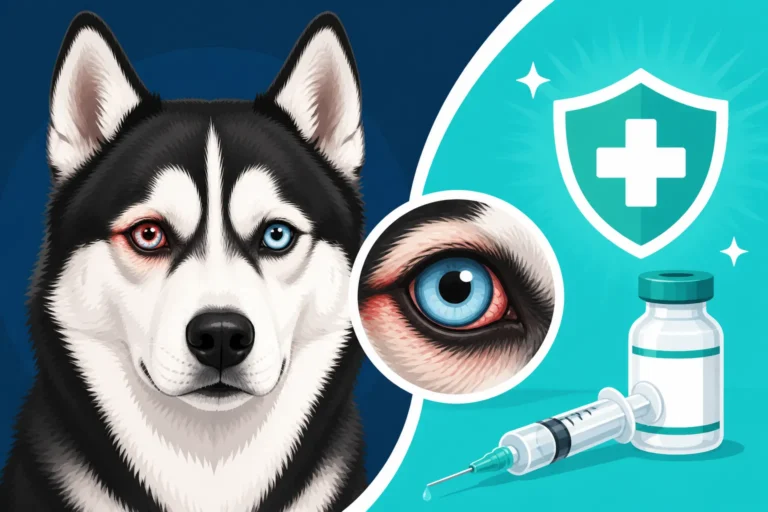
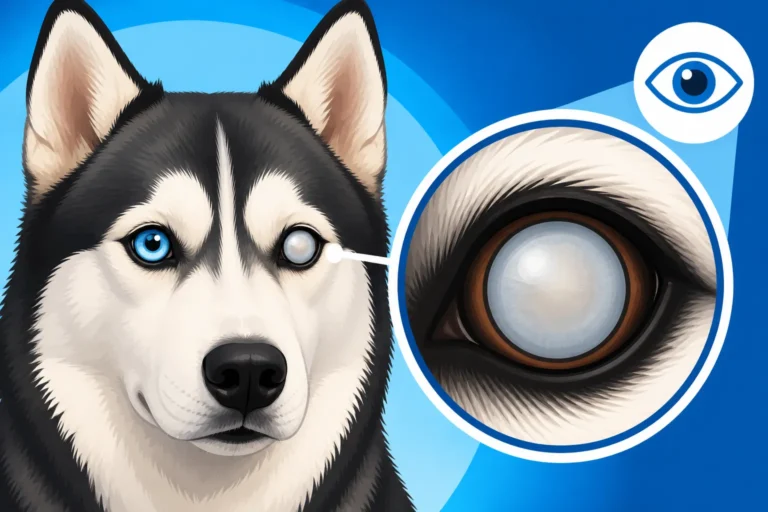
In the eyes, UDS causes uveitis – inflammation of the uvea, the middle layer of the eye. This results in red, painful eyes, squinting, excessive tearing, and often a cloudy appearance. Over time, it can lead to glaucoma, cataracts, retinal detachment, and permanent vision loss. Concurrently, affected Huskies often experience depigmentation of the skin, with their nose, lips, eyelids, and paw pads losing color (vitiligo). Their coat might also whiten in patches (poliosis). This is a serious condition where Why Husky Uveodermatologic Syndrome Threatens Sight cannot be overstated. Diagnosis involves an ophthalmologist's exam and often skin biopsies. Treatment is immediate and aggressive, typically with high doses of immunosuppressive medications like corticosteroids or cyclosporine, aiming to control the inflammation and preserve vision, but it's often a lifelong battle to manage.
Pemphigus Foliaceus
Pemphigus Foliaceus is another distressing autoimmune skin disease that Siberian Huskies can be prone to. In this condition, the immune system produces antibodies that attack specific proteins responsible for cell adhesion within the superficial layers of the skin, causing the skin cells to separate. This leads to the formation of pustules and crusts, which can be quite painful and itchy for your dog.
The lesions often appear on the face, especially around the eyes, ears, and nose, but can spread to the paw pads (causing painful crusting and cracking), groin, and other areas of the body. The pustules are fragile and quickly rupture, forming characteristic yellow-brown crusts. Hair loss and generalized scaling are also common. Diagnosing Pemphigus Foliaceus in the Siberian Husky usually requires skin biopsies. Treatment involves immunosuppressive drugs, most commonly corticosteroids, sometimes in combination with other immune-modulating medications. The goal is to induce remission and then maintain it with the lowest effective dose of medication, which is often a lifelong commitment.
Idiopathic Epilepsy
While not classified as a classic autoimmune disease of the skin or glands, idiopathic epilepsy in Siberian Huskies is a neurological disorder with a strong genetic component that shares some similarities with autoimmune conditions in terms of immune system involvement and complex genetic predisposition. "Idiopathic" simply means the cause is unknown, but there is growing research into immune-mediated inflammation playing a role in some cases. It's a condition where the brain's electrical activity goes awry, leading to seizures.
Seizures can manifest in various ways, from subtle focal seizures (affecting a specific part of the body, like a twitching limb) to generalized grand mal seizures (full-body convulsions, loss of consciousness, salivation, and often urination/defecation). The onset typically occurs between six months and five years of age. Diagnosing Siberian Husky Seizures and Idiopathic Epilepsy involves a process of exclusion, ruling out other causes of seizures such as metabolic imbalances, brain tumors, infections, or trauma through blood tests, MRI, and sometimes cerebrospinal fluid analysis. Once diagnosed, management typically involves lifelong anti-seizure medications like phenobarbital, potassium bromide, or levetiracetam, tailored to control the frequency and severity of the seizures and improve your Husky's quality of life.
The Interconnectedness of Autoimmune Conditions
It can feel overwhelming to discover your Siberian Husky has an autoimmune disease. The situation becomes even more complex when you realize that a genetic predisposition to one autoimmune condition often means a higher likelihood of developing another. It’s not uncommon for a Husky diagnosed with hypothyroidism to later present with symptoms of zinc-responsive dermatosis or even uveodermatologic syndrome. This interconnectedness is a critical aspect of managing their health and something every Husky owner should be aware of.
When One Condition Leads to Another
The underlying thread in these conditions is often a genetic predisposition for the immune system to misfire. Instead of viewing each autoimmune disease as an isolated event, it's often more accurate to see them as different manifestations of a generalized immune system dysregulation inherent in the breed. Imagine it like a cascade: if your Husky's immune system is already prone to attacking its own thyroid gland, it might also be prone to attacking its skin cells or pigment-producing cells under certain triggers. The chronic inflammation and stress on the body from one condition can also potentially lower the threshold for another to develop.
For instance, a Husky on immunosuppressants for Uveodermatologic Syndrome might have a weakened immune response in general, making them more susceptible to other issues, though the medications themselves are designed to stop the immune system from attacking healthy cells. Conversely, the presence of one autoimmune condition often prompts veterinarians to be more vigilant about screening for others, recognizing that if one door opens, others might not be far behind. This requires a proactive approach to monitoring and often, a deeper understanding of the breed's specific vulnerabilities.
Holistic Approach to Autoimmune Management
Given the potential for interconnected autoimmune issues, a holistic approach to your Siberian Husky’s health management becomes not just beneficial, but essential. While specific medications are critical for treating individual conditions, supporting their overall well-being can help manage symptoms, improve quality of life, and potentially reduce the risk of exacerbations or the development of new conditions. This means looking beyond just the pill bottle.
Consider their diet: a high-quality, easily digestible diet, potentially even a novel protein or limited ingredient diet, can reduce inflammatory responses. Some owners explore grain-free options, though the scientific evidence for all dogs needing this is still debated. Ensuring they receive appropriate supplementation, like the crucial zinc for ZRD, or omega fatty acids for general skin and coat health, is also vital. Regular, but not excessive, exercise helps maintain a healthy weight and mental well-being, but must be adjusted if conditions like hypothyroidism cause lethargy. Environmental factors, such as minimizing exposure to allergens or irritants, and protecting depigmented skin from the sun, are also key. Always discuss any complementary therapies or significant dietary changes with your veterinarian, as they need to integrate with prescribed treatments.
Navigating Diagnosis and Specialized Care
Receiving an autoimmune diagnosis for your Siberian Husky can be a bewildering experience. These conditions are complex, often requiring specialized knowledge to accurately diagnose and effectively manage. It’s not always a straightforward path, and advocating for your dog means knowing when to push for more tests or seek out an expert opinion. Finding the right veterinary care team is paramount to your Husky's long-term health.
The Importance of a Vet Who Knows Huskies
Not all veterinarians are equally familiar with the nuances of Siberian Husky health. While general practitioners are incredibly skilled, Huskies present a unique set of challenges due to their breed-specific predispositions, efficient metabolism, and often stoic nature, which can mask symptoms until a condition is quite advanced. A vet who has experience with northern breeds will be more attuned to their normal baselines, recognize subtle signs of trouble that might be missed in other dogs, and understand their genetic vulnerabilities. They'll be less likely to dismiss early warning signs and more likely to recommend breed-specific diagnostic panels, like a full thyroid panel rather than just a basic screening.
Don't be afraid to ask your potential or current vet about their experience with Siberian Huskies and autoimmune diseases. A good vet will welcome your questions and be open to collaborating on your dog's care. Being an informed and proactive owner, combined with a knowledgeable vet, forms the strongest defense against the progression of these conditions.
Seeking Specialist Consultations
For many autoimmune diseases, the expertise of a veterinary specialist is invaluable. If your general practitioner suspects a complex autoimmune condition, or if treatment isn't yielding the expected results, they will often recommend a referral. Here’s when you might see different specialists:
- Veterinary Internal Medicine Specialist: These experts are crucial for diagnosing and managing complex systemic diseases, including many endocrine and autoimmune disorders. They can interpret intricate bloodwork, understand subtle breed predispositions, and devise comprehensive long-term treatment plans.
- Veterinary Dermatologist: For conditions like Zinc-Responsive Dermatosis or Pemphigus Foliaceus, a dermatologist specializes in skin and can perform advanced diagnostics like skin biopsies, interpret results, and guide complex topical and systemic treatments.
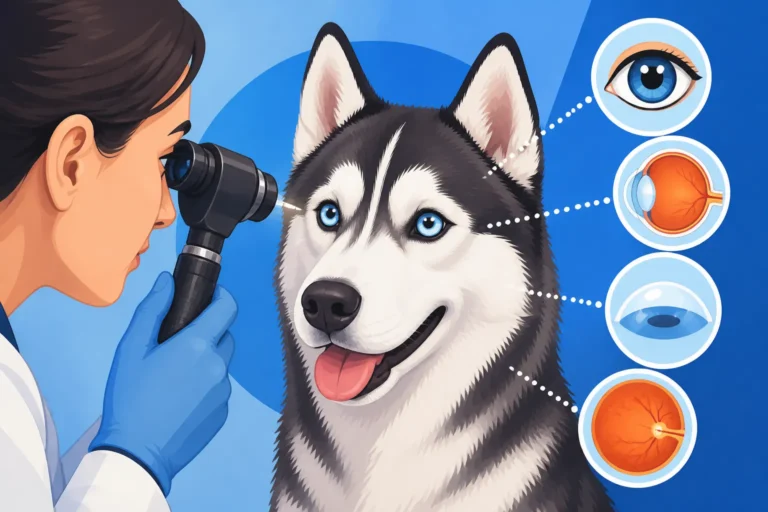
- Veterinary Ophthalmologist: If Uveodermatologic Syndrome is suspected, an ophthalmologist is non-negotiable. They have specialized equipment to examine the intricate structures of the eye, diagnose specific eye conditions, and manage aggressive treatments to preserve vision.
- Veterinary Neurologist: For conditions like idiopathic epilepsy, a neurologist can differentiate between various causes of seizures, perform advanced imaging like MRIs, and tailor anti-seizure medication protocols to achieve the best control with minimal side effects.
Seeking a specialist often means traveling to a larger veterinary hospital or a university veterinary teaching hospital, but the depth of knowledge and diagnostic capabilities they offer can make all the difference in achieving an accurate diagnosis and optimal outcome for your beloved Husky.
Managing Life with a Siberian Husky and Autoimmune Disease
Living with a Siberian Husky diagnosed with an autoimmune disease is a journey that requires commitment, patience, and often a significant adjustment to daily routines. These aren't temporary illnesses; they are typically lifelong conditions that require continuous management. However, with the right approach, your Husky can still lead a full and happy life. It's about adapting and providing consistent, loving care.
Diet, Exercise, and Environmental Considerations
Managing daily life involves a multi-faceted approach. Diet is fundamental: opt for high-quality dog food, potentially with limited ingredients or novel proteins, to minimize potential allergens that might exacerbate immune responses. For dogs with Zinc-Responsive Dermatosis, their diet needs to be carefully balanced with the right form and dose of zinc supplementation, as mentioned previously. Monitoring their weight is also crucial, especially for those with hypothyroidism who can be prone to weight gain.
Exercise needs to be tailored to their energy levels and any physical limitations. A Husky with uncontrolled hypothyroidism might be too lethargic for their usual long runs, so shorter, more frequent walks might be more appropriate. For dogs with Uveodermatologic Syndrome or Pemphigus, protect depigmented areas of skin (like their nose) from harsh sunlight with pet-safe sunscreens or by avoiding peak sun hours, as these areas are prone to sunburn. Always provide ample fresh water and ensure they have a comfortable, temperature-controlled environment indoors, as some conditions can affect their ability to regulate body temperature.
Financial Planning and Pet Insurance
One of the less talked about, but very real, challenges of managing an autoimmune disease in your Siberian Husky is the financial burden. Lifelong medications, frequent specialist visits, regular blood tests, and potential emergency treatments can quickly add up, easily costing hundreds to thousands of dollars annually. It’s a reality that can be shocking for owners who haven’t prepared for it.
This is where pet insurance becomes an absolute game-changer. Enrolling your Siberian Husky in a comprehensive pet insurance plan early in their life – ideally as a puppy – before any signs of illness appear, is one of the smartest financial decisions you can make. Companies like Healthy Paws offer policies that can cover a significant portion of veterinary bills for accidents and illnesses, including many chronic conditions once the waiting periods are met and if the condition isn't pre-existing. Imagine not having to choose between your dog's health and your savings. Pet insurance, especially from providers like Healthy Paws, allows you to make medical decisions based on what’s best for your Husky, rather than what you can afford. This peace of mind is invaluable when dealing with long-term conditions. It's truly a lifeline, and I'd recommend looking into Siberian Husky Pet Insurance and the Eye Clause as you plan for your Husky's future.
Breeding Responsibly: Preventing Future Generations of Disease
The prevalence of autoimmune diseases in Siberian Huskies underscores the immense responsibility of ethical breeding. While a perfect dog is a myth, responsible breeders strive to reduce the incidence of inherited conditions, including those linked to the immune system. For prospective puppy owners, understanding these practices is key to making an informed choice and bringing home the healthiest possible companion.
Health Testing and Pedigree Research
Responsible breeders are diligent about health testing their breeding stock before considering a litter. For Siberian Huskies, this typically involves a series of screenings recommended by the Siberian Husky Club of America and recognized by organizations like the Orthopedic Foundation for Animals (OFA) and the Canine Health Information Center (CHIC).
Key tests include:
- OFA Eye Certification (CAER): An annual exam by a board-certified veterinary ophthalmologist to screen for hereditary eye diseases, some of which can have autoimmune components or overlap with Uveodermatologic Syndrome.
- OFA Thyroid Panel: Screening for hypothyroidism and the presence of autoantibodies. Breeders should test regularly and remove affected dogs from their breeding programs.
- OFA Hip Dysplasia Evaluation: While not directly autoimmune, hip health is crucial for an active breed and part of general health screening.
- Genetic Testing: While there isn't one single test for all autoimmune conditions, some specific conditions, like certain forms of Progressive Retinal Atrophy (PRA), can be screened for genetically.
Beyond individual health tests, a truly responsible breeder will also research pedigrees meticulously, looking at the health history of multiple generations. They should be transparent about any known health issues in their lines, even if the breeding dogs themselves are clear. This dedication to health testing and pedigree research is fundamental for Health Testing Before You Buy a Siberian Husky and is crucial in striving to produce healthy puppies. If a breeder is participating in CHIC, that’s a good sign, as What Siberian Husky CHIC Certification Requires a commitment to testing.
Ethical Breeding Practices
Ethical breeding goes beyond just checking boxes on health tests. It involves a deep understanding of genetics, temperament, and the overall welfare of the breed. For autoimmune conditions, this means making tough decisions. If a dog consistently produces offspring with significant autoimmune issues, even if they themselves are clear on basic tests, they should be removed from the breeding program. Similarly, affected dogs, even if well-managed, should never be bred, as they carry the genetic predisposition.
An ethical breeder will openly discuss the health of their lines, be able to show you all relevant health certificates, and provide a health guarantee for their puppies. They will also be a lifelong resource, willing to answer questions and offer support throughout your Husky's life. Their goal is not just to sell puppies, but to better the breed and ensure healthy, long-lived companions. They understand the heartbreak that can come with complex health issues and actively work to reduce that risk for future generations of Husky owners. Choosing a puppy from such a breeder is an investment in health and peace of mind.
| Condition | Primary Organs Affected | Key Symptoms | Common Treatments |
|---|---|---|---|
| Hypothyroidism | Thyroid Gland | Lethargy, weight gain, dull coat, hair loss, cold intolerance | Lifelong Levothyroxine (synthetic thyroid hormone) |
| Zinc-Responsive Dermatosis | Skin | Crusting lesions (face, joints), hair loss, itching, secondary infections | Lifelong Zinc supplementation |
| Uveodermatologic Syndrome | Eyes, Pigmented Skin (nose, lips, paw pads) | Red/painful eyes (uveitis), vision loss, pigment loss (vitiligo, poliosis) | Aggressive immunosuppressants (steroids, cyclosporine), eye drops |
| Pemphigus Foliaceus | Skin | Pustules, crusts, erosions, itching, hair loss (often face, ears, paw pads) | Immunosuppressants (steroids, other immune-modulators) |
| Idiopathic Epilepsy | Brain/Neurological | Recurrent seizures (grand mal, focal) | Lifelong anti-seizure medications |
Disclaimer
The information provided in this guide is intended for educational purposes only and should not be considered a substitute for professional veterinary advice. Always consult with a qualified veterinarian or specialist regarding any health concerns or before making any decisions about your Siberian Husky's medical care or treatment plan.