Bathing a Siberian Husky and How Rarely
Many Siberian Husky owners find themselves completely overwhelmed by the sheer volume of fur and the misconception that bathing will somehow fix their shedding woes. The truth is, giving your husky a bath is a monumental task, often involving wrestling a fluffy, stubborn dog into a tub, and if done too often or incorrectly, it can actually do more harm than good to their incredible double coat. This comprehensive guide will walk you through the proper frequency and techniques for bathing your Siberian Husky, ensuring their coat stays healthy and clean without stripping away its natural defenses.
Understanding the Siberian Husky's Unique Coat
Before we even think about turning on the tap, it's crucial to understand the magnificent engineering that is a Siberian Husky's coat. It’s not just fur; it’s a highly specialized system designed to protect them from extreme elements, and it needs to be respected.
The Double-Layered Marvel: Guard Hairs vs. Undercoat
Your Siberian Husky boasts what's known as a double coat, and each layer plays a vital, distinct role. Think of it like a built-in insulation system that both keeps them warm in freezing temperatures and helps them stay cool in warmer climates. The outer layer consists of coarse, straight guard hairs. These hairs are long and protective, designed to shed water, dirt, and snow, acting like a natural shield. They're what gives your husky that sleek, defined outline, and they’re incredibly resilient.
Beneath these guard hairs lies the dense, soft, and incredibly plush undercoat. This is the real workhorse when it comes to insulation. It's so thick and downy that it creates pockets of air, trapping warmth in winter and providing a barrier against heat in summer. This undercoat is also what makes your husky such a prolific shedder during their Siberian Husky Coat Blow and the Six Weeks It Lasts. When you consider these two layers working in harmony, you begin to appreciate why regular, thoughtful care is so important, and why improper bathing can disrupt this delicate balance.
Natural Self-Cleaning Abilities
One of the most remarkable things about a Siberian Husky's coat is its inherent ability to stay clean. These dogs are incredibly fastidious, often grooming themselves with cat-like precision. Their guard hairs are naturally structured to repel dirt and debris, meaning that often, what looks like a dirty dog can be easily brushed clean once the mud has dried. The texture of the guard hairs also helps dirt to simply fall away.
Furthermore, the natural oils produced by their skin play a critical role in maintaining the coat's health and protective qualities. These oils keep the guard hairs waterproof and flexible, allowing them to do their job of shedding moisture and trapping air. This natural system is incredibly efficient, meaning that for many husky owners, a quick brush and perhaps a wipe-down with a damp cloth are often all that's needed for minor messes. You might be surprised to find that Why Siberian Huskies Barely Smell is often attributed to this self-cleaning marvel and low natural odor, which is a huge bonus compared to some other breeds.
Why Too Much Bathing is Harmful
Given their sophisticated coat, it stands to reason that over-bathing a Siberian Husky can be detrimental. When you bathe your husky too frequently, especially with harsh shampoos, you strip away those vital natural oils that keep their coat healthy and functional. This stripping can lead to dry, irritated skin, which can become itchy and flaky. Imagine washing your hair every single day with a strong detergent; eventually, your scalp would get dry and unhappy, right? It's similar for your husky.
Beyond skin irritation, stripping these oils can also compromise the coat's natural weatherproofing. The guard hairs become less able to repel water, and the undercoat can lose some of its insulating properties. Over-bathing can also soften the guard hairs, making them more prone to matting and less effective at shedding dirt. It might even exacerbate shedding problems by causing the coat to dry out and shed more, ironically making the problem you were trying to solve even worse. This is also why you must never shave a Siberian Husky, as it completely destroys this natural protection.
How Often Does a Siberian Husky Really Need a Bath?
This is the million-dollar question, and the answer isn't a hard-and-fast rule, but rather a flexible guideline based on your dog's lifestyle and current coat condition.
The "As Needed" Rule
For most Siberian Huskies, the rule of thumb for bathing is "as needed," which generally translates to very rarely. What does "as needed" truly mean? It means when your husky is genuinely dirty beyond what a good brush can fix, or when they develop a noticeable, unpleasant odor that isn't dissipating. This might happen after they've rolled in something truly disgusting, had a run-in with a skunk, or spent an afternoon splashing in a muddy pond.
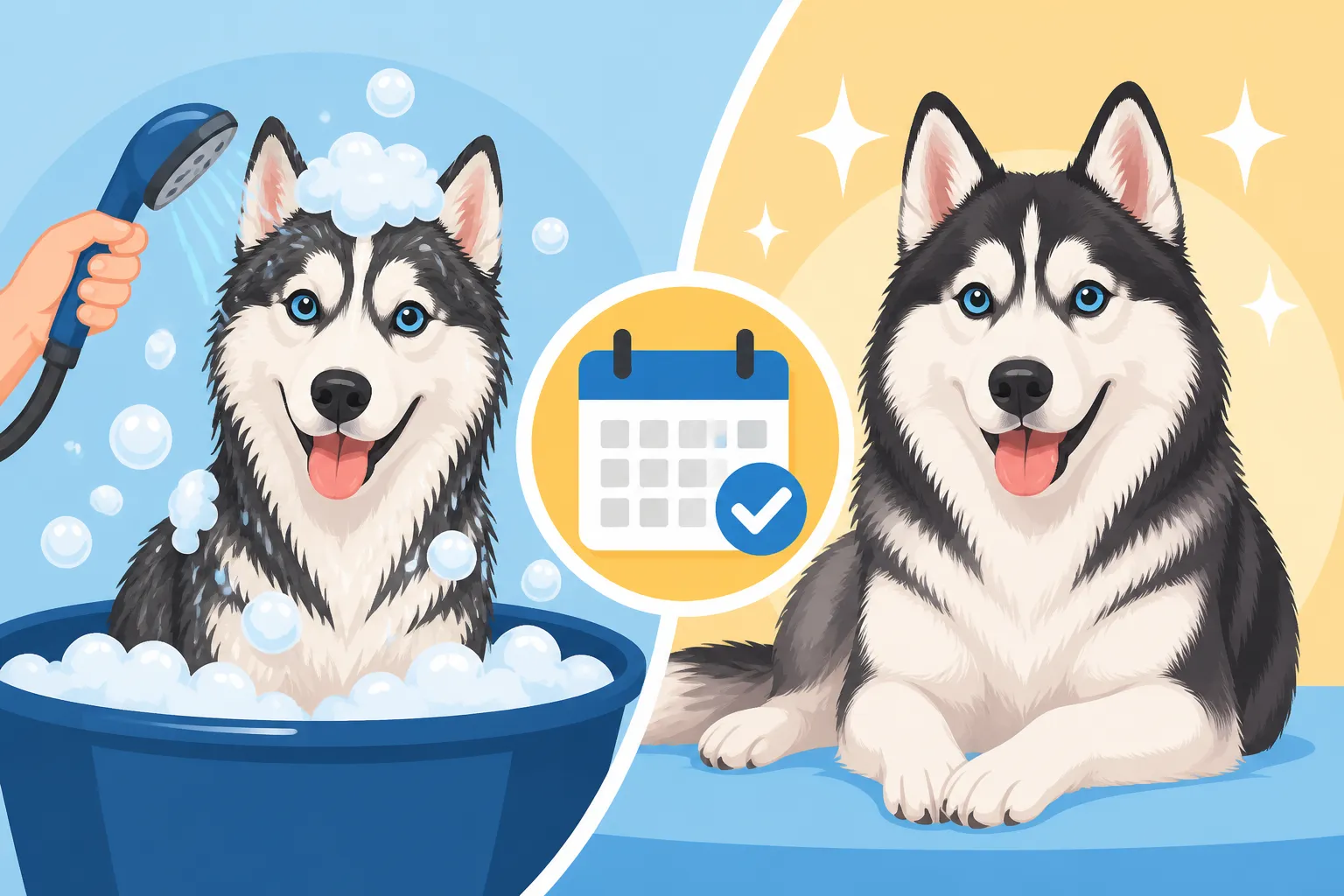
For many pet huskies living in relatively clean environments, this could mean a bath every 3-6 months, or even less frequently, perhaps only once or twice a year. Some owners find their huskies can go a full year between baths with consistent grooming. The key is observation: look at their coat, feel their skin, and yes, give them a sniff. If they aren't visibly soiled and don't smell, chances are they don't need a full bath.
Seasonal Considerations
The one time you might consider bathing your husky slightly more often, or at least being prepared for it, is during their intense Spring and Fall Sheds in a Siberian Husky. When your husky is "blowing coat," that dense undercoat comes out in astonishing quantities. While brushing is your primary tool for managing this, a bath can sometimes help loosen and wash away some of the dead undercoat, especially if followed by thorough drying and brushing.
However, even during a coat blow, you should still exercise caution. A bath should be seen as a way to assist the shedding process, not a standalone solution. Many owners opt for professional de-shedding services during these periods, as groomers have specialized tools and techniques, including high-velocity dryers, that are incredibly effective at removing loose undercoat without over-bathing. If you do bathe during a coat blow, be prepared for a long grooming session afterward to ensure all the loosened fur is removed and the coat is completely dry.
Activity Level and Environment
The lifestyle of your Siberian Husky will significantly influence their bathing needs. A husky that spends most of its time indoors, with regular walks on paved paths, will naturally stay cleaner than a husky that regularly joins you on muddy trail runs, explores dense undergrowth, or participates in dog sports.
- City Dweller: An urban husky might pick up dust and grime from streets, but a quick wipe-down of their paws and belly, coupled with regular brushing, often suffices. They might only need a full bath once or twice a year, or perhaps if they find a particularly enticing puddle to roll in.
- Outdoor Adventurer/Working Dog: A husky involved in activities like canicross, bikejoring, or hiking through varied terrain will undoubtedly get dirtier more frequently. Mud, burrs, and other natural debris will cling to their coat. For these huskies, a more targeted approach is often best: spot cleaning particularly dirty areas, hosing off legs and belly after a muddy outing, and prioritizing thorough brushing to remove embedded dirt. A full bath might be needed more like every few months, especially if they end up truly caked in mud or smell strongly of the great outdoors.
- Show Dog: Huskies in the show ring often require more meticulous grooming, but even then, over-bathing is avoided. Show groomers focus on maintaining coat health and shine through specific techniques and products, not frequent washing.
Ultimately, your husky’s environment dictates the kind of dirt they encounter. A husky that occasionally gets a little dusty from playing in the backyard rarely needs a full scrub-down. A husky that dives into every murky pond, on the other hand, might require a bit more direct intervention, but still not at a weekly or even monthly frequency.
The Right Way to Bathe Your Siberian Husky
When that rare, essential bath day arrives, you need to be prepared. Bathing a husky isn't a quick splash; it's a project that requires patience, the right tools, and a bit of elbow grease.
Gathering Your Supplies
Before you even think about getting your husky wet, have everything ready. There's nothing worse than having a wet, soapy, potentially unhappy husky and realizing you forgot the towels.
Here’s your essential toolkit:
- High-Quality Dog Shampoo: Choose a shampoo specifically formulated for dogs, ideally one that is gentle, moisturizing, and sulfate-free. Avoid human shampoos, as their pH levels are different and can irritate dog skin. If your husky has specific skin sensitivities, look for hypoallergenic or oatmeal-based options. Brands like Earthbath or TropiClean are often readily available on platforms like Chewy or Amazon.
- Dog Conditioner: Just like human hair, your husky’s coat benefits from conditioner. It helps to restore moisture, prevent tangles, and keep the coat soft and shiny. This is especially important for the undercoat.
- Undercoat Rake and Slicker Brush: These are non-negotiable for pre-bath prep and post-bath finishing. Undercoat Rakes and Slickers for a Siberian Husky are designed to get deep into the coat and remove loose fur.
- Plenty of Towels: Have at least 3-4 large, absorbent towels ready. Huskies hold a lot of water!
- High-Velocity Dryer (Optional but Highly Recommended): If you plan to bathe your husky at home more than once a year, this is a game-changer. It blasts water out of the coat and significantly speeds up drying, preventing matting and hot spots. You can find excellent pet-specific models on Amazon.
- Non-Slip Mat: Place this in the tub or shower to prevent slips and make your husky feel more secure.
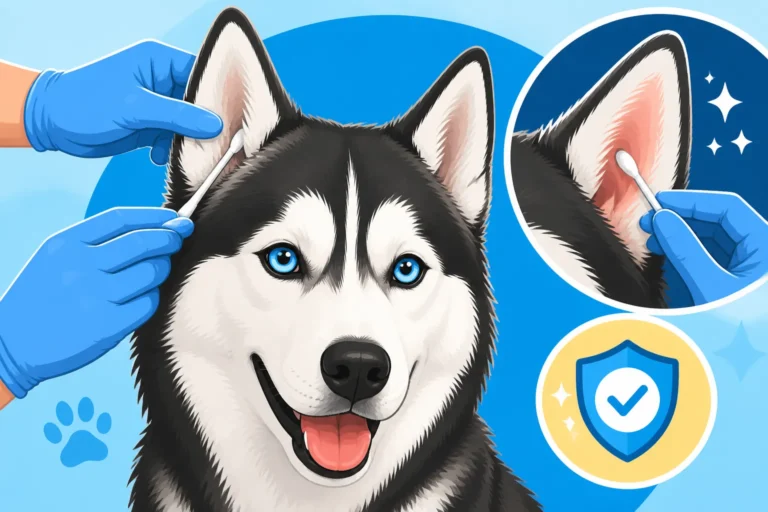
- Cotton Balls: To gently place in their ears before bathing to prevent water from entering the ear canal, which can lead to infections.
- Treats: Lots of them! Positive reinforcement will make the experience less stressful for both of you.
Pre-Bath Brushing is Non-Negotiable
This step is critical and cannot be skipped. Before a single drop of water touches your husky, you must brush them thoroughly. Seriously, thoroughly. Use your undercoat rake to remove as much loose fur as possible, working in sections. Then follow up with a slicker brush to smooth the guard hairs and catch any remaining shed.
Why is this so important? Because water will tighten and compact any loose fur and mats, making them incredibly difficult, if not impossible, to remove once wet. Trying to brush out wet, matted husky fur is a nightmare that can cause pain to your dog and frustration for you. This pre-bath brush session might take a good 20-30 minutes, especially if your husky is in a How Long a Siberian Husky Coat Blow Runs. Consider it a vital part of the bathing process itself.
The Washing Process
Alright, supplies gathered, husky brushed, treats at the ready. Now for the actual bath.
- Wet Them Down (Thoroughly!): This is often the hardest part because of their water-repellent guard hairs. Use lukewarm water, not hot, and gradually wet your husky, starting from their feet and working your way up. It takes a lot of water to penetrate their dense double coat. Make sure you get all the way down to the skin. This might involve physically pushing the fur down and directing the water stream close to their body. Be gentle around their face; use a damp cloth to wipe it clean instead of direct water spray.
- Apply Shampoo: Once they are completely saturated, apply a generous amount of diluted shampoo. Diluting shampoo helps it spread more evenly and rinse out more easily. Work the shampoo into the coat, massaging it all the way down to the skin. Don't be shy; their coat is thick! Focus on any particularly dirty areas. Be careful to avoid getting shampoo in their eyes or ears.
- Rinse, Rinse, Rinse (Then Rinse Again!): This is arguably the most important part. You must rinse every speck of shampoo out of your husky's coat. Any residue left behind can irritate the skin, cause itching, and dull the coat. Keep rinsing until the water runs clear and you feel absolutely no slippery residue when you run your hands through their fur. This will take much longer than you think, especially with their dense undercoat.
- Condition: After the shampoo is completely rinsed, apply a dog conditioner, again working it thoroughly into the coat, all the way to the skin. Let it sit for the recommended time (usually a few minutes), then rinse it out just as meticulously as the shampoo. This step helps restore moisture and keep the coat healthy.
The Critical Drying Phase
This is where many husky owners falter, and it's perhaps the most important part of bathing a Siberian Husky. You absolutely cannot let a husky air dry indoors, especially if their undercoat is still damp.
- Towel Dry Vigorously: As soon as they are out of the tub, grab those towels and start blotting and rubbing. Get as much water out as you possibly can. Be prepared for them to shake, which will send water (and probably some loose fur) everywhere. This is natural, so just let them do their thing and then continue toweling.
- Use a High-Velocity Dryer: If you have one, now is its moment to shine. A high-velocity dryer will significantly cut down drying time and prevent many common husky coat issues. It works by forcing air through the coat, pushing water out and separating the individual hairs, which is crucial for preventing mats and ensuring the undercoat dries fully. Aim the nozzle at different sections, lifting the fur as you go. You'll be amazed at how much more water comes out, even after vigorous toweling. This is a great way to blow out any remaining loose undercoat. Force Drying a Siberian Husky After a Bath is a skill worth developing if you plan to bathe your dog at home.
- Brush While Drying: As you dry, continuously brush your husky with your slicker brush and undercoat rake. This helps prevent tangles and ensures the coat dries evenly. You'll likely still remove a good amount of fur during this stage.
- Ensure Complete Dryness: This is key. The undercoat can hold moisture for a surprisingly long time. If it remains damp, it can lead to skin irritation, fungal infections (hot spots), and a funky smell. Keep drying and brushing until you can feel no dampness when you part their fur and touch their skin. This might take over an hour, even with a high-velocity dryer. A High-Velocity Dryer for a Siberian Husky Coat is genuinely one of the best investments you can make for at-home husky care.
Alternatives to Full Baths for a Cleaner Husky
Given the effort involved and the potential for coat damage, it’s always a good idea to explore alternatives to full baths for maintaining your husky’s cleanliness.
Regular Brushing
This cannot be emphasized enough: regular brushing is the absolute cornerstone of Siberian Husky coat care. For most everyday dirt and debris, a thorough brush session is all that's needed. The guard hairs are designed to let dirt fall out, and a good rake will pull out shed undercoat and trapped grime.
Aim for at least 2-3 brushing sessions per week, and daily during Daily Raking Through a Siberian Husky Blow. This keeps the coat healthy, prevents matting, and distributes natural oils. It also helps you bond with your dog and allows you to check for any skin issues or parasites. By staying on top of your brushing routine, you'll find yourself needing far fewer full baths. Consider investing in quality Grooming Tools a Siberian Husky Owner Buys Once to make this task easier and more effective.
Spot Cleaning and Paw Washes
Not every dirty spot requires a full bath. If your husky has a muddy belly, a dirty paw, or has rolled in something particularly sticky on one side, targeted spot cleaning is your friend.
- Muddy Paws/Legs: Keep a bucket of warm water and a towel by the door. After a muddy walk, simply dip their paws and lower legs into the water, scrub gently, and towel dry. You can also use a paw washer like the Dexas MudBuster.
- Dirty Spots: For specific dirty areas on their coat, you can use a damp cloth with a mild, dog-safe shampoo or a waterless shampoo spray. Apply, gently scrub the dirty area, and then thoroughly rinse with a damp cloth until no residue remains. Always ensure the area is completely dry afterward to prevent skin irritation.
- Wipe Downs: For general dust or light dirt, a damp microfiber cloth can work wonders to wipe down your husky's coat, leaving it looking fresher.
Deodorizing Sprays and Dry Shampoos
These can be lifesavers for those in-between bath moments when your husky isn't truly dirty but just needs a little freshening up.
- Deodorizing Sprays: Many pet-friendly deodorizing sprays are available that can help neutralize odors without a full bath. Choose sprays with natural, dog-safe ingredients. A quick spritz and brush through can make your husky smell much better for a few days.
- Dry Shampoos/Waterless Shampoos: These products come in foam, powder, or spray forms and allow you to "clean" your dog without water. You apply the product, massage it in, and then brush it out. While they don't offer the deep clean of a traditional bath, they can absorb excess oil and dirt, leaving the coat looking and smelling cleaner. They are excellent for quick touch-ups or for dogs who absolutely despise baths.
Remember, these are temporary fixes and shouldn't replace necessary full baths, but they can certainly extend the time between them.
Professional Grooming vs. DIY
Deciding whether to tackle husky bathing yourself or to enlist professional help is a common dilemma.
- DIY Bathing: If you have the space, the equipment (especially a high-velocity dryer), and the patience, bathing your husky at home can be very rewarding and cost-effective. You have control over the products used and the thoroughness of the job. It's particularly feasible if your husky is generally cooperative and only needs occasional baths. However, for a major coat blow, it can be an enormous undertaking.
- Professional Grooming: For many husky owners, professional grooming is a worthwhile investment, especially during heavy shedding periods. Professional groomers have specialized tubs, powerful high-velocity dryers, and expertise in handling double coats. They can perform a thorough de-shedding treatment that often includes a bath designed to loosen and remove dead undercoat, followed by meticulous drying and brushing. This can save you hours of work and a lot of fur in your house. Services like professional de-shedding can be a regular expense, so it’s something to factor into your budget. What a Groomer Charges to De-Shed a Siberian Husky can give you an idea of the costs involved, but for many, it's worth every penny to keep their husky's coat pristine. Two De-Shedding Appointments a Siberian Husky Year often aligns with their major coat blow seasons.
Ultimately, the best approach for bathing your Siberian Husky is one that respects their unique coat, prioritizes their health, and fits your lifestyle. Rarely is the answer, but when it's time, do it right!
Disclaimer
This article is for general informational purposes only and does not constitute professional advice. Laws, prices and regulations vary by location and change over time. Consult a qualified professional for guidance on your specific situation.