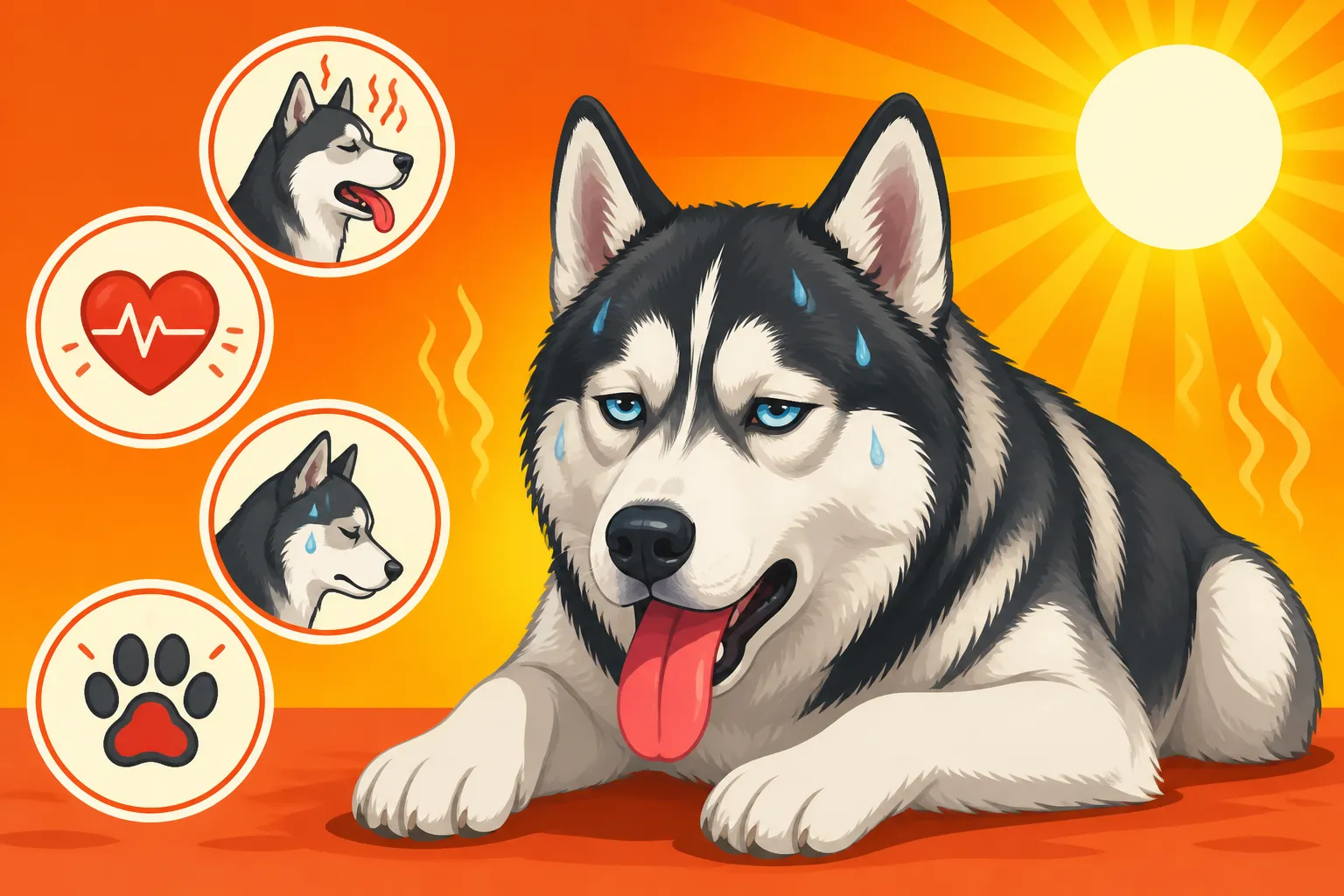
Signs of Heat Trouble in a Siberian Husky
It's a common misconception that because Siberian Huskies have those gorgeous, thick double coats, they must be completely immune to hot weather. Believe me, I've heard it a million times, and it's a dangerous myth. The truth is, these incredible dogs can suffer from heat stress and heatstroke just like any other breed, often with less obvious warning signs to the untrained eye. This guide will walk you through the critical indicators of heat trouble, from subtle early cues to the dire emergencies, so you can protect your beloved companion.
Why Siberian Huskies Struggle in the Heat
Many people look at a Siberian Husky and assume their thick fur means they're built for extreme cold, and thus, somehow resilient to heat. While their coat is amazing at insulating, it works both ways, and their genetics are wired for entirely different climates. Understanding this fundamental difference is crucial for recognizing when your Husky is truly struggling.
The Double Coat's Paradox
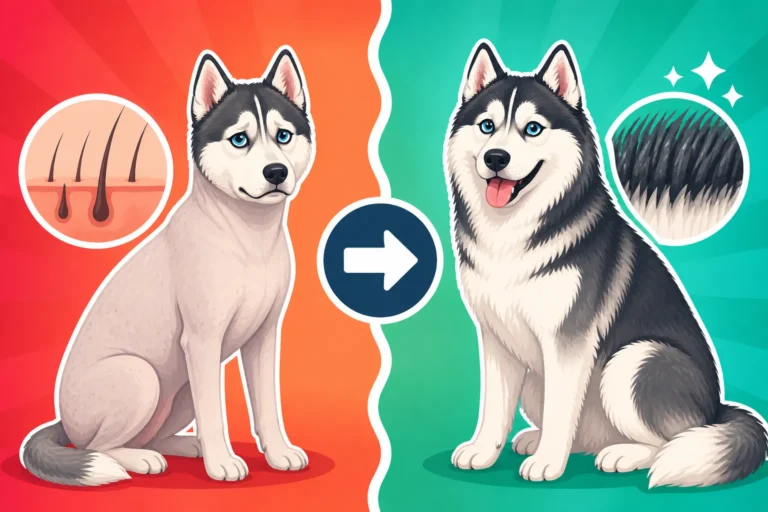
That magnificent, dense double coat, so perfect for keeping a Husky warm in sub-zero temperatures, can actually become a hindrance in hot, humid conditions. It consists of a soft, downy undercoat and coarser guard hairs. This combination traps an insulating layer of air. In cold weather, this air keeps the cold out and body heat in. However, in hot weather, it can trap heat against the body, preventing efficient cooling. Think of it like wearing a heavy winter parka in July – it's designed to keep heat in, not let it out. This is why What the Siberian Husky Double Coat Actually Does is so important to understand, and why you should never, ever shave your Husky.
Their Efficient Metabolism
Siberian Huskies are known for their incredibly efficient metabolisms. Historically, they needed to conserve energy and body fat while working long hours in frigid conditions. This means they don't burn calories as quickly as some other breeds, and their bodies are designed to retain warmth, not rapidly dissipate it. When the external temperature rises, their internal heat regulation system has to work overtime, and that efficient metabolism, which is normally such a blessing, can turn into a disadvantage. They simply aren't as adept at "dumping" excess heat compared to a shorter-coated, less metabolically conservative dog.
Ancestral Environment Versus Modern Living
Our Huskies descend from dogs bred by the Chukchi people in northeastern Siberia. Their world was one of snow, ice, and bitter winds. They slept curled up in the snow, comfortable in temperatures that would send most other dogs shivering indoors. Fast forward to today, and many Huskies live far from such environments – in bustling cities, arid deserts, or humid southern states. They're often walked on hot pavement, left in yards with insufficient shade, or pushed too hard during summer exercise because owners mistakenly believe they can handle it. The disconnect between their genetic heritage and their current environment creates a significant vulnerability to heat. Whether a Siberian Husky Belongs in a Hot State is a serious question every prospective owner needs to ask themselves.
Early Warning Signs of Heat Stress
Recognizing the subtle, initial signs of heat stress is absolutely vital. This isn't just about spotting a dog that's clearly collapsed; it's about seeing the small shifts in behavior and physiology that tell you your Husky is starting to overheat before it becomes a full-blown emergency. Early intervention can prevent a lot of suffering and even save their life.
Increased Panting and Drooling
One of the first things you'll notice is an increase in panting. While panting is normal for dogs to cool down, a Husky suffering from early heat stress will pant more intensely, rapidly, and perhaps more shallowly than usual. Their tongue might seem flatter and wider. Coupled with this, you might observe more drooling than typical, sometimes with thicker, ropier saliva. It's a sign their body is desperately trying to evaporate moisture to cool down, but perhaps not succeeding efficiently.
This isn't just a "happy pant" after a good run; it's a labored effort. Pay close attention to the quality of the panting – does it sound strained? Is it continuous without much break, even when they're resting in the shade? If you're on a walk, and they start panting excessively and refusing to move, that's a red flag. Always carry water, and offer it freely. You can find portable dog bowls and water bottles for on-the-go hydration on platforms like Amazon.
Seeking Shade and Rest
A Husky beginning to feel the heat will instinctually try to find a cooler spot. They might gravitate towards shady areas, lie down on cool surfaces like concrete or tile, or try to dig a shallow "nest" in the dirt – a common behavior called "digging dens" that helps them reach cooler earth. They might also become less active, refusing to play or go for a walk, even if it's an activity they normally love. This isn't laziness; it's self-preservation.
If your typically energetic Husky suddenly becomes lethargic and insists on lying down in the coolest part of the house or yard, take note. It's their body telling you they're expending too much energy trying to regulate their temperature. Don't push them to continue activities, especially if it's warm outside. Offer them cool water and an air-conditioned space immediately.
Changes in Gait and Coordination
As heat stress progresses, albeit still in the early stages, you might notice subtle changes in how your Husky moves. They might appear a bit wobbly, stumble slightly, or seem a little uncoordinated. Their movements might become stiff or hesitant, especially after standing up from a rest. This is often due to the initial effects of dehydration and electrolyte imbalance impacting their muscle function and nerve responses.
It can be easy to dismiss this as just being tired, but if coupled with increased panting and seeking shade, it’s a strong indicator of heat trouble. Watch for any staggering, particularly in their hindquarters, or if they seem to drag their paws slightly. If you see this, stop all activity immediately. Move them to a cooler environment and start cooling measures. Running a Siberian Husky in Summer Heat requires constant vigilance for these signs.
Moderate Heat Stress Symptoms
When heat stress escalates beyond the initial warning signs, the symptoms become more pronounced and concerning. At this stage, your Husky is actively struggling, and immediate, effective cooling is necessary to prevent the situation from becoming life-threatening. These signs indicate that their body's natural cooling mechanisms are being overwhelmed.
Reddened Gums and Tongue
One of the most visible indicators of moderate heat stress is a change in the color of your Husky's gums and tongue. Instead of their normal healthy pink, they might appear noticeably darker, a brick red, or even purplish. This is due to increased blood flow to the surface tissues as the body tries to radiate heat away, and also a sign of vascular congestion. Checking their gum color is a quick and effective way to gauge their circulatory status.
To check this, gently lift their lip. If the gums are a deep red, it's a serious sign that their core body temperature is too high. This is not something to take lightly. Coupled with intense panting, it means their system is working overtime, and they are in danger. Don't wait; start active cooling and contact your vet.
Rapid Heart Rate and Breathing
As the body fights to cool itself, the heart works harder and faster to circulate blood, leading to a rapid heart rate (tachycardia). You might be able to feel this by placing your hand on their chest. Their breathing will also become more rapid and shallow, often accompanied by noisy sounds as they struggle to take in enough air. This hyperventilation can lead to further dehydration.
A normal resting heart rate for a medium-sized dog like a Husky is typically around 60-120 beats per minute. If you notice it's significantly higher and sustained, along with very fast breathing, it's a clear signal of distress. Their body is in overdrive, trying desperately to compensate for the internal heat. Every minute counts when you see these symptoms, as things can deteriorate quickly.
Vomiting and Diarrhea
Gastrointestinal issues like vomiting and diarrhea, sometimes bloody, are alarming signs that heat stress is impacting internal organs. When a dog overheats, blood can be shunted away from the digestive tract to prioritize cooling, leading to cell damage in the gut lining. This can result in nausea, vomiting, and diarrhea. This is a severe symptom and indicates a dangerous level of heat stress.
If your Husky starts vomiting or has diarrhea after being in warm conditions, it's a clear sign they are past simple overheating and into a medical emergency. The loss of fluids through vomiting and diarrhea also exacerbates dehydration, creating a dangerous cycle. Water Intake for a Siberian Husky After Running is critical to prevent such issues. Seek veterinary attention immediately; do not delay.
Severe Heatstroke: An Emergency
At this stage, your Siberian Husky is experiencing full-blown heatstroke, a life-threatening condition that requires immediate and aggressive intervention. The body's temperature regulation system has failed, and their core temperature is dangerously high, leading to widespread cellular damage and organ failure. Every second counts.
Staggering and Collapse
One of the most frightening signs of severe heatstroke is a complete loss of coordination, leading to staggering, weaving, and eventually collapse. Your Husky may appear disoriented, unable to walk a straight line, or even unable to stand at all. Their muscles might twitch or spasm uncontrollably. This is a sign that their central nervous system is being severely affected by the extreme heat.
If your Husky goes from wobbly to falling down, that's a dire emergency. They might try to get up but be too weak or disoriented to do so. Their eyes might appear glazed or unfocused. This is the point where internal damage is likely occurring, and you need to act with extreme urgency. Get them to the coolest possible environment and initiate cooling measures while preparing for immediate transport to a vet.
Seizures
As heatstroke progresses and the brain's delicate tissues are exposed to extreme temperatures, seizures can occur. These can range from mild tremors to full-blown convulsions, where the dog loses consciousness, paddles its legs, and may salivate or lose bladder/bowel control. Seizures are a very grave sign, indicating severe neurological compromise due to overheating.
Witnessing your Husky seize is terrifying. It's a clear indication that their brain is critically impacted. Do your best to keep them safe from injuring themselves during the seizure, but prioritize getting their body temperature down. While it feels counterintuitive, focusing on cooling rather than immediately restraining them is the primary goal here, before rushing them to emergency veterinary care. Siberian Husky Seizures and Idiopathic Epilepsy covers different causes, but heatstroke is a distinct and critical trigger.
Unconsciousness
The ultimate and most critical sign of heatstroke is when your Siberian Husky loses consciousness or becomes unresponsive. This means their body has completely shut down in response to the overwhelming heat. They may be limp, unresponsive to your voice or touch, and have very shallow, gasping breaths, or even stop breathing entirely. Their gums might be pale, blue, or severely reddened.
At this point, you are dealing with a critical medical emergency. You need to initiate cooling immediately, as rapidly as possible, and get them to an emergency veterinary clinic. Time is of the essence, and delayed action significantly reduces their chances of survival. Knowing The Temperature a Siberian Husky Starts Struggling At can help prevent reaching this critical stage.
Distinguishing Heat Trouble from Normal Panting
It can be really tricky to tell the difference between a Husky doing normal "hot dog" things and one truly struggling with heat stress. After all, Huskies pant, and they have that dramatic, expressive way about them! But there are key distinctions that can help you understand when to worry and when your floof is just being a Husky.
Normal Cooling vs. Overheating
Normal panting is a dog's primary way of cooling down, as they don't sweat efficiently through their skin like humans do. When a Husky pants normally, it's usually after exercise, in warm weather, or when excited. The panting is regular, rhythmic, and not overly labored. They might seek a cooler spot, but they'll settle quickly and their breathing will return to normal within a reasonable time. Their tongue may be out, but not usually excessively long or wide, and their gums remain a healthy pink. They're still engaged with their surroundings, perhaps asking for water or a gentle pet.
Overheating, however, looks and sounds different. The panting will be relentless, frantic, or even shallow and distressed. You might hear wheezing or gasping sounds. Their gums will darken (as discussed), and their drool may become thick and excessive. They'll be visibly distressed, anxious, or conversely, unusually lethargic and unresponsive. Their normal curiosity and engagement will be replaced by a single-minded focus on coping with the heat, or they'll be too weak to react. If you offer water and they gulp it down excessively, or refuse it entirely while still panting heavily, these are signs of trouble.
When to Act
The moment you observe more than one of the "early warning signs" together, or any of the "moderate heat stress" symptoms, it's time to act. Don't wait for your Husky to collapse or have a seizure. Trust your gut feeling. If something feels off, it probably is. It's far better to overreact and cool your Husky down when they're only mildly uncomfortable than to wait until they're in a critical state.
Immediate actions include:
- Move to a cool area: Get them into air conditioning, a shaded spot, or even a cool basement.
- Offer water: Ensure they have access to fresh, cool water. You can add ice cubes to encourage drinking. Products from Chewy like electrolyte supplements can also be helpful for rehydration if they're willing to drink.
- Apply cool water: Wet their paws, belly, inner thighs, and armpits with cool (not ice cold) water. Use a hose, wet towels, or even stand them in a shallow kiddie pool. Focus on areas where blood vessels are close to the surface.
- Fan them: Use a fan to increase evaporative cooling.
- Seek veterinary advice: Even if they seem to recover, a vet check is crucial to rule out internal damage. Call your vet while you're initiating cooling, or if symptoms are severe, drive directly to the nearest emergency clinic. Cooling a Siberian Husky Down Fast is an article you'll want to review in an emergency.
Prevention is Your Best Defense
While recognizing the signs of heat trouble is essential, the absolute best strategy is to prevent your Siberian Husky from overheating in the first place. These dogs thrive in cooler temperatures and require thoughtful management when the mercury rises. Don't underestimate the power of prevention.
Environmental Control
Creating a cool environment for your Husky is non-negotiable in warm climates. This means providing ample shade if they are outside, preferably in a spot with good airflow. Access to air conditioning during the hottest parts of the day is critical. Consider a shaded kennel run with an insulated dog house if they must be outdoors for periods, but ideally, they should be inside with you when it’s hot. Elevated dog beds, often found on Amazon, can help air circulate underneath them, keeping them cooler than lying directly on a hot surface.
Using cooling mats, especially those activated by pressure or filled with gel, can provide a comfortable cool spot indoors or in a shaded area. A shallow kiddie pool filled with a few inches of water can be a godsend for Huskies who enjoy splashing – many do! Just remember to always supervise them, and don't expect them to instinctively know how to cool themselves if they haven't had such resources before.
Hydration Strategies
Keeping your Husky hydrated is a cornerstone of heat prevention. Always have fresh, cool water available, both indoors and out. During hot weather, change their water frequently, and consider adding a few ice cubes to their bowl to keep it appealingly cold. When you go for walks, even short ones, carry water for them. Portable water bottles with attached bowls are incredibly convenient for this.
Some Huskies are picky about drinking. You can try adding a splash of low-sodium chicken broth to their water to entice them, or offer ice cubes as treats. Wet food, like options from Ollie, which has a higher moisture content than kibble, can also contribute to their overall hydration. If your Husky is typically very active, Water Intake for a Siberian Husky After Running becomes even more important. Remember, a well-hydrated dog handles heat better, but it's not a foolproof shield against heatstroke.
Exercise Management
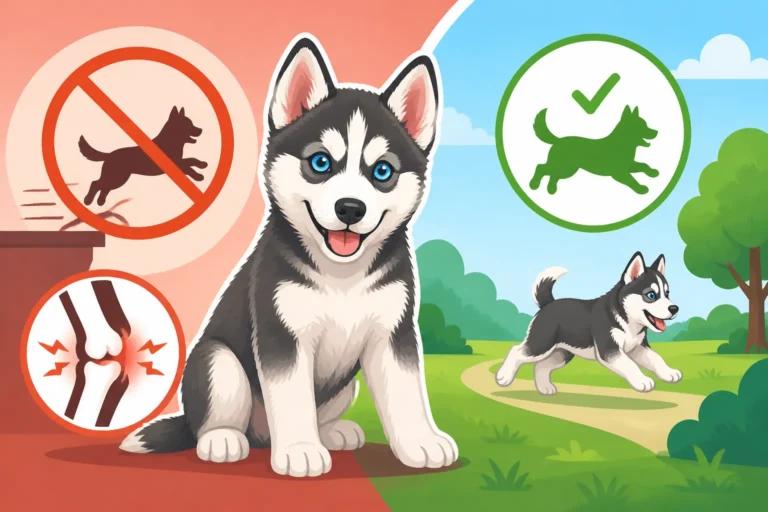
Adjusting your Husky's exercise routine is perhaps the most crucial preventative measure. Avoid exercising them during the hottest parts of the day. Early morning or late evening, when temperatures have significantly dropped, are the only safe times for vigorous activity. On truly hot or humid days, it's best to skip the long walks or runs entirely and opt for short, shaded potty breaks.
Consider indoor mental stimulation games, puzzle toys, or even a short swim (if your Husky enjoys it and is safely supervised) instead of physical exertion. Always check the pavement temperature with your hand before walking them; if it's too hot for your bare palm, it's too hot for their paws. Hot Pavement Under Siberian Husky Paws can cause burns even before heatstroke sets in. Remember, no matter how much your Husky wants to run, their health and safety come first.
| Symptom Category | Normal Husky Behavior (Warm Weather) | Early Heat Stress Signs | Moderate Heat Stress Signs | Severe Heatstroke Signs |
|---|---|---|---|---|
| Panting | Regular, rhythmic, eases with rest. | Rapid, continuous, shallow, labored. | Intense, frantic, distressed, noisy breathing (wheezing). | Irregular, gasping, very shallow, stops. |
| Gums/Tongue | Healthy pink, moist. | Slightly redder than usual, moist. | Dark red, brick red, purplish. | Pale, blue, or severely reddened; tacky/dry. |
| Drooling | Minimal, clear. | Increased, thicker, ropy. | Excessive, foamy. | None (severe dehydration) or very little. |
| Energy | Active, playful, takes rests then resumes. | Lethargic, seeks shade/rest, reluctant to move. | Weakness, stumbling, wobbly gait, disoriented. | Collapse, unresponsive, muscle tremors/spasms, seizures. |
| Response | Engaged, responsive to commands/attention. | Anxious, agitated, or unusually quiet. | Confused, unresponsive, glazed eyes. | Unconscious, comatose. |
| Vomit/Diarrhea | None. | None usually. | May occur, sometimes bloody. | Likely, often severe. |
Disclaimer
This article is for general informational purposes only and does not constitute professional advice. Laws, prices and regulations vary by location and change over time. Consult a qualified professional for guidance on your specific situation.