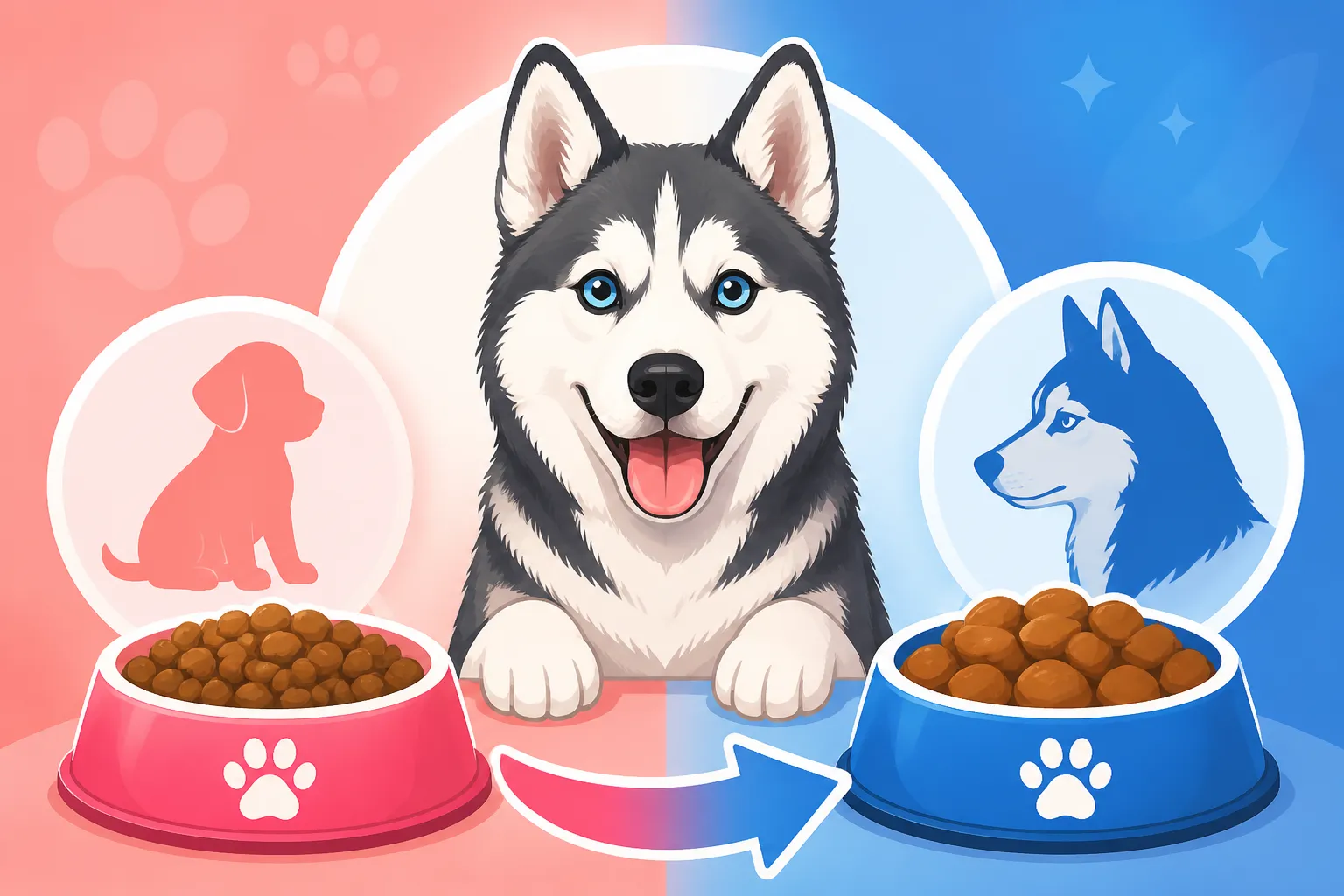
Moving a Siberian Husky Off Puppy Food
One common concern that often sneaks up on new Siberian Husky parents is figuring out exactly when and how to transition their energetic fluffball from nutrient-dense puppy food to a more balanced adult formula. It's a critical step that impacts their lifelong health, and doing it right can feel like navigating a maze of conflicting advice. This guide is here to demystify the process, offering a clear, empathetic path to ensure your Siberian Husky puppy makes a smooth and healthy switch to adult dog food.
Understanding When Your Siberian Husky is Ready for Adult Food
It’s tempting to keep your husky puppy on that special puppy food forever, especially when they're still growing and seem to have boundless energy. However, puppy food is specifically formulated for rapid growth, packing in higher calories, fats, and proteins than an adult dog truly needs. Keeping a husky on it for too long can actually lead to unwanted weight gain and stress on their developing joints. Knowing the right time for the switch is crucial for their long-term well-being.
The Age-Old Question: When Exactly is "Adult"?
For most medium to large breeds, the transition to adult food typically happens between 12 to 18 months of age. Siberian Huskies, being a medium-sized breed that’s built for endurance rather than sheer bulk, often fall on the earlier side of that window, generally around 12 months. However, every dog is an individual. Some huskies might hit their physical maturity a little earlier, while others might take a bit longer. It's not just about a calendar date; it's about physical development. You want to see that their growth plates have closed and they've largely finished growing in height, even if they're still filling out a bit in muscle. When a Siberian Husky Stops Growing offers more insights into their growth timeline.
Observing your husky’s physical development is key. Are they still looking lanky and growing taller every week, or have they settled into their adult frame? If you’re unsure, a quick chat with your veterinarian can provide personalized guidance, as they can assess your specific dog's growth trajectory and overall health. They might look for signs like a slowing growth rate and a more adult body proportion.
Growth Plates and Calorie Control
The concern with continuing puppy food past the optimal transition age, especially for active breeds like Siberian Huskies, ties directly into their bone and joint development. Puppy food is calorie-dense to fuel rapid growth, but excessive calories can lead to overly fast growth. This rapid growth can put undue stress on developing bones and joints, which are still quite vulnerable until their growth plates fully close. Issues like orthopedic problems can be exacerbated by too much weight or too rapid growth early in life.
Siberian Huskies are known for their efficient metabolism, meaning they don't typically need as many calories as other breeds of similar size. Why a Siberian Husky Eats Less Than a Labrador delves into this fascinating metabolic trait. Overfeeding, even with puppy food, can lead to your husky carrying extra weight, which is detrimental to their joint health. Moving them to adult food helps regulate their calorie intake to match their slowing metabolism and maintenance needs, supporting healthy joint development. It’s about building a strong foundation, not just packing on pounds.
Why This Transition Matters More Than You Think
Transitioning your Siberian Husky from puppy to adult food isn't just a simple swap of bags; it's a deliberate choice that impacts several crucial aspects of their health and well-being. It’s about aligning their diet with their evolving needs, both physically and behaviorally. This stage marks a significant shift, and understanding the 'why' behind it helps you appreciate its importance.
Digestive Health and Nutrient Balance
Puppy food is designed for a rapidly developing digestive system and body. It's typically higher in fat and protein to support the intense energy demands of growth. While this is perfect for a puppy, an adult husky’s digestive system has matured. Continuing to feed them such a rich diet can lead to digestive upset, including loose stools or even an upset stomach, because their body is no longer optimized for processing such high concentrations of growth-oriented nutrients.
Moreover, the nutrient balance shifts. Adult dogs still need protein and fat, of course, but in different proportions. Puppy food often contains higher levels of certain vitamins and minerals specifically for bone and brain development in young pups. Once your husky is an adult, these higher levels become unnecessary and, in some cases, could even be detrimental over a long period if they lead to imbalances. A balanced adult diet ensures they receive the right blend of nutrients to maintain their adult body, energy levels, and coat health without overload. This careful balance is key to avoiding issues like Zinc-Responsive Dermatosis in the Siberian Husky, which, while not directly caused by diet transition, highlights the breed's unique nutritional sensitivities.
Maintaining Optimal Weight and Joint Health
As we touched on earlier, Siberian Huskies possess an incredibly efficient metabolism. They are designed to run long distances on relatively fewer calories than other breeds. This fantastic trait, however, means they can easily become overweight if fed inappropriately. Puppy food, with its higher caloric density, can quickly pack on unnecessary pounds once your husky's growth spurt ends. An overweight husky is at a higher risk for a whole host of health problems, including arthritis, heart strain, and reduced mobility, particularly in their hips and elbows, even though Where Siberian Huskies Rank on Hip Dysplasia is generally favorable compared to other breeds.
Switching to an adult formula allows you to better manage their weight. Adult foods typically have a more moderate calorie count, making it easier to feed the appropriate portion size. This is where precise measurement comes in – rather than just scooping, actually weighing your husky's food can make a huge difference in preventing weight creep. Weighing a Siberian Husky's Ration Instead of Scooping is a fantastic habit to adopt. Maintaining a lean, healthy weight throughout their adult life is one of the best things you can do to support their joint health and overall longevity.
Decoding Adult Dog Food Labels for Your Husky
Navigating the pet food aisle can feel like a daunting task, with so many brands and formulations vying for your attention. For a Siberian Husky, choosing the right adult food means understanding their unique needs as a working breed, even if your dog’s main "job" is cuddling on the couch. It’s about looking beyond the flashy marketing and focusing on the core nutritional facts.
Key Nutrients: Protein, Fat, and Calories
When you're comparing adult dog foods for your husky, focus on the guaranteed analysis on the label. For an active, adult Siberian Husky, you're generally looking for a protein content between 22-26% and a fat content around 12-18%. The exact percentages can vary depending on your husky's activity level. A dog regularly participating in Canicross and Bikejoring With a Siberian Husky will undoubtedly need more calories and a higher fat content than a companion husky who enjoys daily walks. The Protein Level a Siberian Husky Needs is a great resource for understanding this balance.
Carbohydrates are also important for energy, but huskies are often more efficient at utilizing fats and proteins. Avoid foods that list excessive fillers or artificial ingredients. Look for named meat sources (e.g., "chicken meal," "lamb") as the first ingredients, rather than generic "meat by-products." Remember, huskies have an efficient metabolism, so Feeding a Siberian Husky on 60 Percent of the Label isn't a myth for this breed; they often thrive on less food than comparable breeds. Checking the calorie count (kcal/cup) is vital. A lower calorie density might be better for an average pet husky, while a higher one could suit a working dog.
Considering Specialized Diets and Brands
Beyond the basic protein and fat ratios, you might encounter specialized adult formulas. Some brands offer "large breed" adult foods, which can be beneficial as they often contain joint-supporting ingredients like glucosamine and chondroitin. However, ensure the calorie density isn't too high for your husky’s typically efficient metabolism. "Active" or "performance" formulas are great for truly working huskies but might be too rich for a less active dog.
When it comes to brands, you'll find a wide array of options. Many husky owners find success with brands like Purina Pro Plan Sport or Eukanuba, which offer balanced nutrition for active dogs. For those interested in alternative feeding, fresh-prepared diets like Ollie provide human-grade ingredients and can be tailored to your dog's specific needs, though they come with a different price point. Many mainstream brands are readily available through retailers like Chewy or Amazon, making it easy to compare options and read reviews from other husky owners. Always look for a statement from the Association of American Feed Control Officials (AAFCO) on the label, indicating that the food is nutritionally complete and balanced for "maintenance" (adult) dogs.
The Gentle Art of the Food Switch: A Step-by-Step Guide
Successfully moving your Siberian Husky off puppy food isn't about abrupt changes. It's a gradual process, often spread over several days to a week, designed to minimize digestive upset and allow your husky's system to adjust smoothly. Patience is key here, as rushing it can lead to unfortunate messes and discomfort for your furry friend.
The Seven-Day Transition Plan
A gradual transition is the golden rule. Here's a typical schedule that works well for most dogs, including our sensitive-stomached huskies:
| Day | Old Food (Puppy) | New Food (Adult) |
|---|---|---|
| 1-2 | 75% | 25% |
| 3-4 | 50% | 50% |
| 5-6 | 25% | 75% |
| 7+ | 0% | 100% |
This slow introduction allows your husky's digestive enzymes to adapt to the new ingredients and nutrient profile. On days 1 and 2, you're merely introducing a taste and texture, letting their system get a feel for it. By the middle of the week, the two foods are evenly mixed, providing a balanced bridge. By day 7, they should be comfortably eating 100% of the new adult food.
During this period, keep a close eye on their stool. Any sudden changes, like diarrhea or excessive softness, might mean you're going too fast. If that happens, simply revert to the previous day's ratio for a couple more days before trying to progress again. It’s a marathon, not a sprint, and your husky’s comfort is paramount.
Monitoring for Digestive Upset and Pickiness
Even with a slow transition, some huskies might show signs of digestive upset. This could manifest as loose stools, flatulence, a decrease in appetite, or even vomiting. If these symptoms are mild and resolve quickly, it's often just their system adjusting. However, if symptoms are severe, persist for more than a day, or your husky seems lethargic, it’s time to call your vet. They can rule out any underlying issues and provide guidance.
Siberian Huskies are notorious for being picky eaters. A Siberian Husky That Leaves Food in the Bowl is a common scenario, and they might express their disdain for the new food by simply refusing to eat it. This isn’t necessarily a sign of a bad food, but rather their strong opinions! To combat pickiness, try warming the food slightly or adding a tiny bit of water or low-sodium broth to enhance the aroma. Avoid offering human food as a bribe, as this can reinforce the picky behavior. If after a few days they are still refusing the new food despite your best efforts, you might need to try a different adult formula. Remember, consistency and patience are your best tools.
Troubleshooting the Transition: When Your Husky Says "No Thanks!"
Even with the best intentions and a perfectly planned transition, your Siberian Husky might throw you a curveball. Their unique personalities and sometimes sensitive digestive systems mean that what works for one dog might not work for another. Dealing with refusal or digestive issues requires a calm approach and a willingness to adjust your strategy.
Persistent Pickiness and Food Refusal
It's a familiar scene: you meticulously mix the new food, present it, and your husky looks at you with an expression that clearly says, "Is this a joke?" Siberian Huskies can be incredibly particular about their food. If your husky is consistently refusing the new adult food, even with a gradual introduction, don't immediately panic. First, ensure they are otherwise healthy and not showing signs of illness. A visit to the vet might be warranted if refusal is prolonged or accompanied by other symptoms. A Siberian Husky Puppy That Refuses Meals might be a common issue even before the adult transition.
If it's purely pickiness, consider these strategies:
- Enhance Appeal: As mentioned, a little warm water or low-sodium broth can make the food more appealing. Some owners add a small spoonful of plain canned pumpkin or unsweetened applesauce, which can also aid digestion.
- Meal Times: Instead of leaving food down all day, try offering meals for 15-20 minutes, then picking up the bowl. This teaches them that food isn't always available and encourages them to eat when it's offered.
- Rotate Proteins: If one protein source (like chicken) isn't working, try a formula with lamb, salmon, or beef. Different flavors can make a big difference. Many companies offer sample sizes or smaller bags, which can be bought on Chewy or Amazon, allowing you to try a few options without committing to a huge bag.
- Consistency: Don't give in and switch back to puppy food or offer excessive treats if they refuse. This teaches them that holding out gets them what they want. Stay firm, but always ensure they have access to fresh water.
Dealing with Diarrhea or Constipation
Digestive upset is the most common hiccup during a food transition. Diarrhea or very loose stools usually indicate that the change is happening too quickly, or that the new food simply doesn't agree with your husky's system. If you see signs of diarrhea, slow down the transition significantly. Go back to the previous ratio that your husky was tolerating well and stay there for an extra 2-3 days before attempting to increase the new food again.
For mild cases, adding a probiotic supplement can sometimes help stabilize their gut flora. Plain, cooked rice (no seasonings) mixed with a small amount of boiled chicken (no skin or bones) can act as a bland diet for a day or two to settle their stomach before reintroducing the mixed food. If diarrhea is severe, watery, contains blood, or persists for more than 24-48 hours, contact your veterinarian immediately. Persistent digestive issues might indicate a food sensitivity or an underlying health problem.
Constipation is less common but can occur if the new food has a significantly different fiber content. Ensure your husky is drinking plenty of water, and that they are getting adequate exercise, as both contribute to healthy bowel movements. A small amount of pureed pumpkin can also add fiber and moisture to their diet to aid in regularity.
Beyond the Bowl: Monitoring Your Husky's Health After the Switch
Once your Siberian Husky is successfully on adult food, your job isn't entirely done. The weeks and months following the transition are crucial for monitoring their overall health, ensuring the new diet is supporting their well-being, and making adjustments as needed. This long-term vigilance helps solidify the health benefits of the proper diet.
Observing Weight, Coat, and Energy Levels
After the switch, continuously monitor your husky’s body condition. You should be able to easily feel their ribs when you run your hands along their sides, but not see them protruding. They should have a defined waist when viewed from above and a slight tuck-up from the side. The Weight a Siberian Husky Should Hold is often less than owners expect due to their lean build. Regular weigh-ins at home or at the vet can help you track this. If your husky starts to gain too much weight, you may need to slightly reduce their portion size. Conversely, if they're looking too thin, a small increase might be in order, or perhaps a higher calorie adult food if they are very active.
Their coat condition is another excellent indicator of nutritional health. A healthy husky coat should be thick, shiny, and free from excessive dryness or flakiness. Dullness, excessive shedding (beyond normal Siberian Husky Coat Blow and the Six Weeks It Lasts), or skin issues could suggest that the new food isn't providing all the necessary nutrients, or perhaps an allergy is present.
Finally, observe their energy levels. An adult husky should still be full of zest and ready for their daily exercise. A sudden drop in energy or lethargy could be a sign of insufficient nutrition or an underlying health issue.
Adjusting Portions and Future Considerations
Even after a successful transition, your husky's nutritional needs aren't static. Factors like age, activity level, and whether they've been spayed or neutered will influence how much they need to eat. For example, Adjusting Siberian Husky Food After Neutering is often necessary, as neutered dogs typically have a slightly lower metabolic rate and require fewer calories to maintain a healthy weight.
As your husky moves into their senior years, their metabolism will slow further, and their activity levels may decrease. At this point, you might consider transitioning them to a senior-specific formula, which usually contains fewer calories, more joint support, and easily digestible ingredients. Caring for a Siberian Husky Past Ten will require even more careful dietary management.
The key is to remain attentive to your husky's individual needs. What works today might need slight tweaks six months down the line. Treat feeding as an ongoing conversation between you, your husky, and your veterinarian, ensuring they always have the best possible fuel for their adventurous lives.
Disclaimer
This article is for general informational purposes only and does not constitute professional advice. Laws, prices and regulations vary by location and change over time. Consult a qualified professional for guidance on your specific situation.