Whether a Siberian Husky Can Live in Texas
Many aspiring Siberian Husky owners, or even those who already cherish one, often grapple with a deeply valid concern, especially if they live in a notoriously hot state like Texas: can a dog bred for arctic conditions truly thrive in blistering heat? It's a question that keeps responsible owners up at night, worrying about their furry family member's comfort and well-being. This guide aims to provide a comprehensive, realistic look at the challenges and actionable strategies involved in successfully raising a Siberian Husky in the diverse and often sweltering climate of Texas.
Understanding the Siberian Husky's Native Climate vs. Texas Heat
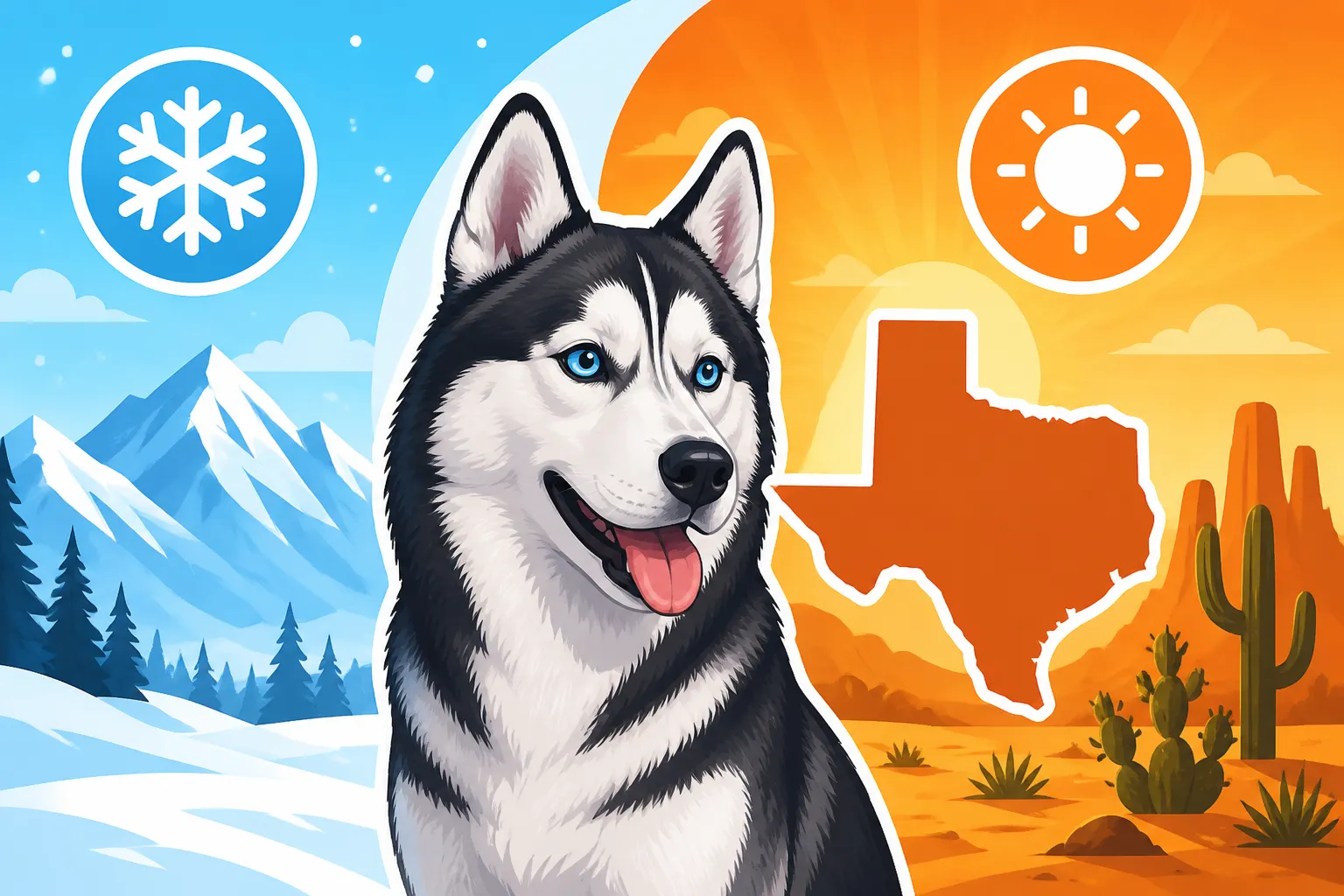
Let's be brutally honest from the start: Siberian Huskies were not designed for the scorching sun and relentless humidity that defines much of Texas for half the year. They are descendants of dogs bred by the Chukchi people in Siberia, where temperatures plummet well below freezing, and snow and ice are constants. Understanding this fundamental difference is crucial to appreciating the unique challenges a Husky faces in the Lone Star State.
The Husky's Design for Cold Environments
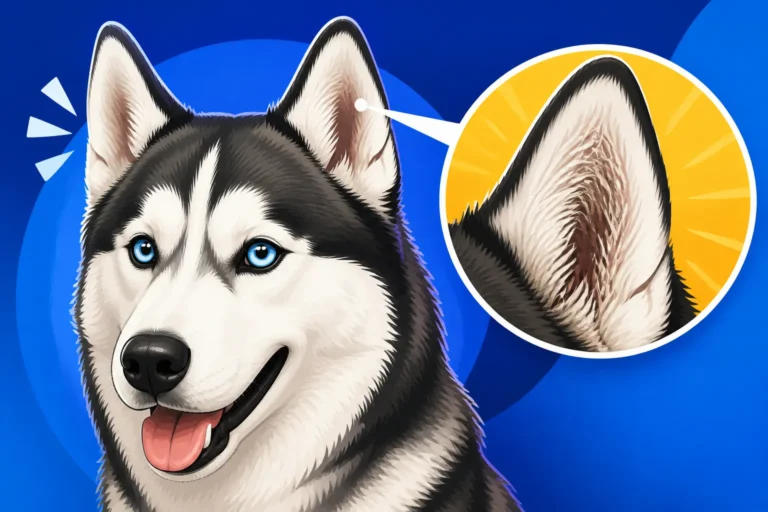
Imagine a dog engineered by millennia of natural selection and human ingenuity to survive and thrive in one of the planet's harshest cold environments. That's your Siberian Husky. Their most defining feature, and often their biggest liability in warm climates, is their magnificent double coat. This coat isn't just fluffy; it's a marvel of insulation. The soft, dense undercoat provides an incredible layer of warmth, trapping air close to the body. Overlapping this is a coarser, water-repellent outer coat of guard hairs that sheds snow and protects against wind. This combination is superb for sub-zero temperatures, allowing them to sleep outdoors in blizzards without freezing. Their compact build, relatively small, thickly furred ears, and bushy tail (which they can curl over their nose for extra warmth) are all adaptations to extreme cold. Their metabolism is also incredibly efficient, designed to extract maximum energy from minimal food, which also means they generate less body heat when working hard in cold temperatures. It's a system perfected for pulling sleds across vast, frozen landscapes, not for strolling down an asphalt street in July in Dallas.
The Stark Reality of Texas Summers
Now, let's compare that to Texas. From late spring through early fall, large swathes of the state, particularly central and south Texas, experience prolonged periods of intense heat, often exceeding 95-100 degrees Fahrenheit (35-38 Celsius), sometimes reaching even higher. Humidity can be oppressive, making the "real feel" temperature even more unbearable. Even northern parts of Texas, like the Panhandle, while perhaps having slightly milder winters, still endure significant summer heat. The climate is often characterized by long, hot summers, relatively mild winters, and often a sudden, dramatic shift between seasons. This is diametrically opposed to the Husky's physiological design. While winter in Texas might offer some relief, the extensive summer heat is the primary concern, creating significant health and comfort risks for a breed that struggles to shed heat effectively.
Why the Double Coat Is a Blessing and a Curse
That beautiful, thick double coat, the Husky's pride and joy, becomes a double-edged sword in Texas. In winter, it provides invaluable warmth, keeping them cozy when temperatures dip, which does happen even in Texas. However, when summer arrives, that same insulating layer works against them. Instead of trapping warmth in, it traps body heat in, making it incredibly difficult for the dog to cool down. It's like wearing a thick wool sweater in a sauna.
There's a common misconception that shaving a Husky will help them stay cool. Please, for the love of all that is good, never shave your Siberian Husky. That outer coat of guard hairs acts as a protective barrier against the sun's harsh UV rays, preventing sunburn, and also helps air circulate to the skin, which is vital for temperature regulation. When you shave it, you strip away this natural protection, exposing their delicate skin to direct sunlight and hindering their ability to regulate their temperature properly. The coat also acts as a barrier against insects and helps maintain skin health. It's a common and well-meaning mistake, but one that can cause more harm than good, often leading to patchy, incorrect re-growth and even exacerbating heat issues. Think of it less as a blanket and more as an adaptive climate control system; you wouldn't rip out your AC just because it's hot. For more on this, check out Why You Must Never Shave a Siberian Husky.
Major Challenges of Keeping a Husky in Texas
Living in Texas with a Siberian Husky isn't impossible, but it demands an acute awareness of the challenges and a proactive approach to mitigate risks. These challenges primarily revolve around heat management, exercise, and maintaining their iconic coat.
Overheating and Heatstroke Risk
This is, without a doubt, the single biggest danger for a Siberian Husky in Texas. Their efficient metabolism and insulating coat mean they can overheat rapidly, even on days that don't feel excessively hot to a human. Humidity further exacerbates this, as it makes it harder for dogs to cool themselves through panting. Early signs of overheating can be subtle: excessive panting, drooling, a rapidly beating heart, and lethargy. As it progresses, you might see staggering, vomiting, diarrhea, dark red gums, and even collapse or seizures. Heatstroke is a medical emergency that can be fatal if not addressed immediately. It's heartbreakingly common in dogs pushed too hard or left without adequate cooling in warm climates. Understanding The Temperature a Siberian Husky Starts Struggling At is vital for prevention. Even short periods of exposure to high temperatures can be dangerous.
This means rethinking everything you might associate with normal dog activities during the hotter months. No long walks in the afternoon sun. No playing fetch in the park at noon. Even being left in a warm house without air conditioning can be deadly. Owners must become hyper-vigilant, constantly monitoring their Husky for any signs of distress. It's not about being overprotective; it's about being responsible for a breed that simply isn't built for a climate like Texas's summer.
Managing Exercise in the Heat
Siberian Huskies are high-energy dogs. They were bred to run for miles, pulling a sled across frozen terrain. This inherent drive for activity doesn't magically disappear when they move to Texas. However, meeting their exercise needs becomes a complex balancing act during the long, hot summers. You can't just take them out for a casual run in 90-degree weather. Doing so is a direct path to heatstroke. This often means dramatically altering their daily routine.
Exercise must be restricted to the coolest parts of the day – very early morning, often before sunrise, and late evening after the sun has set and the ground has had a chance to cool. Even then, exercise sessions need to be shorter and less intense than what a Husky would typically enjoy in a colder climate. Pavement can retain heat for hours after the sun goes down, becoming dangerously hot for paws. Consider using parks with grass or dirt trails, but always check the ground temperature with your hand first. You might find yourself needing to adapt to short, frequent walks rather than long, sustained runs, or investing in specific equipment like cooling vests for short periods. It also means incorporating more indoor mental stimulation to burn off energy when outdoor physical exercise is limited. This is where topics like Timing Siberian Husky Walks in Hot Weather become less a suggestion and more a survival guide.
The Impact on Their Signature Coat
While shaving is a definite no-go, the Texas heat can still take a toll on a Husky's coat. A healthy double coat requires regular grooming, especially during their bi-annual "coat blows," when they shed their entire undercoat. In a hot climate, a neglected coat can become a serious problem. Matted fur reduces air circulation to the skin, making it even harder for the dog to cool down and creating a breeding ground for skin infections.
During the warmer months, even outside of a full coat blow, maintaining a well-groomed coat is essential. Regular brushing helps remove loose undercoat, which can get trapped and further insulate the dog. While they don't need frequent bathing, proper drying is critical to prevent skin issues. If you choose to bathe them, ensure the undercoat is dried completely to prevent moisture-related skin problems. Daily Raking Through a Siberian Husky Blow is not just about keeping your house cleaner; it's a vital part of their heat management in Texas.
Practical Strategies for a Thriving Texas Husky
Okay, so we've covered the challenges. Now, let's talk solutions. Living with a Siberian Husky in Texas isn't about ignoring their needs; it's about creatively and diligently meeting them. It requires planning, commitment, and often, an adjustment of expectations.
Adapting Your Home Environment for Cooling
Your home becomes a critical refuge from the Texas heat. This isn't just about comfort; it's about survival. Air conditioning is not a luxury; it's a necessity for a Siberian Husky in Texas. You will likely need to run your AC for much of the spring, summer, and early fall, and possibly even on unseasonably warm winter days. This will undoubtedly impact your electricity bill, a very real cost of owning a Husky in a hot climate. If you're considering a Husky in Texas, budget for significantly higher cooling costs. Learn more about Running Air Conditioning for a Siberian Husky in Summer.
Beyond the AC, consider additional cooling measures. Cooling mats, which contain a gel that activates with pressure, can provide a cool spot for your Husky to lie down. Fans, strategically placed to create airflow, can also help. Even a simple kiddie pool filled with shallow water in a shaded part of the yard can be a lifesaver, allowing them to wade and cool off, though you must supervise them closely and change the water daily to prevent mosquito breeding. Access to shade, indoors and out, is paramount. Ensure there are always shaded areas available in your yard if your Husky spends any time outside, and never, ever leave them unsupervised in a sunny, unshaded yard for any length of time. Products available on Amazon or Chewy for cooling mats or elevated dog beds can be a good starting point.
Adjusting Exercise Routines and Timing
As mentioned, exercise timing is everything. Forget mid-day walks or runs. Your Husky's primary outdoor exercise will need to happen either very early in the morning (think before 7 AM, sometimes even earlier) or late in the evening after the sun has set and the ambient temperature has dropped significantly. On particularly brutal days, even these times might be too warm for strenuous activity. Monitor the weather forecast closely, paying attention to heat indexes and humidity.
Short, frequent potty breaks in a shaded, grassy area might be all they can manage during peak heat. For their exercise needs, consider alternative activities. Swimming, if accessible and safe, can be an excellent low-impact, cooling exercise. Indoor enrichment, like puzzle toys, training sessions, or even learning new tricks, can help burn mental energy when physical outlets are limited. Long lines in a large, fully fenced, and shaded area during cooler parts of the day can allow for some running, but always carry water and monitor for signs of overheating. Read more on Heat Stroke Risk in a Siberian Husky to be prepared.
Essential Grooming and Hydration
Consistent grooming is key to helping your Husky manage the heat. Regular brushing, especially during coat blows, helps remove dead undercoat, allowing better air circulation. A high-velocity dryer, often used by professional groomers, can be a fantastic investment if you're comfortable using it at home to "blow out" loose undercoat, especially after a bath. This helps maintain the integrity of the coat without shaving. Consider professional de-shedding services during their major coat blows; a groomer familiar with double-coated breeds can safely remove a lot of the insulating undercoat. These services can be found through local pet stores or independent groomers, and platforms like Ollie don't offer grooming directly but focus on nutrition.
Hydration is equally critical. Always provide constant access to fresh, cool water. Consider adding multiple water bowls around the house and yard. If your Husky is active, even for short bursts, offer water breaks frequently. Some Huskies enjoy ice cubes in their water or frozen treats. Portable water bottles and collapsible bowls are a must for any outing, no matter how short. Encouraging Water Intake for a Siberian Husky After Running is paramount.
Dietary Considerations for Warm Climates
Siberian Huskies are known for their incredibly efficient metabolisms. They often eat less than you'd expect for their size, especially if they aren't working strenuously in cold weather. In Texas, where strenuous outdoor exercise is limited for much of the year, it's even more important to monitor their food intake to prevent weight gain. An overweight Husky will struggle even more with heat tolerance and will be at higher risk for joint issues.
Adjust their portions based on their activity level and maintain a lean body condition. Consult with your vet to determine the appropriate calorie intake for your individual dog. While the type of food (kibble, raw, fresh) is often a personal choice, ensuring it's nutritionally balanced and appropriate for their life stage is key. Brands like Ollie offer fresh food options, which some owners find appealing, but always check with your vet for dietary recommendations specific to your Husky's needs and activity in a warm climate. Remember, Feeding a Siberian Husky on an Efficient Metabolism means carefully managing their diet, especially when their exercise is restricted.
| Strategy | Why It's Crucial in Texas Heat | Practical Application |
|---|---|---|
| Air Conditioning | Huskies cannot self-regulate effectively in high temperatures/humidity. | Keep indoor temperatures consistently cool (e.g., 72-75°F/22-24°C). If you leave for work, leave the AC on for your Husky. Consider a smart thermostat to monitor remotely. |
| Cooling Accessories | Provide immediate relief and designated cool spots. | Utilize cooling mats, elevated dog beds (allow air circulation underneath), and fans. For outdoor time, a shallow kiddie pool in the shade offers a place to cool paws and belly. Products can be found on Amazon or Chewy. |
| Timing Exercise | Prevents heatstroke during intense heat. | Restrict walks and strenuous play to early mornings (before sunrise) and late evenings (after sunset). Always check pavement temperature – if it's too hot for your hand, it's too hot for paws. Consider indoor play or swimming. |
| Consistent Grooming | Maintains coat function for insulation and protection. | Regular, thorough brushing (2-3 times a week, daily during coat blows) removes dead undercoat, allowing air to circulate. Never shave your Husky. Consider professional de-shedding. |
| Constant Hydration | Essential for all body functions, especially cooling via panting. | Always provide multiple bowls of fresh, cool water, indoors and out. Add ice cubes or offer frozen treats. Carry water on all outings. Monitor for dehydration (e.g., sunken eyes, sticky gums). |
| Dietary Adjustment | Prevents obesity, which exacerbates heat intolerance. | Adjust food portions based on reduced activity levels. Feed a high-quality, balanced diet. Monitor body condition and consult your vet for calorie targets. Brands like Ollie offer fresh options, but always vet with your professional. |
| Supervision Outdoors | Prevents accidental overheating or escapes in dangerous conditions. | Never leave a Husky unsupervised in a yard, especially during hot weather. Even a short period can be fatal. Ensure fences are secure, and shade is always available. Remember, Why an Escaped Siberian Husky Is a Health Risk is compounded by heat. |
| Emergency Preparedness | Quick action is vital for heatstroke. | Know the signs of heatstroke. Have your vet's emergency number handy. Know how to Cooling a Siberian Husky Down Fast (e.g., wet towels, fan). Consider keeping a canine first-aid kit with cooling supplies. |
When to Reconsider Owning a Husky in Texas
While many dedicated owners make it work, it's important to have an honest conversation about when living in Texas with a Siberian Husky might genuinely not be the right fit, either for the dog or the owner. This is not to discourage, but to ensure responsible pet ownership.
Recognizing Limits and Welfare Concerns
There are situations where, despite best intentions, a Siberian Husky's welfare in Texas may be compromised. If you cannot consistently provide a climate-controlled environment, especially during the peak summer months, a Husky is not the right breed for you in Texas. This means air conditioning in the home and never, ever leaving them as an "outdoor dog" in the Texas heat. Even a covered patio can reach dangerous temperatures. If your lifestyle prevents you from adjusting exercise routines to only the coolest hours, or if you travel frequently and cannot ensure a sitter will maintain their specific needs, it's a significant concern.
For families with young children or demanding work schedules, the constant vigilance and commitment required can be overwhelming. A Husky that is perpetually too hot, under-exercised, or uncomfortable is prone to stress, destructive behaviors, and can develop serious health issues. This isn't fair to the dog, who deserves to live a life where they can express their natural behaviors within safe limits. It’s also crucial to understand Siberian Husky Lifespan and What Shortens It and how extreme heat can impact it.
The Financial Burden of Extensive Cooling
It’s easy to underestimate the financial commitment required to keep a Siberian Husky comfortable in Texas. Running air conditioning for eight months or more out of the year can significantly increase electricity bills. This isn't just about personal comfort; it's about providing a safe internal environment for your dog. Factor in the cost of high-quality grooming tools, potential professional de-shedding services, cooling mats, kiddie pools, and potentially even specialized dietary supplements or veterinary care for heat-related issues.
If budgeting for substantially higher utility costs, specialized cooling equipment, and potentially more frequent vet visits for heat-related concerns is a stretch, then bringing a Siberian Husky into a Texas home needs serious reconsideration. Responsible ownership extends beyond just the initial purchase price; it's about being able to provide for their lifelong needs, which in Texas, includes a significant investment in temperature management. Don't forget that Siberian Husky Grooming Costs Twice a Year can add up, and the cost of cooling mats and fans should also be considered under Cooling Mats and Fans for a Siberian Husky. It's a breed that requires a certain level of commitment, both in time and finances, to thrive in a climate that isn't naturally suited for them.
Ultimately, while challenging, it is absolutely possible for a Siberian Husky to live a happy and healthy life in Texas, but it demands an owner who is educated, vigilant, proactive, and willing to make significant adjustments to their lifestyle and budget. It's a testament to the dedication of Husky owners that so many make it work, ensuring their beloved companions are protected from the very real dangers of the Texas heat.
Disclaimer
This article is for general informational purposes only and does not constitute professional advice. Laws, prices and regulations vary by location and change over time. Consult a qualified professional for guidance on your specific situation.