Siberian Husky Face Masks and Goggles
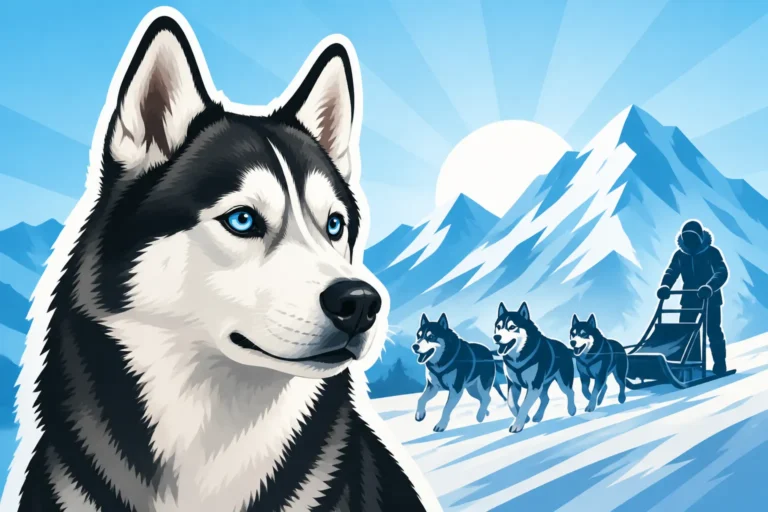
If you've ever found yourself scrolling through endless pictures of gorgeous Siberian Huskies, you've probably noticed something striking about their faces: those incredible patterns of dark fur and contrasting white, often forming what looks like a mask or even little spectacles around their eyes. It can be a bit confusing to sort out what's what, especially when breeders or enthusiasts start talking about "open masks" or "goggles." Many new owners wonder if these markings mean anything special, or if they're just pretty designs. This guide is here to demystify those beautiful facial patterns, explaining what they are, why Huskies have them, and what to expect from your own fluffy companion's unique look.
Understanding Siberian Husky Face Masks and Markings
Siberian Huskies are known for their captivating appearance, and a huge part of that comes from their distinct facial markings. These aren't just random blotches; they're intricate patterns that are part of the breed's genetic heritage, giving each Husky a unique and often memorable look. From the deep, intense V-shapes to the delicate white streaks, these markings truly define the Husky face.
What Exactly Are "Face Masks"?
When we talk about a Siberian Husky's "face mask," we're referring to the darker coloration that typically covers parts of their forehead, muzzle, and sometimes wraps around their eyes, contrasting sharply with lighter, often white, fur. This mask is a hallmark of the breed, a remnant of their wild ancestry where such markings helped with camouflage and sun protection in harsh environments. Think of it as their natural artwork, an inherited design that makes them instantly recognizable.
These masks aren't one-size-fits-all; they come in a delightful array of styles. Some Huskies have what's often called a "full mask," where the darker color is quite pronounced and covers a significant portion of their face, almost like a bandit's mask. Others might have an "open mask," where the forehead has a larger patch of white, creating a more 'capped' or 'hooded' appearance. The underlying genetics control how much pigment is laid down and where, resulting in this incredible diversity. It's truly fascinating how two puppies from the same litter can have such different, yet equally stunning, facial designs.
The Role of "Goggles" in Husky Markings
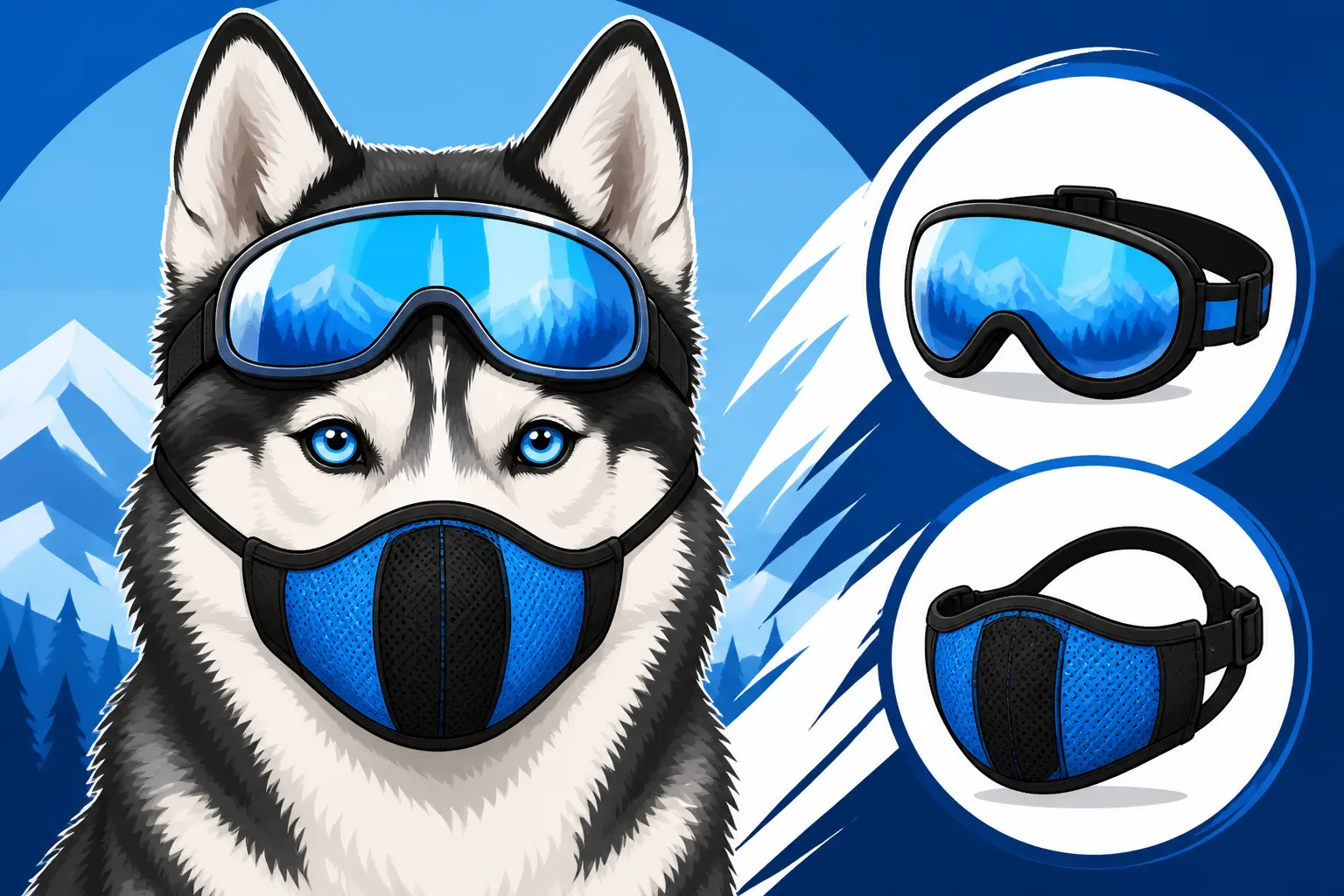
Beyond the broader mask, you'll often hear people talk about "goggles" or "spectacles" on a Siberian Husky's face. These refer to the distinct rings or arcs of lighter (often white) fur that encircle the eyes, creating the impression of wearing eyeglasses or protective goggles. It’s not that Huskies actually need eyewear, of course, but the visual effect is undeniable! These 'goggles' are formed by the specific arrangement of the pigment around the orbital bones and eye sockets.
The "goggle" effect can range from subtle, thin outlines to broader, more prominent rings that stand out beautifully against the darker mask fur or even a plain colored face. They contribute significantly to the expressive quality of a Husky's eyes, drawing attention to their often intense, sometimes ice-blue, gaze. For many, these distinct rings are a key part of the classic Siberian Husky appeal, adding depth and character to their already striking eyes, which can be blue, brown, bi-colored, or parti-colored, as discussed in Siberian Husky Eye Colors and Heterochromia.
How Face Markings Vary Between Individual Huskies
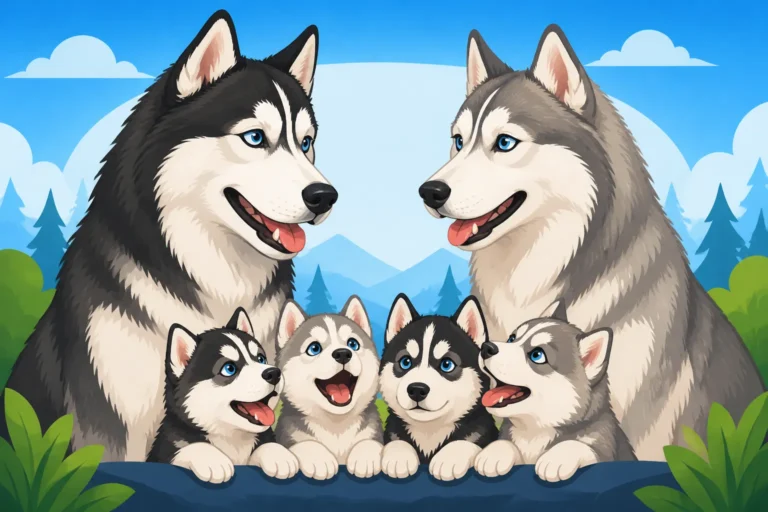
The beauty of Siberian Huskies lies in their incredible diversity, and their face markings are no exception. No two Huskies are exactly alike, even if they share similar color genes. You might see a black and white Husky with a bold, symmetrical black mask, while its littermate could have a soft grey mask with a prominent white streak down the center of its forehead. These variations are influenced by a complex interplay of genes that dictate coat color, pattern, and distribution.
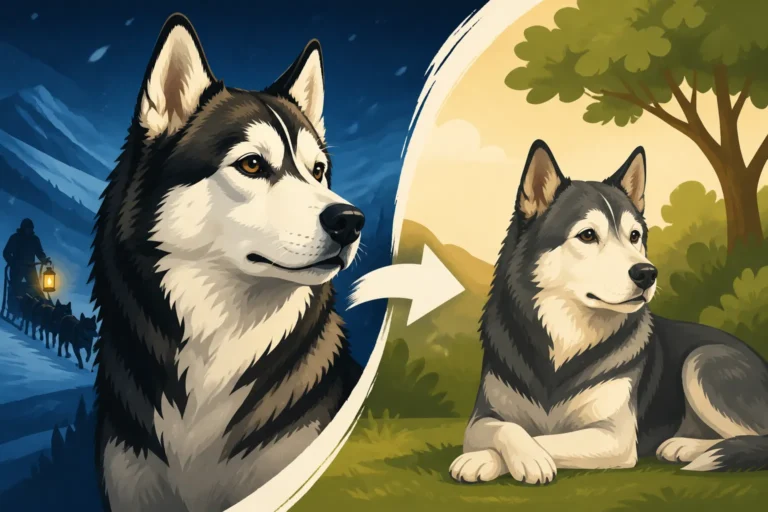
Sometimes, the mask can even appear to change subtly as a Husky matures. While the core pattern remains, the intensity of the color might deepen slightly, or the white areas become more defined. This is especially true as a puppy's adult coat comes in, as their puppy fluff often has softer, less defined markings. Factors like overall Siberian Husky Coat Colors and Markings also play a huge role; a red Husky will have a red mask, a gray Husky a gray mask, and so on, creating endless possibilities in their appearance.
Common Siberian Husky Mask Types and Their Appearance
Delving deeper into the types of face masks a Siberian Husky can sport reveals an even greater appreciation for their unique aesthetics. Each pattern has its own charm and contributes to the overall presence of the dog, from fierce and wild to gentle and charming. Understanding these specific types can help you better identify and describe the beautiful markings on your own Husky.
The Full Mask: A Striking Symmetry
The full mask is arguably one of the most recognized and admired Siberian Husky markings. This pattern typically involves a significant amount of dark coloration covering the forehead, extending down the sides of the muzzle, and often forming a distinct "V" or "hourglass" shape between the eyes. The dark fur will wrap around the eyes, sometimes meeting over the bridge of the nose, creating a striking, almost bandit-like appearance that truly captures the wild essence of the breed.
This mask creates a bold contrast with the lighter underparts of the face, such as the cheeks, chin, and throat, which are usually white. The symmetry of a well-defined full mask can be absolutely breathtaking, giving the Husky a commanding and regal look. It's the kind of face that makes you stop and stare, truly embodying the breed's powerful presence. These masks can be deep black, rich red, or various shades of gray, always creating a strong, visually impactful statement.
Open Masks and "Cap" Markings
Moving away from the dense coverage of a full mask, the "open mask" offers a lighter, often softer aesthetic. In an open mask, there's usually a larger, more prominent patch of white fur on the forehead, breaking up the darker coloration. Instead of the dark fur fully enclosing the forehead, it often forms a "cap" of color on the top of the head, with white extending up between the eyes and sometimes even over the top of the skull. This creates a distinct division, making the darker mask appear "open" at the top.
The cap marking specifically refers to this concentration of color on the crown of the head, often leaving the rest of the face, particularly the area around the eyes and muzzle, largely white or lightly shaded. This type of marking can give a Husky a very sweet, almost innocent expression, as the white on the forehead tends to highlight their eye color. It's a testament to the breed's genetic diversity that such different looks can arise from the same basic color genes, adding to the endless variety you see within the breed.
Spectacles, Goggles, and the "Eyebrow" Look
While often associated with masks, "spectacles" or "goggles" can also appear on Huskies with open masks or even minimal facial coloring. These are the distinct rings of white or lighter fur that encircle each eye, truly giving the dog the appearance of wearing spectacles. These rings can be complete, forming perfect circles, or partial, appearing as crescents or arcs above and below the eyes. They highlight the eyes beautifully, making them appear more prominent and expressive.
In addition to the spectacles, many Huskies feature lighter "eyebrow" markings—small, distinct patches of white or lighter fur just above each eye. These "eyebrows" can give a Husky a very alert, curious, or even thoughtful expression, adding another layer of personality to their gaze. Sometimes, the spectacles will merge with these eyebrow markings, creating a more elaborate pattern around the eyes. These intricate details are often what people first notice and fall in love with when looking at a Siberian Husky's face, contributing to the overall appeal of The Siberian Husky Head, Ears and Tail.
The Genetics Behind Siberian Husky Face Markings
Understanding the genetics behind a Siberian Husky's face markings can feel a bit like deciphering a secret code, but it's incredibly fascinating. These patterns aren't just random; they're the visible result of specific genes at work, passed down from their ancestors. This genetic blueprint determines everything from the base color to the intricate designs that make each Husky unique.
Understanding the "Agouti" Gene and Its Influence
One of the most significant genes influencing Siberian Husky coat patterns, particularly the mask, is the agouti gene. Often associated with the "wild-type" or "wolf-gray" appearance, the agouti gene dictates how pigment is banded on individual hairs. Instead of a single, solid color along the hair shaft, agouti hairs have bands of different colors (e.g., black tips, red middle, light base). This banding creates a rich, multi-dimensional coat that changes subtly with movement and light.
The agouti gene plays a key role in creating the masked effect by influencing where darker pigments are concentrated. Dogs with a strong agouti influence often display the classic facial masks, sometimes with a darker overlay on the forehead and muzzle, and lighter "points" or markings around the eyes and on the underside of the body. This is why many Huskies with distinct masks are also described as having an Agouti and the Wolf-Gray Siberian Husky coat color, a truly primeval and beautiful look.
How Mask Genes Interact with Other Coat Colors
The expression of a Siberian Husky's face mask isn't solely dependent on the mask-patterning genes; it also interacts significantly with the dog's overall coat color genes. A mask will always be expressed in a shade related to the dog's base color. For example, a black and white Husky will have a black mask, while a red and white Husky will have a red mask. The intensity and clarity of the mask can also be influenced by modifiers that impact how deeply pigmented the base coat is.
Even Pure White Siberian Huskies, while lacking the contrasting dark pigments, can sometimes show subtle texture differences that hint at where a mask would be if they carried color. For those with dilute colors, such as blues or sables, the mask will appear in a corresponding diluted shade, often creating a softer, more blended facial pattern. It’s this intricate dance between various genetic loci that creates the vast spectrum of stunning facial markings we see in the breed.
Are Face Masks and Goggles purely Aesthetic?
While Siberian Huskies were originally bred for endurance and pulling sleds in harsh environments, their distinctive face masks and "goggles" are largely considered aesthetic traits in modern understanding. Unlike true functional adaptations like their double coat for insulation or their efficient metabolism, these particular facial patterns don't offer a direct, measurable advantage in their working capacity or survival. They don't, for instance, perfectly mimic sunglasses to protect eyes from glare, although the darker pigment could offer minor sun protection.
However, these markings are incredibly important for breed identification and appeal. They are part of what makes a Siberian Husky look like a Siberian Husky. The striking patterns contribute to the breed's iconic image and are often a key factor in why people are drawn to them. So, while they might not serve a practical purpose in the same way a thick coat does, they are certainly a defining characteristic that embodies the unique and captivating spirit of the breed. Ultimately, they are a beautiful example of canine diversity.
Common Misconceptions and Interesting Facts about Husky Masks
There's a lot of folklore and common assumptions that circulate about dog breeds, and Siberian Huskies are no exception. Their distinctive face masks and eye markings often spark questions and theories. Let's clear up some of those misconceptions and highlight a few interesting tidbits about these striking facial features.
Do Masks Indicate Temperament or Purity?
A common misconception, particularly among those new to the breed, is that certain mask types might indicate a Husky's temperament, health, or even its "purity" or breeding quality. For instance, some might believe a Husky with a full, dark mask is more "wolf-like" in personality, or that a perfectly symmetrical mask signifies a superior lineage. This is simply not true. Facial markings, whether a bold full mask, an open cap, or prominent spectacles, are purely cosmetic traits.
A Husky's temperament – its friendliness, independence, intelligence, or stubbornness – is a complex blend of genetics and early socialization. It has absolutely no correlation with the patterns of fur on its face. Similarly, the quality or "purity" of a Siberian Husky is determined by its adherence to the breed standard in terms of structure, health, and temperament, not by its mask pattern. A reputable breeder will prioritize health testing and stable temperaments, not just pretty face markings. If you're looking for a well-bred Husky, focus on the health certifications and the temperament of the parents, not just the aesthetics of a puppy's mask, as discussed in Health Testing Before You Buy a Siberian Husky.
The "Snow Nose" Phenomenon vs. Mask Pigmentation
It's easy to confuse natural pigment changes with mask patterns, but it's important to differentiate between them. A Siberian Husky's face mask is a permanent feature, part of its inherited fur coloration and pattern. However, Huskies also experience a phenomenon known as "snow nose" or "winter nose," where the black pigment on their nose fades to a pinkish or brownish shade, typically during the colder months, and often returns to black in warmer weather. This is a completely normal and harmless seasonal change.
Snow nose is a temporary pigment loss, while a face mask is a stable, structural part of the fur's color pattern. They are entirely different things. While both involve pigmentation, one is about the fur's pattern, and the other is about the skin's pigment on the nose itself. So, if you notice your Husky's nose getting lighter, don't worry that its beautiful mask is "fading" – it's just a charming seasonal quirk of their unique physiology, similar to the phenomenon described in Snow Nose in a Siberian Husky Through Winter.
Grooming and Care Considerations for Masked Huskies
For the most part, caring for a Husky with intricate face masks or goggles is no different than caring for any other Siberian Husky. Their facial fur doesn't require special grooming techniques due to its pattern. The main consideration is simply general cleanliness, especially around the eyes and muzzle, where food, dirt, or discharge can accumulate.
Regular, gentle wiping with a damp cloth or a pet-specific cleansing wipe, particularly after meals or outdoor adventures, will help keep their beautiful masks looking pristine. Some Huskies might occasionally get minor staining around their eyes if they have light fur in that area, but this is usually manageable with routine cleaning. While Siberian Husky Weekly Grooming Between Blows focuses on the coat, don't forget the face! You can find gentle eye wipes or tear stain removers at places like Chewy, which can be helpful if your Husky has very light fur around their eyes that tends to show dirt. Always ensure any products you use are safe for canine facial use and non-irritating to their sensitive eyes.
Here’s a quick overview of some common Siberian Husky face mask types:
| Mask Type | Description | Common Appearance |
|---|---|---|
| Full Mask | Dark coloration covering the forehead, muzzle, and often wrapping around the eyes, creating a distinct "V" shape. | Bold, symmetrical, strong contrast. Think "Zorro" mask. |
| Open Mask | Features a larger white patch on the forehead, breaking up the darker color. The mask appears "open" at the top. | Softer look, more white on the forehead, darker fur often forms a "cap." |
| Spectacles | Distinct rings or arcs of white/lighter fur encircling the eyes, resembling eyeglasses or goggles. | Highlights the eyes, can be complete circles or partial arcs. |
| Cap Markings | Dark color concentrated on the crown of the head, leaving the face mostly white or lightly shaded. | Often accompanies an open mask, creating a "hooded" appearance. |
| Eyebrow Marks | Small, distinct patches of white or lighter fur just above each eye. | Gives an "alert" or "thoughtful" expression, often with spectacles. |
These unique markings contribute to the individuality of each Siberian Husky, making them even more captivating companions.
Disclaimer
This article is for general informational purposes only and does not constitute professional advice. Laws, prices and regulations vary by location and change over time. Consult a qualified professional for guidance on your specific situation.