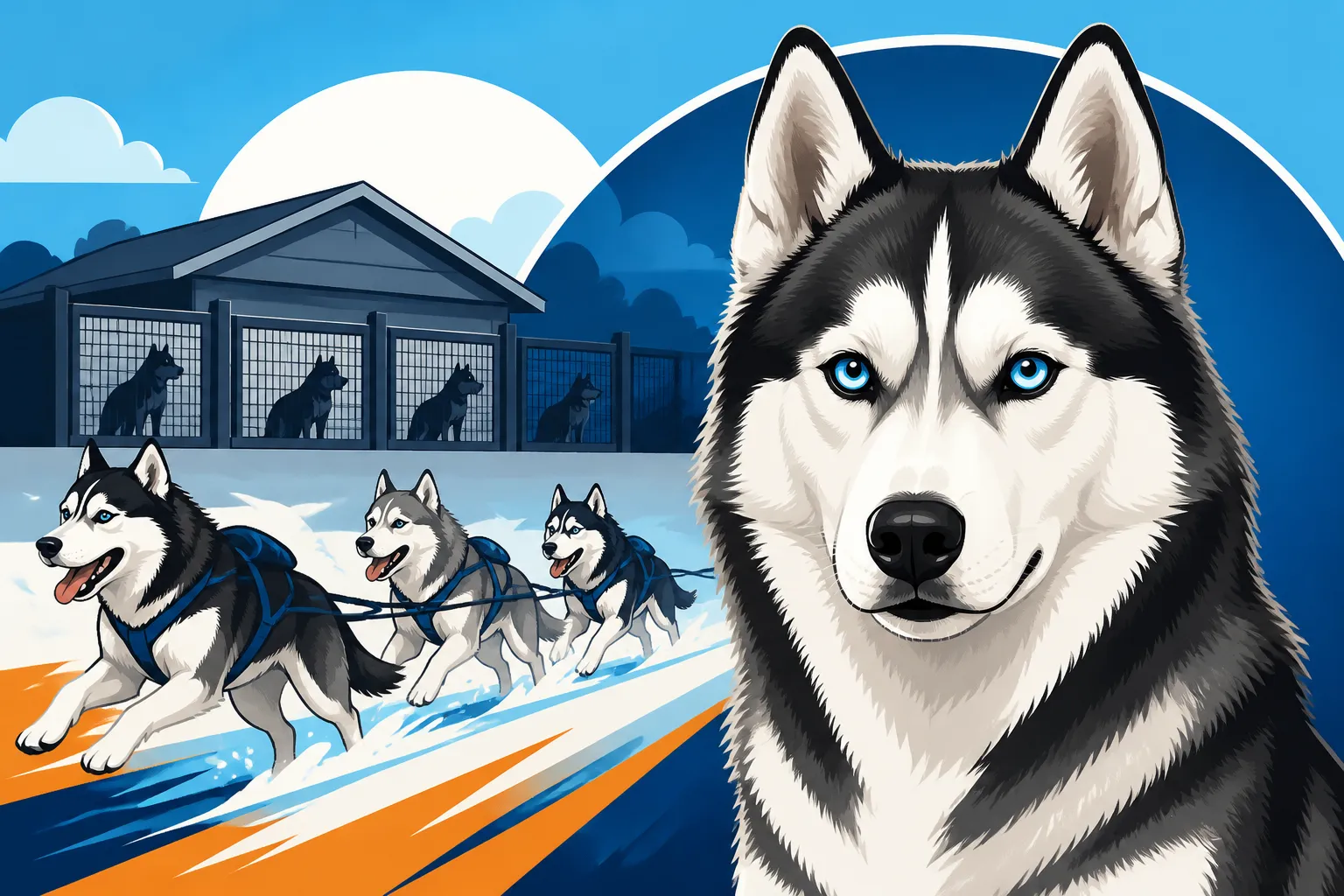
Racing Kennels That Still Breed Siberian Huskies
It can be incredibly challenging to understand the nuances between different lines of Siberian Huskies, especially when you hear terms like "show line" or "racing line." Many prospective owners dream of a Husky but struggle to grasp what truly sets a working sled dog apart from the beautiful companion animal seen in dog shows. This guide will take a deep dive into the world of racing kennels, exploring their unique breeding philosophies, the distinct traits of their Huskies, and what it really means to bring one of these focused athletes into your home.
The Heart of the Race: What Defines a Racing Kennel?
When you talk about a "racing kennel," you're really delving into the historical roots of the Siberian Husky. These dogs weren't initially bred to win beauty pageants; they were bred to pull sleds over vast, frozen distances, often in life-or-death situations. Racing kennels today are the direct descendants of that tradition, meticulously selecting for traits that ensure a dog excels in harness, whether it's for competitive racing, expedition work, or even intense recreational mushing. It's a world driven by performance, not merely aesthetics.
Breeding for Performance, Not Looks
The primary goal of a racing kennel is simple: to produce dogs that are exceptional sledding athletes. This means that when a breeder in this arena evaluates a potential sire or dam, they're looking at things like drive, stamina, speed, efficiency, and mental toughness. Does the dog have an insatiable desire to run? Can it maintain a consistent pace for miles? Does it possess the resilience to work through challenging conditions, be it deep snow, ice, or extreme cold? These are the questions that guide breeding decisions.
Unlike show breeders, who might prioritize specific coat colors, eye combinations, or a certain head shape that conforms to the breed standard's aesthetic ideals, racing breeders are looking at the whole package of an athlete. A dog with a slightly shorter coat might be fine if it has incredible endurance, and a blue eye or brown eye makes no difference to its pulling power. The focus is always on the functional capabilities that make a dog a superior worker on the trail. This can lead to variations in appearance that might not align with what many people picture when they think of an "ideal" Siberian Husky, but to a musher, these dogs are the epitome of the breed's purpose.
The Focus on Health and Stamina
For a dog that's expected to run hundreds of miles in races like the Iditarod or smaller regional events, health isn't just a recommendation; it's absolutely non-negotiable. Racing kennels are extremely vigilant about the health of their lines. They need dogs with robust constitutions, strong hearts, efficient respiratory systems, and durable joints. A genetic issue that might be a minor inconvenience for a pet could be catastrophic for a sled dog, potentially jeopardizing the entire team and the musher's safety.
This means that reputable racing kennels often go above and beyond standard health clearances. While many pet breeders will do basic Health Testing Before You Buy a Siberian Husky, racing kennels might also track things like recovery times after runs, resistance to common trail ailments, and even specific metabolic markers. They observe their dogs' resilience in training and competition, as well as their ability to recover quickly and maintain optimal body condition on a high-energy diet. The ultimate test of health and stamina for these dogs is their ability to perform consistently and safely in the demanding environment for which they were bred. Siberian Husky Hips and Why the Rate Is Low is often an area of strength for these lines, as poor hip health would quickly end a sled dog's career.
Traits That Set Racing Line Siberian Huskies Apart
If you’ve only ever met a Siberian Husky from a show line or a typical pet home, you might be surprised by some of the differences in a true racing line dog. These are not subtle distinctions; they are often profound, affecting everything from their physical build to their daily energy levels and interactions.
Physical Build and Metabolism
Racing line Siberian Huskies tend to be leaner, more athletic, and often a touch lighter in bone structure than their show-bred cousins. While they still possess the characteristic double coat, it might be denser and slightly less "fluffy" than what you see in the show ring, optimized for shedding snow and regulating temperature during intense exertion, rather than for a plush appearance. Their build is all about efficiency – a streamlined body designed for speed and endurance, not bulk.
One of the most fascinating aspects of racing Huskies is their metabolism. These dogs are renowned for their incredible metabolic efficiency, often referred to as "switchable metabolism." They can quickly shift from burning carbohydrates to burning fat, allowing them to sustain high levels of activity for extended periods without "hitting the wall" or needing to stop for frequent refueling. This is a critical adaptation for long-distance mushing and means that a racing line Husky, even as a pet, might eat less than you'd expect for their activity level or size, though their dietary needs are very specific. Feeding a Siberian Husky That Runs in Harness dives deeper into these unique requirements.
Temperament and Drive for Work
The temperament of a racing line Husky is distinctly different, driven by an almost insatiable desire to run and work. These dogs possess an intense drive, often described as "motor," which means they are constantly seeking an outlet for their energy. They aren't content with a leisurely stroll around the block; they thrive on sustained, purposeful exercise. If you’re looking for a dog that will happily lounge on the couch all day after a short walk, a racing line Husky is probably not the right fit.
Their independence and intelligence, traits common to the breed, are amplified in these lines. They are problem-solvers, often needing mental challenges as much as physical ones. Their prey drive can be exceptionally high, making Siberian Husky Prey Drive Around Small Animals a constant management consideration, and the idea of off-leash reliability is often a fantasy. Why a Siberian Husky Cannot Be Trusted Off Leash is a truth universally acknowledged among racing line owners. They are incredibly social with other dogs, as they are bred to work in teams, but this also means they can be prone to separation anxiety if not properly managed or if left alone for extended periods without adequate stimulation. These dogs thrive on routine and having a job, even if that job is "pulling you on your bike" or "running the local trails every morning."
Navigating the Search for a Reputable Racing Kennel
Finding a legitimate racing kennel can feel like searching for a needle in a haystack, especially if you're new to the world of sled dogs. These aren't typically breeders who advertise widely in pet publications. Their reputations are built on performance, word-of-mouth within the mushing community, and the success of their dogs on the trail.
Identifying Legitimate Racing Programs
When seeking a racing kennel, you need to look for breeders who are actively involved in competitive sled dog sports. This means they are competing in races like sprint races, mid-distance events, or even long-distance challenges such as the Iditarod or Yukon Quest. Their dogs should be visibly fit, well-muscled, and clearly enjoy their work. Look for kennels that are transparent about their dogs' pedigrees, health clearances, and most importantly, their race results. They should be able to provide verifiable information about their dogs' performance and lineage.
It's also crucial to understand that these breeders aren't just selling puppies; they're often looking for homes that understand and can meet the intense demands of a racing line Husky. They'll likely ask you extensive questions about your lifestyle, your experience with high-drive dogs, and your plans for exercise and training. Be prepared to talk about how you'll provide a Giving a Siberian Husky a Job in Harness or how you plan to manage their energy. A good racing breeder will act as a mentor, offering guidance and support throughout your dog's life, because their reputation is tied to the success and well-being of every dog they place.
Understanding Their Puppy Placement Process
The puppy placement process at a racing kennel is often much more rigorous and selective than what you might encounter with pet breeders. These breeders have invested years, if not decades, into developing their lines, and they are incredibly particular about where their puppies go. They are often looking for homes that are committed to continuing the dogs' working heritage, whether that's through competitive mushing, canicross, bikejoring, or other intense dog sports.
They might have specific requirements for fencing (a Six-Foot Fences and the Siberian Husky That Climbs is often a minimum), exercise routines, and training philosophies. Expect a lengthy application process, possibly interviews, and a home visit. Their contracts will likely include clauses about returning the dog if you can no longer care for it, and stipulations about spaying or neutering if the dog is not going into a proven working or breeding program. They prioritize the dog's future success and well-being above all else. This isn't about making a quick sale; it's about ensuring their carefully bred athletes find homes where they can truly thrive and fulfill their potential. They’ll want to know you’re prepared for the long haul, as Siberian Husky Lifespan and What Shortens It can be a long and active one.
Integrating a Racing Line Siberian Husky into Your Life
Bringing a racing line Siberian Husky into your home is a commitment to an active lifestyle. These dogs aren't for the faint of heart or those who prefer a sedentary existence. They are living, breathing engines, and they need a consistent outlet for their energy and intelligence.
Meeting Their Intense Exercise Needs
This is where many prospective owners, even those familiar with the breed, often underestimate the demands of a racing line Husky. A regular walk around the neighborhood, or even two, simply isn't enough. These dogs are built for miles, not blocks. You need to be prepared to provide structured, intense exercise daily. This could mean running, cycling (bikejoring), cross-country skiing (skijoring), or even urban mushing with a scooter or cart. Canicross and Bikejoring With a Siberian Husky are excellent ways to bond with and exercise these dogs.
Without adequate physical exertion, a racing line Husky will find their own ways to release energy, and those ways are rarely conducive to harmonious living. We're talking about digging craters in your yard, chewing through furniture, scaling fences, or simply becoming a constant, demanding presence in your home. Providing a job for them, even if it's just pulling you on your morning run, is crucial for their mental and physical health. Think beyond the average dog park; these dogs need purpose and distance. For all their gear and high-performance food needs, online retailers like Chewy can be a great resource.
Managing Their Instincts and Intelligence
Beyond physical exercise, racing line Huskies require significant mental stimulation. Their intelligence, combined with their independent nature, means they can become bored and destructive if not challenged. Puzzle toys, interactive feeders (which you can easily find on Chewy), and consistent training sessions are vital. These dogs often excel in dog sports like agility, obedience, or rally, which engage both their bodies and their minds. Training an Independent Siberian Husky is a lifelong endeavor that pays off in a well-adjusted companion.
Working with a professional trainer who understands the unique drive and intelligence of Northern breeds is highly recommended. Positive reinforcement methods work best, as these dogs will shut down or become more stubborn with harsh corrections. Building a solid foundation in obedience, especially a strong recall, is paramount, even if you never intend to let them off-leash. Teaching a Siberian Husky to Come Back needs to be a primary focus from puppyhood. Their innate desire to run means they will test boundaries, and a solid working relationship built on trust and clear communication is the key to a happy life together. When choosing their food, remember their lean, efficient bodies; they typically need fewer calories than you might expect for their size, but the quality of that food, often found on Chewy, is paramount to fuel their active lifestyles.
| Feature | Show Line Siberian Husky | Racing Line Siberian Husky |
|---|---|---|
| Primary Goal | Conformance to breed standard (appearance, temperament) | Performance in sledding (speed, endurance, drive) |
| Physical Build | Often heavier boned, denser coat, more "cobby" body | Leaner, more athletic, often lighter bone, streamlined body |
| Coat | Often very plush, long undercoat | Dense, functional double coat, may appear shorter/less "fluffy" |
| Exercise Needs | High, but often satisfied with long runs/walks, occasional intensity | Extremely high, requires consistent, sustained, purposeful work (e.g., mushing, canicross) |
| Temperament | Friendly, intelligent, sometimes independent, moderate drive | Intense drive, insatiable desire to run, highly focused, very independent |
| Prey Drive | Present, but variable | Often very high, requires strict management |
| Metabolism | Efficient, but less specialized than racing lines | Highly efficient "switchable" metabolism for endurance |
| Breeder Focus | Conformation titles, health clearances, temperament | Race results, working ability, health for performance, specific work ethic |
| Ideal Owner | Active individuals/families, experienced with Northern breeds | Highly active individuals/families, often involved in dog sports, experienced with working breeds |
These magnificent animals offer a partnership unlike any other, demanding respect for their instincts and a commitment to their unique needs. Whether you're considering Siberian Husky Leash Work Against a Pulling Instinct or just admiring their incredible drive, understanding the heritage of racing kennels provides invaluable insight into what makes a Siberian Husky truly special.
Disclaimer
This article is for general informational purposes only and does not constitute professional advice. Laws, prices and regulations vary by location and change over time. Consult a qualified professional for guidance on your specific situation.