Cold Tolerance Limits for a Siberian Husky
It's a common misconception that Siberian Huskies are invincible in the cold, given their heritage. Many new owners, and even some experienced ones, assume their husky can handle any winter weather without a second thought. However, this assumption can lead to serious health risks, from frostbite to hypothermia, if you don't understand their specific limits. This comprehensive guide aims to shed light on the true cold tolerance of Siberian Huskies and provide actionable steps to keep your beloved companion safe and comfortable when temperatures plummet.
Understanding the Siberian Husky's Natural Cold Adaptations
Siberian Huskies are incredible animals, truly built for the cold, but that doesn't mean they're immune to its dangers. Their unique physiology is a testament to centuries of selective breeding by the Chukchi people in the harsh Arctic environments of Siberia. These adaptations allow them to thrive in conditions that would send most other dog breeds shivering for cover, but it's crucial to understand what those adaptations are and what their actual limits are.
The Double Coat's Insulation Power
The most obvious and arguably most important adaptation a Siberian Husky possesses is its magnificent double coat. This isn't just fluffy hair; it's a sophisticated insulation system. The outer layer consists of guard hairs that are coarse and water-resistant. These hairs act like a protective shield, shedding snow and ice and keeping moisture from reaching the skin. They also provide a barrier against wind, which can strip away warmth surprisingly quickly.
Beneath this outer layer lies the true powerhouse of their insulation: a dense, woolly undercoat. This undercoat is incredibly thick and traps a layer of warm air close to the husky's body, much like a down jacket does for us. The amount of undercoat can vary with the seasons, with a "coat blow" in spring and fall where they shed copious amounts of it. This ability to regulate their insulation level is why you'll see them perfectly comfortable in temperatures that would have other dogs seeking warmth. It's a marvelous design that highlights What the Siberian Husky Double Coat Actually Does.
The thickness and density of this undercoat are remarkable. If you've ever tried to bathe a husky, you'll know how long it takes for water to penetrate through to their skin, and how long it takes for them to dry thoroughly – this is all thanks to that incredible insulation. This double layer is what makes them so well-suited to frigid temperatures, far more so than breeds with single coats or thin fur. However, even this impressive coat has its limits, especially if it becomes wet or matted, compromising its insulating power.
Metabolic Efficiency and Energy Conservation
Beyond their furry exterior, Siberian Huskies also have a fascinating internal adaptation: an incredibly efficient metabolism. Unlike many other breeds that burn through glucose quickly, huskies are metabolic marvels. They have a unique ability to switch from burning carbohydrates to burning fat as their primary energy source, often within just minutes of starting strenuous exercise. This isn't just about weight loss; it's a survival mechanism.
This metabolic flexibility means they can sustain themselves on less food and can keep going for longer periods without "hitting the wall" or needing constant refueling. In cold environments, maintaining body temperature requires a significant amount of energy. By efficiently utilizing fat stores, huskies can generate heat more effectively and sustain themselves for extended periods in freezing temperatures without depleting their energy reserves as rapidly as other dogs might. This plays a significant role in Why Siberian Huskies Cost Less to Feed Than Expected when you compare them to other active medium-sized breeds.
This efficiency also translates to less internal heat production when they don't need it, preventing them from overheating during activity in moderate cold, and allowing them to conserve energy when resting in extreme cold. It's a delicate balance that allows them to endure prolonged exposure to icy winds and snow, providing them with the sustained warmth and energy required for their historical roles as sled dogs. Their bodies are truly fine-tuned machines, designed for endurance in unforgiving climates.
Defining "Too Cold" for Your Husky
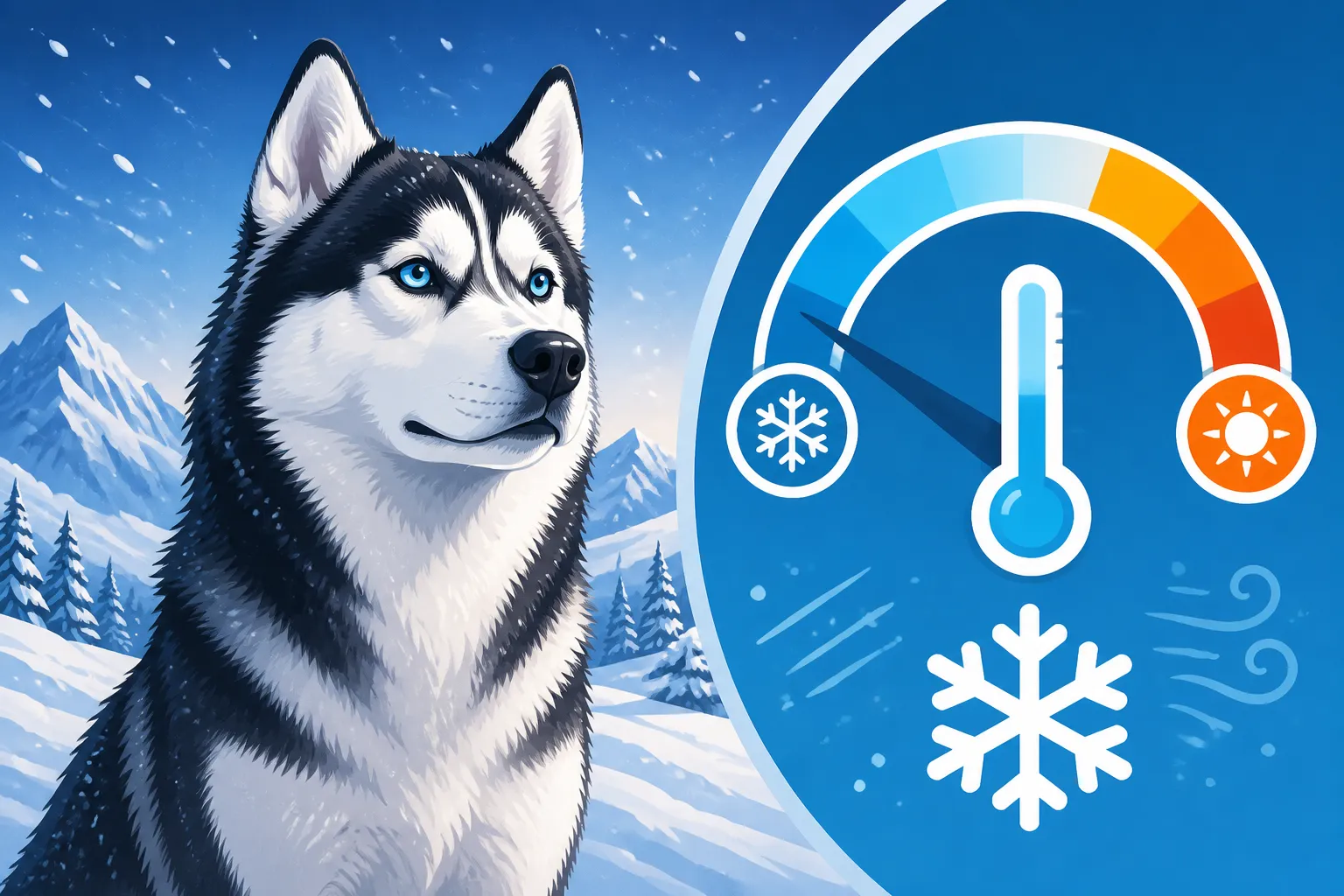
While Siberian Huskies are cold-weather champions, there's a point where even their incredible adaptations aren't enough. It's not just about the number on the thermometer; several factors combine to determine the true risk of cold exposure. Understanding these nuances is key to keeping your husky safe.
Factors Beyond Temperature
Simply looking at the mercury isn't enough to assess the danger. The "feels like" temperature, or wind chill, is a far more accurate indicator of how cold your husky will truly feel. Wind can strip away the insulating layer of warm air trapped by their double coat, making even moderately cold temperatures feel much more extreme and significantly increasing the risk of hypothermia and frostbite. A calm day at 10°F (-12°C) is very different from a windy day at the same temperature.
Moisture is another critical factor. A husky's coat is designed to be water-resistant, but if they get thoroughly soaked, especially in freezing rain or by falling into icy water, their insulating properties are severely compromised. Wet fur loses its ability to trap warm air, making them much more susceptible to heat loss. This can happen surprisingly quickly during winter activities. Even deep, powdery snow can eventually melt against their body heat and soak their underside if they're lying down for too long.
Individual variations also play a huge role. A young, healthy, well-acclimatized husky with a full, prime coat will generally handle cold better than an older husky, a puppy, or one with an underlying health condition. Huskies accustomed to living in a cold climate will also have built up a better cold tolerance than one who has recently moved from a warmer region. Even coat condition matters – a matted or dirty coat won't insulate as effectively. These are all considerations that impact their susceptibility to issues like Frostbite on Siberian Husky Ears and Tails. If you ever find yourself in an emergency situation where your husky has been exposed to extreme cold and you suspect frostbite or hypothermia, having robust pet insurance like Healthy Paws can be a lifesaver, covering unexpected veterinary bills.
General Temperature Guidelines and Warning Signs
It's impossible to give an exact single temperature threshold for all Siberian Huskies, as the factors above make it so variable. However, we can establish some general guidelines based on typical husky health and coat condition, assuming they are healthy and acclimated to the cold.
| Temperature Range | Risk Level | Recommendations & Observations |
|---|---|---|
| Above 20°F (-7°C) | Low | Most healthy huskies are comfortable. Monitor for boredom, not cold. |
| 0°F to 20°F (-18°C to -7°C) | Moderate | Generally safe for healthy, active huskies. Keep walks shorter if windy or wet. Provide warm, dry shelter if outdoors. |
| -10°F to 0°F (-23°C to -18°C) | High | Limit outdoor time, especially if windy or wet. Monitor for signs of discomfort. Check paws frequently. Ensure access to insulated shelter. |
| Below -10°F (-23°C) | Severe | Very high risk. Short bathroom breaks only. Absolutely no unsupervised outdoor time. Risks of hypothermia and frostbite increase dramatically. |
These are just guidelines, and you must always observe your individual dog. Signs of discomfort or impending hypothermia include shivering (especially if persistent and uncontrollable), lethargy, weakness, seeking shelter, lifting paws off the ground (indicating paw discomfort), whimpering, or changes in behavior. Their ears and tails might also feel cold to the touch. If you see these signs, it's time to bring them indoors immediately and begin warming them gently. Remember, The Coldest a Siberian Husky Should Be Left Out depends on their health, activity level, and environmental conditions combined. Never push them past their visible comfort limits.
Practical Strategies for Winter Safety
Even with a husky's natural resilience, we as owners have a responsibility to provide additional safety measures during the coldest months. Simple proactive steps can make all the difference in preventing cold-related health issues.
Protecting Paws and Preventing Frostbite
A husky's paws are tough, designed for snow and ice, but they're not indestructible. Prolonged exposure to extreme cold, ice, and particularly irritating substances like rock salt or de-icers can cause significant problems. Ice balls can form between their paw pads, causing discomfort and even tearing. Road salt and chemicals can irritate and burn their pads, leading to cracks and infections.
One of the most effective strategies is using dog booties. While some huskies might initially resist them, many learn to tolerate them, especially when they realize it makes walks more comfortable. Look for booties that are durable, waterproof, and provide good grip. Alternatively, applying a paw balm or wax (like Musher's Secret) before walks can create a protective barrier against ice, snow, and chemicals, and help prevent cracking. Always remember to wipe their paws thoroughly with a warm, damp cloth after every walk to remove any salt, chemicals, or ice buildup. This is a critical part of Siberian Husky Paw Care Through Snow and Salt.
Regularly inspect your husky's paw pads for any signs of redness, cracking, cuts, or irritation. If you notice any issues, cleanse the paw, apply an antiseptic cream if appropriate, and consider keeping booties on even indoors to aid healing and prevent further irritation. Don't underestimate the importance of these small measures; healthy paws are essential for your husky's mobility and comfort in winter. Choosing the right Booties for a Siberian Husky in Winter can literally save their paws from harm.
Shelter, Hydration, and Nutrition in Extreme Cold
For huskies who spend time outdoors, access to appropriate shelter is non-negotiable, even if they seem to prefer being outside. This means an insulated dog house that is elevated off the cold ground, just large enough for them to stand up and turn around (to conserve body heat), and with a flap door to keep wind and snow out. Adding straw bedding (which repels moisture) or a thick, waterproof mat provides extra insulation. However, even with the best dog house, a husky should always have the option to come indoors during severe weather or overnight. Understanding Insulated Houses for an Outdoor Siberian Husky is crucial.
Hydration is just as vital in winter as in summer. Dogs can become dehydrated in cold weather because they might be less inclined to drink icy water, or their water source might freeze. Always provide fresh, unfrozen water. Heated water bowls are an excellent investment for outdoor water sources. Check water frequently to ensure it hasn't frozen solid.
Regarding nutrition, a healthy, adult Siberian Husky with their efficient metabolism often doesn't need a drastic increase in food simply because it's cold. Their body is already adept at conserving energy. However, if your husky is highly active and spends significant amounts of time exercising outdoors in very cold temperatures (e.g., sledding, intense canicross), they might benefit from a slightly increased calorie intake or a higher-fat diet to support their energy needs and maintain their body weight. Consult with your vet to determine if an adjustment is necessary, and consider options like High-Fat Food for a Siberian Husky in Winter. Overfeeding an inactive husky in winter can lead to unhealthy weight gain, so balance is key. If you have any concerns about your husky's health or energy levels during winter, a quick call to your vet is always a good idea. Knowing that pet insurance, such as Healthy Paws, can help with unexpected vet costs from unforeseen cold-related illnesses or injuries, can provide great peace of mind.
When a Husky Shouldn't Be Outdoors in the Cold
Despite their robust nature, there are specific situations and life stages where leaving a Siberian Husky outdoors in cold weather, even for short periods, is simply too risky.
Puppies, Seniors, and Sick Huskies
The cold tolerance we discuss primarily applies to healthy, adult Siberian Huskies with fully developed double coats. This is not the case for puppies, senior dogs, or those with compromised health.
Puppies: Young Siberian Husky puppies, especially those under six months, have not yet developed their full adult coat and lack the mature body fat and thermoregulation capabilities of an adult. They lose body heat much faster and are highly susceptible to hypothermia. Even playtime outdoors in cold weather should be very short and supervised. They simply don't have the physiological defenses in place to handle prolonged cold exposure, making them just as vulnerable as many other breeds.
Senior Huskies: As huskies age, their metabolism can slow down, their coat might thin slightly, and they may develop underlying health conditions like arthritis, thyroid issues, or heart disease. These factors reduce their ability to regulate body temperature effectively and make them more susceptible to the cold. An older husky with arthritis might also be less inclined to move around to stay warm, or their pain might be exacerbated by cold temperatures. Caring for a Siberian Husky Past Ten requires extra vigilance regarding temperature exposure. Anesthesia risk can also be higher for senior dogs, so preventing issues that might require sedation is paramount. Anesthesia Risk in a Senior Siberian Husky is a real concern, so avoiding any situation that could lead to cold-related injuries needing treatment is always best.
Sick Huskies: Any husky recovering from an illness, injury, or with a chronic condition (such as kidney disease, diabetes, or even a severe infection) will have a diminished capacity to tolerate cold. Their body is already working hard to heal or manage their condition, and diverting energy to staying warm puts additional strain on their system. Their immune system might also be weaker, making them more prone to secondary infections if they get too cold. Always consult your veterinarian about appropriate cold weather exposure for a sick husky.
Unsupervised Outdoor Time and Escape Risks
Even for a healthy adult husky who generally loves the cold, unsupervised time outdoors in freezing temperatures, especially overnight or during storms, is never recommended. While they can endure a lot, they are still living creatures vulnerable to accidents. What if their insulated shelter becomes compromised? What if a sudden storm brings a dangerous drop in temperature or heavy snowfall that blocks their access to water?
Furthermore, a bored or stimulated husky in a yard, even a fenced one, can become an escape artist. The lure of a deer or rabbit can override their instinct to stay warm, leading them to scale a fence or dig under it. If a husky escapes in cold weather, they face not only the dangers of traffic and predators but also the rapidly escalating risks of hypothermia and frostbite once they are no longer in a familiar, controlled environment. Why an Escaped Siberian Husky Is a Health Risk is not just about trauma; it's also about exposure.
A lost husky in winter might struggle to find food and water, and prolonged exposure can quickly turn dangerous. Even a husky with perfect recall in a warm park might ignore you when the scent of a squirrel is too strong, or if they are disoriented by cold or snow. Therefore, strict supervision or bringing them indoors during extreme cold is the safest option. Knowing how to react and Getting a Loose Siberian Husky to Come to You becomes infinitely harder and more dangerous in freezing conditions. Ensuring your dog is safe and sound inside, especially during harsh winter conditions, is a core part of responsible ownership. And should the worst happen and your husky encounters an unforeseen emergency due to cold exposure, an insurance policy from Healthy Paws can truly alleviate the financial strain of urgent veterinary care.
Disclaimer
The information provided in this article is for general informational purposes only and does not constitute veterinary advice. Always consult with a qualified veterinarian for any health concerns or before making any decisions about your pet's health or treatment.