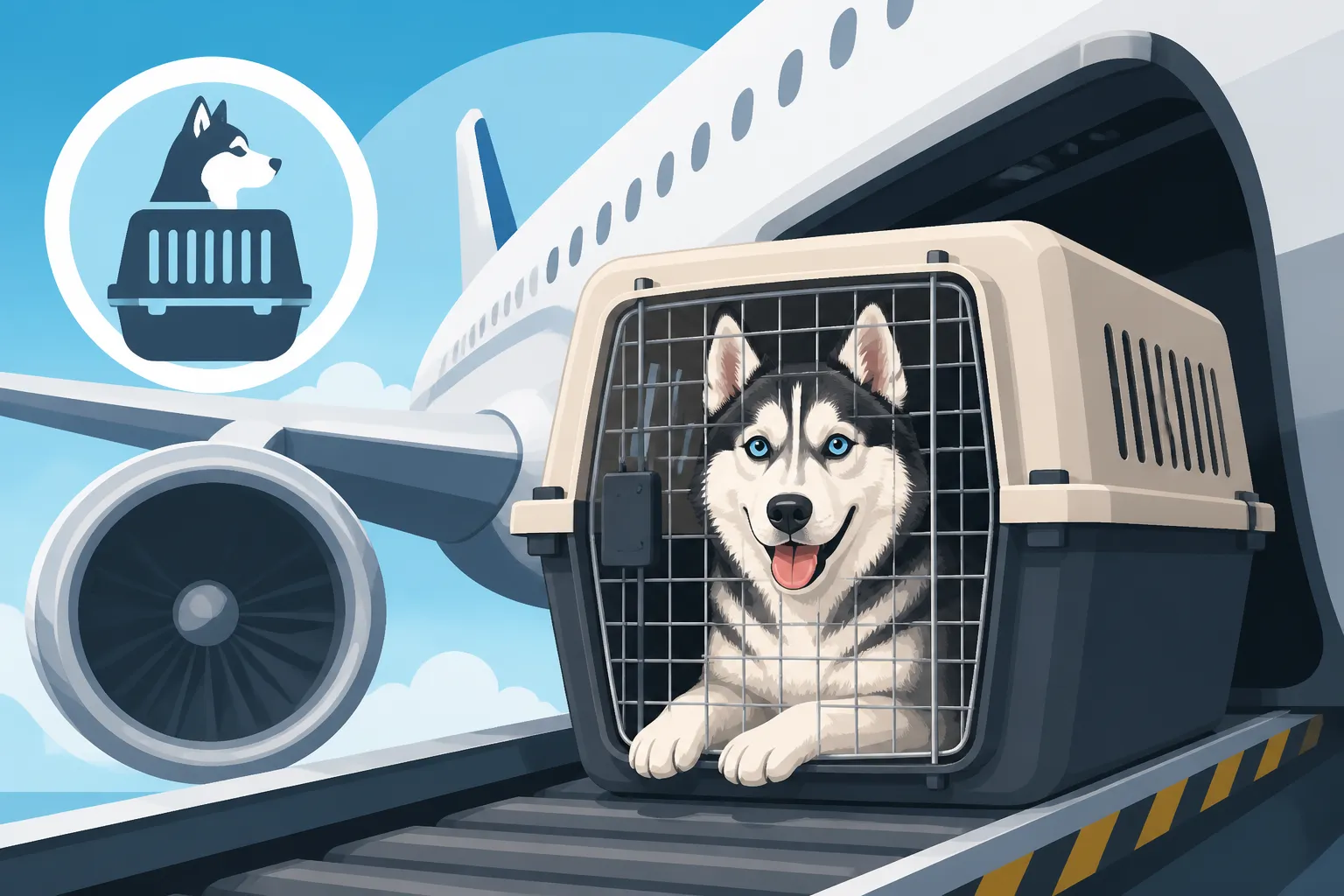
Flying With a Siberian Husky in Cargo
The thought of putting your energetic Siberian Husky in the cargo hold of an airplane can be utterly terrifying for any devoted owner. It's a logistical challenge filled with worries about their comfort, safety, and well-being, not to mention navigating a maze of airline regulations. This comprehensive guide is here to demystify the process, helping you understand exactly what's involved in flying your beloved Husky in cargo, from the paperwork to the physical and emotional preparation, so you can make the most informed decision possible for your furry family member.
Understanding the Rules and Regulations for Husky Cargo Travel
Before you even begin to pack your own suitcase, you need to immerse yourself in the world of pet cargo regulations. These aren't just suggestions; they are stringent rules designed (hopefully) to ensure the safety and welfare of animals during air travel. For a breed like the Siberian Husky, known for its specific needs, robust build, and thick coat, understanding every detail is paramount.
Airline-Specific Requirements and Breed Considerations
Every airline has its own set of rules and protocols when it comes to transporting live animals in cargo. While some general guidelines exist, the specifics can vary wildly, affecting everything from the type of crate you can use to the times of year they will even accept certain breeds. It’s crucial to treat each airline's policy as a distinct rulebook that you must follow to the letter. Don't just skim it; download and read every word of their pet travel policy.
For Siberian Huskies, a major consideration is their double coat and potential for overheating. Many airlines implement what are called "temperature embargoes." This means they won't transport dogs when ground temperatures at the departure, connecting, or arrival airports exceed certain thresholds (often around 85°F or 29.5°C) or drop below certain minimums. These embargoes are in place to protect your Husky from heat stroke or extreme cold, which can be life-threatening during transit. Be honest about your Husky's health during these temperature checks, as misrepresenting could put them at severe risk. For owners living in warmer climates, these embargoes can make summer travel virtually impossible, sometimes forcing you to postpone travel for months. Whether a Siberian Husky Belongs in a Hot State is a crucial read if you're planning a move to a warmer region.
Beyond temperature, airlines will often specify the maximum number of animals per flight and require advance booking. Some might have restrictions on certain "brachycephalic" (short-nosed) breeds due to respiratory issues, but thankfully, Siberian Huskies are typically not on this list. However, always double-check, as policies can change. The cost of cargo travel also varies significantly, often depending on the crate size and the weight of your Husky plus the crate, so make sure you factor this into your budget. This can be one of The Bills Before a Siberian Husky Comes Home if you're relocating with a new puppy.
IATA Standards and Crate Specifications
The International Air Transport Association (IATA) sets the global standards for live animal transport by air, and most reputable airlines adhere to these guidelines. Think of them as the gold standard for your Husky's travel container. Your Husky’s travel crate isn't just a regular dog kennel; it's a critical safety device that must meet specific dimensions and construction requirements to be accepted for cargo.
Firstly, the crate must be large enough for your Husky to stand up completely without their head touching the top, turn around naturally, and lie down in a normal position. This means measuring your Husky carefully: length from nose to tail root, height from ground to elbow, and height from ground to top of head or ear tips (whichever is higher when standing erect). Add a few inches to each measurement for comfort. A crate that's too small will be rejected, and rightfully so. When purchasing, look for sturdy plastic or wooden crates. Soft-sided carriers are strictly forbidden for cargo. Sites like Chewy offer a wide range of IATA-compliant travel crates, so you can filter for the right specifications. You might want to consider models that are particularly robust, given your Husky's strength and ingenuity, almost like finding Crates a Siberian Husky Cannot Break Out Of.
The crate must also have adequate ventilation on at least three sides, usually with metal grilles or reinforced mesh. The door must be made of metal and secured with metal bolts, not plastic clips, to prevent escape. A leak-proof bottom, typically with absorbent material, is also required. You’ll need "LIVE ANIMAL" stickers on all sides, indicating the upright position, and feeding/watering instructions clearly visible. Attach food and water bowls that can be refilled from the outside without opening the door. Consider freezing water in the bowl before the flight; as it melts, it provides hydration without spilling.
Health Certificates and Vet Visits
This is perhaps the most critical administrative step: getting your Husky medically cleared for travel. Airlines and destinations (states or countries) require a current health certificate issued by a licensed veterinarian. This certificate is essentially a declaration that your Husky is healthy enough to travel and free of contagious diseases.
The key here is timing. These certificates are only valid for a very specific window, typically 10 days before your flight. If your flight is delayed, or your certificate expires mid-journey, you could face significant issues. Your vet will perform a thorough examination to ensure your Husky is in good health, has all necessary vaccinations (especially rabies), and is free from any signs of illness that could be exacerbated by the stress of travel. They will also check for any signs of respiratory distress, heart conditions, or other pre-existing issues that could put your Husky at risk. This is a very different kind of check-up than a routine Siberian Husky Vet Visits by Life Stage appointment.
Beyond the general health check, certain destinations may require additional vaccinations, parasite treatments, or specific tests. For international travel, the requirements become even more complex, often involving government endorsements of the health certificate by a USDA-accredited veterinarian. Start researching these requirements months in advance, as some processes can take a considerable amount of time. Having pet insurance from providers like Healthy Paws can offer significant peace of mind if unforeseen health issues arise during this pre-travel period or after arrival.
Preparing Your Siberian Husky for a Smooth Journey
The regulations are one thing, but preparing your actual Husky for the journey is another. Huskies are intelligent, often sensitive, and certainly creatures of habit. Throwing them into an unfamiliar, noisy, and confining environment without proper preparation can lead to immense stress, which is detrimental to their health and overall well-being.
Crate Training is Non-Negotiable
For a Siberian Husky, successful cargo travel hinges almost entirely on advanced, positive crate training. This isn't about simply introducing them to a crate the week before the flight; it's about making their travel crate a safe, comfortable, and familiar den, a place they want to be, long before departure. If your Husky has a history of A Siberian Husky That Panics in a Crate, cargo travel might not be suitable until this behavior is fully addressed, or at all.
Start months in advance. Introduce the IATA-compliant travel crate (not just their regular house crate) gradually. Make it the best place ever! Feed meals inside, give high-value treats and chew toys only when they're in the crate, and use it for naps. Never use the crate as punishment; it should always be a positive experience. Practice closing the door for short periods, then gradually increasing the time, always with positive reinforcement. Your goal is for your Husky to view the crate as their secure personal space, not a prison. This familiarity will significantly reduce their stress levels during the actual flight, where they'll be alone in an unfamiliar environment.
Acclimating to the Travel Crate and Environment
Beyond just liking the crate, your Husky needs to acclimate to conditions that mimic travel as much as possible. This means spending extended, quiet time in the crate in various situations. Practice leaving them alone in the crate for several hours, simulating the length of the flight. If you have the space, try placing the crate in an area of your home that experiences some background noise or vibration, like a laundry room, for short periods.
Consider taking your Husky for car rides in their travel crate. This helps them get used to the movement, sounds, and smells associated with being in a confined space on the move. Even short trips to a park or just around the block can help desensitize them to the sensation of motion while crated. Your aim is to reduce novelty on travel day. The less new or surprising an experience is, the lower your Husky's stress response will be. This long-term exposure helps build resilience and reduces the likelihood of them panicking when the real journey begins.
Food and Water Considerations Before and During Travel
What and when your Husky eats and drinks before the flight needs careful planning. Typically, veterinarians and airlines recommend feeding a smaller, easily digestible meal about 4-6 hours before departure. This allows time for digestion and reduces the risk of an upset stomach or the need to relieve themselves during the flight. You certainly don't want a full meal sitting heavily in their stomach or causing discomfort in a pressurized environment. Some owners choose to offer specialized, easily digestible food options, perhaps even considering fresh food options like Ollie, for the days leading up to and immediately after travel, to minimize digestive upset.
Water is critical, but also a challenge. While airlines require water bowls in the crate, they can easily spill. A common trick is to freeze water in the bowl before checking in. It will slowly melt, providing continuous hydration without creating a sloshing mess. Alternatively, consider a water bottle feeder that attaches to the crate door, similar to those used for rabbits, ensuring a steady supply of fresh water without spillage. Avoid over-hydrating right before the flight, but ensure they are not dehydrated. Always offer a good drink immediately before checking in. Stock up on essential travel items like spill-proof water bowls and absorbent bedding, easily found on Chewy's extensive selection.
The Sedation Debate
This is a critical point that often causes confusion and concern. While the idea of sedating your anxious Husky for a long flight might seem compassionate, it is generally advised against by veterinarians and airlines. Sedatives can interfere with a dog's natural ability to regulate their body temperature, especially for a double-coated breed like a Husky. More dangerously, they can depress respiratory and cardiovascular systems, which can be life-threatening at higher altitudes or in the variable conditions of a cargo hold.
Many airlines outright refuse to accept sedated animals, and if discovered, your Husky could be denied boarding. If your veterinarian believes your Husky absolutely requires something to help them cope, they might prescribe a mild anti-anxiety medication, but this would be a specific, carefully considered prescription, not a general sedative. Always discuss this thoroughly with your vet, disclosing that the medication is specifically for air travel. Remember, the risks associated with sedation far outweigh the perceived benefits, particularly for breeds like the Husky. Anesthesia Risk in a Senior Siberian Husky highlights the general risks of sedation, which are only amplified during air travel.
The Day of Travel and Arrival
The day of travel itself will be a flurry of activity, and having a clear plan can significantly reduce stress for both you and your Husky. From check-in to reunion, every step needs to be managed with care and attention.
Check-in Procedures and Last-Minute Preparations
Plan to arrive at the airport significantly earlier than you would for a human flight. Most airlines require you to check in pets at a dedicated cargo facility or a special counter, which can be located away from the main terminal. This isn't a quick drop-off. You'll need ample time to complete paperwork, verify your Husky's crate meets all standards, and ensure all health documents are in order.
Before heading to the airport, give your Husky one last opportunity for a long potty break. A good walk can also help expend some energy, making them calmer for the journey. Double-check that all required labels are securely attached to the crate: "LIVE ANIMAL," arrows indicating "THIS WAY UP," and your contact information. Place a small bag of their familiar food, along with feeding instructions, securely taped to the top of the crate, in case of delays or extended layovers. Ensure their collar (without tags that could get snagged) is on, or if you prefer, consider removing it during travel and replacing it upon arrival.
During the Flight: What to Expect in Cargo
Many owners worry about the conditions in the cargo hold. Rest assured, the animal cargo compartments on passenger planes are pressurized and temperature-controlled, just like the passenger cabin. They are not dark, unheated, unpressurized freezers. Airlines are required to maintain specific temperature ranges for animal comfort.
However, it won't be silent. There will be engine noise, vibrations, and the general hustle and bustle of airport operations. This is why thorough crate training and acclimation are so vital. While you won't be able to check on your Husky mid-flight, know that handlers are trained to manage live animals. Some airlines will also notify the captain that live animals are on board, so they can ensure appropriate conditions are maintained.
Arrival and Reunion: Post-Flight Care
The moment you land, your focus shifts to reuniting with your Husky. Depending on the airport and airline, your Husky might be collected at a designated cargo facility, a special baggage claim area, or even delivered curbside. Find out the exact pick-up procedure beforehand to minimize waiting and anxiety for both of you.
Upon reunion, the first thing to do is a quick visual check for injuries, signs of illness, or excessive stress. Offer water immediately, but in small amounts at first to avoid an upset stomach. Give them another opportunity to relieve themselves as soon as possible. Your Husky will likely be overwhelmed by new sights, sounds, and smells, and will certainly be thrilled to see you! Avoid immediate over-excitement; a calm, reassuring presence is best. Plan for a quiet, relaxing period upon arrival, letting them decompress and readjust. A long, strenuous walk right away might be too much. Heat Stroke Risk in a Siberian Husky can be higher for a stressed, recently traveled dog, so monitor them closely, especially in warmer climates. If you notice any concerning behavior or physical symptoms, contact a local vet without delay. This is where your Healthy Paws pet insurance might come in handy for unexpected vet visits.
Important Considerations and Alternatives
Flying a Siberian Husky in cargo is a big decision with significant implications. It's not always the right choice, and understanding the risks and available alternatives is crucial for responsible pet ownership.
Health Risks and Stress Associated with Air Travel
Even with the best preparation, air travel is inherently stressful for animals. Huskies, with their high intelligence and sometimes sensitive nature, can experience significant anxiety. The unfamiliar noises, vibrations, smells, changes in air pressure, and separation from their owners can all contribute to stress, which can manifest as digestive upset, behavioral changes, or even suppressed immune function. Siberian Husky Lifespan and What Shortens It reminds us that chronic stress can have long-term health impacts.
While cargo holds are temperature-controlled, there can be fluctuations during loading, unloading, and ground transfers. Extreme temperatures on the tarmac, especially during layovers, pose a serious risk. This is why temperature embargoes exist and why you need to research weather conditions at all points of travel. Furthermore, the risk of injury, though rare, from rough handling or crate damage, always exists. It's a calculated risk you must weigh against the necessity of travel.
When Not to Fly Cargo with Your Husky
There are definite scenarios where flying your Husky in cargo is strongly discouraged or even outright dangerous:
- Age: Very young puppies (under 8-10 weeks, depending on airline) are often too fragile, and very senior Huskies (Caring for a Siberian Husky Past Ten) or those with underlying health conditions may not cope well with the stress.
- Health Issues: Huskies with respiratory problems, heart conditions, or recovering from surgery should not fly cargo. The stress and altitude changes can exacerbate these issues.
- Temperament: An overly anxious, fearful, or aggressive Husky will find cargo travel incredibly distressing. If your Husky has significant behavioral challenges or a history of extreme stress in new environments, it's best to explore other options. What New Siberian Husky Owners Underestimate often includes the intensity of a Husky's reactions to stress.
- Extreme Weather: As mentioned, temperature embargoes are there for a reason. Do not try to skirt these rules or choose a route with known extreme weather conditions, even if within the airline's official limits. Heat Stroke Risk in a Siberian Husky is a serious concern. If your Husky shows any signs of distress, you need to know how to respond, and Cooling a Siberian Husky Down Fast might be information you need immediately upon arrival.
Alternative Travel Options for Your Siberian Husky
If cargo travel seems too risky or simply isn't an option, you still have choices:
- Driving: For domestic travel, driving is often the safest and least stressful option for a Husky. You have complete control over their environment, schedule, potty breaks, and comfort. This allows them to stay with you and avoids the stress of being alone in cargo. While it might take longer, the peace of mind is often worth it.
- Pet Transport Services: Professional pet transport companies specialize in moving animals safely. They can offer ground transport options, or even charter flights for a premium. These services often provide individualized care, climate-controlled vehicles, and experienced handlers, making them a much less stressful alternative to standard cargo for many owners. They handle all logistics and paperwork, providing a door-to-door service. Research these companies thoroughly, checking reviews and credentials, as quality can vary widely.
- Postpone Travel: Sometimes, the best solution is simply to wait. If current conditions (weather, your Husky's health, or personal circumstances) aren't ideal for cargo travel, delaying your trip until a more favorable time is a perfectly valid and often healthier choice for your furry friend.
Ultimately, the decision to fly your Siberian Husky in cargo is a deeply personal one. By understanding the regulations, preparing meticulously, and honestly assessing the risks against the alternatives, you can make the best possible choice for your adventurous companion.
Disclaimer
This article is for general informational purposes only and does not constitute professional advice. Laws, prices and regulations vary by location and change over time. Consult a qualified professional for guidance on your specific situation.