Running a Siberian Husky in Summer Heat
Running a Siberian Husky in summer heat isn't just a challenge; it's a tightrope walk between providing essential exercise and risking a medical emergency. Many husky owners feel the pressure to keep their active dogs moving, but the scorching pavement and humid air can quickly turn a fun outing into a dangerous situation. This guide will walk you through the real risks, how to spot trouble, and the practical steps you can take to keep your furry companion safe and healthy when the temperatures soar.
The Inherent Challenges of Running a Siberian Husky in Summer
Let's be real: Siberian Huskies were literally built for cold. Their entire physiology is a testament to survival in sub-zero temperatures, which makes adapting to summer heat a major uphill battle. It's not just about them feeling a bit warm; it's about their bodies struggling with a climate they were never designed for. Understanding these fundamental differences is the first step in ensuring their safety.
Understanding the Siberian Husky's Double Coat and Its Purpose
One of the biggest misconceptions about Huskies is that their thick, luxurious double coat is a hindrance in summer. People often look at that dense fur and immediately think, "Oh, they must be so hot, I should shave them!" Please, for the love of all that is husky, resist that urge. Why You Must Never Shave a Siberian Husky is a topic we've covered before, and for good reason. That double coat is their built-in climate control system.
The outer layer, comprised of coarser guard hairs, acts like a shield. It repels water and dirt, but more importantly in summer, it provides insulation against the sun's intense UV rays. Think of it like a natural sunblock and a layer of shade for their skin. Beneath that, the soft, downy undercoat serves to trap air. In winter, this trapped air warms up, keeping them cozy. In summer, however, it works differently: it helps create an insulating barrier that prevents external heat from easily reaching their skin and allows for air circulation close to their body, provided it's not matted. When the coat is healthy and well-maintained, it helps them regulate their body temperature, working to keep them cooler than if they were shaved and exposed directly to the sun. Removing this protective layer actually strips them of their primary defense mechanism against heat and sunburn, often making them hotter in the long run.
How a Husky's Metabolism Handles Heat Compared to Other Breeds
Siberian Huskies are incredible athletes, known for their endurance and efficiency. This efficiency, however, is geared towards conserving energy and generating heat in freezing conditions. They have a lean build, but their metabolism is incredibly adapted to cold-weather work. This means they don't dissipate heat as readily as, say, a short-coated breed like a greyhound, or a dog specifically bred for warmer climates. When running, all dogs generate internal heat through muscle exertion. For a husky, whose body is already trying to fight off external heat, this internal heat adds another significant burden.
Their primary method of cooling is panting, which works by evaporating moisture from their tongue and respiratory tract. But when the ambient air is already hot and humid, this evaporative cooling becomes much less effective. It’s like trying to cool off with a fan in a sauna – it just pushes hot air around. This makes them highly susceptible to quickly reaching dangerous internal temperatures. They also have a lower threshold for overheating compared to many other breeds, meaning the "safe" temperature for a short-coated dog can be downright dangerous for a husky pushing itself. It’s a finely tuned machine, but that tuning is for snow and ice, not blazing sunshine. This is why understanding The Temperature a Siberian Husky Starts Struggling At is so crucial.
Recognizing the Signs of Overheating and Heatstroke
Knowing your husky is predisposed to heat issues is one thing; actually spotting when they're in trouble is another. Huskies are famously stoic, and they might try to push through discomfort to please you, or simply because their drive to run is so strong. It's up to us, their human companions, to be vigilant and recognize the subtle cues that indicate they're struggling, well before it escalates into a full-blown emergency.
Subtle Early Warnings That Are Easy to Miss
Before a husky collapses from heatstroke, their body sends out several warning signals. These are often missed because they can seem like normal exertion, especially if you’re not attuned to your individual dog's baseline. One of the first things you'll notice is excessive panting for the level of activity. Yes, all dogs pant after a run, but with a husky, this panting will become more rapid, shallower, and may sound more labored than usual. Their breathing might start to include raspy or loud noises as they struggle to move air.
Another early sign is a change in their energy and enthusiasm. A husky who normally bounds ahead might start lagging, showing reluctance to continue, or breaking stride more frequently. Their gums might appear a brighter red than usual, indicating increased blood flow as their body tries to cool itself, and their saliva might become thicker or foamy. You might also notice their ears becoming hotter to the touch, and their eyes might look a bit glazed or strained. If you gently touch their abdomen or inner thighs, their skin will feel significantly warmer than normal. Don't dismiss these as simply "working hard"; they are shouts for help from a body that's trying to tell you it's reaching its limit. It's far better to err on the side of caution and end the activity than to push on. For more details on what normal panting versus distress looks like, check out Panting That Means Trouble in a Siberian Husky.
Emergency Heatstroke Symptoms and Immediate Action
When early warnings are missed, a husky can quickly progress to full-blown heatstroke, which is a life-threatening emergency. At this stage, the symptoms become much more severe and alarming. You might see a sudden staggering gait, disorientation, or even collapse. Vomiting and diarrhea, sometimes bloody, can occur as internal organs start to shut down. Their gums might turn very pale, blueish, or even a dark, brick red, indicating severe circulatory issues. You might also notice a loss of consciousness or seizures. Their body temperature will be dangerously high, often above 104°F (40°C).
If you suspect heatstroke, immediate action is critical. First, stop all activity immediately and get your husky to the coolest possible spot – shade, an air-conditioned car, or even a cool patch of grass. Apply cool (not ice-cold) water to their body, focusing on the armpits, groin, and paw pads. You can use soaked towels, a hose, or even pour bottles of water over them. Gently fan them to help with evaporative cooling. Do not immerse them in ice water, as this can cause blood vessels to constrict and actually hinder cooling, and can lead to shock. Offer small amounts of water to drink if they are conscious and able to swallow, but don't force it. The most crucial step, however, is to get them to an emergency veterinary clinic immediately, even if they seem to be recovering. Heatstroke can cause internal damage that isn't immediately apparent. Keep them cool on the way to the vet. Learning Cooling a Siberian Husky Down Fast is a skill every husky owner living in a warm climate needs.
Practical Strategies for Safe Summer Exercise
Okay, so we know the risks. But that doesn't mean your husky has to turn into a couch potato all summer! It just means we need to be smarter, more strategic, and a whole lot more vigilant about how we exercise them when the mercury rises. It's all about making adjustments and putting their well-being first.
Timing Your Runs and Choosing the Right Environment
This is perhaps the single most impactful change you can make. Forget midday runs. Seriously, just cross them off your calendar from May through September in most places. The safest times to run a Siberian Husky in summer are either very early morning, often before sunrise, or late in the evening after the sun has set and the ground has had a chance to cool. I'm talking 5 AM, not 8 AM. Even on seemingly mild days, remember that Hot Pavement Under Siberian Husky Paws can cause burns and absorb heat into their bodies, so always check the pavement temperature with your hand before you head out. If it's too hot for your bare hand, it's too hot for their paws.
Beyond timing, think about the environment. Asphalt and concrete absorb and radiate heat, making them terrible choices for summer runs. Seek out shaded trails, grassy parks, or areas with natural soft surfaces. Even a slight breeze can make a difference, so consider open areas or paths near water bodies. If your area has dog-friendly indoor facilities, that's another option, though you still need to monitor for overheating. The goal is to minimize direct sun exposure and provide surfaces that don't add to their heat burden. Being mindful of Timing Siberian Husky Walks in Hot Weather isn't just a suggestion; it's a rule for huskies.
Hydration and Cooling Techniques Before, During, and After Activity
Hydration is non-negotiable. Always, always ensure your husky has access to fresh, cool water before you head out. A good strategy is to offer water 15-20 minutes before a run, allowing them to hydrate without feeling bloated. During the run, you must carry water for both of you. Collapsible water bowls are excellent for this. Offer water frequently, even if they don't seem thirsty. Small, frequent sips are better than gulping down a lot at once, which can upset their stomach.
For cooling, consider a lightweight, breathable cooling vest that uses evaporative cooling. Some vests are designed to be soaked in water and then worn, providing a significant cooling effect. Avoid heavy, insulated vests or harnesses that trap heat. Another technique is to wet their belly, chest, and paw pads with cool water before and during the run. These areas have less fur and more surface area for heat exchange. After the run, continue offering water and get them into a cool environment. A cooling mat or a kiddie pool with a few inches of water can be a great way to help them bring their temperature down safely at home. Just be cautious about soaking their dense undercoat completely, as it can take a long time to dry and potentially lead to skin issues. Cooling a Siberian Husky Without Wetting the Undercoat is an art form! Even simply rubbing a damp, cool towel over their inner thighs and armpits can provide significant relief.
Gear and Considerations for Hot Weather Runs
Just like a marathon runner wouldn't hit the pavement in a wool suit, your husky needs the right attire – or lack thereof – and appropriate accessories for summer running. The right gear can aid in comfort and safety, while the wrong choices can exacerbate heat stress. It’s about making smart choices that support their unique physiology.
Harnesses and Accessories for Warm-Weather Excursions
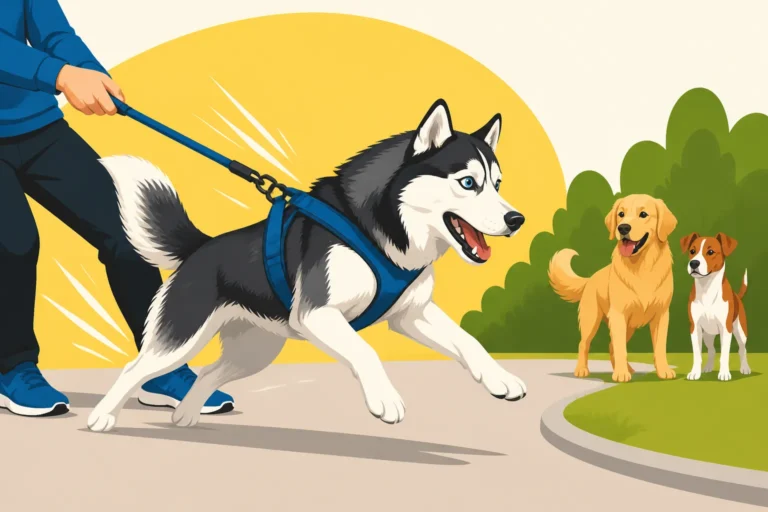
When it comes to gear, less is often more in hot weather. Ditch any heavy, padded, or restrictive harnesses. Opt for lightweight, breathable harnesses that allow for maximum airflow over their body. A front-clip harness can be helpful for control without adding too much bulk. You want something that distributes pressure comfortably if they pull, but doesn't trap heat against their body. Brands available on Amazon often carry a wide range of lightweight mesh or webbed harnesses perfect for warmer climates. Avoid anything that covers large portions of their back or chest with dense material.
Beyond the harness, consider paw protection. Booties, especially those designed for summer use, can protect their paw pads from scorching surfaces, sharp debris, and irritants. While they might resist them at first, getting them used to booties can be a game-changer for paw health. A reflective leash and collar are also good safety measures, especially if you're out during low-light hours. And don't forget a small, portable first-aid kit in case of minor injuries on the trail. For a general overview of options, you might look into What a Siberian Husky Harness Costs and consider summer-specific designs.
Adjusting Training Intensity and Duration
This is perhaps the hardest part for many husky owners, because it goes against their dog's natural drive: you must significantly reduce the intensity and duration of runs in summer. A five-mile run in November might become a two-mile sniffari walk in June, or even just a brisk walk around the block. Listen to your husky, and learn to respect their signals to slow down or stop. On truly hot or humid days, it's often best to skip outdoor runs altogether and opt for indoor mental stimulation or very short, early morning potty breaks.
Focus on quality over quantity. Instead of long, strenuous runs, break up their exercise into multiple shorter, less intense sessions. Incorporate more swimming (if your husky enjoys it and it's a safe, clean environment) or allow them to play in a sprinkler. Remember, Whether a Walk Is Enough for a Siberian Husky largely depends on the conditions and the dog. On hot days, even a walk might be too much. For high-energy breeds like huskies, mental exercise is just as important as physical, especially when physical activity is limited. Puzzle toys, training sessions that challenge their minds, and scent work can help burn off energy without the heat risk. A well-trained husky is a safer husky, no matter the weather. Training platforms like BAXTER & Bella can offer guidance on teaching reliable recall or 'leave it' commands, which are critical should you encounter wildlife or hazards during your warm-weather excursions, even if your dog is leashed. Building a strong foundation through consistent training ensures your husky listens, even when distractions are high or conditions are challenging, allowing for safer management in tough conditions.
Here's a quick comparison of summer running strategies:
| Strategy Aspect | Safe Summer Approach | Risky Summer Approach |
|---|---|---|
| Timing | Early morning (pre-sunrise) or late evening (post-sunset) | Midday, mid-afternoon |
| Surface | Grass, shaded trails, dirt paths | Asphalt, concrete, blacktop |
| Hydration | Frequent small water breaks, carry water for both | Minimal water, relying on puddles or public bowls |
| Duration | Shorter, lower intensity, stop at first sign of fatigue | Long, strenuous, pushing through discomfort |
| Gear | Lightweight mesh harness, cooling vest, paw booties | Heavy padded harness, no paw protection |
| Monitoring | Constant vigilance for subtle signs, stop if unsure | Waiting for obvious distress or collapse |
| Alternative Exercise | Swimming, indoor training, puzzle toys | Forcing outdoor runs regardless of conditions |
Remember, your husky relies on you to make smart decisions for their health. While their energy might seem boundless, their ability to cope with heat is not. Prioritizing their safety above all else means making adjustments and sometimes, gracefully conceding to the heat by choosing alternative activities. Your bond with your husky will only strengthen when they know you're looking out for their best interests, even if it means no long runs on a sweltering July afternoon.
Disclaimer
This article is for general informational purposes only and does not constitute professional advice. Laws, prices and regulations vary by location and change over time. Consult a qualified professional for guidance on your specific situation.