Spring and Fall Sheds in a Siberian Husky
If you're a Siberian Husky owner, or dreaming of becoming one, you've probably heard the whispers—or perhaps the outright shouts—about the legendary 'Husky hair tsunami.' It's true, these magnificent dogs shed, and when they really shed during their seasonal 'coat blows,' it can feel like a blizzard of fur has hit your living room. This guide is all about demystifying those intense spring and fall sheds, helping you understand why your Husky becomes a fur factory, and equipping you with the strategies to manage it without losing your sanity (or your vacuum cleaner).
Understanding the Siberian Husky Double Coat
Before we dive into the glorious mess of a shedding Husky, it's crucial to understand the unique coat that makes them such incredible, resilient animals. Siberian Huskies were originally bred by the Chukchi people in Siberia, enduring brutal arctic temperatures. Their coat isn't just for looks; it's a marvel of natural engineering, perfectly designed for survival in harsh climates. Without this dense, dual-layer protection, they simply wouldn't have been able to perform their sledding duties or even survive.
Many people look at a Husky and just see "fur," but there's so much more complexity to it. This double coat is the root of both their majestic appearance and their infamous shedding habits. Appreciating its function can help you understand why managing it effectively is not just about aesthetics, but about their overall health and comfort.
Guard Hairs vs. Undercoat
The Siberian Husky's coat is made up of two distinct layers, each playing a vital role. The outer layer consists of what we call "guard hairs." These are typically longer, coarser, and somewhat stiff to the touch. Their primary job is to protect the dog from external elements: rain, snow, wind, and even UV rays. They give the Husky its characteristic smooth, sleek outline and vibrant coloring. Think of them as the outer armor.
Beneath these protective guard hairs lies the "undercoat." This is where the magic (and the massive amount of shed fur) truly happens. The undercoat is incredibly dense, soft, and woolly, acting like a built-in down jacket. It's much shorter than the guard hairs and provides the bulk of the insulation, trapping air close to the dog's body to keep them warm in sub-zero temperatures. When your Husky "blows" their coat, it's primarily this fluffy undercoat that you'll find floating around your home.
Understanding the difference between these two layers is key to effective grooming. Simply brushing the surface will only catch some loose guard hairs; to really tackle a coat blow, you need tools and techniques that get down into that thick undercoat to pull out the dead, loose fluff before it forms mats or completely takes over your house. It's a constant battle, but a necessary one to keep their coat healthy and functional.
The Purpose of the Double Coat
The Siberian Husky's double coat serves multiple critical functions beyond just looking beautiful. Most obviously, it provides incredible insulation against the extreme cold. The dense undercoat creates an insulating barrier, trapping body heat and preventing it from escaping, allowing these dogs to thrive in temperatures well below freezing. This is why you'll often see them curled up comfortably in the snow, seemingly oblivious to the chill that would send other breeds shivering indoors.
What many people don't realize is that this same double coat also protects them in warmer weather. While it might seem counterintuitive, shaving a Husky actually removes their natural protection against heat and sun. The guard hairs act like a sunshield, preventing harmful UV rays from reaching their skin, while the undercoat, when healthy and well-maintained, allows for air circulation close to the skin, helping to regulate body temperature. It creates a microclimate that insulates against both heat and cold. This is an important concept discussed in articles like What the Siberian Husky Double Coat Actually Does.
Beyond temperature regulation, the coat offers physical protection. The dense layers shield their skin from scratches, thorns, and insect bites. It's also remarkably water-resistant; snow and light rain often bead up and roll off their guard hairs, keeping the sensitive undercoat dry. This intricate system is why proper coat care is so vital, ensuring that it can continue to perform all its natural protective duties effectively.
The Seasonal Shed Cycle: "Blowing Coat"
Ah, the "coat blow"—the two dreaded words that strike fear (and resignation) into the heart of every Siberian Husky owner. This isn't just regular shedding; it's an event, a phenomenon where your Husky decides to completely overhaul their wardrobe, usually twice a year. If you've never experienced it, imagine a fluffy cloud following your dog everywhere, leaving a trail of pure white (or black, or red, or agouti) fluff in its wake. It's a commitment, but one that comes with owning these amazing dogs.
It's important to remember that this isn't a sign of poor health; it's a completely natural and necessary process for a breed whose ancestors lived in extreme environments. Their bodies are simply adapting to the changing seasons, shedding the coat they no longer need and preparing to grow the one they will.
Spring Shed: Preparing for Warmth
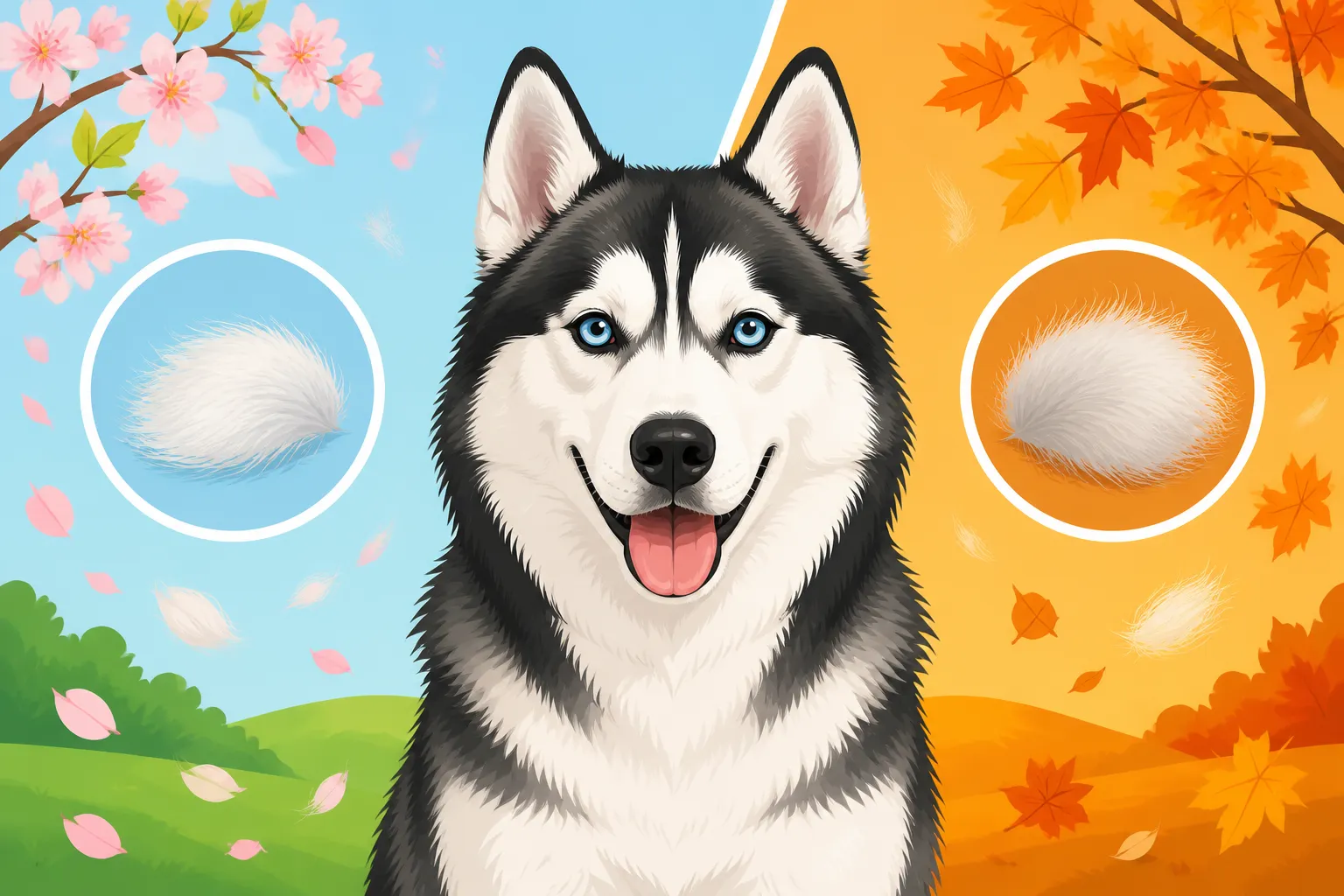
As the days grow longer and temperatures begin to rise after winter, usually in late winter or early spring, your Siberian Husky will embark on their grandest shedding adventure: the spring coat blow. This is typically the more intense of the two annual sheds, as your Husky needs to get rid of that incredibly dense, insulating winter undercoat that kept them toasty warm during the colder months. Think of it as them stripping off a heavy winter parka in favor of a lighter spring jacket.
The sheer volume of fur that comes off during this period can be astounding. You might find yourself pulling out clumps of soft, woolly undercoat that feel like you're de-stuffing an entire pillow. This process is triggered primarily by changes in daylight hours, signaling to their bodies that warmer weather is on its way. It can last for several weeks, sometimes even six weeks or more, as the old undercoat gives way to a lighter, less dense one. You’ll want to be familiar with just How Long a Siberian Husky Coat Blow Runs because it truly feels never-ending at its peak.
During this time, daily grooming is not just recommended, it's practically mandatory to help them release the dead hair and prevent matting, especially behind the ears, in the armpits, and around their hindquarters. Without your intervention, that shed undercoat can get tangled and become uncomfortable, potentially leading to skin issues.
Fall Shed: Preparing for Cold
While often less dramatic than the spring explosion, the fall coat blow is still a significant event for your Siberian Husky. This shedding cycle typically occurs in late summer or early fall, as the days begin to shorten and the crispness of autumn air signals the approach of winter. During this time, your Husky will shed out the lighter summer undercoat to make way for a brand new, thicker, and denser winter undercoat. It’s like they’re trading in their spring jacket for a heavy-duty, expedition-grade parka.
The fall shed is equally crucial for their health and comfort, ensuring they have optimal insulation when the truly cold weather arrives. While you might not experience the same "fur-nado" as in spring, you'll still notice a considerable increase in loose hair around your home and on your clothes. The main difference is often the type of fur; instead of huge, fluffy clumps of old winter undercoat, you'll be removing the slightly less dense summer undercoat, making way for the new growth.
Regular grooming is still essential during the fall blow to facilitate this transition. Helping them shed the old coat means the new, vital winter coat can grow in unimpeded, ensuring your Husky is well-prepared for whatever the colder months bring. This preparation is part of what makes them so resilient and adaptable to varied climates.
Factors Influencing the Shedding Schedule
While the general rule is two major coat blows a year, several factors can influence the exact timing, intensity, and duration of your Siberian Husky's shedding schedule. It's not always a perfectly predictable event, and understanding these variables can help you anticipate and manage the fur onslaught more effectively.
One of the biggest influencers is the living environment. Huskies living primarily outdoors, exposed to natural light cycles and seasonal temperature fluctuations, tend to have more pronounced and predictable sheds. However, many Huskies are indoor companions, living in climate-controlled homes with artificial lighting. This can sometimes disrupt their natural cycle, leading to more moderate, year-round shedding with less distinct "blows," or sometimes even making the seasonal sheds feel more constant.
Hormonal status also plays a significant role. Spaying or neutering can sometimes alter a dog's coat texture and shedding patterns. For instance, an article like Whether Spaying Changes a Siberian Husky's Shed Cycle can offer more insight into how these changes might manifest. A female Husky's shedding may also be affected by heat cycles or pregnancy. Furthermore, general health and diet are critical; a dog with a poor diet or underlying health issues like Siberian Husky Hypothyroidism and Coat Change or Zinc-Responsive Dermatosis in the Siberian Husky might experience abnormal shedding, patchy hair loss, or a dull, unhealthy coat. Every Husky is an individual, too, so one dog might shed more intensely or for longer periods than another, even under similar conditions.
Managing the "Coat Blow" in Your Home
Okay, so you know why your Siberian Husky sheds like a fluffy snow machine. Now, let's talk about the how of dealing with it without becoming completely overwhelmed by fur. Managing a coat blow is less about stopping it (you can't!) and more about containing it, redirecting it, and minimizing its impact on your living space and sanity. It requires consistency, the right tools, and a healthy dose of humor. You're not alone in this battle against the fur; every Husky owner has been there.
The key to survival is preparation and routine. Don't wait until you're literally tripping over tumbleweeds of dog hair. Anticipating the sheds and getting into a rhythm of proactive grooming will make a world of difference. It's an investment of time, but one that pays off in a cleaner home and a happier, healthier Husky.
Daily Grooming Techniques During Shed
During the peak of a coat blow, "daily" isn't an exaggeration—it's a necessity. Your primary goal is to get as much loose undercoat off your Husky as possible before it falls out all over your furniture and floors. The most effective technique for a double-coated breed like a Husky is often called "line brushing" or "pin brushing." This involves parting the coat down to the skin and brushing small sections at a time, working your way through the entire dog.
Start by gently separating a section of fur, holding it up with one hand. With your other hand, use an undercoat rake or a slicker brush (depending on the specific tool) to brush from the skin outwards in short, gentle strokes, pulling out the loose undercoat from beneath the guard hairs. Continue this process, section by section, until you've covered their entire body. Pay extra attention to areas where mats tend to form, like behind the ears, the 'armpits', and the britches (the fluffy fur on their back legs). An article like Daily Raking Through a Siberian Husky Blow can provide more granular advice on this.
Make grooming a positive experience. Offer treats, praise, and keep sessions relatively short if your Husky isn't accustomed to it. A relaxed dog is much easier to groom, and regular positive interactions will make future sessions much smoother. Remember, consistency is your best friend during this furry tempest.
Tools of the Trade for Shedding Season
Having the right tools is half the battle when it comes to managing a Siberian Husky's coat blow. Trying to tackle that mountain of fur with just a basic brush is like trying to empty a swimming pool with a teacup – ineffective and frustrating. Investing in quality grooming tools will save you time, effort, and possibly your vacuum cleaner.
The absolute must-have is an undercoat rake. These tools are specifically designed with long, sturdy teeth to penetrate the guard hairs and gently pull out the dead, loose undercoat without damaging the topcoat. There are various types, some with rotating teeth, others with fixed. A good quality one can be a game-changer. You can find an array of these indispensable tools, from robust undercoat rakes to powerful high-velocity dryers, on platforms like Amazon or specialized pet supply retailers. Another invaluable tool, especially after a bath or if you want to speed up the drying and shedding process, is a high-velocity pet dryer. These aren't like human hairdryers; they blow cool, powerful air that literally blasts the loose undercoat out of the coat, significantly reducing the amount you'll then need to brush out. This is a topic explored further in Undercoat Rakes and Blowers for a Siberian Husky.
For general maintenance and to catch any lingering loose hairs, a slicker brush or a sturdy pin brush can also be useful, particularly for fluffing up the coat and removing surface debris. Stock up on deshedding shampoos and conditioners, often readily available from online pet retailers like Chewy, which can help loosen the undercoat during a bath, making it easier to remove afterward. Don't forget a good, sturdy vacuum cleaner, preferably one designed for pet hair, because even with the best grooming, some fur will inevitably escape into your home.
Keeping Your Home (Relatively) Fur-Free
Let's be realistic: a completely fur-free home with a shedding Siberian Husky is a fantasy. However, a relatively fur-free home is an achievable goal with consistent effort. Beyond daily grooming your dog, you need to implement strategies to manage the fur that inevitably makes its way into your living space. This is a marathon, not a sprint, especially during the peak shedding seasons.
Regular, thorough vacuuming is paramount. Invest in a vacuum cleaner specifically designed to handle pet hair, as regular vacuums can quickly get clogged and lose suction. Many Husky owners find robotic vacuums invaluable for daily maintenance, running them once or twice a day to pick up the majority of the floating fur. You might also consider covering furniture your Husky frequents with washable blankets or throws that can be easily tossed into the laundry. This helps contain fur and protects your upholstery. An article like Siberian Husky Hair in Car Seats and Vents discusses how pervasive this hair can be.
Air purification systems with HEPA filters can also make a noticeable difference by capturing airborne fur and dander, improving air quality and reducing the amount of fur settling on surfaces. Regularly cleaning air vents and changing HVAC filters is also a smart move. Finally, keep lint rollers handy—they're your best friend for de-furring clothes before you head out the door. While you won't eradicate every strand, these consistent habits will significantly reduce the visible impact of a coat blow in your home.
Common Misconceptions and What Not to Do
When your Siberian Husky is shedding what feels like their entire body weight in fur, it's easy to get desperate for a quick fix. However, there are some common misconceptions and practices that, while seemingly helpful, can actually do more harm than good to your Husky's unique double coat and overall well-being. It's vital to rely on accurate information and best practices rather than resorting to ill-advised shortcuts.
Many of these mistakes stem from a lack of understanding about how the double coat functions and what it truly needs. Remember, this coat isn't just aesthetic; it's an essential part of your Husky's physiology. Protecting its integrity means protecting your dog's health and comfort.
Why Shaving is Never an Option
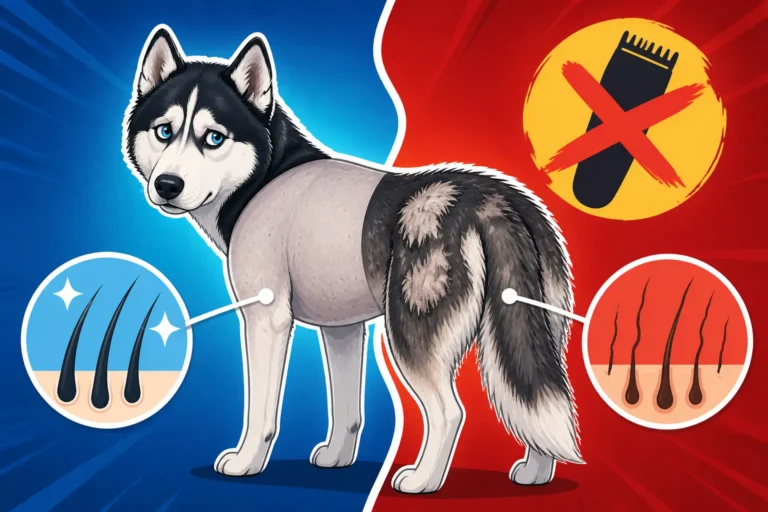
This is perhaps the most critical piece of advice for any Siberian Husky owner: never shave your Husky. While it might seem like a logical solution to combat excessive shedding or keep them cool in summer, it is detrimental to their health and the integrity of their coat. Shaving a double-coated dog like a Husky disrupts the natural functions of their intricate coat system, leading to a host of problems.
Firstly, shaving removes their natural insulation, making them more susceptible to overheating in hot weather, not less. The double coat helps create an air barrier that insulates against heat, much like how an insulated cup keeps your drink cold. Without this barrier, their skin is directly exposed to the sun, increasing the risk of sunburn and heatstroke, a serious concern addressed in articles like Why a Shaved Siberian Husky Overheats.
Secondly, shaving can permanently damage the regrowth of their coat. Often, the guard hairs won't grow back correctly or at the same rate as the undercoat, leading to a patchy, uneven, or "wooly" texture that no longer provides proper protection. This condition, sometimes referred to as "clipper alopecia," can be irreversible. You can learn more about this in Whether a Shaved Siberian Husky Coat Ever Recovers. The coat's ability to protect against UV rays, regulate temperature, and repel water is severely compromised, leaving your Husky vulnerable and uncomfortable. A reputable groomer will always refuse to shave a Siberian Husky for these very reasons.
When to Consult Your Vet About Shedding
While seasonal shedding is completely normal for a Siberian Husky, there are instances when excessive or abnormal hair loss can be a red flag, indicating an underlying health issue that warrants a visit to your veterinarian. Knowing the difference between a natural coat blow and a problem can help you act quickly to ensure your dog's well-being.
You should consult your vet if your Husky is experiencing patchy hair loss, thinning fur in specific areas (rather than a general shedding over the entire body), or if the hair loss is accompanied by other symptoms such as itching, redness, skin irritation, flakes, or sores. A significant change in coat texture, becoming dull, brittle, or greasy outside of a normal blow, is also cause for concern. For example, if you notice areas like Patchy Coat on a Four-Month-Old Siberian Husky, that's usually not normal shedding.
Health conditions that can manifest with abnormal shedding include hormonal imbalances like hypothyroidism (Siberian Husky Hypothyroidism and Coat Change), nutritional deficiencies (such as zinc deficiency, where Zinc-Responsive Dermatosis in the Siberian Husky is a serious consideration), allergies (Telling Husky Zinc Dermatosis From an Allergy), parasites (fleas, mites), fungal infections, or even stress. If you’re ever in doubt, especially if the shedding seems to be occurring outside of the typical spring and fall cycles or if your dog seems unwell in any other way, a vet visit is always the best course of action. Early diagnosis and treatment can prevent more serious problems down the line.
Diet and Supplements: Separating Fact from Fiction
A healthy diet is foundational for a healthy coat, but it's important to have realistic expectations about its role in shedding. While a high-quality, balanced diet provides the building blocks for strong hair and skin, it won't magically stop your Siberian Husky from undergoing their natural, seasonal coat blows. What it will do is ensure the new coat grows in strong, shiny, and vibrant, and that their skin remains healthy.
Focus on feeding a high-quality dog food appropriate for your Husky's life stage and activity level. Look for formulas with good sources of protein and healthy fats, particularly omega-3 and omega-6 fatty acids, which are crucial for skin and coat health. Investing in a high-quality diet, perhaps exploring options like fresh food services such as Ollie or other premium kibbles, lays the groundwork for a healthy coat year-round. However, simply switching to a "shedding formula" food during a coat blow won't halt the process, as it's primarily driven by light and temperature changes, not just diet.
Regarding supplements, while omega fatty acid supplements (like fish oil) can certainly contribute to a healthier, shinier coat and may reduce dryness and irritation, they won't prevent the natural shedding cycle. Be cautious about adding other supplements, especially those claiming to stop shedding, without consulting your veterinarian. Over-supplementation, particularly with certain vitamins or minerals like zinc, can be harmful. For specific concerns like a diagnosed zinc deficiency, your vet will prescribe the appropriate dosage and type of supplement. Always prioritize a complete and balanced diet first, and use supplements as targeted support under professional guidance.
Disclaimer
This article is for general informational purposes only and does not constitute professional advice. Laws, prices and regulations vary by location and change over time. Consult a qualified professional for guidance on your specific situation.