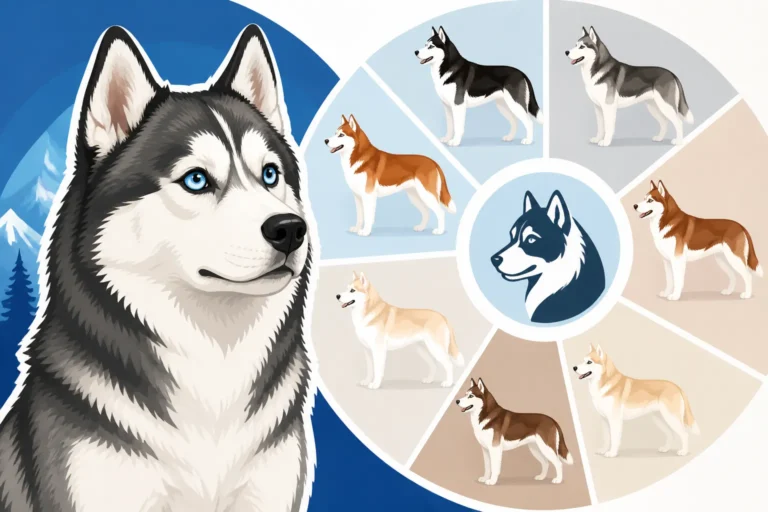
Whether the Wrong Siberian Husky Got the Credit
The heroic tale of the 1925 Serum Run to Nome is deeply embedded in the lore of the Siberian Husky, yet many people wonder if the most celebrated dog, Balto, truly deserved all the accolades. It's a question that often sparks passionate debate among enthusiasts and historians alike, raising valid points about how history remembers its heroes. This guide aims to unravel the incredible story of the various dog teams and their valiant drivers, exploring why one particular Siberian Husky became a household name while another, perhaps even more instrumental, remained largely in the shadows.
The Urgent Race Against Diphtheria in 1925
Imagine the brutal Alaskan winter of 1925, a time when Nome, a remote town on the Bering Sea coast, was suddenly gripped by a terrifying diphtheria epidemic. Children were falling ill, and without a critical antitoxin, the situation was dire. The nearest supply was over a thousand miles away in Anchorage, and planes couldn't fly in the harsh sub-zero conditions and blinding blizzards. The only option was a relay of dog sled teams, traversing perilous frozen landscapes to deliver the life-saving medicine. This wasn't just a race against time; it was a desperate struggle against nature itself, demanding unprecedented endurance from both dogs and mushers.
Nome's Isolation and the Growing Crisis
Nome was truly cut off from the world in those days. No roads, no consistent air travel, just the vast, unforgiving Alaskan wilderness. When Dr. Curtis Welch realized diphtheria was spreading rapidly, he knew he had to act fast. The antitoxin was vital, but how to get it? The railroad from Anchorage stopped at Nenana, still a formidable 674 miles from Nome. This meant organizing a massive relay, assembling the best mushers and their courageous dogs to cover the immense distance, each team pushing their limits in what would become known as the Great Race of Mercy. It’s hard for us to fully grasp the isolation and raw courage involved in such an undertaking today.
Organizing the Great Race of Mercy
The logistics of the relay were staggering. Over 20 teams and more than 150 dogs were involved, each responsible for a segment of the journey. The plan was simple in concept but terrifyingly complex in execution: mushers would hand off the serum like a baton in a deadly sprint. Temperatures plunged to 50 degrees below zero, winds whipped up blizzards, and visibility often dropped to mere feet. These were conditions that would make most modern vehicles falter, let alone a man and a team of dogs. Every musher and every dog was a vital link in this chain, making sacrifices that resonate even today. Many people don't realize the sheer scale of this effort when they think of "the Serum Run." The Diphtheria Outbreak That Called Out the Huskies offers a deeper dive into the crisis that necessitated this incredible feat.
Balto's Legendary Final Stretch and Public Acclaim
When most people hear about the 1925 Serum Run, Balto is the name that immediately springs to mind. His team completed the final leg of the journey, bringing the antitoxin directly into the waiting hands of Nome's residents. This dramatic finish, captured by news reporters eager for a heroic story, cemented his place in public consciousness, largely thanks to the timing and the sheer visual impact of his arrival.
Gunnar Kaasen and Balto's Arrival in Nome
Gunnar Kaasen was the musher for the final leg, guiding his team, led by Balto, through the last 53 miles. They arrived in Nome on February 2, 1925, at 5:30 AM, utterly exhausted but triumphant. The antitoxin was delivered, and Nome was saved. The story immediately exploded across national and international news. Balto, a black and white Siberian Husky, became the face of the heroic effort. He was celebrated, paraded, and eventually immortalized with a statue in New York City's Central Park, becoming a symbol of courage and devotion. For many, his image is the definitive representation of the entire event. Balto, the Siberian Husky Who Reached Nome delves further into his specific contribution and the immediate aftermath of his arrival.
The Media's Role in Shaping Balto's Image
The timing of Balto's arrival, just as the world was hungry for good news, and the readily available photography, played a huge part in his fame. Newspapers and newsreels immediately focused on him, simplifying the complex relay into a single, easily digestible narrative of one dog saving the day. He was the hero at the finish line, and that made for a perfect story. This media focus, however, unintentionally overshadowed the contributions of many other brave dogs and mushers who had faced equally, if not more, brutal conditions on earlier legs of the relay. It wasn't about diminishing Balto's bravery, but rather the nature of storytelling prioritizing a clear, singular hero.
Togo: The True Long-Distance Hero
While Balto enjoyed widespread recognition, many historians and dog sled enthusiasts argue that the real hero of the Serum Run was another Siberian Husky named Togo, led by the legendary musher Leonhard Seppala. Togo's journey was far longer and arguably more treacherous, making his relative obscurity a point of contention for those who know the full story.
Leonhard Seppala and Togo's Epic Journey
Leonhard Seppala was arguably the most famous musher in Alaska at the time, and Togo was his lead dog, known for his incredible endurance and intelligence. Their team was tasked with the longest and most dangerous segment of the relay, covering an astonishing 264 miles, nearly five times the distance Balto's team ran. Seppala and Togo faced the most severe part of the storm, including navigating across a breaking ice floe on Norton Sound in complete darkness – a move that saved an entire day but risked their lives. Togo was 12 years old at the time, an ancient age for such grueling work, yet he pushed through. This segment truly highlighted the extraordinary capabilities of these dogs and their bond with their mushers. Togo, the Siberian Husky Who Ran 264 Miles provides an in-depth account of this incredible journey.
The Demands of Togo's Relay Leg
Togo and Seppala's journey was not just long; it was fraught with extreme danger. They battled winds exceeding 80 miles per hour, temperatures dropping to -65 degrees Fahrenheit, and whiteout conditions that made visibility almost zero. The ice crossing was a gamble with their lives, yet Togo's instincts and Seppala's unparalleled mushing skills saw them through. When they finally handed off the serum to the next team, they had already accomplished what seemed impossible. Their leg was strategically critical, covering the most ground and confronting the harshest elements, directly reflecting What a Siberian Husky Was Bred to Do – endurance and speed in extreme cold.
Here's a comparison of the lead dogs' contributions to illustrate the points discussed:
| Feature | Balto's Team (Gunnar Kaasen) | Togo's Team (Leonhard Seppala) |
|---|---|---|
| Leg Distance | 53 miles | 264 miles |
| Conditions Faced | Severe blizzard, heavy snow, high winds (final stretch) | Extreme cold, whiteout blizzards, 80+ mph winds, breaking ice floe |
| Duration | ~12 hours | ~5 days |
| Impact on Relay | Delivered serum to Nome, dramatic finish | Longest, most dangerous leg; cut travel time significantly |
| Public Recognition | Widely celebrated, statue in NYC, famous | Less known by the general public, recognized by experts |
| Lead Dog Age | 6 years old (approx.) | 12 years old (approx.) |
Why the Discrepancy in Credit Exists
The question of whether the "wrong" Siberian Husky received the credit isn't about diminishing Balto's effort, but rather understanding the complex factors that led to his widespread fame over Togo's more arduous journey. It's a fascinating study in media, symbolism, and the public's perception of heroism.
The "Finish Line" Effect and Simplification of History
Humans love a clear-cut hero, and the dog that crosses the finish line, delivering the goods, naturally captures the imagination. Balto was at the right place at the right time – the end of the line, where the cameras and reporters were waiting. The narrative was simple: Balto brought the serum, Balto saved Nome. The intricate details of a multi-day, multi-team relay often get lost in such simplified retellings. This isn't unique to the Serum Run; many historical events are distilled down to easily consumable soundbites, often at the expense of nuance and the recognition of broader contributions.
Leonhard Seppala's Reluctance to Exploit Fame
Another significant factor was the personalities involved. Gunnar Kaasen, Balto's musher, embraced the fame. He and Balto went on tours, starred in movies, and appeared at events, ensuring Balto's story was widely disseminated. Leonhard Seppala, on the other hand, was a more reserved individual, a seasoned musher more focused on the welfare and performance of his dogs than on personal glory. He felt strongly that Togo was the true hero and was vocal about it, but his personality didn't lend itself to the same kind of publicity machine. Seppala's integrity meant he didn't seek to capitalize on the story in the same way, which inadvertently kept Togo out of the mainstream spotlight for many years. It’s a classic example of how humility can sometimes mean being overlooked, even after extraordinary accomplishments.
Commemorating All the Heroes, Not Just One
Today, there's a growing appreciation for all the dogs and mushers involved in the 1925 Serum Run. While Balto remains iconic, efforts have been made to highlight Togo's contributions and ensure that the full scope of the "Great Race of Mercy" is understood. Museums, books, and documentaries now regularly feature Togo's story, allowing a more complete picture of the heroism displayed by everyone involved. It's a testament to the enduring spirit of these working dogs and the incredible bond they shared with their human partners. The entire event demonstrates the incredible spirit of the Siberian Husky, a breed whose origins trace back to The Chukchi Origins of the Siberian Husky and their need for robust, enduring sled dogs.
When considering the lineage and capabilities of these dogs, it's clear they were bred for such tasks. Modern owners seeking to provide optimal nutrition for their active Huskies, much like those sled dogs needed, often look to reliable retailers for quality food and supplements. For instance, reputable online stores like Chewy offer a wide array of high-performance dog foods that can support an active Siberian Husky's metabolism and energy needs.
Ultimately, whether the "wrong" Siberian Husky got the credit is a matter of perspective. Balto earned his place in history through a dramatic, life-saving final dash. Togo, however, embodies the sheer endurance and skill that defined the majority of the epic journey. Both were heroes, each playing a crucial role in preventing a catastrophe. The true takeaway from the Serum Run isn't about pitting one dog against another, but celebrating the collective spirit, sacrifice, and incredible resilience that saved a town from the brink. It highlights the breed's extraordinary qualities and is why many today still seek out puppies from ethical breeders who understand and preserve these traits, often getting Health Testing Before You Buy a Siberian Husky to ensure their future companions are as sound as their famous ancestors. Even for pet owners, understanding How Much Exercise a Siberian Husky Really Needs is crucial to honor their heritage.
The legacy of the Serum Run continues to remind us of the incredible capabilities of Siberian Husky Temperament and What the Standard Says about their endurance and resilience. Even in our modern age, the tales of Balto and Togo inspire us to appreciate the extraordinary bond between humans and dogs. Whether you choose to acknowledge Balto's celebrated finish or Togo's epic journey, the fact remains that Siberian Huskies, like the teams from the 1925 Serum Run, are truly remarkable animals. For those wanting to delve even deeper into the history of the breed's racing prowess, checking out How Siberian Huskies Won the All-Alaska Sweepstakes can offer fascinating insights into their early competitive successes. This incredible history also underscores why Siberian Husky Lifespan and What Shortens It is important to understand – to ensure these incredible dogs live long, healthy lives.
Disclaimer
This article is for general informational purposes only and does not constitute professional advice. Laws, prices and regulations vary by location and change over time. Consult a qualified professional for guidance on your specific situation.