Siberian Husky Vet Visits by Life Stage
Bringing a Siberian Husky into your life is an adventure, but let's be honest, navigating their healthcare needs can feel like a maze, especially with differing advice or worries about missing something crucial. Many Husky parents find themselves wondering if they're doing enough, or if those routine vet visits are truly necessary for such a hardy breed. This guide is here to demystify your Siberian Husky's veterinary care throughout their entire life, from their boisterous puppy days to their graceful senior years, ensuring you feel confident in providing the best possible health foundation.
Puppyhood: Laying the Foundation (0-12 Months)
The first year of your Siberian Husky's life is a whirlwind of growth, learning, and vital preventative healthcare. It’s when you establish the baseline for their health and well-being, and those early vet visits are arguably the most frequent and critical. Don't underestimate how much ground you'll cover with your vet in these initial months.
The Initial Health Check and Vaccination Schedule
When you first bring your Siberian Husky puppy home, typically around 8-12 weeks, one of your absolute first stops should be the vet. Even if your breeder provided extensive health records, a thorough nose-to-tail check-up by your own trusted veterinarian is paramount. This initial visit isn't just a formality; it's a chance for your vet to establish a health baseline, detect any congenital issues your puppy might have, and ensure they're off to a healthy start.
Your vet will likely examine your puppy's eyes, ears, teeth, heart, lungs, and overall body condition. They'll also check for external parasites like fleas and ticks, and take a stool sample to screen for intestinal worms. Puppies are particularly vulnerable to parasites, so a deworming protocol is usually initiated or continued if the breeder started it. Beyond the physical exam, this is when the critical vaccination schedule begins or resumes. Puppies receive a series of vaccinations over several weeks to build their immunity against common, serious diseases like distemper, parvovirus, adenovirus, and parainfluenza. These are often given in a combination shot. Additionally, your vet will discuss rabies vaccination, which is typically given a bit later, usually around 12-16 weeks, depending on local laws. It's a lot to keep track of, but your vet clinic will usually provide a clear schedule. For a deeper dive, check out our guide on Vaccinating a Siberian Husky Puppy on Schedule.
Spay/Neuter Considerations and Early Screenings
Beyond vaccinations and deworming, your vet will likely discuss the timing of spaying or neutering your Siberian Husky. This is a decision with a lot of nuances, and while traditionally recommended around six months of age, current research suggests that waiting longer for larger breeds can have bone and joint health benefits. Your vet can help you weigh the pros and cons based on your individual Husky's development, your lifestyle, and any behavioral considerations. It's not a one-size-fits-all answer, so have an open conversation. You might also be interested in exploring Neutering a Siberian Husky and the Coat Question for more insights on this topic.
During these early visits, it's also a great time to discuss early health screenings if your puppy’s breeder didn't provide comprehensive documentation, or if you're keen to proactively monitor certain breed-specific concerns. While some certifications require maturity, a vet can perform preliminary checks. For example, your vet will perform an initial eye exam. While a full ophthalmologist exam usually happens later, basic checks can identify obvious issues. Many responsible breeders will provide extensive documentation, and understanding Reading a Siberian Husky Puppy's Health Paperwork is crucial for new owners. This first year is also an excellent time to consider pet insurance. Plans from providers like Healthy Paws can be incredibly beneficial, especially for a breed known for its adventurous spirit and potential for unexpected injuries or illnesses. Enrolling your Husky while they are young and healthy often means better coverage for their lifetime, potentially covering future issues like Siberian Husky Seizures and Idiopathic Epilepsy.
Adulthood: Maintaining Peak Performance (1-7 Years)
Once your Siberian Husky transitions out of puppyhood and into their prime adult years, typically from one to around seven or eight years old, their vet visits become less frequent but no less important. This phase is all about maintenance, prevention, and early detection of potential issues before they become major problems.
Annual Wellness Exams and Preventative Care
For most adult Siberian Huskies, an annual wellness exam is the cornerstone of their healthcare. Think of it as their yearly physical, just like you would get for yourself. During this visit, your vet will perform another comprehensive physical examination, assessing everything from their weight and muscle condition – vital for a breed like the Husky that loves to run and pull – to their coat quality, teeth, eyes, and ears. This yearly check-up is crucial for catching subtle changes that you might not notice at home.
Beyond the physical exam, annual visits are when your vet will administer booster vaccinations as needed, discuss parasite prevention (heartworm, fleas, ticks), and often recommend yearly blood work. Even seemingly healthy Huskies can hide underlying issues, and routine blood tests can catch early signs of conditions like Siberian Husky Hypothyroidism and Coat Change or kidney disease, which can be managed much more effectively if detected early. Your vet will also discuss your Husky's diet and exercise regimen, ensuring they maintain a healthy weight. Given the Siberian Husky’s unique metabolism, it's not uncommon for owners to accidentally overfeed them, which can lead to weight gain and joint strain. Understanding Siberian Husky Weight and Joint Health is important for their long-term well-being. Regular preventative care helps keep them ready for all their adventures, whether it's a long hike or a vigorous play session in the dog park.
Dental Health and Breed-Specific Screenings
Dental health is often overlooked, but it's a critical component of your Siberian Husky's overall well-being. By the time many Huskies reach five years old, they may already have significant dental disease if not properly cared for. During annual exams, your vet will thoroughly check their teeth and gums for signs of tartar buildup, gingivitis, or more serious issues. If dental disease is present, they might recommend a professional dental cleaning under anesthesia. While this might sound daunting, it's a vital procedure to prevent pain, infection, and the spread of bacteria to other organs. Learn more about preventing Siberian Husky Dental Disease by Age Five.
For Siberian Huskies, several breed-specific health screenings are recommended to ensure they live a long, healthy life. These typically include:
- Annual Eye Exams: Siberians are prone to several eye conditions, including juvenile cataracts, corneal dystrophy, and progressive retinal atrophy (PRA). An annual examination by a board-certified veterinary ophthalmologist is highly recommended, not just a general vet check. This is so important that we dedicated an entire article to Siberian Husky Eye Disease and the Annual Exam.
- Thyroid Screening: While not universally recommended for every Husky, if your vet notices any coat changes, lethargy, or weight gain, thyroid testing should be considered.
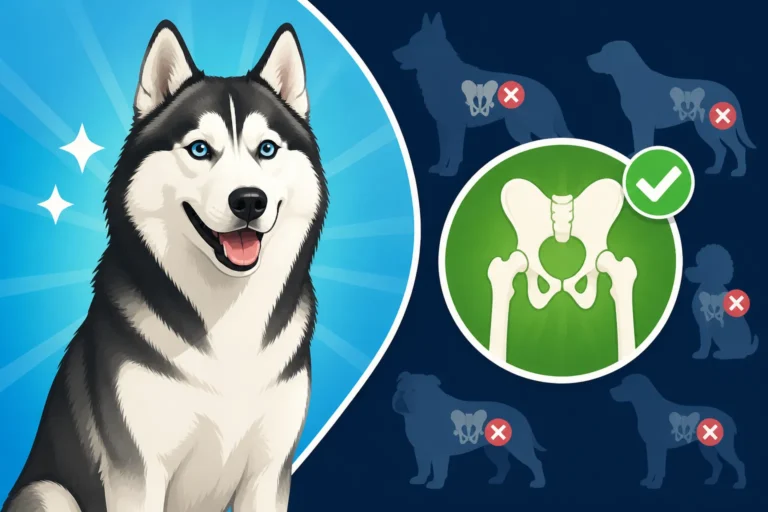
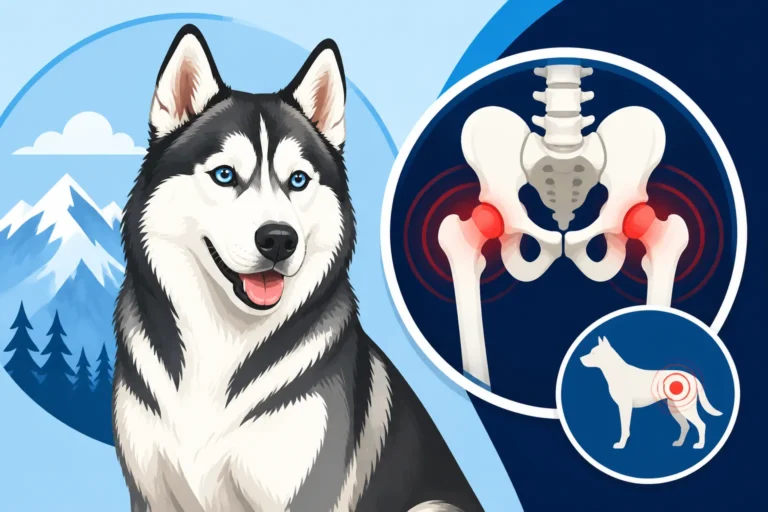
- Hip Evaluations: While Siberian Huskies boast one of the lowest rates of hip dysplasia among purebred dogs, it's still a condition worth monitoring, especially if they are very active or show any signs of lameness. Understanding Siberian Husky Hips and Why the Rate Is Low can provide further context.
- DNA Testing: For certain genetic conditions like X-linked Progressive Retinal Atrophy (XL-PRA), DNA tests can identify carriers or affected dogs, which is particularly important if you're considering breeding or if there's a family history of the disease.
These screenings are important for early detection and management, ensuring your active Husky can continue enjoying their life to the fullest. Many owners proactively manage these costs through pet insurance like Healthy Paws, which can significantly ease the financial burden of specialized tests and treatments.
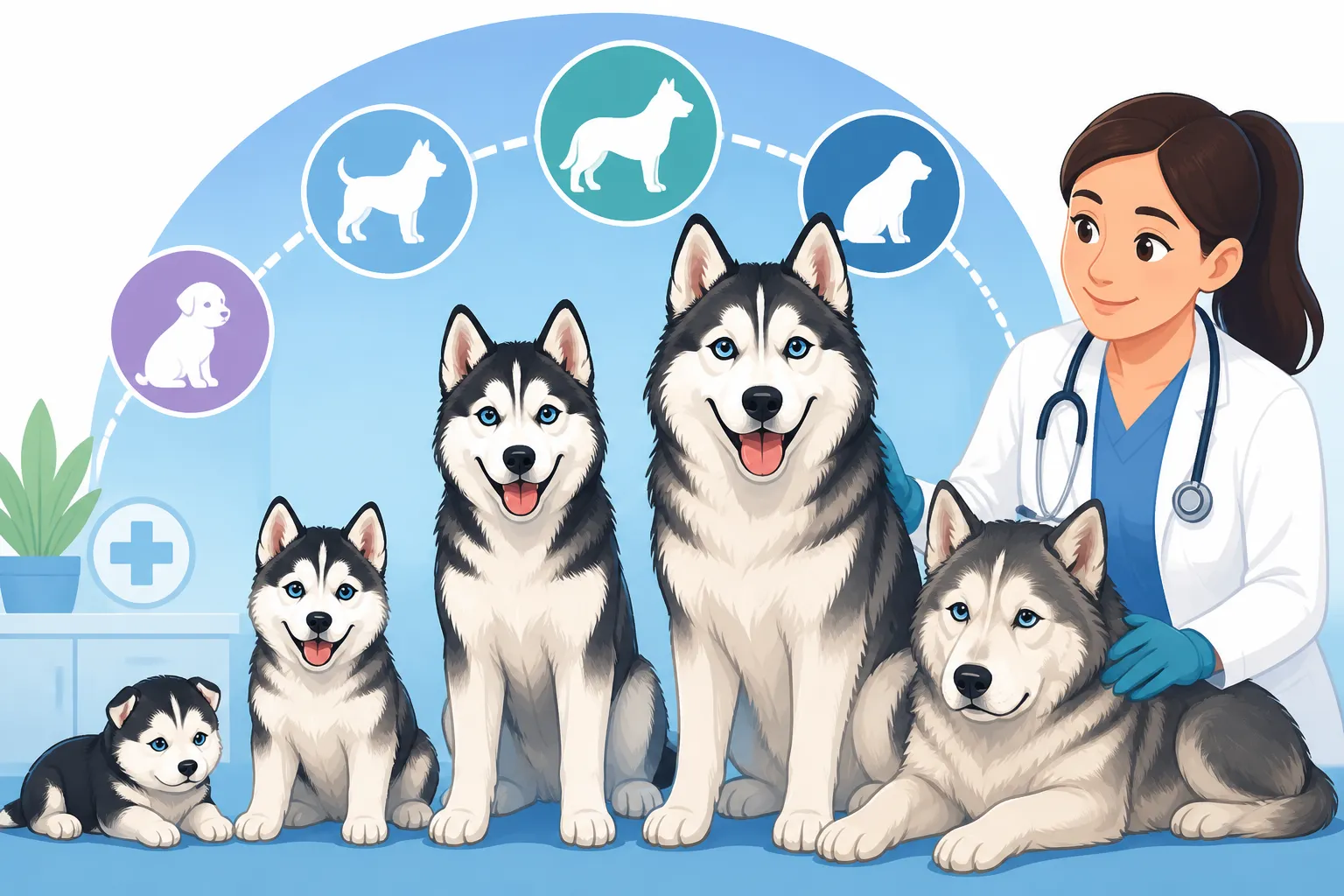
Here's a general overview of recommended vet visit frequency and focus by life stage:
| Life Stage | Frequency | Primary Focus | Common Procedures/Topics |
|---|---|---|---|
| Puppy (8-16 weeks) | Every 3-4 weeks (3-4 visits total) | Establishing immunity, parasite control, basic health check, behavioral advice | Full physical exam, deworming, DAPP vaccines, Rabies vaccine, fecal test, microchipping, spay/neuter discussion, nutrition. |
| Adolescent (4-12 months) | 1-2 visits (for remaining vaccines/spay-neuter) | Completion of puppy shots, spay/neuter, continued parasite control, training discussion | Final DAPP booster, Rabies, Spay/neuter surgery, pre-surgical blood work, adolescence behavior, diet transition. |
| Adult (1-7 years) | Annually | Preventative care, early disease detection, dental health, weight management | Annual physical exam, booster vaccines, heartworm/flea/tick prevention, annual blood work, dental check, breed-specific screenings (eyes, hips if needed). |
| Senior (8+ years) | Every 6 months (or as needed) | Managing age-related conditions, comfort, quality of life, specialized care | Bi-annual physical exam, increased blood work, urinalysis, joint supplements, pain management, diet adjustments, vision/hearing checks. |
Senior Years: Adapting to Aging (8+ Years)
As your Siberian Husky enters their senior years, typically around 8 years old and beyond, their veterinary care needs will naturally shift. While they might still have that youthful sparkle in their eyes and an urge to run, their bodies are aging, and they become more susceptible to certain conditions. This stage is about proactive management to maintain their quality of life.
More Frequent Check-ups and Comprehensive Diagnostics
For senior Siberian Huskies, the recommendation often changes from annual wellness exams to bi-annual check-ups, meaning a vet visit every six months. Why the increased frequency? Because changes can happen more rapidly in older dogs, and catching potential issues early can make a significant difference in management and outcome. During these more frequent visits, your vet will perform thorough physical examinations, paying close attention to joint mobility, muscle mass, dental health, vision, and hearing.
Beyond the physical exam, comprehensive diagnostics become increasingly important. Your vet will likely recommend more extensive blood panels, including a complete blood count and chemistry profile, to monitor organ function (kidneys, liver, thyroid), check for anemia, and screen for other age-related conditions. Urinalysis is also a common and valuable diagnostic tool for senior dogs, as it can indicate kidney issues, urinary tract infections, or diabetes. These tests provide a detailed picture of your Husky's internal health, allowing your vet to identify subtle changes that might not yet be apparent through outward symptoms. For example, slight elevations in kidney values can be addressed early with dietary changes or supplements, potentially slowing the progression of disease. This proactive approach is key to understanding What Changes in a Siberian Husky After Nine and managing it effectively.
Managing Age-Related Conditions and Quality of Life
One of the biggest challenges in caring for a senior Siberian Husky is managing age-related conditions. These can range from arthritis and joint pain to cognitive decline, heart disease, or even cancer. Your vet will work with you to create a personalized management plan. For joint issues, this might include supplements like glucosamine and chondroitin, anti-inflammatory medications, or even physical therapy recommendations. For a guide on navigating this stage of life, our article on Caring for a Siberian Husky Past Ten offers comprehensive advice.
Beyond specific medical treatments, discussions about your Husky's quality of life are paramount during these senior visits. Are they still enjoying their food, walks, and interactions with the family? Are they comfortable? Sometimes, the most loving decision involves managing chronic pain or making difficult end-of-life choices. Your vet is your most important partner in assessing their comfort levels and helping you make informed decisions. This might involve adjusting their diet to a senior-specific formula that supports joint health or provides easier digestion. It could also mean more regular grooming to help them keep their coat healthy if they're less able to groom themselves. Unexpected illnesses or chronic conditions in senior dogs can lead to substantial vet bills, and having pet insurance like Healthy Paws can provide financial peace of mind, allowing you to focus on your Husky's care without added stress. Ultimately, the goal is to ensure your senior Siberian Husky remains as happy, comfortable, and engaged as possible in their golden years, prolonging the precious time you have together.
Disclaimer
This article is intended for informational purposes only and does not constitute professional veterinary advice. Always consult with a qualified veterinarian for any health concerns or before making any decisions about your Siberian Husky's medical care.