Whether Husky Follicular Dysplasia Grows Out
It's incredibly disheartening when you start to notice changes in your Siberian Husky's beautiful, plush coat. One day it's thick and luxurious, and the next you're spotting thinning patches, dullness, or even bald spots, leaving you wondering what in the world is going on. Is it just a bad shed? A nutrient deficiency? Or something more serious that just won't seem to resolve? This guide is here to shed some light on one specific, often frustrating, coat condition: follicular dysplasia, and whether you can ever expect that lost hair to make a full, glorious comeback.
Understanding Follicular Dysplasia in Siberian Huskies
Follicular dysplasia is a fancy name for a problem with hair follicle development, and unfortunately, Siberian Huskies are one of the breeds known to be particularly prone to it. It's not just a superficial skin issue; it's a deeper problem at the root of where hair grows, meaning the hair often grows abnormally, breaks easily, or simply doesn't grow at all.
What is Follicular Dysplasia?
At its heart, follicular dysplasia is a genetic condition where the hair follicles—those tiny structures in the skin responsible for producing hair—don't develop or function correctly. Think of it like a faulty factory producing defective products; in this case, the products are hair shafts. Instead of strong, healthy guard hairs and a thick undercoat, the follicles might produce weak, brittle hair that breaks off easily, or they might just stop producing hair altogether. This isn't just "shedding" in the normal sense, which is a healthy, natural cycle where old hair is replaced by new. This is a breakdown of that cycle.
For Siberian Huskies, this genetic predisposition means that even with the best diet and care, some individuals will simply be more susceptible. It's an inherited trait, often seen in specific color types, though not exclusively. The faulty instruction in their DNA means their bodies are just not equipped to produce a consistently healthy coat in affected areas. It's a frustrating reality for owners who pride themselves on their Husky's magnificent double coat, only to watch it thin and become patchy.
How Does it Manifest in Huskies?
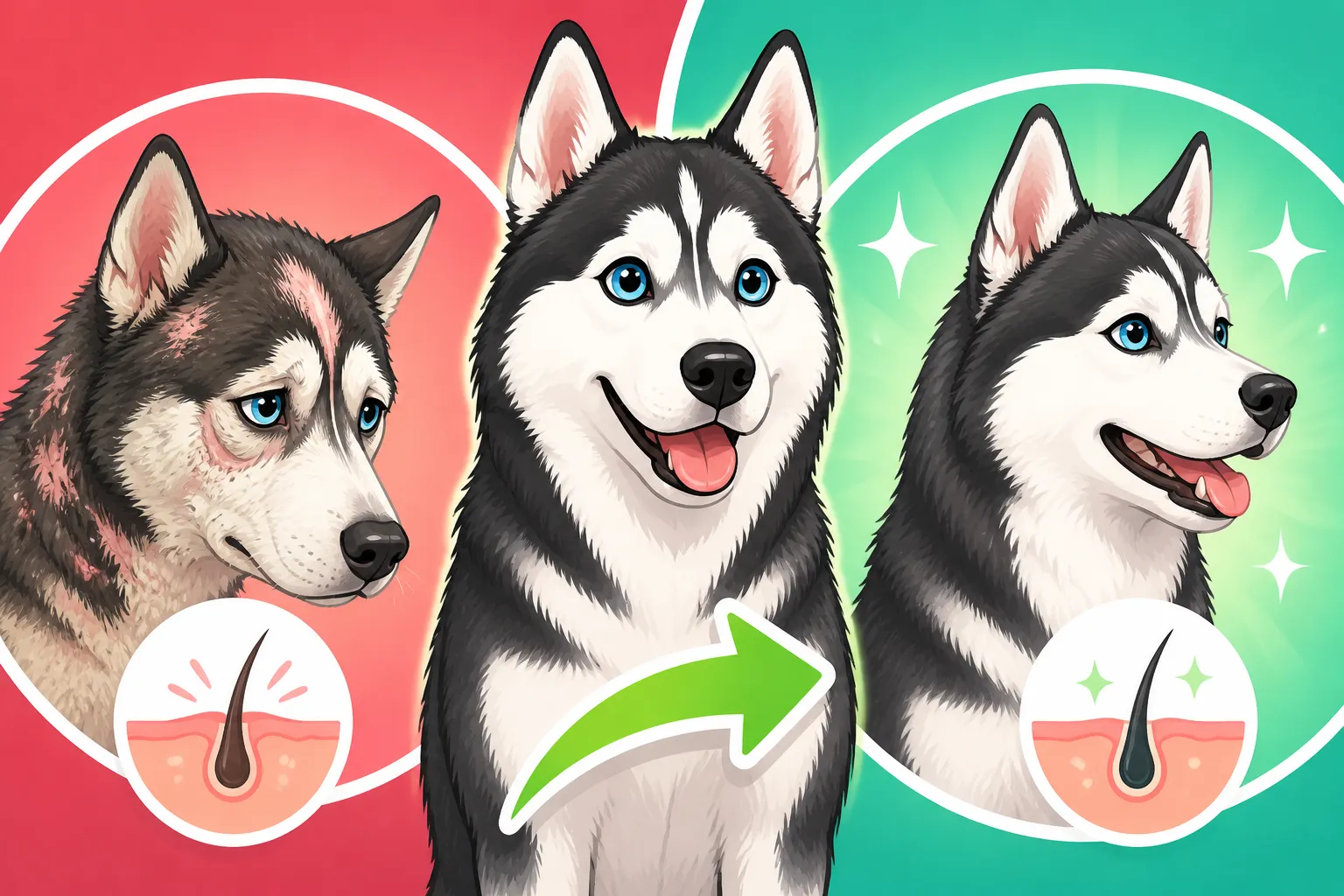
The symptoms of follicular dysplasia can vary, but there are some common patterns you'll notice in a Siberian Husky. Typically, owners first spot signs of the condition in young adult dogs, often between six months and two years of age. You might notice areas of thinning hair or even complete baldness, which can appear symmetrically on both sides of the body. The most common areas affected are often the flanks, trunk, and sometimes the tail, giving it a distinctive "rat tail" appearance because the hair has either thinned dramatically or disappeared altogether.
The affected coat might also look dull, dry, and brittle, losing that characteristic Husky sheen. The skin underneath the sparse coat can sometimes become flaky or discolored, turning darker, a condition sometimes referred to as hyperpigmentation. It’s a very distinct change from the otherwise vibrant and active dog you know. Imagine your beautiful blue-eyed companion, whose fur used to look like a winter wonderland, suddenly developing these patchy, almost moth-eaten spots. It can be quite a shock, especially if you're meticulously caring for their coat with regular Siberian Husky Weekly Grooming Between Blows. Owners often initially suspect allergies or parasites, only to find that traditional treatments don't make a difference, leading them down a path of deeper investigation.
Addressing the Question: Does Husky Follicular Dysplasia Grow Out?
This is often the first, most urgent question on an owner's mind when they notice these troubling coat changes. The simple, and often difficult, answer is usually no, not in the way you'd hope for a full, permanent recovery.
The Realistic Outlook on Regrowth
For most forms of follicular dysplasia in Siberian Huskies, the condition is considered chronic and generally does not "grow out" permanently. While you might see periods of partial regrowth, especially with diligent management, these are often temporary. The hair that does grow back in affected areas tends to be weaker, thinner, and more prone to breakage or falling out again. It's a cycle of improvement and regression, rather than a full resolution. This can be incredibly frustrating, as you invest time, effort, and money into trying to restore your Husky's coat, only to find the results are short-lived.
It's important to manage your expectations. Unlike a simple seasonal Siberian Husky Coat Blow and the Six Weeks It Lasts where the undercoat sheds out completely and then grows back thicker than ever, follicular dysplasia means the underlying mechanism for healthy hair growth is impaired. You're dealing with a fundamental flaw in the follicles themselves, not just a temporary shedding phase.
Why the Hair Follicles Struggle
The primary reason the hair doesn't simply grow back strong and healthy is due to the inherent structural defects in the hair follicles. In some cases, the follicles become "miniaturized" or malformed, unable to anchor the hair shaft effectively. The new hair produced is often poor quality—thin, sparse, or discolored. In other instances, the follicular structures might completely atrophy, meaning they stop producing hair altogether.
This genetic basis is critical. The instructions for proper follicle development are coded in the dog's DNA, and with follicular dysplasia, those instructions are faulty. There's no "reset button" for these genetic errors. While the condition is distinct, you might hear comparisons to Alopecia X in a Siberian Husky, sometimes called Black Skin Disease, which also involves abnormal hair cycles and often affects breeds with thick coats. Both involve the hair follicles struggling, but follicular dysplasia specifically refers to structural abnormalities rather than just a cyclical arrest of growth. Understanding this underlying physiology helps explain why a quick fix or complete regrowth is typically not possible. It’s a long-term management situation.
Managing Life with Follicular Dysplasia
While a complete "cure" for follicular dysplasia might not be on the cards, effective management can significantly improve your Siberian Husky's comfort and the appearance of their coat. It starts with getting a proper diagnosis and understanding all your options.
Diagnostic Steps and Veterinary Consultation
The first and most crucial step is to get an accurate diagnosis from your veterinarian. It's easy to assume any coat loss is follicular dysplasia, but many other conditions can mimic its appearance. Your vet will conduct a thorough physical exam and likely recommend a series of diagnostic tests.
One of the most definitive tests for follicular dysplasia is a skin biopsy. This involves taking a small tissue sample from an affected area of skin and sending it to a veterinary dermatopathologist, who will examine the follicles under a microscope. This helps confirm the characteristic structural abnormalities. Before that, your vet might run blood tests to rule out other common causes of hair loss, such as hormonal imbalances. For example, Siberian Husky Thyroid and Autoimmune Disease can cause significant coat changes, making the fur dull and thin. Similarly, Zinc-Responsive Dermatosis in the Siberian Husky leads to crusting skin and hair loss around the face and pressure points, which could be mistaken for follicular dysplasia. These other conditions often have specific, effective treatments, so ruling them out is vital. Navigating these diagnostic processes, especially biopsies and specialist consultations, can incur costs. This is where having comprehensive pet insurance, such as a policy from Healthy Paws, can be incredibly helpful in covering these often necessary diagnostic expenses.
Supportive Care and Treatment Options
Once follicular dysplasia is diagnosed, the focus shifts to supportive care to minimize discomfort and optimize whatever hair growth is possible. There isn't one magic bullet, but a combination of approaches often yields the best results.
- Supplements: Omega-3 and omega-6 fatty acids (like those found in fish oil) can support skin and coat health, reducing dryness and inflammation. Melatonin supplementation has shown anecdotal success in some cases of alopecia-related conditions, encouraging a partial regrowth cycle. Always discuss dosages with your vet.
- Topical Treatments: Medicated shampoos designed for sensitive skin or to gently exfoliate can help improve skin health. Avoiding harsh chemicals or strong detergents is crucial. Gentle brushing with an undercoat rake can also help stimulate circulation without damaging the delicate existing hair.
- Environmental Management: Protecting the affected skin from sun exposure is important, as the thinner coat provides less natural UV protection. In colder climates, a light jacket might be necessary to keep them comfortable, as their natural insulation is compromised. Remember, the rule of thumb is never to Why You Must Never Shave a Siberian Husky, as this can permanently damage the remaining guard hairs and offer no benefit for follicular dysplasia.
- Avoiding Irritants: Be mindful of anything that could irritate the skin further, such as certain collars, harnesses, or even rough bedding.
These treatments are aimed at supporting the skin and hair follicles to function as best they can, but they are generally for management, not a cure. The journey to a healthy coat in a Husky with follicular dysplasia is often ongoing, much like managing Caring for a Siberian Husky Past Ten where daily adjustments become the norm.
Living Comfortably with a Compromised Coat
Life with a Husky affected by follicular dysplasia means making some adjustments to ensure their comfort and well-being. Their coat, being their primary insulation, is now compromised, which impacts both temperature regulation and skin protection.
In sunny climates, their thinned areas are much more susceptible to sunburn. You might need to apply dog-safe sunscreen or consider a light, breathable UV-protective shirt for extended outdoor adventures. Conversely, in colder weather, their reduced undercoat means they'll feel the chill more quickly. While Siberian Huskies are famously cold-hardy, those with significant coat loss will need extra warmth, perhaps a sweater or a cozy, insulated bed indoors.
Regular, gentle grooming is still important to remove loose hair, keep the skin clean, and stimulate circulation. However, avoid vigorous brushing that could irritate sensitive skin. Focus on soothing baths with moisturizing shampoos as needed. Keeping a close eye on their skin for any secondary infections, dryness, or crusting is paramount. It’s also wise to monitor for other changes like A Siberian Husky Coat That Turns Dull and Thin which could indicate other health issues developing alongside the follicular dysplasia. By being proactive and attentive, you can help your Husky live a happy, comfortable life despite their unique coat challenges.
Differentiating Follicular Dysplasia from Other Coat Concerns
When your Husky starts losing hair, it's natural to jump to conclusions, but many conditions can present with similar symptoms. Getting a precise diagnosis isn't just about giving the problem a name; it's about finding the right course of action and avoiding ineffective treatments.
Common Overlaps and Look-Alikes
Several other health issues can cause hair loss or a Patchy Coat on a Four-Month-Old Siberian Husky that might initially resemble follicular dysplasia:
- Hypothyroidism: An underactive thyroid gland, common in many breeds including Huskies, can lead to a dull, dry, and thinning coat, often accompanied by weight gain and lethargy. A simple blood test for Thyroid Blood Panels for a Siberian Husky can diagnose this.
- Zinc-Responsive Dermatosis: As mentioned earlier, some Huskies have an inherited inability to properly absorb zinc, leading to skin lesions, crusting, and hair loss, particularly around the eyes, mouth, and joints. This is a treatable condition with zinc supplementation. You might notice Crusting Skin on a Siberian Husky's Face or other areas.
- Allergies: Environmental or food allergies can cause itching, leading to excessive scratching, licking, and secondary hair loss. The skin often appears red and inflamed.
- Parasites: Fleas, mites (like demodex), or fungal infections (like ringworm) can all cause localized or widespread hair loss, irritation, and skin changes. These are typically diagnosed with skin scrapes or fungal cultures.
- Pemphigus Foliaceus: This is an autoimmune skin disease that can cause pustules, crusts, and hair loss, often starting on the face and ears. It is diagnosed via skin biopsy, similar to follicular dysplasia, but requires different immunosuppressive treatments. You might see Crusting Pustules on a Siberian Husky's Ears.
- Seasonal Flank Alopecia: This is a distinct condition where hair loss occurs symmetrically on the flanks, often in specific seasons. While the cause is unknown, it's thought to be related to light cycles and hormones, and hair often regrows spontaneously in the off-season.
As you can see, the list of possibilities is quite extensive! It underscores why professional veterinary advice is so crucial rather than self-diagnosing based on internet searches.
The Importance of a Definitive Diagnosis
Obtaining a definitive diagnosis for any coat issue in your Husky is paramount. Without it, you could be spending time, money, and emotional energy on treatments that simply won't work because they're addressing the wrong problem. Imagine treating your dog for allergies when the real issue is hypothyroidism – you'd see no improvement, and your Husky would continue to suffer unnecessarily.
A correct diagnosis allows your vet to formulate an effective, targeted treatment plan. If it truly is follicular dysplasia, then you can focus on management strategies that are known to help. If it's another condition, you can pursue the specific medications or interventions that will lead to resolution or significant improvement. Furthermore, understanding the underlying cause helps you monitor for other related health issues and know What Changes in a Siberian Husky After Nine when their health needs might shift.
The cost of these diagnostic tests can sometimes be a barrier, but it’s a vital investment in your Husky's long-term health and your peace of mind. This is another area where a robust pet insurance plan, like one from Healthy Paws, can be invaluable. Knowing that your policy helps cover the expense of biopsies, blood panels, or specialist consultations means you can pursue the most thorough diagnostic path without undue financial stress, ultimately leading to faster and more accurate care for your beloved companion.
| Condition | Common Signs | Typical Age of Onset | Prognosis for Regrowth (Untreated) | Definitive Diagnosis |
|---|---|---|---|---|
| Follicular Dysplasia | Patchy, symmetrical hair loss; dull, brittle coat; hyperpigmentation; "rat tail" | Young adult (6 months – 2 years) | Poor (chronic, often permanent) | Skin Biopsy |
| Hypothyroidism | Symmetrical hair loss (trunk, tail); dull coat; lethargy; weight gain | Middle-aged (2-6 years) | Good (with medication) | Thyroid Blood Panel |
| Zinc-Responsive Dermatosis | Crusting skin; hair loss around eyes, mouth, joints | Young to adult (variable) | Good (with zinc supplementation) | Skin Biopsy, response to zinc |
| Allergies | Itching; redness; secondary infections; self-induced hair loss | Any age | Variable (with allergen avoidance/treatment) | Elimination diet, allergy testing |
| Pemphigus Foliaceus | Pustules; crusts; hair loss (often face/ears) | Middle-aged to older (variable) | Variable (with immunosuppressants) | Skin Biopsy |
| Seasonal Flank Alopecia | Symmetrical hair loss on flanks, often seasonal | Young to middle-aged | Good (often regrows spontaneously seasonally) | Exclusion of other causes, clinical signs |
Disclaimer
The information provided in this article is for educational purposes only and is not intended to be a substitute for professional veterinary advice. Always consult with a qualified veterinarian for any health concerns or before making any decisions related to your Siberian Husky's care.