Siberian Husky Destruction When Left Alone
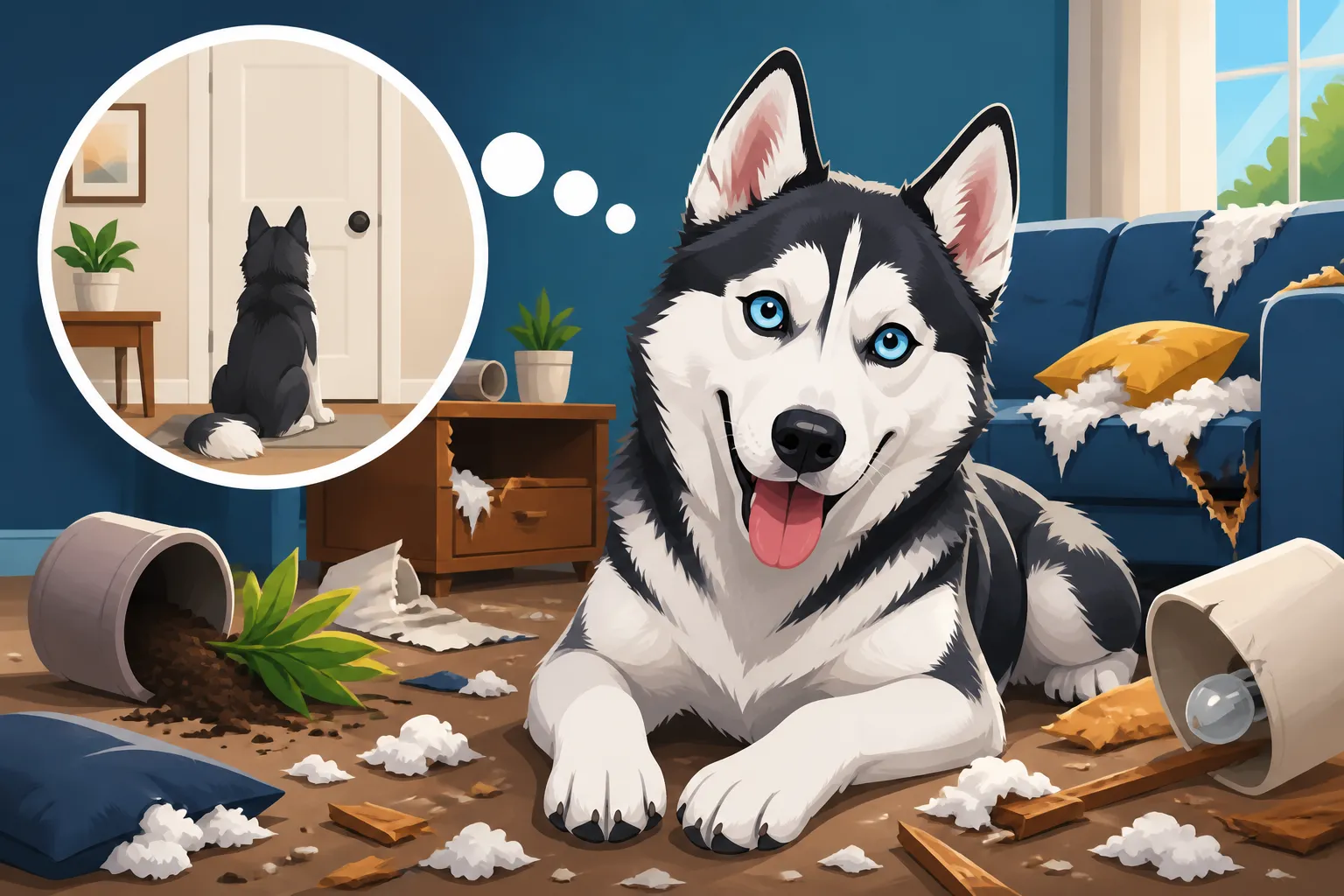
It's incredibly frustrating, and let's be honest, often downright disheartening, to come home to a scene of destruction that only a Siberian Husky seems capable of creating. Whether it's shredded couch cushions, gnawed door frames, or an entire trash can emptied across the kitchen floor, this kind of behavior leaves us feeling helpless and wondering what on earth went wrong. This comprehensive guide is here to unravel the mysteries behind why your Siberian Husky might be turning your home into their personal demolition derby when you're not around, and more importantly, what realistic steps you can take to foster a calmer, less destructive companion.
Understanding the Roots of Siberian Husky Destruction
Before we can even begin to tackle the problem, we need to understand why your Siberian Husky might be engaging in destructive behaviors. These aren't malicious acts; they're often born out of deeply ingrained breed traits, unmet needs, or underlying emotional distress. It’s never about being "bad" but about trying to communicate something important in the only way they know how.
The Unmet Need for Exercise and Mental Stimulation
Let's face it, Siberian Huskies were bred for endurance and intense work. They pulled sleds for miles across vast, frozen landscapes, often running for hours on end. When a dog with this kind of genetic heritage is confined to a house or a small yard with insufficient physical and mental outlets, that energy doesn't just evaporate. It manifests.
Think of it this way: your Husky has a full tank of high-octane fuel, and if they don't get to burn it off in a constructive way, they'll find an outlet. This often means running laps around your living room, scaling fences, or, yes, chewing through anything and everything they can get their paws on. A long walk around the block simply isn't enough for many Huskies. They need to run, to pull, to explore, and to use their magnificent minds. Without consistent, high-intensity exercise that truly tires them out physically and mentally, they're practically guaranteed to turn their focus to remodeling your home. This isn't a sign of defiance, but a natural consequence of their breed design.
Separation Anxiety and Loneliness
While some destruction stems from pure boredom and excess energy, other cases are rooted in genuine distress. Separation anxiety is a very real, very painful condition for many dogs, and Siberian Huskies, despite their independent reputation, are not immune. A Husky suffering from separation anxiety isn't just bored; they're terrified. They believe they've been abandoned, and their destructive actions are often desperate attempts to escape or to self-soothe.
Imagine the panic of being left alone, unsure if your pack will ever return. This can lead to frantic efforts to chew through doors, scratch at windows, or even injure themselves in their attempts to get out and find you. These behaviors are accompanied by other signs like excessive howling, pacing, or house-soiling, even if they are perfectly house-trained. It’s crucial to differentiate between a bored Husky and an anxious one, as the approach to management and training will differ significantly. If your Husky only acts destructively when you leave, and shows other signs of distress, it's worth considering separation anxiety. Siberian Husky Separation Behavior is a whole topic in itself, and understanding it is key.
Puppy Behaviors and Lack of Training
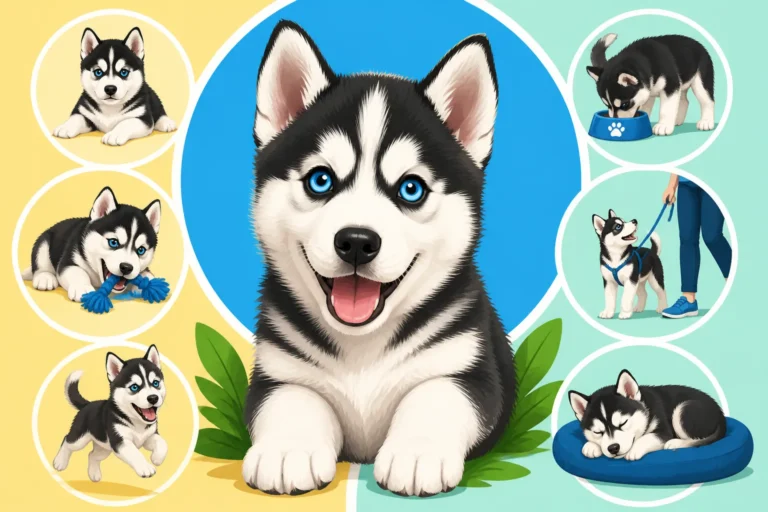
Sometimes, what we see as destruction is simply a continuation of normal, albeit unwelcome, puppy behaviors that haven't been properly redirected or trained out. Puppies explore the world with their mouths, and chewing is a natural instinct, especially during teething. If a young Siberian Husky isn't taught what is appropriate to chew and what isn't, they'll just keep on chewing everything.
An un-crate-trained puppy, or one given too much freedom too soon, might instinctively chew on furniture or personal items. This isn't necessarily malicious; it's often a lack of understanding boundaries and appropriate outlets. Huskies are intelligent but also famously independent. Without clear, consistent, and positive reinforcement training, they'll make their own rules. A lack of basic obedience training, like "leave it" or "drop it," can also contribute to a Husky's ability to get into trouble and cause damage. This phase can last longer than you might expect with such a high-drive breed, so patience and consistent guidance are paramount.
Spotting the Early Warning Signs of Destructive Behavior
It’s easy to focus on the aftermath – the ruined sofa, the scattered trash – but often, our Huskies give us clues before the major destruction begins. Learning to recognize these subtle (and not-so-subtle) cues can help you intervene and prevent a catastrophe, or at least understand what your dog is trying to tell you.
Escalating Restlessness and Vocalizations
Before the chewing or scratching starts, you might notice an increase in your Husky's general restlessness. They might pace more, follow you around constantly, or exhibit an inability to settle down, even after a walk. This is their way of saying, "I have too much energy!" This restlessness can be especially pronounced as you prepare to leave the house.
Alongside this, watch for changes in their vocalizations. While Huskies are known for their "talking," an increase in anxious whining, persistent barking, or the distinctive "Siberian Husky scream" when you're getting ready to go, or shortly after you've left, can be a significant indicator. This isn't just typical Husky communication; it's often a manifestation of their rising anxiety or frustration. Many owners find setting up a camera helps immensely here, allowing them to truly see and hear A Siberian Husky That Screams When Left and other behaviors that happen when they're not home. Observing this behavior can help distinguish between boredom and deeper anxiety.
Fixation on Inappropriate Objects and Escape Attempts
Pay attention to what your Husky gravitates towards when they're bored or stressed, even when you're home. Do they sniff and mouth the edges of your rug? Do they try to chew on table legs? Do they constantly eye the door as if looking for an escape route? These are often precursors to full-blown destructive episodes when left alone.
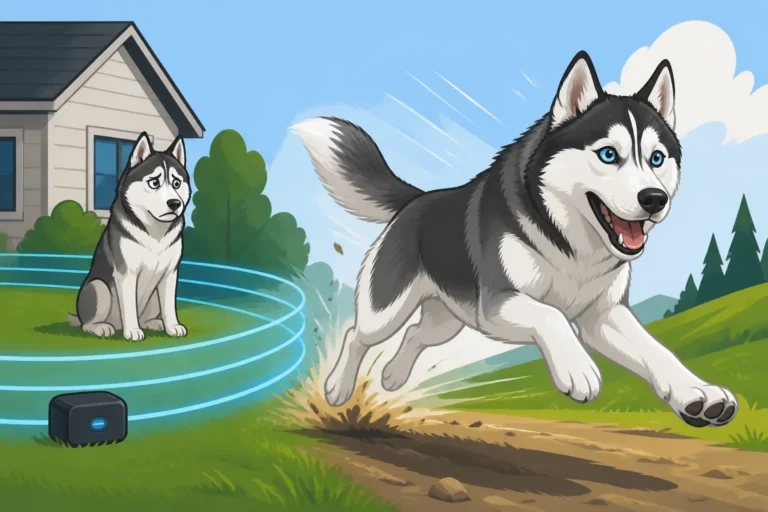
Another major red flag is any attempt, no matter how small, to escape. A Husky that nudges the back door, tries to nose open a gate, or even just scratches lightly at a window is signaling a strong desire to get out. This escape instinct is deeply rooted in the breed. These seemingly minor actions are a strong indicator that if left unsupervised, they might escalate to more serious attempts at digging under fences, Siberian Huskies That Open Gates and Doors, or even bending crate bars. Catching these early signs and redirecting that energy can save you a lot of heartache (and repair bills) later on.
The Most Common Targets of Siberian Husky Destruction
Huskies are creative wrecking balls when they put their minds to it. While they might surprise you with their ingenuity, there are definitely some "favorite" targets that almost all Husky owners eventually come to know. Knowing these can help you better "Husky-proof" your home.
Furniture, Walls, and Doors
Your beautiful sofa, the sturdy wooden chair, the very structure of your home itself – nothing is truly safe when a bored or anxious Husky decides to redecorate. Chewing on furniture is a classic sign of a dog trying to relieve stress, boredom, or even just explore new textures. The legs of tables and chairs are particularly appealing due to their accessible height and sturdy feel.
Walls, especially drywall, are often victims of scratching and chewing. This isn't usually just random; it's often concentrated around entry points like doors and windows, or corners where they might feel trapped. Door frames can suffer immensely, with claw marks and teeth impressions where your Husky has tried to "dig" or chew their way through the barrier that separates them from you. Replacing Doors a Siberian Husky Has Scratched Through can become a regular item on your home maintenance list if these behaviors aren't addressed early.
Personal Items and Household Objects
Anything that smells like you, or offers an interesting texture, can become fair game. Remote controls, shoes, eyeglasses, books, cushions, blankets, and even children's toys often fall victim to a Husky's destructive tendencies. The scent of their human can be a comfort, but also a trigger for intense chewing if they're feeling anxious.
Beyond personal items, household objects like trash cans, toilet paper rolls, and anything on counters are ripe for investigation and demolition. Huskies are notorious counter-surfers and trash-can-divers. Their intelligence means they can figure out how to open cabinets or knock over cans to access interesting smells or potential food sources. This often leads to a delightful mess spread throughout your home, not just as an act of destruction, but as a quest for stimulation or a tasty snack.
Proactive Prevention: Setting Your Husky Up for Success
Prevention is always better than cure, especially when it comes to Siberian Huskies and destruction. A proactive approach involves managing their environment, ensuring their physical needs are met, and stimulating their keen minds before they have a chance to get into trouble.
Exercise, Exercise, Exercise!
This cannot be stressed enough: a tired Husky is a good Husky. Regular, high-quality exercise is the cornerstone of preventing destructive behavior. We're not talking about a leisurely stroll; we're talking about activity that genuinely makes your Husky pant, run, and feel satisfied. This might include long runs, bikejoring, canicross, or even hiking rough trails. How Much Exercise a Siberian Husky Really Needs is probably more than you think!
Aim for at least 1-2 hours of intense physical activity daily, ideally broken into two sessions. For working line Huskies, it might be even more. If you can't provide this yourself, consider a dog walker who specializes in high-energy breeds, or explore local dog parks (if your Husky is reliably socialized and not a flight risk – remember, Why a Siberian Husky Cannot Be Trusted Off Leash in an unfenced area). The key is consistent, vigorous exercise that burns off that incredible endurance they possess. A well-exercised Husky will be far more inclined to nap peacefully when left alone than to redecorate your home.
Crate Training and Safe Spaces
A properly introduced and positively reinforced crate can be a lifesaver for managing destructive behaviors. A crate isn't a punishment; it's a safe, den-like space where your Husky can feel secure and where they can't get into trouble. When introduced correctly, a Husky will often view their crate as a comfortable sanctuary. Start with short periods, make it a positive experience with treats and toys, and gradually increase the time they spend in it.
It's crucial to select the right crate. Huskies are Houdinis, capable of bending wires and busting out of flimsy crates. Look for heavy-duty, reinforced crates designed for powerful escape artists. Companies like Amazon offer a range of robust options. Your crate should be large enough for them to stand up, turn around, and lie down comfortably. A secure crate means you can leave your Husky knowing they are safe and your home is intact. For serious escape artists, you might need to consider Choosing a Crate a Siberian Husky Cannot Bend. A well-loved crate can be a game-changer for prevention.
Mental Stimulation and Enrichment Toys
Physical exercise alone might not be enough for these intelligent, problem-solving dogs. Their minds need a workout too! Mental stimulation is just as important as physical exercise for preventing boredom and subsequent destruction. Puzzle toys, snuffle mats, and interactive feeders can keep their brains engaged and tire them out mentally.
Instead of just putting food in a bowl, make them work for it. Stuff a Kong with peanut butter or wet food and freeze it, providing a long-lasting challenge. Hide treats around the house (in their designated safe area, of course) for them to sniff out. Rotate their toys regularly to keep things fresh and exciting. Consider tough, durable chew toys made for power chewers, perhaps even some from brands you can find on Amazon that are specifically designed to withstand serious gnawing. These activities give them appropriate outlets for their natural chewing instincts and reduce the likelihood of them turning to your furniture. Puzzle Feeders a Siberian Husky Cannot Beat are a great investment for mental enrichment.
Training Techniques to Redirect Destructive Habits
Once you understand the 'why' and you've established preventative measures, it's time to layer in targeted training. This isn't about punishment after the fact, which is ineffective and damaging, but about teaching your Husky what you do want them to do and redirecting those powerful instincts.
Teaching Appropriate Chewing Outlets
Siberian Huskies need to chew. It's a natural and healthy behavior for dogs. The goal isn't to stop them from chewing, but to teach them what is appropriate to chew on. This means providing a consistent supply of highly appealing, durable chew toys and making them more attractive than your furniture.
When you catch your Husky chewing on something inappropriate, calmly interrupt the behavior with a "leave it" command. Then, immediately redirect them to an appropriate chew toy. Praise them lavishly when they take the toy and start chewing on it. Consistency is key here. Every time they choose their toy over your belongings, reinforce that choice. You might even lightly coat their designated chew toys with something appealing like a tiny bit of wet food or a safe spread to make them irresistible, especially when you're working on introducing new ones.
Cues for "Leave It" and "Drop It"
These two commands are indispensable for managing a Husky's destructive tendencies. "Leave It" teaches your dog to ignore an object, while "Drop It" teaches them to release something they already have in their mouth. Mastery of these cues gives you control in situations where your Husky has grabbed something they shouldn't.
Start training these in a low-distraction environment with high-value treats. For "Leave It," place a treat on the floor and cover it with your hand. When your Husky looks away from your hand, say "yes!" and reward them with a different, even better, treat from your other hand. Gradually increase the difficulty by making the item they need to "leave" less appealing than the reward. For "Drop It," offer a trade: when your Husky has a toy, present a high-value treat near their nose. As they open their mouth to take the treat, say "drop it," take the toy, and then give them the treat. Practice frequently, making it a fun game. Training an Independent Siberian Husky often requires creativity and high-value rewards to keep them engaged.
Managing Environmental Access
While you're working on training, proactive management of their environment is crucial. This means physically preventing access to items they might destroy when you can't directly supervise them. This could involve using baby gates to block off certain rooms, putting valuable items out of reach, or keeping them in their secure crate when you leave the house.
Consider the "four hours of damage" rule: The Damage a Siberian Husky Does in Four Hours can be astonishing. If you know your Husky is prone to chewing electrical cords, use cord protectors. If they attack couch cushions, remove them or cover the furniture with a heavy-duty blanket when you're away. The goal is to set them up for success by removing the temptation. This isn't a permanent solution but a management strategy to use while you're actively working on exercise, mental stimulation, and training. It reduces opportunities for them to practice undesirable behaviors and form bad habits.
When to Seek Professional Help
Sometimes, despite your best efforts, destructive behaviors persist or escalate. It's important to recognize when the problem goes beyond typical Husky exuberance or lack of training and when professional intervention is needed. This is not a sign of failure, but a responsible step in helping your dog.
Severe Separation Anxiety
If your Husky's destructive behavior is consistently accompanied by other signs of distress when left alone – excessive drooling, frantic pacing, house-soiling (if otherwise house-trained), self-mutilation (chewing on paws or tail), or desperate escape attempts resulting in injury – it's highly likely they are suffering from genuine separation anxiety. This is a serious anxiety disorder, not just "being naughty."
Separation anxiety requires a specialized approach, often involving a combination of behavior modification techniques, management strategies, and sometimes medication prescribed by a vet or veterinary behaviorist. A certified professional dog trainer or veterinary behaviorist can help you develop a desensitization and counter-conditioning plan to gradually help your Husky cope with being alone. Trying to "tough it out" or using punishment will only worsen the anxiety.
Persistent, Unexplained Destruction
If you've diligently increased exercise, provided ample mental stimulation, implemented consistent training, and managed their environment, but your Husky continues to destroy things in seemingly unpredictable ways, it might be time for expert eyes. Sometimes there are underlying medical issues, pain, or nutritional deficiencies that can manifest as behavioral problems.
A thorough veterinary check-up is always a good first step to rule out any health concerns. If medical issues are cleared, a certified professional dog trainer or behaviorist can observe your Husky's behavior (often via video recordings you take when you're away) and identify patterns or triggers you might be missing. They can offer tailored strategies and a deeper understanding of the nuances of canine behavior that might be at play. Don't be afraid to ask for help; it shows you're committed to your Husky's well-being.
Living With a Husky: Realistic Expectations and Damage Control
Let's be real: living with a Siberian Husky means embracing a certain level of chaos and adapting your lifestyle. While you can significantly reduce destructive behavior, eliminating it entirely might be an unrealistic expectation for some high-drive individuals. It's about finding a balance and learning to live harmoniously.
Accepting the Husky Nature
Siberian Huskies are unique. They are intelligent, independent, often mischievous, and possess an incredible amount of energy and drive. These traits, while challenging in a domestic setting, are also what make them such fascinating companions. Accepting their innate nature, rather than fighting against it, is the first step towards a happier relationship.
This means understanding that they will always require significant exercise, mental stimulation, and consistent training. It means acknowledging that The Mischief a Siberian Husky Is Known For is part of their charm (even when it's frustrating). They aren't going to be couch potatoes, nor will they likely be off-leash reliable like a Golden Retriever. Setting realistic expectations for their behavior and needs will reduce your frustration and help you appreciate their unique qualities, even the ones that lead to a chewed slipper or two.
"Husky-Proofing" Your Home (Forever)
For many Husky owners, "Husky-proofing" isn't a one-time project; it's a way of life. This involves consistently surveying your home from a Husky's perspective and making ongoing adjustments to ensure safety and prevent destruction. Think of it as a continuous risk assessment.
This might mean keeping valuable items permanently out of reach, investing in furniture covers, or using more robust materials for critical areas (like metal kick plates on doors). Consider permanent, sturdy baby gates if certain areas are always off-limits. For items you can't secure, like beloved heirlooms, you might need to find alternative storage solutions. Regularly check your yard for potential escape routes that your clever Husky might exploit. This isn't about being paranoid, but about being prepared and proactive when living with a dog whose default setting is often "explore and disassemble."
Emergency Strategies and First Aid
Despite your best efforts, accidents happen. Your Husky might find that one forgotten sock or manage to knock over a decorative plant. Knowing how to react in these situations, both for your dog's safety and your sanity, is important.
Always have a well-stocked pet first aid kit. If your Husky has eaten something they shouldn't, know the signs of poisoning or obstruction and have your vet's emergency number on hand. If they've destroyed an item that could cause injury (like glass or splintered wood), calmly secure your dog, then safely clean up the mess. Avoid yelling or punishment, as this will only teach your Husky to hide their destructive acts in the future, or worse, increase their anxiety. Focus on management, prevention, and training to address the root cause, rather than reacting to the symptom with anger.
| Behavior Type | Common Triggers | Recommended Solutions | Key Takeaways |
|---|---|---|---|
| Chewing & Gnawing | Boredom, Teething, Anxiety, Stress | High-value chew toys, Puzzle feeders, Crate training, "Leave It"/"Drop It" training | Redirect instinct, provide appropriate outlets. |
| Digging (indoors) | Boredom, Anxiety, Escape attempts | Increased exercise, Mental stimulation, Dig pits (outdoors), Crate training | Meet energy needs, create safe boundaries. |
| Scratching (doors/walls) | Separation anxiety, Escape attempts | Heavy-duty scratch guards, Secure confinement (crate), Separation anxiety protocol | Address anxiety, prevent escape routes. |
| Counter Surfing/Trash | Hunger, Curiosity, Boredom | Secure trash cans, Clear counters, Manage access to food, "Leave It" training | Prevent access, teach boundaries around food. |
| Destruction of bedding | Boredom, Anxiety, Inappropriate outlet | Durable chew-proof bedding, Plenty of other appropriate chew toys, Exercise | Ensure durability, provide alternatives. |
Embracing the Journey with Your Siberian Husky
Living with a Siberian Husky, especially one prone to destruction when left alone, is definitely a journey. It requires patience, understanding, and a willingness to adapt your own life to meet their unique needs. It’s not always easy, but the bond you forge with these incredible dogs is worth every chewed remote and scattered trash bin (almost!).
By focusing on ample physical and mental exercise, strategic environmental management, consistent positive reinforcement training, and knowing when to call in professional help, you can transform a destructive Husky into a well-adjusted, cherished family member. Remember, their antics are often just their way of expressing unmet needs or anxieties, and with your help, they can learn to channel that powerful energy into more constructive, and far less destructive, outlets. Resources like BAXTER & Bella can offer valuable online guidance and support for training methods that resonate with independent breeds like Huskies, helping you navigate these challenges. It truly is about seeing the world through their eyes, and understanding that their "bad" behavior is almost always a cry for help or an expression of their incredible, untamed spirit.
Frequently Asked Questions About Husky Destruction
It's natural to have a million questions swirling when you're dealing with a destructive Siberian Husky. Let's tackle a few common ones to help you feel more confident in your approach.
Can I leave my Siberian Husky alone for a full workday?
This is a question many Husky owners grapple with, and the short answer is: it depends, and often, not without significant preparation and management. For most adult Siberian Huskies, a full 8-9 hour workday is a very long time to be left alone, especially if they are not adequately exercised and mentally stimulated before you leave and immediately upon your return. Pups and young adult Huskies (under 2 years) will struggle even more.
If you must leave your Husky alone for that duration, a safe, secure crate is often essential. You also need to ensure they get at least an hour of vigorous exercise before you go to work and another intense session when you get home. Breaking up the day with a dog walker or a friend popping in for a potty break and some playtime can make a huge difference. Without these measures, you're setting your Husky up for boredom, anxiety, and almost certainly, destruction. For specific guidance on how long they can truly manage, read Hours a Siberian Husky Copes With Alone.
My Husky only destroys things when I'm gone. Is it always separation anxiety?
Not necessarily, though it's a common culprit. If the destruction only happens when you're absent, it's definitely a strong indicator to investigate further. However, it could also be extreme boredom coupled with high energy. A bored Husky might just be seeking an outlet for their physical and mental energy, and with no human to redirect them, they turn to whatever is available. This can be destructive, but might lack the intense panic signs (like self-injury, frantic escape attempts, constant vocalization for hours) associated with true separation anxiety.
The key is to observe other behaviors. If your Husky is calm and happy when you're home but immediately panics and destroys things when you leave, it leans more towards anxiety. If they're generally restless and energetic, and the destruction is more exploratory chewing or shredding of accessible items, it might be boredom. A camera can help you discern the difference. Either way, the solutions involve more exercise, mental stimulation, and often, crate training, but the intensity of the approach might differ.
Will getting another dog help with my Husky's destruction?
This is a common thought, especially when dealing with a lonely-seeming Husky, but it's a gamble and often doesn't solve the core problem. If your Husky's destruction stems from boredom or lack of exercise, another dog might just mean two dogs causing destruction, or even worse, them teaching each other bad habits! Unless the second dog is also a very high-energy breed and you're prepared to double your exercise and training efforts, it's unlikely to solve the root issue.
If the destruction is due to separation anxiety, another dog rarely helps. Separation anxiety is about the bond with the human guardian, not just being alone. A second dog doesn't replace the primary attachment figure, and in some cases, the anxious dog might ignore the new companion entirely, or even transfer their anxiety onto the new dog. Address the underlying cause with training and management first, and only consider a second dog when your first Husky is well-adjusted and you're ready for the commitment of another high-energy companion.
Disclaimer
This article is for general informational purposes only and does not constitute professional advice. Laws, prices and regulations vary by location and change over time. Consult a qualified professional for guidance on your specific situation.