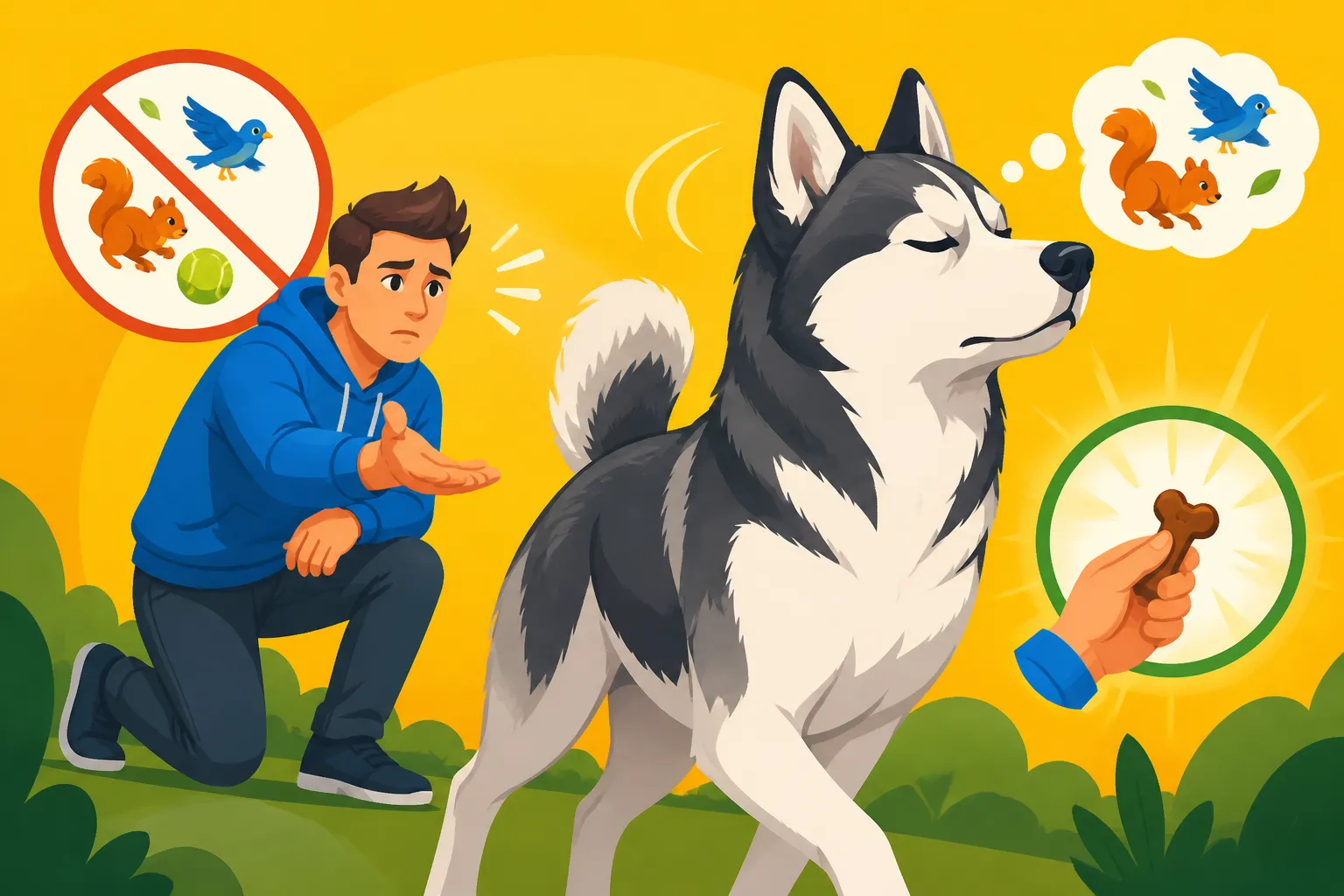
Motivating a Siberian Husky That Ignores You
It’s one of the most frustrating things as a Siberian Husky owner: you call their name, you give a command, and they look right through you, sometimes even turning their head away as if the very air has suddenly become more interesting. We've all been there, feeling that pang of exasperation and wondering if our Husky is just being stubborn, or if we’re somehow failing to communicate. This guide is all about diving deep into why your Siberian Husky might seem to be ignoring you and, more importantly, how to ignite that spark of motivation to get them truly engaged and responsive.
Understanding the Siberian Husky Mindset
Before we can even think about motivating a Siberian Husky, we need to truly understand the magnificent, complex creatures they are. They aren't like some other breeds that live to please their human; Huskies operate on a different wavelength entirely.
The Independent Nature
Siberian Huskies were bred over thousands of years by the Chukchi people in Siberia, not as companions to sit by the fire and gaze adoringly at their owners, but as highly efficient, semi-feral working dogs. Their survival, and the survival of their human families, often depended on their ability to make independent decisions while out on the sledding trail. If a musher gave a command that seemed unsafe or inefficient, a wise lead dog might choose to ignore it to preserve the team. This isn't stubbornness in the malicious sense; it's a deep-seated independence that’s hardwired into their DNA.
This historical context explains so much about their personality today. When your Husky "ignores" you, they're often not being disobedient; they're simply weighing your request against whatever else is happening in their environment and deciding if it’s worth their effort. It’s less about defying you and more about making a personal cost-benefit analysis in their own furry head. Recognizing this is the first step in moving past frustration to effective training. Whether a Siberian Husky Is Actually Intelligent might surprise you with how their minds work.
What Motivates a Sled Dog
For a breed designed to run for miles in brutal conditions, intrinsic rewards like the sheer joy of motion and the thrill of exploration often outweigh external motivators like a simple "good dog." They find immense satisfaction in fulfilling their own drives – whether that’s chasing a blowing leaf, sniffing an interesting scent, or simply soaking up the sun. Food and verbal praise can often feel secondary to these more primal, deeply satisfying experiences.
This is why traditional training methods, which rely heavily on repetitive commands and mild praise, can fall flat with a Husky. They need to understand what’s in it for them, and that "it" often needs to be more exciting and rewarding than whatever captivating distraction has currently captured their attention. Their history means they respond best to opportunities that engage their natural instincts and intellect, rather than just rote obedience.
Common Reasons Your Husky Tunes You Out
It's easy to take it personally when your Husky seems to pretend you don't exist, but there are usually very logical, Husky-specific reasons behind their apparent disregard. Identifying these can help you adjust your approach.
Distraction Over Everything
Let's be honest, the world is a fascinating place, and a Siberian Husky's senses are finely tuned to every rustle, scent, and movement. Their incredible hearing can pick up a squirrel in the next yard, and their powerful nose can trace a rabbit's trail from hours ago. These sensory inputs are often far more compelling than your voice, especially if your voice isn't associated with something truly amazing. This isn’t a personal slight; it's simply their instinctual focus on their environment.
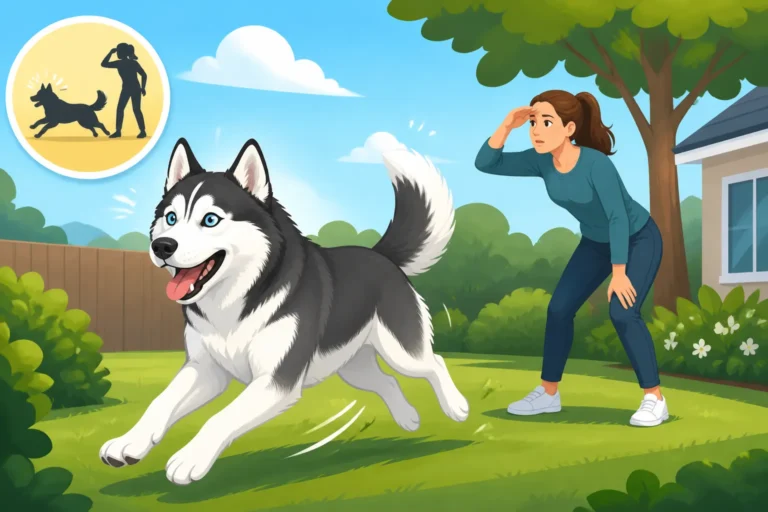
Think about it from their perspective: they're out in a park, and there's a bird fluttering, another dog barking, and the faint smell of something delicious from a distant picnic. Your "come" command, no matter how urgent, is just one more sound in a symphony of captivating stimuli. Their prey drive, honed over generations, means that the sudden appearance of a small animal can completely override any prior training. This is a big reason why Why a Siberian Husky Cannot Be Trusted Off Leash is such a critical point for owners to understand.
Inconsistent Training and Communication
Huskies are smart, and they learn quickly – perhaps too quickly – when we're inconsistent. If sometimes "sit" means they get a treat, and other times it means nothing, or if you repeat a command five times before they comply, they'll learn that the command isn't urgent and doesn't always have a clear consequence or reward. They'll also quickly learn which commands they can ignore without repercussion, saving their energy for things that truly matter to them.
Many owners fall into the trap of only training in the living room, where distractions are minimal. Then, they get frustrated when the same command fails at the busy dog park. Huskies need "proofing"—practicing commands in increasing levels of distraction, so they generalize the behavior. A lack of follow-through, where you don't ensure the command is performed every time you say it, teaches your Husky that your words are optional. Keeping Siberian Husky Sessions Short can help maintain their focus and prevent them from getting bored or overwhelmed.
Lack of High-Value Rewards
If you're asking a Siberian Husky to ignore a fascinating squirrel or a captivating scent, a dry piece of kibble or a pat on the head usually isn’t going to cut it. Huskies have highly efficient metabolisms, meaning many aren't perpetually ravenous in the way some other breeds might be. This means your rewards need to be truly exceptional to compete with the world around them.
For a Husky, a "high-value" reward might be a piece of cooked chicken, cheese, or even a squeaky toy they adore, rather than their everyday kibble. The hierarchy of treats is real, and for a Husky who views the world as an adventure playground, your rewards need to be the golden ticket to something even better. If your current reward strategy isn't creating excitement, it's a huge barrier to motivation. Food Rewards a Siberian Husky Will Work For can vary greatly from dog to dog, so finding your Husky's ultimate favorite is key.
Strategies for Building Motivation and Engagement
Now that we understand the Husky mindset and common reasons for them tuning us out, let's talk about proactive strategies to build motivation and create a truly responsive companion.
Finding Your Husky's "Currency"
Every Siberian Husky has their own unique "currency"—what they value most. For some, it might be a specific high-value treat, like small bits of cheese or cooked chicken. For others, it’s a particular squeaky toy, a quick game of tug, or even access to a favorite sniffing spot. The key is to discover what your individual Husky finds irresistible and use that as your primary motivator. Don’t be afraid to experiment!
Once you find their currency, use it strategically. Rotate your rewards to keep things exciting; if they always get the same treat, it loses its special appeal. Sometimes, the reward isn't a tangible item at all, but the opportunity to do something they love, such as a short sprint after a successful recall, or five minutes of vigorous play. This personalized approach speaks directly to their independent and adventure-seeking nature. Think of it as a personalized menu of delights rather than a generic buffet.
Making Training a Game, Not a Chore
Huskies thrive on mental stimulation and play. Instead of drilling commands, turn your training sessions into engaging games. Hide-and-seek, where you call their name and reward them with an exciting treat when they find you, can make recall training incredibly fun. Or try "find it" games, scattering treats and having them use their nose to hunt. These activities tap into their natural intelligence and hunting instincts, making training inherently rewarding.
Keep your training sessions short, perhaps 5-10 minutes, and end on a high note before your Husky gets bored. Incorporate novelty by changing locations, asking for behaviors in new contexts, or using different toys. If training feels like a collaboration in a fun activity rather than a strict command-and-obey exercise, your Husky will be much more enthusiastic. Remember, for a Husky, anything that feels like a shared adventure is usually a win.
Mastering High-Value Reinforcement
Effective high-value reinforcement isn't just about what you use, but how and when you use it. Timing is absolutely crucial. The reward must be delivered within one to three seconds of your Husky performing the desired behavior, so they clearly associate their action with the positive outcome. If you're fumbling for a treat or pausing to praise, the moment is lost.
For truly exceptional compliance, or when you’re teaching a new, critical behavior like recall, use a "jackpot" reward. This means showering them with several high-value treats in quick succession, or offering an extended play session with their favorite toy. This communicates that they’ve done something truly extraordinary. While it’s tempting to always have treats on hand, the goal isn't constant bribery. As your Husky understands the behavior, you can gradually transition to more intermittent reinforcement, where they still get big rewards, but not every single time. This builds anticipation and keeps them guessing, which can be a powerful motivator. For consistent training strategies, many owners find structured online programs, like those offered by BAXTER & Bella, incredibly helpful for maintaining a cohesive approach across the household, ensuring everyone is on the same page with rewards and cues.
Practical Steps for Improving Responsiveness
Building motivation is great, but how do we translate that into real-world responsiveness? It starts with setting your Husky up for success and understanding how their instincts can be channeled.
Starting in Low-Distraction Environments
You wouldn't ask a child to solve a complex math problem in the middle of a carnival. The same principle applies to your Husky. Begin all new training, and reinforce existing commands, in a quiet, familiar environment like your living room or a securely fenced yard. Here, your voice and your chosen reward have the best chance of competing with the environment. Build a rock-solid foundation of understanding and responsiveness here first.
Once your Husky is consistently performing commands perfectly in these low-distraction settings, gradually introduce mild distractions. Perhaps move to a slightly busier room, then your front yard, and eventually a quiet park. Each step should be successful before moving to the next. If they fail, go back a step. This systematic approach builds confidence and ensures that your Husky learns to focus on you even when the world outside beckons.
The Power of a Reliable Recall (Even for Huskies!)
A reliable recall is often considered the holy grail for Siberian Husky owners, and for good reason. Given their powerful prey drive and independent roaming instincts, a solid "come!" command is paramount for their safety and your peace of mind. Start building this recall in your home with exciting games, making coming to you the most fun and rewarding thing they can do. Use your Husky's highest-value treats and enthusiastic praise. Teaching a Siberian Husky to Come Back requires dedication, but it’s absolutely worth it.
As you progress, incorporate a long line – a 30 to 50-foot leash available on platforms like Amazon – in a securely fenced area or a very safe, open space. This allows you to practice recall with freedom of movement while maintaining safety. If your Husky starts to ignore your call, you can gently reel them in, ensuring they still come to you and get that jackpot reward. This teaches them that "come" always means something fantastic happens with you, not that the fun ends. Consistency and making the recall experience overwhelmingly positive are key. Long Lines and Recall Gear for a Siberian Husky are essential tools for this stage of training.
Harnessing Their Drive for Purposeful Work
A bored Siberian Husky is often a destructive or "deaf" Husky. Their ancestors pulled sleds for survival, and that drive to move and have a job is still very much alive within them. Channeling this innate energy into purposeful work can be one of the most powerful motivators. This doesn't mean you need to become a professional musher, but engaging them in dog sports like canicross (running with your dog harnessed to you) or bikejoring (cycling with your dog pulling you) can be incredibly fulfilling for them.
Even if competitive sports aren't your thing, structured walks where your Husky gets to pull a lightweight harness for part of the walk, or scent work where they use their incredible nose to find hidden treats, can provide that mental and physical outlet they crave. When their deep-seated needs are met through appropriate activities, they are often more content, less likely to ignore you, and more engaged in general training. Giving a Siberian Husky a Job in Harness is a fantastic way to bond and build responsiveness. You can find quality harnesses and equipment for these activities on Amazon.
Avoiding Common Pitfalls
Even with the best intentions, it's easy to fall into certain traps that can undermine your efforts to motivate a Siberian Husky. Being aware of these can help you steer clear of counterproductive methods.
The Trap of Punishment and Force
Given their independent nature, Siberian Huskies respond very poorly to punishment, fear, or force-based training methods. Yelling, leash corrections, or using aversive tools like prong collars or shock collars can quickly erode any trust or bond you've built. Instead of motivating them, these methods typically teach a Husky to shut down, become fearful, or simply learn to avoid you and the situation entirely. They don't understand why they are being punished, only that you are the source of discomfort.
When a Husky is treated harshly, they don't become more obedient; they become more wary and less likely to engage. Their intelligence means they'll learn to evade commands rather than comply out of fear. Positive reinforcement, coupled with clear communication and high-value rewards, is the only sustainable and humane way to train and motivate a Siberian Husky. As we discussed in Why Force Training Fails on a Siberian Husky, a positive approach builds a cooperative partnership rather than a resentful submission.
Over-Reliance on Verbal Cues Alone
While verbal cues are important, relying solely on them can be a pitfall, especially with a breed that has excellent hearing but can also be highly distracted by visual and olfactory stimuli. Incorporating clear hand signals and body language into your training can significantly improve your Husky’s understanding and responsiveness. Sometimes, a visual cue cuts through distractions more effectively than a sound, particularly in noisy environments.
Imagine you're at the park, and your Husky is twenty feet away, tracking a distant bird. Your verbal "sit" might be lost in the breeze or overridden by the bird's chirps. But a clear hand signal, coupled with the verbal cue, provides an additional layer of communication. Start teaching hand signals simultaneously with verbal cues at home, so your Husky associates the two. Over time, these non-verbal cues can become powerful tools for silent communication and maintaining engagement.
When to Seek Professional Help
Sometimes, despite your best efforts, you might feel like you're hitting a wall with your Husky's motivation or responsiveness. It's important to recognize when it's time to bring in outside expertise.
Recognizing When You're Stuck
If you've consistently applied positive reinforcement, used high-value rewards, and trained in varied environments, yet your Husky's responsiveness remains low, or you're seeing escalating behavioral issues (like increased destructiveness or escape attempts), it might be time for professional guidance. A persistent lack of recall, for example, isn't just frustrating; it's a significant safety concern for a breed known for its wandering tendencies. Don't feel like a failure for needing help; professional trainers have a wealth of experience and can offer fresh perspectives and tailored solutions.
Another sign it's time to get help is if you find yourself getting overly frustrated or angry with your dog. Training should be a positive experience for both of you, and if it's consistently leading to stress, a professional can step in to reset the dynamic. They can help identify underlying issues, like insufficient exercise or mental stimulation, that might be contributing to your Husky’s lack of engagement.
Finding a Husky-Savvy Trainer
When seeking professional help, it is absolutely critical to find a trainer who has extensive experience with Siberian Huskies specifically. This breed's unique temperament and motivations mean that generic training approaches often fail. A good Husky-savvy trainer will understand their independence, prey drive, and energy levels, and will advocate for positive reinforcement methods. They will never suggest force, fear, or pain-based techniques.
Interview potential trainers thoroughly. Ask about their philosophy, their experience with Huskies, and what methods they use. Look for someone who focuses on building a strong relationship and uses motivation rather than intimidation. They should be able to explain why Huskies behave the way they do and offer practical, humane strategies tailored to your dog's individual needs. Finding a Trainer Who Has Worked With Huskies is paramount for success, as a trainer unfamiliar with the breed might inadvertently exacerbate issues.
Disclaimer
This article is for general informational purposes only and does not constitute professional advice. Laws, prices and regulations vary by location and change over time. Consult a qualified professional for guidance on your specific situation.