Whether a Husky Can Be Taught to Stop Howling
That distinctive Husky howl? It's charming at first, a unique trait that draws many to the breed. But when it becomes a constant symphony, waking neighbors, disrupting your peace, or signaling distress, it can really test your patience and leave you wondering if there's any hope for quiet. This guide is here to help you understand why your Siberian Husky is so vocal and explore realistic, empathetic strategies to manage and reduce excessive howling, not just silence it.
Understanding the Husky Howl: It's More Than Just Noise
Before you can even begin to address your Husky's howling, you need to understand where it comes from. This isn't just random noise-making; it's a deep-seated, instinctual form of communication. Trying to shut it down without understanding its roots is like trying to stop the wind – frustrating and often futile. Many owners feel like their Husky is just being stubborn, but it's usually much more complex than that.
The Instinctual Roots of Siberian Husky Howling: Why They Do It
Siberian Huskies are magnificent dogs, and much of their charm comes from their close genetic ties to their wild ancestors. They hail from a lineage of working dogs, bred by the Chukchi people, where vocal communication was essential for pack cohesion and long-distance signaling in vast, open landscapes. A howl can carry far, communicating location, warning of intruders, or even expressing joy or loneliness to pack members miles away. This isn't just a quirk; it's a fundamental part of their being.
Think of it this way: a howl for a Husky is like talking for us. It's their primary, most natural way to express a wide range of emotions and intentions. They aren't barking incessantly like some other breeds might; they are using a more ancient form of vocalization. When your Husky howls, they are often tapping into these deep-seated instincts, whether they are trying to communicate with you, other dogs in the neighborhood, or simply expressing their feelings. Understanding this helps shift perspective from annoyance to an appreciation of their unique heritage. Siberian Husky Temperament and What the Standard Says touches on their communication styles.
Different Types of Husky Howls and What They Mean
Not all howls are created equal. A Husky's vocalizations are incredibly varied and nuanced, capable of conveying a surprising amount of information. Learning to differentiate between these sounds can give you crucial insights into what your dog is trying to tell you, which is the first step in addressing the behavior effectively. It can feel overwhelming at first, but with time, you'll start to recognize the patterns.
For instance, there's the long, drawn-out howl that often accompanies feelings of loneliness or boredom, especially if your Husky is left alone for extended periods. This might be a cry for attention or a way to call out to their "pack" (you!) to return. Then there are the excited howls, often accompanied by a wagging tail and a bouncy gait, typically heard during playtime or when you first arrive home. These are usually joyful expressions. On the flip side, you might hear stress howls, sometimes coupled with pacing, panting, or destructive behavior, indicating anxiety or discomfort. Some Huskies even engage in a form of "talking back" with a series of argumentative-sounding yips and groans. Each vocalization is a puzzle piece, and your job is to figure out what picture they're trying to paint. The Siberian Husky Noise Nobody Warns You About explores their diverse sounds.
Managing and Modifying Howling Behavior: Realistic Expectations
It’s completely understandable to want a quieter home, especially if your Husky’s howling is disrupting your life or your neighbors'. However, a crucial part of working with a Siberian Husky is accepting that you probably won't eliminate howling entirely. This isn't a Golden Retriever; vocalization is part of their DNA. The goal is to manage, redirect, and reduce unwanted or excessive howling, not to silence them completely.
Accepting the Inevitable: You Can't "Cure" Howling Completely
Let's be realistic: a Husky is a vocal breed. Expecting a Siberian Husky to be completely silent is like expecting a bird not to sing. It's simply not how they're wired. Their howls are an innate form of self-expression, stemming from their ancestral need to communicate over long distances in vast, open landscapes. While some Huskies are naturally quieter than others, trying to suppress all vocalizations can lead to frustration for both you and your dog. You might find yourself locked in a battle you can't win, potentially damaging your bond with your Husky.
Instead, shift your focus from "how do I stop this?" to "how do I manage this?" This change in perspective can be incredibly liberating. The aim is to understand the triggers for their howling and then work on modifying their response to those triggers or ensuring their needs are met so they don't need to howl excessively. A well-exercised, mentally stimulated, and securely bonded Husky will naturally be less inclined to howl out of boredom or anxiety. It's about finding that balance and understanding that a little "woo-woo" is just part of the Siberian Husky charm.
Identifying the Triggers: When and Why Your Husky Howls
To effectively manage howling, you need to become a detective. What sets your Husky off? Is it the siren of an emergency vehicle passing by, another dog howling in the distance, or the mail carrier approaching the house? Maybe it's a specific time of day, like when you leave for work, or when they want dinner. Identifying these specific triggers is paramount because it allows you to create targeted strategies rather than just broadly reacting to the noise.
Start keeping a log. Note down the time, duration, and context of each howling episode. What was happening right before it started? Was anyone home? Were there any unusual sounds outside? Did you just get home? This detailed information will help you pinpoint patterns. For example, if your Husky consistently howls when you leave, it might be related to A Siberian Husky That Howls When You Leave or Siberian Husky Separation Behavior. If it's specific external sounds, like sirens, you might be dealing with Why a Siberian Husky Howls at Sirens. The more precise you are in identifying the "why," the more successful your management efforts will be.
Strategies for Reducing Unwanted Howling
Once you understand why your Husky is howling, you can start implementing specific strategies to reduce those unwanted vocalizations. This isn't about punishment, which rarely works with Huskies anyway and can damage their trust. It's about meeting their needs, providing appropriate outlets, and teaching them alternative, more desirable behaviors.
Addressing Boredom and Lack of Exercise
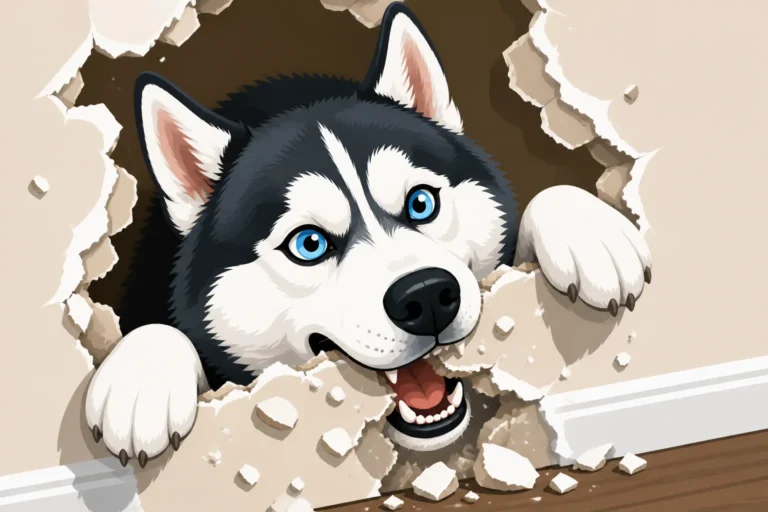
A bored or under-exercised Husky is a vocal Husky. These dogs were bred to run for miles, pulling sleds through challenging terrain. Their bodies and minds crave activity. If they're not getting enough physical exertion or mental stimulation, that pent-up energy and intelligence will often manifest as excessive howling, along with other destructive behaviors. It's their way of saying, "I'm bored! Entertain me!"
So, the first and often most effective strategy is to dramatically increase their exercise and mental engagement. This doesn't just mean a quick walk around the block. Think long runs, bikejoring, canicross, or even just extended hikes in interesting environments. Aim for at least 1-2 hours of vigorous activity daily, broken into sessions. Beyond physical exercise, mental stimulation is key. Puzzle toys, like those found on Amazon, where they have to work for their food, or engaging in regular short training sessions can be incredibly beneficial. Learning new tricks, practicing obedience commands, or even scent work can tire them out mentally. How Much Exercise a Siberian Husky Really Needs provides more details on their exercise needs, and Puzzle Feeders a Siberian Husky Cannot Beat can give you ideas for mental enrichment.
Training for Silence and Alternative Behaviors
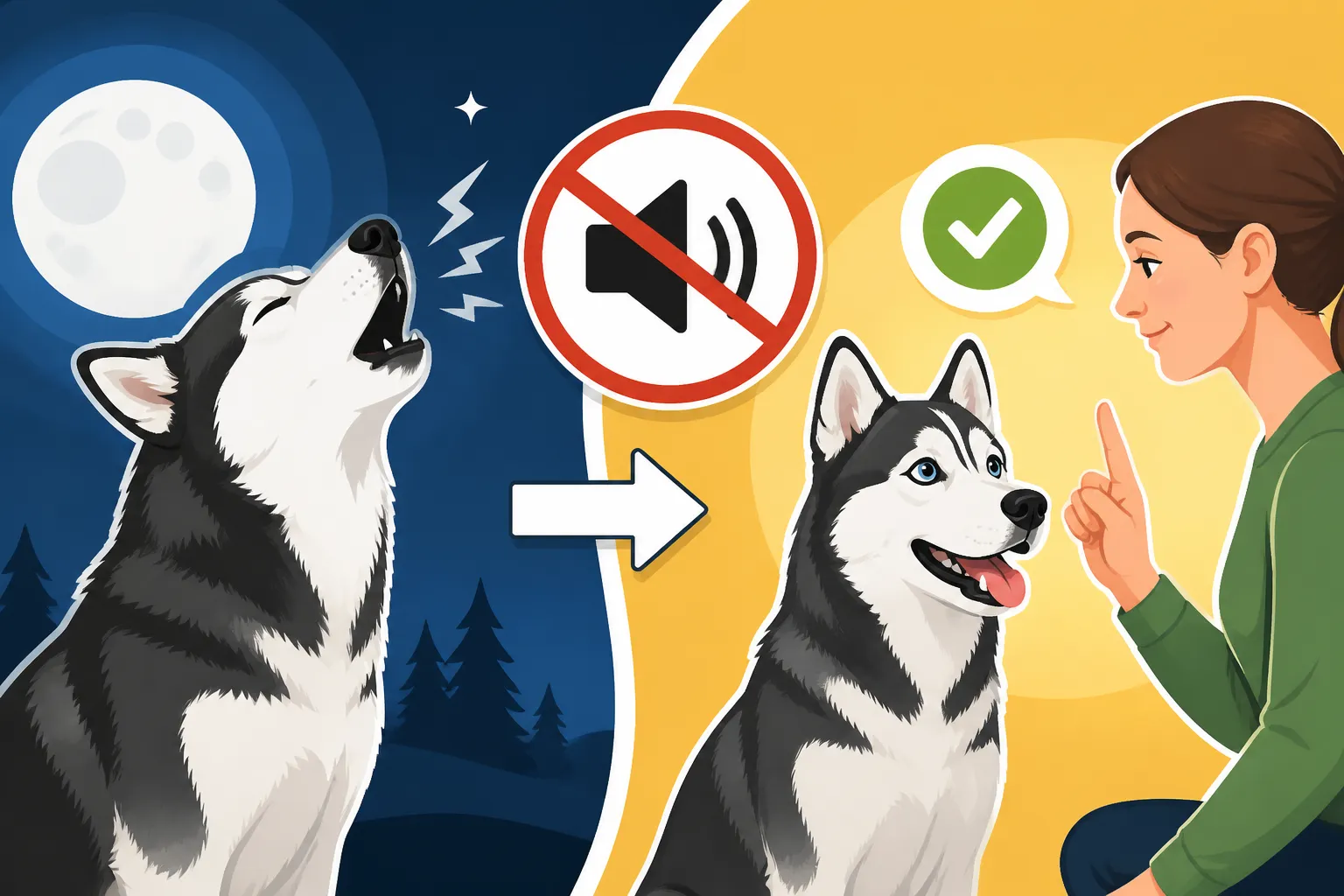
Teaching a Husky to be quiet on command is a marathon, not a sprint, but it is possible to make significant progress. The key is positive reinforcement and consistency. You want to reward the absence of howling or a quiet response to a known trigger. This requires patience and often feels counter-intuitive at first.
One common method involves teaching a "quiet" command. Start by getting your Husky to bark or howl on command (yes, really!). Once they vocalize, say "Quiet!" and immediately reward them with a high-value treat the second they stop. You're marking the silence. Gradually increase the time they need to be quiet before getting the treat. You can also use counter-conditioning. If sirens trigger howling, for example, play recordings of sirens at a low volume while you distract your Husky with treats or a favorite game. Slowly increase the volume over days or weeks, always associating the sound with positive experiences. For more structured training guidance, online programs like those offered by BAXTER & Bella can be incredibly helpful, providing step-by-step videos and support to navigate the nuances of training an independent breed like a Husky. Remember, Training an Independent Siberian Husky requires a different approach than many other breeds.
Managing Separation Anxiety and Loneliness
Many Huskies howl excessively because they are truly distressed when left alone. This isn't naughtiness; it's a genuine anxiety response. This is particularly common in breeds like Huskies that thrive on companionship and have strong pack instincts. A Siberian Husky That Screams When Left is a common scenario for many Husky owners.
To address this, you need a multi-pronged approach. Crate training, if done positively, can provide a secure den-like space for your Husky, reducing their anxiety. Start with very short absences and gradually increase the time, always ensuring their comfort. Leave them with engaging puzzle toys filled with treats to keep them occupied. Playing calming music or white noise can help mask external sounds that might trigger howling. For monitoring, a pet camera (there are many great options available on Amazon) can be invaluable to observe their behavior when you're not home, helping you understand their patterns and refine your strategy. It’s important to make your departures and arrivals low-key, avoiding overly emotional greetings or goodbyes that can heighten their anxiety about you leaving or returning.
When Professional Help is Needed: Beyond DIY Solutions
Sometimes, despite your best efforts, your Husky's howling might feel insurmountable. This isn't a reflection of your capabilities as an owner, but rather an indication that the behavior might be more deeply ingrained or complex than can be resolved with at-home methods alone. Knowing when to call in the cavalry can save you a lot of stress and ultimately benefit your Husky.
Consulting a Certified Professional Dog Trainer or Behaviorist
If you've tried all the standard techniques—increased exercise, mental stimulation, desensitization, and positive reinforcement—and your Husky's howling persists at an unacceptable level, it's time to seek professional guidance. A certified professional dog trainer or a veterinary behaviorist can offer a fresh perspective and tailored strategies specific to your dog's unique situation. They can observe your Husky's behavior in context, help pinpoint subtle triggers you might have missed, and design a comprehensive modification plan.
Look for a professional who has extensive experience with northern breeds like Siberian Huskies, as their independent nature and high drive require a particular approach. They can teach you advanced techniques for counter-conditioning, help you understand canine body language better, and even recommend specific tools or routines. Sometimes, having an objective third party guide you through the process can make all the difference, providing the expertise and support needed to break through stubborn howling patterns. Finding a Trainer Who Has Worked With Huskies is crucial for success.
Considering Veterinary Consultation for Underlying Issues
In some cases, excessive vocalization, particularly if it's new or sudden, can be a symptom of an underlying medical issue. Pain, discomfort, cognitive dysfunction in older dogs, or even certain neurological conditions can manifest as increased howling. It's always a good idea to rule out any physical causes, especially if the behavior seems out of character for your Husky or is accompanied by other changes in appetite, activity, or demeanor.
Your veterinarian can conduct a thorough examination and recommend diagnostic tests to ensure your Husky isn't howling due to an undiagnosed health problem. If a medical issue is ruled out, they might still be able to help, particularly if anxiety is a significant component of the howling. In some severe cases of separation anxiety or generalized anxiety that contribute to persistent howling, a vet might discuss behavioral medications as an adjunct to a comprehensive behavior modification program. These medications are rarely a standalone solution but can help reduce anxiety enough for your Husky to be more receptive to training and behavior modification efforts.
Disclaimer
This article is for general informational purposes only and does not constitute professional advice. Laws, prices and regulations vary by location and change over time. Consult a qualified professional for guidance on your specific situation.