Wearing Out a Siberian Husky Without Leaving the House
It's a common dilemma for us Husky owners, isn't it? You've got this magnificent, energetic creature, practically vibrating with untapped energy, but the weather outside is horrendous, you're short on time, or you simply don't have a safe, expansive outdoor space. The thought of a bored Siberian Husky indoors can send shivers down your spine, often leading to destructive behaviors or incessant vocalizations. But don't despair! This guide is all about unleashing your Husky's energy and satisfying their deep-seated needs right within the cozy confines of your home.
Engaging Their Brilliant Brain: The Mental Workout Strategy
When you can't run your Siberian Husky for miles, the next best thing—and often equally effective—is to wear them out mentally. For a breed as intelligent and independent as the Husky, a good brain workout can be surprisingly tiring, often leaving them more satisfied than a mindless sprint. It taps into their natural problem-solving instincts and reduces boredom, which is often the root cause of unwanted indoor behaviors.
The Magic of Puzzle Feeders and Snuffle Mats
Mental exercise truly is as crucial as physical exertion for our clever Huskies. Imagine trying to solve a complex riddle for an hour – you'd feel pretty drained afterward, right? It's much the same for your dog. Huskies, with their heritage of working and thinking independently, thrive on challenges. When they aren't given a job to do, their minds can become restless, leading to them creating their own jobs, which often involves redecorating your living room with shredded couch cushions.
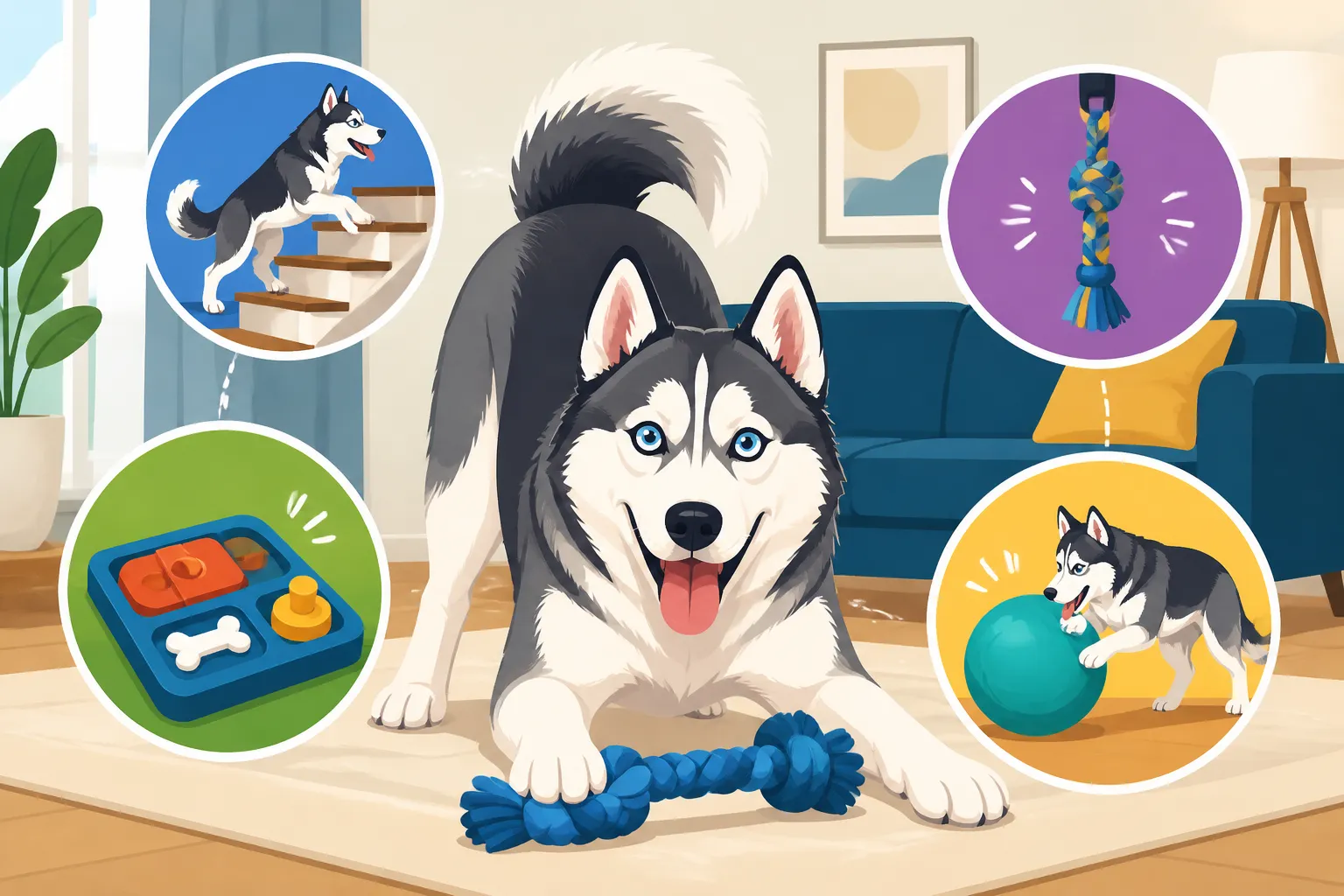
This is where puzzle feeders shine. These ingenious devices come in various levels of difficulty, from simple treat-dispensing balls that require a nudge to more complex designs where your Husky has to slide panels, lift flaps, or manipulate levers to get their kibble. You can start with a basic level-one puzzle to build their confidence, then gradually introduce more challenging designs. The act of figuring out how to extract food isn't just about eating; it's a genuine problem-solving task that demands focus, patience, and persistence, turning mealtime into a productive mental workout. For Huskies that might occasionally leave food in their bowl, a puzzle feeder can even reignite interest by making eating an engaging activity, rather than just a routine. A Siberian Husky That Leaves Food in the Bowl might suddenly become very invested in their meal!
Snuffle mats are another fantastic tool for mental enrichment. These fabric mats, made with many layers and folds, are designed to hide kibble or small treats, encouraging your Husky to use their nose to "hunt" for their meal. It mimics natural foraging behavior, which is incredibly satisfying for dogs. Spreading their entire meal across a large snuffle mat can keep them engaged for a significant amount of time, providing a deep sensory experience that’s calming and tiring. It’s a low-impact activity that engages their powerful olfactory senses, a primal instinct that’s often underutilized in pet dogs.
Picture this: it's a miserable, rainy Tuesday, and your Husky is pacing, full of pent-up energy. Instead of letting them resort to mischief, you grab a favorite puzzle feeder, load it with their dinner, and watch them intently work on it. That 30-minute window of focused concentration can be a lifesaver, buying you precious time while your Husky’s brain gets a thorough workout. There are countless options available on sites like Amazon, from simple wobble toys to intricate multi-step puzzles, ensuring you can find one that challenges your individual Husky just right. These feeders and mats are excellent investments in your Husky's mental well-being, transforming mundane meal times into opportunities for growth and satisfaction.
Unleashing Their Inner Hunter with Scent Work and Hide-and-Seek
Siberian Huskies boast an incredible sense of smell, a remnant of their ancestors who needed to track game and find their way in vast, featureless landscapes. Tapping into this powerful instinct through scent work games is not only naturally engaging for them but also incredibly mentally fatiguing. Unlike simply running, scent work requires immense concentration and discrimination, asking their brain to process complex olfactory information.
To start simple scent work, often called "find it," you can begin by placing a high-value treat in plain sight and using a cue like "find it!" Once your Husky understands the game, gradually increase the difficulty. Hide treats under cups, behind furniture, or even in different rooms. Your Husky will need to employ their nose to locate the reward, relying on their keen sense of smell rather than sight. The intense focus required for this activity can be as tiring as a brisk walk, engaging different parts of their brain and fulfilling their innate desire to track.
Another fantastic indoor game that leverages their drive for discovery and interaction is hide-and-seek. This can be played with either you or their favorite toy. Start by having your Husky "stay" in one room while you quickly hide in another, then call them to "find you!" The thrill of searching for their favorite person and the joyful reunion is a huge reward. You can also hide a cherished toy and send them on a "search" mission. This game isn't just about physical movement; it’s about anticipation, problem-solving, and the sheer delight of discovery, reinforcing your bond with your clever companion.
These games are more than just time-fillers; they build confidence and provide a positive outlet for your Husky's natural drives. Even if your Siberian Husky sometimes seems to ignore you or takes a moment to process commands, giving the impression that they're Why a Siberian Husky Looks Stubborn Rather Than Slow, these activities often bypass that perceived stubbornness because they tap directly into what makes a Husky tick: their independence and their keen senses. The sheer joy and focused energy they put into these "hunts" are clear indicators of how fulfilling these mental exercises are, leaving them happy and pleasantly tired afterward.
Structured Learning and Indoor Agility: Beyond the Basics
While many dog owners think of training as just mastering basic commands, for a Siberian Husky, it's an opportunity for deep mental engagement and a fantastic way to burn energy indoors. Short, focused training sessions, especially when you move beyond "sit" and "stay," demand concentration and problem-solving, which can be surprisingly exhausting for a high-energy breed.
Advanced Obedience and Trick Training Sessions
Simply asking your Husky to "sit" and "stay" might be enough for a quick moment of calm, but it won't truly tire out their active minds. To effectively burn mental energy indoors, you need to challenge them with more complex sequences and new concepts. This could mean working on long-distance stays where they hold position while you move out of sight, or asking for multiple behaviors in a row before a reward, like "sit, then down, then shake, then stay." These types of advanced obedience cues require sustained attention and excellent impulse control, which is incredibly taxing for a dog’s brain.
Beyond formal obedience, teaching your Husky fun tricks can be a fantastic way to engage them. Think about "roll over," "bow," "weave through your legs," or even retrieving specific named toys ("get the squeaky pig!"). Each new trick requires learning, coordination, and memory, all of which contribute to mental fatigue. Break these sessions into short, enthusiastic bursts of 5-10 minutes a few times a day. Huskies, despite their independent streak, often love to learn when the process is enjoyable and rewarding. The key is to keep it positive and stimulating, otherwise, you'll find them tuning out.
The importance of positive reinforcement cannot be overstated. For a Siberian Husky, high-value treats (think small pieces of cooked chicken, cheese, or their favorite soft kibble) paired with enthusiastic praise and play are essential motivators. They need to feel like they're "winning" and that the effort is worthwhile. If the rewards aren't compelling, a Husky will quickly decide there are more interesting things to do, and you'll lose their focus. Ensuring you have Food Rewards a Siberian Husky Will Work For is half the battle. This consistent, positive engagement is vital for Keeping a Siberian Husky Interested in Training throughout their lives.
Many online resources, like those offered by BAXTER & Bella, provide structured courses for advanced obedience and trick training that you can follow from the comfort of your home. These programs can guide you through the steps, making the process achievable and fun for both you and your Husky. Consistency is more important than duration; a few short, engaging sessions each day will yield better results than one long, tedious one. By regularly challenging their minds, you’re not only preventing boredom-induced destruction but also building a stronger relationship with your clever companion.
DIY Indoor Agility and Proprioception Exercises
Beyond traditional obedience, introducing your Siberian Husky to indoor agility and proprioception exercises can be an incredibly effective way to burn both mental and physical energy. Proprioception refers to your dog's awareness of their body in space, and exercises that require precise body movements and balance are surprisingly exhausting for their minds and muscles.
You don't need fancy equipment to create a mini-agility course indoors. Get creative with household items! Use cushions as hurdles your Husky can step over, arrange broomsticks or PVC pipes on low stands (or even books) for them to walk between or step over, or drape a blanket over chairs to create a tunnel for them to crawl through. The goal isn't speed, but precision and focus. Teach them to weave slowly, step carefully, and navigate obstacles without knocking them over. This controlled movement engages their core muscles and forces them to think about where their body parts are.
Proprioception work takes it a step further. Teach your Husky to "paws up" on a low stool or step, balance on an unstable surface like a deflated beach ball or a thick pillow (with supervision, of course), or back up slowly through a narrow doorway or between your legs. These seemingly simple actions require immense concentration and muscle engagement. They have to think about shifting their weight, coordinating their limbs, and maintaining balance, which is far more tiring than just running in a straight line.
Always prioritize safety during these activities. Ensure surfaces aren't slippery, obstacles are stable, and nothing sharp or breakable is nearby. Start with easy tasks and gradually increase the complexity as your Husky gains confidence and understanding. These activities are excellent for building core strength, improving coordination, and providing a fantastic mental workout. While they might not replace a full outdoor run, these exercises significantly contribute to meeting How Much Exercise a Siberian Husky Really Needs when outdoor options are limited, leaving your Husky pleasantly tired and satisfied.
Harnessing Their Natural Drives: Play and Controlled Movement
Siberian Huskies are known for their athleticism and strong prey drive. While an outdoor sprint is ideal, you can still tap into these natural instincts indoors through strategic play and controlled physical activities. The key is to manage the intensity and ensure safety within your home environment.
Strategic Tug-of-War and Indoor Fetch Games
Tug-of-war and fetch are classic dog games, but when adapted for indoor play with a Siberian Husky, they become powerful tools for energy release. These aren't just about mindless activity; they're opportunities to engage your Husky's prey drive in a controlled, constructive manner and burn off bursts of energy without requiring vast spaces.
For tug-of-war, the rules are paramount. Always use a dedicated tug toy, not an old sock or towel. Teach your Husky a "take it" cue to start the game and, crucially, a "drop it" cue to end it. This teaches impulse control and ensures the game is on your terms, preventing resource guarding. Tug is fantastic because it allows your Husky to use their powerful jaw muscles and full body strength in short, intense bursts, which is incredibly satisfying for them. It’s an excellent outlet for their natural drive to pull and "kill" prey, but in a safe, interactive way. Keep sessions short, maybe 5-10 minutes, with breaks in between.
Indoor fetch can work well if you have a long hallway or an open room with minimal furniture. Instead of a hard ball, opt for soft, lightweight toys that won't damage walls or objects. Pay close attention to your flooring; slippery surfaces can be dangerous for a fast-moving Husky, potentially leading to injuries. Keep throws shorter and focus on quick retrievals to get their heart rate up in brief intervals. This controlled burst of physical activity, combined with the mental engagement of anticipating the throw and retrieving the toy, is a great way to release energy.
These types of interactive play provide significant physical and mental stimulation, directly addressing the kind of pent-up energy that often leads to unwanted behaviors. When a Siberian Husky is under-exercised and bored, they might resort to A Siberian Husky That Destroys Furniture or chewing on inappropriate items. Channeling their energy into structured play like tug and fetch helps prevent these issues by giving them a legitimate, stimulating outlet for their drives within the home.
Safely Introducing Treadmills and Flirt Poles Indoors
While they might sound like outdoor equipment, with proper training and extreme caution, treadmills and flirt poles can be adapted for indoor use, offering controlled methods to exercise your Siberian Husky when outdoor options are limited. However, it's crucial to stress that these tools require careful introduction and constant supervision.
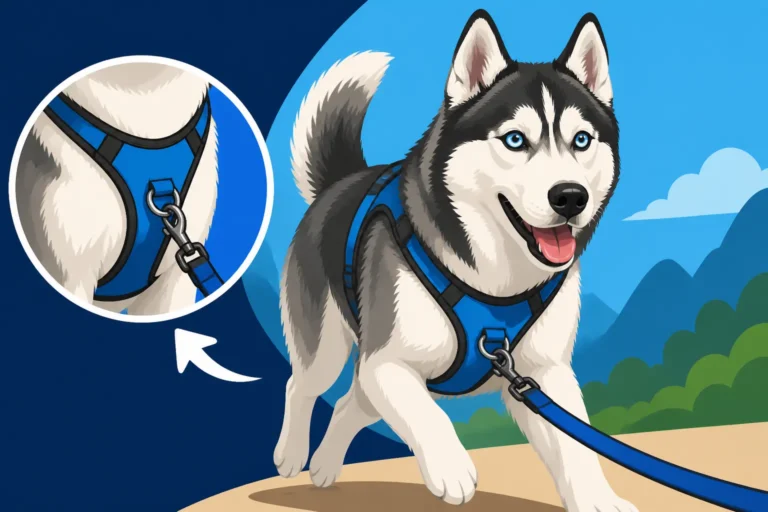
Treadmill training can be a game-changer for active breeds like Huskies, especially during inclement weather or when outdoor conditions are prohibitive, such as when Running a Siberian Husky in Summer Heat becomes too dangerous. A huge word of caution: this is not for every dog, and definitely not something to force. Introduce the treadmill very gradually, making it a positive experience with treats and praise. Start with the machine off, letting them get comfortable on it. Then, turn it on at the lowest possible speed, using a safety harness and leash for control. Never leave your Husky unattended on a treadmill, and always ensure they have a secure footing. The goal is a steady, consistent pace that provides aerobic exercise, not a high-speed sprint.
Flirt poles, essentially a long pole with a lure attached to a rope, are excellent for engaging a Husky's prey drive and providing intense bursts of controlled physical activity in a contained space. The key here is controlled. You can direct the lure (a toy or rag) to move quickly, allowing your Husky to chase, pounce, and "catch" it in short, exhilarating bursts. This replicates the hunting sequence – chase, grab, "kill" – which is incredibly satisfying for them. It’s perfect for indoor use because you control the speed and direction, minimizing the risk of them crashing into furniture.
Both treadmill and flirt pole sessions should be kept relatively short to prevent over-exertion and maintain your Husky's enthusiasm. Five to fifteen minutes of focused activity can be surprisingly tiring. Always monitor your Husky for signs of fatigue or overheating, even indoors. These tools, when used correctly and safely, can be invaluable additions to your indoor exercise repertoire, ensuring your Husky gets the physical release they need, even when the great outdoors is off-limits.
Establishing Calm and Routine: The Foundation for Indoor Success
An active Siberian Husky can sometimes seem like a boundless source of energy, but even they need periods of calm and a predictable routine to thrive indoors. Providing constructive ways to settle down and structuring their day are just as important as high-energy play in preventing boredom and anxiety.
Long-Lasting Chews and Lick Mats for Sustained Calm
When it comes to keeping an active Husky content indoors, the power of chewing and licking is often underestimated. These natural canine behaviors are incredibly soothing and mentally engaging, offering a fantastic way for your dog to decompress and occupy themselves for extended periods without needing constant human interaction or high-intensity activity. They're not just about passing time; they actively reduce stress and can prevent destructive behaviors driven by boredom.
Durable, long-lasting chews are a staple for any Husky owner. Items like bully sticks, natural antlers, dental chews, or sturdy chew toys designed for power chewers can keep your Husky happily occupied for quite a while. When selecting chews, always prioritize safety: ensure they are appropriately sized for your Husky to prevent choking hazards, and supervise them, especially with new chews, to ensure they don't break off large pieces. The physical act of gnawing and grinding is intrinsically rewarding for dogs, providing a primal satisfaction that helps them to relax and settle into a calm state.
Lick mats and frozen Kongs or other stuffable toys offer a different but equally effective form of sustained engagement. Lick mats, with their textured surfaces, are designed to have soft food (like peanut butter, plain yogurt, or canned pumpkin) smeared onto them, which your Husky then spends considerable time licking clean. Frozen Kongs filled with a mix of kibble, wet food, and dog-safe treats provide an even longer-lasting challenge as your Husky works to thaw and extract the goodies. The rhythmic action of licking is scientifically proven to have a calming effect on dogs, releasing endorphins and helping them to self-soothe.
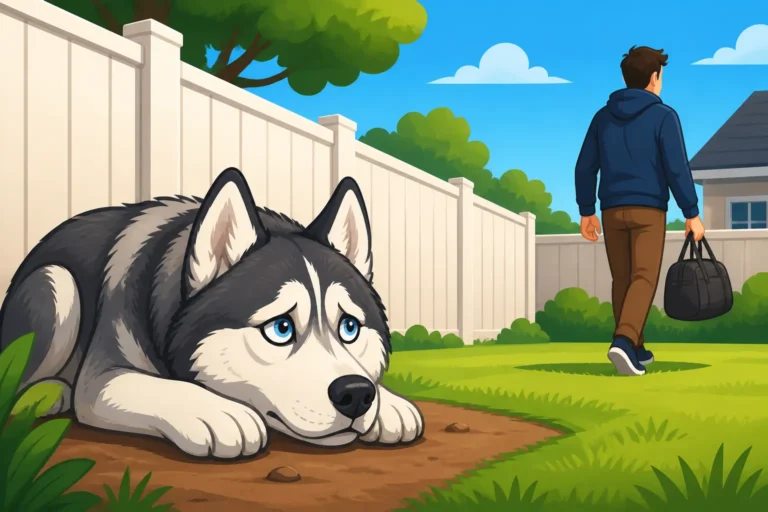
These long-lasting activities are invaluable during times when your Husky needs to settle down, perhaps when you have guests over, need to work, or simply need a moment of quiet. They can be particularly helpful for Huskies who struggle with Siberian Husky Separation Behavior, providing a positive distraction that helps ease anxiety, or for those moments when they're about to launch into The Siberian Husky Scream and What Sets It Off out of sheer boredom. By offering these outlets, you’re providing a healthy, constructive way for your Husky to manage their energy and emotions independently.
The Power of a Predictable Indoor Schedule
Siberian Huskies, despite their independent nature, are creatures of habit who thrive on routine. Even when confined to the indoors, a predictable schedule dramatically reduces stress and anxiety, helping them understand what to expect throughout the day. This structure provides a sense of security and helps manage their energy levels, minimizing the likelihood of boredom-induced mischief.
A well-structured indoor schedule should include consistent meal times, ideally utilizing puzzle feeders like those that prevent Puzzle Feeders a Siberian Husky Cannot Beat to make eating a mental activity. Designate specific slots for play and training sessions, ensuring your Husky knows when they'll get their interactive time. Equally important are enforced quiet times, where your Husky is expected to settle down with a chew, a lick mat, or simply rest in their designated comfy spot. This teaches them to relax and be calm when active play isn't happening, rather than constantly seeking attention or finding their own entertainment.
Having a predictable routine helps your Husky understand the rhythm of their day. They learn that after a period of calm, an exciting play session will follow, and after a burst of activity, it's time to settle again. This predictability helps to manage their anticipation and prevents them from becoming overly agitated or bored. For instance, if they know that their main mental game happens shortly after breakfast, they are less likely to act out beforehand. This structure is essential for Huskies, who are often portrayed as 'stubborn' but are simply highly intelligent and require clear communication and boundaries.
Ultimately, a strong routine helps your Husky cope with periods of being alone, effectively managing Hours a Siberian Husky Copes With Alone. When they understand the flow of the day, they are more likely to relax during quiet times, knowing that engaging activities are coming. It’s about creating a harmonious living environment where your Husky’s needs are met, even without stepping outside, ensuring a well-adjusted and happy companion who is less prone to destructive behaviors.
Disclaimer
This article is for general informational purposes only and does not constitute professional advice. Laws, prices and regulations vary by location and change over time. Consult a qualified professional for guidance on your specific situation.