Siberian Husky Cold Weather Care and Its Limits
Many of us who adore Siberian Huskies often joke about their sheer joy in a snowdrift, or how they seem to thrive when the temperature drops. It's true that these magnificent dogs are built for colder climates, but that doesn't mean they're invincible. In fact, relying solely on the "they're Arctic dogs!" assumption can put your beloved companion at serious risk. This comprehensive guide will walk you through the real science behind your Siberian Husky's incredible cold-weather adaptations, help you understand their true limits, and provide practical advice for keeping them safe, warm, and happy when winter bites hard.
Understanding the Siberian Husky's Natural Cold Adaptations
Siberian Huskies are living masterpieces of natural selection, honed over centuries by the Chukchi people in the harsh Arctic wilderness. Every aspect of their physiology, from their dense coat to their unique metabolism, is geared towards thriving in extreme cold. It's not just a preference; it's a fundamental part of their being. But understanding these adaptations is key to knowing when their natural defenses might not be enough.
The Marvel of the Double Coat
The most visible and perhaps most famous adaptation of the Siberian Husky is their incredible double coat. This isn't just fluffy hair; it's a sophisticated, multi-layered insulation system designed to keep them warm in temperatures that would send most other breeds scrambling for cover. The outer layer consists of guard hairs – these are longer, coarser, and slightly stiff. Their primary job is to repel water and snow, preventing moisture from reaching the skin. Think of it like a natural raincoat. They shed these guard hairs less frequently than the undercoat, but keeping them clean and free of mats is vital for their protective function.
Beneath these guard hairs lies the true insulating power: a dense, soft, and woolly undercoat. This undercoat is astonishingly thick, often growing up to two inches deep. It's packed tightly, trapping a layer of warm air close to the dog's body, which acts as a barrier against the freezing outside air. This is the layer that "blows" out twice a year in spectacular fashion, leaving tumbleweeds of fluff all over your house. When you see your Husky "blowing coat," it's their body preparing for seasonal changes, shedding the heavy winter undercoat in spring or bulking up for winter. Siberian Husky Coat Blow and the Six Weeks It Lasts delves into this phenomenon in more detail. This double-layer system isn't just for warmth; it also helps reflect heat away in summer, which is why Why You Must Never Shave a Siberian Husky is such crucial reading.
Metabolic Efficiency and Energy Conservation
Beyond their incredible coat, Siberian Huskies possess a remarkable metabolic efficiency that sets them apart from many other breeds. They are built to run long distances on relatively little food, converting fat into energy with astonishing prowess. This isn't just about endurance; it's also about heat production. When running or active in the cold, their bodies become highly efficient internal furnaces, burning fuel cleanly and producing heat as a byproduct. This means they don't have to eat nearly as much as a comparably sized, less efficient breed to maintain their body temperature or energy levels, particularly if they aren't engaged in heavy work.
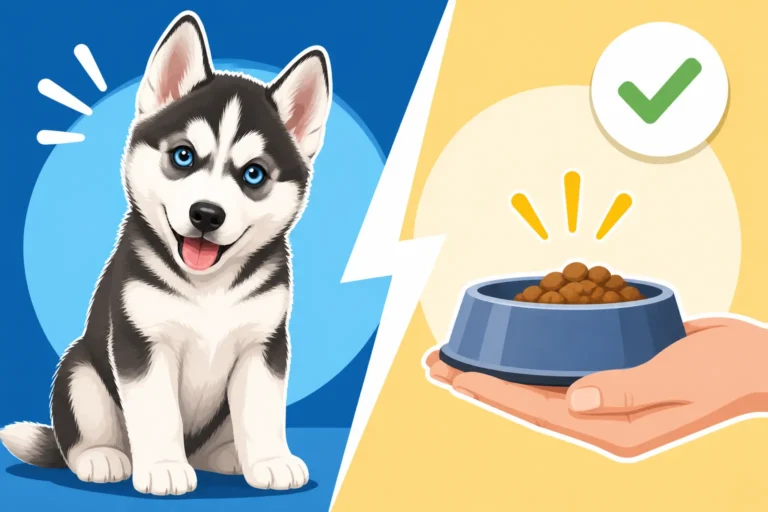
This efficiency is a double-edged sword for pet owners. While it means they're not necessarily bottomless pits for food, it also means you need to be very mindful of their caloric intake. Overfeeding a pet Husky, even in winter, can lead to unhealthy weight gain, which actually hinders their ability to regulate temperature effectively. You might find that Feeding a Siberian Husky on 60 Percent of the Label is a surprisingly accurate guideline for many non-working Huskies, even during the colder months, because their bodies just don't demand the same input as, say, a Labrador of the same size. Their ancestors often faced periods of scarcity, so their bodies learned to make the most of every calorie.
Paw Pads and Circulation for Ground Insulation
Have you ever wondered how your Husky can romp through snow and ice for what seems like ages without their paws freezing? It's another brilliant adaptation. Their paw pads are incredibly tough and well-insulated, designed to withstand extremely cold surfaces. The thick, leathery pads provide a natural barrier against the freezing ground, much like a pair of specialized boots. But it's more than just thickness; it's their unique circulatory system that truly makes the difference.
Huskies have a countercurrent heat exchange system in their paws. This means that the arteries carrying warm blood to their paws run right alongside the veins carrying cold blood back to their body. As the warm arterial blood flows past the cold venous blood, it transfers some of its heat to the returning blood. This warms the venous blood before it reaches the core, while simultaneously cooling the arterial blood just enough so that the paws don't lose too much heat to the ground. This ingenious system prevents excessive heat loss from the paws, keeping them functional and preventing frostbite in all but the most extreme conditions. However, even with this protection, their paws aren't completely impervious, especially to things like ice melt and jagged ice.
Setting Realistic Cold Tolerance Limits for Your Husky
While your Siberian Husky is undeniably built for the cold, it's a huge disservice to them to assume there are no limits. Just like humans, there's a spectrum of tolerance, and several factors can push even the most robust Husky past their comfort zone into danger. Understanding these nuances is vital for responsible winter care.
When "Cold" Becomes "Too Cold"
It's tempting to think of cold tolerance as a single temperature threshold, but it's far more complex than that. For a Siberian Husky, simply looking at the thermometer isn't enough. Factors like wind chill, precipitation (rain, sleet, wet snow), and humidity can drastically change how cold a given temperature actually feels and how quickly it can become dangerous. A dry, still -10°F might be more manageable than a wet, windy 20°F. Generally, most healthy adult Huskies can tolerate temperatures well below freezing, often down to -20°F or even colder if dry and acclimated, especially if they are actively working. But prolonged exposure, or conditions where their coat gets wet and loses its insulating properties, can quickly become problematic.
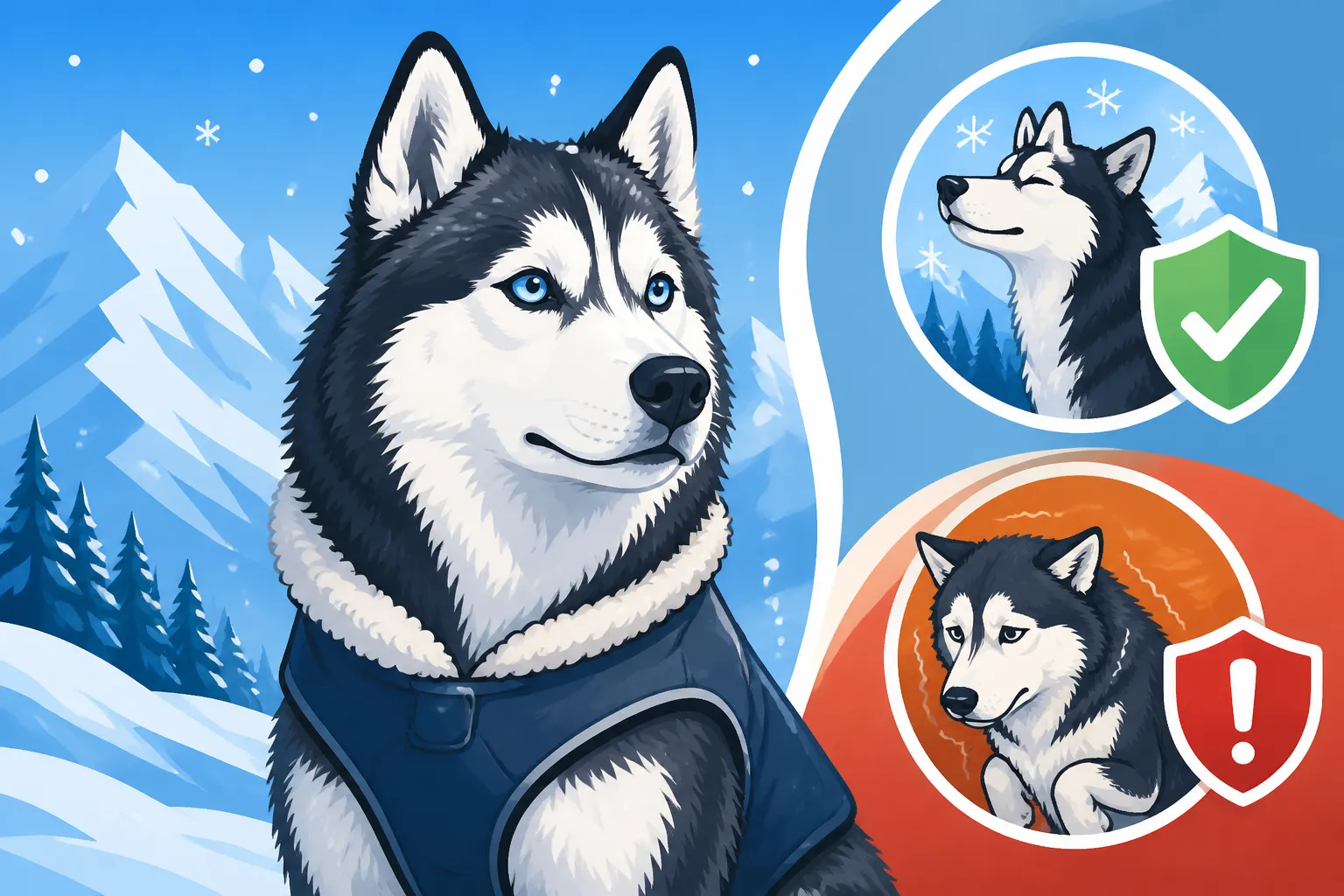
Signs that it's getting too cold include shivering, hunching over, reluctance to move, whining, or lifting paws off the ground. Their ears or tail tips might feel excessively cold to the touch. Pay close attention to these cues, as your Husky is telling you they're uncomfortable, and potentially entering a dangerous zone. Ignoring these signals can lead to serious health issues, which we'll discuss shortly. Remember, the goal isn't just survival; it's comfort and well-being. How Cold a Siberian Husky Can Actually Take explores these limits more deeply.
Individual Variations in Cold Hardiness
Not every Siberian Husky is the same, and their cold hardiness can vary significantly based on several individual factors. A young, healthy, well-conditioned working Husky with a full, prime coat will naturally tolerate more extreme cold than a sedentary, older dog or one with health issues. Age is a huge factor: puppies and senior Huskies have reduced ability to regulate their body temperature. Puppies haven't fully developed their insulating coat or thermoregulation systems, and seniors often have thinner coats, less body fat, and underlying health conditions that make them more vulnerable. Caring for a Siberian Husky Past Ten highlights how an aging Husky needs extra consideration in all seasons.
Furthermore, a Husky that has spent its entire life in a warm climate and is suddenly exposed to harsh winter conditions won't have the same acclimation as one that lives year-round in a northern state. Their coat may not be as dense, and their body's metabolic adaptations might not be fully engaged. Health conditions also play a critical role. A Husky battling Siberian Husky Thyroid and Autoimmune Disease might have a thinner, duller coat and struggle to maintain warmth. Similarly, a dog with arthritis or joint pain might be less inclined to move and generate body heat, making them more susceptible to the cold. Always consider your individual dog's health, age, and lifestyle, not just the breed's general reputation.
The Risks of Extreme Cold Exposure
Underestimating the limits of your Husky's cold tolerance can have dire consequences. The primary risks of extreme cold exposure are frostbite and hypothermia. Frostbite occurs when body tissues freeze, most commonly affecting extremities like the tips of the ears, tail, and paw pads. These areas have less blood flow and are more exposed. Signs of frostbite include pale, hard, and cold skin, which may later appear red, swollen, painful, or blistered as it thaws. In severe cases, frostbite can lead to tissue death and necessitate amputation. Frostbite on Siberian Husky Ears and Tails covers this serious issue in detail.
Hypothermia, on the other hand, is a dangerous drop in overall body temperature. Symptoms start subtly with shivering, lethargy, and weakness, but can quickly progress to muscle stiffness, shallow breathing, dilated pupils, a slowed heart rate, and eventually collapse and death. A wet coat drastically increases the risk of hypothermia because water conducts heat away from the body far more efficiently than air. Even a quick dip in icy water can become an emergency. Always be vigilant for these signs and seek immediate veterinary attention if you suspect your Husky is suffering from frostbite or hypothermia. Early intervention can make all the difference in recovery.
Providing Shelter and Safe Outdoor Spaces
Even with their amazing natural adaptations, a Siberian Husky still needs proper shelter and a safe environment when the temperatures plummet. Leaving them exposed to the elements without a warm, dry retreat is irresponsible and dangerous. Think of it as providing a base camp for an Arctic explorer – they need somewhere to recover and warm up.
The Importance of a Protected Den
If your Siberian Husky spends significant time outdoors, especially in colder climates, a high-quality, insulated dog house is not a luxury; it's a necessity. This isn't just any old shed; it needs to be designed specifically for cold weather. Look for a house that is well-insulated, elevated off the ground to prevent conductive heat loss, and has a small, baffling entrance to keep wind and snow out. The interior should be just large enough for your Husky to stand up and turn around comfortably, but not so large that their body heat can't warm the space. Too big, and it becomes a cold, cavernous space.
Adding warm, dry bedding is also critical. Straw is an excellent insulator and won't absorb moisture as quickly as blankets or towels, which can freeze and become useless. However, some dogs might eat straw, so monitor that. Alternatively, consider thick, chew-resistant bedding that can be frequently changed to ensure it remains dry. Place the dog house in a sheltered area, ideally facing away from prevailing winds, and out of direct exposure to heavy snowfall or freezing rain. Remember, this den is their sanctuary from the elements. For more on this, check out Insulated Houses for an Outdoor Siberian Husky.
Indoor-Outdoor Balance in Winter
Even for the most cold-hardy Husky, a balanced approach to indoor and outdoor time is crucial during winter. While they may revel in playing in the snow for hours, prolonged exposure to extreme cold, especially without activity, can still be harmful. Your Husky needs regular opportunities to come inside, warm up, and dry off. This is particularly true if their coat becomes wet, as a saturated double coat loses most of its insulating properties. It's like wearing a wet wool sweater in a snowstorm – it stops being warm and starts making you colder.
Think of it this way: your Husky's ancestors weren't left out 24/7 in a blizzard. They slept with their Chukchi families in tents or dens. While your modern Husky might not share your bed, ensuring they have access to a warm, dry indoor space for significant portions of the day and night is fundamental. This balance helps prevent the gradual chill that can lead to health issues and allows their body to recuperate. It also means you get to enjoy their company, which is half the fun of having a Husky!
Managing Snow Accumulation and Ice Hazards
Winter brings its own set of environmental challenges beyond just temperature. Snow accumulation and ice formation in your yard can create specific hazards for your Husky. Deep snow can make it difficult for smaller or older Huskies to move, and can hide dangers like ice patches or debris. Regularly clearing pathways, especially to their designated potty spots, is not just for your convenience, but for their safety and comfort.
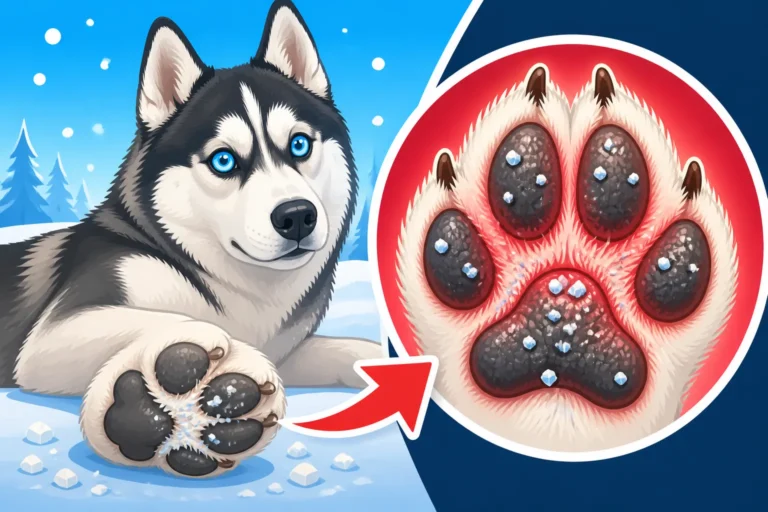
Ice, particularly black ice, is a major slipping hazard for both humans and dogs, potentially leading to injuries like sprains, strains, or even fractures. Be especially cautious of ice melt products, which often contain harsh chemicals that can irritate or burn paw pads and be toxic if ingested when your Husky cleans their feet. Opt for pet-safe ice melts, or use sand or sawdust for traction. Additionally, sharp ice shards can form on the ground, potentially cutting delicate paw pads. Always check the ground before letting your Husky loose, and consider paw protection for walks, which we'll discuss next.
Nutritional Adjustments for Winter Energy Needs
The image of a sled dog team eating massive amounts of fat and protein is iconic. But for the average pet Siberian Husky, winter nutrition is a bit more nuanced. It's not always about more food, but often about the right kind of food and careful monitoring of their activity levels.
Calorie Considerations for Active Winter Huskies
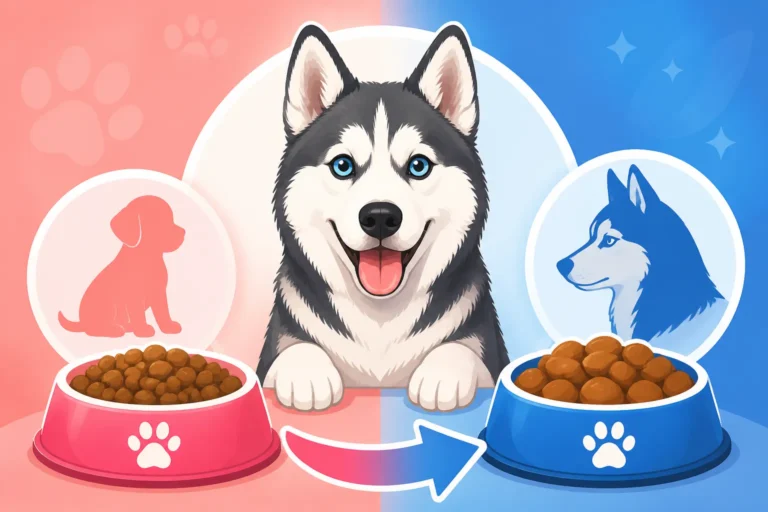
For Siberian Huskies who are truly working in the cold – pulling a sled, bikejoring, or engaging in strenuous outdoor activities for extended periods – their caloric needs will indeed increase significantly. These dogs are burning through energy at a high rate to fuel their muscles and maintain core body temperature. In such cases, switching to a high-performance dog food, often with higher fat content, can be beneficial to provide the necessary sustained energy.
However, for the vast majority of pet Huskies who enjoy regular walks and playtime but aren't putting in hours of hard labor, their natural metabolic efficiency means their caloric increase might be minimal, or even unnecessary. If your Husky's winter activity level doesn't dramatically increase, a sudden jump in food intake can quickly lead to weight gain. An overweight Husky struggles more in the cold and is at higher risk for joint issues and other health problems. Always monitor your Husky's body condition by feeling their ribs – you should be able to feel them easily without seeing them sharply. Adjust food intake based on their actual activity and body condition, not just the season. The Weight a Siberian Husky Should Hold offers more guidance on ideal body condition.
Hydration is Crucial, Even in Cold
It's easy to overlook hydration in winter, but it's just as vital as in summer, if not more so. Huskies can become dehydrated in cold weather because the air is often drier, and they may be less inclined to drink icy water. Dehydration impacts their ability to regulate body temperature and can lead to a host of other health issues. Always ensure your Husky has access to fresh, unfrozen water, both indoors and out.
For outdoor water bowls, consider using heated bowls to prevent freezing. Many options are available from retailers like Chewy or Amazon that plug into an outdoor outlet and keep water at a palatable temperature. Regularly check outdoor water sources to ensure they haven't frozen solid. Indoors, make sure water bowls are easily accessible. Some Huskies might prefer lukewarm water over ice-cold, so consider offering it. Just like in summer, providing multiple water sources can encourage more frequent drinking.
Quality Food Choices for Winter Health
Regardless of whether your Husky needs a caloric boost, the quality of their food remains paramount. A well-balanced, nutrient-dense diet supports a healthy immune system, maintains a robust coat, and provides the sustained energy needed for cold weather. Look for dog foods with high-quality protein sources and appropriate fat levels. Some owners find success with fresh food diets, like those offered by Ollie, which can provide excellent nutrition. Others stick with high-quality kibble.
If your Husky is showing signs of a dull coat or dry skin in winter, despite adequate nutrition, it's worth discussing with your vet. Sometimes, a supplement like omega-3 fatty acids can boost skin and coat health. For certain Huskies, like those prone to Zinc-Responsive Dermatosis in the Siberian Husky, zinc supplementation might be a year-round necessity, but never supplement without veterinary guidance. Always read ingredient lists carefully and choose foods that avoid excessive fillers. A healthy gut and strong immune system are your Husky's best defenses against winter ailments.
Essential Gear and Preventative Measures
While your Husky comes with incredible natural gear, a little human intervention and preparation can go a long way in ensuring their safety and comfort during winter. Think of it as enhancing their natural defenses, rather than replacing them.
Paw Protection Against Ice and Chemicals
As mentioned, Husky paws are tough, but they're not indestructible. Winter presents specific threats to paw pads, primarily ice accumulation, sharp ice shards, and chemical ice melts. When walking on salted sidewalks or icy trails, your Husky's paws can suffer. Salt and chemicals can cause painful burns and irritation, and if ingested when your dog licks their paws, can lead to digestive upset or more serious issues. Ice can also ball up between their toes, causing discomfort and even lameness – Snowballs Between Siberian Husky Toes is a common winter woe.
This is where paw protection comes in handy. Dog booties, especially those designed for cold weather, can provide an excellent barrier. It might take some time and positive reinforcement to get your Husky used to wearing them, but they are incredibly effective. Alternatively, a good quality paw balm (like Musher's Secret or similar products found on Amazon or Chewy) can create a protective layer on the pads, moisturizing them and acting as a shield against irritants. After every winter walk, make it a habit to wipe your Husky's paws clean with a damp cloth to remove any salt or chemicals. This simple step can prevent a lot of discomfort and potential health problems, as detailed in Road Salt on Siberian Husky Paw Pads.
Recognizing and Preventing Frostbite
Preventing frostbite is far better than treating it, and knowing the signs is your first line of defense. The most common areas for frostbite are the ear tips, tail tip, and paw pads because they have less insulating fat and are farthest from the body's core. In extreme cold, especially with wind chill, these areas can freeze remarkably quickly. You might not even realize it's happening until you're back in the warmth.
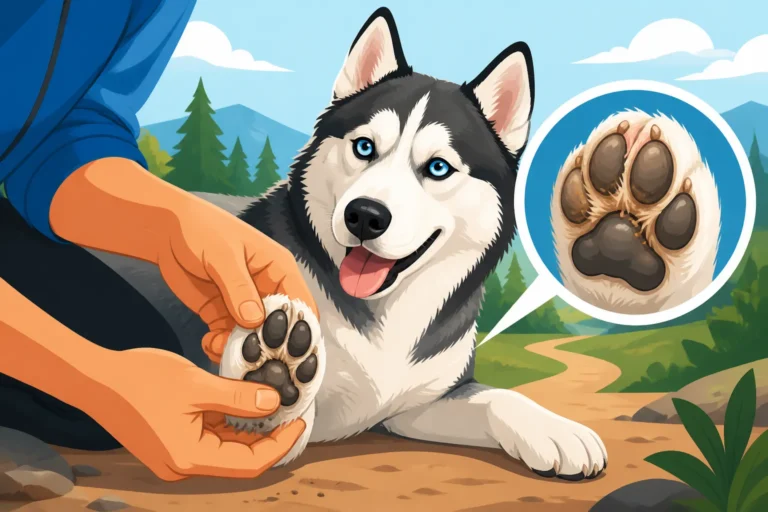
To prevent frostbite, limit prolonged outdoor exposure when temperatures are dangerously low, especially if it's windy or wet. If your Husky must be outside for longer periods, ensure they have access to their insulated shelter. After walks or outdoor play, visually inspect their ears, tail, and paws. Frozen tissues will appear pale, waxy, and cold to the touch. They might also seem stiff. If you suspect frostbite, do not rub the area. Instead, gently warm the affected area with lukewarm (not hot!) water or warm compresses, and seek immediate veterinary attention. Rapid rewarming is critical but must be done carefully to avoid further damage.
Safe Winter Exercise and Activity Levels
Siberian Huskies are high-energy dogs, and maintaining their exercise routine in winter is crucial for their physical and mental health. However, you need to adjust your approach for safety. Just because they love the snow doesn't mean you can ignore common sense. Shorten walk durations during the coldest parts of the day, or opt for multiple shorter outings instead of one long one. Focus on high-intensity bursts of play if temperatures are severely low.
If you're into winter sports like skijoring or canicross, ensure your Husky is properly conditioned and that the weather conditions are safe. Always check for ice on trails and be mindful of visibility if you're out near roads. Consider reflective gear for low-light conditions. On exceptionally frigid days, interactive indoor games, puzzle toys, and training sessions can provide mental stimulation and burn energy without risking overexposure. Remember, How Much Exercise a Siberian Husky Really Needs is a vital consideration year-round, but especially when adjusting for winter conditions. The goal is to keep them active and engaged, but always prioritize their safety and well-being.
Common Misconceptions About Huskies in Winter
The romanticized image of a Siberian Husky bounding through a blizzard often leads to assumptions that can be detrimental to their health. It's time to bust some common myths and embrace the reality of responsible cold weather care for these incredible dogs.
"They Love All Snow, Always!"
This is perhaps the most widespread misconception. Yes, many Huskies absolutely adore snow. They'll roll in it, dig in it, and sometimes even eat it with gusto. But "loving snow" doesn't equate to "immune to all snow conditions." There's a big difference between frolicking in a fresh, powdery snowfall on a brisk day and struggling through a heavy, wet, icy blizzard, or being forced to walk on sharp, refrozen crust that cuts their paws.
Just like people, Huskies have preferences. Some might hate getting their paws wet in slush, while others might get frustrated by deep, powdery snow that impedes their movement. Wet snow can saturate their undercoat, dramatically reducing its insulating power and leading to a chill. Icy conditions make trails treacherous, increasing the risk of slips and falls. While the sight of a Husky happy in snow is heartwarming, remember to observe your individual dog's reactions. Are they still enthusiastically playing, or are they shivering, lifting their paws, or trying to head back inside? Their body language will tell you if they're genuinely enjoying it or just tolerating it.
"They Don't Need Warmth, They're Arctic Dogs!"
This dangerous assumption can lead to serious health issues. While Siberians are equipped for cold, they are not impervious to it. The phrase "Arctic dogs" often gets interpreted as "can live outdoors no matter what." This ignores critical factors like age, health, wetness, wind chill, and the simple fact that modern pet Huskies are not living the same lives as their working ancestors. A pet Husky, even with a great coat, living a relatively sedentary life in a backyard shed, is not the same as a dog actively working on a sled team, generating immense body heat.
Furthermore, a Husky's natural defenses are designed for dry cold. If their double coat gets soaked, it loses its loft and its ability to trap insulating air. This can happen quickly in freezing rain or slush. Wind chill rapidly strips away any warmth their coat manages to trap. Young puppies and senior Huskies are especially vulnerable, as are dogs with underlying medical conditions. Why a Shaved Siberian Husky Overheats explains how crucial their coat structure is, and how compromising it is never a good idea, even for perceived warmth. They do need warmth, whether it's from activity, an insulated shelter, or the comfort of your home. It's about providing appropriate warmth and protection for the specific conditions and your dog's individual needs.
The Dangers of Leaving a Husky Unsupervised in Cold
Beyond the direct physiological risks of cold, leaving a Siberian Husky unsupervised outdoors in winter poses a host of other dangers. Their innate curiosity, prey drive, and strong roaming instinct don't suddenly disappear because it's cold. In fact, a bored, cold Husky might become even more determined to find an escape. Why a Siberian Husky Cannot Be Trusted Off Leash is a year-round mantra for good reason. A loose Husky in winter faces amplified risks.
They could escape your yard, get lost, and struggle to find their way back in unfamiliar snow-covered terrain. They might wander onto thin ice, fall into freezing water, or get hit by a car whose driver has reduced visibility. Predators, though rare in many urban areas, can be more desperate in winter. They could also encounter toxic ice melt, get into trash, or disturb wildlife. Even for short periods, an unsupervised Husky can get into trouble. The best practice is always to supervise outdoor time, provide a secure, appropriate enclosure like a well-built kennel run, or ensure they are indoors and safely contained when you cannot directly watch them.
Caring for the Senior or Health-Compromised Husky in Winter
As our beloved Siberian Huskies age, their resilience to cold naturally diminishes. What was once a joyous romp in sub-zero temperatures can become a painful, even dangerous, ordeal. Similarly, a Husky battling chronic health conditions requires extra vigilance and care when winter rolls around.
Special Considerations for Older Huskies
An older Siberian Husky might look just as fluffy as they did in their prime, but their body tells a different story. As Huskies age, their metabolism can slow down, and their fat reserves might decrease, leading to less efficient body heat production. Their circulation may not be as robust, making their extremities more susceptible to cold. Perhaps most significantly, many senior dogs develop arthritis or other joint issues, which are almost universally exacerbated by cold, damp weather. The stiffness and pain can make them reluctant to move, further reducing their ability to generate warmth.
For senior Huskies, even temperatures that a younger Husky would shrug off can cause discomfort. You might notice them shivering more quickly, seeking out warm spots more frequently, or being generally more lethargic after coming in from the cold. Providing extra soft, warm bedding, even an orthopedic dog bed with a self-warming feature, can make a huge difference to their comfort. Limiting their time outdoors on very cold days and ensuring easy access to warm shelter is paramount. Think comfort and warmth above all else. Caring for a Siberian Husky Past Ten offers a wealth of information specific to the needs of an aging Husky.
Managing Chronic Conditions in Cold Weather
Siberian Huskies, while generally healthy, are not immune to chronic conditions that can be worsened by cold weather. For instance, a Husky suffering from arthritis (which can develop in any breed, even if Huskies have a relatively low rate of hip dysplasia) will often experience increased pain and stiffness in cold, damp conditions. This makes exercise difficult and reduces their willingness to move, creating a vicious cycle where inactivity further stiffens joints and reduces warmth. Medications prescribed for joint pain might need adjustments during winter, always in consultation with your veterinarian.
Other conditions, like certain heart conditions or Siberian Husky Thyroid and Autoimmune Disease, can also impact a dog's ability to cope with cold. A dog with an underactive thyroid (hypothyroidism) might have a thinner coat, poor circulation, and struggle more with temperature regulation. Dogs on certain medications might also be more sensitive to cold. It's crucial to discuss your Husky's specific health conditions with your veterinarian before winter hits to develop a personalized care plan. Your vet can advise on medication adjustments, appropriate exercise routines, and specific preventative measures to keep your dog comfortable and healthy.
Adapting Routines for Comfort and Safety
For senior or health-compromised Huskies, adapting daily routines is key to ensuring their comfort and safety through winter. Instead of long, strenuous walks, consider multiple shorter, gentler outings during the warmest parts of the day. This allows them to relieve themselves and get some fresh air without overtaxing their system or exposing them to cold for too long. If they're particularly stiff in the mornings, give them extra time to warm up before heading out.
Ensure their indoor environment is consistently warm and draft-free. Extra blankets, a heated dog bed, or even a dog sweater (if they tolerate it and it doesn't cause matting) can provide additional warmth. Make sure their path to outdoor potty breaks is clear of snow and ice, offering secure footing. If stairs are an issue due to arthritis, consider a ramp. The goal is to minimize discomfort and risk, allowing them to enjoy their golden years (or manage their condition) as comfortably as possible, regardless of the weather outside.
Here's a quick guide to some key cold weather considerations for your Husky:
| Factor | Young, Healthy Husky | Senior/Health-Compromised Husky |
|---|---|---|
| Coat Condition | Thick, dense, optimal insulation | Thinner, duller, reduced insulating capacity |
| Activity Level | High, eager for prolonged outdoor exercise | Reduced, short, gentle walks preferred |
| Cold Tolerance | High tolerance, enjoys extreme cold (dry) | Decreased tolerance, sensitive to moderate cold |
| Shelter Needs | Access to insulated dog house for breaks | Warm, draft-free indoor environment is primary |
| Paw Protection | Beneficial for salt/ice, may not always be essential | Highly recommended for all outdoor excursions |
| Feeding Adjust. | Slight increase for high activity, otherwise steady | May need careful monitoring, often steady |
| Health Risks | Frostbite, hypothermia in extreme/wet conditions | Increased risk of joint pain, hypothermia, illness |
| Vet Check-ups | Annual wellness, pre-activity checks | More frequent, focus on existing conditions |
Disclaimer
This article is for general informational purposes only and does not constitute professional advice. Laws, prices and regulations vary by location and change over time. Consult a qualified professional for guidance on your specific situation.