Whether a Siberian Husky Needs a Summer Trim
Many Siberian Husky owners, especially when the temperatures climb, feel a deep concern for their thick-coated companions and wonder if a summer trim, or even a full shave, would make them more comfortable. It’s a completely natural thought, driven by empathy for our beloved pets. However, for a Siberian Husky, a haircut in summer is almost always counterproductive and can lead to more serious problems than it solves. This comprehensive guide will explain why their unique coat is actually their best defense against the heat and what truly effective methods exist to keep them cool and happy.
Understanding the Siberian Husky's Double Coat
Before we dive into why shaving is generally a bad idea, it's absolutely essential to understand the incredible engineering behind a Siberian Husky's coat. It’s not just a lot of hair; it's a finely tuned, two-part system designed for extreme temperature regulation, protecting them from both the bitter cold and the summer heat.
The Marvel of the Guard Hairs
The Siberian Husky's coat is a true marvel of natural engineering, perfectly adapted to its original harsh, cold environment – and surprisingly effective in warmer weather too. The outermost layer consists of what we call "guard hairs." These are typically longer, coarser, and somewhat stiff, designed to lie smoothly over the body, repelling water and protecting the delicate skin beneath. Think of them as the roof shingles on a house; their primary job is to create a durable, weather-resistant barrier, shielding your Husky from the elements.
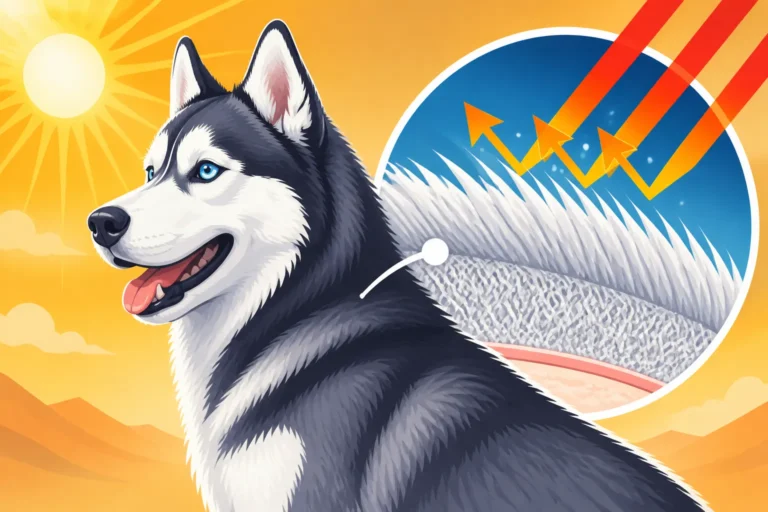
Beyond just protection from rain and snow, these guard hairs are also your Husky's first line of defense against the sun's harsh UV rays. They act like a natural sunscreen, preventing sunburn, which can be a real concern for dogs with exposed skin, especially those with lighter pigment. Furthermore, this dense outer layer provides a physical barrier against insect bites and minor scrapes when your Husky is exploring the backyard or on a trail walk. Removing these hairs leaves your Husky vulnerable to all these environmental factors.
Crucially, the guard hairs don't just protect the skin; they also play a vital role in creating an insulating air pocket. When they stand slightly away from the body, they trap a layer of air, which helps regulate temperature. This trapped air layer is key to how the double coat works as an insulator, not just against cold, but also against heat. It's a brilliant system that many people misunderstand, often believing that "less hair" automatically equals "cooler dog."
The Insulating Power of the Undercoat
Beneath those protective guard hairs lies the real powerhouse of the Husky's temperature regulation system: the dense, soft, and incredibly insulating undercoat. This layer is much finer and woollier than the guard hairs, and it's what truly provides the warmth in winter, acting much like a premium down jacket. The countless fine hairs trap tiny pockets of air close to the body, creating a thermal barrier that keeps the dog warm even in sub-zero temperatures. It's an incredibly efficient system for heat retention.
However, what many people don't realize is that this same undercoat, when healthy and properly maintained, also acts as a thermal barrier against heat. In the summer, as your Husky "blows" its coat, much of this dense undercoat is naturally shed. What remains, or what should remain, is a less dense but still functional layer that helps prevent external heat from reaching the skin, while also allowing air to circulate. It’s like the insulation in your house – it keeps the heat in during winter and the heat out during summer. This complex system is why we stress What the Siberian Husky Double Coat Actually Does.
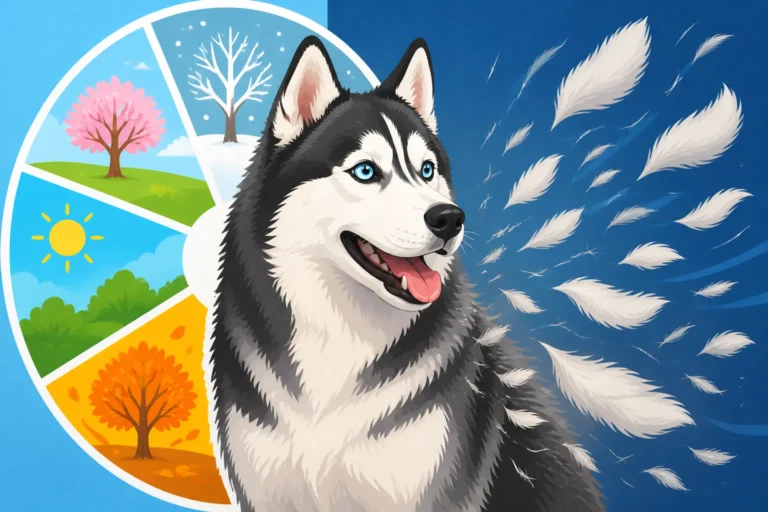
This seasonal shedding, or "coat blow," is your Husky's natural way of adjusting its insulation. They will shed huge amounts of undercoat, sometimes for weeks on end, leaving behind a lighter, less dense layer that still serves its purpose. This process is absolutely vital, and it's why Siberian Husky Coat Blow and the Six Weeks It Lasts is such an important topic. Trying to bypass this natural process by shaving interrupts this delicate balance and can actually make your Husky more susceptible to overheating, not less.
Why Shaving Your Siberian Husky is a Bad Idea
Now that we understand the intricate function of the Husky's coat, it becomes clearer why disrupting it with clippers can have negative consequences, far outweighing any perceived benefits.
Loss of Natural Insulation and Temperature Regulation
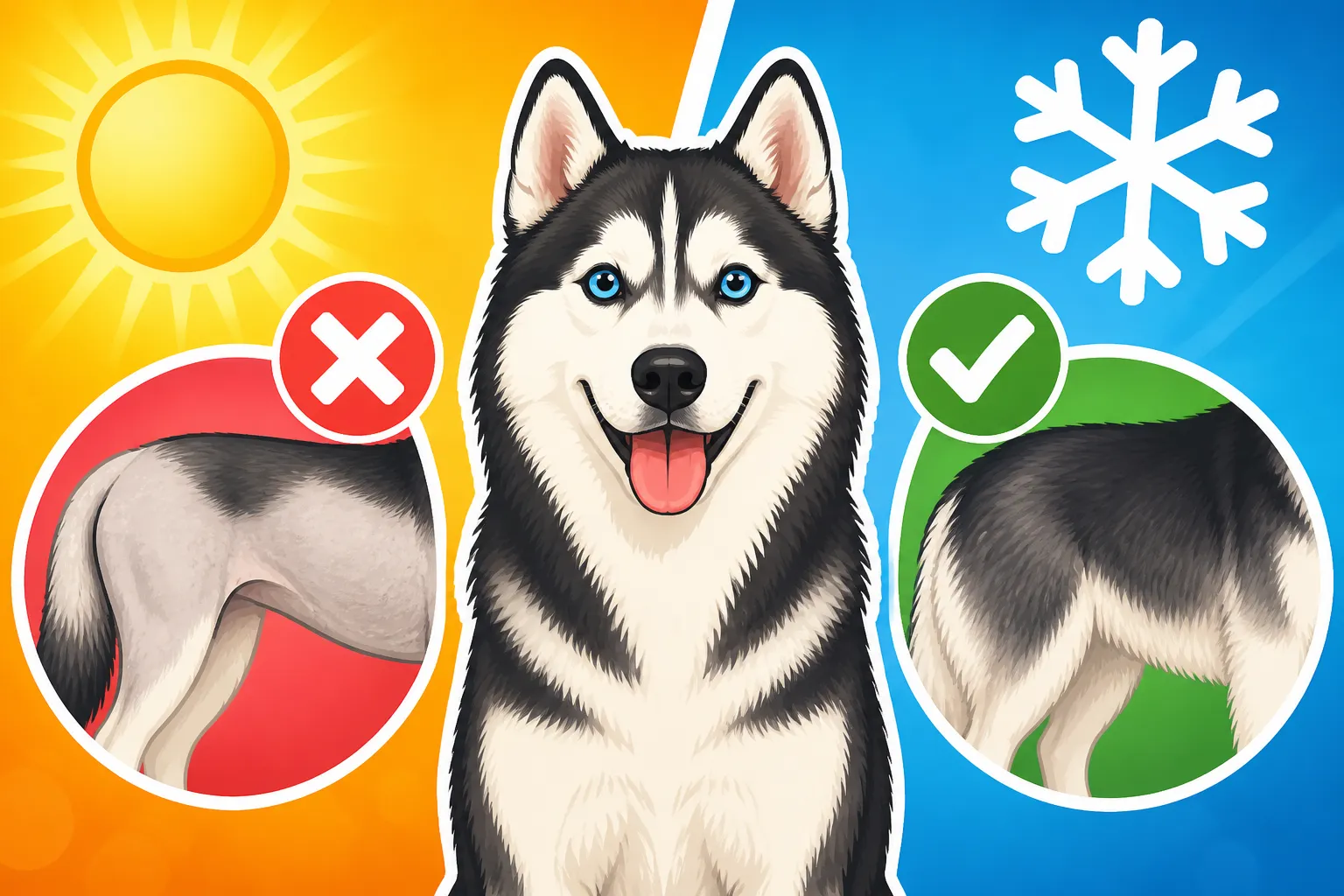
The most significant reason not to shave your Siberian Husky is that it completely strips away their natural, highly effective insulation system. As we just discussed, the double coat, comprising both guard hairs and undercoat, works together to create an air buffer. This buffer doesn't just keep them warm in winter; it also acts as a radiant barrier against the summer sun, much like how a well-insulated cooler keeps its contents cold even on a hot day. When you shave this coat down, you remove both layers, leaving their skin exposed and vulnerable.
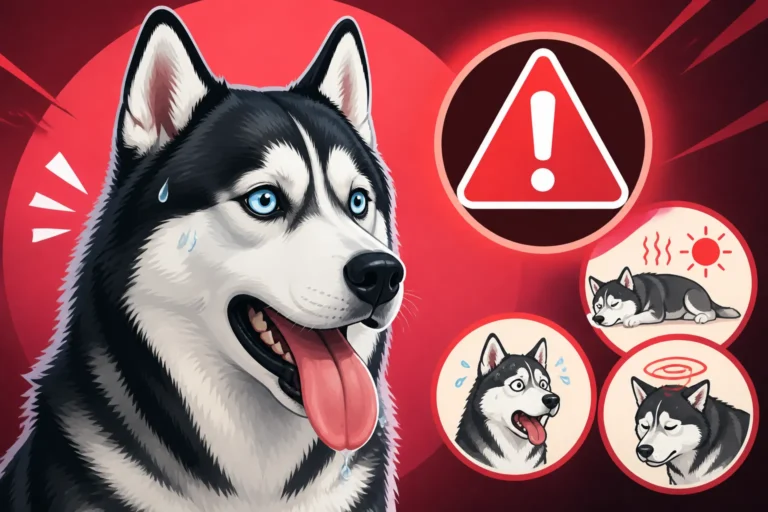
Without this protective layer, your Husky's skin is directly exposed to the ambient heat and the sun's intense rays. Instead of trapping a layer of cooler air, their body becomes a direct target for heat absorption. This means their internal temperature can rise much faster, and they'll have to work much harder to cool themselves down. You'll often see shaved Huskies panting much more heavily than their unshaved counterparts, desperately trying to shed excess heat. It’s a common misconception that less hair equals cooler, but for a double-coated breed, it's the opposite.
Think of it this way: when you're in a desert, people often wear loose-fitting, light-colored clothing to create a barrier against the sun and trap a layer of air to keep cool. Shaving your Husky is like stripping them naked in that same desert. While you might feel cooler in a swimsuit, their body isn't designed for it. Their skin needs that protective layer to function optimally. This is also why we talk about Why a Shaved Siberian Husky Overheats.
Increased Risk of Sunburn and Skin Damage
Once those magnificent guard hairs are gone, your Husky's skin is completely exposed to harmful ultraviolet (UV) radiation. Just like humans, dogs can get sunburned, and Huskies are particularly susceptible in areas with less pigment, such as their pink noses, bellies, and the skin around their inner legs. A severe sunburn isn't just uncomfortable; it's painful and can lead to more serious health issues down the line. Imagine getting a terrible sunburn over your entire body – that's what you're subjecting your Husky to.
Chronic sun exposure from a shaved coat can also significantly increase the risk of skin cancer, including squamous cell carcinoma and hemangioma/hemangiosarcoma, especially in white or light-colored Huskies. The coat provides essential protection that helps prevent these damaging effects. It's a long-term consequence that many owners don't consider when they reach for the clippers, thinking they're doing good.
Beyond sunburn and cancer, a shaved Husky is also much more vulnerable to other skin irritations and problems. Without the guard hairs, their skin is more exposed to irritants like pollen, grass, and insect bites. They can develop rashes, dry skin, or even uncomfortable "hot spots" if they start licking or chewing at irritated areas. The natural oils and protective barrier are disrupted, leading to a host of dermatological challenges.
Damage to the Coat's Growth Cycle and Texture
Perhaps one of the most heartbreaking consequences of shaving a Siberian Husky is the potential permanent damage to their coat. Unlike single-coated breeds that grow back evenly, double-coated dogs like Huskies can experience "post-clipping alopecia" or "coat change." What often happens is that the softer undercoat grows back much faster and denser than the slower-growing guard hairs. This results in a coat that is woolly, cottony, and far less functional than the original. It might feel softer to you, but it's a nightmare for the dog.
This altered coat texture means a few things: firstly, it loses its natural ability to shed water, becoming more absorbent and holding moisture close to the skin, which can increase the risk of skin infections and hot spots. Secondly, the dense, woolly texture often holds heat more effectively, making the dog even hotter in summer than before it was shaved. The coat becomes prone to matting and felting, especially during future coat blows, creating a vicious cycle of more difficult grooming and discomfort. This is precisely why Whether a Shaved Siberian Husky Coat Ever Recovers is such a common and distressing question for owners who've already made this mistake.
The aesthetic changes can also be quite noticeable. Sometimes, the color can grow back duller, or even patchy. Once the natural growth cycle is interrupted and the balance between guard hairs and undercoat is thrown off, it can take years for the coat to potentially return to its original state, and in some cases, it never fully does. This is not just a cosmetic issue; it's a functional one that compromises the Husky's ability to regulate its own body temperature, protect its skin, and live comfortably.
Common Misconceptions About Summer Trims
Many of the reasons owners consider shaving their Huskies stem from understandable, yet ultimately mistaken, beliefs about how their coats work and how dogs regulate temperature. Let's debunk some of these common misconceptions.
The "It'll Grow Back the Same" Myth
One of the biggest myths that leads owners down the path of shaving their Husky is the assumption that "it'll just grow back the same." This simply isn't true for double-coated breeds, and it's a critical distinction to understand. Their coat isn't like human hair that you can cut and expect to regenerate identically. A Siberian Husky's coat is a complex, multi-layered system with distinct hair types and growth cycles. When you shave it, you disrupt this intricate biological process.
People often confuse a Husky's natural shedding, where the undercoat comes out in clumps during a coat blow, with the idea that shaving is just a more aggressive form of shedding. However, shedding removes dead undercoat hairs, allowing the healthy coat to breathe and new guard hairs to emerge. Shaving, on the other hand, cuts live hairs – both guard and undercoat – at an unnatural point in their growth cycle. This can fundamentally alter the hair follicle's ability to produce the correct type of hair, leading to the wooly, damaged coat we discussed.
This myth likely stems from experience with single-coated breeds or short-haired dogs, where a trim has minimal impact on coat texture. For a Husky, though, the consequences are very real and often long-lasting. It's a prime example of why understanding your specific breed's biology is so important, rather than applying general dog grooming practices across the board. You wouldn't shave a sheep in winter for warmth, and you shouldn't shave a Husky in summer for cool.
Thinking a Shaved Coat Feels Cooler to Them
From a human perspective, shedding layers of clothing or shaving one's head in summer definitely feels cooler. So, it's completely understandable why an owner would project that feeling onto their Husky. You see them panting, you feel their thick coat, and your instinct is to remove it, believing it will bring immediate relief. However, this is where our human experience misleads us when it comes to a double-coated dog.
For a Husky, a shaved coat doesn't equate to feeling cooler. In fact, it's quite the opposite. Without the insulating layer of their double coat, their skin is directly exposed to the external heat. Instead of the coat acting as a buffer, the sun's rays directly warm their skin, and the ambient heat transfers straight to their body. Their primary cooling mechanism isn't through their skin (they don't sweat like humans do across their body), but through panting and through the efficient air circulation the healthy double coat provides. Take that away, and you've hindered their natural cooling system.
The idea that air moving directly over exposed skin makes them cooler is flawed because that air is likely hotter than the air trapped within their healthy coat. The coat itself helps maintain a more stable microclimate around their body. Stripping that away leaves them vulnerable to extreme temperature fluctuations, both hot and cold.
The Desire for a Tidier Look
Let's be honest: living with a Siberian Husky means living with hair. A lot of it. Especially during their biannual "coat blow" when the undercoat sheds out in epic proportions. It's a whirlwind of fluff, covering furniture, clothes, and practically every surface in your home. The temptation to shave them simply to avoid the constant vacuuming and de-shedding can be incredibly strong. You might think a shorter coat would be cleaner, tidier, and less hassle to maintain.
The truth, however, is that shaving your Husky will not stop the shedding. It will only make the hairs that shed shorter. And if the coat grows back in that wooly, cottony texture we talked about, it can actually become more prone to matting and holding onto dead hair, making future shedding seasons potentially even worse to manage. The short, stiff guard hairs that used to gracefully fall away are replaced by softer, clingier undercoat hairs that can become a permanent fixture on your upholstery.
A tidy look might seem appealing, but it comes at a significant cost to your Husky's health and comfort. Rather than attempting a misguided shortcut, the solution lies in embracing the natural shedding cycle and implementing consistent, effective grooming practices. There are much better ways to manage the mess without compromising your dog's well-being.
Effective Ways to Keep Your Siberian Husky Cool in Summer
So, if shaving isn't the answer, what can you do to help your Siberian Husky beat the summer heat? The good news is there are plenty of effective, humane, and healthy strategies that work with their natural biology.
Regular, Thorough Grooming for Undercoat Removal
The absolute best, most effective, and healthiest way to help your Siberian Husky stay cool in summer is through diligent and regular grooming, specifically focusing on removing all the dead undercoat. During their natural coat blow, they shed massive amounts of this insulating layer. Your job, as their devoted human, is to assist that process. This means regular brushing, often daily, with the right tools to get deep into the coat without damaging the guard hairs. Siberian Husky Coat Blow and the Six Weeks It Lasts delves into this process in detail, including How Much Undercoat Comes Off a Siberian Husky.
Key tools for this task include an undercoat rake, a sturdy slicker brush, and, if you're serious about battling the fluff, a high-velocity dog dryer. The undercoat rake helps pull out the loose, dead wool without cutting the healthy guard hairs. A high-velocity dryer, often available for purchase on sites like Amazon or Chewy, is a game-changer because it literally blows out the dead undercoat, allowing for maximum air circulation close to the skin. This isn't just about reducing shedding in your house; it's about making their natural cooling system work as efficiently as possible.
When the dead undercoat is removed, the remaining guard hairs and healthy undercoat can properly trap a breathable layer of air, creating that thermal barrier we talked about. This allows cooler air to circulate against their skin, preventing overheating more effectively than any shave ever could. It takes effort, especially with Daily Raking Through a Siberian Husky Blow, but it's a labor of love that genuinely benefits your Husky's health and comfort. Professional groomers also offer de-shedding services that can make a huge difference if you're feeling overwhelmed. Look into specific recommendations for Undercoat Rakes and Blowers for a Siberian Husky.
Timing Walks and Providing Shade and Water
Beyond grooming, managing your Husky's environment and exercise schedule is paramount. In summer, adjust their walks to the coolest parts of the day – early mornings before the sun gets strong, and late evenings after it has set. Avoid the midday heat like the plague. Even a few minutes on hot pavement can burn their paw pads, and that thick coat means they can overheat rapidly, leading to serious health risks like heatstroke. Always test the pavement with your hand; if it's too hot for your palm, it's too hot for their paws. This is covered more deeply in Timing Siberian Husky Walks in Hot Weather.
If your Husky spends time in the yard, ensure there is ample, constant shade. A dog house isn't always enough, as it can trap heat. Natural tree shade or a large canopy are much better. Access to plenty of fresh, cool water is non-negotiable. Consider having multiple water bowls both inside and outside, and add ice cubes to them. Some Huskies even enjoy a shallow kiddie pool to splash in, which can help them cool down their paws and belly. Remember, Heat Stroke Risk in a Siberian Husky is a serious concern, so vigilance is key.
Never, ever leave your Siberian Husky in a parked car, even with the windows cracked. The temperature inside a car can skyrocket to dangerous levels in minutes, even on a mild day. Even a quick errand isn't worth the risk. Their unique metabolism means they are less prone to bloat, but their susceptibility to heatstroke in enclosed spaces is still very real.
Cooling Aids and Environmental Management
Modern pet supplies offer a range of products that can significantly aid in keeping your Husky comfortable during warmer months. Cooling mats, often filled with a gel that activates under pressure, provide a cool spot for them to lie on. Elevated dog beds, available through retailers like Chewy or Amazon, allow air to circulate underneath, preventing heat from radiating up from the floor or ground. These can be particularly beneficial for outdoor kennels or even indoor resting spots.
Indoors, fans and air conditioning are your best friends. Running the AC at a comfortable temperature is often essential, especially in humid climates, as humidity makes it harder for dogs to cool themselves through panting. If AC isn't an option, strategically placed fans can create airflow, which is better than stagnant hot air. Some owners even freeze water bottles wrapped in towels for their Huskies to lie against, offering a temporary cool-down spot. For more tips on this, read Running Air Conditioning for a Siberian Husky in Summer and Cooling a Siberian Husky Without Wetting the Undercoat.
You can also get creative with frozen treats. While you wouldn't typically freeze dog food, some specific dog-friendly popsicles or frozen Kongs filled with safe ingredients (like diluted plain yogurt or pureed pumpkin) can be excellent for internal cooling. Even fresh pet food brands like Ollie, while primarily promoting fresh meals, can be part of a creative frozen treat strategy, by freezing small portions (check their guidance first!) in puzzle toys to give your Husky a mentally stimulating, cooling activity. Just remember, these are aids, not replacements for the essential steps of proper grooming, timing exercise, and providing ample water and shade.
When a Trim Might (Rarely) Be Necessary
Despite everything we've discussed, there are a couple of very specific, and thankfully rare, situations where a trim or shave might be considered. These are almost always driven by medical necessity rather than a desire for cooling or aesthetics.
Severe Matting Beyond Salvage
While we strongly advise against shaving a Siberian Husky for cooling or aesthetic purposes, there are extremely rare circumstances where a trim or even a shave becomes a medical necessity. The most common scenario is severe matting. If a Husky's undercoat has been neglected to the point where it has felted and matted against the skin, forming hard, impenetrable clumps, it can cause excruciating pain, restrict movement, and lead to serious skin infections. These mats can pull tightly on the skin, creating sores and trapping moisture and debris.
In such dire situations, especially if the mats are extensive and close to the skin, dematting can be more painful and traumatic than a shave. A veterinarian or a highly experienced professional groomer will often recommend shaving under the mats to relieve the dog's suffering and allow the skin to heal. This is not a decision to be taken lightly, and it's always done out of necessity, not choice. The goal is to alleviate pain and address underlying skin issues, not to "cool" the dog.
Even in cases of severe matting, the preference is usually to only shave the affected areas, rather than a full body shave, to preserve as much functional coat as possible. This highlights that any clipping is done as a last resort to address a welfare issue caused by neglect or unforeseen circumstances, not as a routine grooming practice. Prevention through consistent de-shedding, as detailed in Siberian Husky Weekly Grooming Between Blows, is always the better route.
Medical Necessity Under Veterinary Guidance
Beyond severe matting, a veterinarian might recommend localized shaving for other medical reasons. For example, before surgery, a patch of fur is always shaved to ensure a sterile field. For diagnostic imaging like an ultrasound, the area might need to be shaved for clear contact. If your Husky has a severe skin condition that requires topical treatment or close monitoring, a vet might suggest shaving down the affected area to allow for easier application of medication and to properly assess the skin's healing.
These are specific, targeted shaves that are part of a medical protocol, not a general coat trim. The purpose is health and diagnosis, not comfort or appearance. In these cases, your vet will advise you on post-shave care, which might include specific ointments, protective clothing (like a medical pet suit), or strict indoor confinement to prevent sunburn or chilling, depending on the shaved area and the weather.
It’s crucial to understand that these are always vet-directed decisions, made for the direct health and well-being of your Husky, often involving a compromised or unwell animal. They are not an endorsement of general coat shaving for heat relief. When in doubt about any health issue, always consult your veterinarian rather than attempting home remedies or interventions that could inadvertently harm your beloved companion.
Shaving vs. Proper De-shedding for Summer Comfort
To help clarify the differences and underscore the best approach, here's a comparison of shaving your Husky versus maintaining their coat with proper de-shedding techniques.
| Feature | Shaving a Siberian Husky | Proper De-shedding (Raking & Blowing) |
|---|---|---|
| Primary Goal | Perceived cooling, less shedding (misconception) | Enhance natural cooling, manage shedding, maintain coat health |
| Coat Structure | Destroys double coat; removes guard hairs and undercoat | Preserves guard hairs; removes only dead undercoat |
| Insulation | Removes natural thermal barrier; increases heat absorption | Maintains natural air pocket insulation against heat |
| Sun Protection | Eliminates UV protection; high risk of sunburn & skin cancer | Provides natural sunscreen and physical barrier |
| Future Coat Growth | Often leads to wooly, damaged, matted, or discolored coat | Promotes healthy coat growth and texture |
| Grooming Effort | Short-term relief from shedding; long-term potential for matting and skin issues | Consistent effort during coat blow; easier maintenance long-term |
| Skin Health | Increases risk of skin irritation, hot spots, insect bites | Protects skin from elements, supports natural oil production |
| Dog's Comfort | Can make them hotter, more prone to heatstroke, discomfort | Optimizes natural cooling, greater comfort |
Disclaimer
This article is for general informational purposes only and does not constitute professional advice. Laws, prices and regulations vary by location and change over time. Consult a qualified professional for guidance on your specific situation.