Stopping a Siberian Husky From Escaping the Yard
If you've ever owned a Siberian Husky, you know the heart-stopping panic of realizing your yard is empty and your furry escape artist is nowhere to be found. It’s a common, utterly frustrating reality for many of us, turning our peaceful homes into maximum-security facilities. This comprehensive guide is dedicated to helping you understand why your Husky is so determined to escape and, more importantly, equip you with the strategies, tools, and mindset needed to keep your beloved, adventurous dog safely contained within your property.
Understanding the Siberian Husky Escape Artist Mindset
Let's be real, Siberians aren't just pets; they're an experience, and often that experience includes a constant battle of wits against their desire for freedom. It’s not about them being naughty; it’s about their very essence. To truly stop a Siberian Husky from escaping, you first have to understand the deep-seated motivations behind their Houdini-like tendencies.
The Deep-Seated Instinct to Roam
Imagine a dog bred for centuries to run vast distances across frozen landscapes, covering miles without human direction, sometimes for days. That's your Siberian Husky. Their ancestors were the ultimate long-distance athletes, and that drive is still incredibly potent in their DNA. It’s not personal when they make a break for it; it’s instinct. This innate wanderlust means that if there’s an open gate, a weak fence, or even just a compelling scent on the breeze, their first thought isn't to stay loyal to the yard, but to explore.
This historical purpose impacts every aspect of their behavior. They aren't content to simply patrol a small suburban patch of grass. Their minds are wired for exploration and covering ground, often for reasons completely imperceptible to us. A squirrel on the other side of the fence isn't just a squirrel; it's a call to adventure, an opportunity to engage that primal chase instinct. You can read more about this fundamental characteristic in The Roaming Instinct Bred Into Every Siberian Husky. Understanding this helps us approach containment with empathy rather than anger, recognizing that we're working against powerful, ancient programming.
High Intelligence Meets Boredom
Huskies are smart. Really, really smart. And like any intelligent creature, if they aren’t given enough to occupy their brains, they will invent their own entertainment. Unfortunately for us, "their own entertainment" often involves testing the limits of their enclosure. A bored Husky will meticulously inspect every inch of a fence line, every latch, every loose board, looking for a weakness. They learn incredibly quickly. If they manage to slip through a gate once, they'll remember exactly how they did it and try again.
Think of it this way: if you’re stuck doing the same mundane thing every day, wouldn't you look for an escape? Your Husky feels the same. A lack of mental stimulation can be just as potent a trigger for escape as a lack of physical exercise. Leaving them alone for hours with nothing to do but stare at the same four walls or the same patch of grass is an open invitation for them to engineer their next great escape. They crave puzzles, challenges, and novel experiences, and if you don't provide them, they'll seek them out themselves, often beyond your property lines.
The Thrill of the Chase and What Drives It
Siberian Huskies have a very strong prey drive. It's another echo of their working past, where chasing down small game was a survival skill. This means that a cat, a rabbit, a squirrel, or even a leaf blowing in the wind can become an irresistible target. Once that chase instinct kicks in, rational thought goes out the window. They become singularly focused on the object of their desire, and no fence, no matter how tall or sturdy, will seem insurmountable if they believe they can catch what they’re after on the other side.
This powerful drive is why even a well-trained Husky might suddenly bolt. They aren’t being disobedient; they're simply responding to an instinctual command that is far more powerful than any learned cue in that moment. It's a hard truth to accept, but it’s a reality we must contend with when planning containment strategies. This prey drive is also a significant reason why the safety of your Husky, and that of neighborhood wildlife or pets, depends so heavily on secure containment. It’s not just about keeping them in; it’s about keeping others safe from their instincts and keeping your Husky safe from potential harm from traffic or angry neighbors.
Fortifying Your Fences: The First Line of Defense
Once you understand the "why" behind their escapes, it's time to focus on the "how." And the "how" often starts with making your yard an impenetrable fortress. This isn't just about throwing up a fence; it's about understanding the unique ways a Husky will try to defeat it.
Assessing Your Current Fence and Its Weaknesses
Before you can fix the problem, you need to identify it. Walk your fence line like a Husky. Get down low, look for gaps, loose posts, or areas where the ground slopes. Think like them: where would you try to dig? Where would you try to squeeze through? Where could you get a foothold to climb? Pay special attention to corners, gates, and any areas where the fence meets a shed, tree, or other structure they could use for leverage.
Look for signs of previous attempts: fresh digging, claw marks on posts, or bent wire. These tell-tale signs are your Husky's "report card" on your current setup. A common mistake is assuming a fence built for a different breed will hold a Husky. It almost never will. They have a tenacity that puts most other dogs to shame. Every weak point you find is a potential escape route that needs immediate attention. Don't underestimate them; if there's a way out, they will find it.
Adding Height to Deter Climbers
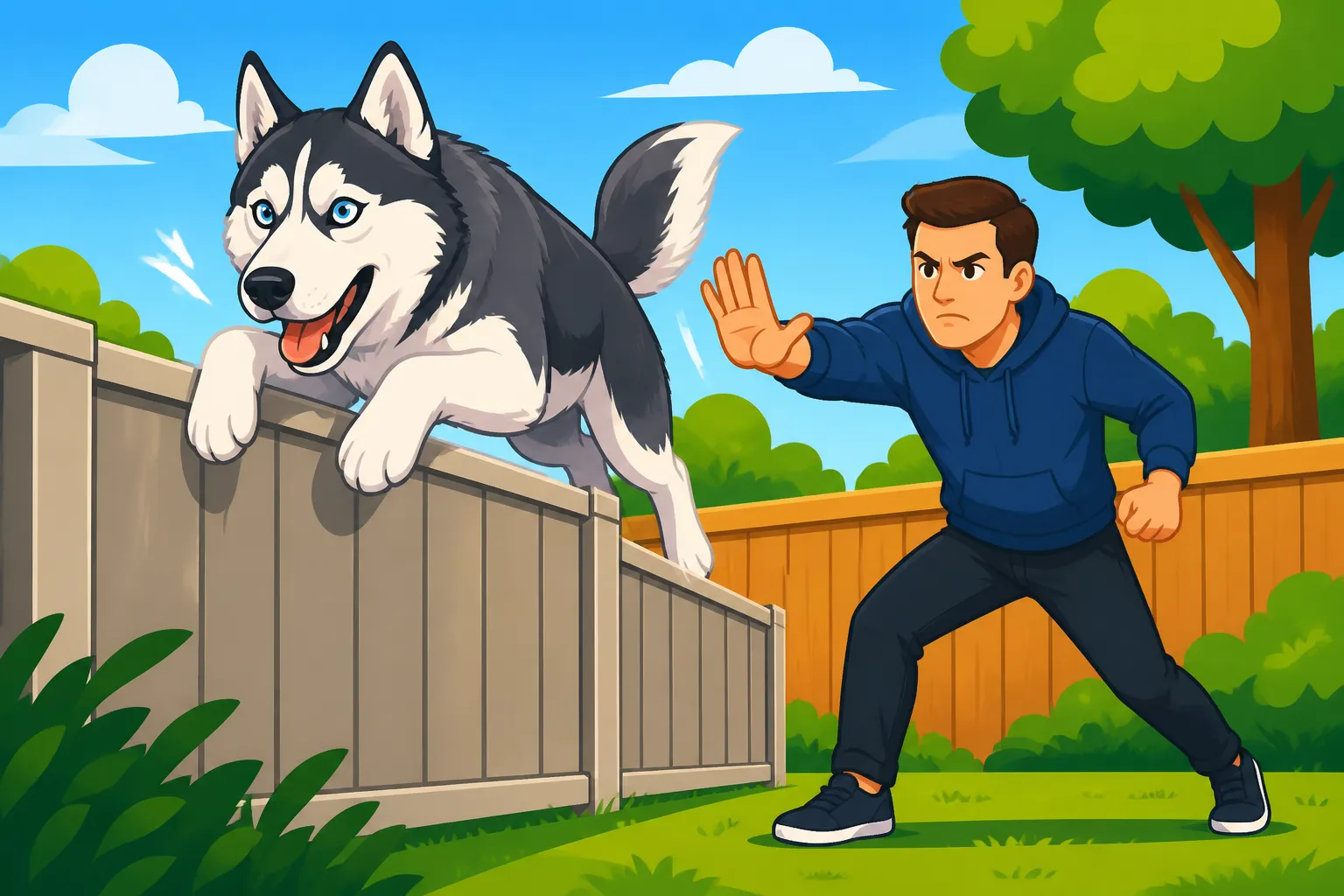
The standard six-foot fence is often just a suggestion for a determined Siberian Husky. These dogs are incredible athletes and can scale heights that would astound you. If your Husky is clearing your existing fence, or even attempting to, you need to think vertically. Adding extensions to your fence, often referred to as "coyote rollers" or lean-in toppers, can be incredibly effective. These are typically angled extensions or spinning bars that prevent them from getting purchase at the top to climb over.
Another option is to build an enclosure with an actual roof, especially for smaller runs. This might seem extreme, but for serial climbers, it's often the only truly secure solution. Remember, the goal isn't just to make it difficult; it's to make it impossible. A Husky will dedicate hours to finding a way over if they know there's a world to explore on the other side. Consider the specific advice in The Six-Foot Fence a Siberian Husky Needs for more detailed height requirements.
Securing the Base Against Diggers
If they can't go over, they'll go under. Siberian Huskies are notorious diggers, and they can excavate impressive tunnels in a surprisingly short amount of time. To combat this, you need to secure the base of your fence. The most common and effective method is to bury an L-footer or concrete apron. This means burying a section of fence material horizontally, extending inward from the base of your existing fence, making it impossible for them to dig directly down and under.
Another option is to lay down heavy-duty wire mesh (like hardware cloth, not chicken wire) at the base and secure it firmly to the bottom of the fence and into the ground with landscape staples. This creates an unyielding barrier that they can’t dig through. Remember that they don't necessarily need to dig a tunnel all the way out; often, they just need to loosen enough soil to create a gap they can squeeze through. Any soft spot or area where water runoff has created an indentation will become their next excavation project. Get more tips on this in Adding an L-Footer Against Siberian Husky Digging.
Bolstering Gates and Latches
Gates are often the weakest link in any fence system. A clever Husky will quickly learn how to nose open a simple latch, or even jump and manipulate a lever. You need multiple layers of security on your gates. A simple spring-loaded latch isn’t enough. Consider adding a carabiner clip, a padbolt with a padlock, or even a sturdy barrel bolt at both the top and bottom of the gate. The key is to have mechanisms that require more dexterity than a paw or snout can manage.
Also, ensure your gates open inward, not outward. This makes it harder for a Husky to push them open with their body weight. Check for any gaps around the gate posts where a small, determined Husky could squeeze through. Reinforce these with extra wood or mesh. Don't forget that a gate should close and latch automatically if possible, or at the very least, be checked every single time someone enters or exits the yard. It takes just one moment of forgetfulness for an escape to occur. You might even want to install an alarm or chime on the gate that alerts you every time it opens.
Beyond the Physical Barrier: Training and Management
While a strong fence is non-negotiable, it's only one piece of the puzzle. The next crucial element involves consistent training and diligent management of your Husky's behavior and environment.
Crate Training as a Safe Haven
Crate training isn't just for puppies; it's an invaluable tool for adult Siberians, especially those prone to escaping. A crate provides a secure, confined space where your Husky can't get into trouble, chew through a fence, or bolt out an open door when you can't actively supervise them. It gives you peace of mind when you need to step away, knowing they are safe and sound. However, it's crucial that the crate is a positive space, not a punishment. Fill it with comfy bedding, durable chew toys, and maybe even a puzzle feeder.
For a Husky, who can be quite the escape artist even within a crate, choosing the right one is critical. Standard wire crates often don't hold them for long, as they can learn to bend bars or manipulate latches. Heavy-duty escape-proof crates, often made of reinforced steel or with specialized locking mechanisms, are a worthwhile investment for a determined Husky. You can find robust options on platforms like Amazon. Remember, a crate should never be used for excessively long periods, but rather as a short-term secure solution when you're unable to provide direct supervision. If your Husky has already started bending bars, you might need to investigate options discussed in Crating a Siberian Husky That Bends the Bars.
Building a Rock-Solid Recall for Emergency Situations
Let's be honest: relying solely on a Husky's recall in an open, unfenced area is playing with fire. Their prey drive and wanderlust are simply too strong. However, a strong recall is still an essential safety tool for those moments when, despite your best efforts, an escape does happen. It's your last line of defense, a desperate plea for them to return when they're already on the run. This isn't about perfectly reliable off-leash work; it's about having that emergency stop-gap.
Building this recall requires intense, consistent, high-value training. Forget calling them when they're fixated on a squirrel; practice in low-distraction environments first, with the highest value treats you can find (think cooked chicken or cheese). Practice it constantly in the yard, always making coming back a wildly positive experience. Never call them to you to punish them or do something unpleasant. Use a long line (30-50 feet) in a secure, large area to simulate freedom while maintaining control. This allows them to practice coming back over a distance with safety. Learn more in Building a Siberian Husky Recall Word From Scratch.
Managing the Environment When You Can't Supervise
Sometimes, the best solution is simply not to put them in a position to escape. If you can’t actively supervise your Siberian Husky in the yard, they shouldn’t be there. This is a tough pill for some owners to swallow, especially if they have a big yard, but it’s the reality of owning this breed. A bored, unsupervised Husky is an industrious Husky, and their industry often leads to escape attempts.
Consider a rotating schedule: instead of leaving them outside, bring them in for short periods, engage in mental games, then perhaps back outside for a supervised play session. Use an indoor secure space, like a crate, or a room that has been thoroughly "Husky-proofed." During unsupervised outdoor time, even in a secure yard, they can still dig, chew, or find new ways to test boundaries. Think about using a dog run with a solid top for daytime confinement when you are busy indoors, but even then, supervision is key. This careful management extends to every door in your home; train all family members on Siberian Huskies That Bolt Through Open Doors.
Enrichment and Exercise: Tiring Out the Escape Drive
A tired Husky is a good Husky, and a mentally stimulated Husky is less likely to engineer an elaborate escape plot. Addressing their physical and mental needs is paramount to keeping them safely contained.
The Importance of Sufficient Physical Exertion
This is probably the single most overlooked aspect of Husky ownership and a huge contributor to escapes. These dogs were bred for endurance, not short walks around the block. They need a lot of exercise—often 1-2 hours of vigorous activity daily. And I don't mean a leisurely stroll. I mean running, pulling, hiking, or really burning off that boundless energy. If they don't get it, that pent-up energy will manifest in destructive behaviors, which almost always includes attempting to escape.
Think about activities that truly engage them: bikejoring, canicross, skijoring, long-distance hiking, or even just intense fetch sessions in a secure area. A dog walking alongside you on a leash is simply not the same as a dog driving forward with purpose. Many owners mistakenly believe a large yard is enough, but a yard doesn't exercise a dog; activity does. If they come back from their exercise session panting and ready to nap, you're doing it right. If they're still bouncing off the walls, they need more. You can dive deeper into this in How Much Exercise a Siberian Husky Really Needs.
Mental Stimulation to Prevent Boredom Escapes
Beyond physical exercise, their intelligent minds need a workout too. A physically tired but mentally bored Husky can still be an escape artist. Incorporate daily mental challenges into their routine. This can include training sessions (even short, fun ones), puzzle toys, scent work, or interactive games. Make them use their brains to earn their meals. Companies like BAXTER & Bella offer online training programs that can help you structure these mental exercises.
Puzzle feeders are fantastic for this breed. Instead of just dumping food into a bowl, make them work for it. There are many options available on Amazon, from simple snuffle mats to complex dispensers that require multiple steps to release kibble. This engages their problem-solving skills and satisfies their natural foraging instincts. Rotate toys frequently to keep things novel and interesting. A dog with a tired mind is much less likely to be plotting its next great escape. Find out which ones hold up to Husky ingenuity in Puzzle Feeders a Siberian Husky Cannot Beat.
Providing Safe and Engaging Yard Activities
If your Husky is spending time in the yard, make sure that time is productive and engaging. Simply turning them loose with nothing to do is a recipe for disaster. Provide appropriate chew toys (and rotate them to maintain interest), set up a digging pit where they are allowed to dig (to redirect their natural inclination), or hide treats around the yard for them to "hunt."
For dogs that enjoy water, a shallow kiddie pool can be a great enrichment tool in warmer weather, giving them something to splash in and cool down. Consider setting up a sturdy flirt pole to burn off some energy with chasing games. The more positively engaging activities you provide within the confines of your yard, the less appealing the world outside will seem. The key is to make your yard the most exciting place to be, reducing the motivation to seek adventure elsewhere.
Technology and Tools: A Helping Hand for Husky Containment
While training and physical barriers are primary, modern technology can offer valuable assistance in managing a Husky's escape tendencies and, critically, in recovering them if they do get out.
GPS Trackers for Peace of Mind
Even with the most secure fence and diligent training, a Husky escape can still happen. A GPS tracker is not a containment solution, but it's an invaluable recovery tool. These devices attach to their collar and allow you to track their location in real-time via a smartphone app. This significantly reduces the panic and broadens your search area if they manage to slip away. They usually operate on a subscription service, but the peace of mind they offer is priceless.
When choosing a GPS tracker, look for one that is durable, waterproof, and has a long battery life. Consider the coverage area of the network it uses, especially if you live in a rural or less populated area. Brands like Tractive are popular choices for their robust features and reliable tracking. While it won’t prevent the escape, it gives you a much better chance of a swift and safe reunion. For recommendations, see GPS Collars Worth Buying for a Siberian Husky.
Advanced Locking Mechanisms for Gates
Standard gate latches are often no match for a smart Siberian Husky. Investing in advanced locking mechanisms is a sensible upgrade. These can include double-sided keyed locks, heavy-duty deadbolts, or even electronic keypads if your gate system allows for it. The goal is to make it impossible for them to manipulate the latch with their nose, paw, or even their body weight.
Beyond the latch, consider reinforcing the gate frame itself. A determined Husky can sometimes ram a gate until the posts weaken or the hinges give way. Add heavy-duty hinges and diagonal bracing to prevent sagging or warping. Regularly inspect all gate hardware for rust, wear, or loosening. A secure gate is a multi-faceted defense, requiring attention to the latch, the frame, and the integrity of the posts.
Why Invisible Fences Fall Short for Huskies
Let's get one thing straight: invisible fences are generally not recommended for Siberian Huskies. While they might work for some breeds, the Husky's high pain tolerance, stubborn nature, and overwhelming prey drive mean that a brief shock is often merely an inconvenience rather than a deterrent when there's something exciting on the other side. They will "blow through" the boundary, taking the momentary correction for the reward of freedom or the thrill of the chase.
The problem isn't just that they'll run through; it's that once they're out, they often won't cross the boundary back in because they don't want to receive another shock. This leaves them stranded outside your property, potentially lost or in danger. Invisible fences rely on fear and discomfort, which can damage your bond with your Husky and, more critically, are often ineffective for a breed so driven by instinct. For a comprehensive discussion on this topic, refer to Why Invisible Fencing Does Not Hold a Siberian Husky.
Addressing Specific Escape Scenarios
Huskies are creative in their escape methods. Understanding these common scenarios and how to specifically counter them is key.
The Door Dasher: Preventing Indoor Escapes
Many Huskies see an open front door not as a boundary, but as an invitation to adventure. This "door dashing" behavior is incredibly dangerous and can lead to immediate escape into traffic or unknown territory. Preventing it requires consistent training, management, and household protocols. Teach a "wait" or "stay" command specifically at the door. Practice opening the door a crack while your Husky remains calm, slowly increasing the duration and width of the opening. Reward heavily for success.
Install physical barriers: baby gates or internal secondary doors can provide an extra layer of protection near entry points. Train all family members and guests to be mindful of the Husky when opening doors. Make a rule: no one enters or exits without first ensuring the Husky is secured in another room or on a leash. The consequences of a door dash are too severe to take lightly, and consistency from everyone in the household is paramount. This training is essential for the safety of your Husky and can prevent the heartbreaking reality of a lost dog.
The Houdini of the Crate: Choosing the Right Enclosure
As mentioned before, standard crates often don't cut it for a determined Husky. If your Husky has already demonstrated their ability to bend bars, open latches, or chew through plastic, you need to upgrade immediately. These dogs can seriously injure themselves attempting to escape flimsy crates, not to mention the damage they can do to your home once they're out.
Invest in a heavy-duty, reinforced steel crate specifically designed for escape artists. Look for models with multiple locking points, thicker gauge wire or solid panels, and no plastic components that can be chewed through. Some even feature welded steel tubing rather than wire. While these crates are a significant investment, they are worth every penny for the safety of your dog and the preservation of your home. Always ensure the crate is appropriately sized and comfortable, to promote a positive association with their safe space.
The Social Butterfly: Managing Escapes to Other Dogs
Some Huskies aren't just looking for adventure; they're looking for friends. If your Husky frequently attempts to escape when they spot another dog, it's often a combination of prey drive (if the other dog is smaller and running) and a strong social drive. This can be particularly challenging because it's a moving, often unpredictable target.
Management is key here. Avoid leaving your Husky unsupervised in the yard if you know neighboring dogs are often out. During walks, if your Husky pulls towards other dogs, work on leash manners and focus exercises in low-distraction environments first. If they do escape and are drawn to another dog, never chase them. This will only reinforce the chase and make them run faster. Instead, try to entice them back with high-value treats or a favorite toy, moving away from the other dog if possible. Sometimes, lying down on the ground and acting excited in a friendly way can pique their curiosity enough to come check on you.
Living with a Known Escape Artist: Long-Term Strategies
Successfully containing a Siberian Husky is an ongoing commitment, not a one-time fix. It requires vigilance, adaptation, and a realistic understanding of the breed.
Developing a Household Escape Protocol
Because escapes are a genuine risk with Siberians, every member of your household needs to know exactly what to do if one happens. This isn't about blaming; it's about preparedness. Establish a clear "escape protocol":
- Who to call immediately: Make sure everyone has your number, and possibly a trusted neighbor's.
- How to search: Divide areas, know local animal control numbers.
- What to bring: Leash, high-value treats, a familiar toy, their crate if possible.
- Crucially, how to approach: Never chase. Lure them. Act excited, not angry. If they come, praise and treat lavishly, then calmly leash them.
Having this plan in place prevents panic and ensures a more efficient, coordinated search effort. Regularly review it, especially if new people move into the home or if you have visitors frequently. This preparedness can significantly increase the chances of a quick and safe recovery if the unthinkable occurs. It's a sobering thought, but one every Husky owner must face head-on. Consider the critical importance of a microchip and updated tags, as detailed in Microchip Registration for a Siberian Husky.
Working with Professional Trainers for Stubborn Cases
If you've tried everything and your Husky is still managing to escape, or if you're feeling overwhelmed, don't hesitate to seek help from a professional dog trainer or behaviorist. But be selective! Look for someone with extensive experience specifically with independent, high-drive breeds like Siberian Huskies. A trainer who understands their unique motivations and isn't afraid to think outside the box will be invaluable.
Avoid trainers who rely on harsh punishment or methods that might damage your bond with your dog. A good trainer will focus on positive reinforcement, enrichment strategies, and helping you understand why your Husky is behaving this way, rather than just trying to suppress the behavior. They can offer fresh perspectives, help you fine-tune your techniques, and even identify subtle weaknesses in your containment system you might have missed. If you need help finding someone, look for advice in Finding a Trainer Who Has Worked With Huskies.
The Reality of Constant Vigilance
Owning a Siberian Husky means accepting that a certain level of vigilance will be a permanent part of your life. They are not a "set it and forget it" breed, especially regarding containment. Every time you open a door, every time you step into the yard, every time you have guests, you need to be mindful of your Husky's potential to seize an opportunity for freedom. This isn't meant to scare you, but to set realistic expectations.
It's a lifestyle adjustment. You'll learn to check latches automatically, scan the fence line subconsciously, and always be aware of your Husky's location and intentions. This level of dedication is what truly keeps these amazing, adventurous dogs safe and happy within their homes. While it requires effort, the bond you build and the joy they bring make it all worthwhile. Remember, a contained Husky is a safe Husky, and a safe Husky is a happy Husky.
| Escape Method | Common Husky Tactic | Recommended Solution (Layered) |
|---|---|---|
| Climbing | Jumps or scales fence posts, often using leverage. | Add height extensions (coyote rollers, lean-ins), fence toppers. |
| Digging | Excavates under fence lines, especially at weak spots. | Install L-footers (buried mesh/concrete), secure with landscape staples. |
| Gate Breaching | Noses open latches, jumps at handles, pushes through gaps. | Use multiple heavy-duty latches (padbolts, carabiners), reinforce gate frame. |
| Door Dashing | Bolts through open house doors or gates. | Train "wait" command, use baby gates, strict household protocols. |
| Crate Escape | Bends bars, manipulates flimsy latches, chews through plastic. | Invest in heavy-duty, reinforced steel escape-proof crate. |
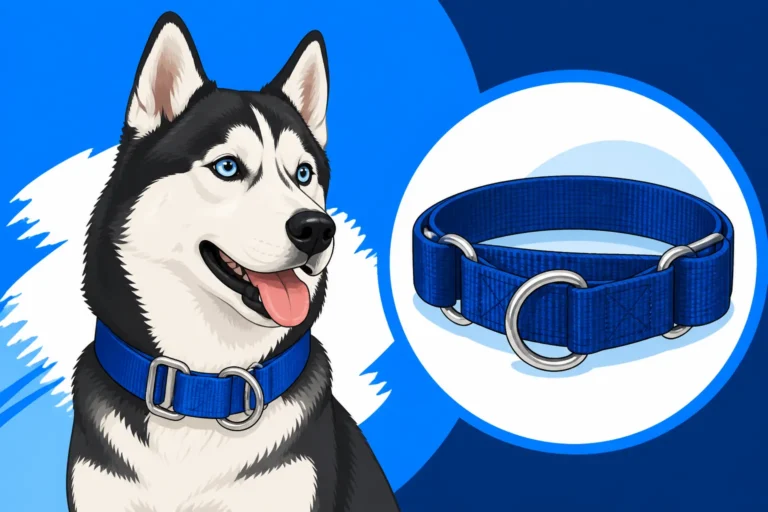
| Slips Collar | Backs out of standard collars, especially when startled. | Use martingale collars for walks, ensure proper fit. |
Disclaimer
This article is for general informational purposes only and does not constitute professional advice. Laws, prices and regulations vary by location and change over time. Consult a qualified professional for guidance on your specific situation.