The Months a Siberian Husky Blows Its Coat
Ah, the joys of living with a Siberian Husky! If you’ve ever found yourself wondering if it’s snowing inside your house, even in the middle of summer, you're not alone. One of the most common, and often overwhelming, experiences for Husky owners is the dreaded "coat blow." This guide is all about helping you understand exactly when these furry blizzards typically hit, why they happen, and how to prepare for the inevitable explosion of fur.
Understanding the Siberian Husky's Double Coat
Before we dive into the "when," it's crucial to understand the "why." Your Siberian Husky isn't just shedding; they are blowing their coat, which is a whole different ballgame compared to many other breeds. Huskies were bred for the harsh, unforgiving Arctic conditions by the Chukchi people, and their coat is a marvel of natural engineering, perfectly designed for insulation against extreme cold and, surprisingly, protection from heat. This specialized coat is their built-in climate control system.
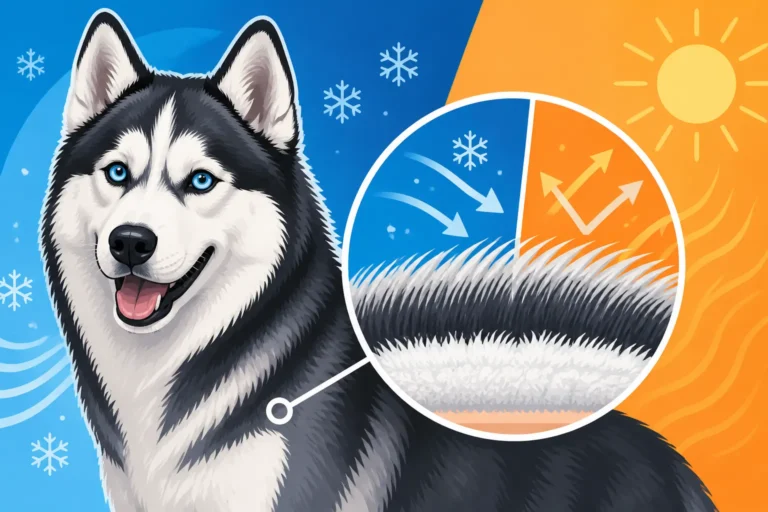
The Husky's coat consists of two distinct layers: the guard hairs and the undercoat. The guard hairs are the longer, coarser outer hairs that give your Husky their color and pattern. They're water-resistant and protect the delicate undercoat and skin from moisture, dirt, and UV rays. Think of them as the roof shingles of your dog's personal house. Beneath these lies the undercoat – a dense, soft, woolly layer of fine hairs that are incredibly effective at trapping air close to the body, providing unparalleled insulation. In winter, this undercoat is thick and lush, keeping them warm. In summer, they shed this dense layer to allow air to circulate and keep them cool. This is the layer that truly defines the "coat blow" experience. It’s not just a few loose hairs; it’s an entire system refresh.
During a coat blow, your Husky is actively shedding this thick undercoat to adapt to the changing temperatures. It's a natural, healthy process, but it certainly isn't a tidy one. Many new Husky owners are caught off guard by the sheer volume of fur that comes off during this time. It feels like they're trying to redecorate your entire home with their own personal fluff, and it really can feel like an unending battle. It's an intensive shedding period where huge tufts of undercoat literally detach from the skin.
The Months a Siberian Husky Blows Its Coat
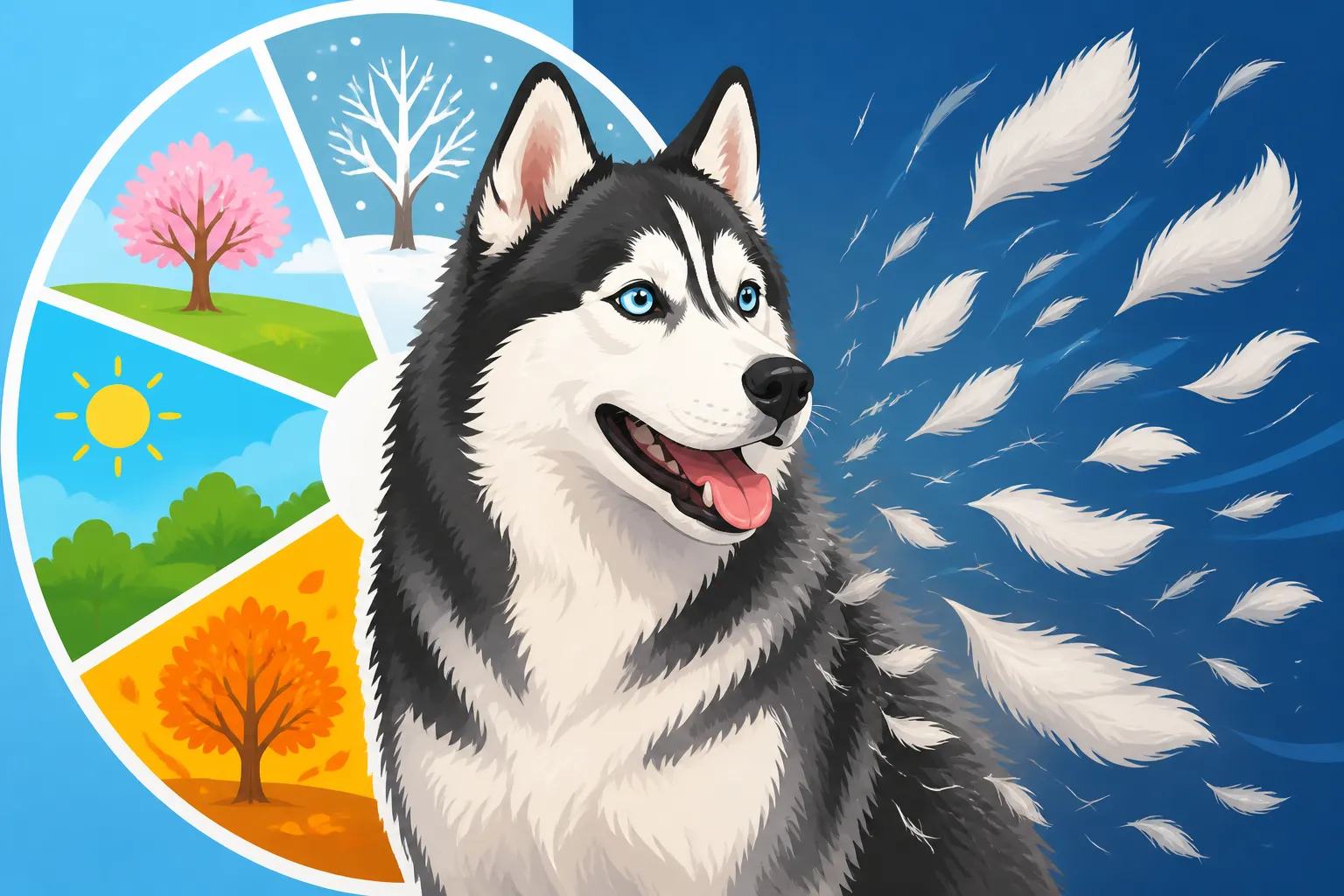
So, when can you expect this furry phenomenon? For most Siberian Huskies, there are two primary "blows" per year, marking the transition between seasons. However, it’s important to remember that every dog is an individual, and environmental factors play a significant role.
The Spring and Fall Ritual
The most prominent and often heaviest coat blow occurs in the spring. As the days lengthen and temperatures begin to rise, your Husky will start shedding their thick winter undercoat. This process is essential for them to remain comfortable and prevent overheating in the warmer months. This spring blow can feel never-ending because that winter coat is truly something to behold. It’s dense, insulating, and absolutely everywhere once it starts coming out.
The second major coat blow typically happens in the fall. This shedding isn't usually as dramatic as the spring blow, but it's still significant. During the fall blow, your Husky sheds their lighter summer undercoat to make way for the growth of their new, denser winter coat. This prepares them to face the dropping temperatures and eventually, the snow, with maximum insulation. Think of it as them getting their cold-weather gear ready, packing on the fluffy layers.
These seasonal changes are largely driven by photoperiod (the amount of daylight) and temperature fluctuations. Your dog's body naturally responds to these environmental cues, signaling the start of the shedding cycle. Siberian Husky Coat Blow and the Six Weeks It Lasts delves into this more.
Factors That Can Shift the Schedule
While spring and fall are the typical months, several factors can influence the timing and intensity of your Siberian Husky's coat blow.
- Climate: Huskies living in more temperate climates, where seasonal changes are less pronounced, might experience less extreme, but more continuous, shedding throughout the year. For example, a Husky living in a consistently warm state might shed more gradually, never fully developing or completely blowing a super dense coat like their counterparts in colder regions. Conversely, a Husky living in an area with harsh winters and hot summers will likely have very distinct, heavy seasonal blows.
- Indoor vs. Outdoor Living: Dogs who live primarily indoors, exposed to artificial light and climate control, can have their natural shedding cycles disrupted. The consistent temperatures and light cycles inside your home can sometimes lead to a less defined, more prolonged, or even year-round moderate shed, rather than two distinct, heavy blows.
- Hormones and Health: Intact (unspayed or unneutered) Huskies often have more predictable and pronounced seasonal coat blows tied to their hormonal cycles. Spaying or neutering can sometimes alter a dog's coat texture and shedding pattern, potentially leading to a year-round moderate shed or even a "wooly" coat that sheds more continuously. Pregnancy and lactation also trigger significant hormonal changes that often result in a massive coat blow for female Huskies after their puppies are weaned. Additionally, underlying health issues can affect coat quality and shedding, making it important to keep an eye out for any unusual changes. For more on this, check out Whether Spaying Changes a Siberian Husky's Shed Cycle.
- Nutrition: A high-quality diet rich in essential fatty acids and appropriate protein levels can support a healthy coat and skin, potentially leading to a more efficient and less problematic shed. Poor nutrition, on the other hand, can sometimes contribute to excessive or unhealthy shedding.
How Long Does the "Blow" Actually Last?
This is the million-dollar question for many frustrated Husky owners! The intensity and duration of a coat blow can vary greatly, but generally, each major blow can last anywhere from three to eight weeks. Yes, you read that right – weeks. It often feels like an eternity when you're vacuuming daily and still finding fur in your coffee.
The initial phase is often the most dramatic, with large clumps of undercoat coming out with minimal effort. This is when you can practically pull handfuls off your dog. As the blow progresses, the shedding becomes more diffuse, but consistent, as the remaining undercoat works its way free. How Long a Siberian Husky Coat Blow Runs offers an in-depth look at this timeline. Be prepared for a sustained effort, not just a one-week tidy-up.
Surviving the Shed: Managing the Coat Blow
Living through a Siberian Husky coat blow requires patience, consistency, and the right tools. It’s not about stopping the shedding – that's impossible and unhealthy – but about managing it effectively to keep your dog comfortable and your home somewhat fur-free.
Daily Brushing: Your New Best Friend
During a coat blow, daily brushing isn't just recommended; it's essential. This is your primary weapon against the fur avalanche. Regular brushing helps to remove the loose undercoat before it has a chance to settle on your furniture or float through the air. Focusing on getting down to the skin, not just skimming the surface, is key to extracting that dense, insulating undercoat.
You'll need specific tools for this job. A good quality undercoat rake, like those available on Chewy or Amazon, is indispensable. These rakes have teeth designed to reach through the guard hairs and pull out the loose undercoat without damaging the topcoat. A slicker brush can also be helpful for teasing out smaller mats and smoothing the guard hairs once the bulk of the undercoat is removed. Some owners also swear by a strong force dryer (designed for dogs, not human hair dryers) to literally blast the loose undercoat out of the coat, which can be incredibly effective, especially outdoors. Daily Raking Through a Siberian Husky Blow provides a comprehensive guide to this process.
Baths and Blow Dryers: A Strategic Approach
While Huskies are generally clean dogs who don't need frequent baths, a strategic bath during a heavy coat blow can be incredibly helpful. The warm water helps to loosen the dead undercoat, and the shampoo and conditioner can aid in its release. However, the real secret weapon comes after the bath: the high-velocity dryer.
Using a powerful force dryer, you can literally blow the loosened undercoat out of your Husky's coat. This process is messy – it will look like a fur bomb went off – but it's incredibly efficient at removing vast quantities of fur in a short amount of time. If you don't have a professional-grade dryer at home, many self-wash dog facilities offer them, or you can opt for a professional grooming service. Just make sure the groomer is experienced with double-coated breeds and understands the importance of not shaving them. Force Drying a Siberian Husky After a Bath offers tips for this, and Professional De-Shedding for a Siberian Husky covers the costs and benefits of professional help.
Keeping Your Home Sane
Even with diligent brushing and bathing, some fur is inevitable. It’s part of the Husky ownership experience. To keep your living space from being completely overrun:
- Invest in a good vacuum: One specifically designed to handle pet hair is a must. Regular vacuuming, often daily during a blow, will be necessary. Look for models with strong suction and good filtration to capture fine hair and dander. Many owners find Shark or Dyson pet vacuums to be effective. Vacuums That Handle Siberian Husky Undercoat can help you choose.
- Air purifiers and filters: These can help capture airborne fur and dander, improving air quality, especially for anyone with allergies. Replacing HVAC filters regularly is also crucial. Whether Air Filters Help in a Siberian Husky House addresses this.
- Cover furniture: Throws or washable blankets can protect your furniture and make cleanup easier. Just toss them in the wash when they get too furry.
- Dedicated "fur zones": Consider having a specific outdoor spot where you do the majority of your heavy brushing and force drying to contain the mess.
Why You Must Never Shave Your Siberian Husky
This is perhaps the most critical piece of advice when discussing a Husky's coat. It might seem tempting during a brutal summer or a heavy coat blow to take clippers to your Husky's magnificent fur, but you must never shave a Siberian Husky. This isn't just about aesthetics; it's about their health and well-being.
The Husky's double coat is their natural insulator, protecting them from both cold and heat. Shaving it actually does more harm than good.
- Overheating risk: While it might seem counterintuitive, their undercoat helps regulate body temperature in both cold and heat. In summer, the light, airy undercoat (after the heavy winter one is shed) traps air and creates a barrier against the sun's heat, much like insulation in a house. When you shave it off, you remove this natural protection, exposing their skin directly to the sun's harsh rays. This can lead to sunburn, heatstroke, and a higher risk of skin cancer. Why a Shaved Siberian Husky Overheats explains the science behind this.
- Impaired regrowth: Often, when a Husky's double coat is shaved, it doesn't grow back correctly. The guard hairs and undercoat can grow back at different rates, leading to a patchy, coarse, and sometimes "wooly" texture. This can compromise the coat's natural insulating properties permanently and make future shedding and grooming even more challenging. Whether a Shaved Siberian Husky Coat Ever Recovers discusses this in detail.
- Loss of protection: The guard hairs protect your Husky's skin from environmental irritants, insect bites, and UV radiation. Removing them leaves your dog vulnerable.
Instead of shaving, focus on effective de-shedding techniques. Regular brushing with the right tools, like an undercoat rake or a high-velocity dryer, is the best way to help your Husky manage their coat and stay comfortable in all seasons. Your goal is to remove the dead undercoat, not the coat itself. What the Siberian Husky Double Coat Actually Does offers more insight into its functionality.
| Grooming Tool | Purpose During Coat Blow | How to Use |
|---|---|---|
| Undercoat Rake | Reaches deep to pull out loose, dead undercoat. | Use firm but gentle strokes, following the direction of hair growth. |
| Slicker Brush | Removes smaller tangles, smooths guard hairs, aids shedding. | Good for finishing touches or lighter shedding, less effective for heavy undercoat. |
| High-Velocity Dryer | Blasts loose undercoat out of the coat after bathing. | Use outdoors or in a designated area. Keep nozzle moving to avoid hot spots. |
| De-Shedding Shampoo/Conditioner | Helps loosen dead fur during bathing, makes brushing easier. | Apply as directed, let sit for a few minutes before rinsing thoroughly. |
| Pet Vacuum | Cleans up shed fur from floors, furniture, and car. | Essential for daily cleanup to maintain a fur-free home. |
Remember, living with a Siberian Husky means embracing the fur. It's a small price to pay for such a magnificent and loving companion.
Disclaimer
This article is for general informational purposes only and does not constitute professional advice. Laws, prices and regulations vary by location and change over time. Consult a qualified professional for guidance on your specific situation.